Best Gear for a First Alaska Fishing Trip
Planning your first fishing trip to Alaska can feel like trying to pack for three different seasons in one suitcase – it's exciting, but also incredibly overwhelming when you think about all the gear you might need. The last thing you want is to arrive in the Last Frontier underprepared, shivering on a boat, or missing that crucial piece of tackle. This guide is here to cut through the confusion and help you confidently assemble the best gear for a truly unforgettable Alaska fishing adventure.
Navigating Alaska's Wild Fishing Environment
When people picture Alaska, they often imagine pristine wilderness and abundant fish, and they'd be right! But what they sometimes overlook is the sheer variability of that wilderness. Unlike fishing in more predictable climates, Alaska demands adaptability, and your gear absolutely needs to reflect that.
The Diverse Conditions You'll Encounter
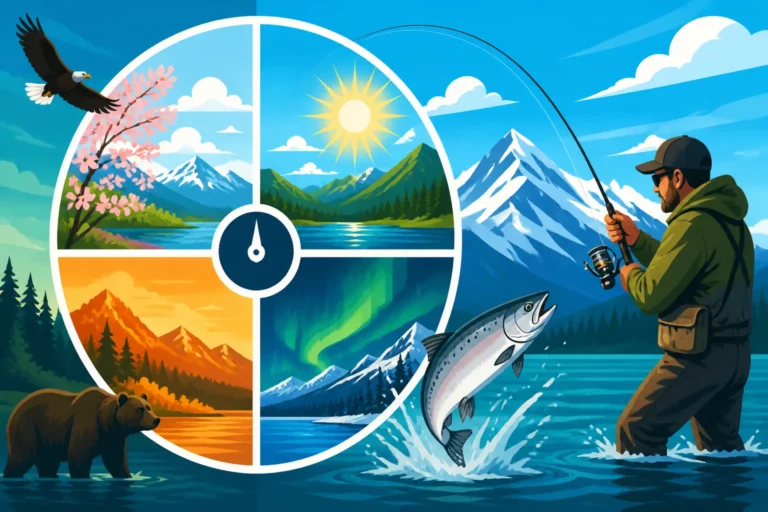
Alaska isn't just one big fishing hole; it's a vast landscape encompassing everything from raging glacial rivers to calm, clear lakes, and expansive ocean fjords. This means the conditions you'll face can swing wildly, often within the same day. One moment you might be enjoying sunshine and calm winds on the Kenai River, and the next, a sudden squall could roll in, bringing driving rain and dropping temperatures. You could be battling strong currents in a silty river for salmon, then switching to deep-sea jigging for halibut in the Bering Sea. Each environment presents its own set of challenges, from rocky riverbanks to slippery boat decks, and the gear you choose needs to stand up to all of it.
Think about the Kenai Peninsula, for instance. You might be drift fishing for sockeye in the upper river one morning, where waders and rain gear are paramount. By afternoon, you could be on a saltwater charter out of Seward targeting halibut, where sturdy sea boots and warm layers are essential. The diversity is part of Alaska's charm, but it's also why a one-size-fits-all approach to packing simply won't work. The successful angler in Alaska is always prepared for the unexpected.
Why Specialized Gear is Crucial
You might be tempted to just bring your everyday fishing clothes and tackle, but trust me, Alaska will quickly expose the weaknesses in generic gear. Standard rain jackets often leak under sustained Alaskan downpours, leading to misery and hypothermia risks. Flimsy rods and reels designed for smaller freshwater fish won't stand a chance against a rampaging 50-pound King Salmon or a "barn door" halibut trying to pull you overboard. The cold, wet, and often rugged conditions here are relentless, and your gear needs to be just as tough.
Beyond comfort, proper gear is a matter of safety and maximizing your chances of success. Imagine finally hooking into the fish of a lifetime, only for your reel to lock up, or your line to snap because it wasn't rated for the immense power of an Alaska salmon. Or worse, finding yourself soaking wet and dangerously cold miles from shelter. Investing in quality, purpose-built gear ensures you stay comfortable, safe, and ready to make the most of every precious moment on the water. It allows you to focus on the thrill of the catch rather than battling discomfort or gear failure.
Dressing for Success: Layering and Protection
When it comes to staying comfortable and safe while fishing in Alaska, mastering the art of layering is non-negotiable. Forget bulky winter coats; versatility is king.
Layering for Alaska's Unpredictable Weather
Alaska's weather can shift on a dime, often presenting all four seasons in a single day. The secret to staying comfortable through these rapid changes is a smart layering system.
1. Base Layer (Wicking): This is your first line of defense against moisture. Opt for synthetic materials like polyester or merino wool. These fabrics pull sweat away from your skin, keeping you dry even if you're exerting yourself while battling a fish or hiking to a remote spot. Avoid cotton at all costs; once wet, cotton stays wet and will quickly make you cold, leading to discomfort and potentially hypothermia. Think about brands like Smartwool or Capilene from Patagonia for excellent performance in this category.
2. Mid-Layer (Insulation): This layer provides warmth. Fleece jackets, down vests, or synthetic insulated jackets work wonderfully. You'll want something that's easy to shed if the sun comes out or to add if a chill sets in. For river fishing, a medium-weight fleece is often ideal. For saltwater trips, a slightly heavier synthetic puffy jacket might be preferred due to less movement and more exposure to wind. The goal is warmth without excessive bulk.
3. Outer Layer (Waterproof/Windproof Shell): This is arguably the most critical piece of clothing. Your outer layer must be completely waterproof and windproof to protect you from the incessant rain and biting winds that are common. Look for jackets and pants made with GORE-TEX or similar high-performance waterproof-breathable membranes. These will keep the elements out while still allowing some moisture vapor (sweat) to escape, preventing you from getting clammy from the inside. A good quality rain suit, often referred to as "bibs" for the pants, is a true investment. For more advice on this, check out our guide on Best Rain Gear for Alaska Fishing.
Footwear and Hand Protection
Your feet and hands are often the first to get cold and wet, so protecting them properly is paramount for an enjoyable trip.
1. Footwear: Waders vs. Boots:
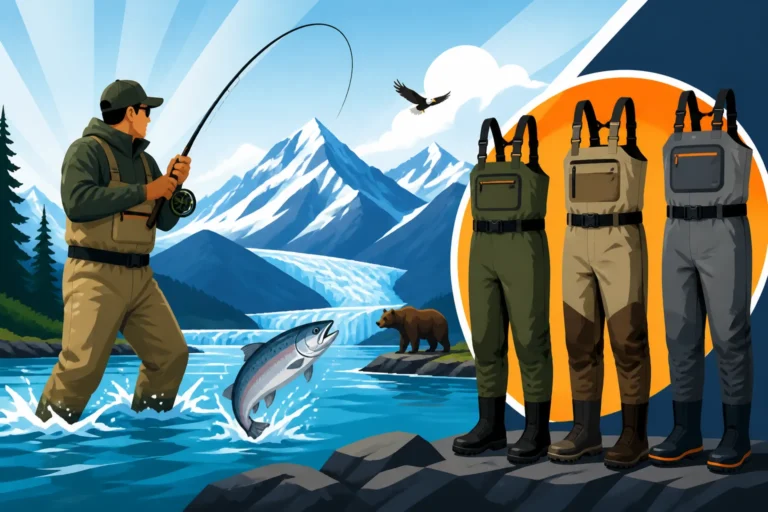
* Waders: If you're planning any river fishing, particularly for species like sockeye salmon in the Kenai or Russian rivers, good quality chest waders are essential. Breathable waders are far more comfortable than neoprene in most summer conditions, as they allow sweat to escape. Pair them with sturdy wading boots that offer good ankle support and grip on slippery riverbeds. Don't skimp here; a leaky wader means a miserable day. Many anglers find durable options on Amazon, often from brands like Simms or Orvis, if they prefer to shop online. For a deeper dive, read about Do You Need Waders for Alaska Fishing and Best Waders for Alaska Fishing.
* Waterproof Boots: For saltwater charters or general exploring where you won't be standing in the river, sturdy waterproof boots are sufficient. Xtratuf boots are practically an Alaskan uniform for a reason – they're incredibly durable, waterproof, and offer excellent grip on wet boat decks. Other reputable brands like Grundéns also offer fantastic options for staying dry.
2. Hand Protection: You'll want at least two types of gloves.
* Lightweight Fishing Gloves: These can protect your hands from sun, nicks from fish, and offer a bit of warmth. Fingerless gloves are great for maintaining dexterity.
* Warm, Waterproof Gloves: For colder days or when handling fish in chilly water, a pair of insulated, waterproof gloves or mittens will be a lifesaver. Think about flexible, fishing-specific options that still allow for some grip, like neoprene gloves or those with waterproof membranes.
Personal Items and Safety
Beyond your main clothing, a few personal items are critical for comfort, safety, and making the most of your adventure.
1. Headwear: A warm hat (beanie or fleece cap) is crucial for retaining body heat, especially on windy boats or chilly mornings. A brimmed hat or baseball cap is also a good idea for sun protection, even on cloudy days, as UV rays can be strong.
2. Eyewear: Polarized sunglasses are non-negotiable. They reduce glare off the water, allowing you to see fish, structure, and potential hazards much more clearly. They also protect your eyes from hooks and UV radiation.
3. Sun Protection: Despite the cooler temperatures, Alaska's sun can be surprisingly intense, especially with long daylight hours. Bring a high SPF sunscreen and lip balm.
4. Insect Repellent: Mosquitos and no-see-ums can be legendary in some parts of Alaska, particularly in still waters and marshy areas. Pack a strong insect repellent with DEET or picaridin. A head net can also be a sanity-saver in peak bug season.
5. Small First-Aid Kit: Always carry a basic first-aid kit with essentials like pain relievers, bandages, antiseptic wipes, and any personal medications. Accidents happen, and it's always best to be prepared.
6. Bear Spray: If you plan on any unguided hiking or fishing in remote areas, carrying bear spray is highly recommended. Make sure you know how to use it safely and effectively. You can often purchase this upon arrival in Alaska if flying limits carrying it.
The Right Tools: Rods, Reels, and Tackle
Once you're dressed for success, it's time to talk about the business end of fishing: your rods, reels, and terminal tackle. Bringing the right gear can make all the difference between a frustrating trip and one filled with memorable catches.
Rods and Reels for Common Alaska Species
Choosing your rod and reel setup depends heavily on what you plan to target. Many first-timers aim for the iconic salmon and halibut, which require robust gear.
1. Salmon Rods and Reels (Rivers): For river salmon, especially the powerful King (Chinook) and Sockeye (Red) salmon, you'll want a medium-heavy to heavy action spinning or baitcasting rod, typically 8.5 to 10.5 feet long.
* King Salmon: These fish are absolute tanks. A heavy-power rod with a fast action, paired with a high-quality baitcasting reel like a Penn Fathom or an Abu Garcia Ambassadeur, spooled with 30-50 lb braided line, is ideal. For a spinning setup, a robust reel in the 5000-8000 series with a strong drag is necessary. You'll need every ounce of strength to turn these fish in swift currents. Learn more about How to Catch King Salmon in Alaska.
* Sockeye Salmon: Sockeye are often targeted with a technique called "flossing" or drift fishing. A medium-heavy spinning rod, 9-10 feet, paired with a 3000-4000 series spinning reel spooled with 20-30 lb braided line, is a common setup. The longer rod helps with casting distance and line control.
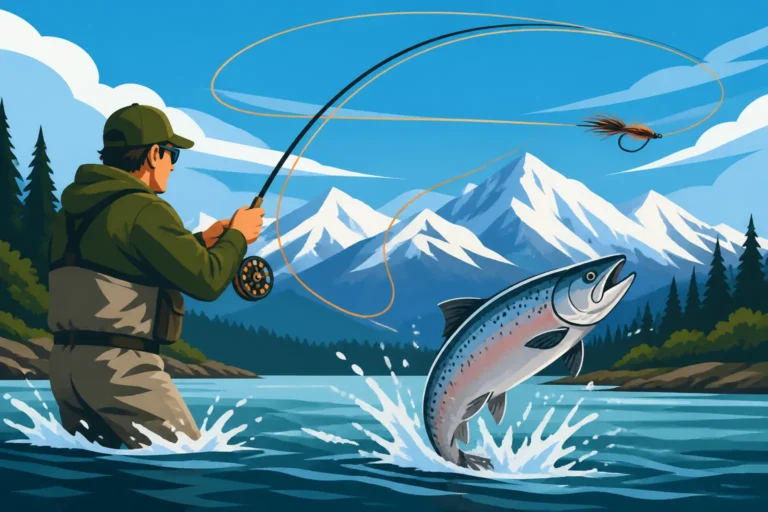
* Silver (Coho) Salmon: Coho are acrobatic and aggressive. A medium-heavy spinning or baitcasting rod, 8-9 feet, with a 3000-5000 series reel and 20-30 lb braided line, will handle them well. They respond well to spinners and flies.
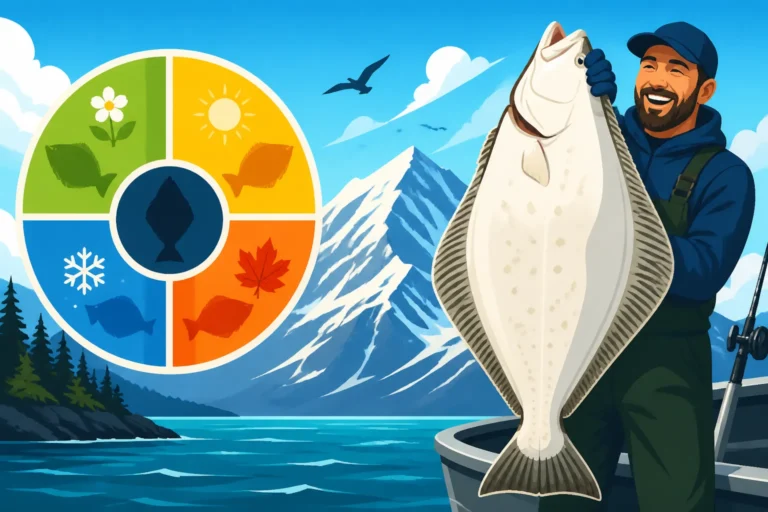
2. Halibut Rods and Reels (Saltwater): Halibut are bottom dwellers and require heavy-duty gear to haul them up from deep water.
* Rods: A stout, conventional "boat rod" around 6-7 feet with a heavy action is essential. Look for rods specifically designed for bottom fishing or deep dropping, often with a gimbal butt for fighting harnesses.
* Reels: A large conventional reel with a powerful drag system and a high line capacity is a must. Models like a Penn Squall or an Avet MXL are popular choices, spooled with 60-100 lb braided line. Many charters provide these setups, but if you're bringing your own, ensure it's up to the task of pulling a "barn door" halibut off the ocean floor. Our guide on How to Catch Halibut in Alaska has more details.
Lines, Lures, and Terminal Tackle Basics
Having the right line and a variety of lures and terminal tackle will increase your versatility and success.
1. Fishing Line:
* Braided Line: This is the workhorse for most Alaska fishing. It offers superior strength-to-diameter ratio, no stretch (for better bite detection), and excellent abrasion resistance. Spool your reels with braided line appropriate for your target species (e.g., 20-30 lb for sockeye, 50-80 lb for kings/halibut).
* Fluorocarbon Leader: While not strictly necessary for all situations, a fluorocarbon leader (20-60 lb test) tied to your main braided line provides invisibility in the water and some shock absorption.
* Monofilament: Some anglers still prefer mono for its stretch and knot-tying properties, especially for trout. However, for salmon and halibut, braid is generally preferred.
2. Lures and Bait: This is where you can get overwhelmed, but a few staples will cover most bases.
* Salmon:
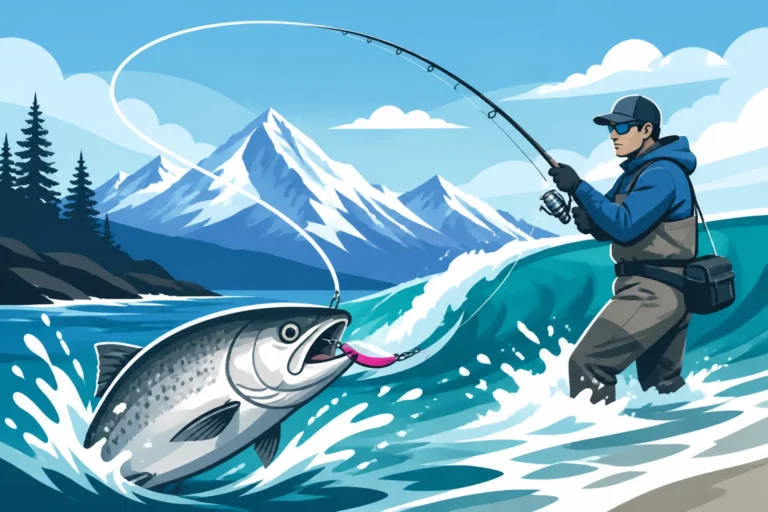
* Spinners: Popular for coho and aggressive kings. Brands like Blue Fox Vibrax and Mepps Aglia are good choices.
* Spoons: Effective for kings and coho. Pixees and Krokodile spoons are widely used.
* Cured Salmon Eggs/Roe: Often used for drift fishing for sockeye or kings, either under a float or on the bottom.
* Plugs/Kwikfish: Back-trolled plugs are highly effective for king salmon.
* Halibut:
* Jigs: Large lead-head jigs (8-16 oz+) often tipped with a large plastic grub or a piece of bait.
* Large Herring/Sardines: Often fished on a spreader bar rig near the bottom.
* Pacific Cod/Pollock: Often used as bait for larger halibut.
* Trout/Char: Small spinners, egg patterns, beads, and flies are excellent for rainbow trout, Dolly Varden, and Arctic grayling.
3. Terminal Tackle: Don't forget the small but mighty components!
* Hooks: A variety of strong, sharp hooks (e.g., Gamakatsu, Owner) in different sizes (#1 to 5/0 octopus or circle hooks for salmon, larger circle hooks for halibut).
* Swivels: High-quality barrel or ball-bearing swivels to prevent line twist.
* Weights/Sinkers: A range of lead or non-toxic weights (pencil lead, slinkies, pyramid sinkers, cannonball sinkers) to get your bait or lure to the desired depth, especially in strong currents or deep water.
* Leaders: Premade leaders or materials to tie your own, appropriate for the fish you're targeting.
* Indicators/Floats: For drift fishing, particularly for sockeye.
For a general overview of tackle, consider checking out our guide on What Tackle to Bring to Alaska.
Essential Accessories and Tools
A few key tools will make your fishing experience smoother and safer.
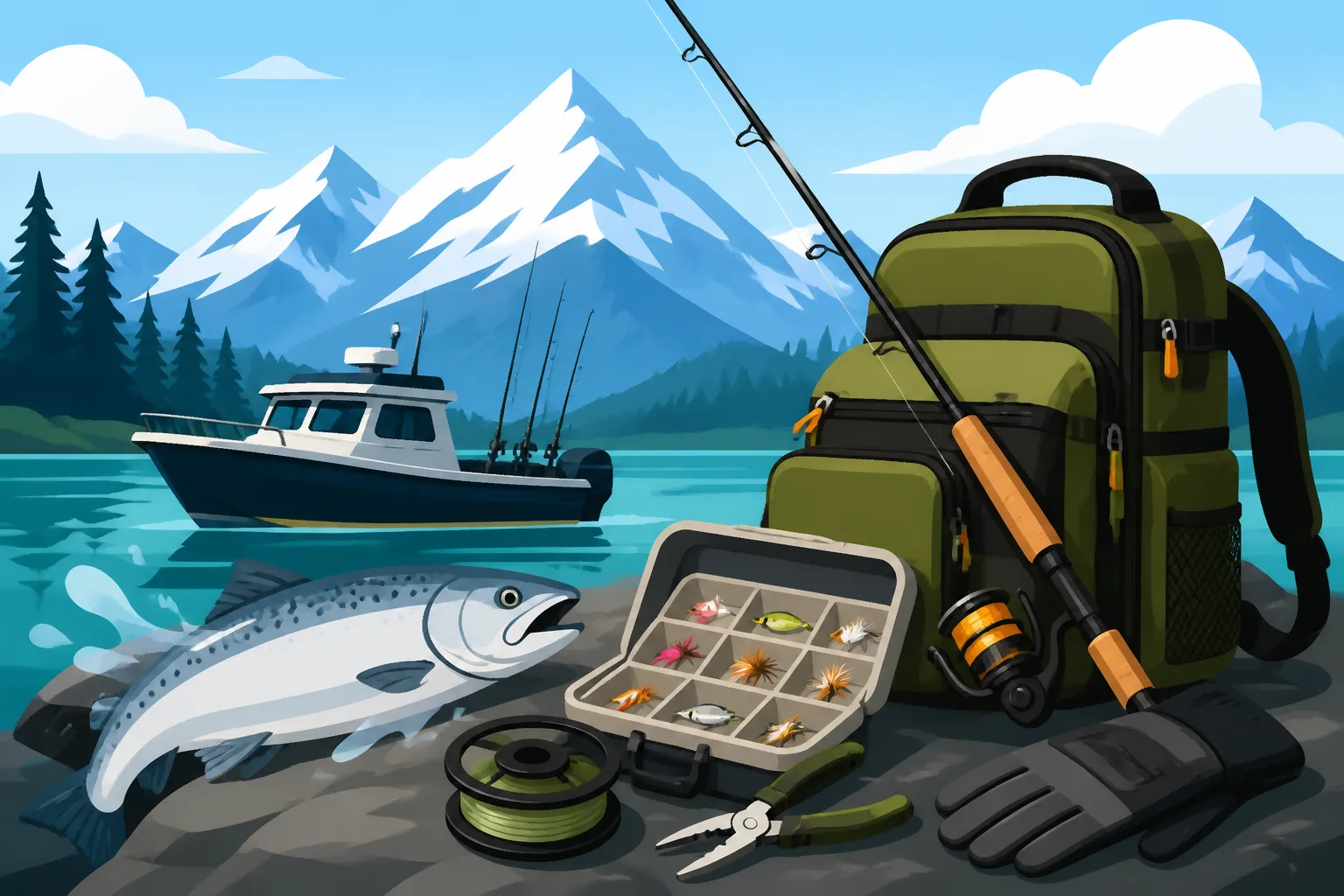
1. Fishing Pliers/Forceps: Indispensable for removing hooks, cutting line, and crimping weights. Look for a sturdy, rust-resistant pair. Many good options are available on Amazon.
2. Fishing Knife: A sharp, fixed-blade knife for cutting bait, cleaning fish, or general utility. Make sure it's kept safely sheathed.
3. Landing Net/Gaff:
* Net: A large, sturdy net with a rubberized mesh is ideal for landing salmon, reducing harm to the fish if you plan to release it, and preventing tangles.
* Gaff: For large halibut or salmon destined for the dinner table, a gaff can be a safer and more efficient way to bring the fish into the boat, especially if fishing from a charter where the deckhands typically handle this.
4. Tackle Box/Bag: A well-organized, waterproof tackle box or soft-sided bag to keep all your lures, hooks, weights, and tools neatly arranged and protected from the elements.
5. Scale and Measuring Tape: To weigh your prized catch and ensure it meets legal size requirements.
6. Headlamp/Flashlight: Even in the summer with long daylight hours, a headlamp is useful for early mornings, late evenings, or rummaging through gear in cabins.
Here’s a quick overview of essential gear:
| Category | Essential Items | Key Considerations |
|---|---|---|
| Clothing | Wicking Base Layers, Fleece Mid-Layers, | No Cotton! Waterproof/breathable outer layer is paramount. |
| Waterproof Rain Suit (Jacket & Bibs) | Layering for temperature changes. | |
| Footwear | Chest Waders + Wading Boots (river fishing) | Sturdy, good grip. Xtratuf boots for saltwater/boat. |
| Waterproof Deck Boots (saltwater/general) | ||
| Headwear | Warm Beanie, Brimmed Hat, Neck Gaiter | Sun, wind, and cold protection. |
| Handwear | Fingerless Fishing Gloves, Waterproof Insulated Gloves | Dexterity vs. warmth/water protection. |
| Personal | Polarized Sunglasses, Sunscreen, Lip Balm, | Bug repellent with DEET is crucial. Small first-aid kit. |
| Insect Repellent, Small First-Aid Kit, Bear Spray | ||
| Rods | Medium-Heavy to Heavy Salmon Rod (8.5-10.5 ft) | Spinning or Baitcasting; specific power for King/Sockeye. |
| Heavy Conventional Halibut Rod (6-7 ft) | Stout for deep-water jigging. | |
| Reels | 3000-8000 Series Spinning Reel (Salmon) | Strong drag, appropriate line capacity. |
| Large Conventional Reel (Halibut) | Powerful drag, high line capacity. | |
| Line | 20-80 lb Braided Line (main line) | Minimal stretch, strong. |
| 20-60 lb Fluorocarbon Leader (optional) | Invisibility, abrasion resistance. | |
| Lures/Bait | Spinners, Spoons, Plugs, Jigs, Cured Eggs | Varies by target species. Herring/sardines for halibut. |
| Terminal Tackle | Variety of Hooks, Swivels, Weights/Sinkers | Match to line and lure. |
| Accessories | Fishing Pliers, Sharp Knife, Landing Net/Gaff | Tackle box/bag, scale, measuring tape, headlamp. |
Beyond the Catch: Fish Care and Logistics
You've done the hard work of hooking and landing your Alaskan prize, but the adventure isn't over yet! Proper fish care on and off the water is essential to preserve the quality of your catch and ensure it makes it home safely to your dinner table.
Fish Care On and Off the Water
The quality of your fish, whether it's a magnificent King Salmon or a giant halibut, largely depends on how you treat it immediately after it's caught. This is where many first-timers make mistakes, leading to a less-than-perfect culinary experience later.
1. Bleeding Your Catch: This is perhaps the most crucial step for preserving meat quality. As soon as you land a salmon or halibut, you should bleed it out. This involves making a quick, clean cut to the gill arch or severing the tail artery to allow the blood to pump out. Bleeding fish removes blood from the flesh, which can otherwise cause the meat to spoil faster and have a stronger, less desirable flavor. A properly bled fish will have firm, clean-tasting flesh. Most good charters will handle this for you, but if you're unguided, ensure you know the technique.
2. Keeping It Cold: After bleeding, get your fish on ice as quickly as possible. A large cooler filled with ice or an insulated fish bag is indispensable. The colder you keep the fish, the better its quality will be. Avoid letting fish sit in warm water or direct sunlight. For saltwater trips, particularly for halibut, having a good quality fish bag from brands like Reliable Fishing Products or an insulated cooler bag on board is highly recommended, as they can conform to large fish and keep them chilled effectively.
3. Cleaning and Filleting: While many charters offer fish cleaning services, knowing the basics of filleting can be useful, especially for river-caught salmon. Proper filleting ensures you maximize the edible meat and prepares the fish for storage. You can find excellent tutorials online for How to Fillet a Salmon in Alaska or How to Fillet a Halibut. If using a charter, they'll often offer to fillet and package your fish for a fee, which is often worth it for the convenience and expertise.
Preparing Your Catch for the Journey Home
Bringing your Alaskan bounty home is a significant part of the trip. Planning this aspect in advance will save you stress and ensure your fish arrives in perfect condition.
1. Vacuum Sealing: This is the gold standard for preserving fish. Vacuum sealing removes air, preventing freezer burn and extending the shelf life of your fillets significantly. If your fish processing isn't handled by a lodge or charter, investing in a home vacuum sealer and plenty of bags is a smart move. When done right, your fish can last for over a year in the freezer without losing quality. We've got a detailed guide on How to Vacuum Seal and Ship Alaska Fish that can walk you through the process.
2. Freezing: Once vacuum-sealed, flash-freeze your fish as quickly as possible. Many lodges and towns in Alaska (like Homer, Seward, or Soldotna) have commercial fish processors that can quickly freeze your catch solid. This is crucial for maintaining quality during transit.
3. Shipping and Transport: You have a few options for getting your fish home:
* Checked Baggage: Most airlines allow you to check insulated fish boxes as luggage. These boxes, typically made of waxed cardboard or styrofoam, are designed to hold frozen fish. Be sure to check your airline's specific policies and weight limits, as oversized or overweight baggage fees can add up. Ensure your fish is frozen solid before packing.
* Freight/Shipping: For larger quantities of fish or if you prefer not to deal with it at the airport, several companies specialize in shipping frozen seafood from Alaska. Processors often offer this service directly, using expedited shipping to get your catch to your doorstep. This can be more expensive but offers greater convenience and peace of mind.
* Carry-On (Limited): Small, vacuum-sealed, and frozen solid portions of fish might be allowed in your carry-on, but this is highly variable by airline and TSA agent discretion. It's generally safer to check it.
It's also important to remember the regulations regarding how much fish you can bring home. Refer to our guide on How Much Fish Can You Bring Home from Alaska to ensure you stay within legal limits and avoid any issues with Alaska Department of Fish and Game (ADF&G) regulations. Always keep your harvest record card up to date, especially for species like King Salmon and halibut.
Disclaimer
The information provided in this guide is for general informational purposes only and does not constitute professional advice. Fishing regulations in Alaska can change frequently due to emergency orders and other factors. Always consult the most current Alaska Department of Fish and Game (ADF&G) regulations and emergency orders before heading out on the water. Safety in the Alaskan wilderness is paramount; always inform others of your plans, be aware of your surroundings, and carry appropriate safety gear.