Best Places to Catch a Trophy King Salmon
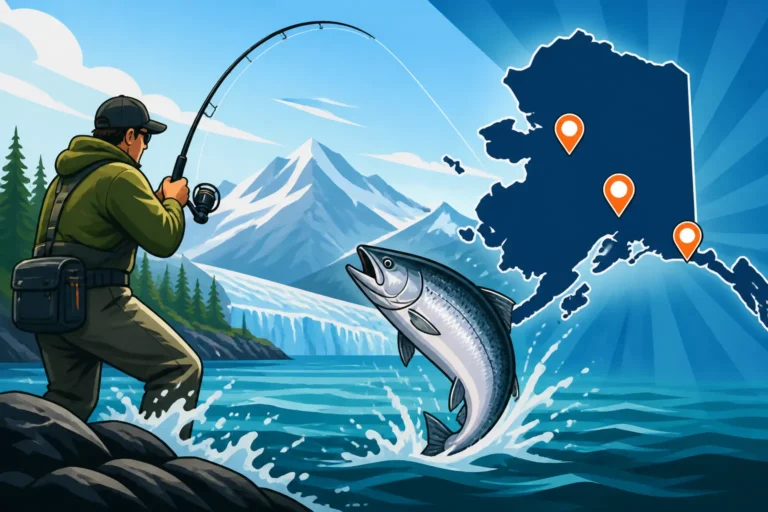
Chasing that colossal King Salmon in Alaska—the one that stretches your arms and makes your reel scream—is a dream for so many anglers. It's not just about catching a fish; it's about the challenge, the wild setting, and the sheer power of these magnificent creatures. This guide is dedicated to helping you pinpoint the best places and strategies to finally land that trophy King Salmon, turning a lifelong dream into a thrilling reality.
The Unmatched Allure of Alaska's Trophy King Salmon
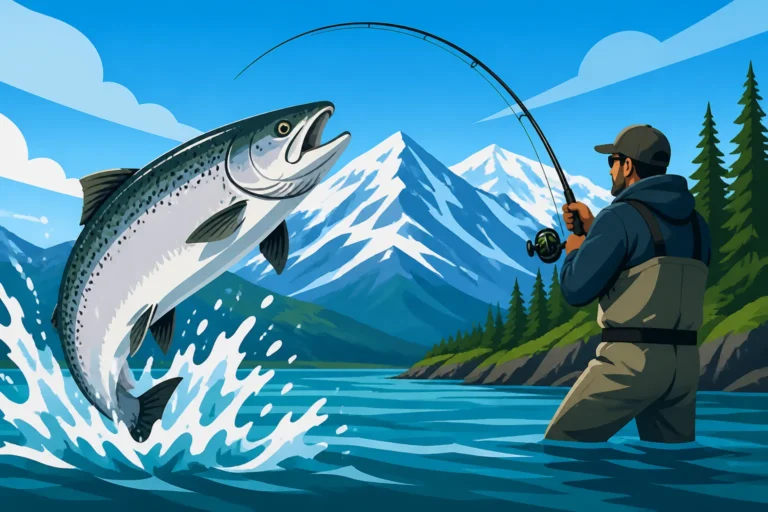
When we talk about "trophy" King Salmon, or Chinook as they're also known, we're not just talking about any fish. These are the giants, the true titans of the Alaskan rivers and saltwater, often weighing 40 pounds or more, with some absolute behemoths pushing past 70, 80, or even 90 pounds. It's a fish that demands respect, both for its sheer size and its incredible fighting prowess. Many anglers dream of catching one of these magnificent fish, not just for the brag but for the intense, arm-wrenching battle they put up.
What makes an Alaska King Salmon so special, beyond its immense size? For one, their flavor is legendary – rich, oily, and incredibly delicious, making them a prized catch for the dinner table. But for trophy hunters, it's the fight. A big King will peel line off your reel with a power that feels like you've hooked a freight train, testing your gear and your resolve to their absolute limits. They often put on incredible aerial displays, shaking their massive heads in an attempt to dislodge the hook. To successfully land one requires skill, patience, and a bit of luck. While most King Salmon you'll encounter will be in the 20-30 pound range, the possibility of a true "barn door" King is what keeps anglers coming back year after year. Understanding their habits, their preferred lies, and the prime times to target them is key, and it varies greatly depending on which incredible Alaskan waterway you choose to explore.
Prime River Systems for Giant Chinook
Alaska is a vast state, and King Salmon can be found in many rivers, but certain waterways consistently produce larger fish and higher numbers of trophy-sized Kings. These rivers have earned their legendary status for a reason, offering anglers the best shot at a true monster Chinook.
The Legendary Kenai River
You can't talk about trophy King Salmon without immediately thinking of the Kenai River. Located on the Kenai Peninsula, this river is world-famous for producing the largest King Salmon ever caught on sport fishing tackle, a monstrous 97-pound, 4-ounce behemoth caught way back in 1985. While those kinds of fish are rare, the Kenai still boasts the potential for numerous Kings over 50 pounds annually, and even 70+ pounders are still occasionally landed.
The lower Kenai River, particularly from its mouth upstream to Skilak Lake, is where the vast majority of trophy Kings are targeted. Anglers often fish from drift boats or powerboats, using techniques like back-trolling Kwikfish or Wiggle Warts with bait, or back-bouncing large cured salmon roe. The challenge with the Kenai is its popularity; during peak season, it can be crowded. However, the sheer density of large fish moving upriver makes it worth navigating the crowds. The early run, typically from mid-May through June, and the late run, from July through early August, both offer chances at big fish, though specific regulations and emergency orders often impact fishing opportunities, especially for the protected early run. Always make sure to check the current Alaska King Salmon Fishing Regulations and Limits before heading out. To get a real sense of what it's like, exploring a comprehensive Kenai River Fishing: Complete Guide will be invaluable.
Nushagak River's Prolific Runs
If you're looking for sheer numbers of King Salmon, often with a good chance at trophy sizes, the Nushagak River in Bristol Bay is a phenomenal choice. While it may not have the individual size record of the Kenai, the Nushagak sees one of the largest King Salmon runs in the world, with hundreds of thousands of fish returning annually. This means more opportunities for you to hook into a big one.
The Nushagak is primarily a fly-in or lodge-based destination, offering a more remote and wild Alaskan experience than the road-accessible Kenai. Anglers typically fish from jet boats, drifting and casting large spinners, spoons, or plugs, often tipped with bait. Back-trolling is also a popular and effective method here. The King run on the Nushagak typically peaks from mid-June through early July. What sets the Nushagak apart is the consistent action; you'll have more chances to practice your fight and ultimately land a trophy. Many lodges cater specifically to King Salmon anglers during this window, providing experienced guides, comfortable accommodations, and all the necessary gear. If you’re considering this legendary river, diving into a Nushagak River King Salmon Guide will give you a detailed look at what to expect.
Kasilof River's Wild Charm
Often considered the Kenai's quieter, wilder cousin, the Kasilof River, also on the Kenai Peninsula, offers an excellent alternative for trophy King Salmon. While its runs aren't as massive as the Nushagak, and its individual fish size record doesn't quite match the Kenai, the Kasilof consistently produces healthy numbers of large Kings, particularly its robust run of wild, naturally spawning fish.
The Kasilof is smaller and generally less crowded than the Kenai, making for a more intimate fishing experience. It's often fished from drift boats, with guides rowing anglers downriver while they back-troll plugs or drift bait. The King run on the Kasilof generally mirrors the Kenai, with an early run from late May to late June and a late run in July. Often, when the Kenai is under tighter restrictions due to King Salmon conservation concerns, the Kasilof remains open, providing crucial opportunities for anglers. The average size of Kings on the Kasilof is impressive, with plenty of fish in the 20-40 pound range, and 50+ pounders are definitely within reach. Its relative tranquility combined with the potential for big fish makes it a favorite for many veteran Alaska anglers. For a deeper dive into fishing this gem, check out Kasilof River Fishing: What to Know Before You Go.
Here's a quick comparison of these top trophy King Salmon rivers:
| River | Peak Season | Average Trophy Size | Record Potential | Primary Fishing Style | Accessibility | Notes |
|---|---|---|---|---|---|---|
| Kenai River | Late May – Early August | 30-60 lbs | World Record | Boat (power/drift) | Road | Most famous, often crowded, strict regs |
| Nushagak River | Mid-June – Early July | 25-50 lbs | High numbers | Jet boat/Drift boat | Fly-in | Remote, high volume, guided trips |
| Kasilof River | Late May – Early August | 25-45 lbs | Very Good | Drift boat | Road | Less crowded than Kenai, wild fish |
Other Noteworthy Waters for Trophy Kings
While the big three often steal the spotlight, other Alaskan rivers also offer excellent King Salmon fishing. The Deshka River, accessible from the Parks Highway north of Anchorage, has a respectable King run and can produce large fish, though it's often an early-season fishery with tight regulations. Further afield, rivers in Southeast Alaska like the Stikine or Taku can have strong King runs, particularly for ocean-run fish that haven't entered freshwater yet. These fisheries often involve targeting Kings in saltwater estuaries or near river mouths, offering a different kind of challenge and a chance at pristine, chrome-bright fish.
Strategies for Landing Your Dream King
Catching a trophy King Salmon isn't just about being in the right place; it's also about employing the right techniques, having the correct gear, and understanding the nuances of their behavior. These fish are powerful and cunning, and you'll need to be at the top of your game.
Best Timing and Techniques for Monster Kings
Timing is crucial. For most of Alaska's prime rivers, the King Salmon runs typically occur from late May through July. The very beginning of a run often sees the largest, freshest fish pushing upstream. As mentioned, the Kenai and Kasilof have distinct early and late runs, each with its own character and regulatory framework. Knowing when the biggest fish are typically migrating is a huge advantage. You can check the Alaska King Salmon Run Timing to fine-tune your trip.
When it comes to techniques, river fishing for Kings usually involves heavy-duty gear.
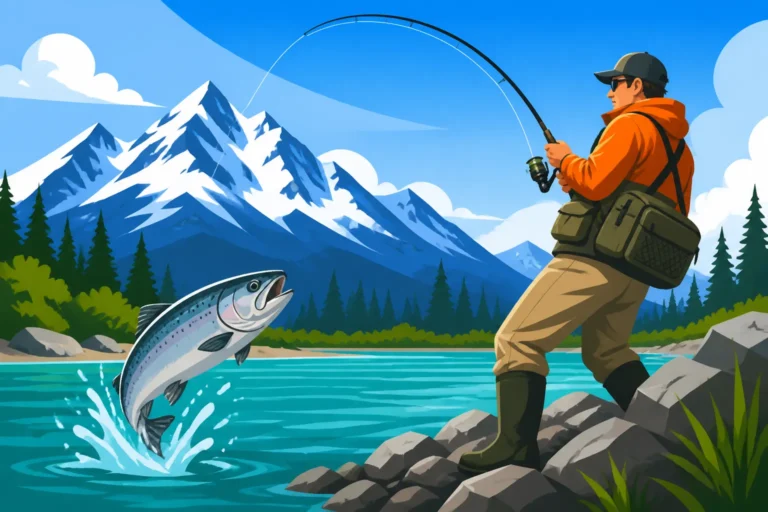
- Back-trolling: This is a staple on many rivers, particularly the Kenai and Kasilof. Anglers in a boat slowly drift downstream, using the current to work large plugs (like Kwikfish or Wiggle Warts) or bait presentations (cured roe in an egg loop or under a diver) along the bottom. The key is to keep your offering in the strike zone where Kings are resting or moving.
- Back-bouncing: Similar to back-trolling but often done with lighter tackle and a more active approach. Anglers use heavy weights to bounce bait along the riverbed, feeling for the subtle take of a King. This is particularly effective in deeper holes and faster currents.
- Casting Spinners/Spoons: On rivers like the Nushagak, casting large spinners (e.g., Flying C, Pixie) or spoons (like the Luhr Jensen Krocodile) from a boat or even the bank can be incredibly effective. The flash and vibration can trigger aggressive strikes from Kings.
- Fly Fishing: While more challenging for trophy Kings, spey casting or heavy single-hand setups with large weighted flies (such as intruders or large egg patterns) can entice Kings, especially in less pressured waters or during specific conditions. This technique requires significant skill and patience but offers an incredibly rewarding experience. For a comprehensive look at methods, check out How to Catch King Salmon in Alaska.
Essential Gear and Regulatory Adherence
You'll need robust gear to handle these powerful fish. A heavy-action rod (typically 9-10 feet for river fishing), paired with a high-quality baitcasting or level-wind reel spooled with 30-50 pound monofilament or braid, is standard. Leaders should be tough fluorocarbon, often 25-40 pound test, to withstand the abrasion of rocks and the powerful jaws of a King. Don't skimp on hooks; sharp, strong hooks are critical for penetration and holding power.
Navigating Alaska's fishing regulations can feel like a labyrinth, but it's absolutely crucial, especially when targeting King Salmon, which are subject to stringent management due to conservation concerns. Daily and annual bag limits, size restrictions, gear limitations (e.g., single hook, no bait restrictions), and seasonal closures can change rapidly via emergency orders. A King Salmon stamp is often required in addition to your regular fishing license for anglers hoping to retain a Chinook. Always carry your Alaska Harvest Record Card Explained and meticulously record your catch as required. Penalties for violations are severe, so staying informed is paramount. Before you even pack your bags, make sure you understand if Do You Need a King Salmon Stamp in Alaska.
Planning Your Unforgettable Trophy King Expedition
Embarking on a quest for a trophy King Salmon in Alaska requires careful planning. From choosing the right support to ensuring you have all your ducks in a row, preparation is key to a successful and enjoyable trip.
The Value of Professional Guides and Charters
For many, especially those new to Alaskan fishing or targeting trophy Kings, hiring a reputable guide or charter is non-negotiable. An experienced Alaska fishing guide knows the rivers intimately, understands King Salmon behavior, and can put you on fish when others struggle. They also handle the boat, gear, and often bait preparation, allowing you to focus purely on fishing. Guides are also invaluable for navigating complex regulations and emergency orders. They’ll ensure you're fishing legally and responsibly.
When selecting a guide, look for recommendations, check reviews, and inquire about their specific experience targeting trophy Kings on your chosen river. Platforms like FishingBooker can be an excellent resource for finding and comparing reputable charters and guides across Alaska, offering reviews and detailed information to help you make an informed choice. They list a wide array of options, from small drift boat operations on the Kasilof to larger powerboat charters on the Kenai. Look for guides who prioritize conservation and provide proper handling techniques for large fish, especially if you plan to catch and release. Understanding How to Choose an Alaska Fishing Charter is essential for a productive trip.
Logistics, Accommodation, and Early Booking
Alaska is a popular destination, and prime fishing dates, especially during peak King Salmon season, book up quickly. It's not uncommon for top guides and lodges to be fully booked a year or more in advance. If you're planning a trip for June or July, start your research and booking as early as possible.
Accommodation options range from rustic cabins and campgrounds to full-service fishing lodges that offer all-inclusive packages including meals, lodging, and guided fishing. For remote rivers like the Nushagak, a lodge package is often the most practical option. For road-accessible rivers like the Kenai or Kasilof, you'll find a wider range of hotels, B&Bs, and vacation rentals in towns like Soldotna, Kenai, or Cooper Landing. Regardless of where you stay, confirm transportation details, especially if you're flying into a smaller regional airport or relying on shuttle services. Being prepared for varying conditions and staying comfortable throughout your trip significantly enhances the overall experience.
Essential Preparations and What to Bring
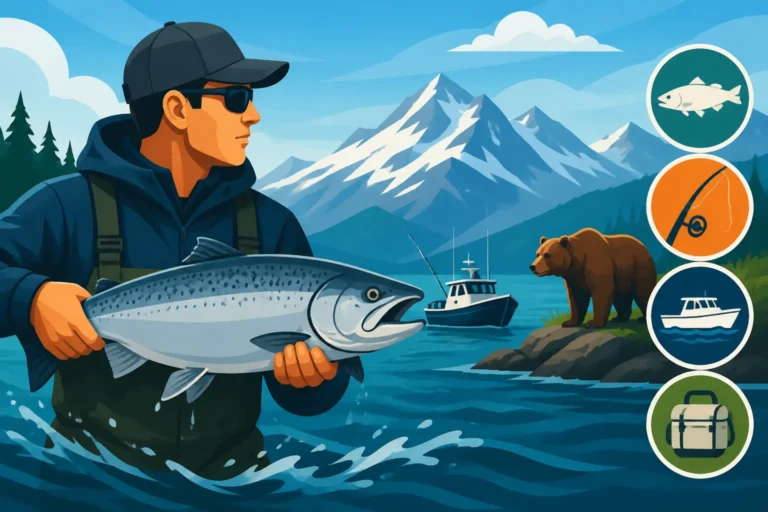
Beyond your fishing gear, there are several other critical items to pack for an Alaskan fishing adventure:
- Fishing License and King Salmon Stamp: Absolutely essential. You can often purchase these online before your trip through the Alaska Department of Fish and Game website. For a full rundown, read the Alaska Fishing License: Complete Guide.
- Rain Gear: Alaska weather is notoriously unpredictable. High-quality waterproof and windproof jackets and pants are a must.
- Layered Clothing: Temperatures can swing dramatically. Dress in layers, including fleece, wool, and quick-dry materials.
- Waders and Boots: If you plan on any bank fishing or getting out of the boat, waterproof waders and comfortable wading boots are necessary.
- Sun Protection: Even on cloudy days, UV rays can be intense. Pack sunglasses, a wide-brimmed hat, and sunscreen.
- Bear Spray: If you're venturing into remote areas or hiking along riverbanks, bear spray is highly recommended. Ensure you know how to use it safely.
- Camera: You'll want to capture the memories, especially if you land that trophy King!
- Cooler/Fish Boxes: If you're planning to take fish home, consider how you'll store and transport your catch. Many lodges and charters, often found on platforms like FishingBooker, offer fish processing and shipping services, which can be a huge convenience. It's definitely something to inquire about when looking into What to Expect on an Alaska Fishing Charter.
Remember, while the pursuit of a trophy King Salmon is exhilarating, respecting the resource and adhering to all regulations ensures these magnificent fish will continue to thrive for future generations of anglers.
Disclaimer
The information provided in this guide is for general informational purposes only and does not constitute professional advice. Alaska fishing regulations, seasons, and limits can change frequently, sometimes on short notice via emergency orders. Always consult the official Alaska Department of Fish and Game regulations booklet and current emergency orders before planning and embarking on any fishing trip. Individual fishing success can vary greatly based on numerous factors including weather, water conditions, angler skill, and fish migration patterns.