Talkeetna Fishing: What to Know Before You Go
Many anglers dream of the quintessential Alaska fishing experience – breathtaking scenery, powerful fish, and a sense of wild adventure – but often feel overwhelmed by the sheer scale of the state and the complexities of planning a trip. Talkeetna, with its unique blend of accessibility, stunning natural beauty, and diverse fishing opportunities, offers an incredible answer to that dream. This guide will help you navigate everything you need to know before you cast a line in the incredible waters around Talkeetna.
Why Choose Talkeetna for Your Alaska Fishing Adventure?
Talkeetna isn't just a quirky, charming little town nestled at the confluence of three mighty rivers; it’s a living postcard of interior Alaska, offering a distinctly different fishing experience than many of the state's more famous (and often crowded) destinations. People come here for the views, the laid-back vibe, and yes, the fantastic fishing opportunities that lie just beyond its rustic main street.
A Unique Gateway to Wilderness Fishing
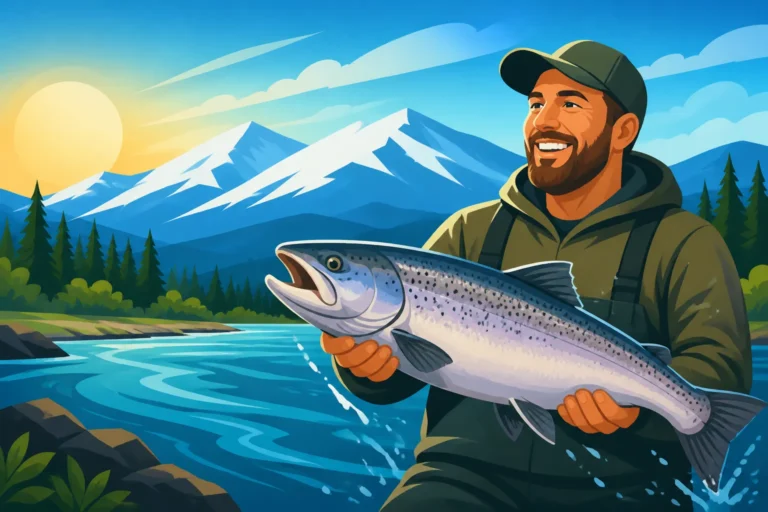
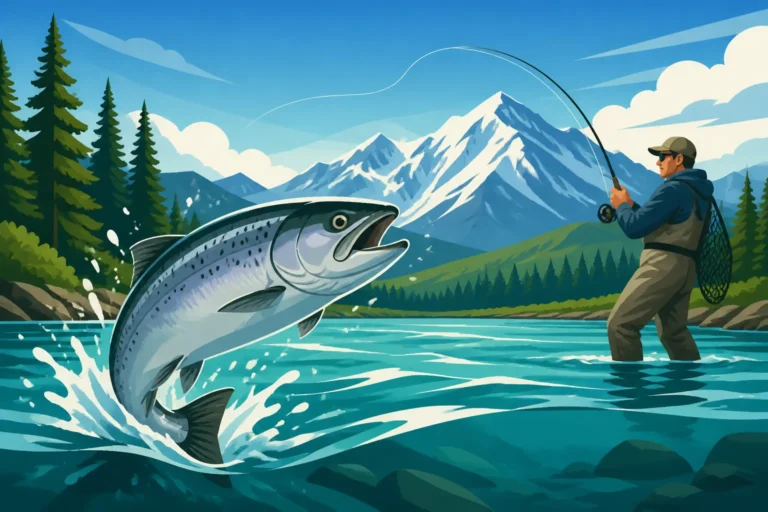
What makes Talkeetna truly special is its role as a literal gateway. While it's connected to the road system, making it relatively easy to get to, it also serves as the primary jumping-off point for mountaineering expeditions to Denali. This dual nature means you can enjoy the comforts of a small town while having immediate access to vast, untamed wilderness. The Talkeetna, Chulitna, and Susitna rivers merge here, creating a huge, braided river system that feels ancient and wild. You're not just fishing; you're immersing yourself in a landscape where moose roam freely, eagles soar overhead, and the distant peaks of the Alaska Range loom large. It’s a place where you can find both solitude and a strong sense of community among fellow adventurers.
Many anglers are looking for that "off the beaten path" feel without going completely off-grid, and Talkeetna delivers. While some areas can be accessed from the bank, many of the prime fishing spots are only reachable by boat, particularly jet boats that can navigate the shallow, braided channels. This makes it an ideal spot for those who want a taste of Alaska's ruggedness but still appreciate being able to grab a warm meal and a cozy bed at the end of the day.
Accessibility and Scenic Beauty
One of the biggest frustrations for aspiring Alaska anglers is the perception that all the best fishing is deep in the bush, requiring expensive flights and elaborate logistics. Talkeetna happily breaks that mold. Located about a two-hour drive north of Anchorage, it's easily accessible via a scenic drive along the George Parks Highway. This means you can fly into Ted Stevens Anchorage International Airport, rent a car, and be setting up your fishing gear within a few hours, all while soaking in views that get progressively more spectacular as you head north.
On a clear day, the views of Denali and the surrounding Alaska Range from Talkeetna are nothing short of breathtaking. Imagine casting your line into a pristine river with North America's tallest peak serving as your backdrop – it’s an experience that genuinely sticks with you. The drive itself is part of the adventure, offering glimpses of dense spruce forests, shimmering lakes, and sometimes even wildlife like black bears or caribou. This accessibility makes it a fantastic option for families or those on a tighter schedule who still want a robust Alaska fishing adventure.
A Less Crowded Alternative
Let's be honest, places like the Kenai River are legendary for a reason, but that legend often comes with significant crowds, sometimes referred to as "combat fishing." While there can certainly be popular spots in Talkeetna, especially during peak salmon runs, the sheer size and braided nature of the Susitna River drainage system generally allow for a more spread-out and tranquil experience. If you've ever dreamt of having a stretch of river largely to yourself, or at least with plenty of elbow room, Talkeetna can often provide it.
The numerous tributaries and oxbows mean that guides can take you to less-pressured areas, offering a genuine escape from the hustle and bustle. This is particularly appealing for anglers who prioritize the peacefulness of nature as much as they do catching fish. While you might encounter other boats, it’s rarely the shoulder-to-shoulder experience found in some other famous Alaskan fishing locales. It’s a chance to truly connect with the environment and the rhythm of the river.
Target Species and Prime Fishing Seasons in Talkeetna Waters
Knowing what fish are running and when is paramount to a successful Alaska fishing trip, and Talkeetna's rivers offer a wonderful variety throughout the summer and early fall. From the mighty King Salmon to acrobatic Silver Salmon and resident Rainbow Trout, there's always something to target if you time it right.
King Salmon
The undisputed monarch of Alaska's freshwater fisheries, the King Salmon (Chinook) is a bucket-list fish for many anglers. In the Talkeetna area, Kings typically begin their migration into the rivers in late May, with the run peaking through June and into mid-July. Catching a King is an unforgettable experience; they are incredibly powerful fighters, often making long, drag-screaming runs and deep dives. Early season Kings are often bright chrome, fresh from the ocean, and packed with energy.
However, fishing for Alaska King Salmon: Complete Guide requires vigilance regarding regulations. King Salmon runs have faced conservation challenges in recent years, leading to strict bag limits, seasonal closures, or even gear restrictions (like single hooks or bait bans) that can change rapidly via emergency orders. It's crucial to check the most up-to-date Alaska Fishing Regulations Explained before you go, as an unforeseen closure could significantly impact your trip plans. You'll also likely need an Do You Need a King Salmon Stamp in Alaska in addition to your regular license. Guides often have the most current information, which is a major advantage for planning a trip.
Sockeye and Chum Salmon
As the King run begins to wane, the Talkeetna rivers explode with Sockeye (Red) and Chum (Dog) Salmon, typically from mid-July through August. Sockeye are famous for their vibrant red flesh and excellent table quality, making them a favorite for anglers looking to fill their freezer. They're often caught by "flossing" or "flipping" a weighted fly or bead rig, as they are not aggressive biters once they enter freshwater. While not as large as Kings, Sockeye provide fast-paced action due to their sheer numbers during a strong run. For tips on how to target these, check out our guide on How to Catch Sockeye Salmon in Alaska.
Chum Salmon, on the other hand, are often overlooked but are absolute powerhouses on the end of a line. While not as prized for eating as Sockeye or Kings, they are incredibly strong fighters, with large, square tails that propel them through the current. They can be a blast on spinning gear or even a spey rod. Chums tend to be more aggressive biters than Sockeye, readily striking spinners, spoons, or flies. Their runs often coincide with Sockeye, offering a fantastic mixed-bag opportunity.
Silver (Coho) Salmon
The late summer and early fall in Talkeetna bring the aggressive and acrobatic Silver Salmon (Coho). These fish usually start showing up in mid-August and run strong through September, often extending into early October, depending on the river system and rainfall. Silver Salmon are a favorite among many anglers because of their willingness to strike lures and flies, their impressive aerial displays when hooked, and their respectable fighting power.
Silvers are often found in the clear, shallower side channels and slower seams, making them accessible to both bank and boat anglers. They'll readily hit a variety of presentations, from bright spinners and spoons to poppers and streamers on a fly rod. If you're looking for consistent action and a fish that puts on a show, targeting How to Catch Silver Salmon in Alaska in the Talkeetna region during late summer is an excellent choice. The cooler temperatures and changing fall colors only add to the beauty of the experience.
Rainbow Trout and Dolly Varden
Beyond the anadromous salmon species, Talkeetna and its surrounding waters also hold healthy populations of resident Rainbow Trout and Dolly Varden. These fish are present year-round but often become particularly active after the salmon have spawned, feeding on loose eggs and decaying salmon flesh. The "egg drop" bite in late summer and fall can be phenomenal, offering opportunities to catch some impressively large, well-fed trout.
Targeting Rainbow Trout and Dolly Varden often involves fly-fishing with bead patterns, egg imitations, or flesh flies, but spin anglers can also find success with small spinners or drifted beads. The clear water of many of the smaller tributaries and glacial side channels can offer incredibly rewarding sight-fishing opportunities. These are beautiful fish, often displaying vibrant colors, and catching them in the pristine wilderness environment of Talkeetna is a true treat. Our guide on Alaska Rainbow Trout Regulations can provide more specific details for these beautiful fish.
To help visualize the prime times, here's a quick overview of what to expect:
| Species | Peak Season (Approx.) | Key Characteristics |
|---|---|---|
| King Salmon | June – Mid-July | Largest, strongest fighter, often require special stamp & check regs for closures/limits. |
| Sockeye Salmon | Mid-July – August | Excellent eating, run in huge numbers, typically caught by flossing/flipping. |
| Chum Salmon | Mid-July – August | Incredibly strong fighters, aggressive strikes, good sportfish. |
| Silver Salmon | Mid-August – September | Acrobatic, aggressive, fantastic sport, good eating. |
| Rainbow Trout | Year-round, best post-salmon run | Resident species, often target eggs/flesh after salmon spawn, great for fly fishing. |
| Dolly Varden | Year-round, best post-salmon run | Similar to trout, feed on salmon eggs, widespread. |
Essential Gear and Effective Fishing Techniques for Talkeetna Waters
Success in Talkeetna's diverse fisheries hinges on having the right gear and understanding the most effective techniques for the specific conditions and species you're targeting. The vastness of the river systems means that adapting your approach is key. Don't worry, you don't need to be an expert, but being prepared makes all the difference. For a more general overview, check out our comprehensive Alaska Fishing Gear and Tackle Guide.
Rods, Reels, and Line Selection
For King Salmon, you'll want a heavy-duty setup. Think a medium-heavy to heavy power spinning or baitcasting rod, typically 8 to 10.5 feet long for good casting distance and leverage when fighting big fish in strong currents. Pair this with a robust reel (size 4000-6000 for spinning, or a heavy baitcaster) spooled with 40-60 lb braided line, often with a 25-40 lb monofilament or fluorocarbon leader. The braid provides strength and sensitivity, while the leader offers abrasion resistance and stealth.
When chasing Sockeye in Talkeetna, a medium-heavy spinning rod (8.5-10 feet) is ideal, allowing you to effectively "floss" or "drift" small lead weights and sockeye flies. A 3000-4000 size reel spooled with 20-30 lb braided line and a 15-20 lb fluorocarbon leader will give you the sensitivity and strength needed for these powerful, streamlined fish.
For Silver Salmon and Chum Salmon, a medium to medium-heavy power spinning or baitcasting rod, 8.5 to 9 feet in length, is a versatile choice. A 3000-4000 series reel with 20-30 lb braid and a 15-20 lb leader will handle the fight and casting of various lures.
If you're focused on Rainbow Trout and Dolly Varden, especially when fly fishing, a 6-8 weight fly rod is perfect. Pair it with a matching reel and a weight-forward floating line, often with a 9-12 foot tapered leader ranging from 0X to 3X, depending on water clarity and fly size. Spin anglers targeting trout can use a lighter setup: a light to medium-light spinning rod (6.5-7.5 feet) with a 2000-2500 size reel spooled with 10-15 lb braid and a 6-10 lb fluorocarbon leader.
Lures, Bait, and Flies
The choice of presentation is critical in Talkeetna. For King Salmon, common choices include large spinners like a Mepps Flying C (often in chartreuse, orange, or black), large spoons such as a Pixee or Krokodile, and back-trolled plugs like a Kwikfish or FlatFish. Cured salmon roe is also an incredibly effective bait when regulations allow, often drifted under a bobber or fished on the bottom.
Sockeye Salmon are unique. In freshwater, they primarily focus on spawning and are not actively feeding. The most effective technique is usually "flossing," which involves drifting a heavy lead weight and a short leader with a small, unweighted fly or bead through their migratory path. The goal isn't to get them to bite, but for the line to catch in their mouth as they swim, setting the hook in the corner of the jaw. Beads are also popular, mimicking salmon eggs, especially for trout that feed on them. Our guide on How to Catch Sockeye Salmon in Alaska dives deep into these methods.
Chum Salmon are more aggressive and will strike a variety of lures. Large spinners, spoons, and brightly colored jigs (often pink, chartreuse, or purple) are excellent choices. They're also receptive to flashy, heavy flies on a fly rod.
Silver Salmon are notorious for chasing down lures. Bright spinners (like the Vibrax or Flying C in pink, chartreuse, or orange), spoons, and Twitching Jigs (especially when regulations allow for bait) are highly effective. On the fly rod, aggressive coho will hit streamers, weighted intruders, and even surface poppers, especially in low-light conditions or slower water. You can learn more about this in our guide on How to Catch Coho Salmon in Alaska.
For Rainbow Trout and Dolly Varden, especially when feeding behind spawning salmon, bead patterns (like Glo-Bugs or single egg beads) are incredibly effective, mimicking the loose eggs drifting in the current. Flesh flies (imitating decaying salmon flesh) are also productive. Small spinners or drifted beads can work well for spin anglers.
Bank Fishing vs. Boat Fishing
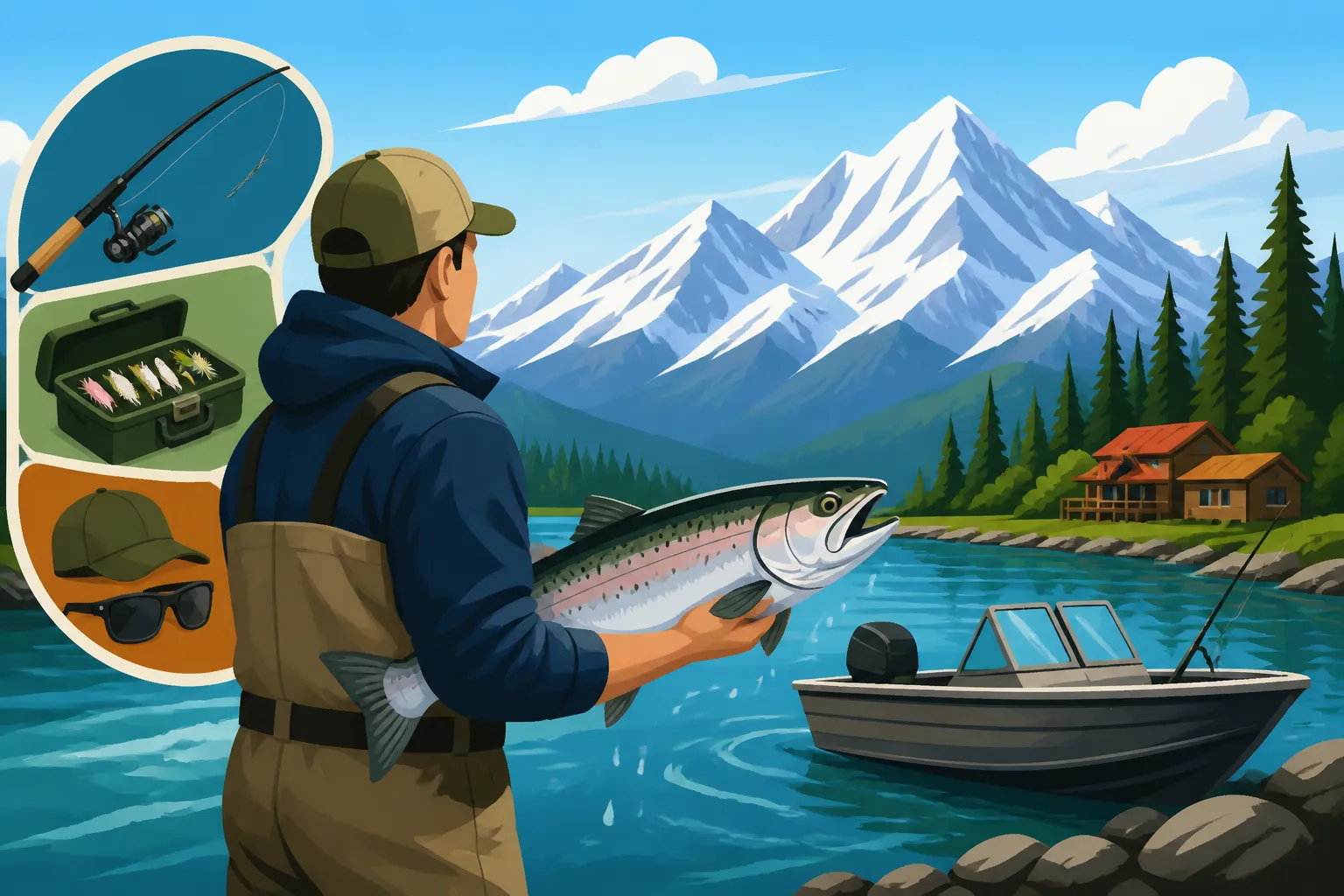
While there are some limited bank fishing opportunities around Talkeetna, particularly near town and at certain public access points, the vast, braided river system often makes boat fishing the most productive way to explore the area. Local guides typically operate jet boats, which are specifically designed to navigate the shallow, gravelly channels of the Talkeetna and Susitna rivers. This allows them to access remote gravel bars, deep holes, and less-pressured waters that bank anglers simply can't reach.
A guided boat trip offers several advantages: not only do guides know the river intimately – where the fish are holding, how the currents work, and the ever-changing river bottom – but they also provide all the necessary gear, bait, and most importantly, safety. Navigating these rivers without experience can be dangerous due to constantly shifting sandbars, snags, and rapid current changes. If you're looking for that truly immersive experience, a guided trip is highly recommended. You can find reputable operators through platforms like FishingBooker, where you can compare different charter options and read reviews from other anglers who have fished the Talkeetna region. Planning ahead and looking into Alaska Fishing Charters: Complete Guide or How to Pick an Alaska Fishing Guide is key, as these popular services book up quickly, especially during peak season.
Planning Your Talkeetna Fishing Trip: Logistics and Regulations
Planning an Alaska fishing trip, even to a relatively accessible spot like Talkeetna, involves more than just picking a date. Understanding the local regulations, deciding on guided versus unguided options, and arranging your stay are crucial for a smooth and successful adventure.
Navigating Alaska Fishing Regulations
Alaska's fishing regulations are famously detailed and can be daunting for first-timers. The sheer number of species, the varying rules by region and river system, and the possibility of in-season emergency orders mean you must do your homework. The Talkeetna area falls primarily under the Southcentral Alaska regulations. You'll need an Alaska Fishing License: Complete Guide, and for King Salmon, a Do You Need a King Salmon Stamp in Alaska is usually required.
The Alaska Department of Fish and Game (ADF&G) website is your best friend here. They publish annual regulation booklets, but more importantly, they issue emergency orders that can change bag limits, open/close fisheries, or modify gear restrictions with little notice, sometimes even mid-week. These changes are often conservation-driven, reacting to fish run strengths. It's not uncommon for a King Salmon fishery to close entirely if the run is weak, so always check for current emergency orders just before and even during your trip. Many local tackle shops and guides will also have the most up-to-date information, but personal verification is always recommended. This diligence is part of ensuring you have an enjoyable and legal fishing experience.
Choosing Between Guided and Unguided Adventures
This is often the biggest decision for anglers heading to Talkeetna.
Unguided Fishing:
For experienced anglers with their own jet boat and a deep understanding of river navigation and local fishing techniques, unguided fishing can offer the ultimate freedom. There are public boat launches available, and if you know the Susitna, Talkeetna, and Chulitna rivers, you can certainly explore independently. However, be aware that these rivers are complex, with constantly shifting channels, submerged hazards, and powerful currents. Running aground or experiencing mechanical issues in remote areas can quickly turn into a serious situation. Bank fishing opportunities are limited, mostly to easily accessible areas near town or specific spots that may require local knowledge.
Guided Fishing:
For most visitors, especially those unfamiliar with the region, a guided trip is almost indispensable for fishing the Talkeetna area. Local guides possess an unparalleled knowledge of the river systems, knowing exactly where fish are holding, what techniques are working on a given day, and how to safely navigate the treacherous waterways. They provide all the necessary gear, bait, and often even fish cleaning services. A good guide isn't just a boat driver; they're an expert who will teach you techniques, share local lore, and significantly increase your chances of success and safety.
When selecting a guide, look for operators with strong reputations. Many can be found through online booking platforms like FishingBooker, which allows you to view available trips, compare prices, and read reviews from previous clients. Booking in advance is highly recommended, especially for peak salmon seasons, as the best guides fill up quickly. Consider what species you want to target and confirm the guide's expertise in that area.
Accommodation and Local Services
Talkeetna is small but well-equipped for visitors. You'll find a variety of lodging options, from charming bed and breakfasts and rustic cabins to more modern lodges and motels. Many accommodations are centrally located, within walking distance of the main street's shops, restaurants, and bars. The town has a definite frontier charm, with log buildings and a relaxed atmosphere.
For dining, Talkeetna offers everything from casual cafes and brewpubs to fine dining establishments. You can enjoy a hearty breakfast before heading out on the river, grab a packed lunch from a local deli, and savor a delicious dinner with fresh Alaskan seafood in the evening. There are also grocery stores, tackle shops, and gas stations to cover all your basic needs. Don't forget to visit the Talkeetna Historical Society Museum to learn more about the town's fascinating past as a supply hub for Denali expeditions and gold prospectors. Many anglers also like to visit places like the Denali Brewing Company for a taste of local craft beverages.
Safety and Preparedness
Alaska is wild, and fishing here demands respect for nature. Here are a few key safety and preparedness tips:
- Bear Safety: You are in bear country. Carry bear spray, know how to use it, and store food properly. Make noise when walking through brush. If you're on a guided trip, your guide will manage this, but if fishing independently, vigilance is key.
- Weather: Alaskan weather is notoriously fickle. Even in summer, temperatures can drop, and rain is always a possibility. Dress in layers, including waterproof outer shells. Our guide on How to Dress for Alaska Fishing has more details.
- River Conditions: Water levels and clarity can change rapidly due to rainfall or glacial melt. These changes significantly impact fishing success and river navigability. Your guide will monitor this closely.
- Communication: Cell service can be spotty outside of Talkeetna proper. If venturing out independently, consider carrying a satellite communication device for emergencies.
- First Aid: Always have a basic first aid kit, especially if you're exploring less-traveled areas.
Being prepared for the Alaskan wilderness is part of the adventure. By respecting the environment and planning diligently, your Talkeetna fishing trip will undoubtedly be an unforgettable experience.
Disclaimer
Please remember that fishing regulations in Alaska can change frequently due to emergency orders from the Alaska Department of Fish and Game. Always verify the most current regulations, bag limits, and seasons for the specific area and species you intend to fish before heading out. This guide provides general information and should not be used as the sole source for regulatory compliance.