How to Pick an Alaska Fishing Guide
Planning an Alaska fishing trip can feel like trying to navigate a braided river in a fog – overwhelming, with countless paths and the fear of choosing the wrong one. With so many fantastic fishing opportunities and an equally vast number of guides and charters out there, it's easy to feel lost and worried about making the right investment. This comprehensive guide is here to cut through that confusion, helping you understand how to pick the perfect Alaska fishing guide to ensure your dream adventure becomes a reality, not a disappointment.
Defining Your Alaska Fishing Goals
Before you even start looking at guide websites or asking for recommendations, the most crucial first step is to sit down and really think about what you want out of your Alaska fishing trip. It might sound obvious, but many folks jump straight into searching for "Alaska salmon guide" without considering the nuances that can make or break their experience. Alaska offers such a diverse range of fishing, and aligning your expectations with the right guide is paramount.
What Species Do You Want to Target?
Alaska is famous for its incredible fish populations, but not every guide specializes in every species. Are you dreaming of battling a massive King Salmon, also known as a Chinook, feeling the powerful surge of one of these leviathans? Or perhaps you're more drawn to the acrobatic fights of Silver Salmon (Coho), leaping clear of the water? Maybe the sheer numbers and thrilling "combat fishing" for Sockeye Salmon on rivers like the Kenai or Russian appeal to you, promising a freezer full of delicious fish.
Beyond salmon, there's the legendary Alaska Halibut, often called "barn doors" for their impressive size, which requires a completely different fishing technique and boat. Or are you a freshwater enthusiast hoping to stalk giant Rainbow Trout in pristine rivers or chase the iridescent Arctic Grayling in clear mountain streams? Each of these species thrives in different environments, at different times of the year, and requires distinct gear and guiding expertise. A guide who excels at ocean halibut charters might not be the best choice for a fly-fishing trip targeting wild rainbow trout, and vice-versa. Think about your ultimate fishy fantasy and let that guide your initial search. Knowing your target species early on helps narrow down the field considerably.
What Kind of Experience Are You Seeking?
Fishing in Alaska isn't just about catching fish; it's about the entire experience. What kind of atmosphere are you looking for? Are you imagining a serene, peaceful day on a remote river, casting flies with only the sounds of nature around you? Or do you thrive on the camaraderie of a bustling charter boat, sharing stories and laughs with fellow anglers as you haul in halibut? Perhaps you're looking for a hardcore, trophy-hunting trip where every minute is dedicated to landing the biggest fish possible, or maybe a relaxed, family-friendly outing where the focus is more on making memories with the kids.
Some people prefer the comfort and amenities of an all-inclusive lodge, where everything from gourmet meals to waders is provided, and guides pick you up right at the door. Others might be looking for a more rustic, DIY-friendly adventure with a local guide for a single day on a specific river. Consider your group dynamic – are you solo, a couple, a family with young children, or a group of experienced fishing buddies? A guide accustomed to teaching beginners might not be the best fit for seasoned anglers seeking advanced techniques, and a guide specializing in high-adrenaline king salmon trips might not have the patience for a calm, educational outing with kids. The ambiance and pace of your trip are just as important as the fish count.
How Long and When Will You Be Fishing?
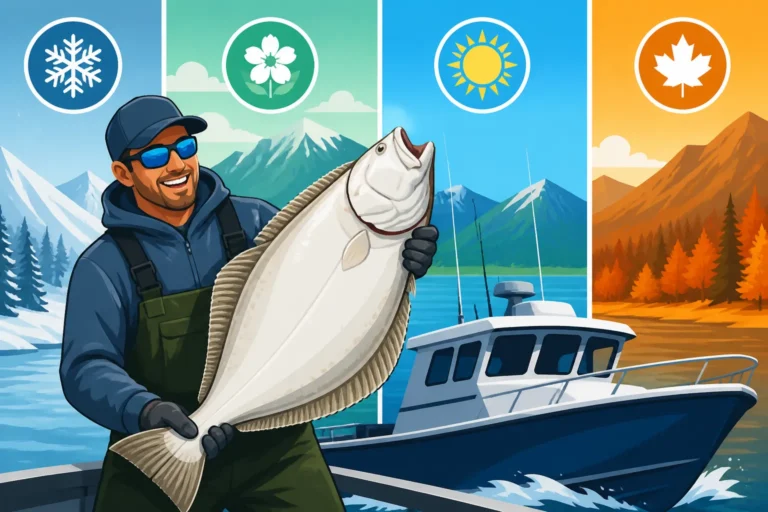
The timing of your trip is critical in Alaska, as various fish species have distinct run timings. Understanding the Alaska Salmon Run Timing Explained will significantly impact your success and the availability of guides. If you're set on catching King Salmon, for example, your window will primarily be from mid-May through July, depending on the river and specific run. Sockeye Salmon typically peak in June and July, while Silver Salmon runs are stronger in August and September. Halibut fishing is generally good throughout the summer, but specific times might yield larger fish or better weather conditions.
Knowing the duration of your trip also influences your guide choice. Are you looking for a single-day excursion, perhaps a half-day or full-day charter out of Seward or Homer? Or are you planning a multi-day adventure, potentially involving several days with one guide or a longer stay at an Alaska fly-in fishing lodge? Some guides only offer full-day trips, while others are flexible. Be clear about your dates and duration, as this will affect availability, especially during peak season. Booking well in advance is often essential, sometimes a year out for the most sought-after guides and lodges. Thinking about these logistics upfront will save you a lot of time and potential disappointment during your search.
Exploring Different Types of Alaska Fishing Guides
Alaska's vast and varied landscape means there isn't just one type of fishing guide. The environment dictates the equipment, techniques, and expertise required. Understanding these different categories will help you narrow down your search to guides who truly specialize in the kind of experience you're looking for.
River Guides: Drift Boats, Power Boats, and Walk-and-Wade
River guides are the backbone of freshwater fishing in Alaska, particularly for salmon and trout. They operate on countless rivers across the state, from the well-known Kenai River to more remote streams in Bristol Bay.
- Drift Boat Guides: These guides often provide a more intimate, quieter experience, perfect for scenic floats down rivers like the Kenai or Kasilof. Drift boats are unpowered, allowing the guide to expertly maneuver the boat through prime fishing holes using oars, giving anglers the chance to cast into undisturbed waters. This is an excellent option for those who enjoy fly fishing or spin fishing with light tackle, offering a peaceful connection with nature. They are particularly adept at targeting species like Rainbow Trout or Sockeye Salmon using methods like "flossing" or back-trolling. The tranquility allows for great wildlife viewing, too.
- Power Boat Guides: On larger, swifter rivers, or when covering more ground quickly is desired, power boats come into play. These boats, often jet-powered, allow guides to access multiple fishing spots over a larger stretch of river. This can be ideal for targeting active King Salmon runs where moving from hole to hole is beneficial, or for those who prefer to spend less time drifting and more time actively fishing. Guides using power boats are common on the Kenai River for both Kings and Sockeye, offering a different pace and coverage than a drift boat.
- Walk-and-Wade Guides: For the truly immersive freshwater experience, a walk-and-wade guide is fantastic. These guides specialize in leading anglers to pristine stretches of rivers and streams that are often inaccessible by boat. It's a more physically demanding option, involving hiking and wading, but it often leads to incredible solitude and opportunities to sight-fish for aggressive Rainbow Trout, Dolly Varden, or even Steelhead. These guides are often experts in local entomology and river characteristics, perfect for serious fly anglers who want to hone their skills in a wilderness setting. You'll want to ensure you have the right gear, including quality waders and sturdy boots.
Saltwater Charter Captains: Ocean Fishing for Halibut, Salmon, and Rockfish
If your dream fish swims in the ocean, then a saltwater charter captain is who you need. Alaska's coastal waters are teeming with giant fish, and charter boats offer the best way to access them.
- Halibut Charters: The pursuit of the mighty Alaska Halibut is a major draw. These charters depart from coastal towns like Homer, Seward, Sitka, and Valdez. You'll typically be aboard a larger, comfortable vessel designed for ocean travel and bottom fishing. The captain will take you to deep-water fishing grounds, often dozens of miles offshore, where halibut congregate. The experience involves dropping heavy jigs or bait to the seafloor and waiting for that tell-tale "thump." It's an often physically demanding but incredibly rewarding fishery. Understanding Alaska Halibut Charter Regulations Explained is crucial before you go.
- Salmon Charters: While many salmon runs happen in rivers, ocean salmon charters target the migrating fish before they enter freshwater. This is often called "trolling for Kings" or "silver fishing" near the coast. These charters can be incredibly productive, especially for King Salmon (Chinook) and Silver Salmon (Coho) in areas like Prince William Sound or Southeast Alaska. Trolling involves dragging lines with lures or bait at specific depths, and it's a technique that allows you to cover a lot of water. Some charters even offer combo trips, where you spend part of the day deep-dropping for halibut and part of the day trolling for salmon, maximizing your opportunities.
- Rockfish and Lingcod Charters: For those who enjoy variety and delicious table fare, many saltwater charters will combine trips to target various rockfish species like Yelloweye, Black Rockfish, and Pacific Cod, alongside formidable Lingcod. These bottom-dwelling fish provide excellent action and are often found in rocky reefs and pinnacles closer to shore than halibut. Often, these are included as part of a multi-species trip, offering a diverse fishing experience and a cooler full of different fillets.
Fly-Out Lodge Guides: Remote, All-Inclusive Experiences
For the ultimate wilderness fishing adventure, an Alaska fly-in fishing lodge is an unparalleled experience. These lodges are typically located in remote regions, often only accessible by small bush plane, offering exclusivity and access to untouched fisheries.
- Remote River Access: Guides at fly-out lodges specialize in whisking guests away to pristine rivers and lakes, often multiple different locations over a multi-day trip. Imagine flying over vast Alaskan wilderness, landing on a gravel bar next to a crystal-clear stream teeming with Sockeye Salmon or a lake holding monster Rainbow Trout. These guides are experts in bush flying logistics, remote camp setup, and navigating challenging terrain.
- All-Inclusive Comfort: While remote, many lodges offer luxurious amenities, including gourmet meals, comfortable cabins, and all the necessary fishing gear. It's a truly immersive experience where you can disconnect from the outside world and focus solely on the fishing and natural beauty. The guides become your hosts, chefs, and fishing experts all in one. These trips are an investment but offer a once-in-a-lifetime journey into the heart of Alaska's wild fisheries. Many guests choose these lodges specifically for the chance to fish for specific species in isolation, like the massive Rainbow Trout of the Bristol Bay region.
Essential Factors for Evaluating Potential Guides
Once you have a clearer idea of your goals and the type of guide you need, it's time to start evaluating your options. This stage requires careful research and asking the right questions to ensure you're choosing a reputable and suitable guide.
Licensing, Insurance, and Safety Records
This is non-negotiable. Any legitimate Alaska fishing guide or charter captain must be properly licensed and insured. Operating without these essentials is illegal and puts you, the client, at significant risk.
- State and Federal Licensing: Guides operating on navigable waters in Alaska need Coast Guard licensing if they are carrying passengers for hire. Additionally, guides need specific state guiding licenses issued by the Alaska Department of Fish and Game (ADF&G). River guides operating on federal lands, such as within the Kenai National Wildlife Refuge, may also require special use permits. Don't hesitate to ask prospective guides about their licenses and permits. A professional guide will be transparent and proud to show you their credentials. This protects you in case of an accident or unexpected event on the water.
- Insurance Coverage: A reputable guide will carry liability insurance. Accidents, though rare, can happen, and you want to be assured that you are protected. While you might not ask to see their policy, asking "Are you fully licensed and insured?" is a completely reasonable question. A guide who hesitates or gives vague answers should be a red flag. Safety is paramount, especially when dealing with powerful boats, sharp hooks, and unpredictable Alaskan weather and wildlife.
- Safety Protocols and Equipment: Beyond official paperwork, inquire about their safety practices. What safety equipment do they carry on their boat (life vests, first-aid kit, communication devices)? Do they have an emergency plan? Are they trained in first aid or CPR? A good guide will prioritize your safety above all else and be proactive in discussing it. They should ensure you know what to expect and how to stay safe, especially when dealing with wildlife like bears on riverbanks or rough seas offshore.
Experience, Reputation, and References
A guide's track record and the experiences of their past clients speak volumes. This is where online research and word-of-mouth come into play.
- Years of Experience and Local Knowledge: You want a guide who knows the waters they fish intimately. How long have they been guiding in that specific area? Do they understand the local fish patterns, tides, currents, and weather? Local knowledge is invaluable, as conditions in Alaska can change rapidly. An experienced guide can adapt to these changes, find the fish, and keep you safe. Ask them about their approach to different conditions or what they do when the fish aren't biting where they expected.
- Online Reviews and Testimonials: In today's digital age, online reviews are a powerful tool. Websites like Google Reviews, Facebook, and specialized fishing booking platforms like FishingBooker allow past clients to share their experiences. Pay attention to consistent themes. Are people praising the guide's patience, fish-finding ability, safety consciousness, or friendly demeanor? Look for recent reviews and a good volume of feedback. Be wary of guides with very few reviews or an overwhelming number of negative ones, especially those that mention safety issues, poor communication, or unprofessional behavior.
- Direct References: If you're considering a high-end trip or making a significant investment, don't hesitate to ask for direct references from previous clients. Speaking with someone who has fished with the guide can provide invaluable insight into what to expect. A confident and reputable guide will happily provide contact information for a few past clients. Ask references about the guide's demeanor, their ability to put clients on fish, and how they handled any unexpected situations. This extra step can provide a level of assurance that online reviews alone can't always offer.
Gear, Boats, and Equipment Provided
The quality and suitability of the gear and boat directly impact your comfort, safety, and fishing success. Don't assume everything is top-notch; ask for specifics.
- Boat Condition and Maintenance: Is the boat well-maintained, clean, and appropriate for the waters you'll be fishing? A saltwater charter boat needs to be robust and equipped for rough seas, while a river drift boat should be nimble and safe for shallow waters. Ask about the size of the boat, how many anglers it accommodates comfortably, and when it was last inspected or serviced. For ocean charters, confirm features like enclosed cabins, restrooms, and comfortable seating, especially for longer trips out of places like Seward or Homer.
- Fishing Tackle and Equipment: What kind of rods, reels, lines, and lures/bait do they provide? Is it high-quality, well-maintained gear suitable for the species you're targeting? Imagine trying to land a trophy King Salmon with a cheap, flimsy rod – it’s a recipe for heartbreak. Ask about the brands they use, if it's appropriate for beginners or experienced anglers, and if they provide options for different techniques. For fly fishing, ask if they provide waders and boots, and if so, what sizes they have available. If you prefer to bring your own specialized gear, confirm that's okay, but also appreciate a guide who offers quality equipment. This is especially important for the larger fish in Alaska. You can find out more about what to bring in our Alaska Fishing Gear and Tackle Guide.
- Additional Amenities and Comforts: Beyond fishing gear, what else is provided? Do they offer rain gear, snacks, drinks, or lunch? Is there a heated cabin on saltwater boats? These small comforts can make a big difference, especially on a long day in potentially challenging weather. If you have specific dietary needs, inquire if they can accommodate them. Always clarify what's included and what you'll need to bring yourself to avoid surprises.
Communication and Personality Match
Fishing with a guide is a highly personal experience. You'll be spending hours, perhaps days, together. A good personality match and clear communication are vital for an enjoyable trip.
- Prompt and Clear Communication: How responsive is the guide to your initial inquiries? Do they answer your questions thoroughly and clearly, or are their responses vague and delayed? Good communication before the trip is a strong indicator of what to expect during the trip. They should be transparent about pricing, what's included, and any regulations or changes. You should feel comfortable asking any question, no matter how small.
- Guide's Demeanor and Teaching Style: Some guides are quiet and let you fish, while others are boisterous storytellers. Some are patient teachers, perfect for beginners, while others expect a certain level of experience. Which style suits you best? If you're bringing kids or are new to fishing, a patient and encouraging guide is crucial. If you're an experienced angler looking to learn advanced techniques, you'll want someone who can offer detailed coaching. Try to gauge their personality during your initial communications. A brief phone call can often tell you more than a dozen emails. Look for someone who is passionate, knowledgeable, and genuinely invested in making your trip a success.
- Flexibility and Adaptability: Alaska's weather and fishing conditions can be notoriously unpredictable. How does the guide handle changes? Are they flexible if conditions shift, perhaps suggesting an alternative species or location if the primary target isn't biting? A good guide will prioritize your experience and safety, even if it means changing plans. Discuss their policy on weather cancellations or modifications; this is a critical aspect covered in our Alaska Charter Cancellation and Weather Policies guide. A guide who is rigid and unwilling to adapt might lead to a frustrating experience.
The Nitty-Gritty of Booking Your Guide
You've done your research, found a few promising candidates, and now it's time to solidify your plans. This phase involves detailed conversations, understanding financial commitments, and reviewing agreements.
Asking the Right Questions
Don't be shy! A reputable guide welcomes questions. This is your investment, and you deserve to have all your concerns addressed.
- Pricing and Inclusions: Beyond the sticker price, what exactly is included? Does the quoted rate cover all bait, tackle, fuel, and fish processing (e.g., filleting)? Are there any hidden fees for things like park usage, hot coffee, or extra hours? Is your Alaska Fishing License: Complete Guide included, or do you need to purchase that separately? Most charters do not include the license, so be sure to get yours beforehand. Clarify whether snacks and drinks are provided, or if you should pack your own. Sometimes, a seemingly higher-priced guide might actually offer better value by including more amenities. Get a clear breakdown of costs so there are no surprises at the end of the trip.
- Bag Limits and Regulations: Alaska has very specific and often complex fishing regulations and bag limits, which can even change mid-season via emergency orders. Ask your guide about the current Alaska Fishing Regulations Explained for the species and area you'll be fishing. For example, what are the daily and annual limits for King Salmon in their area? Are there any specific gear restrictions, like barbless hooks or single hooks? A good guide will be completely up-to-date on all regulations and committed to ethical and legal fishing practices. They should be able to explain how to fill out an Alaska Harvest Record Card accurately for any retained salmon or other species.
- Emergency Plans and Contingencies: What happens if someone gets seasick, injured, or if the weather turns dangerous? What is their communication protocol in remote areas? How quickly can they get back to shore or summon help? While it's uncomfortable to think about, a responsible guide will have clear emergency procedures in place. Discussing this shows their professionalism and commitment to your safety.
- Fish Handling and Processing: What happens after you catch your fish? Will the guide fillet your catch? Do they have facilities for chilling or freezing your fish immediately? Many guides will do a basic fillet, but if you want more advanced processing, like portioning, vacuum-sealing, or smoking, you'll likely need to arrange that with a local fish processor. Ask if the guide can recommend local processors and what their typical rates are. This is a big part of the Alaska experience – getting that fresh catch home! Find out more about Alaska Fish Processing and Shipping Home Rules.
Understanding Deposits, Payments, and Cancellation Policies
Before you commit, ensure you fully understand the financial terms and what happens if plans change.
- Deposit Requirements: Most reputable guides require a deposit to secure your booking, especially during peak season. This is standard practice. Understand the deposit amount, when it's due, and if it's refundable under certain conditions. Deposits can range from 25% to 50% of the total trip cost.
- Payment Schedule: When is the final payment due? Is it before the trip, on the day of the trip, or after? What payment methods do they accept (cash, credit card, check)? Clarify these details to avoid any last-minute stress. Be wary of guides who ask for the full payment upfront without a clear cancellation policy, especially for trips booked far in advance.
- Cancellation Policy: This is critical. Alaska weather can be unpredictable, and personal emergencies can arise. What is the guide's policy if you cancel? What if they have to cancel due to weather, mechanical issues, or other unforeseen circumstances? Will you receive a full refund, a partial refund, or a credit for a future trip? Get this in writing or confirmed via email. Most reputable guides will offer a full refund or rescheduling option if they cancel due to unsafe weather conditions, but if you cancel within a certain window, you might forfeit your deposit. Make sure you're comfortable with the terms.
Reviewing Contracts and Itineraries
For multi-day trips, lodges, or larger charter bookings, you might receive a formal contract or detailed itinerary. Read it carefully.
- Detailed Itinerary: For multi-day trips, ensure you have a clear understanding of the daily schedule, locations, and planned activities. What time do you meet? Where? What's the plan for lunch? This level of detail helps manage expectations and ensures everyone is on the same page.
- Terms and Conditions: Pay close attention to the fine print in any contract. This will outline everything discussed above: payments, cancellations, liability waivers, and what happens in specific scenarios. If anything is unclear, ask for clarification before signing or making a final payment. Don't feel rushed or pressured. Taking the time to understand the agreement protects both you and the guide.
Avoiding Common Mistakes and Red Flags
In the excitement of planning an Alaska fishing trip, it's easy to overlook warning signs. Being vigilant can save you from a disappointing or even dangerous experience.
Too Good to Be True Deals
While everyone loves a bargain, deeply discounted rates or promises that seem unrealistic should immediately raise a red flag.
- Unrealistically Low Prices: If a guide's rates are significantly lower than others in the same area for comparable services, there's often a reason. This could mean they are cutting corners on safety, using substandard equipment, lacking proper licenses and insurance, or simply don't have the experience to charge market rates. Quality guiding in Alaska is a professional service with high operating costs (boats, fuel, maintenance, insurance, licenses). Be suspicious of prices that seem too good to be true. Compare rates across several guides in the same region, using resources like FishingBooker to get a sense of average costs, such as the Average Cost of an Alaska Halibut Charter.
- Guaranteed Catches: No legitimate fishing guide can guarantee you'll catch fish, especially specific species or sizes. Fishing is called fishing, not catching, for a reason! Reputable guides promise effort, expertise, and putting you in the best possible position to catch fish, but the ultimate outcome depends on many factors outside their control (weather, fish behavior, your skill level). Be wary of any guide making ironclad guarantees; it's a sign of a high-pressure sales tactic or lack of realism.
- Vague Promises or Lack of Detail: If a guide's website or communication is full of vague promises ("best fishing ever!") but lacks specific details about their boats, gear, experience, or what's included, proceed with caution. Professional guides are transparent about their operations and capabilities. They should be able to articulate their services clearly.
Lack of Transparency or Poor Communication
As mentioned earlier, good communication is paramount. Any breakdown in this area before you even book is a major warning sign.
- Difficulty Getting Answers: If it takes days for a guide to respond to emails or phone calls, or if their answers are evasive and don't directly address your questions, this indicates potential problems. Imagine if you have a critical question or an emergency during your trip – how will they handle it then? A lack of responsiveness can suggest disorganization, overbooking, or a lack of client focus.
- Reluctance to Provide Credentials or References: As discussed, a licensed and insured guide should be proud to share their credentials and provide references if asked. If they hesitate, make excuses, or outright refuse, it's a huge red flag. This behavior often suggests they are not properly licensed, insured, or have something to hide about their operation or past performance. Don't compromise on this vital aspect.
- High-Pressure Sales Tactics: While guides want your business, reputable ones focus on providing information and building trust, not on pushing you into a quick decision. If you feel pressured to book immediately, told that a particular date is about to be taken (without genuine reason), or if a guide uses aggressive sales language, step back. Your decision should be based on careful consideration, not coercion.
Ignoring Your Gut Feeling
Sometimes, despite all the facts and figures, something just doesn't feel right. Trust your instincts.
- An Unsettling Feeling: Even if a guide ticks all the boxes on paper, if you have a nagging feeling of discomfort or mistrust after communicating with them, listen to that intuition. You're entrusting your safety and your valuable vacation time to this person. A poor personality match or a sense of unease can significantly detract from your enjoyment, regardless of how many fish you might catch.
- Inconsistent Information: If you notice inconsistencies in what a guide tells you (e.g., different prices, conflicting details about the trip, or changing availability), take note. This could indicate disorganization, a lack of honesty, or simply poor record-keeping, none of which you want in a guide.
- Lack of Passion or Enthusiasm: A great guide is usually passionate about fishing and sharing their knowledge of Alaska. If a guide seems uninterested, bored, or just "going through the motions" during your initial interactions, it might reflect their attitude on the water. You want someone who is genuinely excited to make your trip a success.
Preparing for Your Guided Alaska Fishing Adventure
Once you've chosen and booked your guide, the excitement truly begins! Now it's time to prepare for your trip, ensuring you arrive ready for an unforgettable experience.
What to Pack and Wear
Alaska's weather is famously unpredictable. Being prepared for anything will make your trip far more enjoyable.
- Layer, Layer, Layer: This is the golden rule for dressing in Alaska. Temperatures can swing wildly, and you might experience sun, rain, and cold winds all in one day. Start with a moisture-wicking base layer (synthetics or wool, never cotton), add a warm insulating layer (fleece or down), and top it with a waterproof and windproof outer shell. Our guide on How to Dress for Alaska Fishing goes into much more detail.
- Rain Gear: Even if the forecast looks clear, always bring high-quality rain gear – jacket and pants. Alaska rain can be cold and persistent. Look for gear that is truly waterproof, not just water-resistant. Many guides provide basic rain gear, but having your own reliable set is always better.
- Footwear: Depending on your trip type, appropriate footwear is essential. For river trips, waterproof wading boots are often necessary, and if the guide doesn't provide waders, you'll need to know if you need Waders for Alaska Fishing. For ocean charters, rubber boots or waterproof deck shoes with good grip are ideal. Always avoid open-toed shoes or slick-soled footwear.
- Essentials: Don't forget sunscreen, sunglasses (polarized are best for spotting fish and reducing glare), a wide-brimmed hat, insect repellent (especially for freshwater trips), and a camera. Bring any personal medications you require. A small waterproof bag for electronics and valuables is also a good idea.
Understanding Tipping Etiquette
Tipping is customary in the service industry, and fishing guides are no exception. Knowing the etiquette shows appreciation for their hard work.
- Standard Gratuity: A common guideline for tipping an Alaska fishing guide is 15-20% of the total trip cost. If you had an exceptional experience, felt the guide went above and beyond, or if they worked especially hard in challenging conditions, consider tipping closer to 20% or even more. This is covered in our guide on Tipping on an Alaska Fishing Charter.
- When to Tip: Typically, tips are given at the end of the trip. If it's a multi-day trip with the same guide, you can tip at the end of the final day. If you're on a charter with a captain and a deckhand, it's common to tip both, with the captain often receiving a slightly larger share or the tip being given to the captain to distribute.
- Cash is King: While some guides might accept tips via Venmo or other digital payment apps, cash is generally preferred and often easiest. Ensure you have smaller denominations if you plan to split a tip among crew members.
- Consider the Effort: Remember that guiding is hard work. Guides often put in long hours before and after your trip, maintaining gear, cleaning boats, and scouting fishing spots. A good tip acknowledges this dedication, even if the fish weren't biting as expected (as long as the guide put in the effort).
Being Realistic About Expectations
Alaska fishing is incredible, but it's still fishing. Managing your expectations is key to a truly enjoyable experience.
- Fish Are Wild Animals: While Alaska is renowned for its abundant fisheries, there's no guarantee you'll catch a trophy fish or even limit out every time. Fish populations fluctuate, weather can impact activity, and sometimes, the fish just aren't biting. A good guide will do everything in their power, but they can't control nature. Focus on the overall experience: the scenery, the wildlife, the time spent on the water, and the challenge of the sport.
- Weather Can Change Plans: Be prepared for the possibility that weather conditions (wind, rain, fog) might alter your original plans. Your guide will prioritize your safety. This might mean delaying departure, heading to a different, more sheltered fishing spot, or even canceling a trip if conditions are too dangerous. A flexible attitude will serve you well.
- Enjoy the Journey: Alaska is an incredibly beautiful and wild place. Take time to appreciate the stunning landscapes, the abundant wildlife (eagles, bears, whales), and the sheer majesty of it all. The fishing is often spectacular, but the entire journey is what truly makes an Alaska fishing trip unforgettable. Don't get so focused on the catch that you miss out on the incredible surroundings. Enjoy the opportunity to connect with nature and experience one of the world's last great wild frontiers.
Summary Table: Key Considerations for Choosing an Alaska Fishing Guide
Here’s a quick overview to help you keep track of the most important points when selecting your guide:
| Category | Key Questions to Ask & Consider | Red Flags to Watch Out For |
|---|---|---|
| Your Goals | What species do I want? What kind of experience (relaxing, hardcore, family)? When/how long? | Not knowing what you want; choosing a guide misaligned with your primary goal. |
| Guide Type | River (drift, power, wade), Saltwater (halibut, salmon, combo), Fly-out Lodge? | Guide only offers one type when you need another; lack of specialization. |
| Credentials & Safety | Licensed? Insured? Safety protocols? First aid? Reputable? | Evasive answers, no proof of licenses/insurance, poor safety record, bad reviews. |
| Experience & Reputation | How many years in this area? Good reviews on platforms like FishingBooker? References? | Very few or consistently negative reviews; no references; vague experience claims. |
| Gear & Boat | Boat size/condition? Quality of rods/reels? Waders/rain gear provided? Amenities? | Old/broken gear, dirty boat, uncomfortable setup, no mention of key amenities. |
| Communication | Prompt, clear, direct answers? Friendly demeanor? Flexible? | Slow/vague responses, high-pressure sales, uncommunicative, rigid policies. |
| Booking Details | Clear pricing (all-inclusive?), cancellation policy, payment schedule, regulations explained? | Hidden fees, unclear inclusions, strict non-refundable policy, unclear bag limits. |
| Expectations | Am I realistic about catching fish? Prepared for weather changes? Open to enjoying the journey? | Expecting guaranteed limits, unwillingness to adapt to weather, focus only on the fish count. |
Choosing the right Alaska fishing guide is a decision that can truly elevate your entire trip. By taking the time to define your goals, understand the various guide options, thoroughly vet potential candidates, and prepare appropriately, you're setting yourself up for an unforgettable adventure in the Last Frontier. Happy fishing!
Disclaimer
The information provided in this guide is for general informational purposes only and does not constitute professional advice. Fishing regulations, guide availability, and pricing can change frequently. Always verify current regulations with the Alaska Department of Fish and Game (ADF&G) and confirm all details directly with your chosen guide or charter service before booking your trip. Fishing in Alaska involves inherent risks, and participants should exercise caution and adhere to all safety instructions.