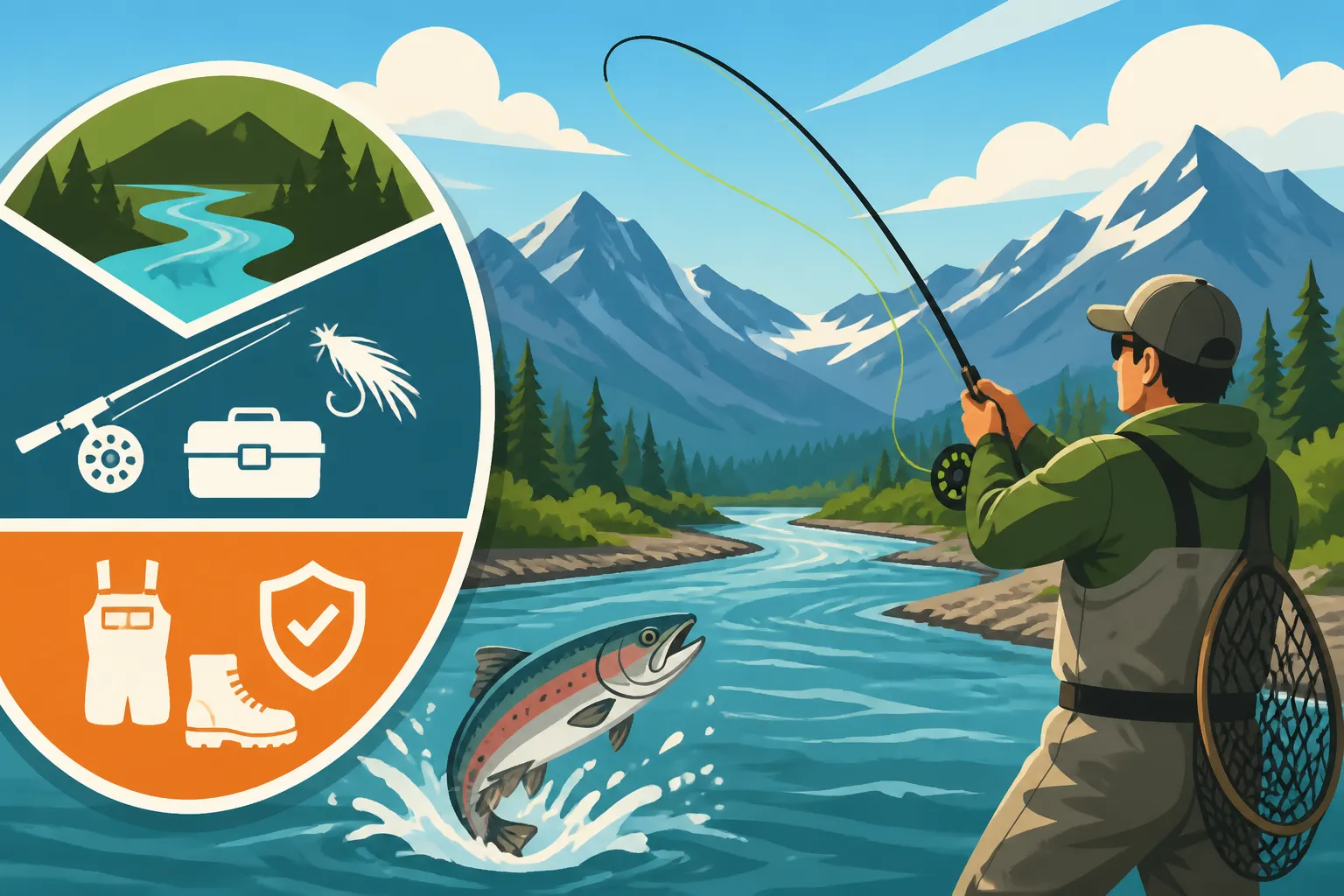
Deshka River Fishing: What to Know Before You Go
The Deshka River is one of those Alaska gems that seasoned anglers and enthusiastic newcomers alike dream about, especially when visions of chrome-bright salmon are dancing in their heads. However, arriving unprepared can quickly turn a dream trip into a frustrating reality, especially with the Deshka's often-changing conditions and regulations. This guide is here to cut through the confusion and arm you with the crucial knowledge you need to make your Deshka River fishing adventure a truly memorable one.
Unveiling the Deshka River's Allure and Accessibility
Tucked away in the Matanuska-Susitna Valley, the Deshka River holds a special place in the hearts of many Alaska anglers. It's not just a river; it's a vital artery for several salmon species, renowned especially for its robust King and Coho salmon runs that draw thousands each summer. While its popularity means it can get busy, its accessibility makes it a prime choice for both locals and visitors looking for a significant Alaskan fishing experience without needing a bush plane to reach it.
Where the Deshka Flows and How to Get There
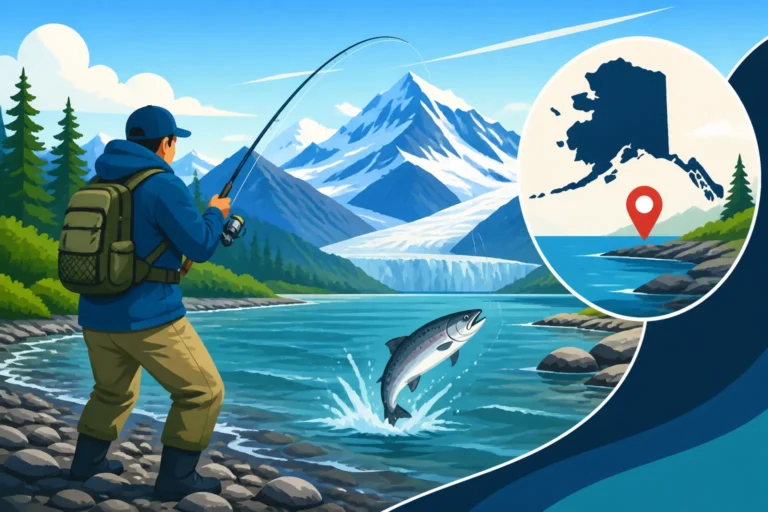
The Deshka River is a tributary of the mighty Susitna River, originating from Deshka Lake and meandering approximately 50 miles before joining the Susitna. It's located north of Anchorage, near the communities of Willow and Talkeetna. Most anglers access the Deshka via the Deshka Landing public boat launch, which is about a 1.5 to 2-hour drive north of Anchorage, just off the Parks Highway.
Reaching Deshka Landing is straightforward: simply head north from Anchorage on the Parks Highway (Highway 3). You'll pass through Wasilla and Willow, then look for signs for Deshka Landing or Deshka River access. The road leading to the boat launch is usually well-maintained gravel, but a 4×4 or at least an all-wheel-drive vehicle is highly recommended, especially after heavy rains or during peak season when the launch area can get muddy and crowded. There's ample parking, but arriving early during peak King or Coho runs is essential to secure a spot and avoid long waits at the launch. Many anglers opt to hire local guides, some of whom list their services on platforms like FishingBooker, who often meet clients directly at the landing with their river-worthy boats.
Why the Deshka River Captivates Anglers
The Deshka River's primary draw is undeniably its salmon runs, particularly the King (Chinook) and Coho (Silver) salmon. Historically, it has been one of the most productive King salmon rivers in the Mat-Su Valley, offering anglers a real chance at landing one of these magnificent fish. The river's relatively consistent water levels and a good mix of deep holes, gravel bars, and slower stretches provide excellent habitat for spawning salmon and challenging fishing opportunities.
Beyond the salmon, the Deshka offers a wild, authentic Alaskan backdrop. While you're fishing, you're likely to see a variety of wildlife, from eagles soaring overhead to moose browsing on the riverbanks. The sheer anticipation of a powerful King strike or the acrobatic fight of a Coho keeps anglers coming back year after year. It's also a fantastic place to observe the entire salmon life cycle, especially later in the season when the riverbanks are teeming with spawning fish. For those considering an all-encompassing trip, it's worth noting that the Deshka is part of the broader appeal of the Best Fishing Spots in Alaska, offering a taste of accessible yet wild fishing.
Prime Fishing Seasons and Target Species
Understanding the seasonal ebb and flow of fish species in the Deshka River is absolutely critical for a successful trip. Alaska's fisheries are highly seasonal, and timing your visit to coincide with the peak of your target species' run can make all the difference. The Deshka is primarily known for its salmon, but it also supports resident populations of other sportfish.
King Salmon Fishing on the Deshka
King salmon are the undisputed royalty of the Deshka. Their powerful runs typically begin in late May and continue through early to mid-July. This is prime time, and anglers flock to the river with high hopes of hooking into one of these massive fish, which can often weigh 20-40 pounds, with some even pushing 50 pounds or more.
The King salmon run on the Deshka is one of the most anticipated events in the Mat-Su Valley fishing calendar. Anglers primarily target Kings by back-trolling with Kwikfish or Wiggle Warts, often paired with cured salmon roe. Another popular technique is back-bouncing cured roe or large spinners through deeper holes and along current seams. These fish are incredibly strong fighters, and landing one requires stout tackle and a good deal of patience and skill. However, King salmon runs are also the most sensitive to conservation concerns, meaning regulations can change rapidly. It's not uncommon for the Alaska Department of Fish and Game (ADF&G) to issue emergency orders closing the King salmon fishery or imposing gear restrictions if escapement goals aren't being met. Always check the latest Alaska King Salmon Fishing Regulations and Limits before you head out. When targeting these majestic fish, learning How to Catch King Salmon in Alaska with specific techniques like How to Back-Troll a Kwikfish for Kings will significantly increase your chances.
Coho Salmon and Other Opportunities
As the King salmon run tapers off, the Deshka welcomes the energetic Coho (Silver) salmon, usually arriving in late July and peaking through August and into early September. Coho salmon, while generally smaller than Kings (typically 8-15 pounds), are renowned for their aggressive strikes and spectacular acrobatic fights. They are incredibly fun to catch and often provide more consistent action than the more elusive Kings.
Coho are readily caught on a variety of methods. Spinners like the popular Blue Fox Vibrax in silver or chartreuse, Pixee spoons, and casting cured salmon roe are all highly effective. Fly anglers also have a field day with Coho, targeting them with flashy streamers and articulated leeches. Coho tend to hold in slightly shallower water and are often more willing to chase down a lure or fly. The fishery can be incredibly productive, and many anglers consider the Coho run a highlight of their Alaskan summer.
Beyond the salmon, the Deshka River also supports year-round populations of resident fish. You can find decent numbers of Rainbow Trout and Dolly Varden, especially in the upper stretches and tributary mouths, often feeding on salmon eggs and smolt. Arctic Grayling, with their distinctive large dorsal fins, are also present, offering light tackle opportunities. In some slower, marshier backwater areas, Northern Pike can also be found. While these species aren't the primary draw, they offer a pleasant bonus for anglers who want to diversify their catch or fish outside the salmon seasons. Many guides, often found via services like FishingBooker, can cater trips to target these species if salmon are not in season or if you prefer a different challenge.
Here's a quick overview of the Deshka River's prime seasons:
| Species | Peak Season | General Size (lbs) | Primary Techniques | Notes |
|---|---|---|---|---|
| King Salmon | Late May – Mid-July | 20-50+ | Back-trolling, Back-bouncing, Spinners, Cured Roe | Highly regulated; check emergency orders frequently. |
| Coho Salmon | Late July – Sept. | 8-15 | Spinners, Spoons, Cured Roe, Fly Fishing (Streamers) | Aggressive fighters, often more consistent action. |
| Rainbow Trout | Year-round (best Spring/Fall) | 1-5 | Egg patterns, Nymphs, Small Spinners, Beads | Resident fish, often found feeding behind spawning salmon. |
| Dolly Varden | Year-round (best Spring/Fall) | 1-3 | Egg patterns, Small Spinners, Nymphs | Similar habitat to Rainbow Trout, very opportunistic. |
| Arctic Grayling | Summer | 0.5-2 | Dry Flies, Nymphs, Small Spinners | Distinctive dorsal fin, excellent fly-fishing target. |
This table provides a snapshot, but always remember that actual run timing and fish behavior can vary year to year based on weather, water levels, and overall fish populations. You'll want to review the comprehensive Alaska Salmon Run Timing Explained for broader insights.
Navigating Deshka River Regulations and Permits
Fishing in Alaska, particularly on a popular river like the Deshka, isn't just about knowing where and when to cast your line. It's also about understanding and meticulously adhering to the state's fishing regulations. These rules are put in place to protect the valuable fish populations and ensure sustainable fishing for future generations. Ignoring them can lead to hefty fines and loss of fishing privileges, so knowing "what to know before you go" really matters here!
Essential Licenses and Stamps
Before you even think about putting a line in the water, you absolutely must have an Alaska Fishing License. For non-residents, these can be purchased for various durations, from a single day up to an annual license. Residents also need a license, though the cost is significantly less. You can buy these licenses online through the ADF&G website, at most sporting goods stores in Anchorage or the Mat-Su Valley, or even at some convenience stores near Deshka Landing. Check out our detailed guide on the Alaska Fishing License: Complete Guide for all the ins and outs.
Furthermore, if your goal is to target King salmon, you will need a special King Salmon Stamp. This stamp is an additional purchase on top of your regular fishing license and is mandatory for anyone, resident or non-resident, who plans to fish for or retain a King salmon, regardless of its size. The revenue from these stamps directly supports King salmon management and enhancement programs. Always ensure your stamp is valid for the dates you are fishing.
Deshka-Specific Rules and Gear Restrictions
The Deshka River, like many of Alaska's most popular salmon fisheries, often has specific regulations that can differ from general statewide rules. These are usually implemented to protect fragile runs or to manage fishing pressure.
Common Deshka-specific rules you might encounter include:
- Bait Restrictions: During certain times or for specific species, bait might be prohibited. This is particularly common during King salmon runs to reduce mortality on released fish. Make sure you know if bait is allowed or if you need to switch to artificial lures only.
- Single-Hook Rules: Many rivers, especially those with sensitive King salmon populations, might require single hooks instead of treble hooks, and sometimes mandate barbless hooks. This minimizes harm to fish that are caught and released.
- Emergency Orders: This is perhaps the most critical aspect of Deshka River fishing. The ADF&G frequently issues Emergency Orders (EOs) that can change regulations with little notice, sometimes even daily. These EOs can modify bag limits, close fisheries entirely, change legal fishing methods, or alter fishing hours. A King salmon fishery might open on Monday with a bag limit, only to be closed by an EO on Tuesday due to low escapement numbers. You must check the latest EOs for the Matanuska-Susitna Valley region before and during your trip. The ADF&G website is the primary source, but local tackle shops are also great resources. It's why understanding Alaska Fishing Emergency Orders Explained is so vital for any angler.
- Area Restrictions: Specific stretches of the river might be closed to fishing or have unique rules, especially near spawning grounds or weir sites where fish are counted. Always be aware of any signage.
Always carry a copy of the current Alaska Sport Fishing Regulations booklet (which you can often pick up where you buy your license or download online) and refer to it frequently. Ignorance of the law is not an excuse, and game wardens patrol the Deshka regularly.
Harvest Records: Your Crucial Documentation
Another non-negotiable requirement, especially for King salmon, is accurately filling out your Alaska Harvest Record Card Explained. This card comes with your fishing license and is where you must immediately record any King salmon you retain. Information required typically includes the date, location (Deshka River), and species. For certain areas, you might also need to record other species.
The harvest record card is a crucial management tool for ADF&G, allowing them to track harvest numbers and make informed decisions about future regulations. Failing to immediately record a King salmon can result in a significant fine. Think of it as your personal fishing logbook that doubles as a legal document. Always keep a pen with you and fill it out right after the fish is in your possession.
Essential Gear and Successful Techniques for the Deshka
Having the right gear and knowing the most effective techniques can dramatically improve your success on the Deshka River. Alaskan rivers are rugged, and the fish are powerful, so investing in quality equipment and understanding how to use it properly is key.
Rods, Reels, and Line for River Fishing
For King salmon on the Deshka, you'll want a heavy-duty setup. A 9- to 10-foot medium-heavy to heavy action casting rod, rated for 15-40 lb line, is ideal. Pair this with a robust baitcasting reel (like an Abu Garcia Ambassadeur or a Daiwa Lexa) capable of holding 200+ yards of 50-65 lb braided line. A good quality level-wind reel will make casting and managing heavy line much easier. For your leader, 30-50 lb fluorocarbon is often preferred for its abrasion resistance and low visibility.
For Coho salmon, you can often scale down slightly. A medium-heavy spinning or casting rod, 8.5 to 9 feet in length, rated for 10-25 lb line, will provide plenty of backbone for these aggressive fighters while still offering some sport. A durable spinning reel in the 4000-5000 size range, spooled with 30-40 lb braided line and a 20-25 lb fluorocarbon leader, is a solid choice. Many anglers, especially those on a guided trip, might use heavier gear for Kings to ensure they can land the fish quickly and safely, while those fishing from shore or with lighter tackle will enjoy the challenge with Coho. When picking out your gear, checking guides like What Tackle to Bring to Alaska can be very helpful.
Proven Lures, Bait, and Flies
The Deshka offers a variety of environments, and successful anglers carry a diverse tackle box.
- For King Salmon:
- Plugs: Kwikfish (K14 to K16 sizes) in various colors (chartreuse, sardine, metallic blue, metallic green) are absolute staples for back-trolling. Wiggle Warts are also effective.
- Spinners: Large (sizes 5-7) Mepps Syclops or Blue Fox Vibrax in bright colors or silver/gold.
- Bait: Cured salmon roe is incredibly effective when allowed. Many anglers prefer to cure their own, but commercial options are available. Often fished in an "egg loop" knot or a small netting bag.
- Soft Baits: Sometimes large scent-infused soft plastics can be effective, especially when bait is restricted.
- For Coho Salmon:
- Spinners: Blue Fox Vibrax (sizes 3-5) in silver, chartreuse, pink, and orange are incredibly popular and effective.
- Spoons: Pixee Spoons (1/2 oz to 1 oz) in pink, orange, or silver with a red insert are deadly. Casting and retrieving these can elicit aggressive strikes.
- Bait: Cured salmon roe remains a top choice when legal.
- Fly Fishing: Bright, flashy streamers in chartreuse, pink, or purple patterns (e.g., Dolly Llamas, Clouser Minnows) are excellent for fly anglers. Coho are aggressive enough to chase down a well-presented fly.
- For a general overview of effective choices, refer to Best Lures for Alaska Salmon.
Safety and River Etiquette
Alaska is wild, and the Deshka River is no exception. Safety should always be your top priority.
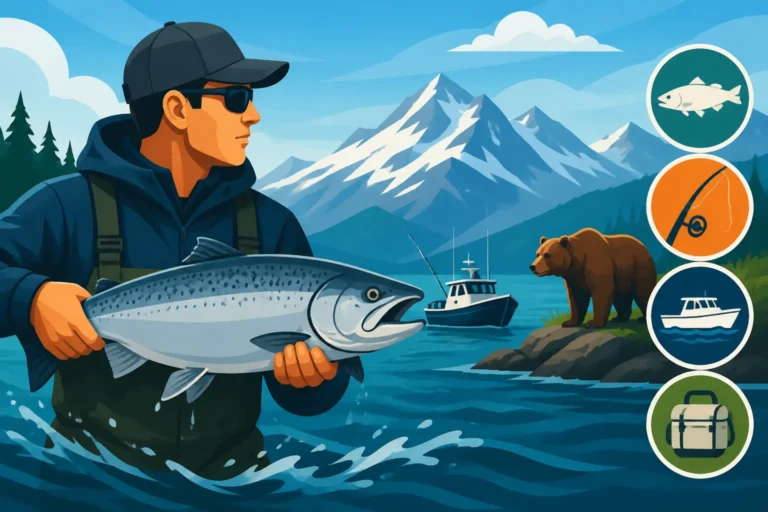
- Bear Safety: Black and brown bears are common in the Deshka watershed, especially during salmon runs when they are attracted to fish. Always carry bear spray, know how to use it, and keep it easily accessible. Make noise while walking along the banks to avoid surprising a bear. Store food securely and dispose of fish carcasses responsibly.
- Wading Gear: Even if you're fishing from a boat, good waterproof gear is essential. If you plan to wade, investing in quality waders and wading boots is crucial, not just for comfort but for safety in the swift currents. Our guide on Best Waders for Alaska Fishing can offer some solid recommendations.
- Weather Preparedness: Alaskan weather can change on a dime. Dress in layers, including waterproof and windproof outer layers. Hypothermia is a real risk, even in summer, if you get wet and the temperatures drop.
- River Etiquette: The Deshka can get crowded, especially during peak salmon runs. Be mindful of other anglers, respect their space, and avoid casting over their lines. If you're drifting in a boat, maintain an appropriate distance from other boats and shore anglers. Pack out everything you pack in, leaving no trace. A quick online search or checking a service like FishingBooker for available guided trips can also help you avoid the busiest public access points and potentially find a less crowded experience with an experienced local.
By being prepared with the right gear, knowing the best techniques, and prioritizing safety and etiquette, your trip to the Deshka River can be an incredibly rewarding Alaskan fishing adventure.
Disclaimer
The information provided in this guide is for general informational purposes only and is subject to change. Fishing regulations in Alaska, particularly emergency orders, can change frequently and with little notice. Always consult the official Alaska Department of Fish and Game (ADF&G) website and local resources for the most current regulations, licensing requirements, and emergency orders before and during your fishing trip. Failure to comply with regulations can result in fines and penalties. Fishing involves inherent risks; always prioritize safety and be prepared for changing conditions.