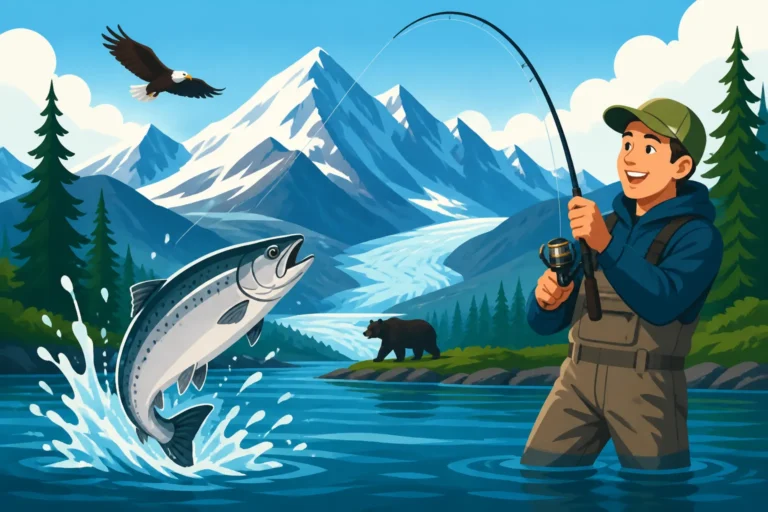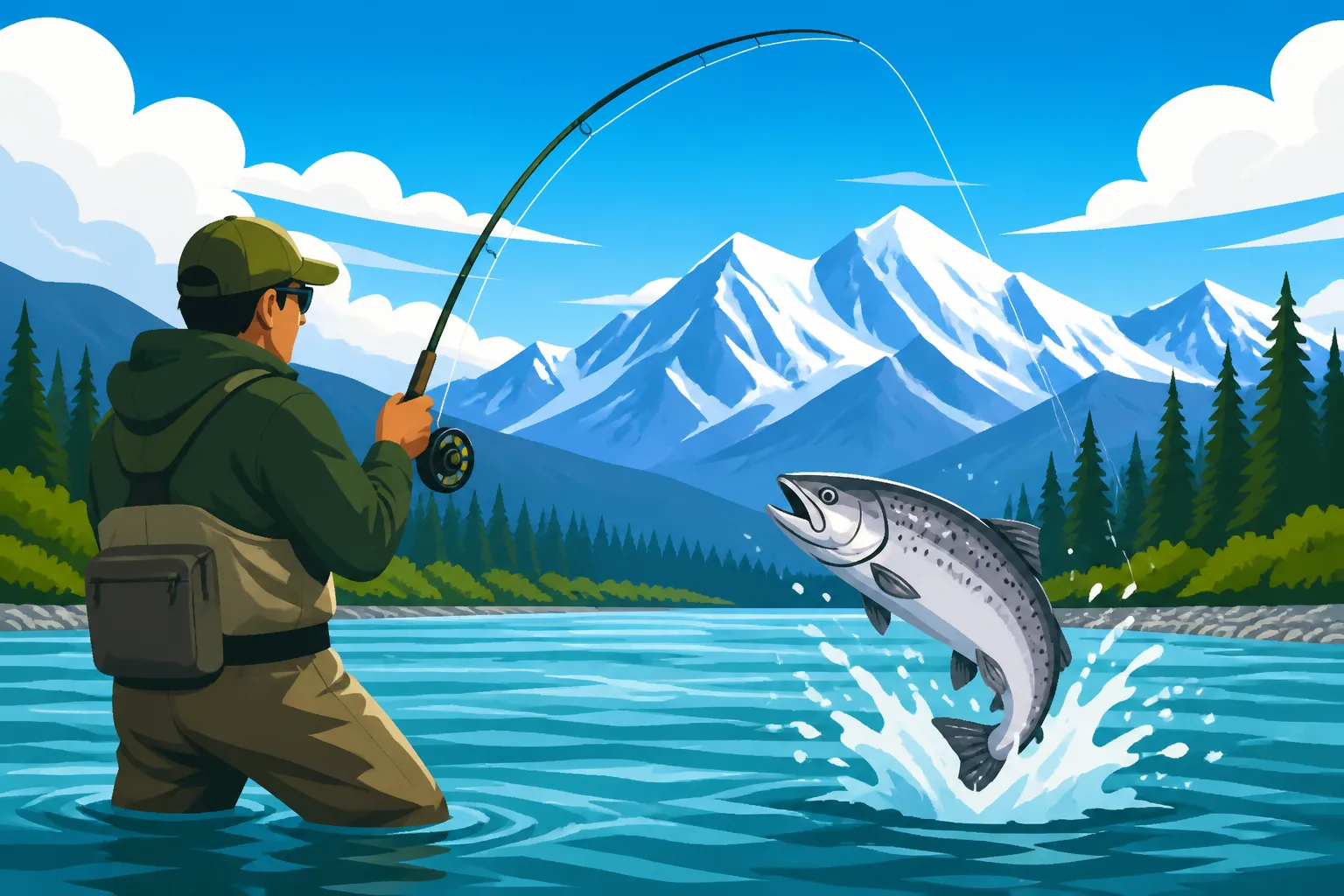
Susitna River Fishing: What to Know Before You Go
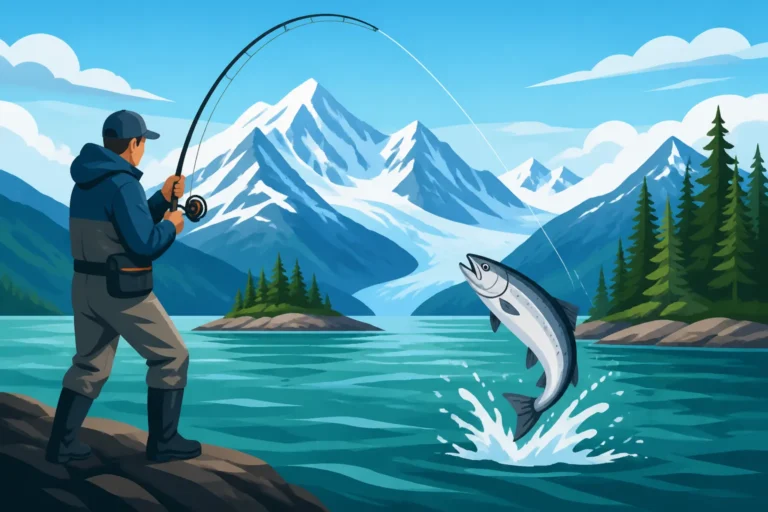
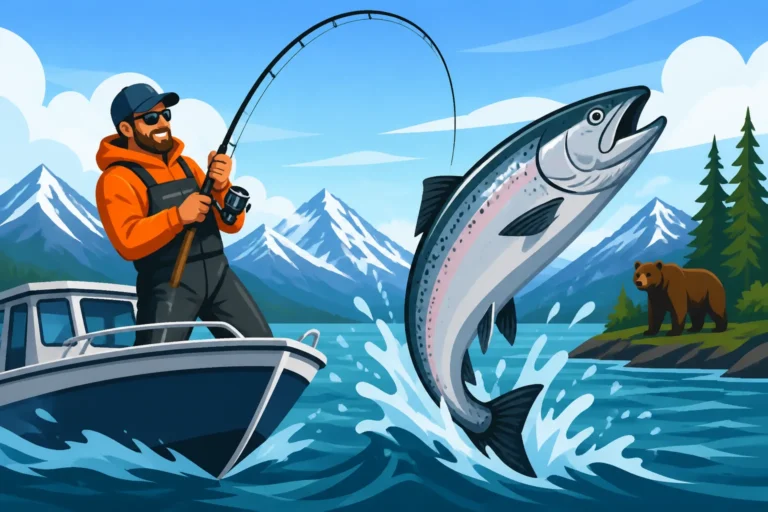
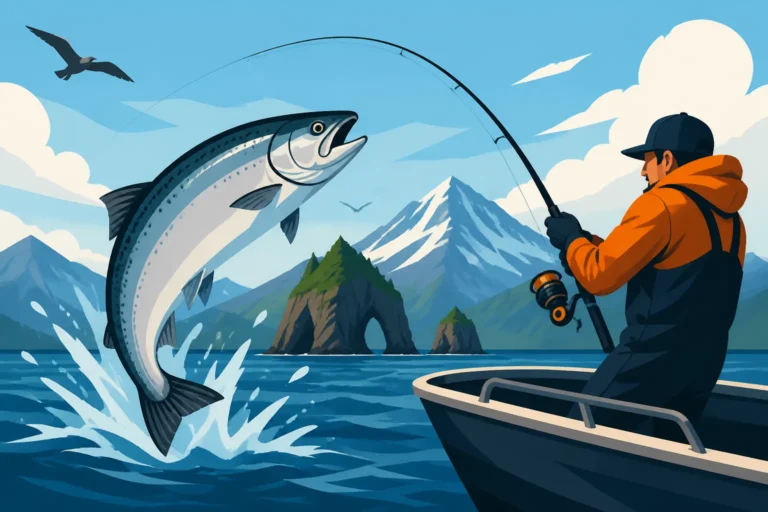
Trying to figure out where to go for your next Alaska fishing adventure can feel like wading through a braided river system – a lot of options, and it's tough to know which channel holds the real treasure. The Susitna River, often affectionately called "The Su," offers some truly incredible fishing, but its vastness and dynamic nature can be intimidating for newcomers. This comprehensive guide will break down everything you need to know to confidently tackle the Susitna, ensuring you're ready for an unforgettable experience chasing its legendary fish.
Why the Susitna River is a Must-Fish Destination
The Susitna River, a colossal waterway in Southcentral Alaska, is more than just a river; it's an entire ecosystem that pulses with life, especially various salmon species and resident fish. For many anglers, "The Su" represents the epitome of Alaskan fishing, offering both incredible challenges and immense rewards. Its sheer scale means there's always a new stretch to explore, a different bend to drift, or a fresh tributary to discover, making it a favorite for those who love to truly immerse themselves in the wild.
A Rich History and Diverse Ecosystem
The Susitna River system drains an enormous area, flowing from the Alaska Range south to Cook Inlet. This vast watershed, encompassing major tributaries like the Talkeetna, Chulitna, and Yentna Rivers, creates an incredibly diverse set of habitats. From glacially fed, silty main stems to clearwater tributaries, the fishing opportunities are as varied as the landscape itself. This diversity supports robust runs of all five species of Pacific salmon – Chinook (King), Sockeye (Red), Coho (Silver), Pink (Humpy), and Chum (Dog) – alongside healthy populations of resident fish like rainbow trout, Dolly Varden, and Arctic grayling. The river's significance extends beyond recreation; it has long been a lifeline for local communities, sustaining personal use and subsistence fisheries for generations, and its history is deeply intertwined with the rhythms of the salmon runs.
Accessibility and Unique Challenges
Unlike some of Alaska's more remote fishing destinations that require expensive fly-out trips, a significant portion of the Susitna River system is relatively accessible via the road system, especially around areas like Talkeetna, Susitna Landing, and Deshka Landing. This accessibility makes it a popular choice for both DIY anglers and those looking to book guided trips. However, "accessible" doesn't mean "easy." The Susitna is a powerful, braided river, often characterized by strong currents, shifting gravel bars, and turbid glacial melt. Navigating these waters safely and effectively requires local knowledge, especially if you're venturing out in your own boat. It's not uncommon to see guides skillfully maneuvering jet boats through intricate channels, highlighting the importance of experience. For those less familiar with the complex nature of the river, consulting a local outfitter or guide service is often the best approach to maximize safety and success.
Key Fish Species You'll Encounter
The Susitna River system is renowned for its incredible diversity of fish, making it a dream destination for anglers hoping to target multiple species in one trip. While salmon are undoubtedly the main draw, the resident fish offer fantastic sport throughout the season. Understanding what species are present and when they typically run or are most active will significantly enhance your fishing strategy.
The Mighty King Salmon Chinook
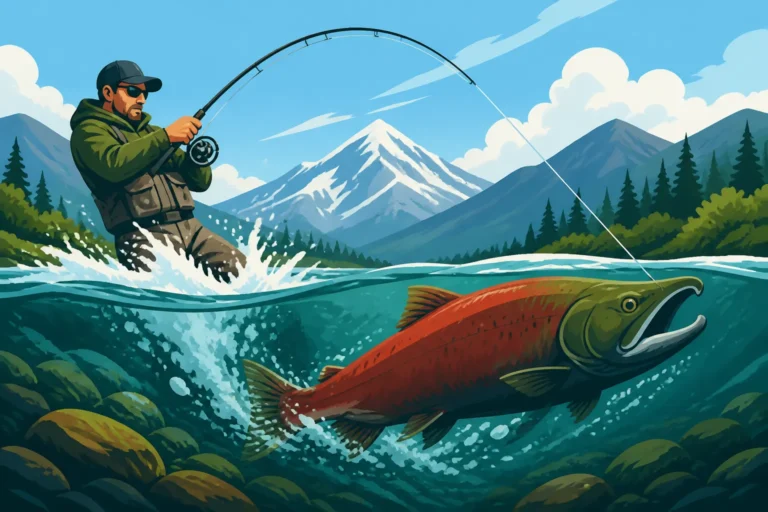
Ah, the King Salmon, or Chinook – the undisputed royalty of Alaskan rivers! These magnificent fish are the largest and most sought-after salmon species, known for their incredible fighting power and delicious red flesh. In the Susitna system, especially in tributaries like the Deshka River and the mainstem Susitna itself, King Salmon runs typically begin in late May and continue through June, sometimes into early July. Targeting these behemoths requires robust gear and a strong will, as they often challenge even the most experienced anglers. When hooked, a King Salmon will peel line off your reel with astonishing speed, making powerful runs and headshakes that test your tackle to its limits. Many anglers dream of landing a true "trophy" King, and the Susitna offers a legitimate chance at these giants. If you're planning your trip around these fish, make sure to check out our guide on how to catch King Salmon in Alaska.
Sockeye and Coho Salmon Runs
Following the King Salmon, the Susitna River comes alive with a succession of other salmon species. Sockeye Salmon, or Reds, arrive in force, usually starting in late June and peaking through July. While not as large as Kings, Sockeye are famously strong fighters, known for their acrobatic leaps and relentless tugs. They are also highly prized for their rich, firm, red meat. Many anglers target Sockeye by "flossing" or "flipping" for them in clearwater sections of the river. The Kenai River, a close neighbor, is famous for its Sockeye runs, but the Susitna system also offers fantastic opportunities. After the Sockeye, Coho Salmon, also known as Silvers, begin their journey upstream, typically from late July through September. These aggressive fish are a favorite for fly anglers and spin fishermen alike, often striking at a variety of lures and flies. Coho are known for their spectacular aerial displays and hard fights, making for thrilling angling experiences. Understanding Alaska Salmon Run Timing Explained is crucial for planning your trip around these species.
Resident Trout and Char Opportunities
Beyond the salmon, the Susitna River system boasts excellent opportunities for resident fish. Rainbow Trout thrive in the clearer tributaries and mainstem sections, growing to impressive sizes by feasting on salmon eggs and smolt. These beautiful fish offer incredible sport, particularly for fly anglers using egg patterns during and after salmon spawning. Dolly Varden, a char species, are also abundant throughout the system, often found alongside salmon, scavenging for loose eggs. They are aggressive and provide consistent action, making them a great target between salmon runs or for a change of pace. Arctic Grayling, with their distinctive large dorsal fins, inhabit the colder, clearer headwater streams and offer a unique, visually stunning fishing experience. While perhaps not the primary draw for most visiting anglers, these resident species provide year-round fishing opportunities and add incredible depth to the Susitna's diverse fishery.
Navigating Fishing Seasons and Best Times
Understanding the seasonal ebb and flow of fish runs is paramount for a successful Susitna River fishing trip. Alaska's fishing seasons are dynamic, heavily influenced by weather, water levels, and fish abundance, sometimes changing with emergency orders. While general timelines exist, staying updated on current conditions is always a good idea.
Early Season: Kings and Rainbows
The early season on the Susitna, typically from late May through June, is all about the anticipation and thrill of King Salmon. As the ice breaks up and water levels begin to stabilize, the first Kings start to enter the river system, making their way to spawning grounds. This period, often overlapping with the Alaska King Salmon Run Timing, can be fantastic for targeting these magnificent fish. Anglers will often use heavy-duty baitcasting or spinning gear, drifting cured salmon roe, Kwikfish plugs, or large spinners. However, early season conditions can be challenging; the water might still be cold and high from snowmelt, and glacial turbidity can limit visibility.
Concurrently, this is a prime time for opportunistic Rainbow Trout. Having survived the long winter, these hungry trout are eager to feed on any available protein, including salmon smolt and early insect hatches. Targeting them with streamers, nymphs, or small spinners in clearer side channels and tributaries can yield excellent results. It's a fantastic time for those who enjoy the solitude of a less crowded river, combined with the chance at a truly memorable catch.
Mid-Season: Sockeye and Pinks
As June transitions into July, the Susitna River experiences a vibrant shift with the arrival of Sockeye Salmon. This mid-season rush is electrifying, bringing thousands upon thousands of bright red-silver fish into the system. The Alaska Sockeye Salmon Run Timing is a sight to behold, as the river becomes teeming with activity. Sockeye are typically targeted by "flossing" or "flipping" with a lead weight and a bare hook or a small bead, aiming to intercept the fish in their migratory paths. While they don't typically bite out of aggression, a well-presented rig in the right place can lead to fast and furious action.
August then sees the main push of Pink Salmon, also known as Humpies. These smaller, but incredibly numerous salmon provide non-stop action, especially for light tackle and fly anglers. They are aggressive biters and can be a fantastic species for families or beginner anglers due to their sheer abundance. During heavy Pink Salmon runs, the river can feel alive with fish, offering constant opportunities to hook up. This period is also often great for catching some of the larger resident fish that feed heavily on salmon eggs.
Late Season: Silvers and Steelhead
As summer slowly gives way to fall, typically from late August through September, the Susitna River enters its late-season phase, dominated by Coho Salmon (Silvers). The Alaska Coho Salmon Run Timing signals some of the most exciting fishing of the year. Coho are renowned for their aggressive takes and acrobatic fights, often leaping clear of the water when hooked. They readily strike spinners, spoons, flies, and bait, making them a versatile target for various fishing methods. The cooler temperatures and crisp fall air add to the charm of late-season fishing, and the fewer crowds can make for a more peaceful experience.
In select tributaries, and as the season progresses into October, some anglers also pursue Steelhead. These anadromous rainbow trout offer a challenging and rewarding experience for dedicated fly anglers, requiring patience, skill, and an understanding of their migratory patterns. While not as widespread as salmon, the chance to hook into one of these chrome beauties makes the late season a special time for many Alaska fishing enthusiasts. Always remember that regulations for Steelhead are often catch-and-release, so check the latest Alaska Fishing Regulations Explained before you go.
Essential Techniques and Gear for Susitna River Success
Fishing the Susitna River and its tributaries is a diverse experience, requiring anglers to be adaptable and often proficient in several techniques. The gear you choose will largely depend on the species you're targeting and the specific conditions you encounter. However, having a versatile setup and being prepared for various scenarios is key.
Popular Methods for Salmon
For King Salmon, drifting cured salmon roe under a bobber or with a bottom-bouncing rig is a highly effective method, especially in deeper holes and along current seams. Back-trolling Kwikfish or similar diving plugs from a boat is another productive technique that covers a lot of water and can entice aggressive strikes. For Sockeye Salmon, the technique of "flossing" or "flipping" is predominant. This involves using a heavy lead weight to get your line to the bottom, allowing your bare hook or bead leader to drift into the Sockeye's mouth as they migrate upstream. It's a technique that requires practice but can be incredibly effective during strong runs. Coho Salmon, being more aggressive, respond well to a variety of presentations. Casting and retrieving spinners like Pixee Spoons or Vibrax spinners, drifting bait, or fly fishing with flashy streamers are all excellent choices for Silvers. Many anglers consider fly fishing for Coho some of the most exciting action.
Tackle and Equipment Considerations
Given the power of the fish in the Susitna, especially King Salmon, sturdy tackle is essential. For Kings, a heavy-action rod (9-10 feet) paired with a reliable baitcasting reel spooled with 30-50 lb braided line and a strong fluorocarbon leader (25-40 lb) is standard. For Sockeye, a medium-heavy spinning rod (8.5-10 feet) with a fast action, coupled with a spinning reel spooled with 20-30 lb braided line and a 15-25 lb fluorocarbon leader, works well for flossing. Coho fishing can be done with similar gear, perhaps stepping down slightly in line strength if you prefer a lighter fight.
Waders are an absolute must for river fishing in Alaska, allowing you to access prime bank fishing spots and stay dry in wet conditions. Breathable chest waders are ideal, paired with wading boots that offer good ankle support and grip on slippery river bottoms. Rain gear, layered clothing (synthetics or wool are best), and insect repellent are also non-negotiable items for any Alaska fishing trip. Don't forget polarized sunglasses to spot fish and protect your eyes, and a good pair of pliers or a multi-tool. A properly sized landing net is also critical for safely landing and releasing fish. When you're thinking about your first Alaska fishing trip, a comprehensive Alaska Fishing Gear and Tackle Guide can be incredibly helpful.
Planning Your Susitna River Adventure
A successful fishing trip to the Susitna River, like any Alaskan adventure, requires thoughtful planning. From deciding on a guide to navigating regulations and lodging, being prepared will ensure a smoother and more enjoyable experience.
Choosing Between Guided and Unguided Trips
The Susitna River offers opportunities for both guided and unguided fishing, and the best choice depends on your experience level, budget, and desired style of trip.
Guided Trips: If you're new to Alaska fishing, unfamiliar with the Susitna's complex channels, or simply want to maximize your chances of success with minimal hassle, a guided trip is often the way to go. Local guides possess invaluable knowledge of the river's ever-changing conditions, fish patterns, and specific techniques that work best. They provide the boat, tackle, and expertise, allowing you to focus solely on fishing. Many guides operate out of areas like Talkeetna, Trapper Creek, or the Deshka Landing, offering everything from King Salmon excursions to Sockeye trips. You can find excellent options through platforms like FishingBooker, which lists reputable charter operators. Guides also ensure you're compliant with all local regulations, which can be a huge relief.
Unguided Trips: For experienced anglers with their own boat and a good understanding of river navigation and safety, an unguided trip can offer more flexibility and a sense of true wilderness adventure. However, it's crucial to understand the challenges of the Susitna. The river can be dangerous with strong currents, hidden gravel bars, and rapidly changing water levels. If you plan to go unguided, extensive research, proper safety gear (including a satellite communicator), and a backup plan are essential. Access points like Susitna Landing and Deshka Landing allow private boat launches, but navigating the mainstem Susitna without prior experience is not recommended. Many unguided anglers prefer to fish the more accessible tributaries or smaller, clearer feeder streams.
Permits, Licenses, and Regulations
Before you even cast a line in the Susitna River, you need to ensure you have the proper permits and licenses. Every non-resident angler (and most residents) needs an Alaska Fishing License: Complete Guide. If you plan to target King Salmon, you'll also need an Alaska King Salmon Stamp Requirements. These can be purchased online through the Alaska Department of Fish and Game (ADF&G) website, or at most sporting goods stores and lodges throughout Alaska.
Beyond the basic license, Alaska's fishing regulations are incredibly detailed and can change frequently via emergency orders. Bag limits, possession limits, gear restrictions (like single-hook, artificial lure only periods, or bait restrictions), and even open/closed dates can vary dramatically by river, species, and even specific stretches of river. It is absolutely critical to check the current ADF&G regulations booklet for the Southcentral region and to consult any recent emergency orders before and even during your trip. These can be found on the ADF&G website or by calling their local offices. Ignorance of the rules is not an excuse, and violations can result in hefty fines.
Lodging and Logistics
Accommodation options around the Susitna River system vary widely, from rustic cabins and campgrounds to full-service lodges. Popular base camps include Talkeetna, Trapper Creek, and Willow. Talkeetna, a quaint and historic town, offers a range of lodging, dining, and other amenities, and is a popular jumping-off point for Susitna River adventures. You can find everything from cozy bed and breakfasts to hotels.
For those planning a multi-day trip, particularly with a guide, many fishing lodges cater specifically to anglers, offering packages that include accommodation, meals, and guided fishing excursions. These lodges often have excellent facilities for processing your catch, which is a major convenience. If you’re opting for a more budget-friendly or DIY trip, campgrounds are available, though they fill up quickly during peak season.
Logistically, consider how you’ll get around. A rental car is essential for independent travel to access various river points and towns. Most major airlines fly into Anchorage, which is the closest large city and the hub for most Alaska adventures. From Anchorage, you can drive north on the George Parks Highway to reach the Susitna area. Ensure your vehicle has enough clearance and is suitable for gravel roads if you plan to explore beyond the main highway. Services like gas stations and grocery stores become less frequent the further you venture from major towns, so plan accordingly, especially for fuel and provisions. Many anglers also use resources like FishingBooker to coordinate their entire trip, including finding guides and understanding local details.
Susitna River Salmon Run Timing Overview
To help you plan your trip, here's a general overview of when different salmon species typically run through the Susitna River system. Please remember that these are approximate dates and actual timing can vary significantly year to year due to weather, water conditions, and fish populations. Always check current ADF&G regulations and emergency orders.
| Species | Peak Run Timing (Approximate) | Primary Fishing Methods | Key Considerations |
|---|---|---|---|
| King Salmon | Late May – Early July | Back-trolling, drifting bait | Requires King Stamp; often restricted seasons/limits |
| Sockeye Salmon | Late June – Late July | Flossing/Flipping with beads | Fast action; challenging technique |
| Pink Salmon | Mid-July – Late August | Spinners, spoons, flies | Highly abundant; great for beginners |
| Chum Salmon | Late June – August | Spinners, flies, drifting bait | Strong fighters; often targeted with Sockeye and Pinks |
| Coho Salmon | August – September | Spinners, flies, drifting bait | Aggressive biters; excellent fight |
Disclaimer
The information provided in this guide is for general informational purposes only and is subject to change. Fishing regulations in Alaska are highly dynamic and can be altered by emergency orders at any time. Always consult the official Alaska Department of Fish and Game (ADF&G) regulations booklet and their website for the most current rules and updates before and during your fishing trip. Safety on the water is paramount; understand river conditions and never hesitate to seek professional guidance.