Ketchikan Fishing: What to Know Before You Go
Planning an Alaska fishing trip can feel like navigating a maze, especially when you're dreaming of a legendary place like Ketchikan but aren't quite sure where to begin. Between understanding what fish bite when, deciphering local regulations, and figuring out the best way to hit the water, it's easy to get overwhelmed. This guide is here to untangle all those questions, providing you with everything you need to know to confidently plan a successful and unforgettable fishing adventure in Ketchikan, Alaska.
Why Ketchikan is an Angler's Paradise in Southeast Alaska
Ketchikan, often called the "Salmon Capital of the World," isn't just a catchy nickname; it's a testament to the incredible fishing opportunities that await you in this southeastern Alaskan gem. Situated in the heart of the Tongass National Forest, Ketchikan is surrounded by a network of rich ocean waters, pristine freshwater streams, and a vibrant ecosystem that supports an astonishing array of fish species. Unlike some of the more remote destinations, Ketchikan offers a fantastic blend of accessibility and world-class fishing, making it a favorite for both seasoned anglers and those new to Alaska's wild beauty.
One of the biggest draws is its unique geographical location. Ketchikan is an island city, part of the Inside Passage, which means it’s sheltered from the roughest ocean conditions. This provides calmer waters for fishing charters and a more comfortable experience overall. The numerous islands, coves, and deep channels create ideal habitats for baitfish, which in turn attract larger predatory species like salmon and halibut. Plus, its position along major salmon migration routes ensures that anglers have consistent chances to intercept returning fish as they head to their spawning grounds.
What truly sets Ketchikan apart is the sheer variety of fishing experiences available. You can spend a morning battling a monster halibut in the deep saltwater, then switch gears in the afternoon to fly fish for trout in a tranquil stream or chase chrome-bright coho salmon closer to shore. The infrastructure for fishing is also top-notch, with experienced guides, well-equipped charter boats, and processing facilities readily available to handle your catch. Many visitors find that booking a charter through a reputable platform like FishingBooker makes planning this multi-faceted adventure much smoother, ensuring they connect with the best local expertise.
Target Species and When They Arrive
When you're casting a line in Ketchikan, you're entering a world teeming with diverse fish species, each with its own peak season and unique fight. Understanding what's biting and when is key to maximizing your success and tailoring your trip to your angling preferences.
The Mighty Pacific Salmon Runs
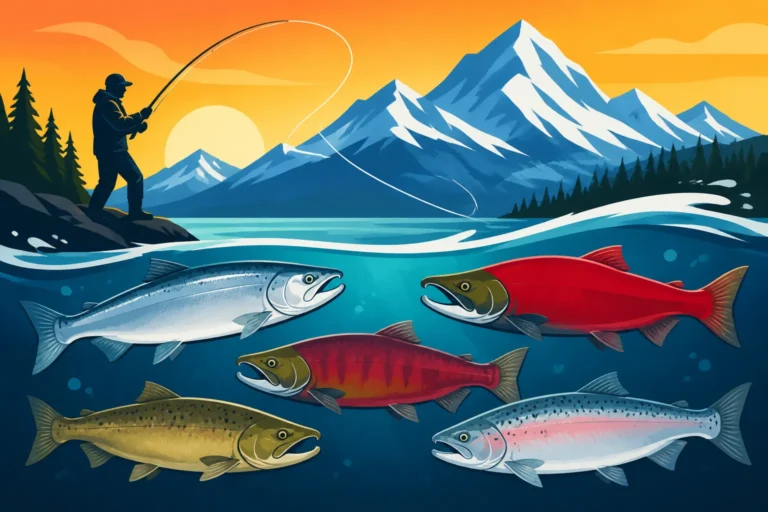
Ketchikan truly earns its "Salmon Capital" moniker with strong runs of all five species of Pacific Salmon. Knowing their run timing is crucial for planning your trip.
- King Salmon (Chinook): These are the undisputed monarchs of Alaska's waters, renowned for their immense size and powerful fights. In Ketchikan, you can often find King Salmon (also known as Chinook) early in the season, typically starting in May and extending into July. While you might catch resident kings throughout the summer, the migratory runs are when you’ll find the big ones. Targeting these fish often involves trolling with downriggers in the deeper channels or mooching with cut plug herring. If you're hoping to land a true trophy, early summer is prime time. Check out our guide on Alaska King Salmon: Complete Guide for more in-depth tips.
- Sockeye Salmon (Red): Known for their rich, red meat and incredible strength, Sockeye Salmon offer an exciting challenge. While Ketchikan isn't as famous for massive sockeye runs as rivers like the Kenai, you can still find them, particularly in streams and rivers as they head upstream to spawn. Their run typically peaks from late June through July. These fish are primarily vegetarians once they enter freshwater, making them notoriously tricky to catch on traditional lures, often requiring specialized techniques like "flossing."
- Coho Salmon (Silver): Silver Salmon are celebrated for their acrobatic jumps and aggressive strikes, making them a blast on lighter tackle. Their season kicks off later in the summer, generally from late July through September, and sometimes even into October. Coho are often found closer to shore, in bays and estuaries, eagerly chasing baitfish. Trolling spoons, spinners, or bait, as well as casting from shore or small boats, can be incredibly effective. Many anglers consider the coho run to be the most consistently exciting fishing of the late summer. For more on these incredible fighters, see our article on Alaska Coho Salmon Fishing Regulations and Limits.
- Pink Salmon (Humpy): These are the most abundant salmon species in Alaska, and they run in massive numbers every other year (odd years in Southeast Alaska). Pink Salmon typically arrive in late July and August. While generally smaller than other salmon, their sheer numbers mean constant action, which is fantastic for kids or anyone looking for a high-volume catch. They readily strike small spoons, spinners, and flies.
- Chum Salmon (Dog): Though sometimes overlooked, Chum Salmon are strong fighters and excellent for smoking. Their runs coincide largely with Pinks, typically from July through August. Chums are often found in the same waters as Pinks and Cohos, and they'll strike similar lures. Don't underestimate their power; they can give you a real workout!
Halibut and Bottom Fish
Beyond salmon, Ketchikan offers incredible opportunities for some serious deep-sea fishing.
- Pacific Halibut: The "barn doors" of the deep, Pacific Halibut are a bucket-list fish for many visitors. Known for their flat bodies, incredible size, and delicious white meat, halibut fishing is a popular charter activity. The prime halibut season runs from May through September, with consistent action throughout the summer. You'll typically be bottom fishing in depths ranging from 100 to 500 feet, using heavy gear, large baits (like salmon heads or herring), or jigs. The waters around Ketchikan, especially in Clarence Strait and other deep channels, are legendary for producing trophy-sized halibut. Make sure you're up to date on Alaska Halibut Charter Regulations Explained.
- Lingcod and Rockfish: If you love variety and hard-hitting action, don't miss out on Lingcod and various species of Rockfish. Lingcod are predatory fish known for their sharp teeth and aggressive strikes, often found around rocky structures. Rockfish, including delectable Yelloweye (often called 'red snapper'), Black, and Vermilion varieties, are plentiful in the same areas. These species are generally available from May through September. Jigging with heavy lures or bait fishing near structure are common and effective methods. Remember that deepwater rockfish require careful handling and often the use of a descending device to help them survive release. For a deeper dive into these species, consult our Alaska Rockfish Retention and Release Rules article.
Freshwater Opportunities
While saltwater fishing is king, Ketchikan also provides access to some lovely freshwater fishing.
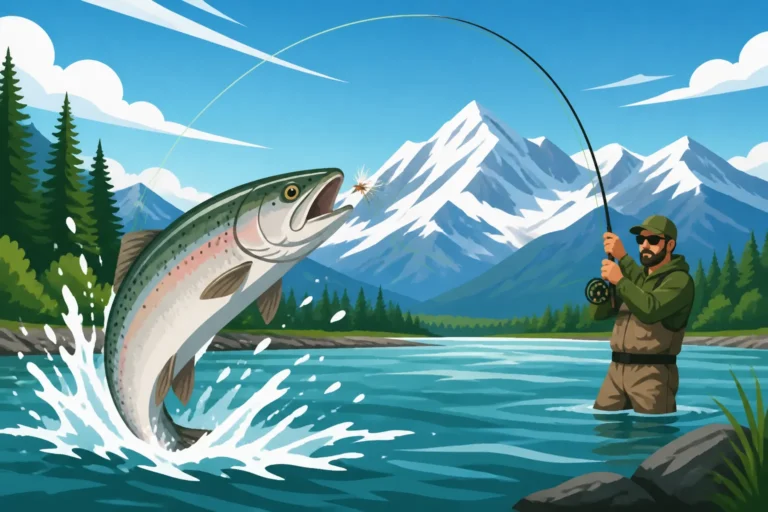
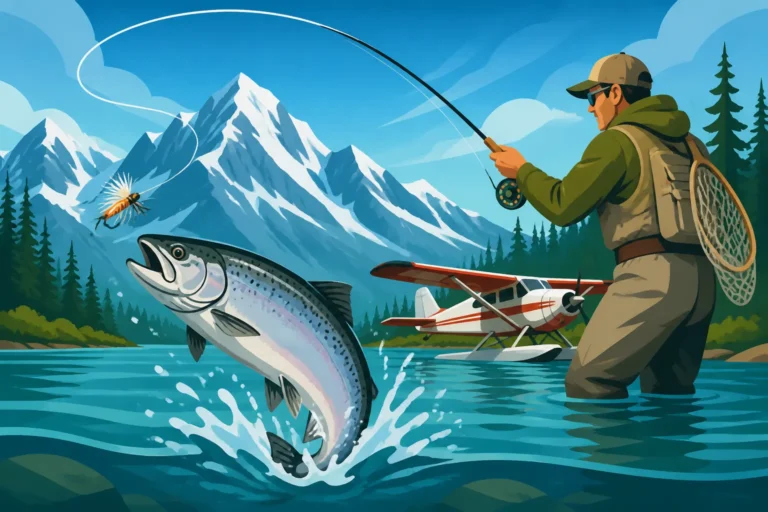
- Rainbow Trout and Dolly Varden: Many of the local streams and lakes are home to resident Rainbow Trout and Dolly Varden. These eager biters offer a fantastic change of pace from the ocean. You can typically find good trout and Dolly Varden fishing throughout the summer months, from June through September. Fly fishing with dry flies, nymphs, or streamers, or spin fishing with small spinners and spoons, can be very rewarding. Areas accessible by road or short floatplane trips offer serene freshwater experiences away from the bustling saltwater charters. Our guide on Alaska Rainbow Trout Regulations offers further insights.
Here's a quick overview of the prime fishing seasons in Ketchikan:
| Fish Species | Peak Season (Approximate) | Primary Fishing Method | Notes |
|---|---|---|---|
| King Salmon | May – Early July | Trolling, Mooching | Seek deeper channels; resident kings year-round |
| Sockeye Salmon | Late June – July | Flossing (freshwater) | Best in specific river systems |
| Coho Salmon | Late July – September | Trolling, Casting, Mooching | Energetic fighters, often near shore |
| Pink Salmon | Late July – August | Spinners, Spoons, Flies | Abundant, especially in odd years; great for action |
| Chum Salmon | July – August | Spinners, Spoons, Bait | Strong fighters, good for smoking |
| Pacific Halibut | May – September | Bottom Fishing, Jigging | Deepwater, heavy gear required for these giants |
| Lingcod | May – September | Jigging, Bait fishing near rocks | Aggressive, found around structure |
| Rockfish | May – September | Jigging, Bait fishing near rocks | Diverse species, important to follow release guidelines |
| Rainbow Trout | June – September | Fly fishing, Spin fishing | Freshwater streams and lakes |
| Dolly Varden | June – September | Fly fishing, Spin fishing | Freshwater streams and lakes, often follow salmon runs |
Planning Your Ketchikan Fishing Trip
Once you know what you want to catch and when, it's time to put the pieces of your trip together. Planning a successful fishing adventure in Ketchikan involves considering charters, gear, and, most importantly, understanding local regulations.
Booking a Fishing Charter
For most visitors, especially those new to Ketchikan's waters, booking a guided fishing charter is the most effective and enjoyable way to fish. Local guides possess invaluable knowledge of the tides, feeding patterns, and best fishing spots, often leading you directly to where the fish are biting. They also provide all the necessary gear, bait, and often even handle fish cleaning and packaging.
- Choosing the Right Charter: When selecting a charter, consider the species you want to target. Some charters specialize in halibut, others in salmon, and many offer combo trips. Research their experience, boat size, and safety record. Platforms like FishingBooker allow you to compare various charters, read reviews from other anglers, and book with confidence. It’s also wise to inquire about group size and whether they offer private or shared trips. A good charter will also be transparent about what’s included, like gear, bait, and basic fish processing.
- What to Expect: Most charters depart early in the morning and can range from half-day (4-6 hours) to full-day (8-10 hours) excursions. Be prepared for any weather, as conditions can change rapidly in Southeast Alaska. Dress in layers, including waterproof outer shells. Snacks and drinks are often provided, but it's always good to bring your own. Most importantly, communicate your expectations with your captain and deckhand—they're there to help you have the best possible experience. Remember to bring your Alaska Fishing License: Complete Guide and any necessary stamps, like the King Salmon stamp, as these are typically not included in the charter price.
Essential Gear and What to Wear
While most charters provide gear, if you're planning on doing any unguided bank fishing or simply want to know what to expect, here’s a quick rundown.
- Rods and Reels: For salmon and halibut, you'll need robust gear. Heavy-action rods with conventional reels spooled with strong braided line (50-80 lb test for halibut, 20-40 lb for salmon) are standard. For freshwater trout, a lighter spinning rod or a 5-7 weight fly rod will suffice.
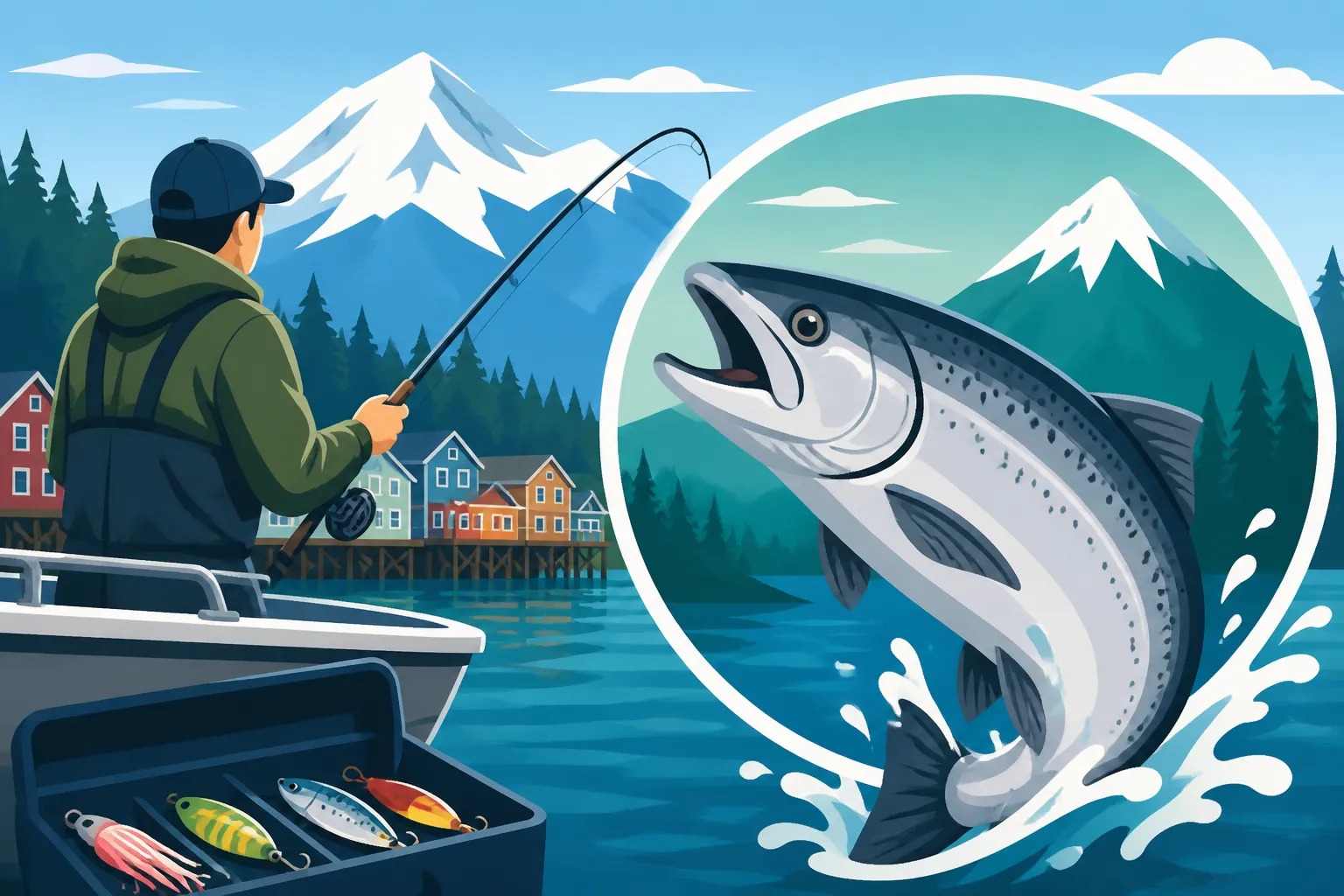
- Lures and Bait: This varies greatly by species. For salmon, common choices include herring (trolled or mooched), spoons (like Silver Horde or Coyote), and spinners (like Blue Fox Vibrax). For halibut, large lead-head jigs tipped with bait, or whole herring or salmon heads on a spreader bar rig are popular.
- Clothing: This is paramount in Ketchikan. The weather can be famously wet, so high-quality rain gear (jacket and pants) is a must. Waterproof boots are also essential. Layering is key: start with moisture-wicking base layers, add insulating fleece or down, and finish with your waterproof outer shell. Even on sunny days, the marine environment can be chilly, especially at speed on a boat. Check out our article on How to Dress for Alaska Fishing.
- Other Essentials: Don't forget polarized sunglasses (to reduce glare and spot fish), sunscreen (even on cloudy days, UV can be strong), a hat, gloves, and a camera to capture your memories. A small waterproof bag for personal items is also a good idea.
Understanding Alaska Fishing Regulations
Alaska's fishing regulations are designed to protect its precious fish stocks and ensure sustainable fishing for generations to come. It’s absolutely critical that you understand and adhere to them.
- Fishing License: Every angler aged 16 or older needs an Alaska fishing license. Non-residents have various options, including 1-day, 3-day, 7-day, 14-day, or annual licenses. You can purchase these online through the Alaska Department of Fish and Game (ADF&G) website, or from local vendors in Ketchikan. Be sure to understand Alaska Non-Resident Fishing License Guide.
- King Salmon Stamp: If you plan to fish for King Salmon, a King Salmon stamp is required for non-residents and residents, regardless of age. This stamp must be purchased in addition to your regular fishing license.
- Harvest Record Card: For certain species, like King Salmon and sometimes halibut (depending on regulations and if you're unguided), you'll need to record your catch on a physical or digital harvest record card. This is vital for data collection and ensuring bag limits are adhered to. Knowing How to Fill Out an Alaska Harvest Record Card is crucial.
- Bag and Possession Limits: These vary significantly by species, time of year, and even specific areas. For instance, halibut have daily and annual limits, and often size restrictions or reverse slot limits, especially for charter anglers. Salmon limits also differ by species and can be affected by emergency orders. Always consult the current year's Alaska Sport Fishing Regulations booklet for the Southeast Alaska region or ask your charter captain for the most up-to-date information. Ignoring regulations can result in hefty fines and even loss of your catch and gear.
- Emergency Orders: The ADF&G frequently issues Emergency Orders (EOs) that can change bag limits, open/close seasons, or modify gear restrictions with little notice, often due to fluctuating fish returns. It’s always a good idea to check for current EOs before and during your trip. Your charter captain will always be aware of these, but independent anglers should check the ADF&G website. Our guide on Alaska Fishing Emergency Orders Explained can help you stay informed.
By carefully planning your trip, selecting the right charter (perhaps through a trusted platform like FishingBooker), gearing up appropriately, and diligently following regulations, you're setting yourself up for an incredible and memorable fishing adventure in Ketchikan!
Beyond the Catch: Processing Your Fish
After a successful day on the water, you'll likely have a cooler full of fresh, delicious fish. What happens next is just as important as the fishing itself. Ketchikan boasts excellent infrastructure for processing your catch, ensuring it makes it home in prime condition.
Fish Processing Services
Most fishing charters will offer basic fish cleaning and filleting right on the boat or at the dock. However, for full-service processing, including vacuum sealing, freezing, and shipping, you'll want to use one of Ketchikan's dedicated processors.
- Local Processors: Companies like Silver Lining Seafoods or Ketchikan Fish House are popular choices in Ketchikan. These facilities specialize in handling sport-caught fish. They'll precisely cut, trim, vacuum seal, and flash freeze your fillets, preserving their quality and preventing freezer burn. They can also smoke your salmon, adding another delicious dimension to your catch. Some can even arrange shipping directly to your home, which is a huge convenience, especially for travelers. It's a good idea to check their services and pricing in advance, and confirm whether they can ship to your specific location.
- DIY Processing: If you're a resident or have access to a full kitchen, you might opt to process your fish yourself. Just make sure you have the right tools—sharp knives, a good cutting board, quality vacuum sealer bags, and a reliable vacuum sealer. Be mindful of hygiene to ensure your fish remains fresh. Understanding How to Fillet a Salmon in Alaska and How to Vacuum Seal and Ship Alaska Fish will be incredibly helpful.
Transporting Your Catch Home
Getting your prized fillets from Ketchikan back to your kitchen requires a little planning.
- Airline Regulations: If you're flying, always check with your airline regarding their policies on transporting frozen fish. Most airlines allow fish in checked baggage, provided it's properly packaged and frozen solid. You'll typically need to transport it in an insulated cooler or a specialized fish box. Dry ice can be used to keep fish frozen longer, but there are strict airline regulations on quantities and packaging. It's best to package fish into 50-pound airline-approved coolers or insulated boxes.
- Shipping Services: For larger quantities or simply for convenience, shipping your fish via a freight service is often the best option. The processing facilities in Ketchikan are experienced in coordinating this and can arrange express shipping to ensure your fish arrives frozen solid. This can be more expensive than checking it as luggage, but it offers peace of mind and often greater capacity. Many anglers find this invaluable, especially after a successful multi-day trip.
Ketchikan offers an authentic and thrilling Alaskan fishing experience, from the adrenaline rush of a king salmon strike to the deep-water battle with a massive halibut. By understanding the seasons, species, regulations, and logistics, you're well on your way to creating lasting memories and bringing home some of the finest wild seafood in the world. Remember, thorough preparation is your best bait for a fantastic trip!
Disclaimer
The information provided in this guide is for general informational purposes only and is subject to change. Fishing regulations, seasons, and local conditions in Alaska can vary significantly and are often updated by emergency orders. Always consult the most current Alaska Department of Fish and Game (ADF&G) regulations and any local emergency orders before heading out on your fishing trip. It is the angler's responsibility to know and follow all applicable rules and laws.