Susitna River Fishing Guide
For many anglers, the sheer scale of Alaska's rivers can feel overwhelming, a vast network of water where you just don't know where to start. The Susitna River, in particular, is a legendary waterway, but its immense size and countless tributaries can make planning a fishing trip seem incredibly daunting. This comprehensive guide is designed to demystify fishing the mighty Susitna, breaking down its diverse opportunities, ideal seasons, and essential tips so you can confidently plan your own unforgettable Alaskan fishing adventure.
The Mighty Susitna River System Unveiled
The Susitna River, often affectionately called the "Susitna" or "The Su," is one of Alaska's most significant rivers, draining an enormous area of Southcentral Alaska. It flows for approximately 310 miles from its headwaters in the Susitna Glacier, emptying into Cook Inlet. This river system isn't just a single river; it's a colossal network of braided channels, sloughs, and numerous major tributaries, each offering unique fishing experiences. Understanding the sheer scope and geography of this system is the first step to unlocking its secrets.
Geography and Main Tributaries
Imagine a vast, dynamic artery carrying glacial meltwater and mountain runoff, constantly shifting its course and braiding into multiple channels, especially in its lower and middle sections. That’s the Susitna. The river’s character changes dramatically as it flows from the Alaska Range south to Cook Inlet. Upstream, in its headwaters, it's a more pristine, powerful flow. As it descends, it picks up steam and sediment, becoming a wide, often turbid, silty river.
Its incredible fishing potential comes largely from its key tributaries, each a renowned fishing destination in its own right. The Talkeetna River, for instance, known for its clearer waters, joins the Susitna near the town of Talkeetna and is a popular spot for both salmon and resident species. Further downstream, the Chulitna River and the Yentna River contribute massive volumes of water, and with it, significant salmon runs. The Yentna, in particular, is a major player, acting as a highway for migrating salmon heading to countless smaller streams and lakes within its own vast drainage. These clearer tributaries often provide better fishing conditions when the main stem of the Susitna is high and muddy, a common occurrence during heavy rains or rapid glacial melt. Many anglers focus their efforts on these feeder rivers, letting the clearer water and more defined channels guide their pursuit. When people talk about some of the Best Fishing Spots in Alaska, the Susitna system, including its tributaries, consistently comes up.
Accessibility and Getting There
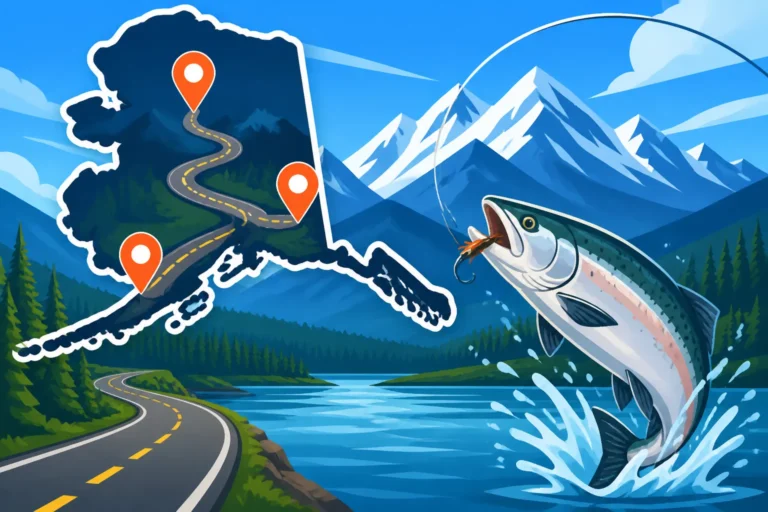
While the Susitna River is immense, certain sections are surprisingly accessible, especially those along the Parks Highway corridor. The road system provides entry points to a few spots, but to truly explore the Susitna's vastness, you'll often need a boat or, for the more remote sections, an air taxi.
The town of Talkeetna serves as a primary hub for accessing the upper and middle Susitna. From here, jet boats can navigate the Susitna and its tributaries like the Talkeetna and Chulitna Rivers. This is where many guided trips launch, providing access to areas unreachable by road. For those looking for a more remote, fly-in experience, Talkeetna is also a major base for air taxi services that can drop you off at secluded lakes or river stretches, offering unparalleled solitude and often incredible fishing. Downstream, around the Deshka Landing area, there's significant access for private boats and charters heading into the lower Susitna and up the Deshka River itself. While the Susitna is not generally considered prime Best Roadside Fishing in Alaska directly along its main stem due to its width and current, many of its accessible tributaries and boat launch areas certainly fall into that category.
Navigating the Susitna itself by boat requires skill and local knowledge due to its ever-changing sandbars and powerful currents. If you're not an experienced river boater in Alaska, hiring a local guide or charter is highly recommended. For those looking to book a guided trip and explore the myriad options available, platforms like FishingBooker can connect you with experienced Susitna River guides who know the intricate channels and hot spots. They can arrange everything from jet boat excursions out of Talkeetna to fly-out trips to remote reaches of the system.
Prime Fishing Seasons and Target Species
The Susitna River system is a year-round fishery for some species, but its true glory shines brightest during the summer salmon runs. Knowing when to target which species is paramount to a successful trip, as the timing of salmon migrations can be incredibly specific.
Salmon Runs: Kings, Sockeye, Coho
The Susitna drainage is a powerhouse for all five species of Pacific salmon, though King, Sockeye, and Coho are generally the primary targets for sport anglers. Each species has its preferred timing and specific behaviors within the river system.
-
King Salmon (Chinook Salmon): The mighty King Salmon usually kick off the salmon season. In the Susitna, Kings typically begin entering the lower river in late May, with the run building through June and peaking in early to mid-July. They are powerful fighters and highly prized. However, King salmon runs in Alaska can be volatile, and it's crucial to check for Alaska King Salmon Run Timing and any emergency orders that might restrict fishing. The larger tributaries like the Deshka River, Talkeetna River, and Yentna River are key spawning grounds and primary targets for King salmon anglers. These fish often hold in deeper pools or along current breaks, making them prime targets for back-trolling plugs or bait, and sometimes even large flies.
-
Sockeye Salmon (Red Salmon): Sockeye salmon, known for their vibrant red flesh and strong fighting spirit, usually follow the Kings. The Susitna sees its Sockeye run typically from late June through July, often overlapping with the tail end of the King run. Sockeye are notoriously challenging to catch on traditional lures or bait because they largely stop feeding once they enter freshwater. Anglers primarily target them by "flossing" or "flipping" — a technique that involves drifting a bare hook or small fly rig near the bottom, aiming to hook the fish in the mouth as it travels upstream. Popular spots within the Susitna system for Sockeye include the Talkeetna River and other clearwater tributaries. Keeping an eye on the Alaska Sockeye Salmon Run Timing for specific tributary forecasts can greatly improve your chances.
-
Coho Salmon (Silver Salmon): The acrobatic Coho salmon provide an exciting finish to the summer salmon season. Silvers generally begin showing up in the lower Susitna in early August, with the run peaking throughout late August and September. They are aggressive biters and put on an impressive aerial display when hooked, making them a favorite among many anglers. Cohos are more willing to strike lures and flies than Sockeye, responding well to spinners, spoons, and various salmon flies. They often congregate in slower-moving water, eddies, and even in small pockets of slack water along riverbanks. Check the Alaska Coho Salmon Run Timing to plan your late-season trip. Pink and Chum salmon also use the Susitna system but are generally less targeted by sport anglers, though Pinks can provide fast action in even-numbered years. For a deeper dive into the seasonal opportunities, review the When to Fish for Each Salmon Species in Alaska.
Here's a quick overview of typical salmon run timings on the Susitna River and its major tributaries:
| Species | Peak Run Timing (General) | Primary Fishing Locations (Susitna Drainage) | Common Fishing Techniques |
|---|---|---|---|
| King Salmon | Mid-June to Mid-July | Deshka River, Talkeetna River, Yentna River | Back-trolling, Spin Fishing |
| Sockeye Salmon | Late June to Late July | Talkeetna River, Clearwater Tribs | Flossing, Flipping |
| Coho Salmon | Early August to Mid-September | Lower Susitna, Deshka River, Side Channels | Spin Fishing, Fly Fishing, Trolling |
| Pink Salmon | Late July to Early August (Even Years) | Lower Susitna, Tributary Mouths | Spin Fishing, Fly Fishing |
| Chum Salmon | July to Mid-August | Main Susitna, Larger Tributaries | Spin Fishing, Fly Fishing |
Resident Fish: Rainbows, Dolly Varden, Arctic Grayling, Northern Pike
Beyond the salmon, the Susitna system offers excellent opportunities for resident freshwater species, often providing action before or after the main salmon runs, or as a welcome change of pace.
-
Rainbow Trout: Alaska's Rainbow Trout are legendary, and the Susitna's clearwater tributaries host robust populations. While not as large as the trophy rainbows of the Bristol Bay region, Susitna rainbows can still offer fantastic angling. They are often found in areas below salmon spawning grounds, feeding on salmon eggs and flesh during and after the runs. Spring (May-June) and fall (August-September, after salmon spawn) are prime times. Fishing with egg patterns, flesh flies, or small spinners can be highly effective. The Talkeetna River and other smaller, clearer streams flowing into the Susitna are excellent places to target these beautiful fish. You can learn more about targeting these fish in our Alaska Rainbow Trout Guide.
-
Dolly Varden: Often mistaken for Arctic Char, Dolly Varden are opportunistic feeders that thrive in the same clear, cold waters as Rainbow Trout. They are also drawn to salmon spawning areas, gorging on eggs and fry. They are present throughout the spring, summer, and fall, and like rainbows, respond well to egg patterns, small streamers, and spinners. Their willingness to bite makes them a fun target for anglers of all skill levels.
-
Arctic Grayling: With their distinctive sail-like dorsal fin, Arctic Grayling are a favorite for fly anglers. These smaller, beautiful fish prefer colder, clearer water, typically found higher up in the Susitna system or in the headwaters of its tributaries. They are eager biters, readily taking dry flies, small nymphs, and tiny spinners throughout the summer months. Catching a handful of grayling in a pristine stream is a quintessential Alaskan experience. Learn about specific regulations for these fish, as they can vary, by checking resources like Alaska Arctic Grayling Regulations and Limits.
-
Northern Pike: While not as widespread in the Susitna system as in some other parts of Alaska, Northern Pike are present in some of the slower-moving sloughs, backwaters, and interconnected lakes within the drainage, particularly in the Yentna River system. These aggressive predators offer a completely different kind of fight and are targeted with large spoons, swimbaits, and topwater lures. Pike fishing is generally best in late spring and early summer when they are actively feeding in shallower, warmer waters. Remember that some areas have specific regulations regarding pike, often encouraging harvest due to their non-native status in certain waterways.
Top Fishing Techniques for Susitna River Success
Successfully fishing the Susitna River system requires versatility and an understanding of the conditions. Its varied water types, from silty main stem to clear tributaries, demand different approaches. Whether you prefer spin fishing or fly fishing, having the right techniques in your arsenal will significantly increase your chances.
Spin Fishing and Bait Choices
Spin fishing is perhaps the most popular and versatile method for tackling the Susitna and its tributaries, especially for salmon. It allows anglers to cover a lot of water and present a variety of lures and baits effectively.
For King Salmon, heavy-duty spinning gear is a must. You'll want a medium-heavy to heavy action rod, about 8.5 to 10 feet long, paired with a stout spinning reel spooled with 30-50 lb braided line. Popular techniques include drift fishing with cured salmon roe (eggs) or large Brad's Wiggler plugs, and back-trolling Kwikfish or Mag Lip plugs from a boat. The key is getting your presentation down to where the Kings are holding, which often means adding substantial weight. When using bait, check Alaska Bait Restrictions Explained as rules can vary by river and season. Popular lures for Kings also include large spinners like a #5 or #6 Vibrax in chartreuse or orange, and heavy spoons like a Pixee or a Daredevil.
Coho Salmon are aggressive and will strike a wider array of lures. Medium-heavy spinning gear with 15-25 lb monofilament or braid is usually sufficient. Brightly colored spinners (size #3 or #4 Vibrax in chartreuse, orange, or pink), spoons (Pixee, Little Cleo), and even small diving plugs are all effective. Drifting with cured salmon eggs under a bobber or fishing with jigs tipped with shrimp are also highly productive. Cohos often hold in slower water, so casting across current and letting your lure swing into eddies or behind structure can be very effective.
For Rainbow Trout and Dolly Varden, lighter spinning gear is appropriate. A medium-light to medium action rod, 6.5 to 8 feet long, with 8-12 lb monofilament or fluorocarbon, will give you a good fight. Small spinners (size #2 or #3 Vibrax) and spoons (Little Cleo, Dick Nite) are excellent choices. When salmon are spawning, drifting beads or small egg imitation flies under a strike indicator can be incredibly effective, mimicking the natural salmon eggs these fish are gorging on. These smaller lures and bait imitations also work well for Alaska Arctic Grayling Regulations and Limits, making them a versatile choice for resident species. Our general Spin Fishing in Alaska: How-To Guide covers many of these methods.
Fly Fishing Strategies
Fly fishing the Susitna system can be incredibly rewarding, especially in its clearer tributaries and for resident species. It offers a more intimate connection with the fish and the environment.
For King Salmon, fly fishing is a challenge that many experienced anglers relish. You'll need heavy gear: a 10-12 weight rod, a reel with a strong drag and plenty of backing, and heavy sink-tip lines. Large, weighted flies in patterns like Intruder, Dolly Llama, or articulated leeches in black, chartreuse, or purple are common. Swinging these flies through deep runs and pools requires precise casting and mendings. It's a demanding but exhilarating experience when a King finally takes your fly.
Sockeye Salmon can be caught on flies, though it's typically done by "flossing." This involves a weighted leader with a short piece of monofilament and a small, unweighted fly (often a sparse, brightly colored pattern or simply a bare hook) tied off the leader. The rig is cast upstream and allowed to drift along the bottom, hoping the Sockeye's mouth intercepts the line as it moves upstream. When a tug is felt, a gentle sweep of the rod sets the hook. This method is highly effective during peak Sockeye runs in clear, shallower sections of tributaries like the Talkeetna River.
Coho Salmon are excellent fly rod targets. A 7-9 weight rod with a floating line or a short sink-tip is ideal. They readily strike streamers, poppers, and even traditional dry flies during their aggressive freshwater phase. Popular fly patterns include bright Coho flies like the Pink Poacher, Comets, or Clouser Minnows in pink, orange, or chartreuse. Casting across current and stripping the fly back, or swinging it through likely holding water, can lead to explosive strikes.
Rainbow Trout and Dolly Varden offer fantastic fly fishing opportunities throughout the open water season. A 5-7 weight rod is versatile for these species. During salmon spawning, egg patterns (like the Glo-Bug) and flesh flies are highly effective, drifting them naturally in the current. Before and after the salmon runs, streamers (e.g., Woolly Buggers, Sculpzillas), nymphs (e.g., Prince Nymph, Hare's Ear), and even dry flies (e.g., stimulators, caddis imitations) can entice strikes, especially in the clearer, shallower runs and riffles. For those looking to fine-tune their approach for these resident fish, our guide on How to Fly Fish in Alaska and Best Flies for Alaska Trout offers more detailed advice.
Navigating Susitna River Regulations and Safety
Fishing in Alaska, especially on a large, diverse system like the Susitna, comes with its share of regulations and inherent risks. A successful and safe trip means being prepared and informed. Ignoring these aspects can not only ruin your trip but also put you in danger or lead to hefty fines.
Understanding Fishing Regulations and Emergency Orders
The vastness of the Susitna River system means that regulations can be complex and dynamic. It’s absolutely critical to consult the most current Alaska Department of Fish and Game (ADF&G) regulations booklet for the Southcentral region before you even pack your bags. This comprehensive guide outlines season dates, bag limits, gear restrictions, and specific rules for different areas within the Susitna drainage, including its many tributaries like the Deshka, Talkeetna, and Yentna Rivers. For instance, specific stretches might be fly-fishing-only, bait might be prohibited during certain times, or single-hook-only rules might be in effect.
Beyond the annual regulations, Alaska is famous (or infamous, depending on who you ask) for its in-season "Emergency Orders." These orders can change bag limits, close fisheries, or alter gear restrictions with little notice, often due to weaker-than-expected salmon runs or other biological concerns. This is particularly common for King Salmon, whose runs are closely monitored. It’s not uncommon for a King salmon fishery to open, only to be scaled back or closed entirely mid-season. To stay current, anglers should check the ADF&G website regularly, subscribe to email alerts, or call local Fish and Game offices or charter operators. Our comprehensive guide on Alaska Fishing Regulations Explained and Alaska Fishing Emergency Orders Explained will walk you through how to interpret these critical updates. And, of course, ensure you have your proper Alaska Fishing License: Complete Guide purchased and on your person before you cast a line.
| Regulation Aspect | Key Considerations for Susitna River Fishing |
|---|---|
| Licenses | All anglers 16 years or older need an Alaska Sport Fishing License. Non-residents often need a King Salmon stamp to target Kings. |
| Bag Limits | Highly variable by species, river, and time of year. King salmon limits are often the most restrictive and subject to emergency orders. Check specific tributary regulations. |
| Gear Restrictions | Can include single-hook-only, no bait, artificial lures only, or specific hook gap size. Pay close attention to these, especially during King salmon season or in designated catch-and-release areas. |
| Season Dates | Salmon runs have specific seasons, with emergency orders potentially altering open dates. Resident fish often have longer, more stable seasons, but check regional variations. |
| Emergency Orders | These are paramount for real-time changes. Always check the ADF&G website or hotline before and during your trip. They override printed regulations. |
| Harvest Records | For King Salmon, you may need to record your catch on your license or a separate harvest card. Understand how to properly fill this out. |
Essential Safety Considerations
Fishing the Susitna River is an incredible adventure, but it's Alaska, and that means being prepared for anything. Safety should always be your top priority.
First and foremost, bear safety is paramount. The Susitna River basin is prime habitat for both black and grizzly bears, especially when salmon are present. Always carry bear spray (and know how to use it!), make noise while hiking, and be aware of your surroundings. Avoid fishing alone in remote areas if possible, and store food properly away from your campsite. When cleaning fish, do it away from your primary area and dispose of carcasses in flowing water if regulations allow, or pack them out if not, to avoid attracting bears.
Secondly, river conditions can be treacherous. The Susitna is a large, powerful river with swift currents, cold water, and constantly shifting channels and sandbars. If you're using a boat, wear a life vest, know how to operate your vessel safely, and be aware of obstacles. For bank anglers, be mindful of slippery banks, undercut edges, and the potential for rapidly rising water levels, especially during heavy rain or glacial melt. Falling into the Susitna's frigid waters can lead to hypothermia very quickly. Always let someone know your float plan or where you intend to fish.
Finally, weather in Alaska is notoriously unpredictable. A sunny morning can quickly turn into a cold, driving rain or even snow, even in summer. Dress in layers, using quick-drying synthetic materials or wool, and always carry quality rain gear. Hypothermia is a real threat, even in summer, if you get wet and the temperature drops. A well-stocked first-aid kit, emergency shelter, and communication device (satellite phone or inReach for remote areas) are non-negotiable. Don't underestimate the sheer size and wildness of the Susitna River.
Planning Your Susitna River Adventure
A successful Susitna River fishing trip, whether it's a day outing or a multi-day expedition, requires careful planning. From deciding whether to hire a guide to assembling the right gear, thinking ahead will save you headaches and enhance your experience.
Choosing a Guide or Going DIY
This is often the first big decision for any angler heading to Alaska: Do you go it alone, or do you enlist the expertise of a professional guide? Both options have their merits, and your choice will largely depend on your experience level, budget, and desired style of trip.
Going DIY can be incredibly rewarding for experienced anglers who are comfortable navigating Alaska's wild spaces and interpreting complex regulations. If you own a jet boat and have experience on braided rivers, or if you plan to stick to more accessible roadside tributaries, a DIY trip offers maximum flexibility and a lower cost. However, it also places the burden of logistics, safety, and finding fish entirely on your shoulders. You’ll need to research hot spots, understand the nuances of local regulations (which can change daily), bring all your own gear, and be prepared for self-rescue in remote areas. For some, the challenge and freedom are exactly what they're looking for.
Hiring a professional guide significantly reduces the stress and increases your chances of success, especially on a river as complex as the Susitna. Guides bring invaluable local knowledge: they know where the fish are holding, what techniques are currently working, and how to navigate the river safely. They typically provide all the necessary gear, boat transportation, and often shore lunches. For first-time visitors to Alaska, or those new to river fishing, a guide is an investment in a safer, more productive, and more enjoyable experience. They can also educate you on local ecology and regulations, making your trip truly enriching. If you're traveling from afar, a guide handles the heavy lifting, allowing you to focus purely on the fishing. Platforms like FishingBooker are excellent resources for finding reputable, licensed guides operating on the Susitna River system, often allowing you to compare options and read reviews from other anglers. They make it easy to see what's included in a charter, helping you decide if it aligns with your expectations. If you're weighing the options, our comparison on Guided vs Unguided Fishing in Alaska might help you decide.
Gear Essentials and Packing Tips
Regardless of whether you go guided or DIY, having the right gear is non-negotiable for comfort and success on the Susitna. Alaska weather is famously fickle, so layering is key.
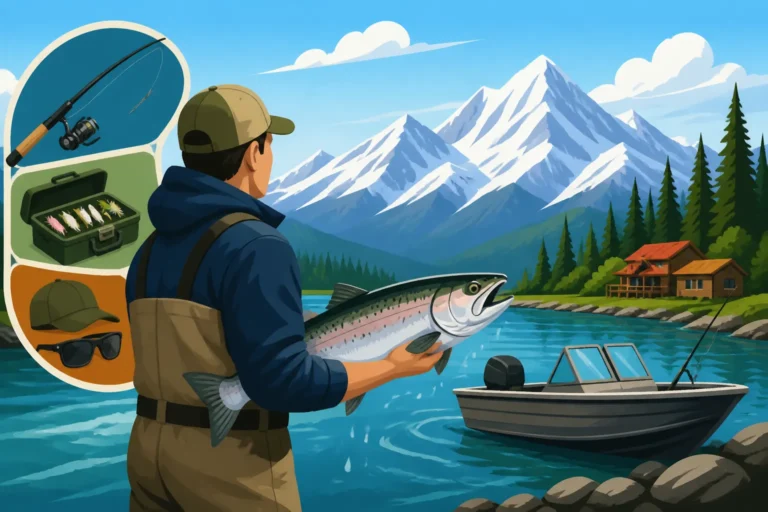
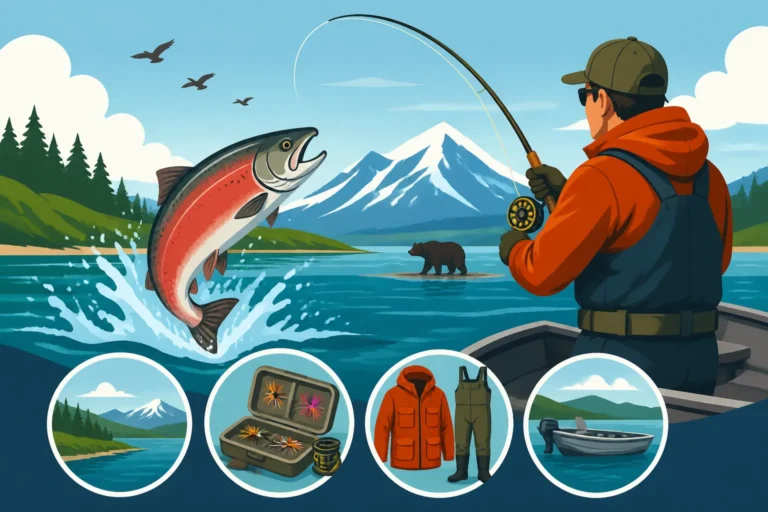
Start with a good base layer (merino wool or synthetic) to wick moisture away from your skin. Add a mid-layer for insulation (fleece or puff jacket). Your outer shell is perhaps the most critical: invest in high-quality, waterproof and windproof rain gear, including a jacket and pants. Even on a sunny day, an unexpected downpour can make you miserable quickly. Don't forget waterproof gloves and a warm hat. For more detailed advice, check out our guide on How to Dress for Alaska Fishing.
Footwear is also crucial. If you're bank fishing or wading, high-quality chest waders are essential. Choose durable, breathable waders with good wading boots that offer excellent ankle support and traction on slippery river bottoms. Even if you're fishing from a boat, waterproof deck boots are highly recommended to keep your feet dry and warm.
For fishing tackle, while guides typically provide it, if you're going DIY, you'll need to bring appropriate rods, reels, line, lures, bait (if allowed), and terminal tackle for your target species. As mentioned, for salmon, think heavy-duty spinning or fly gear. For trout and grayling, lighter setups are suitable. Always bring more tackle than you think you'll need – losing lures to snags is part of the game. Our comprehensive Alaska Fishing Gear and Tackle Guide provides a thorough list of items.
Beyond fishing-specific items, pack essentials like:
- Bear spray (and a holster for easy access)
- Insect repellent (Alaska mosquitoes and biting flies can be legendary)
- Sunscreen and polarized sunglasses (for glare reduction and eye protection)
- Camera (to capture those memories!)
- Plenty of water and snacks
- First-aid kit
- Map and compass/GPS (even with a guide, it's good practice)
- Small dry bag for electronics and valuables
When considering a guided trip, many charters listed on platforms like FishingBooker will explicitly state what gear is provided, allowing you to pack lighter and focus on personal items. Always confirm with your guide what they supply versus what you need to bring. Being prepared for varying weather conditions and having the right gear ensures your Susitna River fishing adventure is comfortable, safe, and ultimately, unforgettable.
Disclaimer
Please be aware that fishing regulations in Alaska, particularly for species like salmon, can change rapidly due to emergency orders issued by the Alaska Department of Fish and Game (ADF&G). This guide provides general information, but it is your responsibility to check the latest regulations and emergency orders for the specific river, species, and dates you plan to fish. Always consult the official ADF&G website or local offices for the most current rules before heading out.