Alaska Subsistence vs Sport Fishing Rules
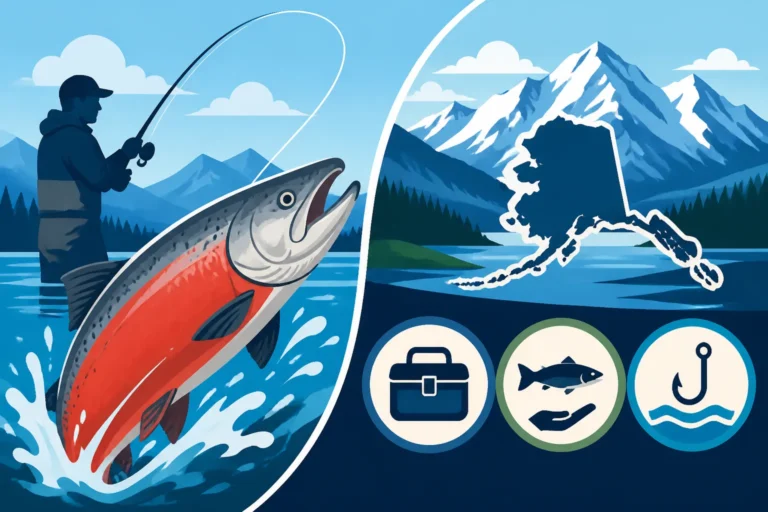
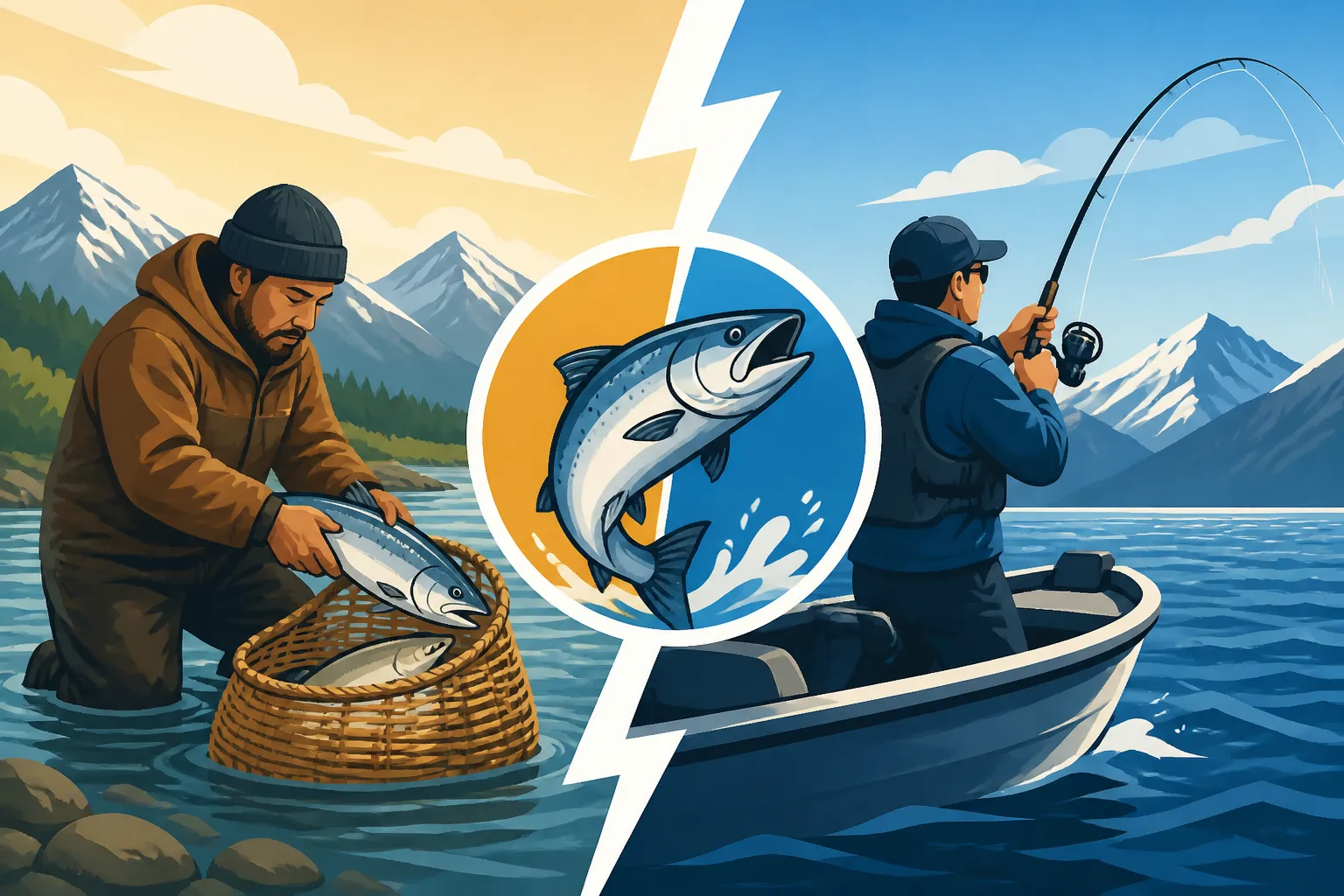
One of the biggest head-scratchers for folks planning a fishing trip to Alaska, or even long-time residents, is figuring out the difference between subsistence and sport fishing. It's not just a matter of semantics; these two categories come with entirely different rules, regulations, and even philosophies that can easily trip you up if you’re not prepared. This guide is here to clear up that confusion, breaking down the specific rules for both subsistence and sport fishing in Alaska so you can hit the water with confidence and stay within the law.
Understanding the Core Differences in Alaska Fishing
It's easy to think "fishing is fishing," right? But in Alaska, the distinction between subsistence and sport fishing is as vast as the landscape itself. These aren't just arbitrary labels; they represent deeply ingrained legal, cultural, and economic practices that shape how, when, and where Alaskans and visitors interact with the state's abundant fish resources. Getting these differences straight from the start is absolutely crucial.
Purpose and Intent Behind the Catch
At its heart, the biggest divergence lies in the fundamental reason someone is out on the water. For subsistence fishing, the intent is pure sustenance. We're talking about harvesting fish primarily for personal or family consumption, for traditional uses like sharing with elders, or for customary trade. It’s about putting food on the table, preserving cultural practices, and often, it's a way of life that has been passed down through generations. The fish caught are not meant for commercial sale or large-scale recreational distribution; they are a vital part of a household's food supply. Think about a family filling their smokehouse with salmon for the long winter ahead – that's the essence of subsistence.
Sport fishing, on the other hand, is a recreational pursuit. The primary goal is the enjoyment of the angling experience itself – the thrill of the chase, the fight of a big fish, the camaraderie with friends or family on the boat, or simply the peace of being out in nature. While you certainly keep and consume the fish you catch (and boy, is it delicious!), the intention isn't about meeting a fundamental dietary need or maintaining a traditional lifestyle in the same way. It's about leisure, recreation, and the challenge of the sport. It's a wonderful way to experience Alaska's incredible outdoors, but it operates under a different set of expectations and regulations designed for conservation within a recreational framework.
Eligible Participants and Fishing Areas
The question of who can participate and where they can fish is another major dividing line. Subsistence fishing is generally restricted to Alaska residents, and often specifically to rural residents who have traditionally relied on these resources. The concept here is that those living in areas where access to commercial food sources might be limited, or where cultural practices demand it, are prioritized for this type of harvest. Certain areas are designated as "subsistence priority areas," and fishing within these zones often requires specific residency qualifications. For example, some community-based fisheries might require you to live within a certain geographic boundary to participate. These fisheries are carefully managed to ensure the long-term viability of the fish stocks while supporting local communities.
Sport fishing, conversely, is open to everyone, whether you're a long-time Alaska resident, a new transplant, or a visitor from across the globe. Anyone can participate as long as they meet the licensing requirements and adhere to the regulations. This inclusivity makes Alaska a world-renowned destination for anglers seeking everything from King Salmon to Halibut. While there are regional differences in sport fishing rules, the access is generally much broader than for subsistence, making it easier for tourists to experience the thrill of fishing here. The state aims to provide a diverse range of opportunities, from easily accessible roadside fishing spots near Anchorage to remote fly-in experiences.
Gear, Methods, and Harvest Limits
The tools and techniques you use, and critically, how many fish you can keep, vary significantly. In subsistence fisheries, traditional and efficient methods are often permitted to allow families to harvest larger quantities of fish to last through the year. This might include larger nets, fish wheels, or dip nets – gear designed for volume rather than the sport of a rod and reel. For instance, in some personal use fisheries, you might see people using dip nets in rivers like the Kenai or Chitina to catch thousands of Sockeye Salmon. The harvest limits, or "bag limits," for subsistence are typically much higher than for sport fishing, reflecting the need to secure a significant food supply. These limits are usually set per household, not per individual, recognizing the collective effort of a family unit.
For sport fishing, the emphasis is on fair chase and recreational angling. This means you'll primarily be using a rod and reel, with specific restrictions on bait, hooks (like Alaska Barbless Hook Requirements), and even the number of lines you can fish at once. The idea is to make the catch a challenge and to manage individual impacts on the fish population. Sport fishing bag limits are considerably lower, usually daily limits per person, and often come with strict annual limits, especially for prized species like King Salmon. These limits are designed to spread the harvest among many anglers and ensure the sustainability of the sport fishery. For example, you might be allowed to keep one or two King Salmon per day, with an annual limit that prevents excessive individual harvest. Understanding Alaska Fishing Limits and Bag Limits Explained is vital for any angler.
Diving Deeper into Subsistence Fishing
Subsistence fishing in Alaska is far more than just "getting food"; it's a cornerstone of many communities, deeply woven into the fabric of daily life and cultural identity. It reflects a traditional reliance on natural resources that has sustained Alaskans for thousands of years.
Defining Subsistence in Alaska
Legally and culturally, subsistence in Alaska is about providing for one's self and family through the harvest of wild resources, using traditional methods, for purposes other than sport or commercial sale. This often includes sharing with elders, community members, or for cultural and religious ceremonies. It’s recognized as a priority use of fish and wildlife under both state and federal law, particularly for rural residents. The state defines "subsistence uses" as the customary and traditional uses by rural Alaska residents of wild, renewable resources for direct personal or family consumption as food, shelter, fuel, clothing, tools, or transportation; for the making and selling of handicraft articles out of nonedible by-products of fish and wildlife resources taken for personal or family consumption; for barter, or sharing for personal or family consumption; and for customary trade. This definition highlights the holistic nature of subsistence, encompassing not just eating the fish, but all the ways it integrates into life.
The concept of "customary and traditional" is key here. It implies practices that have been passed down through generations, adapted over time but maintaining their core purpose. For many Indigenous communities, subsistence is intrinsically linked to their heritage, spirituality, and social structures. It's a connection to the land and water that goes beyond mere economics. When you consider the vastness of Alaska and the relative isolation of many rural villages, the ability to rely on local fish stocks for food is not just a preference; it's often a necessity. This reliance ensures food security and maintains a vital link to cultural identity.
Specific Regulations and Permits
Navigating subsistence regulations can be quite complex because they vary significantly by region, species, and even the specific body of water. Unlike a single sport fishing license, subsistence often requires specific permits or cards, sometimes issued by the Alaska Department of Fish and Game (ADF&G) and other times managed by federal agencies, particularly on federal lands or waters. For instance, participation in certain large-scale salmon fisheries might require a Personal Use Permit or a Subsistence Permit. These permits are crucial for monitoring harvests and ensuring sustainable management.
One common subsistence-style method many Alaskans participate in is personal use fishing, which, while distinct from traditional subsistence, shares many characteristics. Personal use fisheries often employ methods like dip nets or gillnets and have higher bag limits than sport fishing, allowing residents to harvest large quantities of salmon for their freezers. For example, the Kenai River's Upper Cook Inlet personal use Sockeye Salmon fishery allows the use of dip nets by residents, and the Chitina Personal Use fishery on the Copper River is famous for its large harvests using dip nets or fish wheels. Understanding Alaska Dip Netting Regulations is essential if you plan to participate in these fisheries. You'll often need to carry a valid resident fishing license in addition to your specific personal use or subsistence permit. And don't forget the importance of proper reporting; harvest reporting is a mandatory part of most subsistence and personal use fisheries to help ADF&G track fishing effort and catch.
Common Subsistence and Personal Use Fisheries
Alaska offers several well-known opportunities for subsistence and personal use fishing that are vital to many residents. These fisheries are critical for providing a sustainable food source and preserving cultural practices.
- Copper River Dipnetting (Chitina): This is one of the most famous personal use fisheries, primarily targeting Sockeye and King Salmon. Alaska residents flock to the Chitina area to use dip nets in the Copper River, sometimes harvesting hundreds of pounds of salmon in a single trip. The unique rapids and eddies make it a challenging but rewarding experience. The regulations here are very specific about gear, open periods, and possession limits, so it's vital to check the latest emergency orders before you go.
- Kenai River Personal Use Sockeye: Another hugely popular resident-only fishery, the Kenai River personal use fishery allows dipnetting for Sockeye Salmon in the lower river. This fishery is often bustling with families setting up camp for a few days to fill their freezers. Like Chitina, it has specific open periods, gear restrictions, and often requires an Alaska Personal Use Fishing Explained permit in addition to a fishing license. The vibrant atmosphere and the sheer volume of salmon make this a quintessential Alaskan summer experience for many.
- Kasilof River Personal Use Dipnetting: Similar to the Kenai, the Kasilof River also offers a personal use dipnet fishery for Sockeye Salmon, typically earlier in the season than the Kenai. It can be a great option if you miss the early Kenai run or prefer a slightly less crowded experience.
- Fish Wheels: While less common for the average resident, fish wheels are a traditional and highly efficient subsistence method used in certain river systems, notably the Yukon and Copper Rivers. These large, rotating wheels scoop fish out of the current with minimal human effort, providing significant harvests for communities. They are typically owned and operated by families or community groups under strict permits.
These fisheries are essential for providing a direct source of wild-caught protein for Alaskan families. They are highly managed, with opening and closing dates and bag limits often adjusted in-season based on fish run strengths, so staying informed about current Alaska Fishing Emergency Orders Explained is paramount.
Exploring Sport Fishing in Alaska
For many, sport fishing is the ultimate Alaska adventure. It’s what draws countless visitors and residents alike to the state’s pristine waters, offering unparalleled opportunities to battle legendary fish species in breathtaking settings.
The Recreational Pursuit of Sport Fishing
Sport fishing in Alaska is all about the experience – the challenge, the scenery, and the satisfaction of reeling in a prized catch. It’s a pursuit driven by passion for the outdoors and the thrill of connecting with nature. Whether you're casting a fly into a remote clearwater stream for Rainbow Trout, bottom fishing for monster Halibut in the Gulf of Alaska, or back-trolling for King Salmon on the Kenai River, it’s designed to be a recreational activity. The focus isn't just on the harvest, but on the entire journey: the planning, the travel, the time spent on the water, and the memories made.
This recreational focus means that sport fishing regulations are crafted with sustainability in mind, aiming to provide equitable opportunities for many anglers while ensuring healthy fish populations for future generations. The rules often emphasize fair chase methods, meaning you're actively engaging with the fish, not passively collecting them. This is why you'll see specific rules about hook types, bait, and the number of rods you can use. Anglers are encouraged to practice responsible catch-and-release, especially for certain species or in specific areas, further reinforcing the conservation ethic that underpins sport fishing in Alaska. Many sport anglers also engage in the practice of "trophy fishing," seeking out the largest examples of a species, often releasing them after a photo to allow them to continue spawning.
Licensing, Stamps, and Harvest Records
Unlike subsistence fishing which often has specific permits for residents, sport fishing requires anyone aged 16 or older to purchase an Alaska Fishing License: Complete Guide. This applies to both residents and non-residents. The license revenue directly supports the management and conservation efforts of Alaska's fish and wildlife resources, ensuring that these incredible fisheries remain healthy. Licenses come in various durations – from 1-day, 3-day, 7-day, 14-day options for visitors, to annual licenses for residents. You can easily buy an Alaska Fishing License Online or from numerous vendors across the state, including many sporting goods stores and tackle shops.
Beyond the basic fishing license, certain species require additional "stamps." The most prominent of these is the King Salmon Stamp. If you plan to fish for King Salmon, you absolutely need this stamp, regardless of your residency status. The funds from King Salmon stamps are specifically earmarked for King Salmon enhancement and research programs, critical for managing this iconic but often vulnerable species. You can find more details on How Much Is the Alaska King Salmon Stamp and Do You Need a King Salmon Stamp in Alaska.
Another critical component for sport anglers is the Alaska Harvest Record Card. This card is typically integrated into your fishing license and requires you to immediately record certain species after they are caught and retained. King Salmon, particularly in various regions, and often Halibut, are among the species that must be recorded. This data is vital for ADF&G to track harvest numbers and make informed management decisions. Neglecting to record your catch immediately can result in significant fines. This is a common pitfall for new anglers, so make sure you understand Alaska Harvest Record Card Explained and How to Fill Out an Alaska Harvest Record Card. It's crucial for resource management.
Typical Gear and Techniques
Sport fishing naturally involves a different array of gear and techniques compared to the often net-based methods of subsistence fishing. Anglers typically rely on rods, reels, and a variety of lures and baits tailored to specific species and conditions. The choice of gear can make or break a trip, and many experienced anglers spend hours perfecting their setups.
- Rod and Reel Setups: For salmon, you might use medium to heavy action spinning or baitcasting rods, often paired with braided line for strength and sensitivity. For Halibut, heavy-duty conventional reels with strong lines (like 80-100 lb test) are standard, designed to winch up big fish from deep water. Fly fishing is also incredibly popular for species like Rainbow Trout, Dolly Varden, and even Sockeye Salmon, requiring specialized fly rods and reels. You can find a vast array of appropriate gear from retailers like Amazon if you want to get a head start on your tackle before your trip.
- Lures and Baits: The options are endless! For salmon, common choices include spinners (like Blue Fox or Mepps), spoons (such as Pixee or Acme Kastmaster), and plugs (like Kwikfish or Flatfish) which are often back-trolled or cast. Cured salmon eggs are a popular bait for trout and some salmon species. For Halibut, large chunks of herring, salmon heads, or octopus are often rigged on circle hooks and dropped to the bottom, sometimes enhanced with large jigs. Checking a good resource for Best Lures and Bait for Alaska Salmon or Best Lures and Bait for Alaska Halibut can give you a solid starting point.
- Techniques:
- Drift Fishing: Common for river salmon and trout, where bait or lures are allowed to drift naturally with the current.
- Back-Trolling: Popular for King Salmon, involving slowly moving a boat upstream against the current while deploying lures that "swim" downstream.
- Jigging/Bottom Fishing: The go-to method for Halibut and Rockfish, where heavy jigs or bait rigs are worked vertically along the ocean floor.
- Fly Fishing: Utilizes artificial flies to imitate insects or baitfish, cast with specialized weighted lines.
- Spin Fishing: The most versatile, involving casting and retrieving a variety of lures.
No matter your chosen method, adherence to Alaska Fishing Regulations Explained is critical. Always double-check current rules, as they can change rapidly due to emergency orders.
Key Distinctions and Navigating Both Systems
Understanding the philosophical and practical differences between subsistence and sport fishing is vital not just for compliance, but also for appreciating the unique relationship Alaskans have with their natural resources. It’s not about one being "better" than the other, but recognizing their distinct roles.
A Side-by-Side Comparison
To help clarify the differences, let's look at a quick comparison:
| Feature | Subsistence/Personal Use Fishing | Sport Fishing |
|---|---|---|
| Primary Purpose | Sustenance, cultural practice, sharing, customary trade | Recreation, leisure, challenge, personal consumption |
| Participants | Primarily Alaska rural residents (or all residents for personal use) | All residents and non-residents (age 16+) |
| Licensing | Resident fishing license + specific permits (e.g., Personal Use, Subsistence) | Resident/Non-resident fishing license + species stamps |
| Gear/Methods | Often nets (dip nets, gillnets), fish wheels, traditional gear | Rod and reel (spinning, baitcasting, fly), specific lures/baits |
| Harvest Limits | Generally higher, often household-based, for annual supply | Generally lower, daily/annual per person, recreational |
| Reporting | Mandatory harvest tickets/cards, immediate recording for some species | Mandatory harvest record card (integrated with license), immediate recording for some species |
| Areas | Designated subsistence areas, specific personal use fisheries (e.g., Kenai, Chitina) | Broad access across fresh and saltwater, subject to regulations |
| Focus | Food security, cultural preservation, efficient harvest | Enjoyment of the experience, fair chase, conservation |
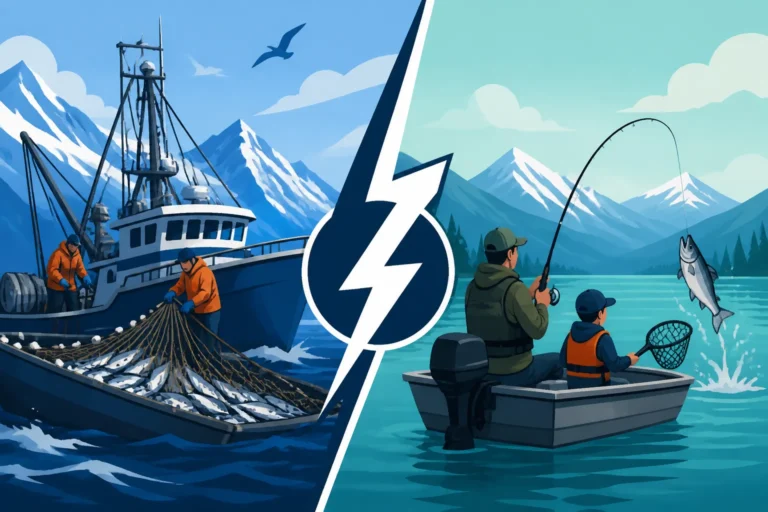
This table highlights just how distinct these two categories are, even though they both involve catching fish. The core intentions and the regulatory frameworks built around them diverge significantly.
When Can You Do Both?
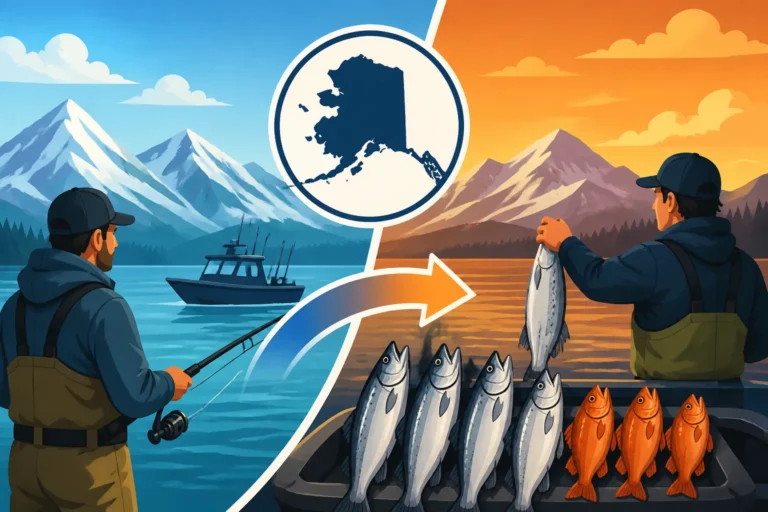
Many Alaska residents participate in both subsistence/personal use fishing and sport fishing throughout the year. It’s entirely legal and common, provided you adhere to the specific rules for each activity at the time and place you're engaged in it. For example, an Alaska resident might spend a few weeks in July dipnetting Sockeye Salmon on the Kenai River for their winter freezer (personal use), and then spend a weekend in August fly fishing for Rainbow Trout on the Russian River (sport fishing).
The key is to understand that these are distinct activities with separate regulations. You can't, for instance, claim a large net harvest as "sport fishing" or try to sell your sport-caught fish under the guise of subsistence. Each fish caught falls under one category or the other, and you must follow the rules pertinent to that category. If you possess a sport fishing license and a personal use permit, you are authorized for both, but your actions must align with the regulations of the specific fishery you are participating in at that moment. This means being mindful of gear restrictions, bag limits, and reporting requirements for whichever type of fishing you're undertaking. Sometimes, fish taken under a subsistence permit might even need to be recorded differently than fish taken under a sport fishing license, or marked in some way to prevent confusion. This is where reading How to Read Alaska Fishing Regulations becomes indispensable.
Avoiding Violations
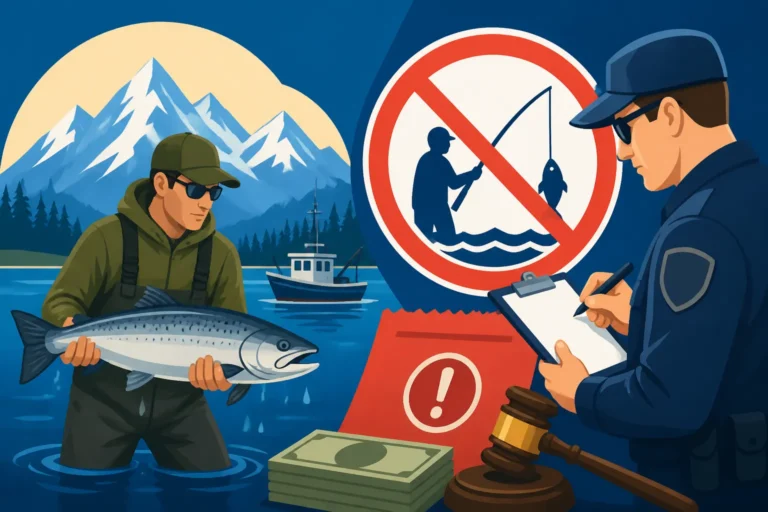
The consequences of mixing up these rules or unknowingly violating them can range from hefty fines to the confiscation of gear and catch, or even imprisonment in severe cases. Alaska takes its fish and wildlife management very seriously to protect these valuable resources. Here's how to stay out of trouble:
- Always Check Current Regulations: Alaska's fishing rules are dynamic. They can change not just annually, but also in-season via emergency orders. Before every trip, check the ADF&G website or call the local ADF&G office for the specific area you plan to fish. This is especially true for salmon runs, which are heavily managed with frequent adjustments to bag limits and openings/closures.
- Understand Your License/Permit: Know exactly what your sport fishing license, King Salmon stamp, or personal use permit allows you to do. Don't assume. For non-residents, understanding Alaska Non-Resident Fishing License Guide is crucial, as their limits are often stricter than residents.
- Identify Your Fish Correctly: Be able to accurately identify the species you're catching. Bag limits and size restrictions vary wildly between species, and misidentification can lead to violations. For example, knowing the difference between a King Salmon and a Sockeye is fundamental.
- Record Your Catch Immediately: For species requiring recording (like King Salmon or Halibut on your harvest card), do it as soon as the fish is retained. Don't wait until you get back to shore or camp. Having a pen on your person is a small but critical detail. You can even find waterproof notebooks and pens on Amazon to keep in your fishing pack.
- Know the Gear Restrictions: Be aware of legal gear types, hook configurations (single hook, barbless), and bait restrictions for the specific area and species you're targeting. Some areas prohibit bait entirely, while others have single-hook requirements during certain times.
- Respect Boundaries: Be aware of fishery boundaries – where a river segment might change from sport fishing only to a personal use zone, or where a federal subsistence priority area begins. Maps are your friend here.
- When in Doubt, Ask: If you're ever unsure about a rule, ask an ADF&G biologist, a wildlife trooper, or an experienced local guide. It's far better to ask than to unknowingly break the law. You can often find contact information for local offices in the Alaska Fishing Regulations Booklet.
- Don't Mix Intentions: Do not attempt to sell fish caught under a sport or subsistence license. That's commercial fishing, which requires entirely different permits and licenses and is a serious violation if done illegally.
By understanding these fundamental differences and diligently following the rules, you can enjoy the incredible fishing opportunities Alaska offers, whether you're filling your freezer for winter or chasing that trophy catch for the thrill of it.
Disclaimer
The information provided in this guide is for general informational purposes only and does not constitute legal advice. Alaska fishing regulations are complex, dynamic, and subject to change. It is your sole responsibility to consult the most current Alaska Department of Fish and Game (ADF&G) regulations, emergency orders, and local advisories before engaging in any fishing activity. Failure to comply with regulations can result in significant penalties.