Alaska Burbot: Facts, Season, and How to Catch
If you've ever found yourself bundled up, staring down a hole in the ice, or casting into the twilight of an Alaskan summer, you might have heard whispers of a peculiar fish: the burbot. Often overlooked or misunderstood, this unique freshwater species offers a thrilling challenge and a delicious reward, yet many anglers struggle to locate them or know the best tactics. This comprehensive guide is dedicated to pulling back the curtain on Alaska's burbot, covering everything from their fascinating biology to the best seasons and tried-and-true methods for reeling them in.
Alaska Burbot: The Ultimate Freshwater Scavenger
The burbot, often affectionately (or sometimes disdainfully) called "eel-pout," "lush," or "poor man's lobster," is a truly unique inhabitant of Alaska's cold, clear waters. It's the only freshwater member of the cod family, and its appearance certainly sets it apart from other fish you might encounter in the Last Frontier. Don't let its somewhat unconventional looks deter you; these fish are a blast to catch and even better to eat. They thrive in the deeper, cooler sections of lakes and rivers, making them a prime target for ice anglers and those willing to brave the chill for a night fish. Understanding their nature is the first step to successfully adding one to your harvest record.
Identifying a Burbot: The Eelpout Look
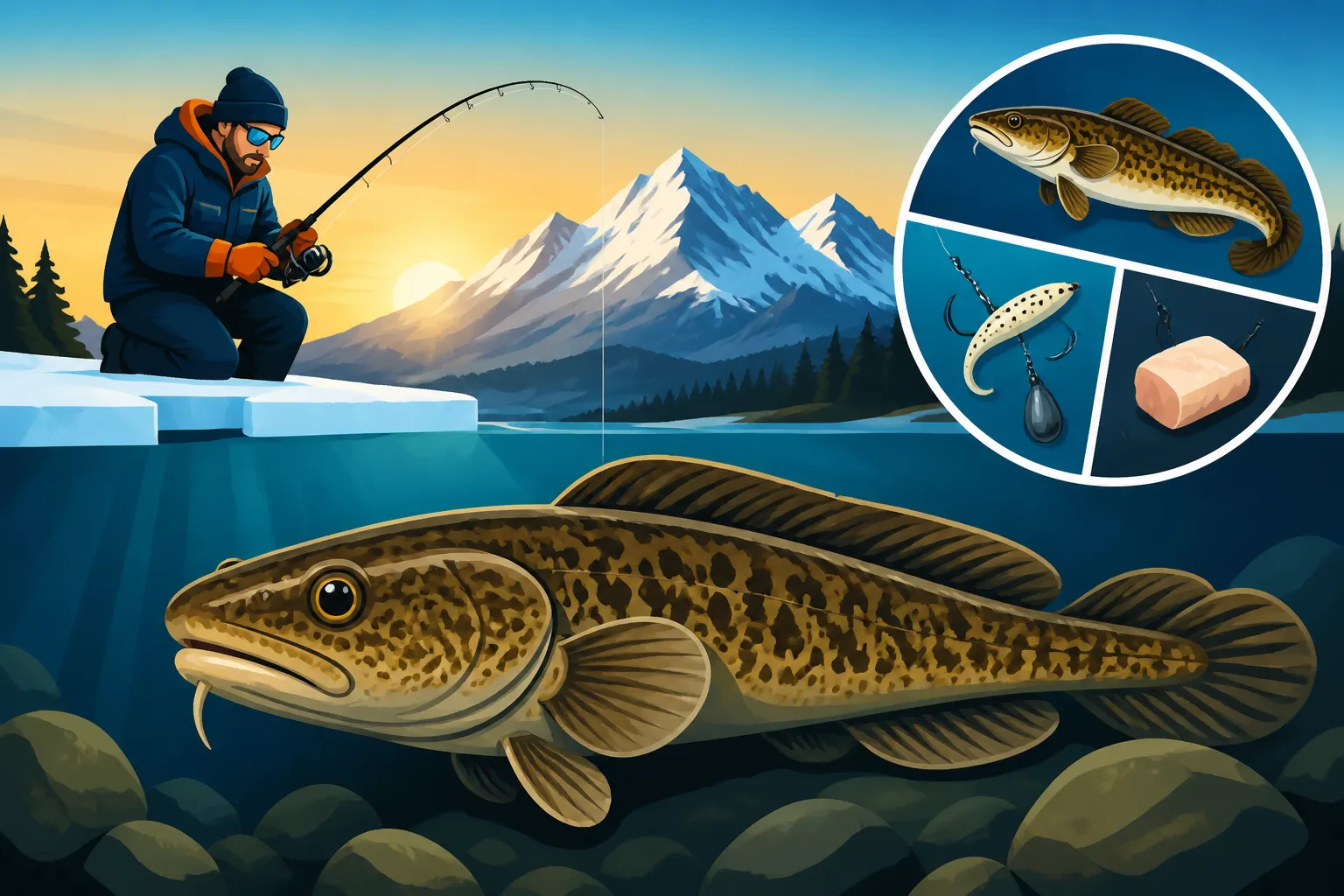
When you first pull a burbot out of the water, you might do a double-take. They don't look like your typical salmon or trout. Instead, they possess a long, slender, almost eel-like body that’s mottled with dark brown, green, and yellow patterns, providing excellent camouflage against rocky or muddy bottoms. Their skin is smooth and scaleless, covered in a protective slime layer, which can make them a bit slippery to handle – so come prepared with a good pair of gloves or a fish gripper!
One of the most distinguishing features is their single, prominent barbel protruding from the chin, resembling a tiny whiskers. This sensory organ is crucial for them, allowing them to detect food in dark, murky conditions or when hunting along the bottom. They also have two dorsal fins, with the second being notably long, almost running the length of their back, and a rounded caudal (tail) fin. Their large mouth is packed with numerous small, sharp teeth, perfect for grasping slippery prey. Recognizing these features will quickly confirm you've landed an Alaska burbot and not some other freshwater fish species.
Unique Characteristics and Behavior
Burbot are fascinating creatures, perfectly adapted to their cold-water environments. Unlike many fish that are active during the day, burbot are primarily nocturnal, preferring to hunt under the cover of darkness. This means that successful burbot fishing often requires heading out in the late afternoon and continuing well into the evening or even through the night, especially during the ice fishing season. They are predatory but also opportunistic scavengers, feeding on a variety of prey including smaller fish, insects, crustaceans, and even fish eggs. This scavenging nature makes them relatively easy to tempt with a variety of baits.
Their preferred habitat includes deep lakes and slow-moving rivers, where they can find structure like sunken logs, rock piles, or steep drop-offs. These spots offer both ambush points for prey and cooler, stable temperatures. In Alaska, you'll find them widely distributed, from the Interior's extensive river systems like the Tanana and Kuskokwim to the deeper lakes of the Southcentral region, such as Lake Louise and Susitna Lake. Their preference for cold water means they often remain deep during warmer months, but become more active and accessible closer to the surface (or under the ice) during winter. They're also known to be quite resilient, capable of surviving in oxygen-depleted waters better than many other fish.
Best Times to Target Alaska Burbot
Timing is everything when it comes to burbot fishing in Alaska. While they can be caught year-round, certain seasons and times of day offer significantly higher chances of success due to their unique biological rhythms and habitat preferences. Understanding when and where they're most active is key to maximizing your fishing adventure.
The Prime Ice Fishing Season
Hands down, the absolute best time to target burbot in Alaska is during the hardwater ice fishing season. As temperatures drop and lakes freeze over, usually from late fall through early spring (typically November to April), burbot become much more active and accessible. This is when they move into shallower waters to feed and spawn, making them a prime target for anglers willing to brave the cold. In many areas, especially the Interior and Southcentral regions, ice fishing for burbot is a cherished winter tradition.
During this period, burbot congregate in specific areas, often around underwater points, submerged humps, or near the mouths of inflowing streams where food sources are plentiful. The thick ice provides a stable platform, allowing anglers to target deeper spots they can't easily reach by boat in warmer months. The colder water also means they are less sluggish than in the dead of summer, often putting up a surprisingly strong fight through the ice. Many anglers find their most productive burbot fishing happens after dark during the ice season, taking advantage of the fish's nocturnal feeding habits. Be sure to check up-to-date Alaska Ice Fishing Regulations to ensure you're compliant with any specific rules for gear or retention.
Summer Opportunities and Nocturnal Habits
While ice fishing steals the spotlight, don't write off summer burbot fishing entirely. It's certainly more challenging, as burbot retreat to deeper, cooler waters once the ice melts and surface temperatures rise. However, they remain catchable, particularly during twilight hours and well into the night. Their nocturnal feeding behavior intensifies in summer, as they emerge from the depths to hunt in shallower zones under the cover of darkness.
To successfully target burbot in summer, you'll need to focus on deep water structures during the day, or switch to night fishing in shallower, productive areas like gravel bars, rocky reefs, or areas with current. Using sonar to locate deep holes or drop-offs will give you a significant advantage. This can be a serene experience, sitting on the water under the midnight sun (or approaching darkness), waiting for that tell-tale tug on your line. Just remember to pack bug spray and warm layers, as even summer nights in Alaska can get chilly. Identifying the Best Time to Fish in Alaska generally involves considering target species, and for burbot, the unique nocturnal patterns are crucial.
Effective Techniques for Catching Alaska Burbot
Catching burbot isn't overly complicated, but a few specialized techniques and the right gear can dramatically improve your success. These fish are more about patience and proper presentation than finesse, making them a great target for anglers of all skill levels.
Essential Gear and Baits
When it comes to burbot fishing, robust gear is your friend. You'll want a medium-heavy to heavy action rod, whether it's an ice fishing rod or a conventional spinning or baitcasting setup, capable of handling decent-sized fish and heavy weights. A sturdy reel spooled with 15-30 lb monofilament or braided line is ideal. Braided line offers superior sensitivity and strength, especially when fishing in deeper water. Look for reliable brands on Amazon if you need to stock up before your trip, ensuring your gear can handle the Alaskan wilderness.
As for terminal tackle, a good selection of glow-in-the-dark jigs, spoons, and sinkers are essential. Burbot are attracted to light and scent. Popular jigs include those in the 1/2 oz to 1 oz range, often tipped with bait. For weights, you might need anything from 1 oz to 4 oz, depending on current and depth. Using a strong, sharp hook (size 1/0 to 4/0 octopus or circle hook) is crucial, as they have bony mouths.
Now, for bait – this is where burbot really shine. They are not picky eaters! The absolute best bait for burbot is cut bait, especially oily fish like herring, smelt, or salmon fillets. Many anglers swear by a chunk of cured salmon roe or even shrimp. The key is scent. A fresh, smelly piece of bait on a glow jig or spoon is often irresistible to them. You can find pre-packaged baits or, if you're feeling ambitious, learn How to Cure Salmon Eggs for Bait to create your own potent attractant.
Optimal Fishing Strategies and Locations
Once you have your gear ready, it's time to put your strategy into action. For ice fishing, look for those aforementioned deep holes, drop-offs, and underwater structure. You'll want to fish directly on the bottom or just a few inches off it, as burbot are bottom dwellers. Jigging your bait gently, lifting it a foot or so and letting it fall, will create movement and stir up sediment, attracting attention. Don't be afraid to try different depths if you're not getting bites; sometimes they suspend slightly off the bottom. Remember, patience is key, and often the best bite occurs in the evening or through the night. Many anglers set up multiple rods (within legal limits) with different baits and depths to cover more ground, especially when fishing in the Best Ice Fishing Lakes in Alaska.
During the open-water season, whether from a boat or bank, the strategy remains similar: find deep water with structure. Anchor your boat over a promising drop-off or cast from shore into a deep eddy or bend in a river. Again, fish on or near the bottom. Still fishing with a heavily weighted bait rig is very effective. You can also slowly troll deep-diving crankbaits or large jigs if you're covering a lot of water. The key is to get your presentation right where the burbot are, and that's usually down low. A depth finder is invaluable for identifying these prime locations. Checking the Alaska Fishing Gear and Tackle Guide can give you even more insights on appropriate setups.
Burbot Beyond the Catch: Handling and Regulations
Successfully landing a burbot is just part of the adventure. Knowing how to properly handle them, understanding their culinary value, and adhering to local regulations are equally important for a responsible and rewarding fishing experience.
The Culinary Delight: Preparing Burbot
Despite their somewhat slimy, eel-like appearance, burbot are a true delicacy. Their white, flaky meat has a firm texture and a mild, sweet flavor often compared to scallops or lobster. This is why they've earned the nickname "poor man's lobster." Cleaning a burbot can be a bit different due to their scaleless skin. Many anglers prefer to skin them rather than scale them. You can make an incision around the head, use pliers to grab the skin, and peel it off like a sock.
Once skinned and filleted, their versatility in the kitchen is remarkable. They're fantastic simply pan-fried, baked, or, for the ultimate treat, poached in butter and served with drawn butter, just like lobster. The firm texture holds up well to various cooking methods, making them a favorite among those who've discovered their delicious secret. Don't let the initial appearance fool you; a freshly caught and properly prepared burbot is a culinary highlight of Alaskan freshwater fishing.
Understanding Alaska Burbot Regulations
As with any fishing in Alaska, understanding and adhering to the regulations set by the Alaska Department of Fish and Game (ADF&G) is paramount. Burbot regulations can vary significantly by region and even by specific lake or river system. These regulations cover everything from bag limits (how many fish you can keep per day) and possession limits (how many you can have in your possession) to seasonal closures, length restrictions, and specific gear rules. It's not uncommon for rules to change due to emergency orders, especially if a fish population is struggling.
Before you head out, always consult the most current ADF&G Sport Fishing Regulations booklet for the specific region you plan to fish. You can find these online or at most places that sell fishing licenses. Pay close attention to any special regulations for burbot, particularly concerning ice fishing or specific lakes. For example, some lakes might have reduced bag limits or slot limits. Knowing the Alaska Fishing Regulations Explained is crucial for a smooth trip. It ensures you're fishing legally and contributing to the sustainable management of this unique fish species. A quick check on the ADF&G website for any Alaska Fishing Emergency Orders Explained is always a good idea before hitting the water, as conditions can change rapidly.
A Quick Look at Burbot Fishing Essentials
To help you get organized, here's a table summarizing some key aspects for successful burbot fishing in Alaska:
| Category | Ice Fishing (Primary Season) | Open Water (Summer/Fall) |
|---|---|---|
| Best Time | November – April, especially after dark | May – October, primarily nocturnal/deep water |
| Key Locations | Deep holes, drop-offs, submerged humps, river mouths | Deep channels, rocky reefs, submerged structure |
| Rod Type | Medium-heavy to heavy ice rod | Medium-heavy to heavy spinning/baitcasting rod |
| Line Weight | 15-30 lb monofilament or braided | 15-30 lb monofilament or braided |
| Baits | Cut herring, smelt, salmon, shrimp, cured roe | Cut herring, smelt, salmon, shrimp, cured roe |
| Lures | Glow jigs (1/2-1 oz), glow spoons | Deep-diving crankbaits, large jigs |
| Technique | Jigging on/near bottom, dead sticking | Bottom fishing (still fishing), slow trolling, jigging |
| Key Gear | Ice auger, depth finder, shelter, lantern | Depth finder, anchor, headlamp, bug spray |
Remember, while this table provides a good overview, local knowledge and current conditions always play a role. Don't hesitate to ask local tackle shops or fellow anglers for up-to-date tips on specific bodies of water like those mentioned in Best Lakes for Fishing in Alaska.
Conservation and Responsible Angling
While burbot populations in Alaska are generally robust, responsible angling practices are vital for ensuring their sustainability. If you're catching and releasing, handle fish gently with wet hands, minimize their time out of the water, and ensure they are revived before release. Avoid fishing in areas where burbot are actively spawning if regulations discourage it.
Always dispose of your trash properly, including discarded fishing line and bait containers. Respect private property and leave no trace. Alaska's wilderness is a precious resource, and as anglers, we have a responsibility to be stewards of its incredible fisheries. By following regulations, practicing ethical angling, and appreciating these unique freshwater dwellers, we can ensure that burbot fishing remains a fantastic opportunity for generations to come.
Disclaimer
The information provided in this guide is for general informational purposes only and is subject to change. Fishing regulations in Alaska are complex and can vary significantly by region and evolve throughout the season due to emergency orders. It is the angler's sole responsibility to consult the most current Alaska Department of Fish and Game (ADF&G) regulations booklet and any active emergency orders for the specific area they plan to fish before engaging in any fishing activity. Failure to do so may result in fines or penalties. Always prioritize safety while fishing in Alaska's challenging environment.