Alaska Dolly Varden: Facts, Season, and How to Catch
If you've ever cast a line in the clear, cold waters of Alaska, chances are you've either seen a Dolly Varden, caught one, or perhaps even mistaken one for another species. These beautiful, tenacious fish are often overshadowed by their famous salmon cousins, but overlooking them means missing out on some truly fantastic angling opportunities. This guide is here to shed light on the often-misunderstood Dolly Varden, diving deep into their fascinating facts, figuring out the best times to find them, and sharing proven techniques to help you hook into these vibrant Alaskan residents.
Understanding Alaska Dolly Varden
The Dolly Varden char holds a special place in Alaska's diverse aquatic ecosystems. They are a widespread and often abundant species, found in nearly every corner of the state where there's suitable habitat. While they might not be the giants of the salmon world, their striking beauty, aggressive strikes, and willingness to bite make them a perennial favorite for many Alaska fishing enthusiasts.
What is a Dolly Varden?
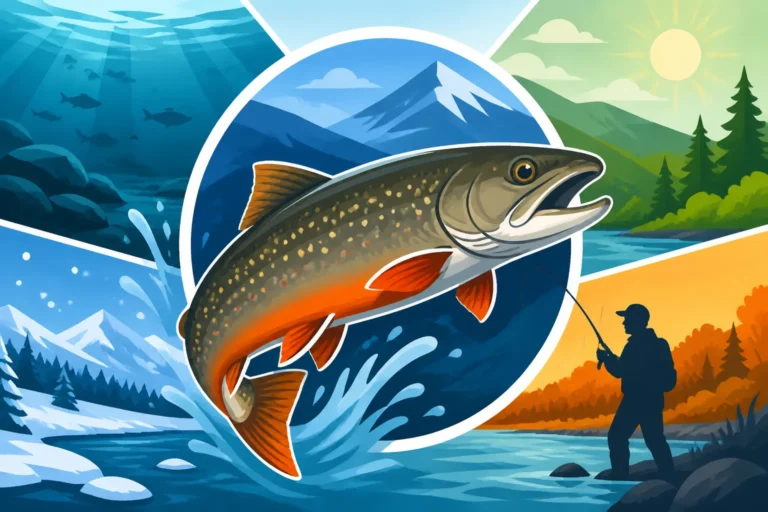
Scientifically known as Salvelinus malma, the Dolly Varden is a species of char, closely related to Arctic Char, brook trout, and lake trout. Their name is said to have come from a colorful character in a Charles Dickens novel, "Barnaby Rudge," due to their vibrant, polka-dotted appearance. Unlike salmon, char species don't necessarily die after spawning, allowing them to participate in multiple spawning cycles throughout their lives, contributing to their robustness in Alaskan waters.
They are incredibly adaptable, inhabiting both freshwater streams, rivers, and lakes, as well as marine environments. Many populations are anadromous, meaning they migrate between freshwater and saltwater, much like salmon, to feed and grow before returning to rivers to spawn. This migratory behavior makes them a challenging and rewarding catch, as their location and feeding habits can change significantly throughout the year. Their presence is a strong indicator of a healthy aquatic environment, as they prefer clean, cold, well-oxygenated water.
Key Characteristics and Identification
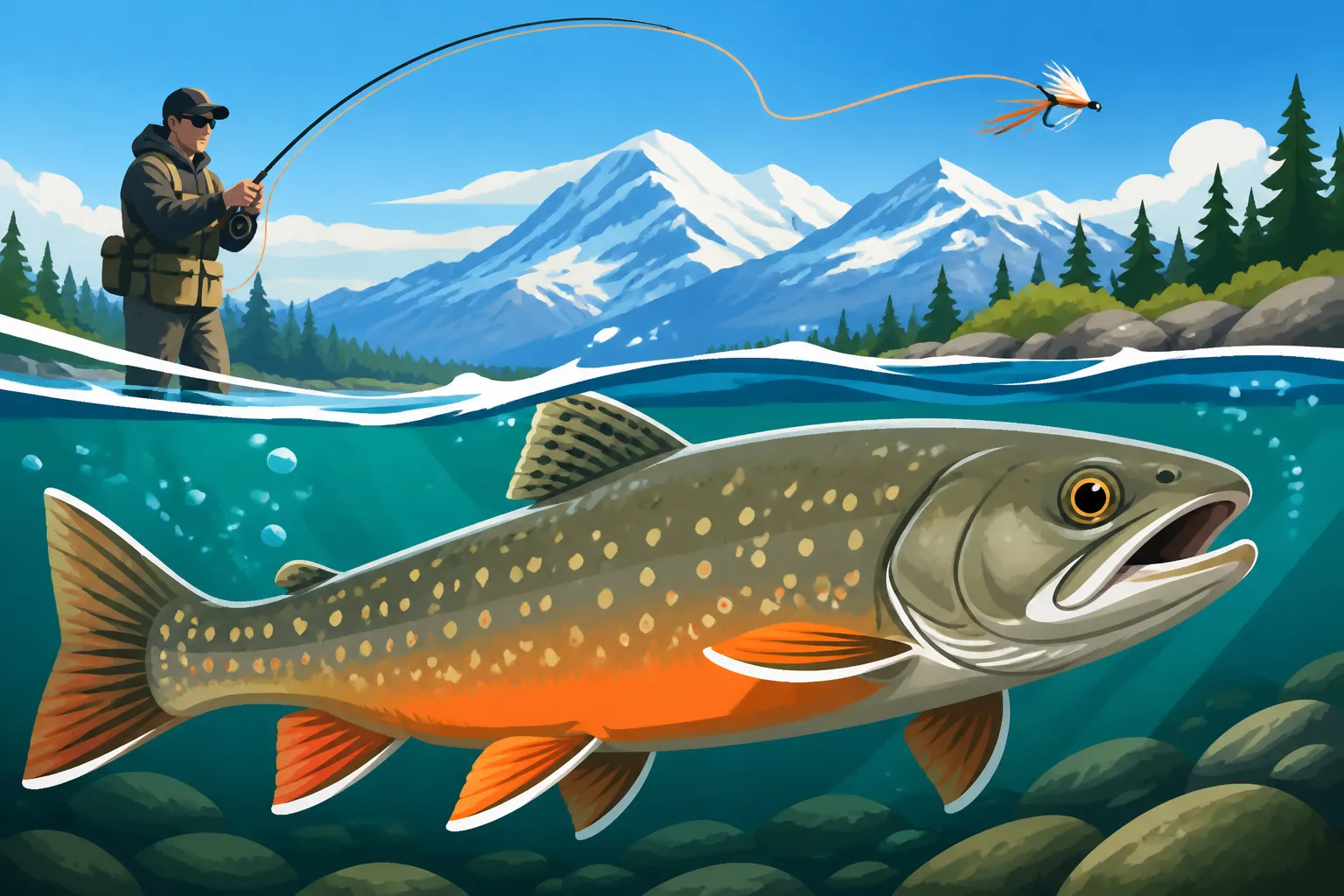
One of the most common frustrations for new anglers in Alaska is telling a Dolly Varden apart from an Arctic Char or even a small rainbow trout. While they share some similarities, there are distinct features that can help you correctly identify a Dolly Varden. They typically have a sleek, elongated body, with a dark green, olive, or brownish-gray back that fades to lighter sides and a white belly. Their most distinctive feature, and where they get their colorful name, are the numerous light spots – often yellow, orange, or red – scattered across their sides and back. During spawning season, these spots become even more vivid, and males can develop a hooked jaw (kype) and a bright orange or red belly.
A common point of confusion is differentiating them from Arctic Char. While closely related, Arctic Char generally have smaller, more numerous spots, and a slightly different head shape. Dolly Varden spots are often larger and more defined. For a deeper dive into these differences, you might want to check out our guide on Alaska Dolly Varden vs Arctic Char. Another differentiator is that Dolly Varden typically lack the black spots on their dorsal fin and tail that you'd often see on rainbow trout. Learning these subtle cues can make your fishing experience much more rewarding and help you accurately record your catches if needed.
Where Dolly Varden Live in Alaska
Dolly Varden are remarkably widespread across Alaska. You can find them from the rivers and streams of Southeast Alaska's rainforests, through the vast watersheds of Southcentral, across the Aleutian Islands, and even far north into Arctic drainages. They thrive in cold, clean water, whether it's a glacier-fed river, a pristine mountain lake, or a coastal estuary. Their adaptability means they can be targeted in various environments.
In freshwater systems, especially during spring and fall, they'll congregate in clear, shallow runs, deeper pools, and around obstructions like fallen logs or large rocks. During summer, anadromous populations will often follow salmon runs into rivers, feasting on salmon eggs. Resident populations, on the other hand, spend their entire lives in freshwater, often in high-elevation lakes or remote stream systems. Along the coast, especially in estuaries and near river mouths, Dolly Varden will patrol kelp beds, tidal flats, and rocky shorelines, particularly when shrimp and baitfish are abundant. This wide distribution ensures that no matter where you plan to fish in Alaska, there's a good chance you'll encounter these beautiful char.
When and Where to Find Dolly Varden in Alaska
Timing your trip and understanding the seasonal movements of Dolly Varden is key to consistent success. Like many Alaskan fish, their behavior is heavily influenced by spawning cycles, food availability, and water temperatures. Being in the right place at the right time significantly increases your chances of a memorable catch.
Dolly Varden Seasons and Timing
Generally speaking, you can find Dolly Varden throughout the open water fishing season in Alaska, but some periods are definitely better than others.
- Spring (May-June): As ice breaks up and waters begin to warm, Dolly Varden become very active. They'll often be found near river mouths and coastal areas, emerging from their overwintering grounds and looking for an easy meal. This is a great time to target them in estuaries and lower river sections as they transition.
- Summer (July-August): This is arguably the prime time for Dolly Varden fishing, especially for larger, anadromous fish. As the major salmon runs begin, Dolly Varden follow them into the rivers, gorging themselves on protein-rich salmon eggs. They can be found right alongside sockeye, pink, and chum salmon, often holding just downstream of spawning beds, eagerly waiting for loose eggs. This behavior makes them a fantastic target for anglers who are also pursuing salmon. Our general guide on Alaska Fishing Seasons: Month-by-Month Guide can give you a broader picture of what's biting when.
- Fall (September-October): As salmon spawning peaks and then tapers off, Dolly Varden remain incredibly active, continuing to feed heavily on eggs and preparing for winter. They will also begin their own spawning migrations, moving further upstream into smaller tributaries and lakes. This can be a beautiful time to fish, with vibrant fall colors matching the brilliant hues of the spawning Dolly Varden.
- Winter (November-April): While more challenging due to ice cover, Dolly Varden can still be caught through the ice in lakes and slower river sections. They'll be less active, but a patient angler using small jigs or bait can find success.
Prime Habitats and Locations
Dolly Varden are found throughout Alaska, but certain regions and habitats are particularly productive.
- Southeast Alaska: This region, with its countless clear streams and rivers winding through temperate rainforests, is a Dolly Varden paradise. Rivers flowing into large bays and fjords, like those around Juneau, Ketchikan, and Sitka, are excellent choices, especially during salmon runs. They patrol coastal estuaries and inlets, targeting juvenile salmon and herring.
- Southcentral Alaska: The Kenai Peninsula, Prince William Sound, and the Anchorage area offer numerous opportunities. The streams feeding into Cook Inlet, such as Ship Creek in downtown Anchorage or the larger rivers like the Kenai and Kasilof, will see Dolly Varden following salmon. Lakes in the Mat-Su Valley are also known for good resident Dolly populations.
- Southwest Alaska & Bristol Bay: This is salmon country, and where there are salmon, there are Dolly Varden. Rivers like the Naknek, Kvichak, and Alagnak are legendary for their salmon runs, and consequently, for the massive Dolly Varden that accompany them to feed. These fish grow exceptionally large here due to the abundant food source.
- Interior Alaska: While less common than coastal areas, Dolly Varden can be found in colder headwater streams and lakes of the Interior, often in proximity to Arctic Grayling and Rainbow Trout.
When choosing a specific spot, look for clear, cold water with good current breaks. This could be behind a large rock, in the slack water eddy of a fast-moving river, or at the tailout of a deep pool. During salmon runs, position yourself downstream of active salmon spawners where eggs might be washing down.
Understanding Their Life Cycle
The life cycle of a Dolly Varden is a fascinating dance between freshwater and, for many, saltwater. Most anadromous Dolly Varden spend their early years in freshwater, much like juvenile salmon. After one to three years, they undergo a physiological change, called smoltification, which allows them to adapt to saltwater. They then migrate to the ocean, often traveling hundreds of miles, to feed and grow. This is where they put on significant size, feasting on small fish, crustaceans, and insects.
After two to five years in the ocean, they return to freshwater to spawn, typically in the fall. Unlike salmon, not all Dolly Varden spawn every year, and as mentioned, they can survive multiple spawning cycles. After spawning, they may remain in freshwater over winter or return to the ocean for another feeding cycle. Resident populations, however, complete their entire life cycle within freshwater systems, usually lakes or smaller streams, often seeking out cooler deep pools during warm summer months. This complex life cycle highlights their resilience and why they are such a vibrant component of Alaska's Alaska Freshwater Fish Species.
Effective Techniques and Gear for Catching Dolly Varden
Dolly Varden are opportunistic feeders, making them responsive to a variety of fishing methods. Whether you prefer fly fishing, spin fishing, or even bait, there's a technique that will likely work for these beautiful char.
Best Fishing Techniques
- Spin Fishing: This is perhaps the most popular and accessible method for Dolly Varden. Light to medium-light action rods are perfect, allowing for sensitive feel and exciting fights.
- Casting Spinners: Small spinners like Mepps, Rooster Tail, or Panther Martin are incredibly effective. Colors like silver, gold, chartreuse, or even a mix of red and white often trigger aggressive strikes. Cast upstream and retrieve at a speed that allows the blade to just spin, mimicking a fleeing baitfish or insect.
- Jigging: Small lead-head jigs tipped with a piece of bait (like a salmon egg or shrimp) or a small plastic grub can be deadly in deeper pools or slow currents. Work them with a gentle lift-and-drop motion close to the bottom.
- Drift Fishing: Especially during salmon runs, drifting a single salmon egg or a cluster of eggs (roe) under a small float or simply weighted to bounce along the bottom can be incredibly effective. Dolly Varden, being egg predators, can't resist a natural drift. This technique is also excellent for other salmon species, as detailed in How to Drift Fishing for Salmon in Alaska.
- Fly Fishing: Fly anglers absolutely adore Dolly Varden for their willingness to chase a fly and their strong fights on lighter tackle.
- Egg Patterns: When salmon are spawning, egg patterns (like the Glo-Bug or Otter's Egg) are a must-have. Dead-drift them naturally downstream of spawning salmon.
- Streamers: Patterns that imitate small baitfish, sculpins, or leeches work exceptionally well. Dolly Llama, Woolly Buggers, and Clouser Minnows in olive, black, or white are prime choices. Strip them actively through pools and runs.
- Nymphs: During non-salmon run periods, standard trout nymphs mimicking aquatic insects can also be effective, especially in smaller streams or lakes. Our guide on How to Fly Fish in Alaska offers more foundational knowledge.
- Bait Fishing: While not always necessary, natural bait can be highly effective, especially for larger fish or when conditions are challenging.
- Salmon Roe: Fresh or cured salmon eggs are the top choice, especially when fish are feeding on eggs.
- Shrimp/Prawns: Small pieces of cooked or raw shrimp can entice a Dolly, particularly in brackish water or estuaries.
- Worms: In some freshwater systems, nightcrawlers can also be a viable option.
Many anglers find that a combination of these techniques, adapting to the specific conditions of the day, yields the best results.
Recommended Lures, Flies, and Bait
When it comes to terminal tackle, keeping things relatively small and natural looking is often the key.
- Spinners: Aim for sizes #1 to #3 for most river and stream applications. Popular brands include Mepps Aglia, Rooster Tail, and Blue Fox Vibrax. Colors like silver blade with a red or black body, chartreuse, or plain brass are consistently good. You can find a huge selection of these lures on online platforms like Amazon.
- Spoons: Small, lightweight spoons in silver, gold, or a "fire tiger" pattern can also be effective, especially when swung through deeper runs. Brands like Little Cleo or Pixee spoons work well.
- Jigs: 1/8 to 1/4 ounce jigs in white, black, or olive, often tipped with a Berkley Gulp! Minnow or a small piece of shrimp, are versatile.
- Flies:
- Egg Patterns: Glo-Bugs in various sizes and colors (pink, orange, chartreuse) are essential.
- Streamers: Dolly Llamas (black/white, olive/white), Clouser Minnows (white, chartreuse), and various Woolly Bugger patterns (black, olive, brown) in sizes #4 to #8.
- Nymphs: Pheasant Tail and Prince Nymphs in sizes #12 to #16 can also work.
- Bait: Fresh salmon roe is king, either drifted naturally or used to tip a jig or spinner.
The principle here is to imitate their natural food sources, whether that's an escaping minnow, a drifting salmon egg, or an aquatic insect. Our comprehensive Alaska Fishing Gear and Tackle Guide offers more universal advice applicable to many species.
Essential Gear and Tackle
Having the right gear makes a huge difference in your enjoyment and success when targeting Dolly Varden.
- Rods:
- Spinning Rod: A 6' to 7'6" light or medium-light action spinning rod is ideal. This allows for long casts with light lures and provides excellent sensitivity. Look for a rod with a fast tip for detecting subtle bites.
- Fly Rod: A 4-weight to 6-weight fly rod, 8'6" to 9' in length, is perfect. A 5-weight is a versatile choice for most Dolly Varden scenarios, offering enough backbone for larger fish but still delicate enough for precise presentations.
- Reels:
- Spinning Reel: A 1000 to 2500 series spinning reel, spooled with 6-8 lb monofilament or braided line, pairs well with a light rod.
- Fly Reel: A matching fly reel with a reliable disc drag, spooled with a floating weight-forward line (WF4F to WF6F) and appropriate backing.
- Line:
- Monofilament: 6-8 lb test for spin fishing, offering good knot strength and shock absorption.
- Braided Line: 10-15 lb test braid with a 6-8 lb fluorocarbon or monofilament leader for spin fishing. Braid offers superior sensitivity and casting distance.
- Leader/Tippet: 4-6 lb fluorocarbon or monofilament leader for spin fishing, and 3X-5X fluorocarbon tippet for fly fishing. Fluorocarbon is less visible in clear water.
- Other Essentials:
- Waders and Boots: Depending on where you're fishing, chest waders are often necessary for navigating rivers and streams. Look for durable, breathable options.
- Polarized Sunglasses: Crucial for spotting fish and reading water, especially in clear streams.
- Net: A rubberized net is highly recommended for safe fish handling and release.
- Pliers/Forceps: Essential for de-hooking fish quickly and safely.
- Rain Gear: Alaska weather is unpredictable; good rain gear is a must. Many reliable options are available on Amazon.
Remember, the goal is balanced tackle that makes casting and fighting fish enjoyable without overpowering them. Don't be afraid to experiment with different lure colors and retrieve speeds until you find what the fish are keying into. For comprehensive information on how to prepare for fishing in this incredible state, check out our guide on Best Fishing Techniques for Alaska.
Conservation and Best Practices for Dolly Varden Fishing
While Dolly Varden are generally abundant in Alaska, responsible angling practices are crucial to ensure their populations remain healthy for future generations. Respecting regulations and practicing ethical catch-and-release techniques helps protect this valuable resource.
Regulations and Limits
Like all fishing in Alaska, targeting Dolly Varden falls under the regulations set by the Alaska Department of Fish and Game (ADF&G). These regulations can vary significantly by region, river system, and even time of year. For instance, some areas might have specific bait restrictions or gear limitations, especially during certain salmon runs to protect spawning fish.
Before you head out, always consult the most current Alaska Sport Fishing Regulations booklet for the specific area you plan to fish. You can usually find these online or at local tackle shops and ADF&G offices. Pay close attention to bag limits, possession limits, and any special regulations for particular species or waters. For example, while Dolly Varden are often numerous, there might be lower limits in certain sensitive watersheds. Our in-depth guide to Alaska Fishing Regulations Explained can provide you with comprehensive details. Also, be mindful of specific rules regarding Alaska Fishing Limits and Bag Limits Explained to avoid any accidental violations.
Ethical Angling and Handling
Practicing catch-and-release is often encouraged for Dolly Varden, especially for larger, mature fish, to help sustain the population. If you do plan to harvest, ensure you understand and adhere to all local regulations.
- Minimize Fight Time: Use appropriate tackle that can bring the fish in relatively quickly without exhausting it excessively.
- Wet Hands: Always wet your hands before handling a fish. Dry hands can remove the protective slime layer, making the fish susceptible to disease.
- Keep Fish in Water: Try to keep the fish in the water as much as possible, especially if you plan to release it. If you need a photo, do it quickly with the fish held horizontally over the water.
- Barbless Hooks: Using barbless hooks, or crimping down the barbs on your hooks, makes it much easier and quicker to remove the hook, reducing stress and injury to the fish. Many experienced anglers now choose barbless hooks exclusively for this reason.
- Proper De-hooking: Use needle-nose pliers or forceps to gently remove the hook. If the fish is deeply hooked, it's often best to cut the line as close to the hook as possible rather than tearing sensitive tissue.
- Revive Gently: If a fish seems sluggish before release, hold it gently in the water, facing upstream, allowing water to flow over its gills until it regains strength and can swim away on its own. For more general advice on ethical angling, review our guide on Alaska Catch-and-Release Best Practices.
Appreciating the Dolly Varden Fishery
Dolly Varden might not boast the same legendary status as a trophy King Salmon or the sheer numbers of a Sockeye run, but they are an integral part of Alaska's angling experience. Their widespread distribution means they are often accessible, providing consistent action even when other species might be scarce or difficult to target. Their aggressive nature and stunning appearance make them incredibly rewarding to catch, and their pursuit can lead you to some of Alaska's most pristine and beautiful wilderness areas.
Many anglers consider them a "bonus fish" while targeting salmon, but they are well worth a dedicated effort. The satisfaction of spotting their distinctive spots in a clear stream, making a perfect cast, and feeling that sharp tug on your line is a pure Alaskan fishing joy. Next time you're planning an Alaska fishing adventure, make sure to set aside some time to truly appreciate and pursue these magnificent char.
Comparison of Dolly Varden with Similar Alaskan Fish
To help clear up any lingering confusion about identifying Dolly Varden, here's a quick comparison with two other commonly encountered Alaskan fish species, the Arctic Char and the Rainbow Trout.
| Feature | Dolly Varden (Salvelinus malma) | Arctic Char (Salvelinus alpinus) | Rainbow Trout (Oncorhynchus mykiss) |
|---|---|---|---|
| Spotting | Larger, rounder yellow, orange, or red spots on dark body. | Smaller, more numerous, light-colored spots (yellow, pink) | Small, dark spots on body, dorsal fin, and tail. |
| Base Color | Olive green, brownish, or dark gray on back, lighter sides. | Darker back, often silvery sides, can be very colorful at spawn. | Silvery with a reddish-pink lateral band (often faint in ocean). |
| Pectoral/Pelvic Fins | White leading edge, often with a faint orange or reddish hue. | White leading edge, often more prominent than Dolly Varden. | Generally clear or with dark spots. |
| Caudal Fin (Tail) | Slightly forked or square. | Moderately forked. | Slightly forked to square. |
| Habitat | Widespread across AK, anadromous & resident, coastal & inland. | Northern AK, Aleutian Chain, some landlocked lakes further south. | Widespread, anadromous (steelhead) & resident, various waters. |
| Mouth | Large mouth, often extends past eye. | Mouth usually does not extend past eye. | Mouth generally extends to the back of the eye. |
| Spawning Coloration | Brilliant orange/red belly, vivid spots, males develop kype. | Intense red/orange/purple, often deep hues, males develop kype. | Males can get darker, vibrant lateral band, some kype. |
This table should give you a good starting point for field identification. Remember, some regional variations can occur, but these general guidelines are very helpful.
Disclaimer
Please remember that fishing regulations in Alaska can change frequently due to emergency orders and conservation efforts. Always consult the official Alaska Department of Fish and Game regulations for the most up-to-date information before planning your trip or heading out to fish. This guide is for informational purposes only and should not be considered a substitute for official regulations.