Alaska Sheefish: Size, Season, and Where to Catch
Dreaming of a unique catch in the vast Alaskan wilderness, something beyond the usual salmon or halibut that offers a truly exhilarating fight? Many anglers feel the pull of the "Tarpon of the North," the elusive sheefish, a magnificent freshwater predator. But let's be honest, finding reliable, comprehensive information on their impressive size, the best seasons to target them, and exactly where to cast your line can be a real challenge. This guide is here to cut through the confusion, validate those frustrations, and equip you with everything you need to understand and successfully pursue this incredible fish.
Understanding the Elusive Alaska Sheefish
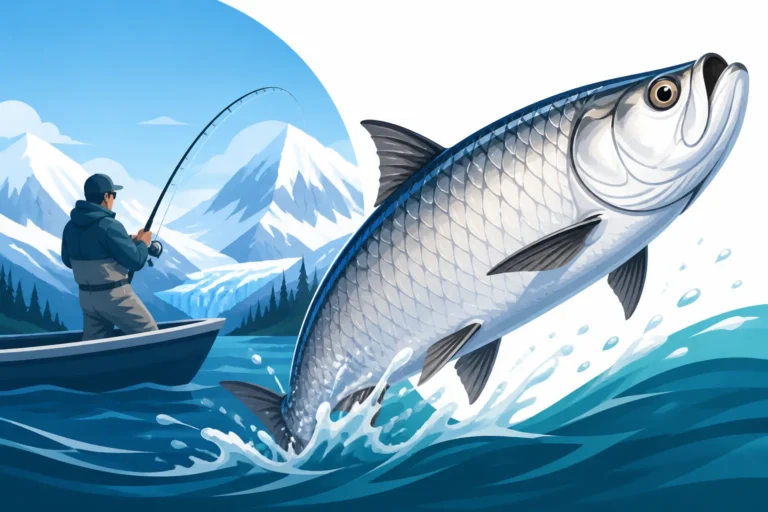
The sheefish, or Stenodus leucichthys, is truly one of Alaska's most fascinating and often misunderstood freshwater game fish. Known by its evocative nickname, the "Tarpon of the North," it shares a fierce fighting spirit and impressive silver scales with its saltwater namesake, but thrives in the cold, clear waters of interior and northern Alaska. It’s a species that demands respect, not just for its power but for the remote journeys often required to reach its prime habitats.
What Makes Sheefish So Unique?
Imagine a fish that looks like a giant, elongated herring but fights like a salmon, capable of aerial acrobatics and powerful runs. That's the sheefish. These predatory members of the whitefish family are truly built for speed and power. They possess a long, sleek body covered in large, brilliant silver scales that shimmer under the Alaskan sun, hinting at their explosive energy. Their deeply forked tail propels them through the water with incredible force, and their relatively small, toothless mouth doesn't diminish their predatory prowess; they're masters at engulfing prey. Many anglers who have tangled with a large sheefish often remark on its incredible stamina, likening the fight to a saltwater game fish, hence the "Tarpon" moniker. It's not just a fish; it's an experience, often sought by those who cherish wild, remote angling.
Unlike many other Alaskan species, sheefish are anadromous in some river systems, meaning they spend part of their lives in brackish coastal waters before migrating upstream to spawn in freshwater. However, a significant portion of their populations are entirely freshwater-resident, living out their entire lives in vast northern lake and river systems. This dual life history adds to their intrigue and the complexity of understanding their movements. They are primarily piscivorous, meaning they eat other fish, and they do so with remarkable efficiency, making them a top-tier predator in their ecosystem. Their preference for larger prey, such as minnows, immature salmon, and other whitefish, means they grow to substantial sizes and offer a significant challenge on the end of a line.
Sheefish vs. Other Alaska Species
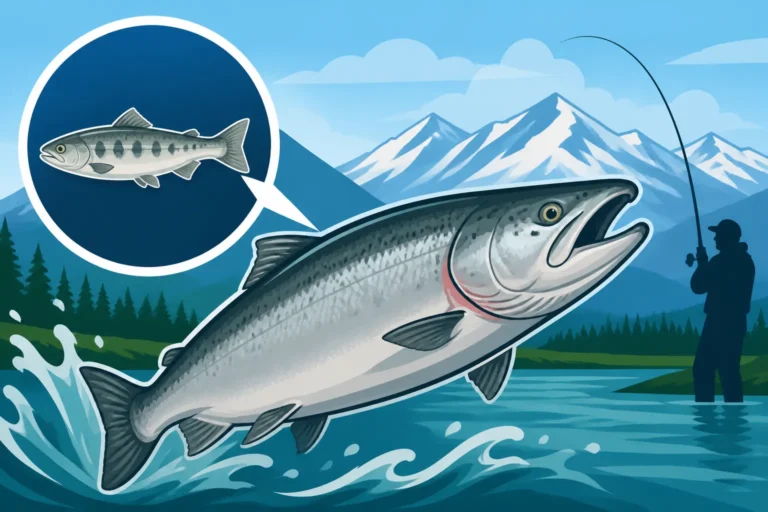
It's easy for anglers, especially those new to Alaska, to confuse sheefish with other species, particularly young king salmon or large northern pike due to their size and predatory nature. However, there are distinct differences. Unlike salmon, sheefish lack the adipose fin (a small, fleshy fin between the dorsal and tail fins) and the pronounced teeth. Their mouth is terminally located (at the very front of the head) and lacks the strong dentition of a salmon or trout, which rely on crushing or tearing prey. Instead, sheefish are built for engulfing, using their speed to overtake prey. Their coloration, a uniform bright silver, also differs significantly from the varied hues of salmon.
When compared to northern pike, the differences are even more stark. While pike also inhabit many of the same freshwater systems and are fierce predators, their appearance is entirely different. Pike have a long, duckbill-shaped snout filled with razor-sharp teeth, a mottled green and brown camouflage pattern, and a dorsal fin located much further back on their body, close to the tail. Sheefish, by contrast, are pure silver with a more streamlined, conical head. Their fighting style is also different; while pike put up a violent, head-shaking battle, sheefish are known for long, powerful runs and impressive jumps, more akin to their "Tarpon" namesake. Recognizing these distinctions is key to proper identification and appreciating the unique qualities of this Alaskan giant. If you're keen to learn more about another common freshwater predator, our guide on Alaska Northern Pike Regulations and Limits offers some great insights into what makes them unique.
Unraveling Sheefish Size and Growth
The sheer size of sheefish is one of their most appealing characteristics for many anglers. These fish grow to impressive dimensions, making them a truly memorable catch. It's not uncommon to hear tales of encounters with fish that push the limits of what many consider possible for a freshwater species.
Average Size and Potential Records
Most sheefish caught by sport anglers typically range from 20 to 30 inches in length and weigh between 5 and 15 pounds. These are healthy, robust fish that provide an excellent fight. However, what truly excites anglers are the trophy-sized sheefish. These giants can easily exceed 40 inches in length and tip the scales at over 30 pounds. The current all-tackle world record sheefish, caught in the Pah River, a tributary of Alaska's Selawik River, weighed an astonishing 53 pounds! Imagine the rush of battling a fish of that magnitude in a wild Alaskan river. It's these giants that fuel the dreams of many who venture north.
Reaching such prodigious sizes takes time. Sheefish are relatively long-lived, with some individuals reaching ages of 20 years or more in the coldest northern waters. Their growth rate is influenced by a combination of factors, but consistently, the older and more nutrient-rich the environment, the larger the fish. Targeting these bigger fish often means seeking out mature populations in stable, productive river systems where they have ample food and minimal fishing pressure. The thrill isn't just in the size, but in the knowledge that you're battling a true apex predator of the northern freshwater world.
Factors Influencing Sheefish Size
Several key factors contribute to the impressive size sheefish can attain in Alaska. Primarily, the abundance of prey fish is crucial. Sheefish are voracious predators, and a rich supply of smaller fish, such as ciscoes, minnows, and even young salmon, allows them to grow quickly and sustain large body masses. River systems with robust baitfish populations tend to produce larger sheefish. Secondly, the sheer vastness and productivity of their habitat play a significant role. Lakes and large river systems like the Kobuk, Selawik, and Susitna, which offer extensive feeding grounds and diverse ecosystems, support healthier and larger sheefish populations. These environments provide both ample food and diverse thermal refugia, allowing fish to conserve energy during leaner times.
Another critical factor is age. As mentioned, sheefish are long-lived. Older fish naturally have had more time to grow, accumulating mass over many years. This is particularly true in pristine, remote areas where fishing pressure might be lower, allowing fish to reach their maximum potential size and age. Water temperature also has an impact; while they thrive in cold water, extremely cold, nutrient-poor systems might result in slower growth rates compared to slightly warmer, more productive waters of the interior. Finally, genetics play a part, with some populations naturally predisposed to growing larger than others. Understanding these dynamics helps anglers target areas where the conditions align to produce those truly magnificent, trophy sheefish.
Here's a quick look at average sheefish sizes:
| Length (inches) | Weight (pounds) | Age (years) | Notes |
|---|---|---|---|
| 15-20 | 2-4 | 3-5 | Younger, actively growing fish |
| 20-30 | 5-15 | 6-10 | Common sport-caught size, strong fighters |
| 30-40 | 15-30+ | 10-15+ | Trophy class, powerful battles |
| 40+ | 30-50+ | 15-20+ | Rare giants, potential world records |
The Best Seasons for Sheefish Action
Timing is everything when pursuing sheefish in Alaska. Their seasonal movements and feeding behaviors dictate when and where you'll find the best action. Unlike salmon, which have distinct, well-documented runs, sheefish patterns can be a bit more nuanced, often tied to specific river conditions and the movements of their prey.
Peak Fishing Windows by Region
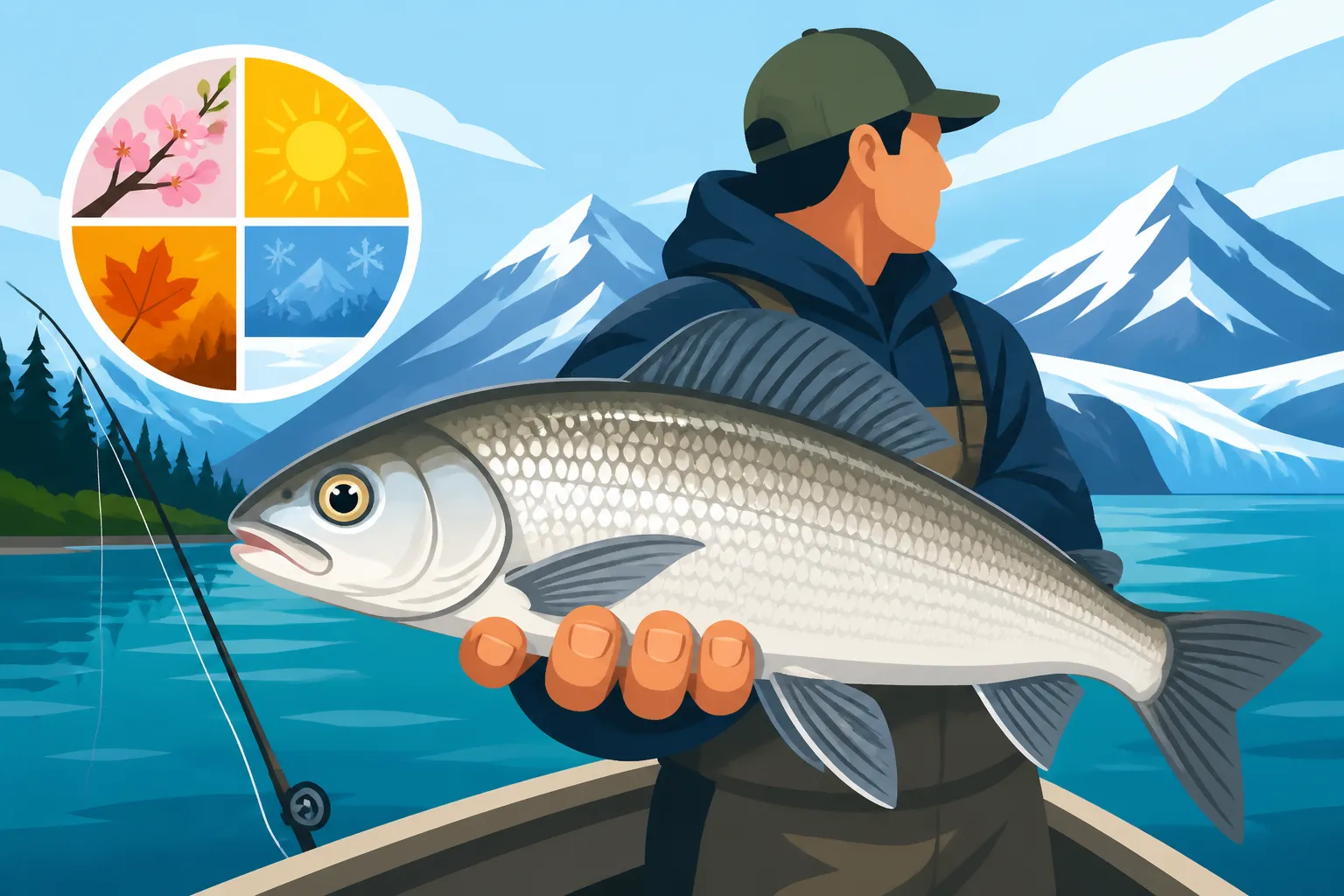
While sheefish can be caught year-round in some systems (even through the ice!), the most productive fishing typically occurs during the open-water seasons, particularly late spring/early summer and late summer/early fall. In the vast Interior and Arctic regions, like the drainages flowing into Kotzebue Sound (Kobuk, Selawik, Noatak Rivers), the prime window is usually from late June through September. During early summer, sheefish are often staging in larger lakes or the lower stretches of rivers, feeding heavily after the long winter. As summer progresses, they begin their upstream migrations to spawn, making them more concentrated and actively feeding along their migratory routes. This can lead to incredible fishing opportunities in specific bottlenecks or feeding areas.
The Susitna River drainage in Southcentral Alaska, while less known for its sheefish compared to the Arctic, also offers opportunities, typically from July through September. Here, they might be found in larger tributaries or glacial lakes. However, the sheefish in these more accessible areas generally don't reach the same trophy sizes as their northern counterparts. When planning your trip, always check Alaska Fishing Emergency Orders Explained as regulations can change quickly based on fish populations. The key is to understand that these are predatory fish, so finding them often means finding their food source, which can be migratory itself.
Seasonal Behaviors and Fishing Strategies
Sheefish behavior shifts considerably with the seasons, and understanding these changes is vital for successful angling. In late spring and early summer, as ice breaks up and waters warm slightly, sheefish become extremely active. They've been relatively dormant during the long winter and are now eager to feed aggressively. This is an excellent time to target them in the lower river systems and large lake outlets where they'll be feasting on newly available prey. Casting large spoons or shallow-diving plugs can be incredibly effective during this period.
As mid-summer progresses into early fall, sheefish in the northern rivers begin their spawning migrations. This is often when they are most accessible and concentrated in specific stretches of river. They're still actively feeding during this period, bulking up for the spawn, but their focus might shift slightly to defending territories. This time often sees incredible action for anglers willing to venture into the remote heart of sheefish country. After spawning, which typically occurs in late September or October, they'll begin their downstream migration to overwintering grounds, often deep pools in the main stem rivers or large, deep lakes. Ice fishing for sheefish is also a unique winter pursuit in some areas, where specialized jigging techniques with large minnow-imitating lures can yield results. For a broader understanding of how the seasons affect all species, check out our Alaska Fishing Seasons: Month-by-Month Guide.
Where to Find These "Tarpon of the North"
Sheefish are not found everywhere in Alaska; they prefer specific types of environments that support their predatory lifestyle and large size. Their distribution is primarily concentrated in the vast river systems of the Interior and Arctic regions, making their pursuit often synonymous with a true Alaskan wilderness adventure.
Prime River Systems and Lakes
When we talk about prime sheefish territory, three river systems immediately come to mind: the Kobuk River, the Selawik River, and the Noatak River, all flowing into Kotzebue Sound in Northwestern Alaska. These are the legendary waters where truly massive sheefish are consistently caught. The Kobuk River is arguably the most famous, with its vast watershed providing abundant spawning and feeding grounds. Anglers often fly into small villages like Ambler or Kobuk and then use local guides with jet boats to access the best fishing spots along the river and its tributaries. The lower and middle reaches of the Kobuk, especially near tributary confluences and deeper bends, are highly productive.
The Selawik River and the Noatak River offer similarly outstanding opportunities, often with less angling pressure due to their even more remote nature. These rivers are characterized by broad, meandering channels, numerous oxbow lakes, and vast wetlands, all teeming with prey fish. Beyond these Arctic giants, sheefish can also be found in the Yukon River drainage and parts of the Susitna River drainage, particularly in large, clear tributaries and associated lakes like Lake Iliamna in Bristol Bay. While the Susitna sheefish may not reach the same immense sizes as those in the Kobuk, they still offer a thrilling challenge. For more regional insights, our Alaska Interior Fishing Regulations Summary can give you a deeper dive into the rules governing these areas.
Accessing Remote Sheefish Waters
Getting to prime sheefish country isn't like driving to your local fishing hole. These are truly wild, remote areas, and accessing them is part of the adventure. The most common method involves fly-in operations. Anglers typically charter a bush plane, often a de Havilland Beaver or Cessna 206, from hub communities like Kotzebue or Fairbanks to land on remote gravel bars or lakes. From these drop-off points, trips often involve floating downstream in rafts or canoes, stopping to fish promising stretches. This method offers an immersive wilderness experience, but requires careful planning and preparedness.
Alternatively, some outfitters offer jet boat trips from villages located further up the rivers. This allows for more mobility once on the water, enabling guides to cover significant distances and adapt to changing fish movements. However, jet boat access is limited by water levels and the navigability of the river. Regardless of the method, guided trips are highly recommended for first-timers due to the complexities of navigating remote Alaskan wilderness, understanding fish movements, and ensuring safety. Guides provide essential equipment, local knowledge, and transportation, transforming a logistical nightmare into a seamless adventure. Many reputable guide services operate out of Kotzebue and other regional centers, specializing in these unique sheefish expeditions.
Essential Gear and Techniques for Sheefish
Tackling sheefish requires a specific approach and robust gear. These fish are powerful, and underestimating their strength will lead to disappointment. You'll want to be prepared for strong runs, sudden changes in direction, and potentially acrobatic jumps.
Recommended Rods, Reels, and Line
Given their size and fighting ability, sheefish demand tackle that can handle the pressure. For spinning setups, a medium-heavy to heavy action rod, typically 7 to 9 feet long, is ideal. This length provides good casting distance to cover wide river stretches and ample leverage to control a surging fish. Pair this with a sturdy spinning reel in the 4000 to 6000 size range, known for its smooth drag and strong retrieve. For line, 20 to 30-pound braided line is an excellent choice for its sensitivity, strength, and minimal stretch, allowing for solid hooksets at a distance. You'll want a quality reel with a robust drag system – think brands like Shimano or Penn, readily available on Amazon – to handle those powerful, line-peeling runs.
If you prefer baitcasting gear, a similar medium-heavy to heavy action rod, around 6'6" to 8 feet, with a strong backbone, is perfect. A baitcasting reel with a good capacity for 20-30 pound braid and a reliable drag system is crucial. Brands like Abu Garcia or Daiwa offer excellent options that can be found on Amazon. Don't skimp on your terminal tackle either; strong swivels, snaps, and leader material (25-40 pound fluorocarbon or monofilament) are essential to withstand the rigors of sheefish battles and reduce line twist. Having spare spools of line and extra leaders is always a smart move when you're in remote locations. For general guidance on what tackle to consider, our Alaska Fishing Gear and Tackle Guide provides an excellent overview.
Top Lures and Baits
Sheefish are aggressive predators, and they respond well to lures that imitate their natural prey. The key is to present something flashy, fast-moving, and substantial enough to attract their attention.
- Spoons: Heavy, brightly colored spoons are perhaps the most popular and effective lures. Silver, gold, chartreuse, or fluorescent orange finishes in sizes ranging from 3/4 oz to 1.5 oz work wonders. Iconic brands like Pixee, Dardevle, or Little Cleo, often found in various weights and colors on Amazon, are tried and true choices. The erratic wobble of a spoon mimics a fleeing baitfish, triggering the sheefish's predatory instincts.
- Spinners: Large, heavy-bladed spinners, especially those with bright orange, red, or chartreuse dressings, are also very effective. Sizes #5 to #7 are a good starting point. The flash and vibration of a spinner can draw strikes from a distance, particularly in clear water.
- Plugs and Stickbaits: Shallow-diving crankbaits or suspending jerkbaits in natural baitfish patterns (silver, perch, minnow) or bright colors (firetiger, hot pink) can be deadly. Look for models in the 4-6 inch range. These work especially well when trolled or retrieved with a stop-and-go action in deeper pools or along current breaks.
- Jigs: While less common than spoons or spinners, heavy jigs (1/2 oz to 1 oz) tipped with a soft plastic swimbait or a strip of cut bait can be effective, especially when sheefish are holding in deeper water or showing less aggression. A retrieve that involves bouncing the jig off the bottom or through the water column can entice strikes.
- Baitfish: In some areas and under specific regulations, using natural baitfish (like ciscoes or large minnows), either live or cut, can be incredibly productive, particularly when fished under a float or on a bottom rig. Always check local regulations, as bait use is often restricted in Alaska.
Effective Fishing Techniques
The most effective techniques for sheefish largely depend on the specific water you're fishing and the time of year.
- Casting and Retrieving: This is perhaps the most common and versatile method. Cast your spoon, spinner, or plug across current, letting it swing downstream, and retrieve with a steady, moderate to fast pace. Vary your retrieve to include pauses and twitches, which can often provoke a strike from a following fish. Focus your casts on current seams, eddy lines, drop-offs, and areas where tributaries enter the main river, as these are natural ambush points for sheefish. In wider river sections or lake outlets, fan casting to cover a broad area is crucial to locate active fish.
- Trolling: For larger rivers and lakes, trolling plugs or spoons behind a boat can be incredibly effective, especially for covering vast areas and finding dispersed schools of sheefish. Maintain a speed that gives your lure its best action, typically 2-4 mph. Adjust your lure depth with lead-core line or downriggers if necessary to reach fish holding deeper in the water column. Trolling is particularly useful in systems where sheefish are not as concentrated, allowing you to systematically explore different depths and structures.
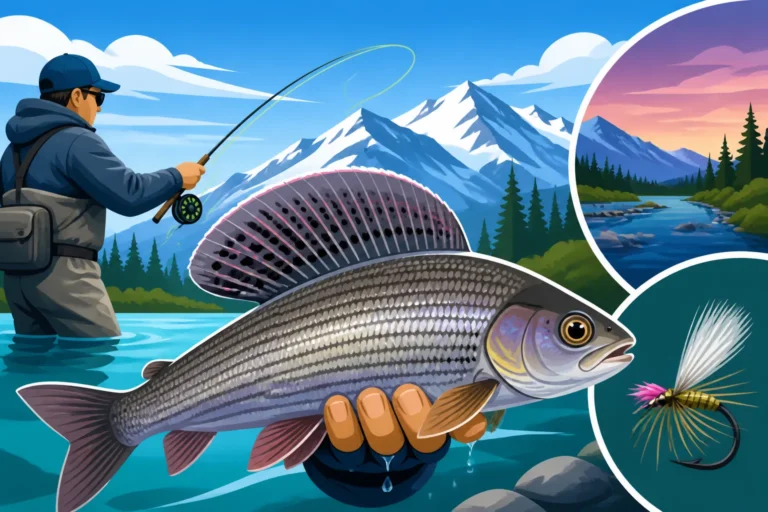
- Fly Fishing: While challenging, fly fishing for sheefish is a highly rewarding experience. You'll need a stout 8 to 10-weight fly rod, a large arbor reel with a strong drag, and a sinking or sink-tip line. Large, flashy streamers that imitate baitfish (e.g., Clouser Minnows, Deceivers, Alaskan Smolt patterns) in sizes #1/0 to #4/0 are the go-to flies. Cast across current and strip the fly back quickly, mimicking an injured baitfish. This technique requires good casting skills and physical stamina, but the sight of a sheefish exploding on a fly is unforgettable.
| Characteristic | Description |
|---|---|
| Species Name | Stenodus leucichthys (Sheefish, Inconnu, Tarpon of the North) |
| Appearance | Long, slender body; large, bright silver scales; deeply forked tail; terminal, toothless mouth; no adipose fin. |
| Average Size | 20-30 inches, 5-15 pounds. Trophy fish over 40 inches and 30+ pounds. |
| World Record | 53 pounds (Pah River, Alaska) |
| Habitat | Large, clear to silty rivers and associated lakes in Interior and Arctic Alaska. |
| Diet | Primarily piscivorous (eats other fish like ciscoes, minnows, juvenile salmon). |
| Season | Late June – September (peak open water); also caught through ice in winter. |
| Peak Regions | Kobuk River, Selawik River, Noatak River, Yukon River drainage. Some Susitna drainage presence. |
| Access | Predominantly fly-in (bush plane) or jet boat trips to remote wilderness. Guided trips highly recommended. |
| Recommended Gear | Medium-heavy to heavy action rods (7-9 ft); 4000-6000 size spinning reels or sturdy baitcasters; 20-30 lb braid. |
| Top Lures | Heavy spoons (silver, gold, chartreuse, orange), large spinners (#5-7), shallow-diving plugs (4-6 inches). |
| Techniques | Fast casting/retrieving, trolling, fly fishing with large streamers. |
| Fight Style | Strong, fast runs; acrobatic jumps; powerful stamina. |
Disclaimer
The information provided in this guide is for general informational purposes only and is subject to change. Alaska fishing regulations, seasons, and emergency orders can change rapidly. Always consult the latest Alaska Department of Fish and Game regulations booklet and emergency orders before planning or undertaking any fishing trip. Safety in the Alaskan wilderness is paramount; be prepared for all conditions and consider hiring experienced local guides.