Alaska Chum Salmon: Underrated or Not
For many anglers heading to Alaska, the allure of a monstrous King Salmon or the legendary fight of a Sockeye is what dreams are made of. But when a chum salmon takes your lure, it's often met with a sigh, a shrug, or even a dismissive "it's just a dog." This common, yet often unfair, perception leaves many wondering: are Alaska chum salmon truly underrated, or is their less glamorous reputation entirely justified? This comprehensive guide will pull back the curtain on this robust and often misunderstood species, giving you the real scoop on their fighting prowess, culinary potential, and vital ecological role in the Last Frontier.
The Chum Salmon Conundrum: Understanding Their Reputation
It's a familiar scene on Alaskan rivers: an angler battling a powerful fish, only to announce with a hint of disappointment that it's "just a dog." This common nickname for chum salmon, while descriptive of their impressive teeth and sometimes aggressive appearance, unfortunately overshadows their true value and contributes to a widespread misunderstanding. The truth is, their reputation is far more complex than a simple derogatory label.
The Origin of the "Dog Salmon" Moniker
The nickname "dog salmon" isn't just a casual jab; it's steeped in observation of their unique physical traits, especially as they near spawning. As chum salmon transition from their sleek, silver ocean phase to their riverine spawning colors, they undergo dramatic changes. Their jaws elongate and develop formidable, canine-like teeth, particularly in males. Their bodies take on striking calico patterns of green, purple, and black, making them look quite different from their ocean-bright counterparts. This transformation, coupled with their sheer abundance and sometimes less desirable table fare after they've been in fresh water for a while, contributed to the "dog" label. It's an honest observation of their appearance, but it’s often unfairly extended to their overall quality, leading to a frustrating perception for those who haven't experienced a fresh chum.
Why Chum Salmon Are Often Overlooked by Anglers
Compared to their celebrity cousins, King Salmon and Sockeye Salmon, chum often find themselves at the bottom of the pecking order for sport fishermen. King Salmon are revered for their immense size and incredible strength, representing the ultimate trophy. Sockeye, on the other hand, are celebrated for their unparalleled table quality and fierce, acrobatic fights, especially when caught early in their run. Chum, while certainly strong fighters, typically don't reach the same trophy sizes as kings, nor do they possess the bright red, fatty flesh that makes sockeye a culinary standout. This comparative lack of "glamour" means many anglers mistakenly view them as a bycatch rather than a target species. It's a shame, because a fresh, ocean-run chum can provide a thrilling battle and surprisingly good eating, proving that first impressions can be deceiving in the world of Alaska fishing.
Identifying and Understanding Alaska Chum Salmon
Before we dive into fishing for these magnificent creatures, it's essential to know how to properly identify an Alaska chum salmon. Differentiating between the five species of Pacific salmon can sometimes be tricky, especially when they're in various stages of their life cycle, but chum salmon have distinct characteristics that make them stand out. Knowing these traits will not only help you abide by regulations but also deepen your appreciation for this unique fish.
Key Physical Characteristics of Chum Salmon
When you hook into a salmon in Alaska, look for these tell-tale signs to identify a chum. In the ocean, they are typically silvery with faint, irregular vertical bars or blotches on their sides, which become much more pronounced as they enter freshwater. Unlike King or Coho salmon, chum salmon lack distinct spots on their back or tail fins. Their mouth is usually white or very pale inside, with a white gum line, which differentiates them from kings that have a black mouth and black gum line. Their caudal fin (tail) is typically broad and often has a slightly forked appearance.
As they mature and get closer to spawning, the males develop those characteristic hooked jaws (kypes) and impressive, almost terrifying, teeth, giving rise to the "dog salmon" nickname. Their body coloration transforms into a vibrant display of purplish-red bars alternating with green and black, earning them another nickname: "calico salmon." They generally weigh between 8 to 15 pounds, though some can push upwards of 20 pounds, particularly in regions like the Yukon or Norton Sound. If you're looking for more details on identification, our guide on How to Identify Alaska Salmon Species offers an excellent resource.
Life Cycle and Spawning Habits
Chum salmon have one of the broadest distributions among Pacific salmon, found from the Arctic Circle down to California, though Alaska is certainly their stronghold. Their life cycle is relatively short, typically 3 to 5 years, with the majority of their adult life spent foraging in the open ocean. Unlike some salmon that undertake epic upstream migrations, many chum salmon runs tend to be shorter, with fish spawning closer to saltwater in lower river sections, sloughs, and even intertidal zones. However, some populations, like those in the mighty Yukon River, do undertake incredible journeys thousands of miles upstream.
Their runs into Alaska's rivers typically peak from late June through August, though timing can vary significantly by region and specific river system. For instance, early runs might start in June on rivers like the Copper or Susitna, while later runs can extend well into September in other areas. Understanding When Do Chum Salmon Run in Alaska is crucial for planning a successful fishing trip. Their sheer abundance during these runs means that while they might not always be the primary target, they are a frequent and often welcome catch, providing plentiful opportunities for anglers.
Fishing for Chum Salmon: Techniques and Tips
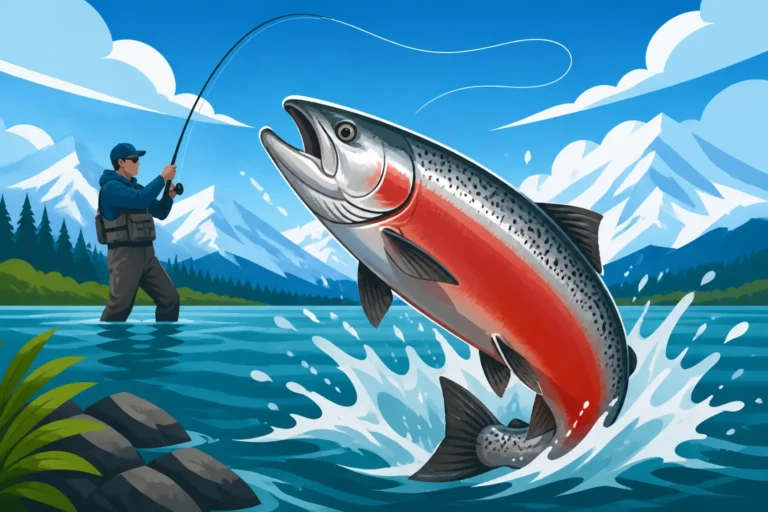
Don't let the "dog salmon" moniker fool you; chum salmon are powerful, tenacious fighters that can provide an exhilarating angling experience. Their aggressive nature means they'll often strike a well-presented lure or fly with gusto, making for a memorable battle. If you're looking to target these often-underrated fish, or just want to be prepared when they inevitably hit your line, here are some effective techniques and gear recommendations.
Effective Fishing Methods for Chum Salmon
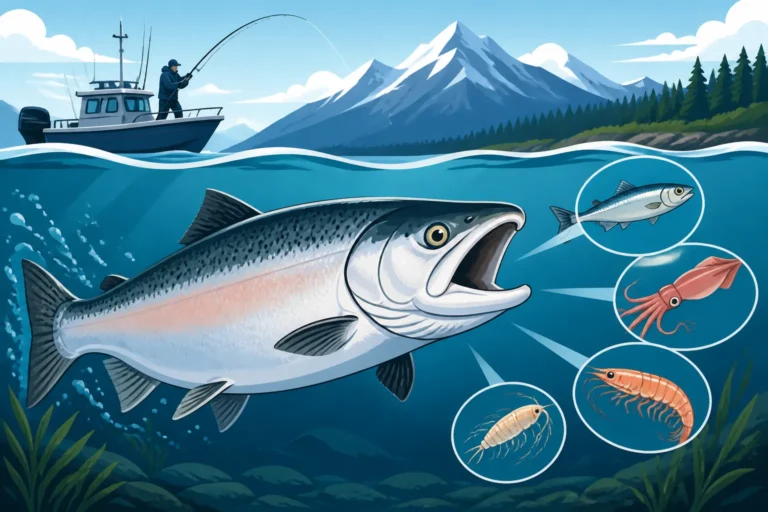
Chum salmon are opportunistic feeders and highly responsive to a variety of fishing methods. Their aggressive strikes make them a fun target for both spin fishermen and fly anglers.
- Spin Fishing: This is perhaps the most common and effective method for chum. Brightly colored spoons and spinners are often irresistible. Brands like Blue Fox Vibrax, Mepps Aglia, and Luhr Jensen Kwikfish (especially in vibrant pink, orange, or chartreuse) are incredibly popular. You can retrieve these lures steadily, giving them occasional twitches to mimic injured baitfish. Drift fishing with jigs tipped with a piece of cured roe or an artificial scent is another deadly technique, allowing your presentation to tumble naturally through prime holding water. Our guide on Spin Fishing in Alaska: How-To Guide provides more in-depth strategies.
- Fly Fishing: For the fly angler, chum salmon offer incredible opportunities. They're not as finicky as some other salmon species and will readily chase down large, colorful flies. Streamers in chartreuse, pink, purple, or black, often with some flash, are highly effective. Weighted flies or those fished with a sinking tip line can help get your offering down to their level. Stripping your fly with short, erratic pulls can trigger an aggressive chase and strike. Consider exploring Fly Fishing in Alaska: How-To Guide for more specialized techniques.
- Drift Fishing with Bait: While artificial lures are great, fresh, cured salmon eggs or roe clusters can be incredibly effective, especially when river conditions are a bit off-color. Rigging them on a leaded-line setup or under a float can put them right in the strike zone. Many anglers buy pre-cured eggs, but knowing How to Cure Salmon Eggs for Bait can give you an edge.
Best Gear and Bait for Chum Salmon
When outfitting yourself for chum salmon, think strength and durability. These fish fight hard and can really test your tackle.
- Rods and Reels: A medium to medium-heavy spinning or casting rod, typically 8 to 10 feet in length, is ideal. This length provides good casting distance and enough leverage to control a fighting fish. Pair it with a sturdy spinning reel in the 3000-5000 size range, or a baitcasting reel with a reliable drag system. A good quality reel will make all the difference when a powerful chum decides to run.
- Line: Spool up with 15-25 pound test monofilament or fluorocarbon line, or 30-50 pound braided line with a fluorocarbon leader (20-30 pound test). Braid offers excellent sensitivity and strength, while a fluorocarbon leader provides stealth and abrasion resistance in rocky riverbeds.
- Lures and Flies: As mentioned, bright colors are key. For spin fishing, look for size 4 or 5 spinners like Blue Fox Vibrax, Mepps Comet, or larger spoons such as a Pixie or Koho spoon. For jigs, try 3/8 to 1/2 ounce in pink, chartreuse, or white. Fly anglers should stock up on chunky streamers like an "Intruder" or "Alaskan Flash Fly" in similar vibrant colors, often tied on strong, single hooks. You can find a wide selection of these effective lures and flies on Amazon, ensuring you're well-prepared. Check out our guide on Best Lures and Bait for Alaska Chum Salmon for more specific recommendations.
- Hooks: Always use sharp, strong hooks appropriate for the size of the fish. Barbless hooks are often required or highly recommended in many Alaskan fisheries to minimize harm to fish intended for release.
No matter your chosen method, remember that chum salmon are powerful fish. When you hook one, be prepared for strong runs and head shakes. Keep your drag set appropriately and enjoy the fight!
Culinary Considerations: Are Chum Salmon Good to Eat?
Here's where the "underrated or not" debate truly heats up. The perception that chum salmon are poor table fare is one of the biggest misconceptions, and it largely depends on when and where the fish is caught, as well as how it's handled. The truth is, a fresh, ocean-bright chum salmon can be a delicious and versatile meal, standing up well to various cooking methods.
The Edibility Debate: Dispelling Myths
Let's cut right to it: Yes, Alaska chum salmon are absolutely good to eat. The widespread myth of their inferiority often stems from anglers catching them after they've spent considerable time in freshwater, close to spawning. As salmon transition from saltwater to freshwater, their bodies undergo significant changes. They stop feeding, their flesh loses fat content, and their texture softens as they convert their energy reserves for spawning. A chum salmon caught a hundred miles upriver, displaying its full spawning colors, will indeed have paler, softer flesh compared to one caught in the ocean or just entering the river mouth.
However, an ocean-run chum, often called a "bright" chum because of its silvery, pristine appearance, has firm, orange-pink flesh that holds up beautifully to cooking. It's leaner than King or Sockeye salmon, but this means it's less oily and has a milder, distinct flavor that many people prefer. Proper handling is also paramount; bleeding the fish immediately and chilling it quickly will preserve its quality, regardless of the species. So, if you catch a bright chum, don't just write it off—treat it with the respect it deserves! Our article on Are Alaska Chum Salmon Good to Eat delves deeper into this topic.
Best Ways to Prepare Chum Salmon for the Table
Given their leaner profile, chum salmon excel with methods that lock in moisture and flavor. Here are some fantastic ways to enjoy your fresh catch:
- Smoking: This is arguably one of the best ways to prepare chum salmon. The smoking process infuses flavor and helps to firm up the leaner flesh, resulting in a delicious, flaky product. Whether you opt for a hot smoke to cook it through or a cold smoke for lox-style fillets, chum performs exceptionally well. Consider smoking your chum with alder or apple wood for a classic Alaskan flavor. For inspiration, check out our guide on Best Salmon for Smoking from Alaska.
- Grilling: Chum fillets grilled with a marinade or a simple rub of salt, pepper, and garlic powder are fantastic. The key is not to overcook them due to their lower fat content. A quick sear on each side, leaving the center slightly translucent, will yield moist and flavorful results. Serve with a squeeze of lemon or a fresh dill sauce.
- Baking or Roasting: Similar to grilling, baking or roasting with a flavorful sauce or a crust (like panko breadcrumbs and herbs) can protect the fish from drying out. Try a lemon-butter sauce or a teriyaki glaze to complement the mild flavor.
- Canning: For preserving a large catch, canning chum salmon is an excellent option. This method ensures you can enjoy your Alaskan bounty throughout the year. The canning process also softens the bones, making them edible and adding to the calcium content.
- Fish Cakes or Patties: If you do end up with a chum that's a bit softer or past its prime for filleting, it's still perfect for fish cakes or salmon patties. Flake the cooked salmon, mix with breadcrumbs, egg, and seasonings, then pan-fry until golden.
- Chum Roe (Ikura): Don't forget the incredible value of chum salmon roe! Their eggs are large, bright, and highly prized for making ikura (salted salmon roe), a delicacy in Japanese cuisine. If you catch a hen laden with eggs, processing the roe can be a rewarding endeavor.
The bottom line is this: a fresh, silvery chum salmon caught early in its run is a legitimate and tasty food fish. Don't let old prejudices or misinformation deter you from enjoying this abundant and flavorful resource.
The Broader Impact: Chum Salmon in Alaska's Ecosystem
Beyond their role as a sport fish or a culinary option, chum salmon play an absolutely critical role in the intricate and wild ecosystems of Alaska. Their sheer numbers and wide distribution make them an indispensable part of the food web, supporting a vast array of wildlife and contributing significantly to both ecological health and the local economy.
Ecological Importance of Chum Salmon
Imagine Alaska's vast wilderness without the annual salmon runs – it's almost impossible. Chum salmon, often overlooked by anglers, are a cornerstone of this natural phenomenon. They are a vital nutrient source for countless species. As millions of chum return from the ocean to spawn and then die, their carcasses decompose, releasing a rich pulse of marine-derived nutrients into the freshwater and riparian habitats. This fertilizes the surrounding forests, providing essential sustenance for trees, plants, and microorganisms.
Furthermore, chum salmon are a critical food source for an incredible array of Alaskan wildlife. Brown bears and black bears depend heavily on salmon runs to build up fat reserves for hibernation, and chum often fill in gaps between other salmon runs or provide a reliable, abundant food source. Eagles, gulls, and other scavenging birds gorge on the carcasses, while smaller mammals like mink and otter also capitalize on the bounty. Even aquatic insects and juvenile fish feed on the salmon eggs and decaying flesh. In many systems, chum salmon are a key part of the larger Alaska Salmon Life Cycle Explained that sustains the wild heart of the state. Without healthy chum populations, the entire ecosystem would feel the ripple effects.
Economic Contributions to Alaska's Fishing Industry
While not always the star of the sport fishing charter brochure, chum salmon hold significant economic importance for Alaska, primarily through commercial fisheries. They represent a substantial portion of the overall salmon harvest, contributing to the livelihoods of thousands of commercial fishermen, processors, and support industries.
Chum salmon are harvested in large numbers, particularly in areas like Bristol Bay, Prince William Sound, and Southeast Alaska. The market for chum salmon is diverse. While some are sold as fresh or frozen fillets, a considerable portion is processed for their highly prized roe (ikura), which commands a premium price, especially in Asian markets. The remaining fish are often used for canning, smoking, or pet food production, ensuring that little goes to waste. These commercial activities contribute millions of dollars annually to Alaska's economy, supporting communities and infrastructure across the state. In many ways, the steady, abundant runs of chum salmon provide a reliable economic backbone that complements the more publicized, but sometimes more volatile, runs of King and Sockeye salmon.
| Chum Salmon Quality Factors | Ocean-Bright / Early Run | Mid-Run / Estuary | Late Run / Spawning |
|---|---|---|---|
| Flesh Color | Deep orange-pink | Pink to pale orange | Pale pink to white |
| Fat Content | Moderate | Low | Very low |
| Texture | Firm | Softer | Very soft |
| Flavor | Mild, distinct salmon | Mild, less pronounced | Watery, sometimes "muddy" |
| Best Preparation | Grilling, smoking, baking, canning | Smoking, canning, fish cakes | Fish cakes, pet food, ecological benefit |
| Appearance | Silvery with faint bars | Developing calico colors, some teeth | Full calico colors, prominent teeth/kype |
Ultimately, the question of whether Alaska chum salmon are underrated boils down to perspective and knowledge. For the informed angler and consumer, a fresh, ocean-bright chum is a prize to be celebrated for its fight, flavor, and ecological importance. It's time to shed the "dog salmon" stigma and give this powerful, plentiful, and often delicious fish the respect it truly deserves. So, next time you're casting a line in Alaska, don't just hope for a king or sockeye; embrace the chum – you might just discover a new favorite.
Disclaimer
The information provided in this guide is for general informational purposes only and does not constitute legal advice. Alaska fishing regulations, seasons, and bag limits are subject to change frequently due to emergency orders issued by the Alaska Department of Fish and Game. Always consult the most current Alaska Sport Fishing Regulations booklet and any active emergency orders before planning or commencing your fishing activities. Failure to comply with regulations can result in significant fines and penalties.