Why Are Alaska King Salmon Declining
It's truly heartbreaking to witness the challenges facing one of Alaska's most iconic species: the magnificent King Salmon. For many of us who've cast a line in Alaskan waters, the King Salmon isn't just a fish; it's a symbol of the wild, a testament to nature's grandeur, and a deeply cherished part of our heritage. We've all felt that pang of worry as fishing seasons shorten, bag limits dwindle, and beloved rivers see fewer of these incredible fish return. This guide aims to shed light on the complex web of factors contributing to the decline of Alaska King Salmon, exploring the scientific, environmental, and human elements at play, and what’s being done to help.
The Grave Reality of King Salmon Declines
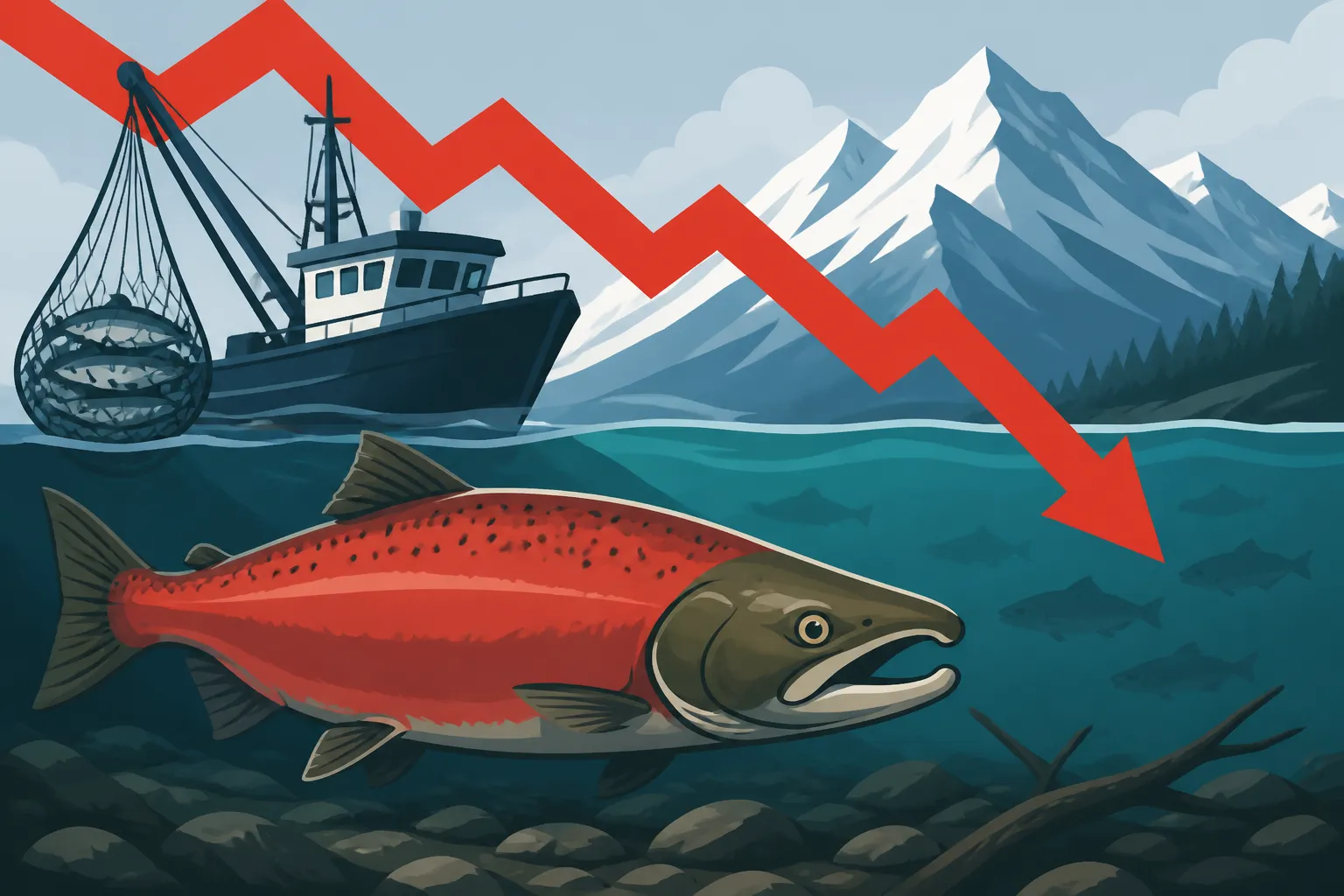
For decades, the King Salmon, also known as Chinook, has been the undisputed monarch of Alaska's rivers and oceans. Revered for its immense size, powerful fight, and rich, delectable flesh, it has drawn anglers from around the globe to legendary rivers like the Kenai River and the Nushagak River. However, recent years have painted a starkly different picture, with many regions experiencing unprecedented low returns, leading to significant restrictions and even complete closures of King Salmon fisheries. This isn't just a minor blip; it's a profound shift that deeply impacts the ecosystems, local economies, and cultural fabric of Alaska.
Understanding the Historical Context
To truly grasp the current situation, we need to look back. For much of the 20th century, King Salmon populations, while fluctuating, generally maintained healthy levels, supporting robust commercial, sport, and subsistence fisheries. Generations of Alaskans planned their summers around the king runs, and visitors dreamed of catching a "trophy King." The sheer abundance seemed endless, a natural resource that would always replenish itself. This perspective, however, has started to change dramatically over the last 15-20 years, with a noticeable and sustained downward trend in many key rivers.
In the early 2000s, scientists and anglers alike began to voice concerns as certain runs showed weakness. These early warning signs were often met with cautious optimism, hoping for a rebound. But as the 2010s progressed, the declines became more widespread and severe, particularly impacting areas like the Yukon River, the Copper River, and many drainages across Southcentral Alaska. The once-dependable runs became unpredictable, and the fish that did return were often smaller. This shift has forced a painful re-evaluation of management strategies and brought a sobering realization that these declines are persistent and require immediate, coordinated action.
The Ripple Effect on Ecosystems and Communities
The decline of King Salmon reverberates far beyond just the fish themselves. Ecologically, King Salmon are a keystone species, playing a vital role in transferring marine nutrients back into freshwater ecosystems during their spawning migrations. Bears, eagles, and numerous other wildlife species depend on salmon as a critical food source. Fewer King Salmon mean less food for these animals, potentially disrupting the entire food chain in and around spawning rivers. The loss of these powerful predators also affects the structure of ocean food webs, though these complex interactions are still being fully understood.
For human communities, the impact is equally profound. Native Alaskan communities, in particular, hold deep cultural and subsistence ties to King Salmon, relying on them for food security and cultural practices passed down through generations. Restrictions on King Salmon fishing due to low returns directly threaten these traditions and livelihoods. Sportfishing guides, lodge owners, and support businesses, from tackle shops to fish processors, also face severe economic hardship when King Salmon seasons are curtailed. The vibrant summer economy that many Alaskan towns depend on has been significantly strained, leading to difficult choices and an uncertain future for many small businesses. It's not just about the monetary loss; it's about the loss of identity and a way of life that has defined Alaska for centuries.
Primary Factors Contributing to the Decline
Pinpointing a single cause for the King Salmon decline is impossible; it's a multi-faceted problem with various interacting stressors. However, several key factors consistently emerge in scientific research and angler observations as the most significant contributors to these troubling trends. Understanding these helps us see the complexity of the challenge.
Ocean Survival Rates
Perhaps the most significant and perplexing factor in the King Salmon decline is the dramatic drop in their ocean survival rates. When young King Salmon smolts leave their natal rivers and head into the vastness of the Pacific Ocean, they face an incredible gauntlet. Historically, a certain percentage would survive to return as adults, but that percentage has plummeted. Scientists refer to this as "smolt-to-adult survival," and for many Alaska King Salmon runs, it's at historic lows. This means fewer fish are making it through their crucial years at sea, regardless of how many successfully hatched and migrated downstream.
The reasons for this reduced ocean survival are complex and still being unraveled, but they largely revolve around changes in the marine environment. Warmer ocean temperatures, particularly in the Gulf of Alaska and Bering Sea, play a critical role. These warmer waters can lead to shifts in the distribution and abundance of forage fish—the smaller species like herring and sandlance that young salmon feed on. If their food sources aren't where they need to be or aren't abundant enough, young kings struggle to grow quickly and survive. Additionally, warmer waters can increase the metabolic rates of salmon, requiring more food, and can also lead to an increase in predators or disease prevalence, further reducing survival odds. It's a challenging environment where every disadvantage can be amplified.
Freshwater Habitat Degradation
While much attention is given to ocean conditions, the health of freshwater habitats where King Salmon spawn and rear as juveniles is equally critical. These rivers and streams are the nurseries of the salmon, and any degradation here directly impacts the number and health of smolts migrating to the ocean. Habitat loss and degradation can stem from a variety of sources, both natural and human-induced.
Development, such as road construction, mining operations, and urbanization, can lead to increased siltation in rivers, burying crucial spawning gravels and degrading water quality. Logging practices, if not carefully managed, can remove essential riparian vegetation, increasing water temperatures and reducing cover for juvenile salmon. Even climate change contributes, with factors like thawing permafrost leading to increased erosion and sediment load in northern rivers, or altered hydrology changing water flow patterns. The ability of a river to support healthy numbers of young salmon is foundational; if the nursery is struggling, the future returns will reflect it, regardless of ocean conditions. Protecting these vital freshwater systems is an ongoing challenge, especially as human populations and resource demands increase.
Bycatch in Commercial Fisheries
Another significant, and often controversial, factor contributing to King Salmon declines is bycatch in other commercial fisheries. Bycatch refers to fish caught unintentionally by fishing vessels targeting different species. In Alaska, a primary concern for King Salmon populations is their incidental harvest in large-scale commercial trawl fisheries, particularly those targeting pollock in the Bering Sea. While these fisheries are managed with strict limits, King Salmon can still be caught and discarded, counting against overall quotas. Even though individual bycatch numbers might seem small compared to the vastness of the ocean, the cumulative impact across large fleets and extended seasons can be substantial, especially when King Salmon populations are already struggling.
The issue is made more complex because these bycaught King Salmon often originate from a mix of rivers across Alaska, Canada, and the Lower 48, making it difficult to attribute the loss to specific runs. Anglers and conservation groups have long advocated for stricter bycatch reduction measures, pushing for incentives for fishing fleets to avoid salmon or better monitoring technologies. These discussions often highlight the tension between different segments of the fishing industry and underscore the need for comprehensive, ecosystem-based management that considers all impacts on vulnerable species like King Salmon. For those interested in minimizing their environmental footprint, seeking sustainably sourced seafood options and supporting organizations that advocate for reduced bycatch can make a difference. Many educational resources on responsible fishing practices can be found on platforms like Amazon.
Disease and Predation
While perhaps less direct than habitat loss or bycatch, disease and predation also play a role in the complex saga of King Salmon decline. In the freshwater environment, juvenile salmon can be susceptible to various diseases, especially when stressed by poor water quality, overcrowding, or unusually warm water temperatures. These diseases can weaken the fish, making them less likely to survive their journey to the ocean or their subsequent years at sea. Pathogens like Ichthyophonus or certain viral infections can spread through salmon populations, particularly in high-density areas.
Once in the ocean, King Salmon become prey for a wide array of marine predators, including marine mammals like seals and sea lions, and larger fish species such as other salmon, Pacific cod, and even certain types of sharks. While predation is a natural part of the ecosystem, shifts in predator populations or changes in the vulnerability of salmon (due to poor condition from lack of food or disease) can exacerbate their struggles. For instance, increased populations of certain marine predators in specific areas could put additional pressure on already fragile salmon stocks. The intricate balance of predator-prey relationships in the ocean is constantly evolving, and a disruption at any level can have cascading effects on King Salmon survival.
Broader Environmental and Systemic Challenges
Beyond the immediate factors, larger environmental and systemic shifts are undeniably influencing the long-term health of King Salmon populations. These are often macro-level changes that require broad, collaborative efforts to understand and address.
Climate Change and Ocean Acidification
The overarching shadow of climate change looms large over the future of Alaska King Salmon. Rising global temperatures are causing the oceans to warm at an unprecedented rate, directly impacting the marine ecosystems that King Salmon rely on. Warmer ocean waters affect everything from the timing and abundance of phytoplankton and zooplankton (the base of the marine food web) to the distribution of prey fish and predators. For salmon, this can mean a less productive feeding environment, forcing them to expend more energy searching for food, or encountering predators in unexpected areas. The delicate balance of ocean currents and temperatures that salmon have evolved to navigate is shifting.
Compounding this is ocean acidification, a direct consequence of increased carbon dioxide absorption by seawater. As the ocean becomes more acidic, it can impact the ability of shell-forming organisms to build and maintain their shells, affecting shellfish, plankton, and other creatures that are vital components of the salmon's diet. While the direct effects on salmon are still being researched, the disruption to the entire marine food web can indirectly harm salmon by reducing their food sources. Furthermore, freshwater impacts are also significant; warmer river temperatures can stress salmon during migration and spawning, sometimes leading to early mortality or reduced reproductive success. These large-scale environmental changes represent a fundamental challenge to the resilience of King Salmon populations.
Prey Availability and Competition
The health of King Salmon populations is intricately linked to the abundance and availability of their prey species in the ocean. Juvenile King Salmon, upon entering the marine environment, feed on a variety of smaller fish like herring, sandlance, capelin, and various crustaceans and invertebrates. The ability of these young fish to find ample food and grow quickly is critical for their survival. A larger, healthier smolt has a much better chance of surviving predation and disease in the ocean.
However, recent shifts in ocean conditions, linked to climate change, have altered the distribution and abundance of these crucial prey species. Warmer waters can cause these forage fish to move to different areas, or their populations might decline. This means young King Salmon might encounter "food deserts" in areas where they traditionally found abundant nourishment, forcing them to travel further, expend more energy, and potentially starve. Adding to this challenge is increased competition. As ocean productivity shifts, different species might compete more intensely for the same limited food resources. This includes other salmon species, groundfish, and even some marine mammals. When King Salmon are already struggling, increased competition for food can be another significant hurdle to overcome. Ensuring you have the right gear to adapt to changing conditions can be helpful, and a wide selection of specialized fishing equipment for Alaska fishing can be found on Amazon.
Marine Heatwaves and Environmental Anomalies
Alaska's marine environment has experienced a series of unprecedented events in recent years, notably prolonged marine heatwaves, such as "The Blob" phenomenon from 2013-2016. These periods of abnormally warm ocean temperatures can have devastating effects on cold-water adapted species like King Salmon. These heatwaves can trigger widespread ecosystem changes, including shifts in zooplankton communities, declines in key forage fish populations, and increased prevalence of harmful algal blooms.
For King Salmon, such anomalies directly impact their feeding success and overall physiological stress levels. A fish struggling to find food in warmer water is more susceptible to disease and predation. Furthermore, marine heatwaves can alter the migratory paths of salmon or disrupt the timing of their runs, making them more vulnerable. While the ocean is naturally dynamic, the frequency and intensity of these heatwaves are concerning to scientists. They represent a clear signal that the marine environment is undergoing significant changes, and salmon, as highly sensitive indicators of ecosystem health, are feeling the brunt of these shifts. These environmental anomalies add another layer of complexity to the already challenging task of managing and conserving these vital fish.
Conservation Efforts and Management Strategies
Despite the daunting challenges, dedicated individuals, organizations, and governmental agencies are working tirelessly to understand and mitigate the decline of Alaska King Salmon. These efforts span from strict regulatory measures to scientific research and habitat restoration.
Regulatory Adjustments and Emergency Orders
The Alaska Department of Fish and Game (ADF&G) plays a crucial role in managing Alaska's fisheries, and when King Salmon returns are low, they implement various conservation measures. These often include more restrictive Alaska King Salmon Fishing Regulations and Limits, such as reduced bag limits, shorter seasons, or even complete closures of certain fisheries. These regulations are designed to ensure enough King Salmon escape to their spawning grounds to reproduce, thereby safeguarding future generations. When faced with unexpectedly low returns, the department may issue Alaska Fishing Emergency Orders Explained, which can change fishing rules on very short notice to protect vulnerable runs.
These regulatory adjustments are vital, but they are not without their consequences, especially for local economies and personal use fisheries. Imagine planning your family's annual trip to fish the Kenai River for sockeye, only to find the King Salmon season completely closed, impacting not only the chance for a king but also certain gear restrictions that might affect other species. This often leads to difficult decisions that balance conservation needs with the socio-economic impacts on communities. You can learn more about how these regulations are structured and how to stay informed by reading the official Alaska Fishing Regulations Explained booklet, and understanding How Alaska Bag Limits Change In-Season.
Hatchery Programs and Genetic Diversity
Hatcheries are another tool used in King Salmon management, though their role is often debated. Alaska's hatchery programs aim to supplement wild populations by raising young salmon in controlled environments and releasing them into rivers or marine waters. The hope is that these hatchery-raised fish will contribute to harvest opportunities, easing pressure on wild stocks. While hatcheries can successfully produce large numbers of fish, concerns exist about their potential impact on the genetic diversity and fitness of wild salmon populations. Some worry that interbreeding between wild and hatchery fish could dilute the genetic resilience of wild stocks, which are adapted to specific local conditions.
Consequently, modern hatchery practices often focus on minimizing these risks, for example, by collecting broodstock from local wild populations and striving for genetic diversity within the hatchery. The science is continually evolving, and the goal is to ensure that hatchery programs are implemented in a way that supports, rather than detracts from, the long-term health and genetic integrity of wild King Salmon. These programs are often complex, requiring careful monitoring and adaptation to new scientific findings.
Individual Angler's Role in Conservation
As anglers, we also have a significant role to play in the conservation of King Salmon. Our actions on the water, and our advocacy off it, can collectively contribute to the species' recovery. Adhering strictly to Alaska Fishing Regulations Explained is paramount, but going beyond the minimum can make a difference. Practicing catch-and-release with care, especially for wild King Salmon, ensures that any unintentionally caught fish have the best chance of survival. This includes using appropriate gear, such as barbless hooks, and minimizing the time a fish is out of the water. Many guides and outfitters, understanding the sensitive nature of these fish, now advocate for strong conservation ethics.
Beyond personal fishing practices, anglers can support conservation by staying informed about salmon runs, understanding Alaska Salmon Run Timing Explained and How to Read Alaska Salmon Run Forecasts, and participating in public comment periods for fishery management proposals. Contributing to reputable conservation organizations that fund habitat restoration, scientific research, and advocacy for sustainable fishery practices is also crucial. Every responsible action, no matter how small, adds up to a larger impact. Ultimately, the future of Alaska King Salmon: Complete Guide lies in a shared commitment to their well-being, both by management agencies and by the passionate community of anglers who cherish them.
Research and Monitoring Initiatives
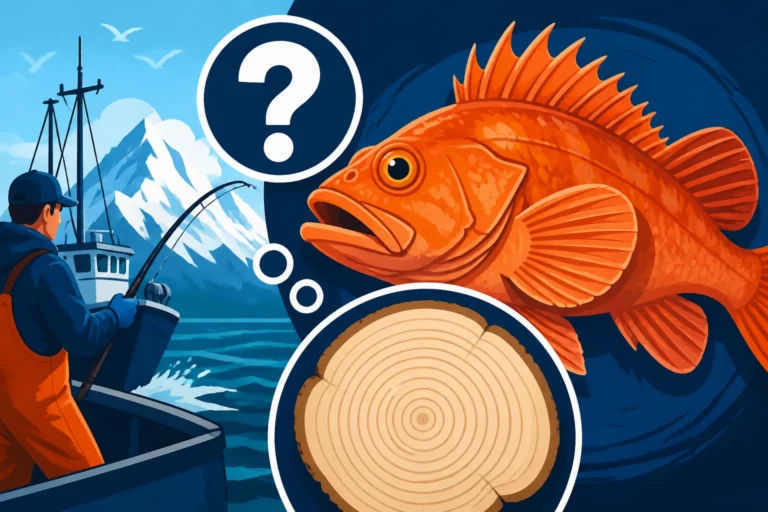
Behind the scenes, a vast network of scientists and researchers are dedicated to understanding the intricate lives of King Salmon. Through extensive tagging programs, genetic analysis, and ecosystem monitoring, they collect critical data that informs management decisions. For instance, otolith analysis (examining ear bones) can reveal a fish's age, growth rates, and even the water temperatures it experienced during its life. Acoustic tagging projects track salmon migration routes and survival rates, offering insights into where and why fish might be struggling in the ocean or freshwater.
This ongoing research is essential for adapting management strategies in a rapidly changing environment. It helps biologists identify specific bottlenecks in the King Salmon life cycle, whether it's poor ocean feeding conditions, increased predation in certain river stretches, or habitat issues in spawning areas. Organizations like the Alaska Department of Fish and Game (ADF&G) and the National Marine Fisheries Service (NMFS) continuously collaborate with academic institutions and non-profit research groups to pool knowledge and resources. This scientific backbone ensures that regulations and conservation efforts are based on the best available data, offering the most informed path forward for these precious fish.
Habitat Restoration and Protection
While the vastness of the ocean presents formidable challenges, efforts to restore and protect freshwater habitats where King Salmon begin their lives are tangible and ongoing. These initiatives often focus on improving water quality, restoring natural river flows, and enhancing spawning and rearing grounds. For example, projects might involve planting riparian vegetation along stream banks to provide shade and reduce erosion, removing culverts that block fish passage, or restoring natural stream meanders that create diverse habitats.
These efforts are often collaborative, involving state and federal agencies, local communities, non-profit groups, and even private landowners. The goal is to ensure that when King Salmon return from the ocean, they find healthy, productive environments ready to support their spawning and the growth of their offspring. Protecting critical habitats also includes resisting development that could harm salmon streams. Every piece of unspoiled riverbank, every healthy gravel bed, and every clear-flowing tributary is a victory for King Salmon. For those looking to support these efforts, volunteering with local watershed councils or donating to conservation trusts can make a direct difference in restoring vital salmon nurseries.
Key Factors in King Salmon Decline
To summarize the multifaceted nature of the King Salmon decline, here's a quick overview of the primary contributing factors:
| Factor | Description | Primary Impact on King Salmon |
|---|---|---|
| Ocean Survival Rates | Dramatic decrease in the percentage of young salmon surviving their years in the marine environment. | Fewer adult salmon returning to spawn. |
| Freshwater Habitat Degradation | Loss or damage to spawning and rearing habitats due to development, logging, pollution, and climate change impacts (e.g., siltation). | Reduced number and health of juvenile salmon entering the ocean. |
| Bycatch in Commercial Fisheries | Incidental catch of King Salmon in large-scale commercial fisheries targeting other species (e.g., Bering Sea pollock trawls). | Direct mortality of adult and sub-adult salmon from mixed stocks. |
| Climate Change | Rising ocean and river temperatures, ocean acidification, altered precipitation patterns. | Disrupted food webs, increased stress, altered migration, disease. |
| Prey Availability & Competition | Shifts in abundance and distribution of forage fish (e.g., herring, sandlance) due to environmental changes and increased competition. | Starvation, slower growth, increased vulnerability to predators. |
| Disease and Predation | Increased susceptibility to diseases in stressed environments and changes in predator populations in freshwater and marine systems. | Reduced survival at various life stages. |
| Marine Heatwaves | Periods of abnormally warm ocean temperatures, leading to widespread ecosystem changes and stress. | Reduced feeding, increased stress, altered migratory patterns. |
This table illustrates that the problem is not isolated but rather a complex interplay of natural and human-induced pressures across the entire life cycle of the King Salmon.
Disclaimer
The information provided in this guide is intended for general informational purposes only and does not constitute professional advice. Fishing regulations and scientific understanding of fish populations are subject to change. Always consult the latest official regulations from the Alaska Department of Fish and Game (ADF&G) or other relevant authorities before planning any fishing trip.