Alaska Lingcod vs Rockfish
Navigating the incredible diversity of fish species in Alaska can be a thrilling adventure, but let's be honest, it can also get a little confusing! Many anglers, especially those new to these incredible waters, often find themselves scratching their heads when trying to distinguish between a Lingcod and the various Rockfish species. It's a common point of frustration, given that both are bottom-dwelling, predatory fish found in similar habitats. This comprehensive guide is here to clear up that confusion, diving deep into the unique characteristics, preferred environments, and fishing nuances of Lingcod versus the many types of Rockfish you might encounter in the Last Frontier.
Understanding Lingcod in Alaska Waters
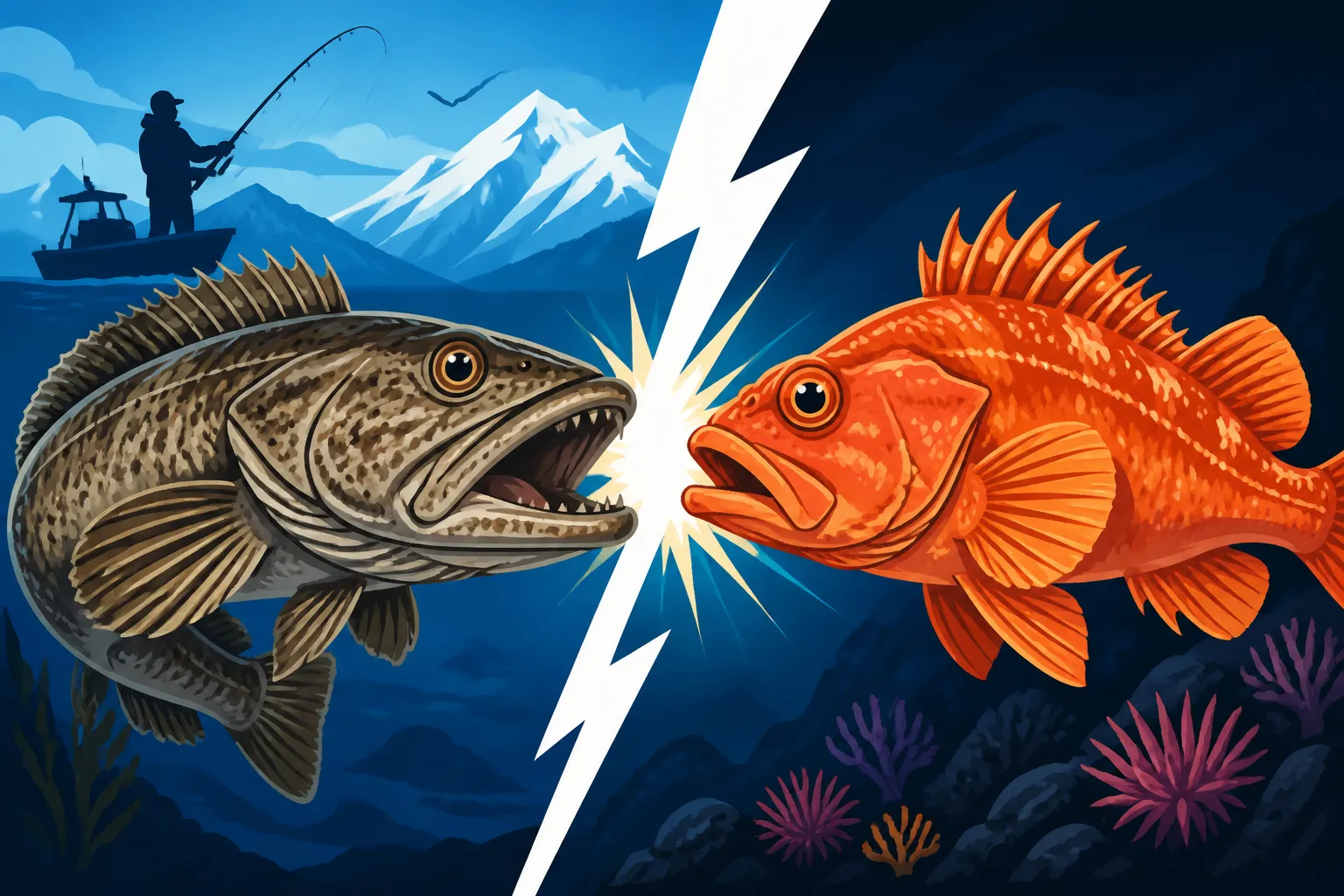
Lingcod, with their formidable appearance and aggressive nature, are a highly sought-after species in Alaska. They're not actually a true cod but belong to the greenling family, known for their powerful jaws and sharp teeth. Catching one is an unforgettable experience, often described as reeling in a submerged log that suddenly decides to fight back with all its might.
Key Characteristics and Identification
When you pull a Lingcod up from the deep, you'll immediately notice its distinctive features. They have an elongated body, typically mottled with brown, grey, green, or even bluish hues, allowing them to blend seamlessly into their rocky surroundings. Their large, broad head is perhaps their most striking feature, dominated by a cavernous mouth armed with numerous needle-sharp teeth—seriously, watch your fingers! These teeth are designed for gripping prey, not for chewing, so they're incredibly effective at holding on once they bite.
Lingcod possess a long, continuous dorsal fin, deeply notched, running along their back. Their pectoral fins are also quite large, helping them navigate turbulent underwater terrain. While they can grow to impressive sizes, with the largest specimens exceeding 5 feet and 100 pounds, most anglers typically encounter Lingcod in the 20 to 40-pound range, particularly in areas like the Gulf of Alaska. Their sheer size and aggressive demeanor often lead to a memorable fight that will test your tackle and your stamina.
Lingcod Habitat and Preferred Depths
Lingcod are true denizens of the deep, favoring rocky reefs, kelp forests, and areas with strong currents that provide both shelter and abundant ambush opportunities. You'll find them lurking in depths ranging from relatively shallow waters of 30 feet all the way down to several hundred feet, though they are most commonly targeted by sport anglers in the 60 to 300-foot range.
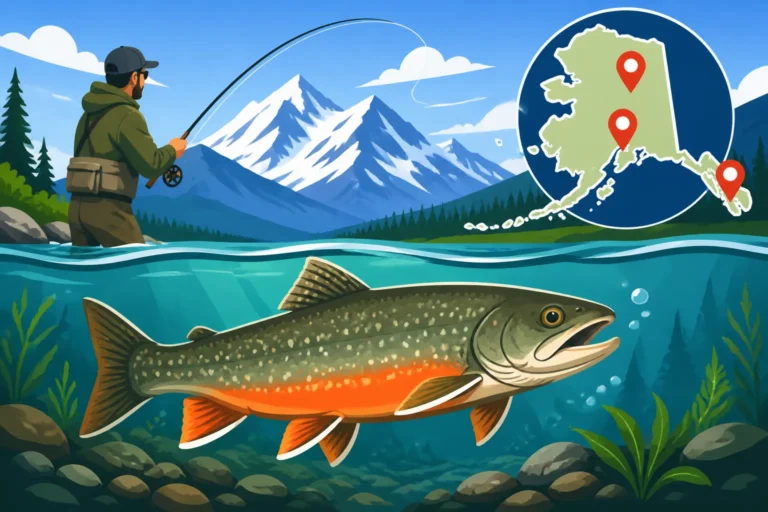
Prime Lingcod territory stretches across Southcentral Alaska, from the waters around Kodiak Island to the extensive coastline of Prince William Sound and the Outer Coast of the Kenai Peninsula, including popular fishing towns like Seward and Homer. They are territorial fish, often occupying a specific rock pile or crevice, waiting patiently for an unsuspecting fish or octopus to swim by. This preference for structure is key to finding them, as they rarely stray far from their chosen ambush points. The colder, nutrient-rich waters of these regions provide the perfect environment for their prey, and thus, for the Lingcod themselves.
Fishing for Lingcod: Techniques and Seasons
Targeting Lingcod is a high-octane affair that requires robust gear and a bit of patience. The best time to pursue these aggressive predators is typically from late spring through late summer, though specific seasons can vary by region. For instance, Alaska Lingcod Season and Size Limits are carefully managed by the Alaska Department of Fish and Game (ADF&G) to ensure sustainable populations, so always check the latest regulations before you head out.
One of the most effective techniques for Lingcod is jigging with heavy metal jigs or large swimbaits that mimic their natural prey. You'll drop your lure down to the bottom, often near a prominent rock structure indicated on your fish finder, and then work it with a series of aggressive lifts and drops. Lingcod hits are usually unmistakable—a sudden, powerful tug that feels like you've snagged a truck. Another popular method is bottom fishing with natural baits like octopus, large herring, or even chunks of salmon. These baits, presented on a heavy-duty rig, can be irresistible to a hungry Lingcod. Trolling can also be effective in certain areas, particularly with large, diving plugs or dodgers followed by a hefty hoochie.
Many anglers find success fishing near offshore pinnacles and submarine canyons around Seward and Homer. A charter from either of these towns will often target Lingcod as part of a multi-species trip, especially for those interested in a serious fight. Always bring heavy-duty gloves and a de-hooker, as those teeth are no joke!
Getting to Know Alaska's Diverse Rockfish Species
Unlike the singular Lingcod, "Rockfish" isn't just one species but a vast and varied family of fish, with over 30 different species found in Alaskan waters. This diversity is what often leads to the confusion, as they come in a multitude of colors, shapes, and sizes. However, understanding a few key species can make identifying them much easier.
Common Rockfish Species and Their Traits
Alaska is home to an incredible array of Rockfish, each with its own unique characteristics. Some of the most commonly encountered species include:
- Yelloweye Rockfish: Often called "red snapper" (though they are not true snappers), these are among the largest and longest-lived rockfish, known for their brilliant orange-red coloration and distinctive bright yellow eyes. They have a rough, spiny body and are prized for their firm, white flesh.
- Black Rockfish: One of the most abundant species, Black Rockfish are typically dark grey to black, often with a mottled pattern. They have a streamlined body and are frequently found in shallower waters, making them a popular target for sport anglers.
- Copper Rockfish: Sporting a beautiful coppery-red to olive-brown color, often with lighter blotches, Copper Rockfish are another common catch. They have a more stocky build than Black Rockfish and are often found near kelp beds and rocky reefs.
- Quillback Rockfish: Easily identified by their prominent, spiny dorsal fins and dark banding over a lighter brown body, Quillbacks are fascinating fish. They tend to be smaller than Yelloweye but are still a good catch.
- Dusky Rockfish: These are typically dark brown to black, similar in shape to Black Rockfish but often found in slightly deeper waters.
While each species has its specific nuances, general Rockfish traits include large eyes adapted for low light conditions, prominent spiny fins (which require careful handling!), and a relatively compact, stout body shape. Their colors can vary dramatically, even within the same species, depending on their habitat depth and diet, ranging from vibrant reds and oranges to subdued browns, greens, and blacks.
Rockfish Habitats and Depth Considerations
Rockfish, as their name suggests, are intrinsically linked to rocky structures, reefs, and vertical walls. These environments provide them with shelter from predators, ambush points for prey, and protection from strong currents. While all rockfish favor structure, their preferred depths can vary significantly by species.
Black Rockfish and Copper Rockfish are often found in relatively shallower waters, from the surface down to about 150 feet, making them accessible to a wider range of anglers. Yelloweye Rockfish, on the other hand, typically inhabit deeper reefs, often between 150 to 600 feet, which is why they are often caught during deep-drop halibut trips. The physiological effects of bringing fish up from such depths are critical to understand. Due to changes in pressure, deep-caught rockfish often experience barotrauma, where their swim bladder expands, making it difficult for them to swim back down. This is why using a Alaska Rockfish Deepwater Release Device Rules is not just a good practice but often a mandatory regulation for deep-caught rockfish that you intend to release. These devices help return the fish to depth, greatly increasing their survival rate.
Fishing for Rockfish: Methods and Regulations
Rockfish are generally accessible year-round in Alaska, though the summer months (June, July, August) typically offer the most comfortable fishing conditions and highest catch rates. They are often targeted during trips for halibut or salmon, as many of these species share similar deep-water, rocky habitats.
Bottom fishing and jigging are the most common and effective techniques for rockfish. Anglers will drop bait or jigs to the ocean floor, often using multiple-hook "sabiki" rigs adorned with artificial lures or bait chunks (like herring or squid). A medium-heavy rod with a sensitive tip is ideal for detecting their subtle bites, paired with a stout reel capable of handling the fight and retrieving fish from depth. Many charter operators will provide specific gear tailored for rockfish, including the essential deepwater release devices.
Regulations for rockfish can be quite complex, varying by species, region, and even time of year. For example, Alaska Rockfish Retention and Release Rules might specify different bag limits, size restrictions, and specific release requirements for yelloweye versus black rockfish. It’s absolutely crucial to consult the current ADF&G regulations booklet or emergency orders before you head out, as these rules are designed to protect these long-lived and vulnerable species. Understanding these nuances is part of being a responsible angler in Alaska.
Lingcod vs. Rockfish: A Head-to-Head Comparison
While often confused, Lingcod and Rockfish have distinct differences that, once learned, are easy to spot. Knowing these distinctions can enhance your fishing experience and ensure you're complying with the specific regulations for each.
Physical Differences for Easy Identification
Let's break down the physical characteristics to help you tell them apart when you've got one on the line:
| Feature | Lingcod | Rockfish (General) |
|---|---|---|
| Body Shape | Elongated, slender, torpedo-like | More compact, stout, often deeper-bodied |
| Head | Large, broad, flattened, pronounced | Proportionate to body, often with spines around eyes/gill |
| Mouth & Teeth | Very large mouth, numerous, sharp, canine-like teeth | Large mouth, but teeth are smaller, brush-like |
| Dorsal Fin | One long, continuous dorsal fin, deeply notched | Two distinct dorsal fins (spiny and soft-rayed) |
| Pectoral Fins | Large, fan-like | Variable, but generally smaller than Lingcod's |
| Coloration | Mottled browns, grays, greens, blues; camouflage | Highly variable: reds, oranges, blacks, browns, coppers |
| Gill Plates | Smooth, no prominent spines | Often spiny |
The most glaring difference is usually the mouth and teeth. A Lingcod's maw is truly impressive, a gaping cavern lined with menacing spikes. Rockfish, while also predatory, have smaller, less intimidating teeth. Another key identifier is the dorsal fin: Lingcod have a single, long fin, whereas most rockfish have two distinct dorsal fins. If you're handling a fish and feel sharp spines on its gill plates, it's almost certainly a rockfish. Lingcod gills are typically smoother.
Taste, Texture, and Culinary Value
Both Lingcod and Rockfish are highly regarded for their culinary qualities, offering delicious, firm, white meat. However, there are subtle differences in their texture and flavor that seafood connoisseurs appreciate.
Lingcod meat is famously firm, flaky, and has a mild, sweet flavor. It holds up exceptionally well to various cooking methods, from grilling and baking to frying. Its robust texture makes it an excellent choice for fish and chips, and it readily absorbs marinades without becoming mushy. Many consider it among the finest table fare caught in Alaska.
Rockfish, as a family, also yield firm, white, and flaky flesh. The flavor is generally mild, making them very versatile in the kitchen. There can be slight variations between species; for instance, Yelloweye Rockfish are often praised for their premium quality, similar to Lingcod, while Black Rockfish offer a slightly softer texture but still excellent flavor. Rockfish fillets are fantastic baked with herbs, pan-fried, or used in tacos. Regardless of which you catch, you're in for a treat, and knowing the difference might just help you decide on the perfect preparation.
Fishing Challenges and Angler Experience
The fight you get from a Lingcod versus a Rockfish also presents distinct challenges and experiences.
Lingcod are known for their explosive, head-shaking, powerful fights. When you hook a big one, expect a strong, determined pull all the way to the boat. They'll often try to dive back into structure, so you need heavy gear and a firm hand to keep them from breaking off. The thrill of wrestling a large Lingcod is one of the main reasons anglers specifically target them. Their aggressive nature means they hit hard, making for an exciting hook-set.
Rockfish, while still putting up a respectable fight, generally don't have the sheer brute strength or prolonged stamina of a Lingcod. Many species, especially those caught from deeper water, might give a good initial head shake and pull, but the fight can often feel more like a dead weight being reeled up, particularly if barotrauma has affected them. Shallower water rockfish, like black rockfish, can be quite feisty, offering spirited battles on lighter tackle. The challenge with rockfish often lies in accurately locating the dense schools and navigating complex regulations that may include Alaska Halibut Charter Regulations Explained if you are on a combined trip.
Practical Tips for Anglers Targeting Both Species
Fishing for Lingcod and Rockfish in Alaska is an incredible experience, but being well-prepared is key to a successful and responsible trip.
Essential Gear and Tackle Recommendations
For both Lingcod and the larger Rockfish species, heavy-duty gear is a must. You're typically dealing with strong currents, deep water, and powerful fish.
- Rods and Reels: A stout 6.5 to 7.5-foot conventional rod with a fast action and a heavy power rating (rated for 50-100 lb braid) is ideal. Pair this with a high-quality conventional reel, like a Penn Squall or an Avet MXL, spooled with 60 to 80-pound braided line. Braided line is crucial for its sensitivity in deep water and its strength. Many anglers find durable options for these on Amazon.
- Leaders and Terminal Tackle: A heavy monofilament or fluorocarbon leader, 80 to 150-pound test, about 4-6 feet long, is recommended to withstand abrasion from rocky structure and the fish's teeth. Use robust swivels and snaps.
- Lures and Baits:
- Lingcod: Large metal jigs (6-16 oz), heavy lead-head jigs with large grub tails (like a Puget Sound Special), large swimbaits, and natural baits such as whole herring, large squid, or octopus.
- Rockfish: Smaller metal jigs, lead-head jigs with grub tails, "point-and-shoot" jigs, and bait on a dropper rig (herring, squid, shrimp). Sabiki rigs are excellent for catching baitfish or even smaller rockfish themselves. You can stock up on a good variety of these on Amazon before your trip.
- Safety Equipment: Don't forget heavy-duty gloves for handling spiny rockfish and toothy Lingcod, a strong de-hooker, and, as mentioned earlier, a deepwater release device if you plan on releasing deep-caught rockfish. Many excellent, reliable models can be purchased directly from Amazon.
Always check the local tackle shops in towns like Soldotna, Homer, or Seward; they often carry gear specifically proven for local conditions and can offer invaluable advice.
Navigating Regulations and Conservation
Alaska's fisheries are incredibly well-managed, but this means regulations can be complex and change frequently. It's not uncommon for emergency orders to alter bag limits or seasons mid-season, especially for highly managed species like King Salmon or Lingcod.
Before any fishing trip, whether you're targeting Lingcod, Rockfish, or any other species, you must consult the current year's Alaska Fishing Regulations Explained booklet, available online through the Alaska Department of Fish and Game (ADF&G) website or in print at most sporting goods stores and charter offices. Pay close attention to:
- Bag Limits: How many fish of each species you can keep per day and often per year. Non-resident limits are typically lower than resident limits.
- Size Limits: Minimum and/or maximum size restrictions.
- Seasons: Specific dates when a fishery is open or closed.
- Gear Restrictions: Rules about bait, hook types (e.g., single-hook, barbless), or use of certain gear like deepwater release devices.
- Harvest Record Card: For certain species, like King Salmon or Lingcod, you might be required to record your catch on a physical card. What Is the Alaska Harvest Record Card and Which Fish Must Be Recorded in Alaska are crucial to understand.
Conservation is paramount in Alaska. If you plan to release fish, particularly deep-caught rockfish, practice Alaska Catch-and-Release Best Practices. Minimize handling time, use appropriate de-hooking tools, and always use a descending device for rockfish. Understanding How to Read Alaska Fishing Regulations is your responsibility as an angler.
Finding the Best Spots for Lingcod and Rockfish
Both Lingcod and Rockfish thrive around rocky structures, making them somewhat predictable to locate. Key areas in Alaska renowned for both species include:
- Gulf of Alaska: The vast, nutrient-rich waters of the Gulf are prime territory. Offshore pinnacles, submarine canyons, and extensive rocky reefs are excellent choices.
- Kodiak Island: The waters around Kodiak are legendary for their prolific fishing, including both Lingcod and a wide variety of rockfish.
- Prince William Sound: With its numerous islands, inlets, and rocky coves, the Sound offers fantastic opportunities, especially for shallower rockfish species and robust Lingcod.
- Kenai Peninsula Outer Coast (Seward and Homer): These popular fishing towns are gateways to some of Alaska's best deep-sea fishing. Charters from Seward or Homer frequently target these species, often in conjunction with Halibut. Exploring a Seward Alaska Fishing Guide or Homer Alaska Fishing Guide can provide more localized tips.
When on the water, your boat's depth sounder or fish finder is your best friend. Look for abrupt changes in depth, prominent rock formations, and areas where baitfish might congregate. Often, where you find one species, you'll find the other. Don't be afraid to ask local charter captains or experienced anglers for advice—they are usually happy to share their knowledge of specific honey holes, especially when discussing general Best Fishing Spots in Alaska.
Disclaimer
The information provided in this guide is for general informational purposes only and is subject to change. Fishing regulations in Alaska are dynamic and can be altered at any time by the Alaska Department of Fish and Game (ADF&G) through emergency orders. Always consult the most current ADF&G regulations booklet and any active emergency orders before planning or embarking on a fishing trip. Your adherence to these regulations is crucial for the conservation of Alaska's precious fisheries resources.