Alaska Lingcod: Size, Season, and Where to Catch
The vast, wild waters of Alaska hold countless angling thrills, but few fish offer the raw power and distinctive challenge of the lingcod. Many anglers dream of battling one of these prehistoric-looking beasts, only to feel overwhelmed by where to start, when to go, or what tackle to use in such a massive state. This comprehensive guide is designed to demystify Alaska lingcod fishing, covering everything you need to know about their impressive size, the optimal seasons to target them, and the prime locations where these tenacious predators lurk.
Understanding Alaska Lingcod: What Makes Them Unique?
Lingcod are truly a marvel of the deep, a creature that looks like it swam straight out of a Jurassic-era ocean. They're not actually cod, despite the name, but rather a member of the greenling family, known for their aggressive nature and fearsome appearance. But don't let their looks intimidate you; landing one is an experience you won't soon forget!
Physical Characteristics and Size
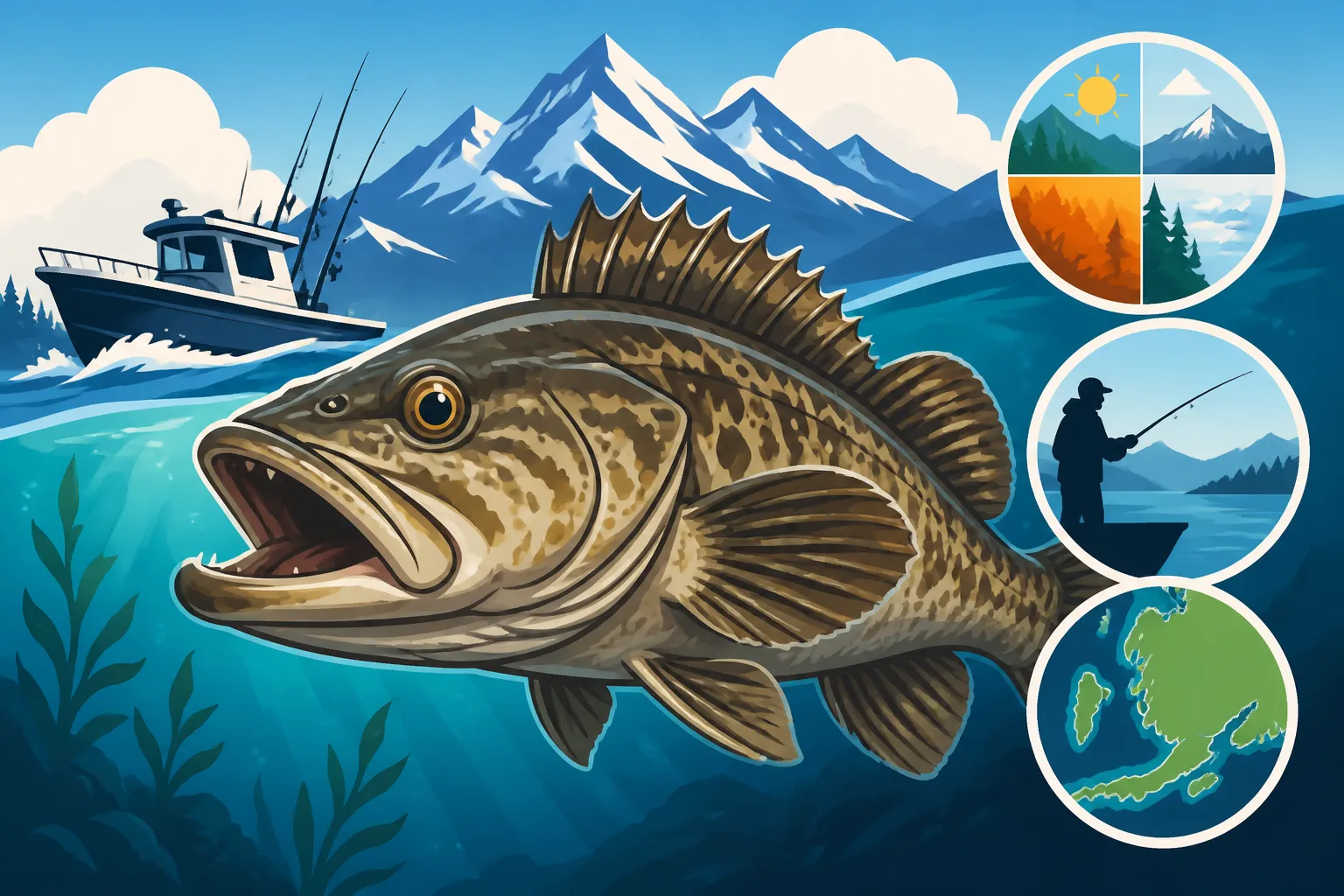
Imagine a fish with a large, broad head, a massive mouth full of razor-sharp teeth, and a long, mottled body that can range in color from dark brown to green or gray, often with speckles or bands. That's a lingcod for you. Their coloring helps them blend perfectly into the rocky, kelp-strewn environments they call home. These fish are built for ambush, perfectly adapted to dart out from cover and snatch unsuspecting prey.
When it comes to size, lingcod can be absolute monsters. While the average sport-caught lingcod might range from 15 to 30 pounds, they have the potential to grow much, much larger. We're talking about fish that can easily exceed 50 pounds, stretching well over four feet in length. The Alaska state record lingcod, for instance, weighed an astonishing 82 pounds, 6 ounces, a true "barn door" of the deep caught near Kodiak Island. Picture reeling in something that massive from hundreds of feet down – it’s a serious workout and a testament to their strength. It's why many anglers put them on their bucket list when planning an Alaska fishing trip.
Lingcod Habitat and Behavior
Lingcod are primarily bottom-dwellers, preferring cold, deep waters with plenty of rocky structure. Think of submerged pinnacles, steep drop-offs, kelp forests, and rocky reefs – these are the places where lingcod feel most at home. They use this rugged terrain for cover, patiently waiting to ambush passing fish, octopus, and squid. They are incredibly territorial and surprisingly sedentary once they find a good spot. This makes them a bit predictable once you locate their preferred structures.
Their diet is varied but heavily relies on other fish like rockfish, greenlings, and even smaller salmon, making them apex predators in their benthic world. This aggressive feeding behavior is exactly what makes them so much fun to target. They strike hard and fight with incredible tenacity all the way to the boat, often earning them the nickname "bucketmouth" or "rock cod" among local anglers. Understanding their preference for structure is key to successful lingcod fishing; if you're not over rocks, you're probably not over lingcod.
Lingcod Season in Alaska: Timing Your Trip for Success
Knowing when to fish for lingcod in Alaska is just as important as knowing where. While these fish are present year-round, specific seasons and regulations dictate when you can legally target and retain them. Missing these windows or misunderstanding the rules can turn a dream trip into a disappointment. Always remember that Alaska's fishing regulations can be complex and are subject to change, sometimes even mid-season due to emergency orders.
Peak Fishing Months
Generally, the prime season for lingcod fishing in Alaska runs from late spring through late fall. Many areas see their lingcod season open around May 1st and continue through November 30th. However, the best months for sportfishing typically fall within the summer, from June through September. During these months, the weather is usually more cooperative, and the lingcod are actively feeding. Water temperatures are also at a point where the fish are quite active without being too deep to reach.
For many charter operations, especially those combining lingcod with other species, July and August are fantastic, as you might also encounter the tail end of the "Alaska King Salmon Run Timing" or the peak of the silver salmon runs. This overlap offers incredible opportunities for a diverse catch. The longer daylight hours during Alaskan summers also mean more time on the water, increasing your chances of finding that monster lingcod.
Regional Season Variations and Regulations
Alaska is enormous, and fishing seasons, bag limits, and size restrictions for lingcod can differ dramatically depending on the specific region you're fishing in. What's legal in Southeast Alaska might be completely different in the Central Gulf or Prince William Sound.
For example, many areas in Southeast Alaska, from Yakutat down to the Dixon Entrance, often have a more generous lingcod season running from May 1st through November 30th. You'll find excellent opportunities in places like Sitka or Ketchikan. However, moving into Southcentral Alaska, particularly around the popular fishing grounds of Seward and Homer in the Central Gulf of Alaska, the season can be much shorter, sometimes limited to just a few months in early summer, like May and June. Prince William Sound, a stunning area near Valdez and Whittier, often has even more restrictive seasons or complete closures for lingcod to protect local stocks.
It's absolutely critical to consult the Alaska Department of Fish and Game (ADF&G) regulations specific to the area you plan to fish before you ever leave the dock. These can be found online or by picking up a copy of the annual sport fishing regulations booklet. Don't just rely on hearsay or old information! Regulations regarding bag limits (how many fish you can keep) and size limits (minimum and sometimes maximum lengths) are strictly enforced. For instance, sometimes there are reverse slot limits or other specific rules to protect breeding fish, similar to how "Alaska Halibut Charter Regulations Explained" often feature complex rules. Staying informed on "Alaska Fishing Limits and Bag Limits Explained" is paramount for a legal and enjoyable trip.
Where to Find Alaska Lingcod: Top Fishing Grounds
Lingcod are homebodies, so once you find the right type of structure, you’re often in business. The key is understanding their preference for rocky, irregular bottom features rather than vast, flat sandy plains. This means often fishing near shorelines, islands, and underwater pinnacles.
Prime Locations Across the State
While lingcod can be found in many Alaskan saltwater areas, some locations are undeniably better than others due to their abundant habitat and robust populations.
- Southeast Alaska: This region, stretching from Yakutat south to Ketchikan, is renowned for its excellent lingcod fishing. Areas around Sitka, Juneau, and Prince of Wales Island are particularly productive. The intricate coastline, numerous islands, and deep, rocky channels create a perfect environment for these ambush predators. If you're looking for a serious lingcod adventure, places detailed in a "Sitka Fishing Guide" are hard to beat. The sheer amount of structure here makes it a prime hunting ground.
- Kodiak Island: Often considered one of the best fishing destinations in the state, Kodiak Island offers spectacular lingcod opportunities. The remote nature and diverse underwater topography around the island, including countless reefs and drop-offs, are ideal for large lingcod. Anglers often combine lingcod trips with halibut and salmon fishing here. For more insights into this incredible area, check out a "Kodiak Fishing Guide".
- Southcentral Alaska (Specific Areas): While more restrictive in season, areas around Seward and Homer can produce excellent lingcod. Near Seward, you'll find them on the deeper reefs and pinnacles in Resurrection Bay and the surrounding Gulf waters. Homer, on the other hand, known as the "Halibut Fishing Capital of the World," also has productive lingcod grounds further out in Kachemak Bay and Cook Inlet, typically requiring a longer boat ride. It's crucial to check current regulations for these areas before heading out, as they are often more dynamic. A "Seward Alaska Fishing Guide" can offer more localized advice.
Ideal Structure and Depths
Lingcod are masters of camouflage, blending seamlessly into their rocky surroundings. They rarely venture into open, sandy bottom areas unless it's to chase down prey. When targeting lingcod, you want to focus on:
- Rocky Reefs and Pinnacles: These are their absolute favorite spots. Lingcod will hang out in the crevices and ledges, waiting for an opportune moment to strike. Using a good fishfinder to identify these structures is invaluable. Look for jagged lines and significant depth changes on your sonar.
- Kelp Forests: Thick kelp beds provide excellent cover and hunting grounds for lingcod, particularly in shallower areas. These dense underwater jungles are teeming with the baitfish lingcod love to eat.
- Drop-offs and Ledges: Where the bottom dramatically changes depth, you'll often find lingcod lurking. They use these transitions as natural ambush points, often sitting just below the lip of a ledge, ready to dart upwards.
- Depths: Lingcod can be found anywhere from relatively shallow water (30-50 feet) to significant depths (over 300 feet). However, the most common and productive depths for sport anglers often fall between 80 and 250 feet. Fishing in these depths requires specialized heavy tackle, which we'll discuss next.
Remember, finding these structures often means fishing in areas that can be challenging for gear due to snags. It's part of the game when targeting lingcod. Always prioritize safety and know the local conditions, as some of the "Best Fishing Spots in Alaska" can also be the most rugged.
Best Techniques and Gear for Catching Alaska Lingcod
Catching lingcod is less about finesse and more about brute force and persistence. These fish hit hard and fight dirty, so you need the right tools and techniques to bring them up from the deep.
Effective Fishing Methods
Lingcod respond well to several tried-and-true methods that get your lure or bait down into their rocky lairs.
- Jigging: This is arguably the most popular and effective method for lingcod. It involves dropping a heavy, metal jig or large soft plastic swimbait to the bottom and then rhythmically lifting and dropping it. The erratic motion mimics an injured baitfish, provoking aggressive strikes. You'll want to use jigs weighing anywhere from 6 to 16 ounces, or even heavier in deep water or strong currents. For an even deeper dive, learn "How to Catch Lingcod in Alaska" with specific jigging techniques. The key is to stay in contact with the bottom, lifting the jig a few feet and letting it fall back, stirring up some sediment.
- Bottom Fishing with Bait: Sometimes, a juicy piece of bait is irresistible. Fresh herring, squid, octopus, or even a smaller whole fish (like a pacific cod or rockfish) can be incredibly effective. Rig your bait on a heavy-duty circle hook, ideally on a spreader bar or a robust dropper rig with a heavy lead weight to get it to the bottom. Let the bait sit for a few moments, or impart a slow, jigging motion. Lingcod often inhale the bait and won't let go.
- Live Bait Fishing: If available and legal, live bait can be a game-changer. A lively greenling or a small rockfish (check regulations for using game fish as bait) dropped into a lingcod hole can trigger an immediate, violent strike. This method often targets the biggest, most aggressive fish.
No matter the technique, always be prepared for a hard strike. When a lingcod hits, it's usually not a subtle tap; it's a solid thud that tries to rip the rod from your hands.
Recommended Tackle and Lures
Your gear needs to be robust to handle heavy weights, deep depths, and powerful fish. Skimping on tackle here will lead to heartbreak.
- Rods: Look for a heavy-action boat rod, usually 6 to 7.5 feet long, with a strong backbone and a sensitive tip. It needs to handle jigs and weights up to 24 ounces comfortably. Brands like Ugly Stik or Penn offer durable, affordable options available on Amazon that can withstand the abuse.
- Reels: A sturdy conventional (star drag or lever drag) reel is preferred over a spinning reel for lingcod. It needs to have a high line capacity (300+ yards) and a powerful drag system. A good level-wind feature is a plus for even line retrieval. Many anglers opt for a Penn Squall or a Shimano Tekota, both proven workhorses.
- Line: Braided line is almost essential for lingcod fishing due to its zero stretch, which allows you to feel subtle bites in deep water and withstand strong currents. Use 65 to 100-pound test braided line. Attach a heavy fluorocarbon or monofilament leader (80-150 lb test, 3-6 feet long) to your braid via a strong knot or swivel. This leader provides abrasion resistance against sharp rocks and the lingcod's formidable teeth. You can find high-quality braided lines and leaders on Amazon.
- Lures and Weights:
- Metal Jigs: Large, heavy metal jigs (6-24 oz) in colors like glow-in-the-dark, chrome, blue/silver, or green are highly effective. Popular styles include knife jigs, diamond jigs, and flutter jigs.
- Soft Plastic Swimbaits: Pairing a large (8-12 inch) paddle-tail swimbait with a heavy jig head (4-12 oz) can also be deadly. Again, natural colors or glow patterns work well.
- Bait Rigs: For bottom fishing, use robust lead weights (8-24 oz pyramid or cannonball sinkers) and strong snelled circle hooks (6/0 to 10/0) on dropper loops or a sturdy spreader bar to keep your bait separate from your weight.
- Other Essentials: Don't forget a heavy-duty gaff or a large net for landing the fish, a quality pair of pliers for hook removal, and a descending device if you plan to release any rockfish bycatch. Reviewing "Alaska Fishing Gear and Tackle Guide" can help you assemble a complete kit.
Feature Lingcod Quick Facts
Many anglers are drawn to Alaska’s incredible waters, dreaming of a trophy. While the legendary King (Chinook) Salmon and Halibut often steal the spotlight, there's another powerful, unique, and often overlooked fish that offers an equally thrilling battle and delicious reward: the Lingcod. If you’ve heard whispers about these toothy bottom-dwellers but aren't quite sure when and where to find them, or what tackle to bring, you’re in the right place. This guide will dive deep into everything you need to know about Alaska Lingcod, from their impressive size potential to the best seasons and hotspots, helping you plan your ultimate angling adventure.
What is an Alaska Lingcod? A Fierce Predator of the Deep
Lingcod are truly one of Alaska's most distinctive and intriguing sport fish. Despite their name, they are not a true cod species but rather the largest member of the greenling family. These incredible fish are ambush predators perfectly adapted to the rugged, rocky underwater landscapes of the North Pacific. They possess a prehistoric look that commands respect, and their aggressive nature makes for an unforgettable fight.
Unique Characteristics and Impressive Size
Visually, a lingcod is hard to mistake. They have a massive, elongated body, often mottled with shades of grey, brown, or even greenish-blue, allowing them to camouflage seamlessly with the rocky seafloor. Their most striking feature is their enormous mouth, armed with dozens of sharp, needle-like teeth that can inflict a nasty bite – handle with care! A lingcod's skin is smooth and scaleless, covered in a protective mucus layer.
While many lingcod caught by sport anglers average between 15 and 30 pounds, these fish are capable of growing to truly astonishing sizes. It’s not uncommon for experienced anglers to land lingcod weighing over 50 pounds, stretching well beyond four feet in length. Imagine the thrill of hooking into something that large in deep water! The current Alaska state record lingcod is a colossal 82 pounds, 6 ounces, caught near Kodiak Island. This remarkable size potential makes them a prime target for trophy hunters and those looking for an exceptional challenge.
Lingcod Habitat and Behavior
Lingcod are primarily demersal, meaning they live on or near the seabed. They are creatures of structure, preferring cold, nutrient-rich waters with an abundance of rocky reefs, pinnacles, ledges, and thick kelp forests. These environments provide perfect cover for ambush predation, allowing them to hide and dart out to snatch unsuspecting prey. They are incredibly territorial and will often stay in a preferred hunting spot for extended periods, making them somewhat predictable once you locate a productive area.
Their diet is varied but predominantly carnivorous, consisting of a wide range of smaller fish such as rockfish, greenlings, herring, and even small salmon. They also have a particular fondness for octopus and squid. This aggressive predatory behavior is what makes them so eager to strike artificial lures and bait. When you hook a lingcod, expect a powerful, head-shaking battle as they try to return to their rocky hideouts. Their strength and determination make them a formidable opponent, often leading to deep dives and relentless tugs. Understanding their preference for hard, irregular bottom structures is key to successful lingcod fishing; if your sonar isn't showing rocks, chances are you won't find many lingcod.
Timing Your Lingcod Adventure: Alaska Fishing Seasons
Successfully targeting Alaska lingcod heavily relies on understanding their seasonal patterns and, crucially, adhering to the specific regulations set by the Alaska Department of Fish and Game (ADF&G). These rules can vary significantly by region and are subject to change, sometimes even on short notice via "Alaska Fishing Emergency Orders Explained". Always check the latest information before planning your trip.
Peak Fishing Months for Lingcod
While lingcod are present in Alaskan waters year-round, the sport fishing season for them typically runs from early spring through late fall, with the most productive months concentrated in the summer. Generally, the season in many areas opens around May 1st and continues through November 30th.
The sweet spot for most anglers, however, is June through September. During these months, the weather tends to be more stable, allowing for safer and more comfortable trips to offshore fishing grounds. The lingcod are also incredibly active during this period, feeding aggressively and often found in depths accessible to most sportfishing charters and private boats. Many anglers planning a summer trip to Alaska will look for "Alaska Fishing in July: What's Biting" or "Alaska Fishing in August: What's Biting" to coordinate their lingcod efforts with other species like halibut and salmon. The longer daylight hours of an Alaskan summer also maximize your time on the water, increasing your chances of a successful catch.
Regional Season Variations and Regulations
Alaska's vastness means that lingcod regulations are not uniform across the state. What's permissible in Southeast Alaska might be strictly off-limits in the Central Gulf or Prince William Sound.
- Southeast Alaska (e.g., Sitka, Juneau, Ketchikan): This region often boasts the most liberal lingcod seasons, frequently running from May 1st to November 30th. The abundant rocky habitat here supports healthy populations, allowing for a longer fishing window. However, even within Southeast, there can be specific area restrictions or bag limits, so always consult the most current ADF&G regulations for the specific management area you'll be fishing in. This region is a top choice for those looking for extended lingcod opportunities, perhaps as part of a broader "Alaska Halibut Charter Regulations Explained" fishing package.
- Central Gulf of Alaska (e.g., Seward, Homer): The season here is typically much shorter and more restrictive. Often, the lingcod season in areas around Seward and Homer might only be open for a couple of months in early summer, such as May and June. These tighter windows are usually implemented to protect local breeding stocks and ensure sustainable fisheries. Anglers targeting lingcod in these areas must pay very close attention to the exact opening and closing dates, as well as specific bag and size limits, which can be quite dynamic.
- Prince William Sound (e.g., Valdez, Whittier): This area often has the most restrictive lingcod regulations, sometimes including complete closures to sport fishing. If you plan to fish in Prince William Sound, it is absolutely essential to confirm the status of the lingcod fishery before making any plans.
Understanding "Alaska Fishing Regulations Explained" is not just a suggestion, it’s a requirement for ethical and legal fishing. Regulations cover not only seasons but also bag limits, size limits (which can include minimum, maximum, or "slot" sizes), and even gear restrictions, such as the use of single or barbless hooks.
Prime Lingcod Hotspots: Where to Cast Your Line
Finding lingcod is all about locating their preferred deep, rocky structures. Unlike salmon that migrate upriver or halibut that roam sandy flats, lingcod stick close to specific underwater terrain. Knowing where to focus your efforts can make all the difference between a slow day and a successful hunt for these aggressive bottom dwellers.
Top Lingcod Destinations in Alaska
While lingcod are found throughout Alaska's marine waters, certain locations consistently produce larger numbers and bigger fish due to their ideal habitat and robust management.
- Southeast Alaska: This region is arguably the most consistent and productive area for lingcod fishing. The complex coastline, dotted with thousands of islands, submerged pinnacles, and deep channels, creates a perfect environment.
- Sitka: Known for its diverse fisheries, Sitka is a prime lingcod destination. The waters around Sitka offer incredible deep-water reefs and structure, often yielding impressive catches. Charters operating out of Sitka are well-versed in targeting these toothy giants, often combining them with halibut and salmon trips. You can explore more with a detailed "Sitka Fishing Guide".
- Ketchikan and Juneau: These areas also offer fantastic lingcod opportunities, particularly in the outer coastal waters where the structure is abundant. The numerous islands and rocky ledges provide ample hiding spots for lingcod.
- Kodiak Island: Often revered as an angler's paradise, Kodiak Island boasts some of the most remote and productive lingcod grounds in Alaska. The rugged underwater landscape around Kodiak, with its numerous offshore reefs and deep-water pinnacles, is ideal for massive lingcod. Many anglers consider a "Kodiak Fishing Guide" essential to navigate these bountiful but challenging waters. The chance to hook a true trophy lingcod here is significant.
- Southcentral Alaska (Specific Locations): While seasons are often shorter here, certain spots in Southcentral can be incredibly productive during their open windows.
- Seward: Located on Resurrection Bay, Seward offers access to the rich waters of the Gulf of Alaska. Deep reefs and rocky areas outside the bay can hold excellent lingcod. A "Seward Fishing Guide" will pinpoint these specific structures.
- Homer: While primarily known for halibut, the outer waters accessible from Homer also have significant lingcod populations. These typically require venturing further out into Cook Inlet or the Gulf of Alaska to reach the more remote, productive structures.
When choosing a location, consider not just the potential for lingcod, but also the overall "Best Time to Fish in Alaska" for other species you might want to target, as many anglers enjoy combo trips to maximize their Alaskan experience.
Identifying Ideal Structure and Depths
Lingcod are not random roamers. They are intimately tied to specific underwater features. To successfully locate them, you need to think like a predator:
- Rocky Reefs and Pinnacles: These are the undisputed champions of lingcod habitat. Lingcod will congregate in and around these structures, using the natural crevices and overhangs as ambush points. Look for pronounced changes in depth and jagged contours on your fish finder – these are prime indicators.
- Deep Ledges and Drop-offs: Where the seafloor abruptly changes depth, lingcod often position themselves. They'll lurk along the edges of these ledges, waiting for baitfish or other prey to swim by. Targeting the "lip" or just below a significant drop-off can be very productive.
- Kelp Beds: In shallower waters (but still often 50-100 feet deep), dense kelp forests offer excellent cover and food sources for lingcod. Fishing the edges of these beds or drifting through them can yield strikes.
- Wrecks and Artificial Structures: Like many bottom fish, lingcod will readily colonize shipwrecks, submerged pipelines, or other artificial structures that provide cover and attract baitfish.
- Optimal Depths: While lingcod can be found from 30 feet to over 500 feet, most sport anglers find the sweet spot to be between 80 and 250 feet. These depths offer a good balance of fish abundance and manageable fishing conditions, though you'll still need heavy tackle. Fishing shallower might produce smaller fish, while going much deeper requires specialized electric reels and heavier gear.
The challenge, and often the fun, is drifting or anchoring over these jagged, snaggy bottoms without losing too much gear. It's a risk-reward game that makes catching a lingcod all the more satisfying.
Mastering the Hunt: Techniques and Tackle for Alaska Lingcod
Lingcod fishing is a true test of strength and endurance. These fish hit hard, pull harder, and know every trick in the book to try and rub you off on the bottom. To succeed, you need robust gear and the right approach.
Effective Fishing Methods for Lingcod
Your strategy needs to be aggressive and direct to get your offering down to where these bottom-dwelling predators lurk.
- Heavy Jigging: This is the quintessential method for lingcod. The idea is to mimic an injured or fleeing baitfish.
- Technique: Drop a heavy metal jig or large soft plastic swimbait straight to the bottom. Once you hit, reel up a few feet to avoid immediate snags, then begin a rhythmic lift-and-drop motion. Lift the rod tip sharply (2-5 feet) and let the jig flutter back down on a semi-slack line. The strike often comes on the drop. Experiment with the speed and height of your jigging motion until you find what triggers a bite.
- Jigs: Large, heavy metal jigs (6-16 oz, or even heavier in strong currents or deeper water) are essential. Knife jigs, diamond jigs, and flutter jigs are all popular. Colors like glow-in-the-dark, blue/silver, green, or chartreuse are often effective. For soft plastics, consider large (8-12 inch) paddle-tail or curly-tail swimbaits on heavy lead-head jigs.
- Bottom Fishing with Bait: Sometimes, nothing beats the real thing.
- Technique: Use a heavy sinker (8-24 oz, or more) to get your bait directly to the bottom. A popular setup is a "slider" rig or a "dropper loop" rig with a heavy circle hook (6/0 to 10/0) baited with fresh herring, squid, octopus, or a chunk of cod or rockfish (check regulations for using game fish as bait). Let the bait sit on or just off the bottom. Lingcod will often mouth the bait before committing, so be patient, but set the hook with a strong sweep of the rod when you feel consistent pressure.
- Bait: Fresh is best. Whole or cut herring, chunks of salmon, whole squid, or even small live greenlings (if legal) are all prime lingcod delicacies.
- Drift Fishing: When fishing over expansive reefs or areas with a lot of structure, drifting allows you to cover more ground. Position your boat to drift slowly over known lingcod haunts, dropping your jigs or bait down as you move. This method is often preferred when fishing in areas like the outer coast near "Seward Alaska Fishing Guide" or Sitka, where currents can help present your lure.
Remember to handle lingcod carefully. Their teeth are formidable, and a good pair of fish grippers or a sturdy gaff is indispensable for landing them safely.
Essential Tackle and Lures for the Fight
Lingcod demand heavy-duty tackle that can withstand the rigors of deep-water fishing and the sheer power of these fish.
- Rods: A robust, heavy-action conventional boat rod, typically 6 to 7.5 feet in length, is ideal. It needs a strong backbone to lift heavy weights from deep water and subdue powerful fish, yet a sensitive enough tip to detect subtle bites. Many anglers favor rods rated for 50-100 lb line, capable of handling lure weights up to 24 ounces or more. Check out options like the Ugly Stik Bigwater series or comparable rods from Penn, which are readily available on Amazon and built for abuse.
- Reels: A high-quality conventional (star drag or lever drag) reel with ample line capacity (at least 300-400 yards of heavy braid) and a smooth, powerful drag system is crucial. Look for reels with a low gear ratio (e.g., 4.0:1 or 3.5:1) for cranking power. Popular choices include the Penn Squall, Shimano Tekota, or Daiwa Saltist. Make sure to preload your reel with plenty of line.
- Line:
- Main Line: Braided line is non-negotiable for lingcod. Its minimal stretch allows for excellent sensitivity, crucial for feeling bites in deep water, and superior strength-to-diameter ratio. Use 65-pound to 100-pound test braid. PowerPro and Tuf-Line are reliable brands that you can easily find on Amazon.
- Leader: Connect a heavy fluorocarbon or monofilament leader (80-150 lb test, 3-6 feet long) to your braided main line. This leader provides critical abrasion resistance against sharp rocks and the lingcod's teeth. Use strong knots like a FG knot or an Albright knot, or a heavy-duty barrel swivel.
- Lures and Terminal Tackle:
- Jigs: As mentioned, heavy metal jigs are key. Have a variety of sizes and colors.
- Soft Plastics: Large paddle-tail swimbaits like the Berkley Gulp! Saltwater Swimmin' Mullet or similar offerings from Z-Man, rigged on heavy jig heads, are excellent.
- Weights: For bait fishing, ensure you have plenty of lead cannonball or pyramid sinkers in the 8-24 oz range, as losing a few to snags is inevitable.
- Hooks: Use strong, sharp, corrosion-resistant circle hooks (6/0 to 10/0) for bait fishing. Some anglers prefer J-hooks with bait, but circle hooks are better for fish survival on release and often result in solid hook-ups in the corner of the mouth.
- Gaff/Net: A heavy-duty gaff or a large, strong landing net is essential for safely bringing a thrashing lingcod aboard, protecting both you and the fish.
- Descending Device: If you're fishing in waters where rockfish are common bycatch, a descending device is crucial for releasing them safely back to depth. Lingcod often share habitat with various "Alaska Rockfish Retention and Release Rules", so be prepared.
Having the right gear makes a huge difference in your success and enjoyment. It's an investment, but it pays off when you're battling one of Alaska's most ferocious bottom fish.
Conclusion
Lingcod fishing in Alaska offers an exhilarating challenge and a truly rewarding experience for any angler willing to venture into the deep, rocky domains these powerful fish call home. From their formidable size and prehistoric appearance to their aggressive strikes and tenacious fights, lingcod provide a unique thrill that stands out even among Alaska's legendary fisheries. By understanding their preferred habitats, timing your trip with the appropriate seasons, and equipping yourself with the right heavy-duty tackle and techniques, you'll be well on your way to battling one of these impressive predators. Always prioritize safety, respect the incredible Alaskan ecosystem, and remember to check the latest regulations before you cast your line. Tight lines, and may your Alaska lingcod adventure be filled with massive catches and unforgettable memories!
Disclaimer
Please note that fishing regulations in Alaska are dynamic and can change frequently due to biological factors and management decisions. Always consult the most current regulations published by the Alaska Department of Fish and Game (ADF&G) for the specific area and time you plan to fish. This guide provides general information and should not be used as a substitute for official regulations. Safety first: always inform someone of your fishing plans and be prepared for changing weather conditions in Alaska.