Seward Fishing Guide
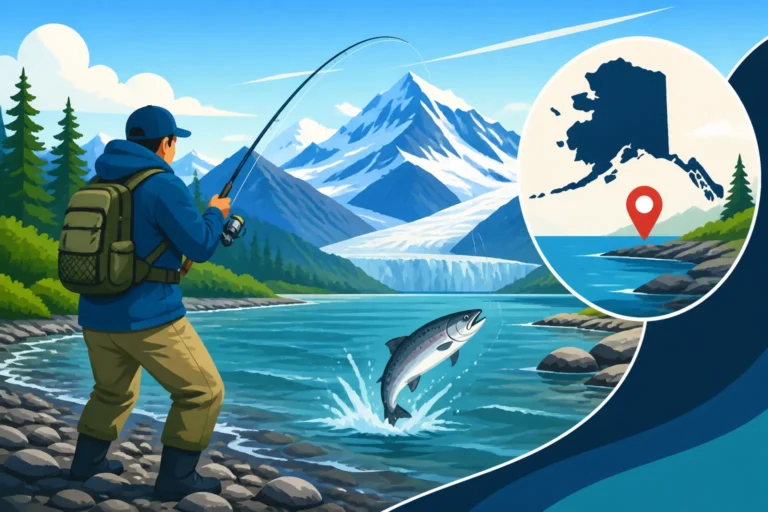
When you dream of fishing in Alaska, often the image that comes to mind is endless wilderness and massive fish. Seward, tucked away on the Kenai Peninsula and greeting the dramatic waters of Resurrection Bay, offers exactly that—but it can be daunting to figure out where to start. With so many options, from charter boats chasing halibut offshore to peaceful moments casting for salmon from the bank, it's easy to feel overwhelmed. This guide is here to cut through the confusion and help you plan your ultimate angling adventure in Seward, Alaska.
Why Seward is a Prime Fishing Destination
Seward isn't just a picturesque town at the end of the road system; it's a bonafide fishing mecca, a gateway to some of Alaska's most exciting saltwater and freshwater angling experiences. Its unique location provides direct access to the rich, nutrient-filled waters of Resurrection Bay and the Gulf of Alaska, making it a hotspot for a diverse array of fish species. But it's not just about the numbers; it's about the entire experience—the stunning scenery, the vibrant marine life, and the unmistakable thrill of fishing in true Alaskan wilderness.
The Lure of Resurrection Bay
Resurrection Bay is the heart of Seward's saltwater fishing scene, a deep fjord carved by glaciers that teems with marine life. Its protected waters offer a slightly calmer experience compared to the open ocean, yet they host an incredible bounty of fish. Anglers flock here for giant halibut, multiple species of salmon, lingcod, and various rockfish. The bay's unique geography, with its rocky pinnacles, kelp beds, and deep drop-offs, creates ideal habitats for these species, making it an incredibly productive fishing ground.
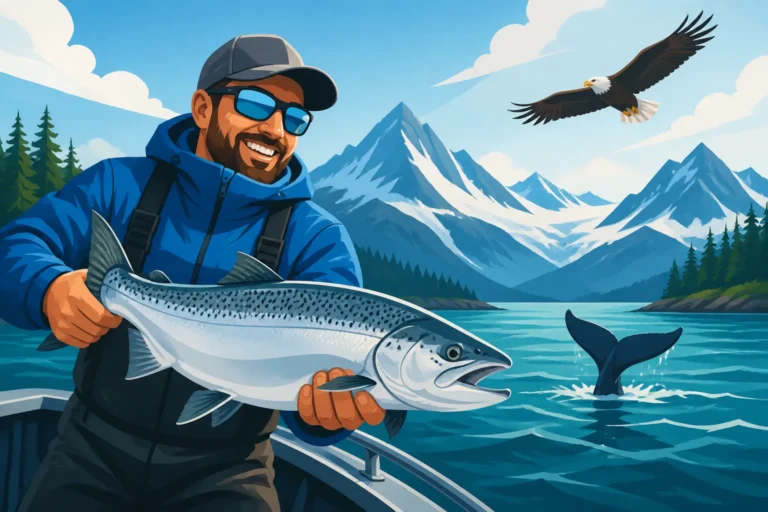
Beyond the sheer volume of fish, Resurrection Bay offers an immersive Alaskan experience. As you cast your line, you're likely to spot sea otters playing, seals lounging on rocks, and even whales breaching in the distance. The towering mountains that ring the bay, often capped with snow even in summer, provide a breathtaking backdrop to every hookset. It's an environment where the majesty of Alaska is constantly on display, adding an extra layer of wonder to every fishing trip.
This isn't just a casual fishing spot; it's a serious angler's playground. Charter boats depart daily from the bustling small boat harbor, heading to known halibut grounds or trolling lanes for salmon. Whether you're a seasoned pro looking for a challenge or a family hoping to catch dinner, Resurrection Bay delivers an unforgettable adventure, showcasing why Seward truly stands out on the Alaska fishing map.
Beyond Saltwater: Nearby Freshwater Opportunities
While Seward is famous for its saltwater riches, the surrounding area offers some fantastic freshwater fishing opportunities that shouldn't be overlooked. Just a short drive from town, you can find rivers and creeks that host returning salmon and resident trout species, providing a different, often more serene, angling experience. These freshwater spots are perfect for those days when the bay might be a bit too choppy, or for anglers who prefer the quiet solitude of a riverside cast.
One of the most popular freshwater destinations is the world-renowned Kenai Peninsula, where rivers like the Russian and Kenai itself are legendary for their salmon runs and trout fishing. Closer to Seward, tributaries and lakes around the area, such as those near Exit Glacier or within the Chugach National Forest, can offer rewarding experiences for rainbow trout, Dolly Varden, and even some smaller salmon species depending on the season. Always check local regulations, as rules can vary significantly between saltwater and freshwater, and even between different freshwater systems.
Access to these freshwater spots can range from easily accessible roadside pull-offs to more adventurous hikes into the backcountry. For instance, Fish Creek (not to be confused with the popular Ship Creek in Anchorage), or Bear Creek often see salmon returning and provide great bank fishing opportunities. These spots offer a wonderful contrast to the deep-sea experience, allowing anglers to switch gears and enjoy the diverse fishing landscapes Alaska has to offer.
Top Fish Species to Target in Seward
Seward's waters are teeming with a variety of sought-after fish, making it a dream destination for anglers hoping to fill their coolers and create lasting memories. From the enormous bottom-dwelling halibut to the powerful, acrobatic salmon, there's a thrilling target for every preference. Understanding what's biting when and where is key to maximizing your success and ensuring you're ready for the fight.
Halibut: The Alaskan Barn Door
When people talk about giant fish in Alaska, they're often talking about Pacific Halibut. These flat, powerful fish are a primary draw for anglers in Seward, known for their immense size and delicious white meat. Fishing for halibut is typically a deep-water affair, often requiring a charter boat to reach the prime fishing grounds in Resurrection Bay and further out into the Gulf of Alaska. The thrill of hooking into a "barn door" halibut—a term for the really big ones—is an experience unlike any other, demanding strength and patience as you battle it up from the depths.
Halibut are typically caught by bottom fishing with heavy tackle, using bait such as herring, salmon heads, or octopus, often paired with large circle hooks and heavy sinkers to reach the ocean floor. The season generally runs from May through September, with peak fishing in June, July, and August. It’s crucial to be aware of the daily and annual bag limits, as well as potential slot limits and Thursday closures for charter anglers, which can change due to emergency orders. You'll want to review the current Alaska Halibut Charter Regulations Explained before you head out.
The average halibut caught in Seward often ranges from 20 to 50 pounds, but fish well over 100 pounds are common, and "barn doors" can push past the 200 or even 300-pound mark. If landing one of these monsters is on your bucket list, Seward offers some of the best opportunities in the state. Many anglers use services like FishingBooker to find experienced charters that specialize in halibut, ensuring they have the right gear and local knowledge to target these impressive creatures effectively.
Salmon: Kings, Silvers, and More
Salmon are the lifeblood of Alaska, and Seward offers fantastic opportunities to catch several species throughout the summer months. The most prized among them is the King Salmon (Chinook), known for its massive size and incredible fighting power. King salmon typically start to show up in Resurrection Bay in May and June, with a smaller, more concentrated run. Catching a King on rod and reel is considered a pinnacle achievement for many salmon anglers.
Following the Kings, the Sockeye (Red) and Pink (Humpy) salmon runs arrive in large numbers, particularly from July into early August. Sockeye are famous for their acrobatic fights and rich, red meat, while Pink salmon are incredibly abundant and offer fast-paced action, especially enjoyable for families and beginner anglers. Later in the summer, from August through September, the Coho (Silver) salmon make their appearance. Silvers are renowned for their aggressive strikes and aerial displays, making them a favorite for both bait and lure fishermen.
Fishing for salmon in Seward often involves trolling in Resurrection Bay with downriggers, using lures like spoons, flashers, and herring. For those looking for freshwater salmon action, checking the local creeks and rivers for returning runs is essential, though bank fishing opportunities can be limited and highly regulated. For detailed information on specific runs and techniques, explore guides like Alaska King Salmon Fishing Regulations and Limits or Alaska Coho Salmon Fishing Regulations and Limits to maximize your chances.
Rockfish and Lingcod: Bottom-Dwelling Delights
Beyond the headline species of halibut and salmon, Seward’s waters are rich with other delectable bottom-dwelling fish, primarily various species of rockfish and the intriguing lingcod. These species offer exciting fishing, often as a bonus to a halibut trip or as a dedicated target for those who appreciate their firm, flaky white meat. They typically inhabit rocky reefs, kelp beds, and deep underwater structures, making them thrilling to target with jigs and bait.
Rockfish come in many varieties, including the vibrant yelloweye (often called "red snapper"), black rockfish, and quillback rockfish. They are generally caught by jigging near structure or dropping bait to the bottom. While not as large as halibut, many rockfish species provide a good fight and are excellent table fare. Lingcod, on the other hand, are true monsters of the deep, characterized by their elongated bodies, large mouths, and sharp teeth. They can grow quite large, with some specimens exceeding 50 pounds, and are known for their voracious appetites and aggressive strikes.
Both rockfish and lingcod fishing can be excellent throughout the summer, often peaking in the mid-to-late season. When targeting these species, especially the deep-dwelling ones like yelloweye, it’s critical to be prepared with a descending device to help release unwanted or undersized fish safely, as their swim bladders can expand when brought up from depth. Many Seward charters offer combo trips that include opportunities to target these species alongside halibut, giving anglers a chance to diversify their catch. Booking a specific charter through platforms like FishingBooker allows you to find guides who specialize in these varied bottom-fishing experiences.
Best Fishing Seasons in Seward
Alaska's fishing seasons are dynamic, driven by the migratory patterns of salmon and the feeding habits of other species. Seward is no exception, with distinct periods offering prime opportunities for different catches. Planning your trip around these seasonal peaks is crucial for success, ensuring you're there when your target species are most abundant and active.
Summer: Peak Action for All Species
Summer is undeniably the peak fishing season in Seward, drawing anglers from all corners of the globe. From late May through early September, the waters of Resurrection Bay and surrounding areas burst with activity, offering the best chances for a diverse and abundant catch. This is when multiple salmon species make their heroic return, and halibut are actively feeding in their prime grounds.
June marks the start of prime time. King salmon are present, offering a thrilling early-season challenge, while halibut fishing really kicks into gear. The weather is generally more stable, and the days are incredibly long, thanks to the midnight sun, allowing for extended fishing hours. Many anglers consider June an ideal month for a combo trip, targeting both kings and halibut. However, remember that King Salmon populations can be volatile, and emergency orders often impact their season; always check the current Alaska King Salmon Fishing Regulations and Limits.
July and August are the heart of the summer season. Sockeye and Pink salmon run in full force, creating frenzied action for anglers both in the bay and in local freshwater systems. Coho salmon also begin to show up, particularly towards the end of July and throughout August, adding another layer of excitement. Halibut fishing remains strong, with many charters consistently bringing in impressive catches. The sheer abundance of fish during these months means that even novice anglers often experience significant success, making it a fantastic time for family fishing trips.
Spring and Fall: Shoulder Season Gems
While summer grabs all the headlines, the shoulder seasons of spring (April to early May) and fall (late September to October) in Seward offer unique and often rewarding fishing experiences for those willing to brave cooler temperatures and potentially less predictable weather. These periods typically see fewer crowds, leading to a more peaceful and solitary angling adventure. The fishing can still be excellent, especially for specific species.
Spring, particularly April and early May, sees the beginning of the saltwater fishing season. While halibut aren't yet in their full summer swing, it's possible to catch "feeder" Kings that are present in the bay year-round, feeding before their spawning migration. Bottom fishing for certain rockfish species can also be productive. This is a great time for dedicated anglers who enjoy the challenge of early-season fishing and the quieter atmosphere before the summer rush.
Fall, from late September into October, offers a fantastic opportunity for Silver (Coho) salmon. These fish are often at their largest and most aggressive as they prepare for spawning, providing some of the most exciting fights of the year. While halibut charters might be winding down, there are still chances for a late-season "barn door." The fall foliage around Resurrection Bay adds a beautiful backdrop to your fishing, and the crisp air can be incredibly invigorating. For more detailed insights into what's biting across the state, check out the Alaska Fishing Seasons: Month-by-Month Guide.
Popular Fishing Methods and Techniques in Seward
Seward's diverse fishery demands a range of techniques to effectively target its various species. From the deep-sea expeditions to peaceful shore-based casting, each method has its nuances and preferred gear. Understanding these approaches will help you choose the right adventure and be prepared for the kind of fishing you'll encounter.
Saltwater Charter Fishing Strategies
For most anglers visiting Seward, saltwater charter fishing is the primary way to experience the area's incredible marine bounty. Charters are essential for accessing the prime halibut grounds, deep-water rockfish habitats, and the vast trolling lanes of Resurrection Bay and the Gulf of Alaska. These boats come equipped with heavy-duty rods, reels, and specialized tackle necessary to tackle powerful fish like halibut and large salmon.
Bottom Fishing for Halibut and Rockfish: This is a classic Seward technique. Charters will take you to known pinnacles, drop-offs, and sandy flats where halibut congregate. Anglers typically use large lead weights (often 1-2 pounds or more) to get bait (like herring, salmon heads, or octopus) or large jigs down to the seafloor. The boat might drift or anchor, and anglers bounce their baits along the bottom, waiting for the distinctive thud of a halibut strike. For rockfish, jigs are often bounced vigorously over rocky structures, mimicking wounded prey. Check out How to Catch Halibut in Alaska for more in-depth strategies.
Trolling for Salmon: Targeting salmon in Resurrection Bay involves trolling from a moving boat, often using downriggers to keep lures at specific depths where salmon are feeding. Popular lures include spoons (like Silver Horde or Luhr Jensen), hoochies, and cut-plug herring rigged behind flashers. The captain will typically follow specific trolling patterns in areas known for salmon runs, adjusting depth and speed until fish are located. This method is effective for King, Coho, and Pink salmon, and the strike can be sudden and exciting, leading to an immediate battle. Many charters listed on FishingBooker specialize in these trolling techniques.
Shore and Freshwater Bank Fishing
While the deep-sea charters get a lot of attention, there are rewarding opportunities for shore and freshwater bank fishing around Seward, perfect for anglers who prefer to stay on terra firma or seek a more budget-friendly experience. These spots are often accessible without a boat and can yield surprising results, especially during salmon runs.
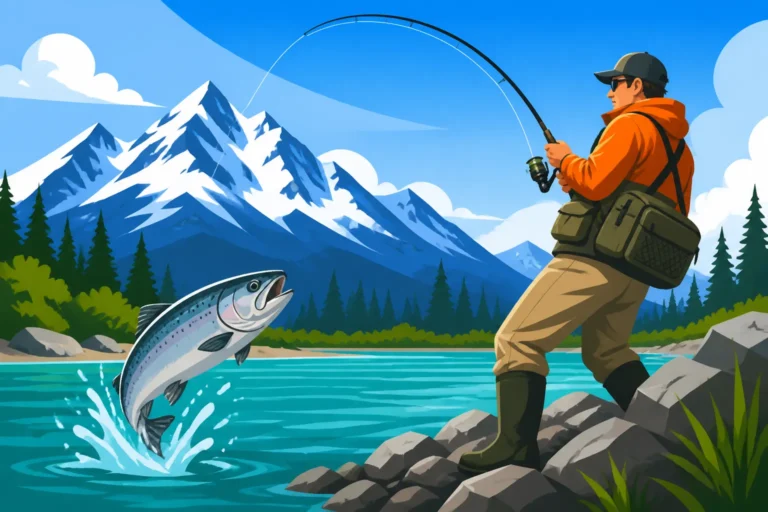
Shore Fishing in Resurrection Bay: There are a few accessible spots around Seward where you can cast a line from shore into Resurrection Bay. Areas like Lowell Point, just south of town, can be productive for salmon, especially during the Coho runs in late summer. Anglers typically use medium-heavy spinning gear, casting spoons, spinners, or bait (where legal) into the deeper water. The tides play a significant role here, so understanding tidal movements can greatly improve your chances. It’s a great way to enjoy the scenery and catch some fish without the cost of a charter, though success rates can be more variable than on a boat.
Freshwater Bank Fishing: Just outside Seward, several creeks and rivers offer opportunities for bank fishing, particularly during salmon spawning runs. Bear Creek and the Seward Lagoon drainage are examples of local spots that can see salmon activity, attracting anglers who prefer fly fishing or spin fishing from shore. For trout and Dolly Varden, exploring smaller streams and lakes along the road system towards Moose Pass or Sterling can be productive. Be sure to consult the current Alaska Department of Fish and Game regulations for specific freshwater bodies, as rules regarding bait, gear, and catch limits can be very strict and change frequently, especially for protected species like rainbow trout or King salmon. Local tackle shops in Seward are an invaluable resource for up-to-date information on what’s biting and where.
Seward Fishing Spots and Access
Seward's fishing landscape is incredibly diverse, offering everything from vast saltwater expanses to intimate freshwater creeks. Knowing where to go and how to access these spots is key to making the most of your angling adventure. Whether you're hiring a professional or venturing out on your own, a little local knowledge goes a long way.
Resurrection Bay's Hotspots
Resurrection Bay is a treasure trove of fishing grounds, and while charter captains have their secret spots, there are well-known areas that consistently produce fish. The beauty of fishing with a local guide is their ability to navigate these diverse grounds, adapting to daily conditions and fish movements. Many charters departing from Seward’s bustling boat harbor will head to these general vicinities, but always listen to your captain’s advice, as conditions can change rapidly.
Out in the Open Bay: For halibut, charters often head to deeper waters outside the immediate harbor area, towards the mouth of the bay or even further into the Gulf of Alaska, depending on conditions and regulations. Specific zones often referred to by captains include areas near Cape Resurrection and the deeper channels around Fox Island. These areas feature a mix of rocky ledges and soft bottoms where halibut lie in wait. For salmon trolling, the middle of Resurrection Bay, particularly around the Caines Head area or near the entrance to Thumb Cove, often produces good results, especially for silvers and kings. These are prime feeding grounds for salmon as they stage before entering freshwater systems.
Nearshore Structures and Coves: For rockfish and lingcod, charters will typically focus on rocky reefs, kelp beds, and submerged structures closer to the bay’s many islands and shorelines. Places like the waters around Aialik Peninsula or the numerous coves and inlets within Resurrection Bay offer ideal habitat for these species. Anglers can expect to drop jigs or bait directly over these structures. While most of these spots require a boat, knowing their general location gives you a better appreciation for where your charter captain is taking you and why, demonstrating the rich diversity of the bay's ecosystem.
Roadside and Remote Freshwater Access
For anglers looking to explore freshwater without a boat, Seward offers several accessible spots, predominantly along the Seward Highway and within easy reach of town. These areas provide a chance to experience a different side of Alaskan fishing, often in stunning natural settings. However, always be mindful of private property, regulations, and potential bear activity, especially when salmon are present.
The Seward Highway Corridor: As you drive north from Seward along the highway, you’ll find numerous opportunities. Bear Creek, located just a few miles outside of town, is a popular spot during salmon runs, particularly for sockeye and coho. It offers relatively easy bank access, though it can get crowded during peak times. Anglers here typically use fly rods or spinning gear with small lures or beads. Further north, the road system opens up to a myriad of lakes and streams on the Kenai Peninsula, known for their rainbow trout and Dolly Varden, although these might require a longer drive. It's important to remember that regulations can change frequently on these systems, so checking the current ADF&G regulations is paramount.
Access near Exit Glacier and Local Trails: For a more secluded experience, some smaller creeks and ponds accessible via hiking trails near Exit Glacier or within the Chugach National Forest can offer rewarding fishing for Dolly Varden or small resident trout. These are often less pressured and provide a peaceful angling experience amidst breathtaking scenery. Always carry bear spray and know how to use it when venturing into these more remote areas. Local sporting goods stores in Seward can provide specific directions and up-to-date information on fish activity and regulations for these less-traveled spots, making them a valuable first stop before your adventure.
| Species Targeted | Best Season | Common Methods | Typical Locations |
|---|---|---|---|
| Pacific Halibut | June – August | Bottom Fishing | Deep Bay & Gulf Waters |
| King Salmon | May – June | Trolling | Resurrection Bay |
| Sockeye Salmon | July – Early August | Trolling, Bank Fishing | Resurrection Bay, Local Streams |
| Coho Salmon | August – September | Trolling, Shore Casting | Resurrection Bay, Local Creeks |
| Pink Salmon | July – Early August | Trolling, Bank Fishing | Resurrection Bay |
| Rockfish | June – September | Jigging, Bottom Fishing | Rocky Reefs, Nearshore Structures |
| Lingcod | June – September | Jigging, Bottom Fishing | Rocky Reefs, Deep Structures |
| Rainbow Trout | Year-round (open season) | Fly Fishing, Spin Fishing | Local Creeks, Lakes (Kenai Peninsula) |
| Dolly Varden | Year-round (open season) | Fly Fishing, Spin Fishing | Local Creeks, Lakes |
Planning Your Seward Fishing Adventure
Embarking on a fishing trip to Seward is an exciting prospect, but a little planning goes a long way to ensure a smooth and successful experience. From choosing the right professionals to knowing what to bring and understanding the rules, being prepared will enhance your time on the water and help you land that trophy catch.
Choosing the Right Charter or Guide
For many, a fishing charter is the quintessential Seward experience, especially if you're targeting halibut or plan to venture into the deeper waters of Resurrection Bay. With numerous operators vying for your business, selecting the right one can feel overwhelming. It's not just about finding an available boat; it's about finding a reputable, experienced captain who prioritizes safety and customer satisfaction.
Start your search by reading reviews and asking for recommendations. Look for charters that specialize in the species you're most interested in catching. Some focus heavily on halibut, while others offer combination trips for salmon and rockfish. Inquire about the boat size, amenities, and group size. A smaller boat might offer a more intimate experience, while a larger vessel could provide more stability in choppier waters. Platforms like FishingBooker are excellent resources for comparing different Seward charters, reading angler reviews, and checking availability, allowing you to book with confidence.
Don't hesitate to ask questions about what's included in the price—does it cover all gear, bait, and fish cleaning? What's their policy on bad weather cancellations? Knowing these details upfront will prevent any surprises. A good charter company, like those often recommended on travel forums or found via FishingBooker, will be transparent about their services and dedicated to providing a memorable Alaskan fishing adventure. Many even offer suggestions for lodging and other local activities, making them a one-stop shop for trip planning. For deeper insights, consider reading How to Choose an Alaska Fishing Charter.
Essential Gear and Packing Tips
Packing for an Alaska fishing trip, especially to a coastal town like Seward, requires careful consideration. The weather can be notoriously unpredictable, shifting from sunny and calm to rainy and windy in a matter of hours. Being prepared with the right clothing and gear will keep you comfortable and focused on the fishing, regardless of what Mother Nature throws your way.
Clothing is Layering: The golden rule for Alaskan weather is layering. Start with a moisture-wicking base layer, add a warm fleece or wool mid-layer, and top it with waterproof and windproof outer shells. A good quality rain jacket and pants are non-negotiable; even on sunny days, boat spray can get you wet. Waterproof boots are also essential. Bring a warm hat, gloves, and polarized sunglasses to cut glare off the water. Trust me, you'd rather have too many layers than not enough when the wind picks up on Resurrection Bay.
Fishing Gear (if not chartering): If you're planning on shore or freshwater fishing without a charter, you’ll need to bring your own gear. For salmon, a medium-heavy spinning rod (8-10 ft) with a durable reel spooled with 30-50 lb braided line is a good all-around choice. For trout, lighter spinning gear or a 6-8 weight fly rod will suffice. Don't forget a tackle box stocked with a variety of spoons, spinners, jigs, and lead weights appropriate for your target species and fishing style. A sturdy net and pliers are also invaluable. If you're on a charter, they typically provide all the fishing gear, but it's always wise to confirm this beforehand. For more advice, check out Alaska Fishing Gear and Tackle Guide.
Understanding Regulations and Licenses
Alaska has some of the most comprehensive and strictly enforced fishing regulations in the world, designed to protect its precious fisheries. Before you even cast a line in Seward, it's absolutely critical to understand and comply with these rules. Ignorance of the law is not an excuse, and violations can result in hefty fines and even loss of fishing privileges.
Fishing License Requirements: Every angler over the age of 16 needs a valid Alaska fishing license. Non-residents have several options, including 1-day, 3-day, 7-day, 14-day, and annual licenses, while residents have annual choices. You can purchase your license online through the Alaska Department of Fish and Game (ADF&G) website, or from local vendors in Seward, such as tackle shops or general stores. Remember, if you plan to target King Salmon, you'll also need to purchase a King Salmon Stamp, which is an additional endorsement on your license. Details on this can be found in Do You Need a King Salmon Stamp in Alaska.
Bag Limits, Size Limits, and Emergency Orders: Regulations vary significantly by species, waterbody, and even time of year. For instance, halibut have daily bag limits, annual limits, and often size restrictions or "reverse slot limits" that can change based on the management area. Salmon limits are also species-specific and can be different for saltwater versus freshwater. It's imperative to consult the current Alaska Sport Fishing Regulations Summary for the Southcentral region (which includes Seward) before you fish. Crucially, always check for "Emergency Orders" issued by the ADF&G, which can change regulations overnight due to conservation concerns. These are often posted at boat launches, online, and local tackle shops. A helpful read is Alaska Fishing Regulations Explained to get a general overview.
Disclaimer
The information provided in this guide is for general informational purposes only and is subject to change. Fishing regulations in Alaska are dynamic and can be altered at any time by the Alaska Department of Fish and Game (ADF&G) through emergency orders. Always consult the most current ADF&G regulations, emergency orders, and local advisories before engaging in any fishing activities. Adherence to all applicable laws and regulations is the sole responsibility of the angler.