Alaska Rockfish: Size, Season, and Where to Catch
If you've ever cast a line in Alaska's saltwater, chances are you've heard the term "rockfish" tossed around quite a bit. But here's the thing: it's not just one fish! Many anglers, especially those new to the Last Frontier, often find themselves wondering what exactly they've hooked when a colorful, spiny creature comes up from the deep. This comprehensive guide will peel back the layers on Alaska's diverse rockfish species, covering their typical sizes, when and where you can best catch them, and what gear you'll need to be successful.
Understanding Alaska Rockfish: More Than Just "Rockfish"
It's easy to assume "rockfish" refers to a single species, much like "salmon" is a distinct category. But in Alaska, the term "rockfish" actually encompasses a large family of marine fish belonging to the genus Sebastes. There are dozens of species swimming in Alaskan waters, and while they share some common characteristics – like their spiny fins and preference for rocky habitats – they vary wildly in size, color, and depth preference. Understanding this diversity is key to truly appreciating and targeting these fascinating creatures.
A Diverse Family of Bottom Dwellers
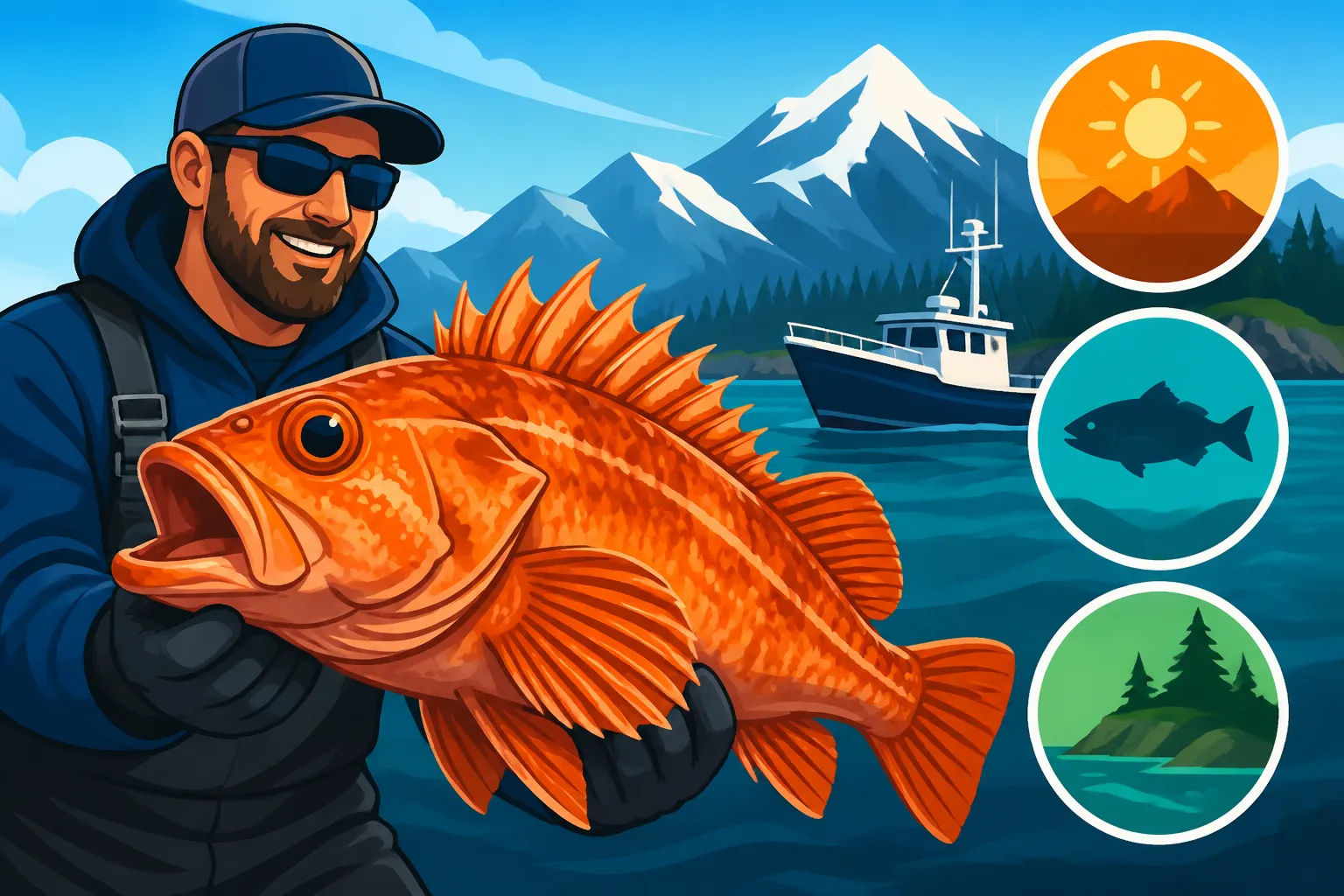
When most people talk about rockfish in Alaska, they're usually thinking of a few dominant species that are commonly caught by sport anglers. The Yelloweye Rockfish, often mistakenly called "Red Snapper" (which is a Gulf of Mexico species), is probably the most sought-after due to its impressive size and vibrant orange-red color. Then there's the Black Rockfish, a more uniformly dark fish that's abundant and often found in shallower waters. You also have the Quillback Rockfish, characterized by its high, spiny dorsal fin and mottled brown-orange coloring, and the China Rockfish, identifiable by its striking yellow stripes on a dark body. Each of these, and many others, brings a unique challenge and reward to the angler. These fish are true bottom dwellers, typically found hugging rocky structures, reefs, and ledges, which is precisely why they're so aptly named! Their habitat preference means they're often sharing the same waters with other prized groundfish like lingcod and even smaller halibut.
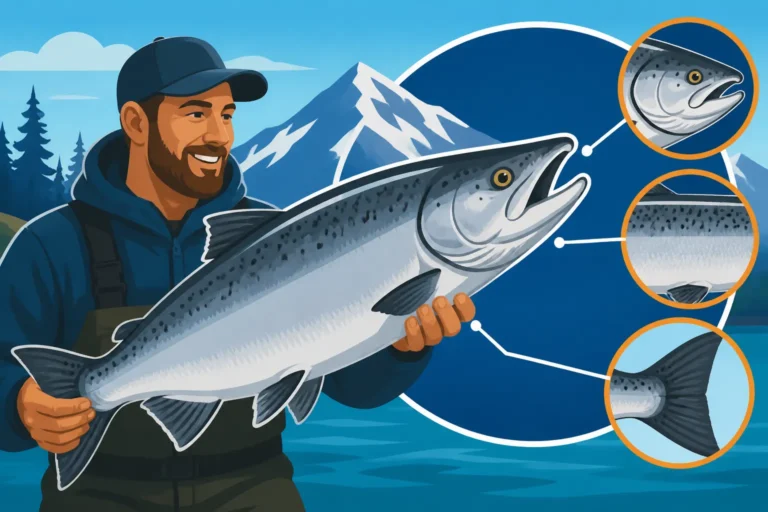
Key Identification Tips
Distinguishing between rockfish species isn't just for marine biologists; it's crucial for anglers too, especially given that regulations can sometimes differ slightly between species. For instance, the majestic Yelloweye Rockfish, with its bright orange-red body and distinctive yellow eyes, is often the target of specific regulations due to its slow growth and long lifespan. You'll typically find them in deeper waters, sometimes over 200 feet.
Black Rockfish, on the other hand, are often encountered in shallower to moderate depths, sometimes even right off shore. They're characterized by their dark, mottled gray to black bodies, and while they can grow to a respectable size, they generally don't reach the same trophy status as a Yelloweye. Their mouths are quite large, making them aggressive feeders.
Quillback Rockfish have a very prominent, spiny dorsal fin that can be quite rigid. Their coloring is usually a mix of brown and orange, often with dark blotches. These are typically found in rocky crevices and tend to be smaller than yelloweye or black rockfish. The China Rockfish is probably the easiest to spot with its two distinct, wide yellow bands that run along its dark body, usually from the head to the tail. They are smaller rockfish, often found in rocky shallows. Knowing these subtle differences will not only impress your fishing buddies but also help you comply with specific Alaska Fishing Regulations Explained for each species.
What to Expect: Size and Growth of Alaska Rockfish
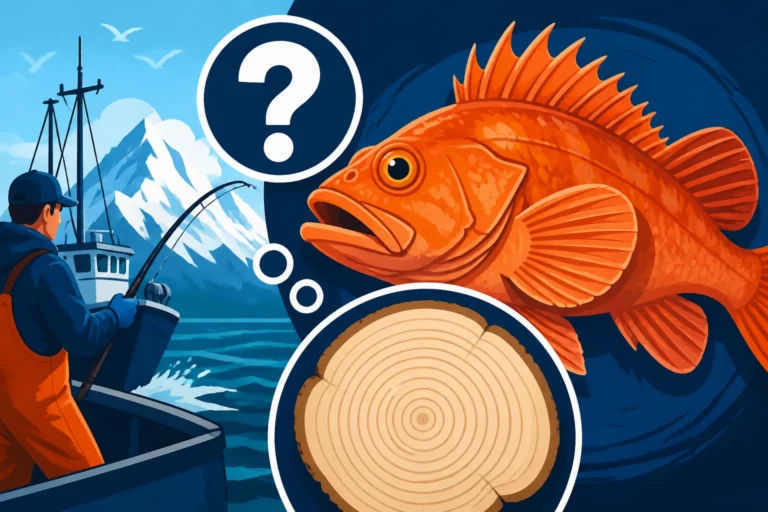
The size of rockfish you'll encounter in Alaska can vary dramatically, not just between species, but also within the same species depending on age, available food, and fishing pressure in a particular area. One of the most fascinating, and sometimes humbling, aspects of rockfish is their incredible longevity. Many species live for decades, with some, like the Yelloweye, capable of living over 100 years! This slow growth rate is a major factor in why conservation efforts, such as the use of deepwater release devices, are so important for these fish.
Average Sizes by Species
While there's always the chance of catching a true giant, most anglers will encounter rockfish within a typical size range for their species.
Let's look at some of the common ones:
- Yelloweye Rockfish: These are the heavyweights. While individuals can exceed 30 pounds and grow over 3 feet long, a common catch for an angler might be anywhere from 5 to 20 pounds. The largest ones are truly impressive, resembling small boulders when you bring them up.
- Black Rockfish: Often called "black bass" in some areas, these are a bit more modest in size. A typical Black Rockfish will weigh between 2 and 5 pounds and measure 15 to 25 inches. However, larger ones can certainly push 10 pounds. They are prolific and offer fantastic action.
- Quillback Rockfish: These usually fall into the 1 to 4-pound range, with lengths between 12 and 20 inches. They are a stout, feisty fish for their size.
- China Rockfish: Generally smaller, Chinooks typically weigh 1 to 3 pounds and are between 10 and 18 inches long. They make up for their smaller size with their striking beauty.
Factors Influencing Rockfish Size
The adage "you are what you eat" holds true for rockfish. Their size and growth are profoundly influenced by the abundance of their prey, which often includes small crustaceans, baitfish, and squid. A prime fishing ground with a rich food source will naturally support larger, healthier fish. Water temperature also plays a role; colder Alaskan waters often lead to slower metabolic rates and thus slower growth, which contributes to their long lifespans.
Beyond diet, habitat quality and fishing pressure are critical. Areas with abundant, complex rocky structures provide not only food but also protection from predators, allowing rockfish to grow old and large. Heavily fished areas, on the other hand, might see a reduction in the average size of fish, as the older, larger individuals are more frequently removed. This is why sustainable fishing practices, like respecting Alaska Fishing Limits and Bag Limits Explained and utilizing proper release techniques, are so vital for maintaining healthy rockfish populations. For instance, in areas like Prince William Sound, anglers are actively encouraged to practice careful catch and release, especially for larger rockfish, due to their vulnerability.
When to Target Rockfish: Seasons and Best Times
One of the great things about rockfish is their availability. Unlike salmon, which have specific and often fleeting run timings, many rockfish species are available for angling throughout much of the year in Alaska, particularly in the open ocean. However, there are certainly peak seasons and conditions that will dramatically increase your chances of success.
Year-Round Opportunities with Seasonal Peaks
While you can technically catch rockfish in Alaska almost any month of the year, especially if you have a sturdy boat capable of handling winter conditions, the prime season for sportfishing really kicks off in late spring and extends through early fall. This aligns with the milder weather, longer daylight hours, and the general salmon and halibut seasons, making it convenient for many anglers to combine their trips. From May through September, rockfish are actively feeding and more accessible to anglers, both from charters and private boats. During these months, the waters are generally calmer, and charter operations are in full swing, offering dedicated rockfish trips or combo charters that target Alaska Halibut and Salmon Charters.
Best Months and Conditions
The sweet spot for rockfish fishing typically runs from June through August, mirroring the peak tourist and fishing season in Alaska. During these months, the baitfish are abundant, and rockfish are aggressively feeding.
- June: As the weather warms and baitfish become plentiful, rockfish become very active. This is a great time, especially for Black Rockfish, which can be found in shallower depths as they move up to feed.
- July: Often considered the peak of the Alaska fishing season, July offers stable weather and highly active fish. Yelloweye and other deeper-dwelling rockfish are readily caught, and it's an excellent time for combo trips.
- August: The good fishing continues, with many species still very active. Towards the end of August, as the days shorten slightly, the rockfish bite remains strong.
Beyond specific months, certain conditions are also highly favorable. Look for:
- Slack Tide: Many bottom fish, including rockfish, prefer to feed during slack tide (the period of minimal water movement between incoming and outgoing tides). This is because strong currents make it harder for them to hold their position near structure and ambush prey. Fishing during these windows can be incredibly productive.
- Overcast Days: While not strictly necessary, overcast conditions can sometimes encourage rockfish to feed more aggressively, especially shallower species, as the light penetration is reduced.
- Structure: Always remember that rockfish love structure. No matter the season or tide, fishing around rocky reefs, pinnacles, and ledges will be your best bet.
| Species | Average Size (lbs) | Typical Depth (feet) | Distinguishing Features | Prime Season |
|---|---|---|---|---|
| Yelloweye Rockfish | 5-20 | 100-600 | Bright orange-red, yellow eyes, rough scales | June – August |
| Black Rockfish | 2-5 | 20-300 | Dark gray/black, large mouth, often mottled | May – September |
| Quillback Rockfish | 1-4 | 50-400 | High, spiny dorsal fin; mottled brown/orange | May – September |
| China Rockfish | 1-3 | 20-300 | Two distinct yellow stripes on dark body | May – September |
| Lingcod (often confused with rockfish) | 10-50 (can be 80+) | 30-700 | Elongated body, large mouth with sharp teeth, mottled gray/brown | May – September |
Note: Lingcod is not a rockfish but is often caught in similar habitats and frequently confused with them due to shared characteristics and deepwater environments. They are also subject to specific Alaska Lingcod Fishing Regulations and Limits.
Where to Find Them: Top Alaska Rockfish Habitats
Rockfish are creatures of habit, and their name really says it all: they live among the rocks! Pinpointing the best rockfish spots in Alaska means looking for specific underwater topography. Whether you're in a big boat heading offshore or casting from a small skiff near the coast, understanding their preferred habitat is paramount.
Deep Reefs and Rocky Structures
The prime real estate for rockfish is anywhere there's significant underwater structure. This includes:
- Submerged Reefs and Pinnacles: These underwater mountains and ridges provide perfect ambush points and shelter. Rockfish will school around these features, often holding tight to the structure or just above it, waiting for prey to drift by.
- Rock Piles and Ledges: Drop-offs, ledges, and areas with large aggregations of rocks offer the ideal environment. The more complex the structure, with plenty of nooks and crannies, the better. This is where you'll find a mix of species, from the smaller quillbacks hiding in tight spaces to larger yelloweye patrolling the edges.
- Wreck Sites: Sunken ships or other debris can create artificial reefs that become magnets for rockfish, providing new structures in otherwise barren areas.
Understanding your boat's fish finder and bottom topography maps is absolutely essential. You're not looking for flat, sandy bottoms; you're looking for jagged lines, sudden depth changes, and hard returns that indicate rock. Many experienced charter captains in places like Seward or Sitka will spend a good amount of time idling over potential spots, carefully watching their sonar for signs of fish holding on structure.
Popular Fishing Locales
Alaska is vast, but several regions and specific areas are renowned for their rockfish populations:
- Southeast Alaska (Sitka, Ketchikan, Juneau): This region is a rockfish paradise. The countless islands, fjords, and offshore seamounts provide an endless network of prime habitat. Sitka, in particular, is famous for its productive offshore waters, yielding not only exceptional salmon and halibut but also a wide variety of rockfish, including impressive Yelloweye. Ketchikan and Juneau also offer fantastic rockfish opportunities closer to shore, especially for Black Rockfish. For travelers, many local Ketchikan Salmon Fishing Guide services also offer opportunities for rockfish.
- Southcentral Alaska (Seward, Homer, Valdez): Along the Gulf of Alaska coast, communities like Seward and Homer are major hubs for saltwater charters, and rockfish are a significant part of the catch. Resurrection Bay near Seward, and Kachemak Bay out of Homer, have numerous productive rockfish grounds. Valdez, though perhaps better known for its silvers, also holds good populations of rockfish in Prince William Sound's deep, rocky fjords. Consider a Seward Halibut Fishing Guide to explore the deeper waters where Yelloweye often reside.
- Kodiak Island: The waters around Kodiak Island are legendary for their abundant fish life, including robust populations of rockfish. The rugged coastline and deep ocean trenches make it an ideal environment for large specimens.
When planning your trip, you might find that many excellent Best Fishing Spots in Alaska for salmon or halibut are also prime rockfish territory. Often, guides will target rockfish as part of a multi-species trip or when the salmon/halibut bite is slow, showcasing their versatility and willingness to bite.
Essential Gear and Techniques for Rockfish
Successfully catching rockfish in Alaska isn't overly complicated, but it does require the right tackle and a few key techniques. Since many species live in deeper water, you'll want gear that can handle the depth and the often-strong currents. And remember, ethical fishing practices, especially for deep-dwelling species, are paramount.
Rods, Reels, and Terminal Tackle
Given their rocky homes, you can expect to get snagged, so having robust gear is a must.
- Rods: A medium-heavy to heavy conventional rod, often 6 to 7 feet long, with a fast action is ideal. You need something stout enough to handle heavy weights (8-16 oz, sometimes more depending on current and depth) and strong enough to muscle a fish away from structure. A jigging rod with a sensitive tip but strong backbone is also a popular choice.
- Reels: A conventional star drag or lever drag reel spooled with 60 to 80-pound braided line is standard. Braided line is crucial because it has no stretch, allowing you to feel subtle bites in deep water and maintain direct contact with your lure or bait. It also cuts through the water better than monofilament, reducing drag. Brands like Shimano or Penn make excellent reels suitable for this application.
- Terminal Tackle:
- Hooks: Circle hooks (4/0 to 8/0) are highly recommended, especially when bait fishing, as they tend to hook fish in the corner of the mouth, leading to fewer gut-hooked fish and better release rates.
- Weights: Pyramid or cannonball sinkers ranging from 8 ounces to a pound or more are common. The exact weight will depend heavily on the depth and strength of the current.
- Rigs: A simple dropper loop rig or a three-way swivel rig works well. Many anglers use a lead-head jig on the bottom with a dropper loop above it for bait.
- Deepwater Release Device: This isn't just gear; it's a conservation tool. For rockfish caught from deep water (typically anything over 60 feet), their swim bladders expand rapidly due to the pressure change, making it impossible for them to swim back down on their own. A deepwater release device allows you to return the fish to depth, increasing its survival chances. You can find several effective models on platforms like Amazon, and every responsible Alaskan rockfish angler should carry one. It's often required by regulation or highly recommended by the Alaska Department of Fish and Game.
Effective Fishing Techniques
Rockfish are aggressive feeders, but you need to present your offering correctly to entice a bite.
- Jigging: This is one of the most effective methods. Heavy lead jigs (4-12 oz) with large, flashy plastics or rubber worms are deadly. Drop your jig to the bottom, reel up a few feet, and then aggressively jig it up and down, letting it fall back on a semi-slack line. The erratic motion mimics an injured baitfish. Some popular jig types for rockfish include P-Line Laser Minnows or larger herring-pattern jigs.
- Bait Fishing: Using cut bait, such as herring, squid, or even chunks of salmon, on a dropper loop rig with a weight on the bottom is highly effective. Drop your bait to the bottom, reel up a few feet to avoid snags, and let the current do the work. Pay close attention to subtle tugs.
- Drift Fishing: Often, the most productive method is to drift over rocky structure. This allows you to cover more ground and present your lure or bait to more fish. Your captain will position the boat to drift over known rockfish habitats. It's important to constantly adjust your weight to keep your offering near the bottom as the depth changes. This is also a technique used often in How to Drift Fishing for Salmon in Alaska but adapted for saltwater bottom dwellers.
- Understanding Currents: Always be mindful of the current. Too much current will make it impossible to get your gear to the bottom or hold it effectively. Your captain will often plan drifts around slack tides or in areas where the current is manageable.
Remember, rockfish are often found in schools, so if you catch one, there's a good chance there are more nearby! Mark the spot on your GPS, and consider another drift through the same area. Also, for certain regions like the Kenai Peninsula, understanding Alaska Rockfish Retention and Release Rules, especially concerning specific species like Yelloweye, is crucial for compliance and conservation.
Disclaimer
Please note that fishing regulations in Alaska can change frequently due to emergency orders and conservation efforts. Always consult the most current Alaska Department of Fish and Game regulations for the specific area you plan to fish before heading out on the water. This guide is for informational purposes only and should not be considered a substitute for official regulations.