King vs Sockeye Salmon Differences
When you're dreaming of an Alaska fishing adventure, the sheer variety of salmon can be both thrilling and a little overwhelming. Many anglers, especially those new to the Last Frontier, often find themselves wondering about the difference between a majestic King Salmon and a vibrant Sockeye. It's not just about size; these two iconic species offer entirely different fishing experiences, culinary delights, and biological wonders. This comprehensive guide will break down everything you need to know about King Salmon versus Sockeye, helping you understand their unique characteristics, habitats, and what to expect when you encounter them.
Understanding the Royalty and the Ruby: A General Overview of King and Sockeye Salmon
Alaska's waters are world-renowned for their abundant salmon runs, and among the five Pacific salmon species, King (Chinook) and Sockeye (Red) stand out for distinct reasons. One is celebrated for its immense size and powerful fight, often earning it the title of "King," while the other is revered for its brilliant red flesh and spirited battles, making it a true "ruby" of the rivers. Knowing these fundamental distinctions sets the stage for appreciating their individual roles in the Alaskan ecosystem and in the angler's pursuit.
King Salmon: The Chinook's Grandeur
Often considered the pinnacle of the Pacific salmon species, the King Salmon, or Chinook, commands respect. These magnificent fish are the largest of all Pacific salmon, regularly tipping the scales far beyond their sockeye cousins. Their sheer power and impressive size make them a coveted catch for sport fishermen worldwide. When a King Salmon takes your bait, you're not just in for a fight; you're in for a true test of strength, skill, and tackle. Their migratory patterns often bring them into large, powerful rivers like the Kenai and the Nushagak, offering some of the most exhilarating freshwater fishing opportunities in Alaska. The pursuit of King Salmon is an experience steeped in tradition and the thrill of the chase. For a deeper dive into these giants, you can explore our guide on Alaska King Salmon: Complete Guide.
Sockeye Salmon: The Sockeye's Splendor
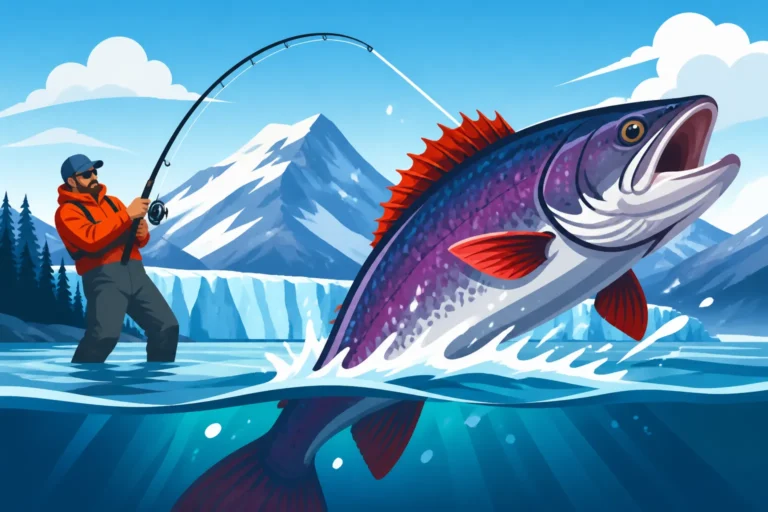
In stark contrast to the King's grandeur, the Sockeye Salmon, also known as Red Salmon, offers a different kind of splendor. While smaller in stature, Sockeye are legendary for their vibrant, ruby-red flesh, which is highly prized for its flavor and nutritional value. They are also famous for their incredible numbers during the annual salmon runs, particularly in rivers like the Kenai and the Russian River, where "combat fishing" for Sockeye is a unique and exciting Alaskan tradition. Unlike Kings, Sockeye are primarily plankton feeders in their ocean phase, which contributes to their distinct red coloration. When they return to freshwater to spawn, their bodies transform into a brilliant red hue, with green heads, making them one of the most visually striking fish you'll encounter. For more specific details on this prized species, check out our article, Alaska Sockeye Salmon Explained.
Telling Them Apart: Physical Distinctions and Identification
While both are salmon, King and Sockeye have several key physical characteristics that make identification relatively straightforward once you know what to look for. It's not just about their size; subtle differences in their mouths, tails, and overall body shape are tell-tale signs for discerning anglers. Being able to correctly identify your catch is crucial, not only for bragging rights but also for adhering to specific regulations that often differ by species.
External Appearance: Coloration, Spots, and Shape
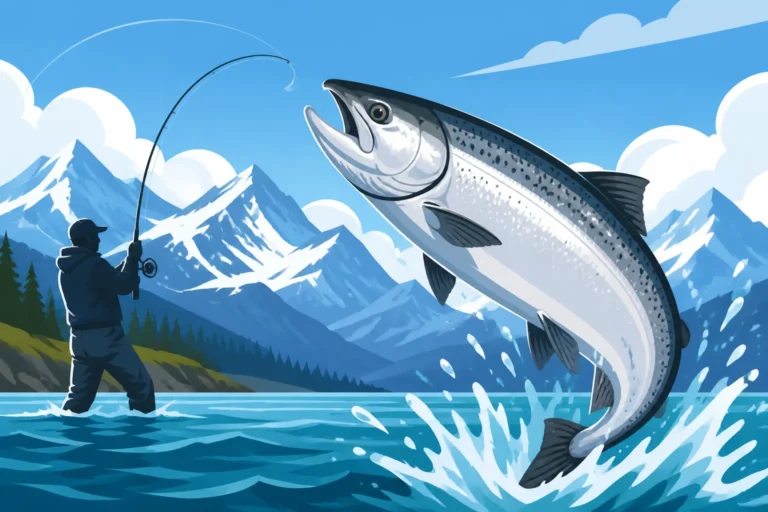
At a glance, a King Salmon typically boasts a darker, metallic silver-blue back fading into silvery sides, often with irregular, large black spots covering both the back and the entire upper and lower lobes of its tail fin. These spots are a critical identifier. Their body shape tends to be more robust and deep-bodied, reflecting their powerful build. In contrast, ocean-phase Sockeye are usually a brighter, more iridescent blue-green on their backs with silvery sides, and critically, they have no distinct black spots on their backs or tail fins. While they might have a fine speckling, it's never the prominent, irregular spotting seen on Kings. When Sockeye enter freshwater, their bodies rapidly transform into a striking deep red, with green heads and tails, a vivid change that makes them unmistakable during their spawning phase.
Mouth and Gums: A Key ID Marker
One of the most reliable ways to differentiate between a King and a Sockeye, particularly when they are fresh from the ocean, involves examining their mouths and gums. A King Salmon will typically have a black mouth with black gums. This characteristic is consistent across all sizes and life stages while in saltwater or fresh. If you gently lift the gill plate and peer inside, the black gums are quite distinctive. Sockeye Salmon, on the other hand, have white or pale gums with a generally paler mouth interior. This contrast in gum color is a foolproof method for identification, even for anglers who are still learning to spot the more subtle external differences. Always be respectful when handling fish for identification, ensuring minimal stress to the animal. For more tips on identifying different salmon species, our guide on How to Identify Alaska Salmon Species can be incredibly helpful.
Size and Weight: The Obvious Differences
Perhaps the most immediately apparent difference between these two species is their size. King Salmon are, without question, the largest of the Pacific salmon. An average King Salmon caught by sport fishermen in Alaska might range from 20 to 40 pounds, with trophy fish regularly exceeding 50 or even 60 pounds. The world record King Salmon was an astounding 97-pound fish caught in the Kenai River. These massive fish are built for power and endurance. Sockeye Salmon are significantly smaller. An average Sockeye typically weighs between 6 and 12 pounds, with some larger individuals reaching up to 15 pounds. While they don't offer the sheer brute strength of a King, Sockeye are renowned for their feisty, acrobatic fights, especially on lighter tackle.
Here's a quick comparison table for identification:
| Feature | King Salmon (Chinook) | Sockeye Salmon (Red) |
|---|---|---|
| Average Size | 20-40 lbs (often larger, up to 90+ lbs) | 6-12 lbs (rarely exceeding 15 lbs) |
| Coloration (Ocean) | Dark metallic blue-green back, silvery sides | Bright blue-green back, silvery sides |
| Coloration (Spawning) | Dark olive-brown to blackish, often reddish hues | Brilliant red body, green head |
| Tail Spots | Large, irregular black spots on both lobes | No distinct black spots on tail lobes |
| Back Spots | Irregular black spots on the back | No distinct black spots on the back |
| Mouth/Gums | Black mouth, black gums | White or pale gums |
| Body Shape | Robust, deep-bodied | More slender, torpedo-shaped |
Life on the Line: Habitat, Diet, and Life Cycle Disparities
The distinct physical attributes of King and Sockeye Salmon are intimately linked to their different life strategies, from where they choose to live to what they eat. Understanding these ecological distinctions is not only fascinating but also highly practical for anglers, as it informs where and when to find each species and what techniques might be most effective.
Preferred Habitats and Spawning Grounds
King Salmon are known for their preference for large, deep river systems with strong currents, often undertaking some of the longest freshwater migrations of any Pacific salmon. Iconic King Salmon rivers include the Kenai, Nushagak, and Susitna, which offer the expansive, powerful waters these large fish require. They typically spawn in mainstem rivers or larger tributaries, preferring deep, gravelly runs. Their eggs require a good flow of clean, oxygenated water. Sockeye Salmon, on the other hand, have a much more specialized habitat requirement. A defining characteristic of Sockeye is their strong reliance on lakes during a significant portion of their freshwater life cycle. After hatching in river systems connected to lakes, juvenile Sockeye often spend one to three years rearing in these lakes before migrating to the ocean. When they return to spawn, they typically seek out tributary streams flowing into or out of these specific lake systems, or sometimes the lake shallows themselves. This lake-rearing phase is crucial for their survival and influences their migratory timing and distribution. Many of the most productive Sockeye runs, such as those in Bristol Bay or the Kenai River, are associated with vast lake systems.
What's for Dinner: Foraging Habits
The dietary habits of King and Sockeye Salmon are strikingly different, and these differences directly impact their flesh color and flavor. In the ocean, King Salmon are formidable predators, feeding primarily on other fish like herring, sandlance, and juvenile pollock, as well as squid and crustaceans. This protein-rich diet fuels their rapid growth and contributes to their typically reddish-orange, fatty flesh. When fishing for Kings, understanding their predatory nature is key, as they are often targeted with baitfish imitations, cured eggs, or even live bait. Sockeye Salmon, however, are largely planktivores in their marine phase. They primarily filter-feed on zooplankton, which are tiny marine crustaceans. This diet, particularly rich in carotenoids from these plankton, is responsible for the intense, deep red color of their flesh. It's a prime example of "you are what you eat" in the salmon world! This planktonic diet also means that Sockeye are notoriously difficult to catch with traditional lures and baits once they enter freshwater and stop feeding. Anglers targeting Sockeye must employ specific techniques, often involving "flossing" or "flipping" to hook them in the mouth as they migrate upstream.
Journey and Destiny: Life Cycle Overview
Both King and Sockeye salmon exhibit an anadromous life cycle, meaning they hatch in freshwater, migrate to the ocean to feed and grow, and then return to freshwater to spawn and complete their life cycle. However, the timing and duration of these stages can vary significantly. King Salmon typically spend 1 to 2 years in freshwater as juveniles before migrating to the ocean, where they can spend 2 to 7 years growing before returning to their natal streams to spawn. This longer ocean residency allows them to achieve their impressive sizes. Their runs in Alaska typically peak from May through July, depending on the river system. Sockeye Salmon, as mentioned, usually spend 1 to 3 years rearing in lakes after hatching. They then migrate to the ocean, spending 1 to 4 years there before returning to their spawning grounds. Their freshwater phase is often longer, and their ocean phase slightly shorter than Kings. Sockeye runs are often incredibly dense and concentrated, peaking from late June through July in most systems. Understanding Alaska Salmon Run Timing Explained is essential for planning a successful fishing trip for either species.
Beyond the Catch: Culinary Qualities and Eating Experience
After the thrill of the catch, one of the most rewarding aspects of Alaska fishing is enjoying the delicious bounty. King and Sockeye salmon are both highly sought after for their culinary attributes, but they offer distinct eating experiences. Their differences in flesh color, texture, flavor, and nutritional content make each species unique in the kitchen, catering to different preferences and cooking methods.
Flesh Color, Flavor, and Texture
The most striking difference visually between King and Sockeye salmon, once filleted, is the color of their flesh. King Salmon typically have a rich, vibrant orange-red to deep red flesh. This is due to their diet of high-fat forage fish and crustaceans. Their flesh is known for being incredibly rich, buttery, and succulent, with a high fat content that lends itself to a luxurious mouthfeel. The flavor is robust and distinctly "salmon-y," making it a favorite for many connoisseurs. Sockeye Salmon, on the other hand, are famous for their intense, deep ruby-red flesh – often described as the reddest of all salmon. This deep color is a direct result of their plankton-rich diet in the ocean. Sockeye meat is leaner than King Salmon, with a firmer texture and a clean, less oily, yet still rich, flavor. It holds together beautifully, making it versatile for various cooking applications.
Nutritional Value and Health Benefits
Both King and Sockeye salmon are powerhouses of nutrition, packed with lean protein, essential vitamins, and beneficial omega-3 fatty acids. However, their specific nutritional profiles do vary. King Salmon, with its higher fat content, typically boasts a greater amount of Omega-3 fatty acids per serving compared to Sockeye. Omega-3s are crucial for heart health, brain function, and reducing inflammation. They are also an excellent source of Vitamin D, B vitamins, and minerals like selenium. Sockeye Salmon, while leaner, is still an outstanding source of Omega-3s and is rich in protein, Vitamin D, and B12. Its vibrant color comes from astaxanthin, a powerful antioxidant that offers its own health benefits, including supporting eye health and reducing oxidative stress. So, while King Salmon might offer a slight edge in total Omega-3s due to its fat content, both species are incredibly healthy choices for a balanced diet.
Best Cooking Methods for Each Species
The differing fat content and texture of King and Sockeye salmon mean that certain cooking methods will highlight their best qualities. For the rich, fatty King Salmon, cooking methods that allow its natural oils to shine are ideal. Grilling, broiling, baking, or pan-searing are all fantastic options. The high fat content helps prevent it from drying out, even if you slightly overcook it. Many chefs recommend a simple preparation with salt, pepper, and a squeeze of lemon to let the King's natural flavor dominate. Smoking is another popular method that truly elevates King Salmon, imparting a deep, smoky flavor that complements its richness. Given its firmer, leaner texture, Sockeye Salmon responds beautifully to methods that retain moisture and prevent it from drying out. Baking, poaching, or grilling quickly (perhaps in foil with some aromatics) are excellent choices. Sockeye also excels when canned or smoked, holding its beautiful color and firm texture through these processes. Because it's leaner, precise cooking times are a bit more critical to avoid dry fish.
Hooking the Right One: Fishing Techniques and Seasons
The allure of catching an Alaskan salmon is universal, but the approach you take will differ significantly depending on whether you're targeting the heavy-hitting King or the acrobatic Sockeye. Each species demands distinct techniques, specific gear, and a keen understanding of their seasonal runs. Getting equipped for the right fish is part of the adventure. If you're looking for guidance on licenses, check out the Alaska Fishing License: Complete Guide.
Targeting King Salmon: Power and Patience
Fishing for King Salmon is often a game of power and patience. These fish are big, strong, and notorious for their drag-screaming runs. You'll need heavy-duty gear to stand a chance. A medium-heavy to heavy action rod (8-10.5 feet for river fishing, shorter for trolling from a boat) paired with a robust baitcasting or spinning reel spooled with 25-50 lb test monofilament or braid is standard. When they are in freshwater, Kings actively feed, so bait is often key. Cured salmon roe, herring, or even large plugs like a Kwikfish or Brads KillerFish are highly effective. Techniques vary from back-trolling and drift fishing in rivers to trolling with downriggers in saltwater. On the Kenai River, for example, back-trolling large Kwikfish with scent is a common and productive method. Success often involves finding deep holes and runs where Kings hold, and then patiently presenting your offering. Getting set up with the right gear can often be done efficiently; many anglers find reliable options on platforms like Amazon for specific rods, reels, or even quality fishing line to handle these powerful fish. If you're interested in mastering the techniques, our guide on How to Catch King Salmon in Alaska offers invaluable advice.
Pursuing Sockeye Salmon: Finesse and Timing
Catching Sockeye Salmon, especially in freshwater, is a completely different ballgame that requires finesse and precise timing. Once Sockeye enter rivers, they largely stop feeding, meaning you can't rely on traditional baits and lures to entice a strike. Instead, the most common and effective technique for Sockeye in popular rivers like the Kenai and Russian River is "flossing" or "flipping." This involves using a heavy lead weight and a short leader (18-24 inches) tied to a bare, small, sharp hook (usually size 2/0 or 3/0, often with a small colored "fly" or yarn attached to provide contrast and legal weighting). The idea is to cast upstream and allow the weight to bounce along the bottom, letting the current sweep your leader and hook into the Sockeye's mouth as they swim upstream. It takes practice to feel the "take" – often just a slight hesitation or tap – and set the hook cleanly in the mouth. Lighter to medium action rods (8.5-10.5 feet) with spinning reels spooled with 20-30 lb braided line or monofilament are ideal for this technique, allowing you to feel the subtle bites. For more detailed instructions, look at our article How to Catch Sockeye Salmon in Alaska.
Prime Seasons for Each Species
Timing your trip to coincide with the peak runs of your target species is crucial for success in Alaska. King Salmon generally start their freshwater runs earlier in the season. In Southcentral Alaska, for instance, the first run of Kings typically arrives in May and early June, with a second, often larger, run arriving in late June and July. This makes May, June, and early July prime time for King Salmon fishing in many river systems. However, emergency orders can change regulations quickly, so it’s always important to check specific river closures. You can read more about Alaska King Salmon Fishing Regulations and Limits to stay informed. Sockeye Salmon runs typically peak later than Kings, often overlapping with the second King run. The peak Sockeye season usually kicks off in late June and runs strong through July. Rivers like the Kenai and Russian River see massive Sockeye returns during this window, providing incredible opportunities for shore-based anglers. For a comprehensive overview of when to plan your trip, explore the Alaska Fishing Seasons: Month-by-Month Guide and Best Fishing Spots in Alaska for specific locations.
The Bigger Picture: Conservation Status and Management Efforts
Fishing in Alaska isn't just about the thrill of the catch; it's also about being a responsible steward of these incredible natural resources. Both King and Sockeye salmon populations are carefully monitored and managed by the Alaska Department of Fish and Game (ADF&G), but they face different conservation challenges and are subject to varying regulations. Understanding these efforts helps ensure these magnificent fish continue to thrive for future generations. For a general overview of the regulations, refer to the Alaska Fishing Regulations Explained.
Current Stock Health and Challenges
King Salmon populations have faced significant challenges in recent years across many parts of Alaska, particularly in the larger river systems like the Kenai and Susitna. These declines are complex, attributed to a combination of factors including changing ocean conditions, habitat degradation, bycatch in commercial fisheries, and specific freshwater challenges. As a result, regulations for King Salmon fishing are often much more restrictive, frequently involving catch-and-release mandates, bait restrictions, gear limitations (like single-hook, barbless), or even outright closures for sport fishing during certain periods. These measures are designed to protect spawning stocks and help rebuild populations. Sockeye Salmon, while facing their own pressures, generally have much more robust populations. Iconic runs, like those in Bristol Bay, are among the largest salmon runs in the world. However, even healthy Sockeye populations require careful management to ensure sustainable harvests and to account for environmental fluctuations. Monitoring ocean temperatures, freshwater habitat quality, and predator-prey dynamics are ongoing challenges for both species.
Regulations and Sustainable Fishing Practices
Given the differing stock statuses, the regulations for King and Sockeye salmon often contrast sharply. King Salmon regulations are typically more stringent, with lower bag and annual limits, shorter seasons, and frequent in-season adjustments through emergency orders. Non-resident annual limits for King Salmon, for example, are usually very restricted. Anglers are often required to record their King Salmon catches on an Alaska Harvest Record Card. Sockeye Salmon, due to their greater abundance, generally have more liberal bag limits and longer seasons, although these can still be adjusted based on run strength. It's not uncommon for Sockeye daily bag limits to be 3-6 fish, while King limits might be 1 per day and 2-5 per year for non-residents, depending on the region. The key takeaway for any angler is the absolute necessity of checking the current Alaska Fishing Regulations Explained and any emergency orders before heading out, as regulations can change daily, especially for Kings. Practicing responsible catch-and-release for Kings when required, using appropriate gear, and adhering to all limits are vital for conservation. You can find more specific details on Sockeye limits in our Alaska Sockeye Salmon Fishing Regulations and Limits article.
Disclaimer
The information provided in this guide is for general informational purposes only and is subject to change. Fishing regulations in Alaska are dynamic and can be altered at any time by emergency order. Always consult the most current Alaska Department of Fish and Game (ADF&G) regulations booklet and check for emergency orders before engaging in any fishing activity. Your safety and adherence to all local, state, and federal laws are your responsibility.