Rarest Fish to Catch in Alaska
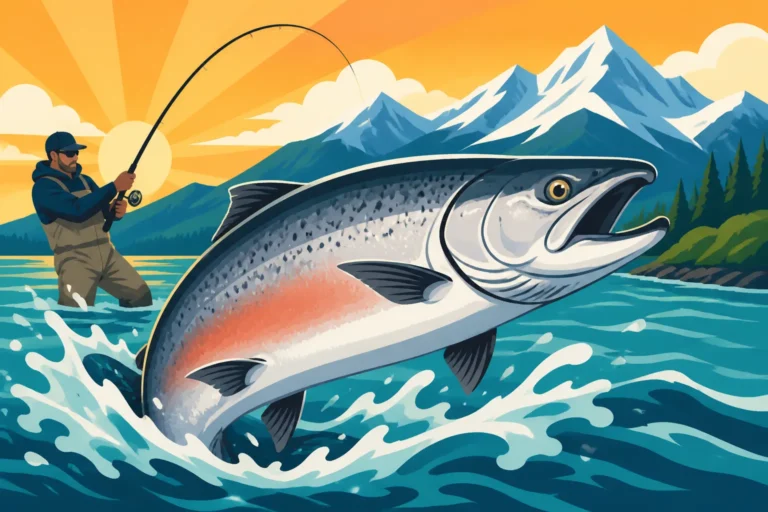
There's a special thrill that comes with fishing in Alaska, a state renowned for its incredible abundance of salmon and halibut. But beyond the well-known species that draw anglers from around the globe, there's another level of pursuit: the quest for the truly rare and elusive fish. It's a journey fraught with challenges, often leading to more stories of near misses than triumphant catches, but the possibility of encountering one of these Alaskan unicorns is what keeps dedicated anglers coming back. This guide is for those who dream beyond the daily limit, for those who seek the fish that few others ever see, let alone land.
What Defines a "Rare" Catch in Alaska?
When we talk about "rare" fish in Alaska, it's not always about species that are endangered or on the brink of extinction. In many cases, it's about fish that are simply incredibly difficult to locate, have very specific habitat requirements, or are present in such low numbers in accessible areas that catching one feels like winning the lottery. It's easy to get frustrated when you've heard tales of legendary catches but never experienced one yourself; understanding the nuances of rarity can help manage expectations and deepen your appreciation for these special creatures.
Distinguishing Rarity from Difficulty
First, let's clear something up. "Rare" isn't always the same as "difficult to catch." You might spend days trying to coax a finicky rainbow trout to bite in a heavily pressured stream, but that doesn't make rainbow trout rare. What makes a fish rare is its limited presence, either geographically or numerically, or perhaps its extremely short and unpredictable window of availability.
Think of it this way: Sockeye salmon are incredibly abundant during their runs, especially on rivers like the Kenai. Catching them can be challenging, involving specific techniques like flossing, and battling crowds. But you're almost guaranteed to see thousands of them. A true rare catch, however, might be a fish where you could spend an entire season targeting it and only encounter a handful, if any at all. This distinction is crucial for understanding why certain fish become legendary among Alaskan anglers. It's not just skill, but often immense patience, deep local knowledge, and a fair bit of luck.
Factors Contributing to Rarity in Alaskan Waters
Several factors contribute to a fish's elusive status in Alaska. It could be due to their natural life cycle, specific habitat needs, or even human impact. For instance, some species are naturally less prolific than others. Others might only thrive in extremely remote, hard-to-reach areas, requiring expensive fly-out trips to even have a chance. Weather patterns, water levels, and even ocean conditions can play a massive role, making a species that was present one year virtually disappear the next.
Consider fish like wild steelhead. Their anadromous nature means they spend part of their lives in the ocean and part in freshwater, but their freshwater runs are often much smaller, more scattered, and highly dependent on pristine, specific river systems. Or perhaps a fish has a very niche diet, making it unresponsive to common baits and lures. Anglers often spend years refining their approach, studying migration patterns, and consulting with local guides to even hope for a glimpse of these incredible species. This is why when you hear someone talk about "the one that got away" when targeting a rare species, it carries more weight than losing a common salmon.
The Truly Elusive: Deep Dives into Alaska's Rarest Fish
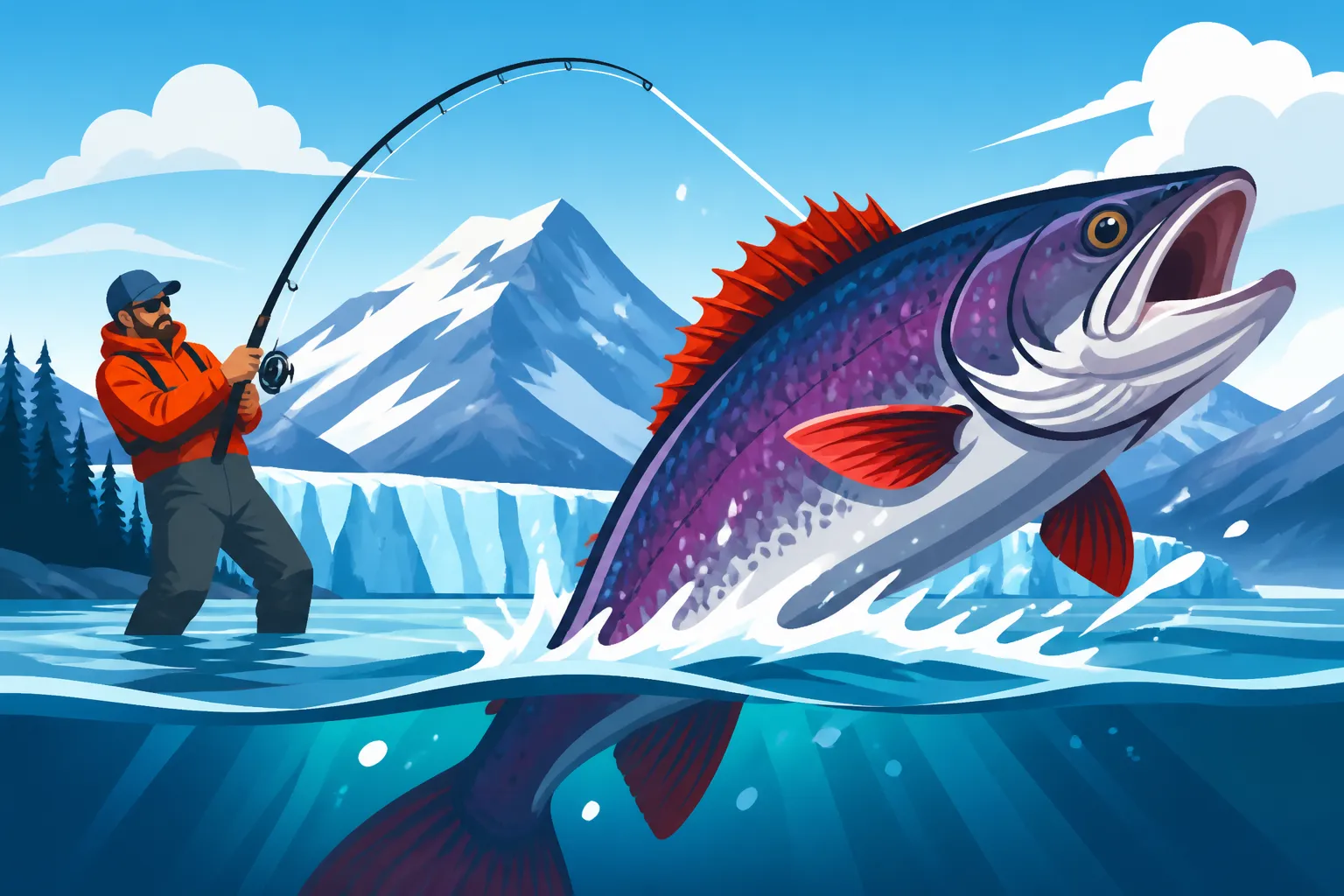
When it comes to the real unicorns of Alaska's fishing scene, a few species consistently top the list for their sheer elusiveness. These aren't just "hard to catch" — these are fish that dedicated anglers might spend an entire lifetime pursuing with only a handful of successful encounters, if any.
Wild Steelhead: Ghosts of the Pacific
Ah, wild steelhead. If there's one fish that evokes hushed tones and a sense of mystique among Alaska anglers, it's these magnificent sea-run rainbow trout. Unlike their resident rainbow trout cousins, steelhead embark on epic journeys to the ocean and return to spawn, exhibiting incredible strength and beauty. The challenge with wild steelhead isn't just their fighting prowess, it's their scarcity in many Alaskan river systems.
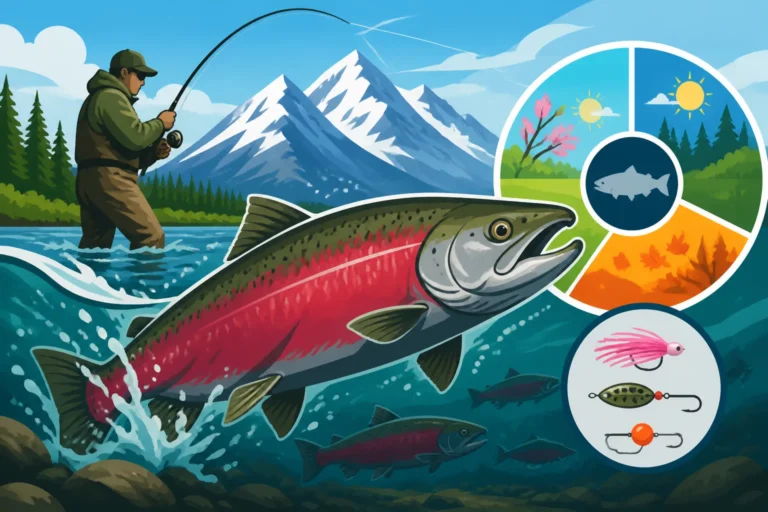
While some rivers in Southeast Alaska and the Kodiak Archipelago have more consistent runs, chasing wild steelhead on the Kenai Peninsula or in Southcentral Alaska is a completely different ballgame. They are truly ghosts, appearing in fleeting numbers, often during unpredictable weather windows like late fall or early spring, when fishing conditions are far from ideal. These fish demand impeccable fly-fishing techniques, often requiring long casts with switch rods or Spey rods, and a deep understanding of river currents and holding water. Their runs are notoriously difficult to predict, and anglers often spend days wading through icy waters, enduring harsh conditions for just a few precious hours of potential opportunity. If you're planning on pursuing these incredible fish, you'll want to bone up on Alaska Steelhead Catch-and-Release Rules to ensure their conservation. Finding a reliable guide who specializes in steelhead can significantly increase your chances, as they've often spent years decoding the secrets of these elusive fish.
Burbot: The Freshwater Cod with a Cult Following
Often affectionately called "poor man's lobster" due to its delicious, flaky white meat, the burbot is a fascinating and genuinely rare freshwater catch in many parts of Alaska, particularly for those who aren't specifically targeting them. These unique fish, the only freshwater member of the cod family, are primarily nocturnal and prefer deep, cold waters of lakes and slow-moving rivers. Their peak activity often occurs during the winter months, making them a prime target for ice anglers.
Catching burbot isn't just about dropping a line; it's about understanding their habits. They are typically found near the bottom, often around structures, and can be quite lethargic. You won't find them leaping out of the water like a silver salmon. Instead, their bite can be subtle, sometimes feeling like just added weight. Specialized gear is often employed, and patience is paramount. While some lakes, like Lake Louise or Harding Lake, are known for burbot, successfully landing a decent-sized one consistently requires intimate knowledge of specific honey holes, depth finders, and often, long hours out on the ice. The reward, however, is not only a unique fighting experience but also some of the best-tasting freshwater fish Alaska has to offer. It's a completely different kind of challenge than the high-octane salmon runs, requiring a quiet persistence that truly sets it apart. Want to learn more about these fascinating fish? Check out our guide on Alaska Burbot: Size, Season, and Where to Catch.
Arctic Char: The Varied and Vibrant Anadromous Form
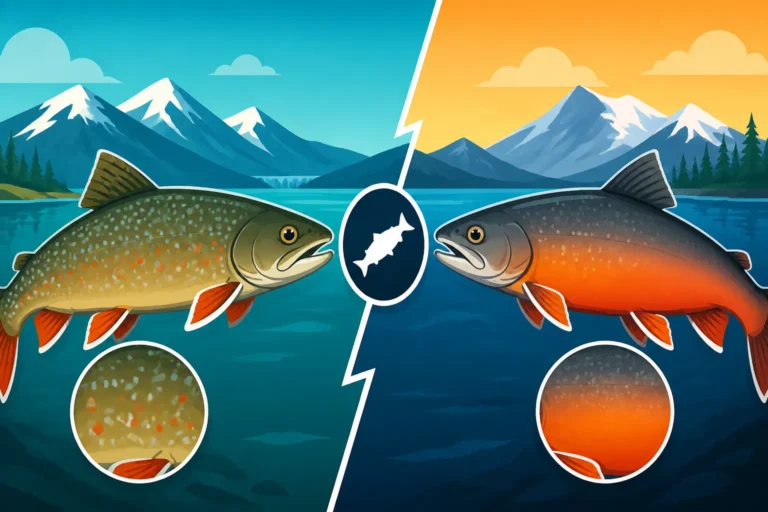
Arctic char are beautiful, colorful fish often confused with Dolly Varden. While Dolly Varden are common across much of Alaska, the true anadromous (sea-run) Arctic char are far less common in accessible areas, especially their larger, more vibrant forms. Found in the northern and western regions of Alaska, these fish thrive in pristine, cold lakes and rivers. Their coloration can be absolutely stunning, especially during spawning season, ranging from brilliant oranges and reds to deep greens and blues.
The rarity comes from their limited distribution in easily accessible spots and their preference for remote, unpressured waters. To pursue large, anadromous Arctic char, you often need to venture into the far reaches of the state, typically via fly-in trips to remote lodges or wilderness camps. These trips can be expensive and require significant planning. Even in their native range, char populations can be sensitive to fishing pressure, making them a prize catch that ethical anglers handle with extreme care. Their diet varies greatly, from insects to small fish, demanding adaptable fishing techniques, often involving fly fishing with streamers or light spinning gear. Successfully targeting these beauties requires not just travel but also a nuanced understanding of their specific lake and river systems, as their habits can differ widely from one watershed to another.
Uncommon Gems and Mythical Encounters
Beyond the truly elusive, there are other categories of "rare" in Alaska—fish that are uncommon in certain sizes or locations, or those that represent an almost mythical variant of a more common species. These aren't quite as difficult to find as a wild steelhead, but they'll still challenge your angling skills and commitment.
Trophy Sheefish: The Tarpon of the North
Sheefish, sometimes called the "tarpon of the north," are powerful, predatory fish found primarily in the large river systems of Interior and Western Alaska, such as the Koyukuk, Kobuk, and Selawik rivers. While sheefish themselves aren't as "rare" as wild steelhead in their native range, catching a trophy-sized sheefish – those exceeding 40 inches and pushing 30-40 pounds – is definitely a rare feat for most anglers. Their habitat is largely remote, meaning dedicated trips are often required to even put yourself in a position to catch them.
These fish are known for their explosive strikes and incredible fighting ability, often making powerful runs and spectacular jumps. They are predatory, feeding on smaller fish like whitefish and cisco. Anglers typically target them with large spoons, plugs, or even fly patterns mimicking their prey. The sheer logistics of reaching prime sheefish territory in places like the Kobuk River can be daunting, involving bush planes and navigating expansive, wild river systems. It's not a casual roadside fishing trip; it's an expedition. For those who brave the journey, the reward of battling a giant sheefish in a pristine wilderness setting is an unforgettable experience, making it a truly sought-after "uncommon gem." Learn more about these incredible fish in our Alaska Sheefish Explained article.
Giant Lingcod: Ambush Predators of the Deep
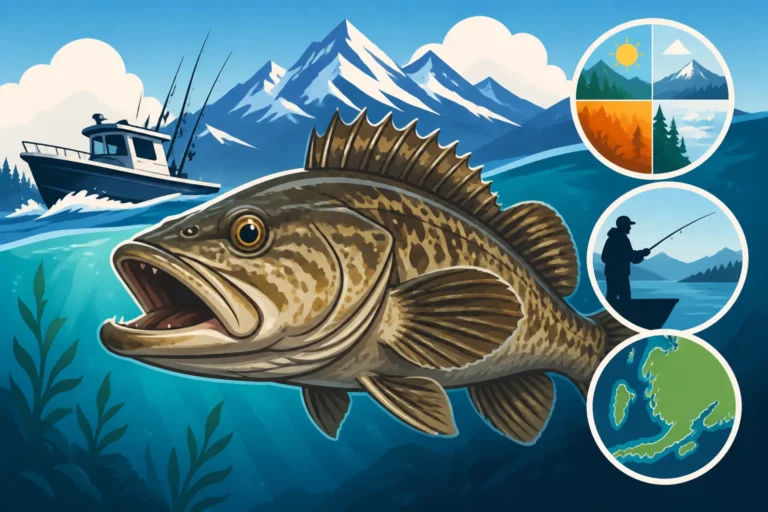
Lingcod are aggressive, toothy bottom-dwellers found in the saltwater fjords and deep-water reefs of coastal Alaska, especially in areas like Prince William Sound, Seward, or Sitka. While smaller lingcod are regularly caught on halibut and rockfish charters, landing a true "giant"—a lingcod over 50 pounds, or even approaching the state record—is a rare and exhilarating accomplishment. These monsters hide among rocky structures and ambush prey, boasting formidable jaws and a voracious appetite.
Catching these larger specimens often requires specifically targeting them with heavy gear, robust jigs, and large baits. You'll need to work areas with significant underwater structure, which can be challenging to navigate and can lead to snags. The fight is intense and dirty, as they try to dive back into the rocks. Charter captains specializing in bottom fishing will often have secret spots where these behemoths lurk. If you're buying heavy jigs and strong braided line, you might find a good selection on Amazon to prepare for these deep-sea battles. The sheer power and raw aggression of a giant lingcod make it an uncommon, but truly memorable, catch for any saltwater angler in Alaska.
Certain Color Phase King Salmon
Even within the realm of common species, rarity can exist in variations. One such example is encountering a King Salmon with a unique or exceptionally vibrant color phase, particularly early in the run. While all King Salmon (Chinook) are incredible, some anglers report encountering Kings with exceptionally bright, almost chrome-like scales, or with unusually intense black spots. These aren't a different species, but rather individual variations that, when caught, feel like a truly special, one-in-a-million fish.
These anomalies are often fleeting and difficult to predict. Factors like how long the fish has been in freshwater, its diet in the ocean, and individual genetics can influence its appearance. While you might catch dozens of Kings on a productive river like the Kenai or Kasilof, finding one that stands out significantly from the rest in terms of its pristine, ocean-fresh brilliance or unique markings can be considered a rare aesthetic treat. It's a reminder that even in abundance, nature holds surprises.
Here's a quick comparison of some of Alaska's rare and uncommon fish:
| Fish Species | Rarity/Difficulty Level | Typical Habitat | Key Characteristics | Best Season to Target |
|---|---|---|---|---|
| Wild Steelhead | Very High (Elusive) | Pristine coastal rivers, remote systems | Anadromous rainbow trout, strong fighter, beautiful | Spring/Fall (weather dependent) |
| Burbot | High (Niche/Nocturnal) | Deep, cold lakes/slow rivers | Freshwater cod, nocturnal, good eating fish | Winter (ice fishing) |
| Anadromous Arctic Char | High (Remote Access) | Remote northern lakes & rivers, pristine | Vibrant colors, resembles Dolly Varden, strong | Summer |
| Trophy Sheefish | High (Remote Access/Size) | Large river systems of Interior/Western AK | "Tarpon of the North," aggressive, powerful jumps | Late Summer/Early Fall |
| Giant Lingcod | Medium-High (Size) | Deep saltwater reefs, rocky structures | Predatory, large teeth, fierce fighter | Year-round (best in summer) |
Strategies for Pursuing Alaska's Rare Catches Ethically
Chasing rare fish isn't about luck alone. It's about combining meticulous preparation, local insight, the right gear, and a strong commitment to ethical angling. It can be a frustrating endeavor, often leading to many empty days, but the payoff of a successful encounter with one of these special fish is immense.
Research, Patience, and Local Knowledge
The absolute first step in pursuing rare fish in Alaska is exhaustive research. You can't just show up and expect to stumble upon them. Start by delving into Alaska Fishing Regulations Explained for any species you intend to pursue, as rules for rare or sensitive populations can be very specific. Read up on specific river systems or lakes known to hold these fish, and pay close attention to historical run timings and environmental factors. Websites like the Alaska Department of Fish and Game (ADF&G) are invaluable resources, often providing updates on specific runs, emergency orders, and catch data.
Patience is not just a virtue, it's a necessity. You might spend days, even weeks, without a single bite when targeting truly rare species. It requires a resilient mindset and the ability to enjoy the process, the solitude, and the wild beauty of Alaska, even without a fish on the line.
Perhaps most importantly, seek out local knowledge. Talk to seasoned guides, bush pilots, and long-time residents. These are the folks who have spent years, sometimes decades, on the water, observing patterns and learning the nuances that no guidebook can teach. A good guide, especially one who specializes in a particular species or region, is worth their weight in gold. They can provide insights into current conditions, subtle changes in fish behavior, and even lend you specialized gear you might not own. For instance, if you're looking for a specific type of guide, our guide on How to Choose an Alaska Fishing Charter offers some excellent advice.
Essential Gear and Responsible Angling Practices
When pursuing rare fish, having the right gear is critical, but so is understanding that lighter isn't always better for the fish. For aggressive species like sheefish or lingcod, you'll need robust rods, reels with excellent drag systems, and strong, fresh line. For steelhead and char, precision fly-fishing gear might be required. Investing in quality waders and reliable rain gear is also a must, as prime times for rare catches often coincide with less-than-ideal weather. Many specialty items, from specific fly patterns to unique jigging setups, can often be found on platforms like Amazon, but always ensure they meet the specific needs for Alaskan conditions.
Crucially, ethical angling practices are paramount when targeting rare species, many of which are wild and sensitive. This means:
- Catch and Release: For many rare fish, especially wild steelhead and trophy char, catch and release is not just recommended, but often mandatory by regulation to protect their populations. Be prepared with the right tools for quick, safe release, such as needle-nose pliers or hemostats.
- Minimize Stress: Handle fish gently, keep them in the water as much as possible, and revive them thoroughly before release. Avoid dragging them onto banks or rocks.
- Barbless Hooks: Many regulations for sensitive fisheries, especially trout and steelhead, require the use of Alaska Barbless Hook Requirements. Even where not required, it's a good practice to minimize harm.
- Respect the Environment: Pack out everything you pack in. Leave no trace of your presence. Respect private property and adhere to all local regulations.
By combining thorough preparation with a deep respect for Alaska's wild resources, you increase your chances of a rare and rewarding encounter, ensuring that these incredible fish remain a part of Alaska's allure for generations to come.
Disclaimer
The information provided in this guide is for general informational purposes only and is not intended as legal advice regarding fishing regulations. Alaska fishing regulations, including seasons, bag limits, and specific gear restrictions, can change frequently and vary by region and species. Always consult the most current Alaska Department of Fish and Game (ADF&G) regulations booklet, emergency orders, or the official ADF&G website before planning any fishing trip. Failure to comply with regulations can result in significant fines and penalties.