What Is a Feeder King Salmon in Alaska
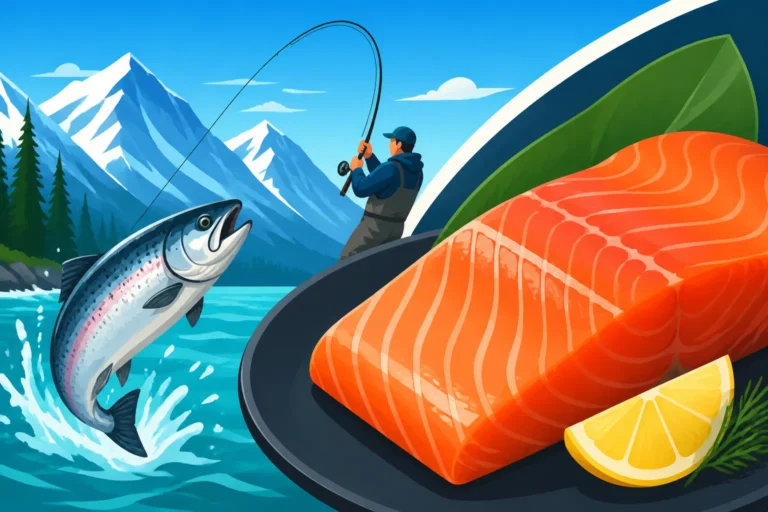
Many anglers traveling to Alaska dream of hooking into a powerful King Salmon, but often, the experience of a lifetime hinges on the type of King they encounter. While the sight of a vibrant red-spawning King in a river is iconic, many seasoned Alaskans and serious sport fishermen specifically target what they call "feeder King Salmon." These fish offer an unparalleled fight and exceptional table fare, but what exactly makes them different, and why are they so revered? This comprehensive guide will demystify the feeder King, explaining its life cycle, why it's a prized catch, and how you can increase your chances of landing one.
Understanding the Feeder King Salmon Phenomenon
The term "feeder King Salmon" might sound like something only the most hardcore anglers talk about, but it’s actually a really important distinction when you're planning an Alaska fishing adventure. These aren't just any King Salmon; they're fish at a specific, prime stage of their life cycle that makes them incredibly desirable.
The Life Cycle Stage of a Feeder King
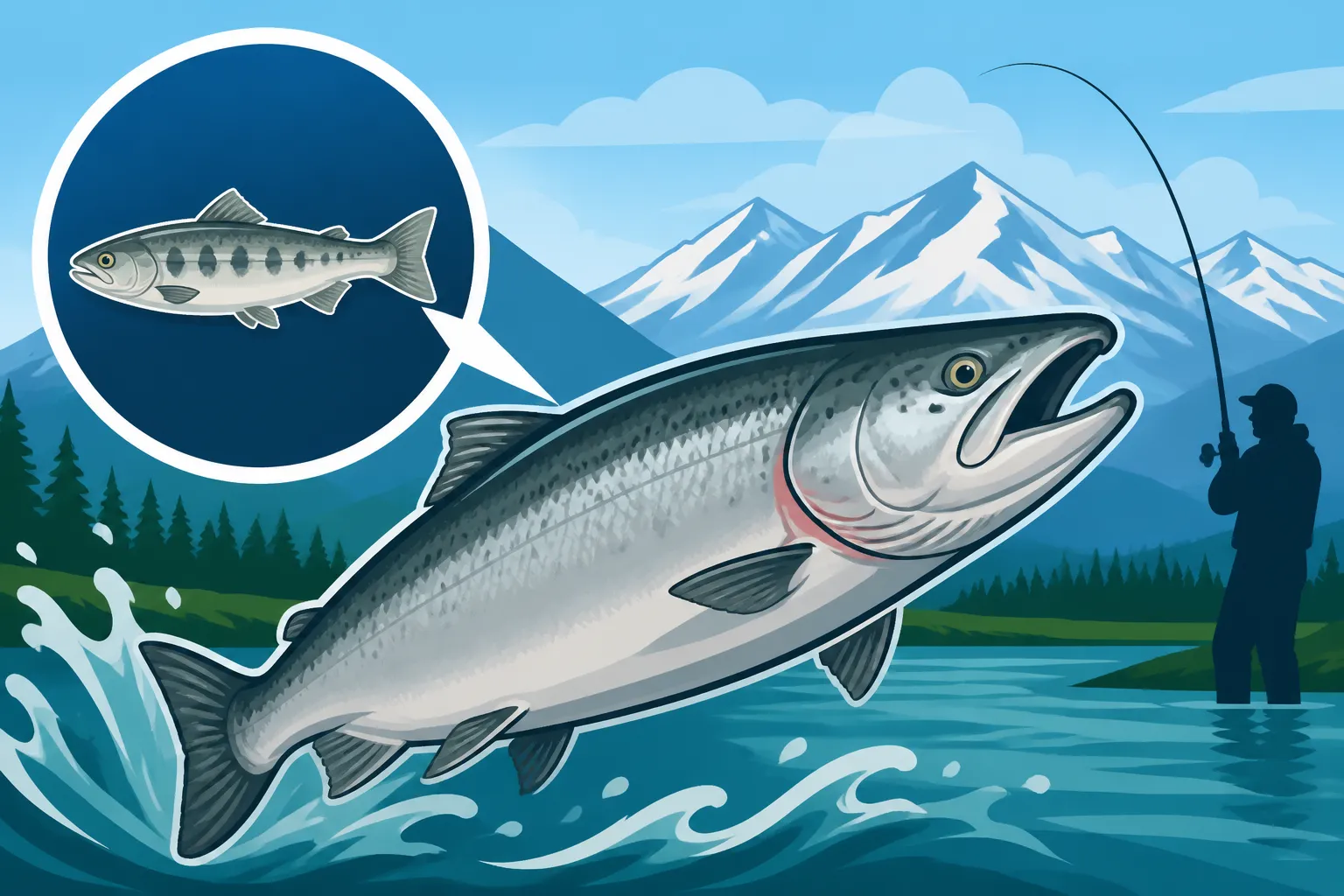
To truly appreciate a feeder King, you first need to understand the incredible journey of a King Salmon. After hatching in freshwater rivers and spending a year or two there, juvenile King Salmon, also known as Chinook, migrate out to the vast ocean. This is where they spend the majority of their lives, growing larger and stronger. A "feeder King" is a King Salmon that is still in this oceanic phase, actively feeding and bulking up. They haven't yet received the biological signal to return to their natal rivers to spawn.
Imagine yourself in peak physical condition, constantly fueled and focused on growth. That’s a feeder King Salmon. They are not yet burdened by the physiological changes that accompany the spawning migration. Once the urge to spawn kicks in, King Salmon begin their arduous journey back upstream. During this time, their bodies undergo dramatic transformations: they stop feeding, their flesh changes color and texture, and their primary focus shifts entirely to reproduction. Feeder Kings, however, are still in their prime, enjoying the rich marine buffet Alaska's waters provide. If you want to learn more about identifying these magnificent fish in all their stages, check out our guide on How to Identify a King Salmon.
Why "Feeder" Means Exceptional Quality
The "feeder" designation isn't just about their location; it's a direct indicator of their superior physical condition and, consequently, their quality both as a sportfish and as table fare. Because they are actively feeding on a diverse diet of nutrient-rich prey like herring, squid, and small pollock in the ocean, their bodies are packed with high-quality fats and oils.
This translates into several key benefits for the angler. First, their flesh is typically a vibrant, deep orange-red, incredibly firm, and marbled with healthy fats. This fat content makes them exceptionally flavorful and prevents them from drying out during cooking. Second, their sheer power and endurance are unmatched. A feeder King hasn't depleted its energy reserves for a long river migration; it's a finely tuned, ocean-dwelling athlete. Hooking into one feels like wrestling a torpedo, and they'll often make blistering runs that test both your gear and your resolve. This is why many consider them the ultimate prize for their combination of fight and flavor. Our comprehensive Alaska King Salmon: Complete Guide delves even deeper into what makes these fish so special.
The Thrill of Targeting Feeder Kings
For many anglers, the pursuit of a feeder King Salmon isn't just fishing; it's an obsession. The challenge, the fight, and the eventual reward combine to create an unforgettable experience that sets it apart from targeting Kings in river systems.
The Unmatched Fight
There's a reason experienced anglers speak with reverence about the fight of a feeder King. Unlike a spawning King that might be nearing the end of its life cycle and is focused on reproduction, a feeder King is purely focused on survival and growth. When you hook into one in the open ocean, it's an explosion of raw power. These fish will often make incredibly long, sustained runs, peeling hundreds of feet of line off your reel in mere seconds. They'll dive deep, shake their heads violently, and use the currents to their advantage, all while their immense strength tests the drag system of your reel to its absolute limit.
I remember one time off the coast of Sitka, a client hooked into what we later identified as a substantial feeder King. The fish didn't just run; it felt like it towed the boat for a good ten minutes! There was no sluggishness, no half-hearted attempts to get away. It was a pure, unadulterated battle of wills, and when we finally got that chrome-bright, fat King to the boat, the exhaustion was real, but the exhilaration was even greater. These fish aren't "spawn-weary"; they are the peak athletes of the salmon world, providing a truly exhilarating fishing experience that can be hard to replicate.
Culinary Delights and Preservation
While the fight is epic, the culinary reward of a feeder King Salmon is often what truly seals its legendary status. Because of their rich, varied diet in the ocean, feeder Kings have incredibly high fat content and intensely flavorful, firm, bright red-orange flesh. This makes them absolutely sublime on the grill, in the smoker, or baked. Many chefs and foodies consider feeder King Salmon to be the pinnacle of salmon quality, often commanding premium prices in markets.
Imagine grilling a thick fillet of feeder King, the natural oils sizzling, the flavor rich and buttery. It’s a completely different experience from a river-caught fish that has begun to lose its fat reserves. To preserve this exquisite quality, proper handling is crucial. Immediately after catching, the fish should be bled thoroughly, cleaned, and kept on ice. Once back on shore, professional fish processors in coastal towns like Homer or Seward often offer filleting, vacuum-sealing, and freezing services to ensure your catch maintains its prime condition for the journey home. Learning How to Fillet a Salmon in Alaska properly yourself can also be a valuable skill for maximizing your culinary enjoyment.
Where and When to Find These Pristine Kings
Targeting feeder King Salmon requires a different strategy than chasing spawning salmon upriver. It’s all about understanding their oceanic habits and knowing the right times and places where they congregate.
Prime Saltwater Habitats
Feeder Kings don't hang out in shallow rivers; they live in the vast, deep, nutrient-rich saltwater environments of the Pacific Ocean. They're typically found in areas where baitfish are abundant, often near offshore banks, pinnacles, and submarine canyons where currents bring up rich food sources. Locations like Sitka, Kodiak, and other parts of Southeast Alaska are legendary for their year-round feeder King fisheries. These areas boast expansive coastlines and deep-water structure that provide ideal feeding grounds.
For example, around Sitka, you might find them cruising along the edge of the continental shelf or congregating around submerged seamounts, gorging on herring. In these areas, the ocean environment is stable, and food is plentiful, allowing these Kings to grow to impressive sizes. It’s a very different scene from the bustling riverbanks of the Kenai; instead, you’re often fishing in vast, open water, sometimes miles offshore. If you're looking for the very best spots, our guide to the Best Fishing Spots in Alaska offers a broader overview, but for feeder Kings, focus on those deep-water coastal zones. The Sitka Fishing Guide also provides specific insights into one of the feeder King hotspots.
Seasonal Opportunities for Feeder Kings
One of the most appealing aspects of feeder King fishing is that it's often a year-round proposition, particularly in certain regions of Southeast Alaska. While spawning runs are highly seasonal (think summer for most major salmon runs), feeder Kings can be caught throughout the fall, winter, and spring because they haven't yet committed to their spawning migration. These are often referred to as "Winter Kings" – a truly special catch for those willing to brave the cooler weather.
While summer still sees excellent feeder King action in conjunction with the burgeoning salmon runs, the true magic for dedicated feeder King anglers often happens outside of the peak tourist season. For instance, from October through April, areas around Sitka can offer phenomenal fishing for these fat, chrome-bright Kings. You won't contend with the same crowds, and the fish are often in incredible condition. However, weather can be more challenging, so preparedness is key. To get a better grasp on all the seasons, check out our Alaska Fishing Seasons: Month-by-Month Guide and specifically our article on the Best Time to Catch King Salmon in Alaska for detailed run timings across the state.
Strategies and Gear for Feeder King Success
Catching feeder King Salmon isn't typically a bank-fishing endeavor. It requires specialized techniques and robust gear designed for the challenges of open-ocean fishing and battling powerful, deep-dwelling fish.
Essential Techniques
When targeting feeder Kings, there are a few primary techniques that consistently produce results.
- Trolling with Downriggers: This is perhaps the most common and effective method. Downriggers allow you to precisely control the depth of your lure or bait, getting it right into the feeding zone where Kings are often found, sometimes hundreds of feet down. Boats will slowly troll a spread of lines, often using flashers or dodgers to attract attention, followed by a baited hook or a spoon. The constant movement mimics natural prey, drawing strikes from aggressive Kings. This technique is extensively covered in our Trolling in Alaska: How-To Guide.
- Mooching: Popular in areas like Southeast Alaska, mooching involves drifting or slowly motoring while dropping cut-plug herring or other baitfish down to depth. The boat's movement gives the bait a natural, injured swimming action. Anglers typically hold their rods, feeling for the subtle take of a King before setting the hook. It's a more active, hands-on style of fishing that many find incredibly engaging.
- Jigging: When Kings are holding in specific depths or over structure, jigging can be highly effective. Heavy metal jigs are dropped to the bottom and then worked vigorously, mimicking fleeing baitfish. This technique requires strong arms and a keen sense of feel, as the strike can be a violent thud or a subtle change in the jig's movement.
Each of these methods is designed to present bait or lures effectively to fish that are actively hunting in deeper, often fast-moving, saltwater. To truly master these approaches, our guide on How to Catch King Salmon in Alaska offers invaluable insights.
Recommended Tackle and Bait
Because feeder Kings are so powerful, your gear needs to be up to the task. This is not the time for ultralight setups.
- Rods and Reels: You'll want sturdy, conventional trolling or mooching rods, typically 7-9 feet long with a medium-heavy to heavy action. Pair these with robust conventional reels like those from Penn, Shimano, or Daiwa, capable of holding 250-400 yards of 30-50 lb monofilament or braided line. The drag system is paramount, needing to be smooth and capable of handling sustained pressure. If you're looking for reliable options, many anglers find great deals and selection on reputable online retailers like Amazon.
- Line: Braided line has become very popular due to its lack of stretch, providing excellent sensitivity, especially when fishing deep. However, a monofilament leader is often used for its shock absorption and invisibility.
- Lures and Bait: The go-to bait for feeder Kings is often fresh or brined cut-plug herring, presented on a rotating bait head or behind a flasher. Other effective options include large spoons (like Silver Horde or Luhr Jensen Kwikfish), artificial squid, or heavy jigs. When choosing lures, consider varying colors based on water clarity and light conditions. Sometimes a bright chartreuse works, other times a natural silver or blue. Make sure you have a good selection, and you can always stock up on various lures and terminal tackle from Amazon before your trip. For a detailed breakdown of what works best, consult our guide on the Best Lures and Bait for Alaska King Salmon. And for a full list of what to pack, check out our What Tackle to Bring to Alaska guide.
Navigation and Fishfinding Technology
In the vastness of the ocean, having the right electronics is non-negotiable for consistently finding feeder Kings.
- Sonar/Fishfinder: A high-quality sonar unit is your eyes underwater. It helps you identify bait balls (which Kings often follow) and the Kings themselves, especially when they're congregated over structure. Understanding how to read your fishfinder display to differentiate between bottom contours, bait, and individual fish is a skill that comes with practice but is essential for success.
- GPS and Chartplotter: These are crucial for navigation, marking productive spots, and safely returning to port. Modern chartplotters often integrate with sonar, providing a comprehensive view of your position relative to underwater features and previously marked "hot spots."
- VHF Radio: Safety is paramount on the open ocean. A reliable VHF radio allows you to communicate with other boats, listen for emergency orders, and call for assistance if needed. Always check local Alaska King Salmon Fishing Regulations and Limits and emergency orders before heading out.
Finding feeder Kings is often about covering ground, constantly monitoring your electronics, and understanding the subtle cues of the ocean. It's a blend of technology, skill, and a good dose of persistence. Sometimes, a quick search on Amazon can even turn up helpful marine electronics accessories to enhance your setup.
Feeder King vs. Spawning King Salmon: A Comparison
It's clear that feeder Kings are distinct from their spawning counterparts. But what are the exact differences an angler might notice? Let's break it down in a simple comparison.
| Feature | Feeder King Salmon | Spawning King Salmon (River Run) |
|---|---|---|
| Location | Open ocean, deep coastal waters, actively feeding grounds | Freshwater rivers and streams, migrating upstream to spawn |
| Appearance | Bright, chrome-silver scales; sleek, torpedo-like body; often pristine coloration | Darker, bronze-red coloration; often develop kypes (hooked jaws) in males; scales can be dull or missing |
| Flesh Quality | Vibrant red-orange, firm, high fat content, rich flavor, excellent for consumption | Paler, softer, lower fat content, flavor can be less intense as fat reserves are depleted |
| Fight | Explosive, long runs, powerful, sustained battles; peak athletic performance | Strong initial fight but may tire quicker due to energy depletion; focus on reaching spawning grounds |
| Diet | Actively feeding on herring, squid, pollock, krill | Stop feeding once they enter freshwater; rely on stored energy |
| Seasonality | Can be caught year-round in certain ocean areas (e.g., "Winter Kings") | Highly seasonal, tied to specific river run timings (e.g., summer months) |
| Motivation | Growth, survival, building energy reserves | Reproduction, ensuring the next generation |
This table clearly illustrates why serious anglers often prioritize targeting feeder Kings. While both offer a thrilling experience, the feeder King truly embodies the raw power and culinary perfection of Alaska's King Salmon.
Disclaimer
Please remember that fishing regulations in Alaska are subject to change, often with little notice due to emergency orders from the Alaska Department of Fish and Game (ADF&G). Always check the most current regulations, harvest limits, and emergency orders for your specific fishing area before heading out on the water. Safety should always be your top priority.