Alaska Cutthroat Trout: Facts and Fishing Tips
Oh, the elusive and often overlooked Cutthroat Trout! If you've ever cast a line in some of Alaska's more secluded, sparkling streams or quiet alpine lakes, you might have felt that unique tug – a distinct fight that whispers of wildness. Unlike their more famous salmon and halibut cousins, these beauties don't always get the spotlight, but for many seasoned anglers and those just discovering the magic of trout fishing in the Last Frontier, the Cutthroat holds a special place. This guide is all about helping you understand these stunning fish, where to find them, and how to successfully bring one to hand, giving you all the details to make your next trout adventure a truly memorable one.
Understanding the Alaska Cutthroat Trout
The Cutthroat Trout, particularly the Coastal Cutthroat subspecies common in Alaska, is a fish of remarkable beauty and resilience. Often overshadowed by the sheer spectacle of a salmon run or the immense power of a halibut, the Cutthroat demands a different kind of appreciation – one earned through quiet observation and skillful angling in stunning, remote settings. If you’ve spent any time in the lower 48 chasing trout, you’ll recognize them, but the Alaskan variety often possesses a certain robustness, a wilder hue, perfectly adapted to the rugged landscape.
Distinctive Features and Identification
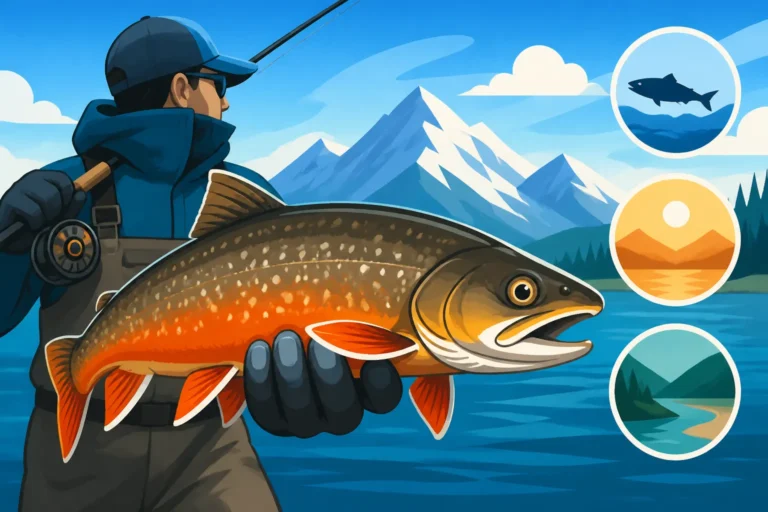
Identifying an Alaska Cutthroat Trout isn't overly complicated once you know what to look for, but they can sometimes be confused with Rainbow Trout, especially in waters where both species coexist. The most definitive characteristic, and the one that gives them their name, is the presence of a reddish-orange slash or two marks under the lower jaw, near the gill plate. This "cutthroat" mark can vary in intensity from a faint blush to a vibrant streak, and sometimes it's more prominent on one side than the other. Their body coloration is generally olive green to yellowish-brown on the back, fading to silvery sides and a whitish belly, adorned with numerous small, dark spots that extend onto their caudal (tail) and dorsal fins.
These spots are usually more irregular and scattered than the fine, uniform spots often seen on a Rainbow Trout. Their fins can also take on a yellowish or orange tint, especially the pectoral, pelvic, and anal fins, adding to their unique charm. Anglers often find that their size can vary wildly depending on the specific habitat – from small, feisty stream dwellers measuring just 8-10 inches to larger, lake-dwelling specimens pushing 20 inches or more. Knowing these subtle differences is key, especially if you're fishing in a river system that hosts both Cutthroat and Rainbows, as regulations might differ slightly.
Preferred Habitats and Behavior
Alaska's Cutthroat Trout are typically found in the freshwater systems of Southeast Alaska and parts of Southcentral, inhabiting coastal rivers, streams, and freshwater lakes. They absolutely thrive in environments that offer a mix of calm pools, moderate currents, and plenty of cover. Think logjams, undercut banks, and overhanging vegetation – these are prime spots where a Cutthroat will ambush unsuspecting prey. Unlike some trout species that prefer fast, turbulent water, Cutthroat often gravitate towards the slightly slower, more meandering sections of a river or the calmer, vegetated shallows of a lake.
In lakes, you'll often find them cruising the shorelines, particularly near submerged structure like fallen trees, weed beds, or rocky outcrops where they can find insects, small fish, or crustaceans. They are known for being opportunistic feeders, meaning they'll eat just about anything that crosses their path. This adaptability in diet and habitat makes them a truly exciting fish to pursue. Their behavior is often characterized by cautiousness; they can be spooked easily by heavy footsteps on the bank or sloppy casts, which adds to the rewarding challenge of hooking into one. Understanding their preferred hangouts is the first step to successfully finding these beautiful fish.
Where to Find Cutthroat Trout in Alaska
While Alaska is famous for its vast wilderness, the distribution of Cutthroat Trout is actually quite specific, largely concentrated in the panhandle and certain southcentral drainages. You won't find them everywhere you find other trout species like Rainbows or Dolly Varden, which makes targeting them a bit more specialized and often takes you to some truly breathtaking, less-frequented locales.
Key Regions and River Systems
The absolute heartland for Alaska Cutthroat Trout fishing is undoubtedly Southeast Alaska. This region, a labyrinth of islands, fjords, and temperate rainforests, provides the ideal cool, clear, and nutrient-rich waters these trout adore. Think of towns like Ketchikan, Juneau, Sitka, and Petersburg – these are your gateways to prime Cutthroat territory. Rivers and streams in these areas, often shorter coastal drainages, are teeming with them. Small tributaries, estuaries, and even lake outlets connected to these larger systems are fantastic spots. The lush, moss-laden forests provide ample cover and a steady supply of insect life, creating a perfect ecosystem.
Further north, in Southcentral Alaska, you can find populations as well, though they become less common compared to Southeast. Areas around Prince William Sound and certain parts of the Kenai Peninsula might hold some Cutthroat, especially in pristine, undisturbed freshwater systems that are less impacted by heavy human traffic or the massive salmon runs that often dominate larger rivers. If you're planning a multi-species trip, Southeast offers the best odds for consistent Cutthroat action, often alongside opportunities for salmon and Dolly Varden. For a more detailed look at specific trout habitats, you might want to check out our guide on Alaska Rainbow Trout Regulations or even explore Best Lakes for Fishing in Alaska for some less obvious spots.
Remote Lakes and Coastal Tributaries
The true gems for Cutthroat Trout fishing are often the remote, unpressured lakes and the smaller, less-traveled coastal tributaries. Many of these lakes are accessible only by floatplane or a rugged hike, which adds to the adventure and often rewards you with incredible fishing. These secluded waters, nestled amongst towering peaks and ancient forests, offer serene fishing experiences where the fish haven't seen much angling pressure. The Cutthroat in these lakes can often grow larger due to less competition and a steady food supply, making them an exciting target.
Coastal tributaries, often overlooked by anglers focused on salmon, can be incredibly productive. These smaller streams, often unnamed on maps, provide crucial spawning and rearing habitat for Cutthroat. They are typically short, winding waterways that flow directly into saltwater or larger estuarial systems. The fish here are often resident, meaning they spend their entire lives in freshwater, or they might be anadromous, moving between fresh and saltwater, much like a Steelhead. Fishing these smaller systems often requires a stealthy approach and an intimate understanding of trout behavior, as the fish can be skittish. Exploring these hidden corners of Alaska, whether by bush plane or a sturdy pair of waders, is how you truly discover the magic of Cutthroat fishing.
The Best Times to Target Cutthroat Trout
Timing is everything when it comes to fishing, and Cutthroat Trout are no exception. While you can technically catch them year-round in some regions, certain seasons offer vastly improved chances for success, both in terms of fish activity and overall fishing experience. Understanding their seasonal movements and feeding patterns will significantly boost your chances of a memorable day on the water.
Spring Thaw and Early Summer
As Alaska thaws from its long winter embrace, usually from late April through June, the Cutthroat Trout become increasingly active. This spring thaw and early summer period is fantastic for targeting them. As water temperatures slowly rise, insects like caddisflies, stoneflies, and mayflies begin to hatch in earnest, providing a rich food source. The trout, having been less active during the colder months, are hungry and eager to feed, often moving into shallower areas of lakes and streams to capitalize on the insect buffet.
During this time, the water levels in many streams are often still a bit high from snowmelt but typically clearer than during the peak salmon runs later in the summer. This clarity makes sight fishing a real possibility in some areas, which is an incredibly rewarding experience. Whether you're tossing small spinners, drifting nymphs, or presenting dry flies, the spring and early summer can offer explosive action. It's also a time when many of Alaska's waterways are less crowded, making for a more peaceful fishing excursion. To plan your trip effectively, it's always a good idea to consult a guide like Alaska Fishing Seasons: Month-by-Month Guide to align your visit with the best Cutthroat opportunities.
Late Summer and Fall Feeding Frenzy
While spring is excellent, the late summer and fall, from August through October, can be equally, if not more, productive for Cutthroat Trout. This period coincides with the massive salmon runs in many Alaskan rivers. While Cutthroat might not directly compete with salmon for food, they certainly take advantage of the abundance that salmon bring. As salmon spawn, their eggs become an irresistible, high-protein meal for hungry Cutthroat. These trout will often position themselves downstream of spawning salmon, gorging on loose eggs drifting downriver.
This is a time when Cutthroat can pack on serious weight, preparing for winter. They become incredibly aggressive feeders, and fishing with egg patterns can be phenomenally effective. Beyond salmon eggs, the insect hatches continue, and terrestrial insects like grasshoppers and beetles become a significant food source as they fall into the water. In lakes, the cooling water temperatures in the fall can also trigger a final burst of feeding activity near shorelines before winter sets in. This combination of abundant food sources makes late summer and fall a prime window for targeting robust, actively feeding Cutthroat Trout.
Effective Fishing Techniques for Cutthroat Trout
Chasing Cutthroat Trout in Alaska can be a truly rewarding experience, but it often requires a thoughtful approach. These aren't always the easiest fish to fool, and having a few techniques up your sleeve will definitely improve your success rate. Their opportunistic nature means they'll respond to various presentations, but precision and subtlety often win the day.
Fly Fishing Strategies
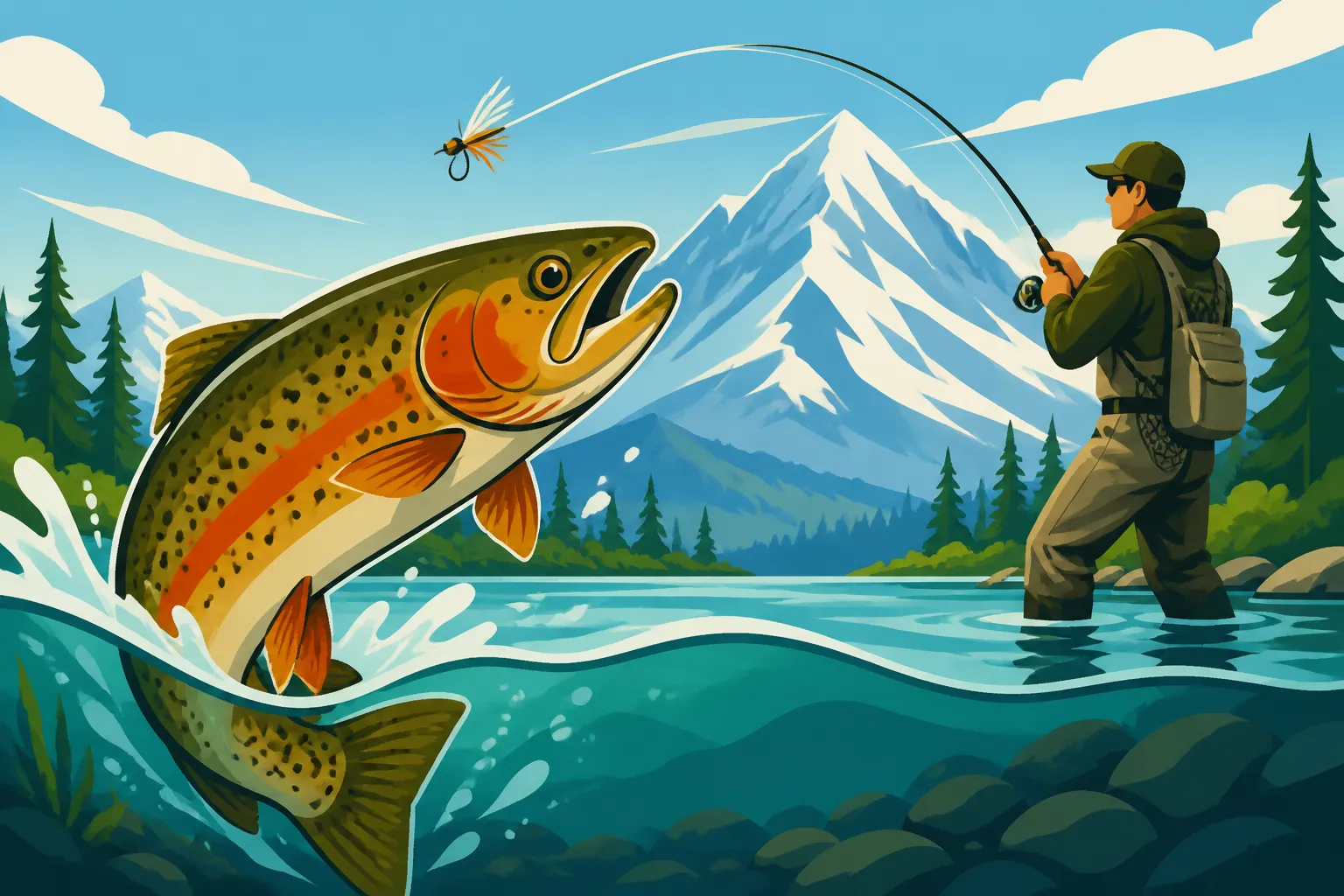
Fly fishing is arguably one of the most popular and effective methods for Cutthroat Trout, especially in the clear streams and rivers of Southeast Alaska. These fish are highly responsive to well-presented flies that mimic their natural diet. Dry fly fishing can be incredibly exciting during hatches – think caddis, mayfly, and stonefly patterns. When you see risers, matching the hatch is key. For those times when fish aren't rising, nymphing with patterns like Prince Nymphs, Hare's Ears, and Pheasant Tails, often fished under an indicator, can be deadly. Dead-drifting these patterns close to the bottom where trout feed on aquatic insects is a time-tested strategy.
Streamer fishing also shines, particularly for larger Cutthroat in lakes or deeper river pools. Patterns that imitate baitfish or leeches can entice aggressive strikes. If you’re targeting fish during or after salmon runs, small egg patterns or flesh flies (though usually for salmon, smaller versions can work for trout) can be incredibly effective. Remember, stealth is crucial. Cutthroat can be easily spooked, so approach your fishing spots carefully, use longer leaders with lighter tippets, and make accurate, soft presentations. Our guide on How to Fly Fish in Alaska offers a deeper dive into techniques that apply perfectly to Cutthroat.
Spin Fishing for Cutthroat
For those who prefer spin fishing, don't worry – you can absolutely catch Cutthroat Trout, and often quite successfully. The key is to use lighter tackle and smaller lures that imitate natural food sources. Small spinners are a classic choice and highly effective. Brands like Panther Martin, Mepps, and Blue Fox offer a range of sizes and colors that can trigger a strike. Casting these spinners across and slightly upstream, then retrieving them just fast enough to get the blade spinning, often works wonders. Vary your retrieve speed until you find what the fish prefer.
Spoons are another excellent option, especially for larger lake-dwelling Cutthroat. Wee Witches or Pixee Spoons in silver, gold, or brass can be incredibly enticing. Small crankbaits or soft plastic swimbaits that imitate baitfish can also be very productive, particularly when fished slowly along drop-offs or near submerged structure. When using bait, consider cured salmon eggs, small pieces of shrimp, or even worms, all fished under a float or on a light bottom rig. Regardless of your chosen lure, maintain a light touch and keep your retrieve natural. For more general advice on casting techniques, you might find our article on How to Spin Fish for Salmon in Alaska useful, as many principles apply to trout as well.
Tactics for Specific Habitats
Fishing different Cutthroat habitats requires adapting your approach. In small, brushy streams, short, accurate casts are vital. You'll often be fishing tight pockets and around fallen logs. A short spinning rod or a shorter fly rod with a soft tip can be a huge advantage for precise presentations. Focus on pools, undercut banks, and the tails of riffles.
For larger rivers, you might employ drift fishing techniques, allowing your fly or lure to tumble naturally with the current, imitating a dislodged insect or egg. Pay attention to current seams and eddy lines, which are prime holding spots. When fishing lakes, particularly from a boat, trolling small spoons or spinners along drop-offs or near weed beds can cover a lot of water. If fishing from shore, fan casting around structure and varying your retrieve depth is essential. Still fishing with bait under a bobber near submerged structure is also highly effective in lakes, especially when targeting those cautious, cruising Cutthroat.
Essential Gear and Tackle for Cutthroat Trout
Having the right gear makes all the difference when you’re chasing Alaska Cutthroat Trout. You don't necessarily need heavy-duty salmon gear; in fact, lighter, more sensitive setups are often preferred. The goal is to maximize the fight of these spirited fish while maintaining the ability to cast accurately and detect subtle bites.
Rods, Reels, and Line Choices
For fly anglers, a 4-weight or 5-weight fly rod, typically 8.5 to 9 feet long, is an ideal choice for most Alaska Cutthroat scenarios. This weight offers a great balance between fighting power for decent-sized fish and sensitivity for delicate presentations. Pair this with a matching fly reel that has a smooth drag system and a floating line that's appropriate for your rod weight. You'll want to carry a range of tapered leaders (typically 7.5 to 9 feet) in 3X to 5X, and spools of tippet material from 4X to 6X. Lighter tippet is crucial for fooling wary trout in clear water.
Spin fishing setups should lean towards light to ultralight action. A 6 to 7-foot light action spinning rod, paired with a small spinning reel (size 1000 to 2500) spooled with 4-8 pound monofilament or braided line, will give you excellent casting control and sensitivity. Monofilament is a classic choice for its stretch and shock absorption, while braided line offers superior sensitivity and casting distance, especially when paired with a fluorocarbon leader for invisibility. Ensure your reel has a smooth, reliable drag, as even smaller Cutthroat can put up a surprisingly strong fight. For a more general overview, take a look at our Alaska Fishing Gear and Tackle Guide.
Lures, Flies, and Bait
Your tackle box or fly wallet for Cutthroat Trout should be well-stocked with a variety of options to match changing conditions and feeding behaviors.
Fly Fishing Essentials:
- Dry Flies: Caddis patterns (Elk Hair Caddis), Mayfly patterns (Parachute Adams), Stonefly patterns (Stimulators), Terrestrials (Grasshoppers, Beetles) in sizes #10-16.
- Nymphs: Prince Nymphs, Hare's Ears, Pheasant Tails, Copper Johns in sizes #10-18.
- Streamers: Woolly Buggers (black, olive, brown), Sculpzillas, Articulated Streamers in sizes #4-10.
- Egg Patterns: Glo Bugs or Otter's Soft Eggs (especially during salmon runs).
Spin Fishing Essentials:
- Spinners: Panther Martin, Mepps, Blue Fox in sizes #0-3, various colors (silver, gold, black, red/white).
- Spoons: Small casting spoons like Krocodile, Pixee, or Wee Witches in silver, gold, or brass, 1/8 to 1/4 oz.
- Small Crankbaits: Floating or shallow-diving models that imitate minnows.
- Soft Plastics: Small grubs, swimbaits, or worm imitations rigged on a light jig head.
- Bait: Cured salmon eggs, bits of shrimp, or live worms (check local regulations for bait use).
Remember, a multi-day trip might call for a diverse selection, and checking what's currently working with local shops or guides is always a smart move. You can find a vast array of these items on platforms like Amazon before your trip, making it easy to stock up.
Essential Accessories and Safety Gear
Beyond rods and reels, a few key accessories will enhance your Cutthroat fishing experience and ensure safety.
- Waders and Boots: If you're wading streams, breathable waders and sturdy wading boots with good ankle support are indispensable. Many Alaskan rivers have slippery, rocky bottoms.
- Rain Gear: Alaska's weather is famously unpredictable. A high-quality waterproof and breathable rain jacket and pants are non-negotiable.
- Polarized Sunglasses: Crucial for spotting fish in clear water and protecting your eyes from UV rays and errant hooks.
- Net: A rubber-mesh landing net is ideal for safely landing and releasing fish, minimizing harm to their protective slime coat.
- Pliers/Forceps: Essential for quickly and safely removing hooks, especially if practicing catch and release.
- Bear Spray: You are in bear country. Always carry bear spray and know how to use it.
- First-Aid Kit: For minor cuts, scrapes, or other emergencies.
- Navigation: A GPS device or reliable map/compass (and knowing how to use them) is critical, especially when exploring remote areas.
- Food and Water: Pack plenty of high-energy snacks and water, as you might be out for hours.
Having all these ready will ensure you're comfortable, prepared, and safe while pursuing Alaska's beautiful Cutthroat Trout. Always keep an eye on weather forecasts and water conditions, and don't hesitate to reschedule if conditions look unsafe.
Conservation and Regulations for Alaska Cutthroat Trout
Fishing for Alaska Cutthroat Trout is a privilege, and it comes with the responsibility of understanding and adhering to local regulations and conservation practices. While not as heavily regulated as some salmon species, Cutthroat populations are precious, and sustainable angling ensures these beautiful fish will thrive for future generations.
Understanding Alaska Fishing Regulations
Alaska's fishing regulations are managed by the Alaska Department of Fish and Game (ADF&G), and they can vary significantly by region, river system, and even specific lake. Before you cast a single line, you must purchase an Alaska Fishing License: Complete Guide. For non-residents, there are various options, including multi-day licenses or an annual license. Even if you're a resident, understanding the specific rules for your area is crucial. You'll need to consult the most current ADF&G Sport Fishing Regulations booklet, which is available online or at most license vendors and sporting goods stores. Our comprehensive guide on Alaska Fishing Regulations Explained is a great starting point, but always check the official ADF&G site for the absolute latest updates.
For Cutthroat Trout, pay close attention to:
- Bag Limits: How many fish you can keep per day.
- Possession Limits: How many fish you can have in your possession (which is typically double the daily bag limit if you're on a multi-day trip and have caught fish on previous days).
- Size Limits: Minimum or maximum sizes of fish you are allowed to keep. Sometimes there are "slot limits" where you can only keep fish within a specific size range.
- Gear Restrictions: This might include rules on bait usage, single hooks, or barbless hooks. Many trout streams, particularly those with strong catch-and-release ethics, might require barbless hooks to minimize harm to the fish. You might find relevant information in our Alaska Barbless Hook Requirements guide.
- Season Dates: When specific waters are open or closed to fishing for certain species.
Failing to understand and follow these regulations can lead to hefty fines and loss of fishing privileges, so always do your homework!
Catch and Release Best Practices
Many anglers who target Cutthroat Trout, especially in the more remote or pressured areas, practice catch and release to help sustain populations. If you plan to release your catch, doing so properly is paramount to the fish's survival. These practices are not just good etiquette; they are vital for conservation.
- Minimize Fight Time: Bring the fish in as quickly as possible without over-stressing it.
- Keep Fish in Water: If possible, unhook the fish while it's still in the water. Avoid dragging it onto rocks or dry land.
- Wet Your Hands: Always wet your hands before handling a fish. Dry hands can remove the fish's protective slime coat, making it vulnerable to disease.
- Use Barbless Hooks: Barbless hooks (or crimping the barb on your existing hooks) make hook removal much easier and cause less damage to the fish's mouth.
- Gentle Hook Removal: Use forceps or pliers to quickly and gently remove the hook. If the fish is deeply hooked, cut the line as close to the hook as possible rather than trying to tear the hook out.
- Support the Fish: When holding a fish for a quick photo, support its body horizontally and avoid squeezing it, especially around the belly.
- Revive Before Release: Gently hold the fish facing upstream in the current until it regains its strength and swims away on its own. Don't toss a stunned fish back into the water.
Following these simple guidelines outlined in articles like Alaska Catch-and-Release Best Practices helps ensure that the beautiful Alaska Cutthroat Trout can continue to thrive, providing excellent angling opportunities for years to come.
Disclaimer
The information provided in this guide is for general informational purposes only and is subject to change. Fishing regulations in Alaska are dynamic and can be modified at any time by the Alaska Department of Fish and Game (ADF&G) through emergency orders. It is the angler's responsibility to consult the most current ADF&G regulations booklet and any active emergency orders before fishing. Always prioritize safety and adhere to all local, state, and federal laws and guidelines.