When Is Halibut in Season in Alaska
Planning an Alaska fishing trip can feel like a maze, especially when you're trying to figure out the best time to target specific species. If landing a majestic halibut is at the top of your list, you're probably wondering, "When is halibut in season in Alaska?" This comprehensive guide will untangle the complexities of Alaska's halibut seasons, helping you understand the regulations, regional nuances, and prime fishing windows so you can plan your ultimate angling adventure.
Understanding Alaska's Halibut Season Overview
The good news is that halibut fishing in Alaska is generally open for a significant portion of the year, offering ample opportunities to reel in these impressive bottom dwellers. However, the term "season" in Alaska isn't quite as straightforward as a simple start and end date. It’s a dynamic period influenced by regulations, quotas, and the distinct needs of commercial versus sport fisheries.
General Season Dates and Considerations
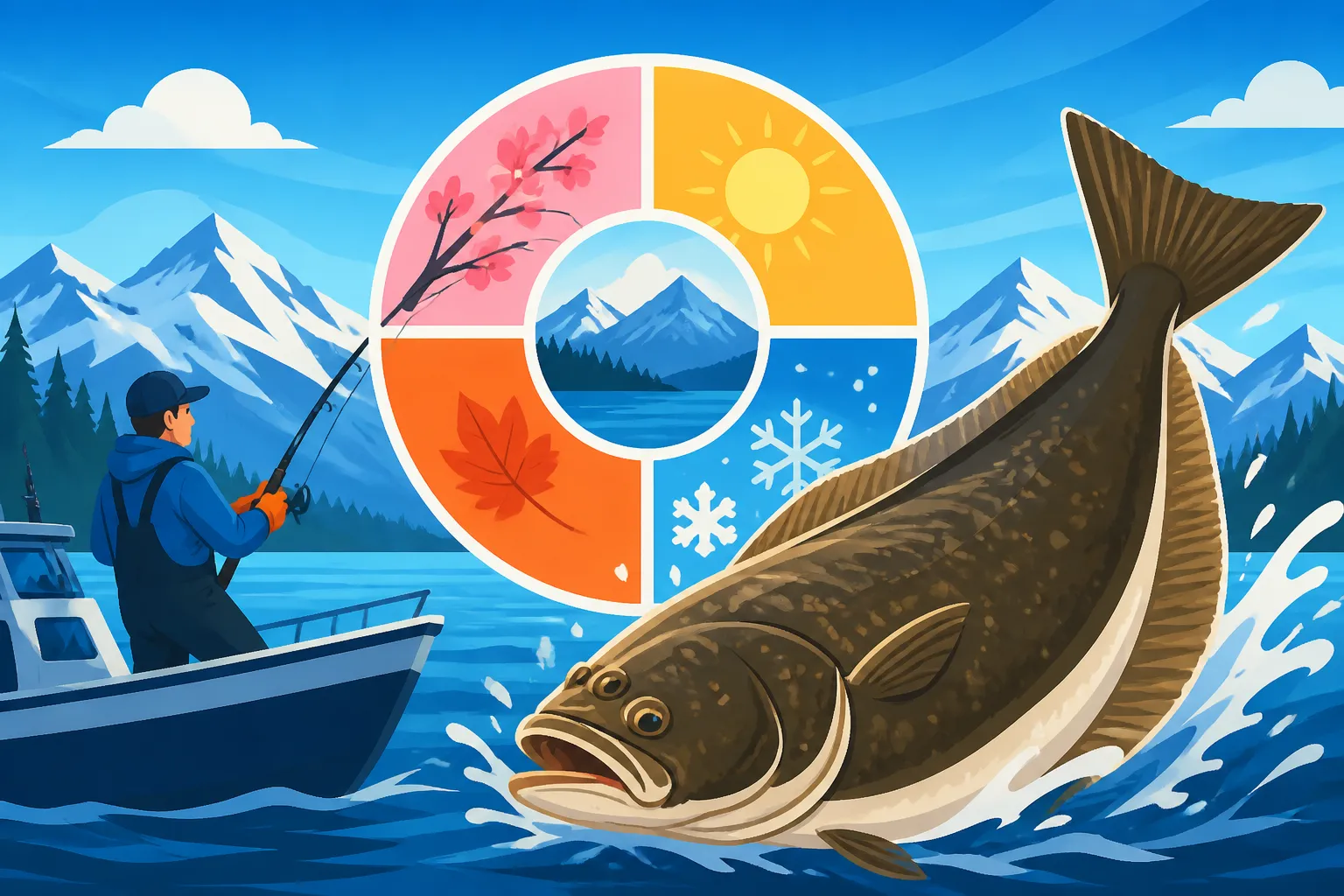
For most sport anglers, the Alaska halibut season typically kicks off in early February and runs through late December. Yes, you read that right – nearly year-round! However, don't pack your bags for a December trip just yet. While technically "open," the prime time for catching halibut, when the weather is more cooperative and the fish are most active and abundant, generally falls between mid-May and mid-September.
During these peak summer months, the water temperatures are more favorable, the days are long, and the halibut have moved into shallower, more accessible waters, making them easier to target. Early season in May and June can be fantastic for targeting larger "barn door" halibut as they're often more aggressive post-spawn. As the summer progresses into July and August, the numbers of fish can be incredibly high, though often with a wider range of sizes. September offers a great balance, with fewer crowds and still plenty of active fish before the weather starts to turn.
Regulatory Bodies and Their Role
The reason for the complexities in Alaska's halibut season dates and bag limits stems from the careful management required to sustain this incredible fishery. Unlike many freshwater species managed solely by the state, Pacific Halibut are an international resource. They migrate across vast stretches of the North Pacific Ocean, making their management a shared responsibility.
The primary authority governing Pacific Halibut is the International Pacific Halibut Commission (IPHC). This body, established by a treaty between the United States and Canada, conducts scientific research, assesses stock health, and sets the overall harvest limits (quotas) for both countries. Once the IPHC sets these overarching quotas, federal and state agencies step in to allocate and manage the harvest within their respective jurisdictions. In Alaska, this primarily involves NOAA Fisheries for federal waters and the Alaska Department of Fish and Game (ADF&G) for state waters, particularly concerning sportfishing regulations. Their collective goal is to ensure sustainable fishing for generations to come, which means these regulations can and do change.
Key Factors Influencing Halibut Season Length and Limits
It’s one thing to know when the season is open, but it’s another to understand why it is structured the way it is. Several critical factors come into play, influencing not just the length of the season but also the daily bag limits and size restrictions that anglers encounter on the water.
Quotas and Stock Health
The cornerstone of halibut management is the annual quota system. Each year, the IPHC, based on extensive scientific surveys and stock assessments, determines the total allowable catch (TAC) for Pacific Halibut across its entire range. This TAC is then divided between the various fishing sectors, including commercial, subsistence, personal use, and sportfishing. If the stock assessment indicates a decline in halibut populations, the TAC might be reduced in subsequent years, which can lead to stricter bag limits or shorter seasons for all user groups.
Conversely, if the stock is healthy and abundant, there might be more liberal limits. These decisions are rooted deeply in conservation science, aiming to prevent overfishing and ensure that there are always plenty of halibut for future generations of anglers and consumers. This is why staying informed about the latest projections and regulations is so important – what was true last year might not be true this year.
Commercial vs. Sportfishing Allocations
A significant portion of the total allowable catch is allocated to the commercial fishing fleet, which operates under a stringent Individual Fishing Quota (IFQ) system. The sportfishing sector, while also subject to quotas, often experiences its limits through daily bag and size restrictions rather than outright season closures. The interplay between these two sectors is crucial, especially for charter operations.
Sport fishing charters often have specific rules that differ from those for unguided anglers. For example, charter boats might face specific weekly closure days (like the notorious "no Thursday fishing" rule in some areas) or more restrictive bag limits compared to unguided private boats. These measures are typically put in place to ensure the sportfishing quota isn't exceeded too quickly, allowing the season to remain open for as long as possible. Understanding the distinction between Alaska Halibut Charter Regulations Explained and private angler rules is vital for planning your trip.
Emergency Orders and In-Season Changes
One of the most frustrating, yet necessary, aspects of Alaska fishing is the potential for emergency orders and in-season regulation changes. Because the IPHC and ADF&G are constantly monitoring the harvest rates against the annual quotas, adjustments can be made mid-season. For example, if sport anglers are catching halibut at a faster rate than projected, bag limits might be reduced, or additional closure days might be implemented to stretch the quota.
These changes are designed to keep the fishery within its sustainable limits, but they can definitely throw a wrench into carefully laid plans. Imagine booking a prime week in July, only to find out upon arrival that the bag limit has unexpectedly dropped. It happens. This is why checking for Alaska Fishing Emergency Orders Explained is paramount right up until you leave for your trip, and even while you're there. Many experienced anglers and charter operators stay glued to the ADF&G website or local fishing forums for the latest updates.
Regional Variations in Halibut Fishing Seasons
Alaska is enormous, and fishing conditions, target species, and even regulations can vary dramatically from one region to another. While the overarching halibut season dates are set by the IPHC and NOAA, the specific local rules, bag limits, and prime fishing periods often depend on where you drop your line.
Southcentral Alaska: Homer, Seward, and Valdez
The Southcentral region, particularly the waters around Homer, Seward, and Valdez, is often considered the epicenter of Alaska halibut fishing. Kachemak Bay near Homer is legendary, often dubbed the "Halibut Fishing Capital of the World." Here, the halibut season is generally robust from mid-May through September, with excellent fishing continuing into early October if weather permits.
However, these popular areas are also where you'll most often encounter specific charter regulations designed to manage the heavy angling pressure. For instance, the reverse slot limit for charter-caught halibut is a common sight in these waters. This means anglers can keep one halibut of 40 inches or less, and one halibut of 80 inches or more, or other similar variations depending on the year. This regulation helps to conserve the middle-sized, reproductively important fish while still allowing anglers to keep a smaller "chicken" halibut and offering the chance for a truly giant "barn door." You'll want to review the specifics of the Alaska Halibut Charter Reverse Slot Limit before you go.
In places like Seward and Valdez, fishing takes place in the open waters of Resurrection Bay and Prince William Sound. These areas also boast fantastic halibut fishing, especially for larger fish further out. The season generally aligns with Homer, but the exact local daily and annual limits, especially for non-residents, can have subtle differences. Always double-check the current Alaska Fishing Regulations Explained specific to your chosen port.
Southeast Alaska: Juneau, Sitka, and Ketchikan
Moving down to the Panhandle, Southeast Alaska offers equally phenomenal halibut fishing, often in waters less crowded than Southcentral. Communities like Juneau, Sitka, and Ketchikan are gateways to vast saltwater expanses teeming with halibut. The season here generally runs concurrently with Southcentral – mid-May to September being the sweet spot.
One key difference in Southeast Alaska might be the specific daily bag and possession limits. While the overall federal guidelines apply, local nuances can pop up. For example, Alaska Halibut Daily Limit for Charter Anglers might be a fixed one-fish limit, or a different slot limit compared to other regions, designed to keep the harvest within local quotas. The sheer number of islands and protected channels means that even on windy days, a knowledgeable charter captain can often find sheltered waters to fish for halibut and other species like salmon and rockfish. This region is also fantastic for combo trips, where you might target halibut in the morning and switch to salmon or lingcod in the afternoon.
Maximizing Your Halibut Fishing Trip During the Season
Knowing the general season is just the first step. To truly make the most of your Alaska halibut adventure, it helps to understand when the fishing is typically at its peak, how charter rules impact your experience, and what gear you’ll need to be successful.
Best Months for Halibut Fishing
While halibut can be caught throughout the lengthy open season, certain months consistently offer the best combination of good weather, active fish, and strong numbers.
- May: The early season can be phenomenal, particularly for trophy-sized halibut. The big females are often more aggressive as they recover from spawning. The weather can be a bit more unpredictable than mid-summer, but the rewards can be immense. Less boat traffic is also a huge plus.
- June: This month often sees a steady increase in fish numbers. The weather usually stabilizes, making for more comfortable days on the water. It’s a great time for both size and quantity.
- July: Often considered the peak of the summer season. Halibut are abundant, and the weather is typically at its warmest and driest. This is also when charter boats are busiest, so booking well in advance is critical. Expect excellent action for smaller to medium-sized fish, with plenty of opportunities for larger ones.
- August: Continues to offer excellent fishing, especially for those seeking plentiful action. Like July, the weather is generally good, though the salmon runs can start to steal some of the spotlight for anglers.
- September: A personal favorite for many seasoned anglers. The crowds thin out, the weather can still be fantastic (though starting to get cooler), and halibut are often aggressively feeding before the winter. This is a great time to target quality over sheer numbers, and you'll often have a more peaceful experience on the water.
Charter Regulations and Halibut Limits
If you're planning to fish with a guided outfit, which many visitors do, understanding the specific rules for charters is non-negotiable. As mentioned earlier, charter anglers often face more restrictive rules than those fishing on private, unguided boats. These commonly include:
- Daily Bag Limits: Often one or two halibut per day, with specific size restrictions. For example, in Southcentral Alaska (IFQ regulatory areas 2C and 3A), a common regulation for charter clients is a daily bag limit of two halibut, where one must be 40 inches or less, and the other must be 80 inches or more. These specific measurements can change annually, so always confirm with your charter operator and the latest ADF&G regulations.
- Annual Limits: Non-resident anglers sometimes have an annual limit on the number of halibut they can keep. For example, in Area 2C (Southeast), it's often four halibut per year for non-residents. This is crucial for multi-day trips or if you plan to fish in Alaska more than once in a year.
- Weekly Closures: Historically, federal waters for charter anglers have seen specific closure days, like Tuesdays or Thursdays, meaning no halibut retention is allowed on those days for guided trips. This is designed to spread out the harvest and extend the season.
Always confirm the most up-to-date Alaska Halibut Bag Limits Explained with your chosen charter captain, as they are legally bound to follow these rules and will keep you informed. It’s their livelihood, and they want you to have a great, legal trip!
Gear and Preparation for Halibut Season
Preparing for a halibut trip means gearing up for battle! These fish are powerful and can grow to immense sizes, requiring robust tackle.
Here's a quick overview of essential gear:
- Rods and Reels: Heavy-duty conventional rods (like a sturdy boat rod) paired with strong, lever-drag reels are standard. Look for reels capable of holding at least 300 yards of 80-100 pound braided line. Penn, Shimano, and Avet are popular brands for halibut setups.
- Line: Braided line with a monofilament or fluorocarbon leader (100-200 lb test) is ideal for its strength and minimal stretch.
- Terminal Tackle: You'll need heavy lead weights (1-5 lbs, depending on current and depth), strong circle hooks (16/0 to 20/0), and sturdy spreader bars or three-way swivels to keep your bait presentation effective. You can find many of these specialized items on online retailers like Amazon.
- Bait: Fresh bait is king. Herring, salmon heads, salmon pieces, octopus, and even cod are all excellent choices. Many charters will provide bait, but it's good to know what works. For more specific advice, check out Best Bait for Alaska Halibut.
- Safety Gear: Always have appropriate rain gear, warm layers (even in summer, Alaska weather can be fickle), non-slip boots, and motion sickness medication if you're prone to seasickness. A good pair of polarized sunglasses is also invaluable.
- Harvest Record Card: Don't forget your fishing license and king salmon stamp if needed, and make sure you understand how to use your Alaska Harvest Record Card Explained to log your catch.
Being prepared with the right gear ensures you're ready when that monster halibut decides to take your bait.
| Region | Typical Peak Season | Common Charter Limit Example (Varies Annually) | Key Considerations |
|---|---|---|---|
| Southcentral | Mid-May to September | 2 fish: 1 under 40", 1 over 80" (may have weekly closures) | High pressure, legendary spots (Homer), variable slot limits. |
| Southeast | Mid-May to September | 1-2 fish (often fixed size or different slot) | Less crowded, excellent combo trip opportunities, check specific local limits. |
| Kodiak/Bristol Bay | June to August | Varies, often 1-2 fish per day | Remote, large fish potential, often part of multi-species trips. |
Note: The specific charter limits above are illustrative and change annually. Always verify current regulations.
Navigating Halibut Regulations and Staying Informed
Given the dynamic nature of Alaska's fishing regulations, staying informed isn't just a good idea; it's essential for a successful and legal trip. There’s nothing worse than getting off the water after a fantastic day, only to find you’ve inadvertently violated a regulation.
Official Resources and Tools
The best place to get accurate, up-to-date information is directly from the source. The Alaska Department of Fish and Game (ADF&G) website is your primary resource. They publish detailed regulation booklets, often broken down by region, which you can download or view online. These booklets cover everything from bag limits and size restrictions to gear rules and permit requirements. You can also find information on How to Read the Alaska Sport Fishing Regulations Booklet for better understanding.
Furthermore, the ADF&G website is where emergency orders are posted. These in-season changes can happen quickly, so it's wise to check regularly, especially in the weeks leading up to your trip and while you are actively fishing. Some regions even have dedicated hotlines or social media feeds for immediate updates. Familiarize yourself with their website structure before your trip so you can quickly find what you need.
The International Pacific Halibut Commission (IPHC) website is another valuable resource, particularly for understanding the broader scientific assessments and harvest quotas that drive the regulations. While less focused on day-to-day sportfishing rules, it provides the fundamental context for why certain regulations are in place.
Local Knowledge and Charter Operators
Beyond the official websites, there's an invaluable source of real-time information: local knowledge.
- Talk to Locals: If you're planning a do-it-yourself trip, spend time in local tackle shops, marinas, and even diners. Alaskans are generally friendly and proud of their fisheries, and they can offer insights into recent fishing trends, hot spots, and any unannounced local conditions.
- Consult Charter Operators: If you're booking a guided trip, your charter captain is your ultimate resource. They live and breathe these regulations. Reputable charter operators stay abreast of every change, often receiving direct alerts from ADF&G. Don't hesitate to call them before your trip to confirm the latest bag limits, slot sizes, and any other pertinent rules. They're also an excellent source for tips on How to Catch Halibut in Alaska and finding the Best Halibut Fishing in Alaska. Consider looking for a good outfit through resources like Alaska Fishing Charters: Complete Guide.
Building a good relationship with your guide or tapping into local communities ensures you're not caught off guard by changes and can focus on enjoying the incredible experience of fishing for halibut in Alaska.
Disclaimer
The information provided in this guide is intended for general informational purposes only and is subject to change. Fishing regulations in Alaska are complex and can be updated frequently by various governing bodies. Always consult the most current official regulations from the Alaska Department of Fish and Game (ADF&G) and the International Pacific Halibut Commission (IPHC) before planning or embarking on any fishing trip. Adherence to all local, state, and federal laws is the responsibility of each individual angler.