Nushagak River Fishing: What to Know Before You Go
Heading to Alaska for a fishing trip is an incredible experience, but planning for a remote destination like the Nushagak River can feel overwhelming. Many anglers dream of targeting the legendary King salmon runs here, yet they worry about understanding the prime seasons, navigating the logistics of reaching such a wild place, or knowing what gear truly makes a difference. This comprehensive guide will walk you through everything you need to know about Nushagak River fishing, ensuring you're well-prepared for an unforgettable Alaskan adventure.
Why the Nushagak River is an Angler's Dream
The Nushagak River, often affectionately called "The Nush," flows through the vast, unspoiled wilderness of Southwest Alaska's Bristol Bay region. It's not just a river; it's an ecosystem teeming with life, drawing anglers from around the globe who seek an authentic, remote Alaskan fishing experience. What makes it so special is its sheer productivity and the incredible abundance of wild salmon returning year after year. This isn't your average fishing trip; it's an immersion into one of the last truly wild fisheries on Earth.
The King Salmon Capital
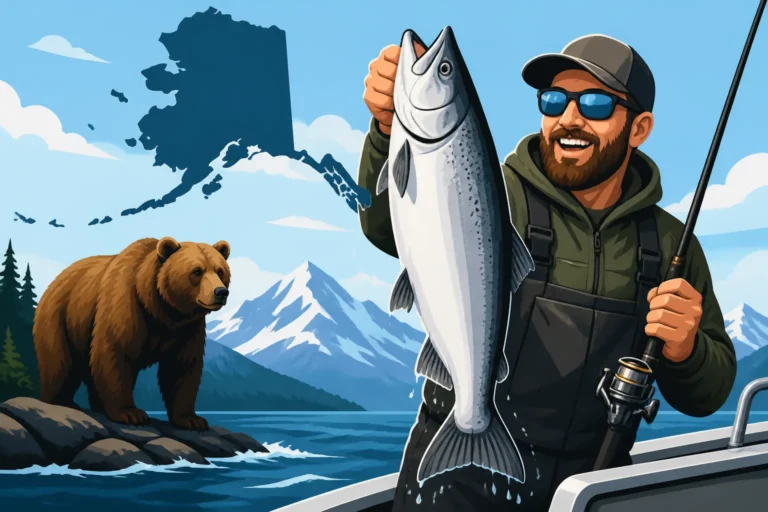
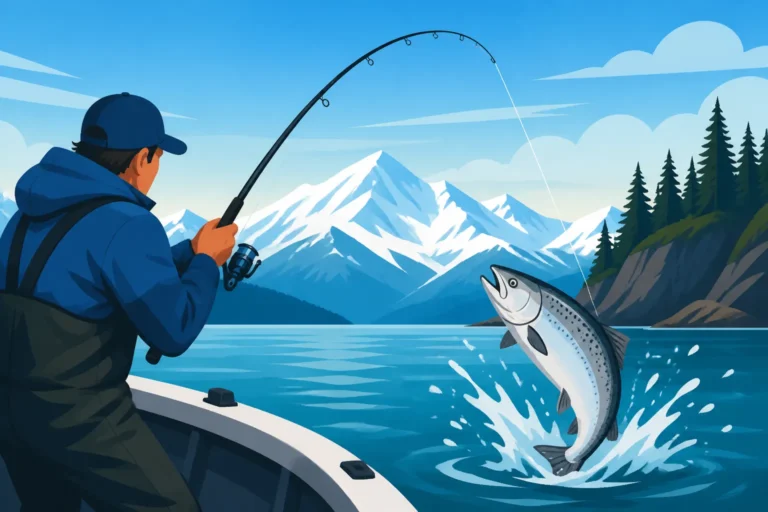
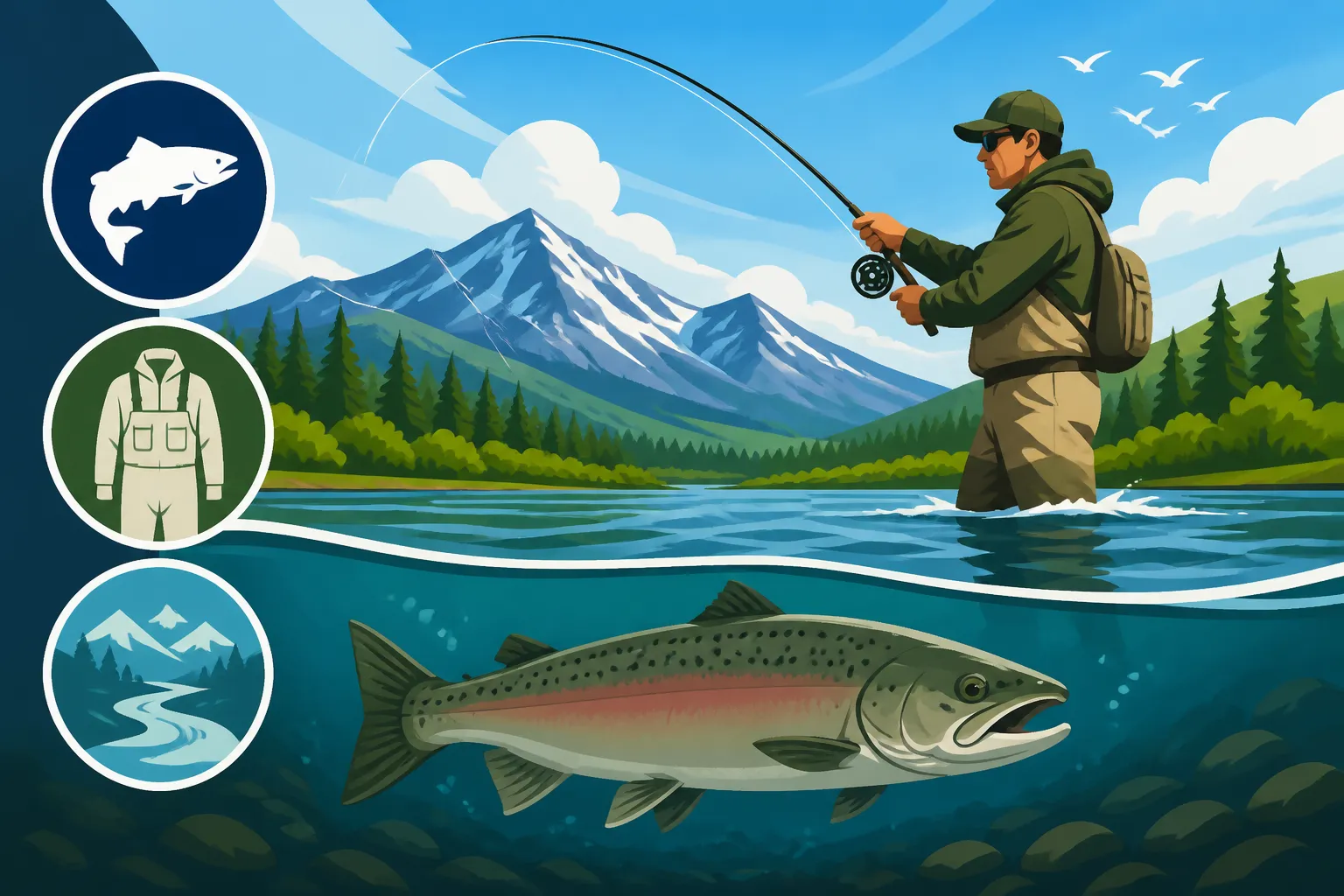
If you've heard anything about the Nushagak, it's likely about its unparalleled King salmon (Chinook) runs. This river holds a legendary status as one of the most prolific King salmon rivers in the world, consistently boasting returns that often outnumber many other Alaskan rivers combined. For many, the Nushagak is the place to pursue a trophy King. These powerful fish, often exceeding 30-40 pounds, make incredible runs and put up a fight that will test even the most experienced angler. The sheer volume of fish is astounding; during the peak of the run, it's not uncommon to witness Kings rolling and jumping all around you, creating an almost surreal fishing environment.
The challenge of hooking into a Nushagak King and then battling it to the boat or shore is an experience that stays with you forever. They are a formidable opponent, known for their powerful head shakes, deep dives, and blistering runs that can strip line from your reel in seconds. Landing one is a true accomplishment, and for many, it's the highlight of their entire Alaska fishing trip. If you're looking for an in-depth dive into these magnificent fish, our Alaska King Salmon: Complete Guide offers even more insights.
Beyond Kings: Sockeye, Silvers, and More
While King salmon undeniably steal the spotlight, the Nushagak is far from a one-fish river. It’s a vibrant fishery that hosts incredible runs of other Pacific salmon species, providing diverse angling opportunities throughout the season. Many anglers come for the Kings but are pleasantly surprised by the quality and quantity of fishing for other species.
Following the initial King salmon push, massive numbers of Sockeye (Red) salmon surge into the Nushagak, particularly from late June through July. These fish are renowned for their hard fighting capabilities and their exceptional table quality. While they can be a bit finicky, once you dial in the technique, the action can be non-stop. If you’re planning a trip focused on Sockeye, our Alaska Sockeye Salmon Explained article has all the details you’ll need. As summer progresses into August and September, the Nushagak sees strong runs of Coho (Silver) salmon. These acrobatic fish are a blast to catch on lighter tackle, often striking at a variety of lures and flies, providing thrilling topwater action. You’ll also find Chum (Dog) salmon and Pink (Humpy) salmon here, which, while not as highly prized for sport as Kings or Silvers, offer plenty of action and are great for beginners or those looking to simply bend a rod.
Beyond salmon, the Nushagak system supports a healthy population of resident fish. Hard-fighting Dolly Varden are common, especially in the clear tributaries, often found darting around salmon redds, feeding on loose eggs. Arctic Grayling, with their distinctive sail-like dorsal fins, can also be found in many of the clearer streams and upper river sections, offering light tackle or fly-fishing opportunities in pristine settings. This variety means that no matter when you visit, there's always something exciting to target, ensuring your time on the Nushagak is packed with diverse angling experiences.
Planning Your Nushagak Adventure: When and How
A trip to the Nushagak is a significant undertaking, requiring careful planning due to its remote location and the seasonal nature of its incredible fish runs. Understanding the best time to visit and how to manage the logistics of getting there are crucial steps in ensuring a successful and enjoyable trip. This isn't a last-minute road trip; it's an expedition that rewards thorough preparation.
Best Time to Fish the Nushagak
Timing is everything when it comes to fishing the Nushagak. The river's productivity is tied directly to the salmon runs, which are seasonal and can vary slightly year to year. Generally, the fishing season kicks off in mid-June and runs through September, with distinct peaks for different species. For an overall look at seasonal fishing in Alaska, check out our Best Time to Fish in Alaska guide.
King Salmon (Chinook): The star attraction, King salmon, typically begin their major push into the Nushagak in mid-June, with the run peaking in late June and early July. This two to three-week window is when the river truly comes alive with anglers hoping to land a "Nushagak King." If targeting these magnificent fish is your primary goal, plan your trip for late June to mid-July.
Sockeye Salmon (Red): The Sockeye run usually follows right on the heels of the Kings, often overlapping in late June and continuing strong through July. The Nushagak often sees runs of millions of Sockeye, providing incredible opportunities for those who enjoy this feisty and delicious salmon.
Silver Salmon (Coho): As the King and Sockeye runs start to taper off, the Silver salmon begin to arrive in August, with peak fishing often occurring from mid-August through September. These aggressive fish provide exciting action and are a fantastic way to extend your fishing season on the Nushagak.
Here's a quick overview of the prime windows:
| Species | Prime Fishing Window | Notes |
|---|---|---|
| King Salmon | Mid-June to Mid-July | Peak runs, strong fighters, sought-after trophy. |
| Sockeye Salmon | Late June to Late July | Massive numbers, excellent eating, challenging but rewarding to catch. |
| Silver Salmon | Mid-August to September | Abundant, acrobatic, aggressive, great on light tackle. |
| Chum/Pink Salmon | July to August | Provide continuous action, good for beginners. |
| Dolly Varden | July to September | Resident fish, strong fighters, often found in tributaries. |
| Arctic Grayling | July to September | Resident fish, beautiful, light tackle/fly-fishing in upper river. |
Keep in mind that salmon run timing can shift based on water temperatures, snowmelt, and other environmental factors. Always consult current forecasts and lodge operators before finalizing your dates. Understanding Alaska Salmon Run Timing Explained can help you make an informed decision.
Getting There and Logistical Considerations
Reaching the Nushagak River is an adventure in itself, as it's not accessible by road. The primary gateway is the town of Dillingham, located on Bristol Bay. Most anglers fly commercially to Anchorage (ANC), then take a regional flight to Dillingham (DLG). From Dillingham, you'll typically take a pre-arranged floatplane or wheeled plane directly to your chosen lodge or camp on the Nushagak or one of its tributaries. This multi-leg journey adds to the mystique and remote feel of the trip, making it feel like a true expedition.
Because of its remote nature, most anglers opt for an all-inclusive lodge or guided package. These operations handle all the logistics once you arrive in Dillingham, including air charters to the river, comfortable accommodations, meals, guided fishing, and often even fish processing. Booking through experienced outfitters ensures a seamless experience in a wilderness setting. Platforms like FishingBooker can be an excellent resource for finding and comparing various Nushagak River lodges and guides, making it easier to secure your trip well in advance. These lodges often provide excellent insights into Best Salmon Fishing Rivers in Alaska, and Nushagak is always on the list.
If you’re considering a lodge, remember to book well in advance, especially if you're targeting the prime King salmon window. These spots fill up quickly, often a year or more out. For those considering a DIY trip, it's far more complex and generally not recommended for first-timers, given the extreme remoteness, bear country risks, and the need for specialized gear and safety protocols. For most, a reputable outfitter is the way to go, providing invaluable local expertise and ensuring a safe, productive experience.
Essential Gear and Techniques for Nushagak Success
Having the right gear and understanding effective techniques are paramount for success on the Nushagak. This isn't a place for underpowered equipment; you'll be battling strong, wild salmon in powerful currents. Being prepared means you'll spend more time fighting fish and less time re-rigging or dealing with equipment failures. Our general Alaska Fishing Gear and Tackle Guide can give you a broad overview, but let’s get specific for the Nushagak.
Rods, Reels, and Line for Nushagak Salmon
For King salmon, you’ll want heavy-duty gear capable of handling large, powerful fish. A 9-10 foot heavy-action casting rod, rated for 15-30 lb line, paired with a high-quality baitcasting reel or a robust spinning reel, is ideal. Popular choices include the Daiwa Lexa series or Shimano Tranx for baitcasters, and sturdy reels like the Penn Spinfisher or Shimano Saragosa for spinning. Load your reel with 50-65 lb braided line, ensuring you have enough backbone to turn a charging King. A good quality leader, typically 30-50 lb fluorocarbon, is essential.
For Sockeye and Silver salmon, you can drop down slightly in gear. A medium-heavy to heavy action spinning or casting rod, 8.5-9.5 feet, rated for 10-20 lb line, works wonderfully. Pair this with a 3000-5000 series spinning reel or a smaller baitcaster spooled with 30-40 lb braid and a 15-25 lb fluorocarbon leader. Sockeye, in particular, are often targeted with a technique known as "flossing," which requires precise casting and a sensitive rod tip. Many guides on FishingBooker can also provide detailed gear lists specific to their techniques and the species they target.
Always bring a secondary setup or a spare rod just in case. Accidents happen in the Alaskan wilderness, and having a backup can save your trip. Also, ensure your reels have smooth, reliable drags; you'll need them when a 40-pound King decides to bolt downstream.
Proven Baits and Lures
The Nushagak salmon respond to a variety of offerings, but certain baits and lures have proven to be consistently effective. Your guide will often have a wealth of knowledge on what's working best at any given time, but here are some staples:
For King Salmon:
- Cured Salmon Eggs: Often fished under a float or drifted, natural bait is incredibly effective. The scent trail can entice Kings from a distance.
- Plugs/Lures: Large, aggressive plugs like the Kwikfish in sizes K15 or K16, often back-trolled or back-bounced, are deadly for Kings. Popular colors include "Silver Horde," "Fire Tiger," or "Hot Pink." Spinners like the Pixie or Blue Fox Vibrax in larger sizes (5-7) are also productive.
- Jigs: Heavy jigs tipped with bait (like a prawn or chunk of roe) can be very effective when fished near the bottom in deeper holes.
For Sockeye Salmon:
- Flies/Beads: Sockeye are often targeted by "flossing" or "lining" them with unweighted flies or small beads in bright colors (chartreuse, hot pink, orange). The technique involves drifting the line directly into the fish's mouth as they hold in schools.
- Small Spinners: Occasionally, very small spinners or coho flies can trigger a strike, especially if the Sockeye are showing more aggressive behavior.
For Silver Salmon:
- Spinners: Medium-sized spinners (Blue Fox Vibrax #3-#5, Mepps Comet Mino) in bright colors (chartreuse, pink, orange, silver/blue) are incredibly effective.
- Spoons: Casting spoons like the Pixie, Koho, or Silver Horde in various finishes.
- Jigs: Marabou jigs in chartreuse, white, or pink, often tipped with a piece of cured roe or shrimp.
- Flies: Streamers and poppers in similar bright colors for fly anglers, especially when Silvers are keying in on baitfish or surface insects.
Always be prepared with a variety of options, as salmon preferences can change with water conditions, light, and time of day. Your guide will be your best resource for dialing in the hot patterns.
Navigating Regulations and Conservation on the Nushagak
Fishing in Alaska, particularly in a renowned area like the Nushagak, comes with a responsibility to understand and adhere to the regulations. The Alaska Department of Fish and Game (ADF&G) manages these fisheries to ensure their sustainability, which sometimes means regulations can change frequently through emergency orders. Additionally, being in a remote wilderness requires a strong commitment to conservation and safety, especially concerning wildlife.
Understanding Bag Limits and Licenses
Before you even cast a line, you need an Alaska fishing license. Non-residents, in particular, should acquire their license well in advance. You can purchase these online, often through the ADF&G website. Our Alaska Non-Resident Fishing License Guide provides a comprehensive overview of requirements and how to get one. Many lodges and outfitters, especially those found on platforms like FishingBooker, can also assist with this process or point you in the right direction.
In addition to a general sport fishing license, if you plan to target King salmon, you will almost certainly need an Alaska King Salmon Stamp. This stamp is mandatory for all anglers, including residents and non-residents, who wish to fish for or retain King salmon.
Bag limits and possession limits on the Nushagak River, particularly for King salmon, are subject to change based on run strength and conservation concerns. For example, Alaska King Salmon Fishing Regulations and Limits can be quite restrictive for non-residents, often limiting them to a total annual harvest of one or two King salmon, with specific daily bag limits that can be reduced or eliminated during periods of low returns. These regulations are designed to protect the future of these precious fish. Alaska Sockeye Salmon Fishing Regulations and Limits are generally more liberal due to the massive returns, but it's crucial to check the specific regulations for the Nushagak area (usually Southwest Alaska or Bristol Bay Management Area) before your trip. Always carry a current copy of the Alaska Sport Fishing Regulations booklet and check for any emergency orders from ADF&G, which can modify limits or open/close fisheries on short notice.
| Species | Daily Bag Limit (Non-Resident Example) | Annual Limit (Non-Resident Example) | Notes |
|---|---|---|---|
| King Salmon | 1 (often with size restrictions) | 1-2 (varies by year/area) | Requires King Salmon Stamp. Highly variable, check current EOs. |
| Sockeye Salmon | 3-5 (often varies by river) | No annual limit typical | Generally abundant, focus on current daily limits. |
| Silver Salmon | 3 (can vary) | No annual limit typical | Good retention opportunities. |
| Chum/Pink Salmon | 5-10 (can vary) | No annual limit typical | Liberal limits. |
| Dolly Varden | 2 (16 inches or less) | No annual limit typical | Often catch-and-release encouraged. |
| Arctic Grayling | 5 (12 inches or less) | No annual limit typical | Often catch-and-release encouraged. |
Note: These are illustrative examples. Always verify current regulations and emergency orders from the Alaska Department of Fish and Game before fishing.
Responsible Angling and Bear Safety
Fishing in the Nushagak is a privilege, and practicing responsible angling is crucial to maintaining its pristine environment and healthy fish populations. This includes adhering to catch-and-release best practices for any fish you don't intend to keep, minimizing stress on the fish, and using barbless hooks where required or encouraged. Never leave trash behind, and always pack out everything you pack in.
You are in prime bear country on the Nushagak. Both brown (grizzly) bears and black bears frequent the riverbanks, especially during salmon runs when they are feeding heavily. Being bear aware is not just a recommendation; it's a necessity for your safety and theirs. Here are critical safety tips:
- Make Noise: When hiking or walking through brush, make noise to avoid surprising a bear.
- Carry Bear Spray: Always carry easily accessible bear spray and know how to use it.
- Store Food Properly: All food and scented items must be stored in bear-resistant containers or hung from trees away from your camp. Never keep food in tents.
- Cleanliness: Keep your camp and fishing areas meticulously clean. Process fish away from camp and dispose of carcasses in the main current of the river where allowed, or as directed by your guide.
- Be Vigilant: Pay attention to your surroundings. Look for fresh tracks, scat, or signs of bears.
- Fish Safely: Avoid fishing alone. If a bear approaches, make your presence known, slowly back away, and never run. Your guides will be experts in bear safety and will brief you thoroughly.
Understanding How to Fish Safely Around Alaska Bears is paramount for any wilderness fishing trip in the state. By being prepared and respectful of the environment and its inhabitants, you ensure not only your own safety but also the longevity of this incredible fishery for future generations.
Disclaimer
The information provided in this guide is for general informational purposes only and is subject to change. Fishing regulations in Alaska, particularly emergency orders, can change frequently. Always consult the most current Alaska Department of Fish and Game (ADF&G) regulations and emergency orders for the specific area and time you plan to fish. Before undertaking any fishing trip, it is your responsibility to be aware of and comply with all applicable laws and regulations. We are not responsible for any incidents, injuries, or legal issues that may arise from using this information.