How to Record a King Salmon in Alaska
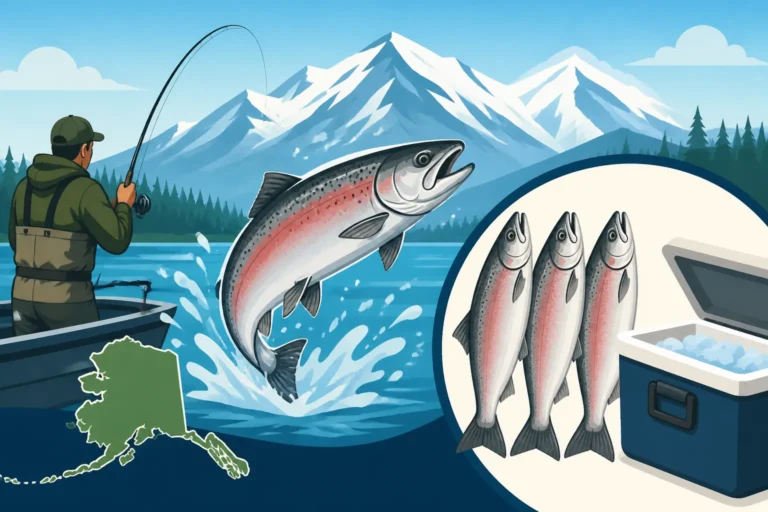
Anglers heading to Alaska often dream of landing a magnificent King Salmon, but the thrill of the catch can quickly turn into a headache when faced with the harvest record card. It’s not just about catching the fish; it’s about legally documenting your prized catch, and getting it wrong can lead to serious headaches or even fines. This comprehensive guide will walk you through exactly how to record your King Salmon on your Alaska sport fishing license and harvest record, ensuring your epic fishing adventure stays on the right side of the rules and avoids any unnecessary stress.
Understanding the Alaska Harvest Record Card
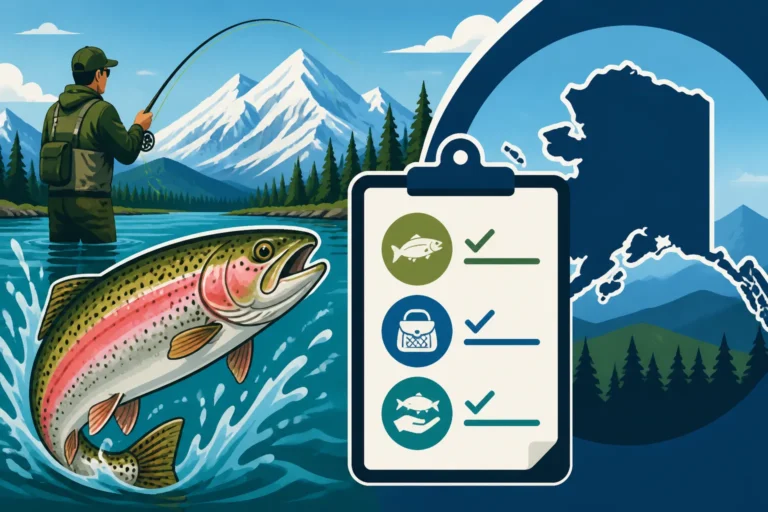
Let's be real, navigating fishing regulations can feel like trying to decipher an ancient scroll, especially when you're caught up in the excitement of a potential trophy King Salmon. The Alaska Department of Fish and Game (ADF&G) has a robust system in place to manage its world-class fisheries, and the harvest record card is a critical component of that system. It's not just another piece of paper; it's a vital tool for wildlife management, and for you, it's your proof of legal harvest. Missing this crucial step can turn a fantastic fishing story into a cautionary tale.
What is the Harvest Record Card for?
At its core, the harvest record card serves as a data collection tool for ADF&G. Every time a specific species, like a King Salmon, is retained by an angler, recording it provides valuable information on harvest numbers. This data helps biologists track fish populations, understand fishing pressure, and make informed decisions about future regulations, seasons, and bag limits. Think of it as your direct contribution to the conservation efforts that keep Alaska's fisheries thriving. Without accurate data, it's impossible to sustain these incredible resources for generations to come.
Beyond its scientific purpose, the harvest record card is also your legal documentation. It proves that the fish you possess was caught legally and within the current regulations. This is especially important when you’re transporting your catch, whether that’s just back to your lodge or all the way home to the Lower 48. Game wardens often check these cards, and a properly filled-out record is your best defense against potential misunderstandings or violations. It’s truly an integral part of your larger fishing documentation, working hand-in-hand with your actual Alaska Fishing License: Complete Guide.
Who Needs a Harvest Record Card?
Here's where some anglers get tripped up. It's not every fish you catch that needs to be recorded, but for certain species, it's absolutely mandatory for both residents and non-residents alike. In Alaska, you must record all retained King Salmon, Steelhead, and Pacific Halibut. If you're targeting these species, your sport fishing license will either have the harvest record integrated directly into it, or you'll receive a separate physical card that accompanies your license. For example, if you obtained your license online, the harvest record is typically printed directly below or on the back of your license.
It’s crucial to understand that even if you're on a guided trip, the responsibility for recording your catch ultimately falls to you, the angler. While many excellent guides will assist you and ensure you understand the process, they can't fill it out for you or be held liable if you neglect to do so. Whether you're a seasoned local or a first-time tourist, ensuring you have the correct harvest record and know how to use it is a fundamental part of responsible angling in Alaska. Always double-check your license type to confirm it includes the necessary harvest record, especially if you're a Alaska Non-Resident Fishing License Guide looking to bring home a trophy King.
Step-by-Step Guide to Recording Your King Salmon
The moment of truth arrives: you’ve landed a magnificent King Salmon, carefully brought it aboard, and made the decision to retain it. Now, with your hands still possibly trembling from the fight, it’s time to accurately record your catch. This step needs to happen as soon as practically possible after the fish is retained. Don't wait until you're back at the dock, or worse, back at your cabin. ADF&G regulations explicitly state that harvest must be recorded immediately. This prevents confusion, protects the resource, and keeps you out of hot water.
Locating the King Salmon Section
Your harvest record card, whether physical or digital, is usually organized by species. You’ll find distinct sections for King Salmon, Halibut, and Steelhead. For King Salmon, specifically, there will typically be a row or series of boxes dedicated to this species, often clearly labeled "King Salmon" or "Chinook Salmon." Each row will have columns for the date, location, and sometimes a checkbox or number count for the fish retained. Take a moment to familiarize yourself with your card before you even wet a line, so you're not fumbling when the action starts.
It's common for there to be multiple lines available under the "King Salmon" section, reflecting the possibility of catching more than one fish over the season, up to your annual limit. If you're using an electronic license system, such as through the ADF&G mobile app, the process is similar but digital. You'll navigate to the harvest record section, select "King Salmon," and then input the required details. The exact interface might vary slightly, but the core information you need to provide remains consistent. Having a pen on hand for physical cards, or ensuring your phone is charged for digital ones, is a small but critical detail.
Filling Out the Details Accurately
Accuracy is paramount when filling out your harvest record. Sloppy handwriting, incorrect dates, or vague locations can all lead to issues. Here's a breakdown of the key information you'll need to provide:
- Date Caught: This is straightforward – record the exact date you harvested the King Salmon.
- Location/Area: This needs to be as specific as possible. Don't just write "river." Instead, specify "Kenai River, downstream from the Pillars" or "Kasilof River, estuary." The more precise ADF&G can be with harvest locations, the better they can manage specific river systems or marine areas. If you're fishing in a well-known area, using common names like "Ship Creek" near Anchorage or "Ninilchik Beach" in Cook Inlet is acceptable, but adding a bit more detail (e.g., "Ship Creek, outflow area") is always a good idea.
- Species: You're specifically recording a King Salmon, so make sure that's clearly marked.
- Retention Mark: For many cards, this means simply writing a "1" in the designated box for the fish, or checking a box to indicate a fish was retained. If you catch and release a King Salmon, it is not recorded on this card. Only fish you intend to keep and take possession of are recorded.
It might seem like a lot of detail, but remember, this data feeds directly into how the state manages these precious fish. A simple, clear entry prevents headaches for you and provides crucial information for conservation. For a detailed visual guide on this, you might find "How to Fill Out an Alaska Harvest Record Card" helpful.
Common Recording Scenarios
Understanding how to apply these rules to various situations is key. Let's look at a few common scenarios:
- Catching a Single King: This is the easiest. You land it, decide to keep it, and immediately record the date and location in the first available King Salmon slot. You're done!
- Catching Multiple Kings: If regulations allow for you to retain more than one King Salmon in a season (which varies by residency and specific fishery, often limited to one or two for non-residents, for example), you'll use a new line on your harvest card for each subsequent King Salmon retained. Each fish gets its own date and location entry. Always remember to check the Alaska King Salmon Fishing Regulations and Limits for the specific area and time you are fishing to ensure you stay within both daily and annual limits.
- Charter vs. Unguided: As mentioned, the angler is always responsible for their own harvest record. On a charter, the captain or deckhand will often remind you and can even provide a pen, but they cannot legally fill it out for you. Make sure you retain possession of your license and harvest record at all times. If you are fishing unguided, the onus is entirely on you to correctly and immediately record your catch.
- Lost or Damaged Card: This is a pain, but it happens. If your physical card is lost or damaged, you need to replace it. You can often do this online through the ADF&G website or at a licensed vendor. If you have previously recorded fish, you'll need to transfer those records to your new card as accurately as possible. For those using the mobile app, this is less of an issue as your data is stored digitally.
| Field | Description | Specifics for King Salmon |
|---|---|---|
| Species | Clearly identify the fish caught. | "King Salmon" or "Chinook Salmon" (confirm which is expected on the card, usually "King"). |
| Date Caught | The exact date you landed and retained the fish. | Must be recorded immediately upon retention, preferably within minutes. |
| Location/Area | The specific waterbody or region where the fish was caught. | Be as precise as possible (e.g., "Kenai River, lower stretch," "Cook Inlet, near Ninilchik"). Avoid vague terms. |
| Annual Limit | The total number of this species you are allowed to keep in a season. | Varies significantly by resident/non-resident status and specific regulations. Check Alaska Fishing Limits and Bag Limits Explained. |
| Daily Limit | The maximum number of this species you can keep in a single day. | Usually part of the annual limit, but can have separate daily restrictions. |
| Harvest Status | Mark whether the fish was retained. | Only retained fish are recorded. Catch-and-release fish are not recorded on the harvest card itself. |
| Validation | Your signature, confirming the accuracy of the record. | Required to make the record legal. This is often on the main license, but may be required on the harvest card itself. |
Key Regulations and Common Pitfalls
Alaska's fisheries are dynamic, especially for a highly sought-after species like King Salmon. This means regulations can change, sometimes rapidly, due to conservation concerns, emergency orders, or run strength. Staying on top of these changes is just as important as knowing how to record your fish. Ignoring or being unaware of changes can lead to accidental violations, which no one wants.
Annual Limits and Non-Resident Considerations
For King Salmon, annual limits are a major focus, particularly for non-residents. While residents may have more liberal limits in some areas, non-residents often face stricter annual limits, sometimes as low as one or two King Salmon for the entire season across all of Alaska. This is a critical point that many visitors overlook until it’s too late. Imagine flying all the way to Alaska, catching a beautiful King, and then realizing you've already met your annual limit from a previous trip or another river. That’s a tough pill to swallow!
These limits are designed to spread the harvest among more anglers and protect the overall King Salmon population. It’s absolutely essential to consult the current Alaska King Salmon Annual Limit for Non-Residents and the full Alaska Fishing Regulations Explained booklet before and during your trip. What was legal last year or even last week might not be today. Always refer to the latest ADF&G regulations, which can be found on their website or in physical booklets available at most tackle shops and license vendors. Don't rely solely on what a buddy told you.
Emergency Orders and In-Season Changes
Few things in Alaska fishing are as nerve-wracking as an emergency order for King Salmon. Due to fluctuating run sizes and conservation concerns, ADF&G frequently issues Emergency Orders (EOs) that can change regulations in an instant. This might mean reduced bag limits, complete closures of certain rivers to King Salmon retention, or gear restrictions. For example, a river might suddenly go to catch-and-release only for Kings, or bait might be prohibited. If you retain a King Salmon after an emergency order has closed the fishery, even if you weren't aware of it, you're in violation.
This is why staying informed is crucial. Before you head out each day, especially during the King Salmon season (typically May through July), check for current Emergency Orders. The ADF&G website is the primary source, but many local lodges, tackle shops, and guides also stay up-to-date. You can even sign up for email or text alerts in some regions. Missing an emergency order can lead to serious fines and a ruined trip. Understanding Alaska Fishing Emergency Orders Explained is a vital part of planning any successful King Salmon adventure.
Avoiding Violations and Fines
The consequences of not correctly recording your King Salmon, exceeding limits, or ignoring emergency orders can range from a warning to substantial fines, confiscation of your gear, and even loss of fishing privileges. I've heard stories from anglers who, through pure oversight or confusion, found themselves facing penalties that easily overshadowed the cost of their entire fishing trip. This isn't unique to Alaska; proper documentation and adherence to limits are universal principles of ethical angling, but the strictness here is amplified due to the immense value and sensitivity of the King Salmon resource.
To avoid becoming one of those cautionary tales, always:
- Carry your license and harvest record: Whether it's the physical card or the digital version on your phone, have it on you at all times while fishing.
- Record immediately: Don't delay. The excitement of the catch shouldn't lead to forgetfulness.
- Know your limits: Be intimately familiar with the daily and annual limits for King Salmon in your specific area, considering your residency status.
- Check EOs: Make it a daily ritual to check for Emergency Orders affecting your fishing location.
- When in doubt, ask: If you're unsure about a regulation or how to record something, ask a guide, a local tackle shop employee, or call the ADF&G office. It's always better to ask than to assume.
Remember, fish and game troopers are out there actively enforcing these rules to protect the resource. They're often highly visible in popular areas like the Kenai River or the mouth of the Kasilof. A little diligence on your part goes a very long way in ensuring a legal and enjoyable experience. For more on this, check out Alaska Fishing Violations and Fines.
Beyond Recording: Responsible King Salmon Angling
While correctly recording your King Salmon is a non-negotiable legal requirement, responsible angling goes even further. It encompasses a broader set of ethical practices that contribute to the health of the fishery and ensure positive experiences for everyone on the water. This mindset not only supports conservation but also elevates your own fishing experience.
Catch-and-Release Best Practices for Kings
Not every King Salmon you encounter will be kept. Perhaps you've already met your limit, or you prefer to release smaller fish or wild spawning stock. When practicing catch-and-release for King Salmon, especially for such powerful and often vulnerable fish, proper technique is paramount to ensure their survival. These fish are fighters, and a hard battle combined with improper handling can be fatal for them after release.
Here are some best practices:
- Minimize Fight Time: Use appropriate tackle that can bring the fish in relatively quickly. Prolonged fights exhaust the fish, reducing its chance of survival.
- Barbless Hooks: Regulations in many Alaska fisheries, especially during certain times or for specific species, require Alaska Barbless Hook Requirements. Even if not required, barbless hooks make removal easier and cause less damage to the fish.
- Keep the Fish in the Water: Whenever possible, keep the King Salmon in the water while unhooking it and taking any photos. Lifting a large King out of the water, especially horizontally by the tail, can severely damage its internal organs and spine.
- Wet Hands: If you must touch the fish, wet your hands first to protect its delicate slime coat, which is vital for disease resistance.
- Proper De-hooking Tools: Carry pliers or a de-hooking tool to quickly and safely remove hooks.
- Revive the Fish: If the King is visibly stressed, hold it gently upright in the current (facing into the current) until it regains strength and swims away on its own.
Practicing these methods shows respect for the fish and the fishery, embodying the true spirit of conservation that makes Alaska's fishing so special.
Transporting and Processing Your Catch
Once you've properly recorded your King Salmon, the next step is often processing and transporting it. Alaska has specific rules for this too, especially if you're planning to take your fish out of the state. It's not uncommon to see anglers with coolers full of neatly packaged fillets at the Anchorage airport, ready for their journey home.
Here’s what you need to know:
- Filleting and Packaging: Most lodges and charter operations offer filleting and vacuum-sealing services. If you do it yourself, ensure your fish is properly cleaned, filleted, and packaged to prevent spoilage. You can find many resources online for how to properly fillet a salmon.
- Labeling: All packaged fish should be clearly labeled with your name, address, and the species of fish. This helps in identification, especially during transport.
- Possession Limits: Remember that your possession limit for King Salmon might differ from your daily bag limit. The possession limit refers to the total number of fish you can legally have in your possession at any given time, including those already processed and stored. Make sure you're aware of these limits, as they can sometimes be more restrictive than the daily take.
- Shipping: If you're shipping your fish home, most major airports (like Ted Stevens Anchorage International Airport) have reputable fish processing and shipping services. Companies like Amazon also offer a wide range of insulated shipping boxes and gel packs that can be purchased for DIY shipping, though local processors often handle everything for a fee. Ensure your shipment complies with airline regulations or courier service requirements. Having your fishing license and harvest record readily available (even a copy) with your shipped fish is also a good idea in case of any questions during transit.
Taking care of your catch responsibly is the final, rewarding step in your King Salmon adventure. It ensures that the incredible journey from river to table is completed with respect for the resource and adherence to all regulations.
Disclaimer
The information provided in this guide is for general informational purposes only and is not intended as legal advice. Alaska fishing regulations, including those for recording King Salmon, are subject to change at any time due to emergency orders or amendments by the Alaska Department of Fish and Game (ADF&G). It is the angler's sole responsibility to consult the most current official ADF&G regulations and emergency orders before engaging in any fishing activity. Reliance on any information provided in this guide is solely at your own risk.