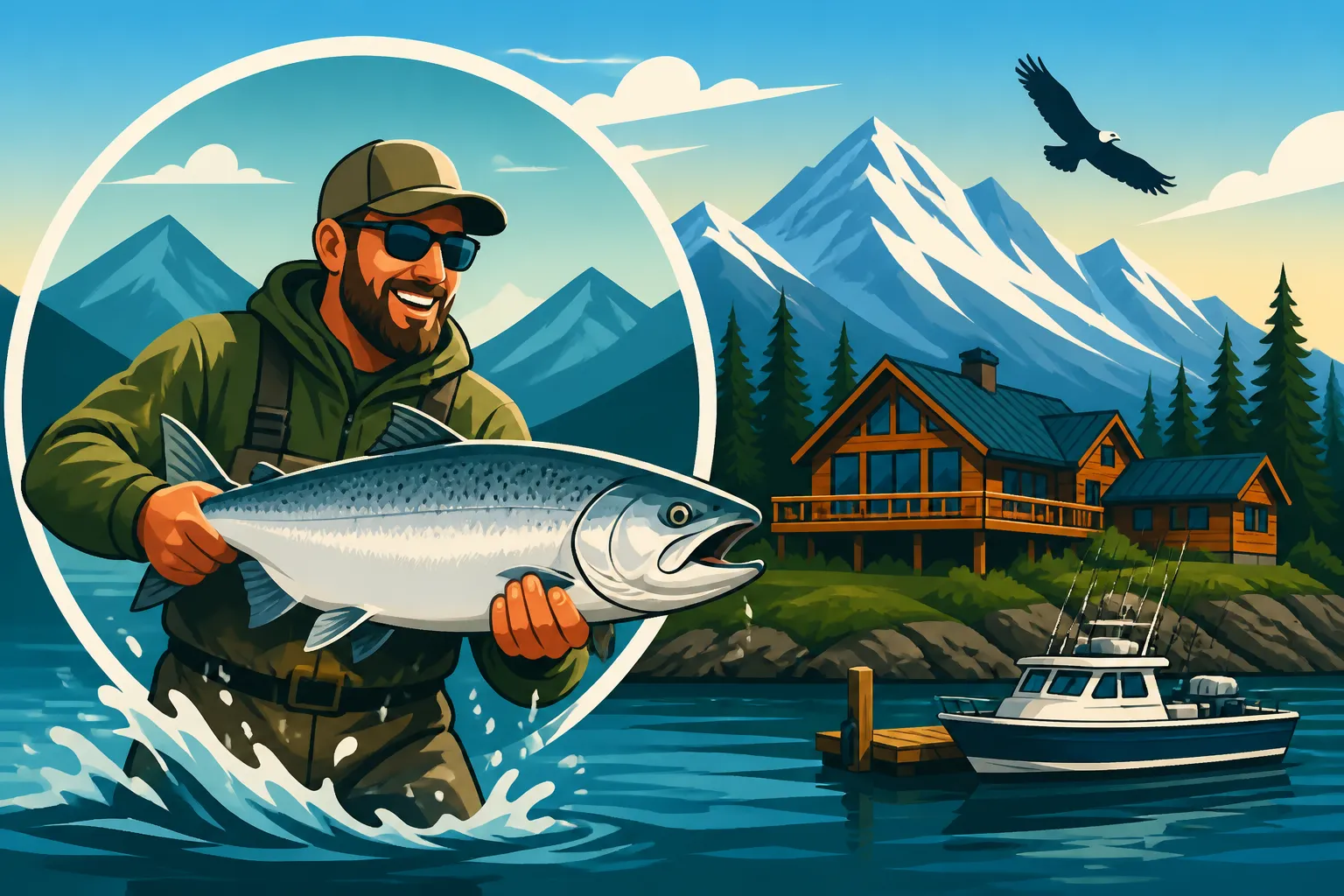
Best All-Inclusive Fishing Lodges in Alaska
Planning an Alaska fishing trip can feel like navigating a wilderness of options – from picking the right dates to finding reliable guides, it's enough to make your head spin before you even cast a line. For many anglers, the dream of a seamless, stress-free adventure to the Last Frontier often leads to one excellent solution: an all-inclusive fishing lodge. This guide will walk you through everything you need to know about these fantastic lodges, helping you understand their value and how to choose the perfect one for your Alaskan angling dreams.
What Exactly is an All-Inclusive Fishing Lodge in Alaska?
When you hear "all-inclusive," images of tropical resorts with unlimited cocktails might come to mind, but in Alaska, it takes on a truly unique and practical meaning for the avid angler. An all-inclusive fishing lodge isn't just about covering your basic needs; it's about providing a comprehensive, worry-free fishing experience from the moment you arrive until you depart. It’s designed to immerse you in the incredible Alaskan wilderness with everything handled, allowing you to focus purely on the fishing and the breathtaking scenery.
Beyond Just Room and Board
Let's break down what "all-inclusive" typically encompasses in the rugged yet luxurious world of Alaskan fishing lodges. It's far more than just a bed and three square meals, though those are certainly part of the package! Most reputable lodges include:
- Lodging: Comfortable accommodations, ranging from rustic cabins to more luxurious rooms with private baths. The style varies greatly depending on the lodge, but comfort after a long day on the water is a given.
- Meals: Delicious, hearty meals prepared by lodge chefs. This often includes a full breakfast, a packed lunch for your day on the water, and a gourmet dinner featuring local Alaskan ingredients, often including fresh-caught fish from previous days. Many lodges also offer appetizers and snacks.
- Guided Fishing: This is the core of the experience. Daily guided fishing trips are included, whether by boat, floatplane, or wading. Guides are local experts who know the best spots, techniques, and are dedicated to helping you catch fish.
- Gear and Tackle: High-quality fishing rods, reels, lines, and all necessary tackle (lures, flies, bait) are typically provided. This saves you the hassle and expense of bringing your own specialized gear, especially for specific Alaskan techniques or target species.
- Fish Processing: A huge relief for many anglers! Your catch will be professionally filleted, vacuum-sealed, frozen, and often packaged in airline-approved boxes for your journey home. This service alone can be a significant cost if handled separately.
- Transportation: This often includes transfers from the nearest regional airport (e.g., King Salmon, Homer, Juneau) to the lodge, and all daily transportation to and from fishing spots. For remote fly-in lodges, this might even include the scenic floatplane flight from a major hub like Anchorage.
In contrast to these comprehensive packages, many anglers try to piece together their trips, booking separate flights, accommodations, guides, and then worrying about food, gear, and fish processing. While possible, this "DIY" approach can be a logistical nightmare, especially in remote parts of Alaska, and often doesn't end up being significantly cheaper when you factor in all the hidden costs and time spent planning. The convenience of having everything orchestrated by seasoned professionals is truly invaluable.
The Allure of Simplicity
The biggest draw of an all-inclusive fishing lodge is the pure, unadulterated simplicity it offers. Let’s be honest, life is busy enough without the added stress of coordinating every single detail of a complex wilderness trip. Imagine arriving in Alaska, being greeted by a friendly lodge representative, and from that moment on, having every aspect of your fishing vacation taken care of.
- Stress-Free Planning: No need to endlessly research "Best Salmon Fishing Rivers in Alaska" or wonder about "How to Choose an Alaska Fishing Charter." The lodge handles it all. They know the seasons, the fish runs, and the best guides.
- Expertise at Your Fingertips: You're not just getting a ride; you're getting access to guides with decades of experience on local waters. They understand the nuances of the Kenai River for Sockeye Salmon or the deep waters of Prince William Sound for Halibut. This expertise dramatically increases your chances of success and makes the learning curve far less steep.
- Predictable Budget: While the upfront cost might seem high, an all-inclusive package often means fewer surprises. Most operational costs are covered, so you're not constantly reaching for your wallet. It's much easier to budget for your trip when you know most expenses are handled.
- Access to Remote Wonders: Many of the most pristine and productive fishing grounds in Alaska are not easily accessible by road. All-inclusive lodges, especially fly-in operations, specialize in getting you to these remote spots, offering an exclusive experience you simply can’t get on your own.
- Focus on the Experience: Ultimately, the simplicity allows you to truly relax and immerse yourself in the Alaskan wilderness. You can wake up, enjoy a hot breakfast, head out to fish all day, share stories over dinner, and know that your precious catch is being expertly cared for. It takes the "work" out of the fishing trip and lets you savor every moment.
Key Factors to Consider When Choosing Your Lodge
With a multitude of fantastic all-inclusive fishing lodges scattered across Alaska, selecting the perfect one can still feel like a big decision. It’s not about finding the "best" lodge overall, but the "best" lodge for your specific desires and fishing aspirations. Think about what you truly want out of your Alaskan adventure before you dive into booking. Platforms like FishingBooker can offer a wide array of options, but knowing what you're looking for beforehand is key.
Location, Location, Location: River vs. Saltwater vs. Fly-Out
Alaska is massive, and its fishing opportunities are incredibly diverse. Where you choose to go will largely dictate the type of fishing you’ll experience.
- River Lodges (e.g., Kenai Peninsula, Bristol Bay): If your heart beats for the thrill of battling salmon in freshwater rivers or chasing huge Rainbow Trout, a river lodge is your ideal choice.
- Pros: Access to famous salmon rivers like the Kenai, Kasilof, or the rivers of Bristol Bay. Incredible freshwater trout fishing, often on pristine, remote waters. The scenery is often characterized by lush forests and towering mountains.
- Cons: Can be highly regulated, especially for popular species like King Salmon or Sockeye Salmon, with frequent emergency orders that change fishing rules. While you'll catch a lot of salmon, you might not get the same species diversity as saltwater.
- Example Experience: A lodge on the Kenai River might offer daily drift boat trips for Sockeye, Coho, or even the elusive Kings, with opportunities to target trophy Rainbow Trout in certain sections. You might find yourself knee-deep in a salmon run, surrounded by fellow anglers.
- Saltwater Lodges (e.g., Homer, Seward, Sitka, Ketchikan): For those dreaming of monster Halibut, feisty Lingcod, or a variety of bottom fish, a saltwater lodge on the coast is the way to go.
- Pros: Excellent opportunities for Halibut, multiple species of Rockfish, Lingcod, and often all five species of Pacific Salmon (King, Sockeye, Coho, Pink, Chum) as they migrate along the coast. The deep-sea action can be incredibly exciting.
- Cons: Weather can be a significant factor, potentially limiting offshore trips. Some days might require longer boat rides to reach prime fishing grounds.
- Example Experience: A lodge in Homer, the "Halibut Capital of the World," would likely have you on a charter boat heading out into Kachemak Bay or Cook Inlet, dropping jigs or bait for those huge "barn doors." You could combine this with a trip targeting Silver Salmon or Rockfish near rocky outcroppings.
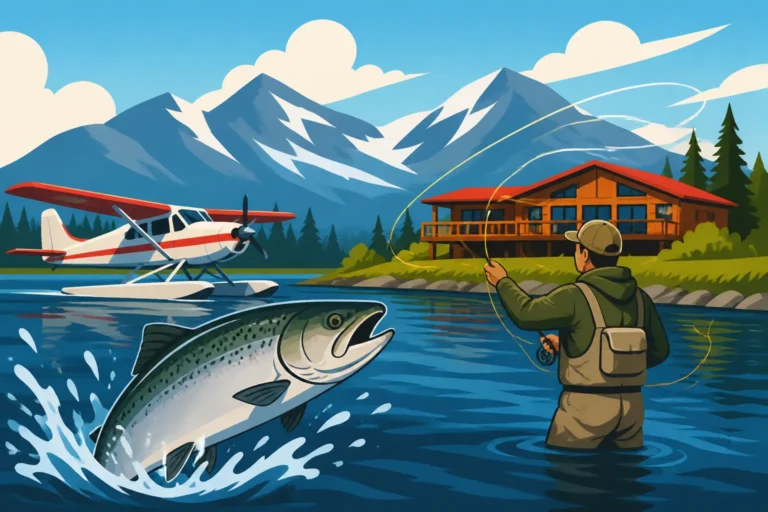
- Fly-Out Lodges (e.g., Bristol Bay, Western Alaska): These lodges offer the ultimate wilderness experience, often involving daily floatplane or bush plane flights to remote rivers, lakes, and streams.
- Pros: Unparalleled solitude, access to untouched waters, incredible wildlife viewing (bears are a common sight), and often phenomenal fishing for multiple species without the crowds.
- Cons: Generally the most expensive option due to the aviation costs. Weather can impact flight schedules, potentially altering fishing plans.
- Example Experience: A fly-out lodge in the remote reaches of Bristol Bay might fly you to a different river each day, allowing you to wade and fly-fish for Sockeye Salmon, followed by casting for enormous Rainbow Trout that gorge themselves on salmon eggs. The sheer variety and wildness are the main draws.
Consider what kind of backdrop you envision for your Alaskan fishing adventure. Do you want the comfort of a road-accessible lodge with river views, the open ocean expanse, or the untouched wilderness accessible only by air?
Species Focus and Fishing Style
Alaska is home to a staggering array of fish, and lodges often specialize in certain species or fishing methods. What are you hoping to catch, and how do you prefer to catch it?
- King Salmon: The undisputed king! Many lodges cater specifically to target these behemoths. Be aware that King Salmon fishing is often highly regulated, with seasons and bag limits subject to change based on run strength. Make sure your chosen lodge has a strong track record and flexible options if King seasons are challenging. You'll want to check the specific Alaska King Salmon Fishing Regulations and Limits.
- Sockeye Salmon: Known for their incredible runs and powerful fight. Many lodges on rivers like the Kenai or Russian specialize in Sockeye, often employing techniques like "flossing." It's a high-volume fishery, offering plenty of action.
- Halibut: If you dream of wrestling a "barn door" Halibut, a saltwater lodge is essential. Deep dropping bait or jigging are common techniques. Understanding Alaska Halibut Charter Regulations Explained is crucial for these trips.
- Rainbow Trout/Steelhead: Fly fishing enthusiasts often seek out lodges that focus on trout, particularly the leopard rainbows of the Bristol Bay region or the elusive Steelhead. These lodges will typically provide expert fly-fishing guides. You might also find lodges specializing in Alaska Rainbow Trout Regulations or Alaska Steelhead Catch-and-Release Rules.
- Combination Trips: Many lodges offer combo packages, especially those near the coast. You might spend a few days river fishing for salmon and then a day or two out on the ocean for Halibut and Rockfish. This is a popular choice for those wanting a taste of everything.
When you're looking at different lodges, check their websites or call them directly to confirm their primary target species and fishing styles. If you're a passionate fly angler, ensure they have dedicated fly-fishing guides and access to appropriate waters. If you're a spin caster, make sure their offerings align with your preferred method.
Group Size and Lodge Atmosphere
The ambiance of a lodge can significantly impact your overall experience. Do you prefer an intimate, secluded retreat or a larger, more bustling social environment?
- Intimate & Secluded: Many fly-in lodges or those in very remote areas cater to smaller groups, offering a highly personalized experience. This is perfect for couples, small families, or close friends seeking tranquility and focused attention from guides. The camaraderie among a small group can be incredibly rewarding.
- Larger & Social: Some lodges are designed to accommodate more guests, often featuring a main lodge area where stories are swapped over drinks and meals. These can be great for making new friends, larger corporate groups, or those who enjoy a lively social atmosphere after a day of fishing.
- Family-Friendly: If you're bringing children, look for lodges that specifically advertise as family-friendly. They might offer shorter fishing trips, alternative activities for kids, or special menus. Ensure they have appropriate amenities and a patient, welcoming environment for younger anglers. You might also want to look into Do Kids Need a Fishing License in Alaska.
- Luxury vs. Rustic: Alaskan lodges run the gamut from incredibly luxurious operations with gourmet chefs and spa services to comfortable yet rustic cabins that prioritize function and fishing over frills. Be honest with yourself about the level of comfort and amenities you expect. Do you need Wi-Fi and cell service, or are you happy to disconnect entirely?
Think about who you’re traveling with and what kind of post-fishing experience you’re hoping for. Do you want quiet contemplation or lively conversation?
What to Expect from an All-Inclusive Alaska Fishing Lodge Experience
Stepping into an all-inclusive lodge in Alaska is like entering a well-oiled machine designed for angler satisfaction. The beauty lies in the seamless flow of your day, where every detail, from your morning coffee to the packaging of your prized catch, is meticulously managed. This allows you to truly relax and focus on the incredible fishing and natural splendor surrounding you.
A Day in the Life: From Sunrise to Sunset
Imagine this typical day at an all-inclusive Alaska fishing lodge:
- Morning Wake-Up: You'll usually rise early, but not pre-dawn unless you're chasing a specific bite. The lodge staff might even have coffee ready before you officially hit the dining room.
- Hearty Breakfast: A full, hot breakfast is standard. Think pancakes, eggs, bacon, sausage, toast, and plenty of coffee or tea to fuel up for the day ahead. This is often served buffet style or made to order, giving you a chance to chat with other guests and your guides.
- Gear Up & Head Out: After breakfast, you'll meet your guide. They'll have all the necessary gear ready – waders, boots, rods, reels, and tackle specific to the day's target species and location. Whether it's a short walk to the riverbank, a boat ride, or a scenic floatplane flight, your guide will get you to the fishing grounds efficiently.
- Fishing Adventure: The main event! You'll spend the day fishing with your expert guide, who will put you on the fish, offer tips, and help you refine your technique. A packed lunch, often a sandwich, snacks, and drinks, will be enjoyed on the water, sometimes in a picturesque wilderness setting. This is where you'll be catching those Alaska King Salmon, Alaska Sockeye Salmon, or Alaska Halibut you've been dreaming about!
- Return to Lodge: After a full day, you'll head back to the lodge. This is when the fish processing begins. Your guide or dedicated staff will handle your catch.
- Evening Relaxation: Before dinner, you'll have time to clean up, relax, and perhaps enjoy an appetizer and a beverage. This is a great time to share stories of the day's catches and near misses with fellow anglers.
- Gourmet Dinner: Dinner is often a highlight, a multi-course meal featuring fresh local ingredients, often including fish caught that day. It's a celebratory end to an active day, sometimes accompanied by wine or local craft beers.
- Rest & Repeat: After dinner, you might retire to your comfortable room, chat by a fire, or simply enjoy the peace of the Alaskan wilderness, ready to do it all again tomorrow.
The beauty of this routine is that you never have to think about "what's next?" or "where do we eat?" It's all managed for you, allowing you to completely decompress and soak in the experience.
The Benefits of Expert Guides and Top-Notch Gear
One of the most valuable aspects of an all-inclusive lodge is the caliber of the guides and the quality of the equipment provided. This isn't just about convenience; it's about safety and success.
- Unmatched Local Knowledge: Alaskan guides are not just boat operators; they are highly experienced professionals with an intimate understanding of local fisheries, weather patterns, and wildlife. They know where the fish are, what they’re biting on, and how to adapt to changing conditions. This expertise is critical, especially when navigating dynamic rivers like the Kenai River or the vast Alaskan coastline. They understand the intricacies of How to Read Alaska Fishing Regulations and will ensure you stay compliant.
- Safety First: Beyond fishing skills, these guides are trained in wilderness first aid, bear safety, and safe boat operation. They prioritize your well-being, which is paramount in a wild environment like Alaska.
- Premium Equipment: Most lodges pride themselves on providing top-of-the-line rods, reels, waders, and rain gear. This means you don't have to worry about bringing your own heavy, bulky, or specialized equipment. The gear is well-maintained and perfectly suited for the local conditions and target species, from heavy-duty Halibut rods to delicate fly-fishing setups for trout. This is a huge benefit, especially for those flying into Alaska. It's one less thing to pack, and you know you'll be using reliable, effective tools.
Dealing with Your Catch: Processing and Shipping
For many, bringing home a cooler full of fresh Alaskan fish is as much a part of the trip as catching it. All-inclusive lodges excel in this crucial area.
- Professional Processing: Upon returning to the lodge, your fish are typically taken to a dedicated processing facility. Here, skilled staff will fillet, trim, and prepare your catch with care. They'll ensure the meat is clean and ready for storage.
- Vacuum Sealing and Freezing: This is key for preserving quality. Your fillets will be vacuum-sealed in individual portions, removing air to prevent freezer burn and extending their freshness. They are then blast-frozen or deep-frozen, ensuring they stay perfectly preserved until you get them home.
- Airline-Approved Packaging: Your frozen, vacuum-sealed fish will be packed into sturdy, airline-approved boxes, often insulated, making them ready for checked baggage. The lodge staff will provide clear instructions on how to travel with your catch and advise on luggage limits.
- Shipping Services: For an additional fee, many lodges can even arrange to ship your fish directly to your home via air cargo. This is incredibly convenient if you're not planning to fly directly home or have connecting flights. Understanding Alaska Fish Transport and Shipping Rules is part of their expertise.
- Harvest Records: Your lodge will also help you keep track of your catch on your Alaska Harvest Record Card Explained, ensuring you comply with all bag limits and recording requirements.
This service eliminates the final logistical headache of a fishing trip, allowing you to enjoy your catch for months after your adventure. It's a testament to the comprehensive nature of an all-inclusive package.
Comparing Popular Alaska All-Inclusive Lodge Features
To give you a better idea of the variety, here's a hypothetical table outlining some common features you might find in different types of all-inclusive lodges. Keep in mind actual lodges will have their unique offerings! For specific details and availability, checking platforms like FishingBooker and contacting lodges directly is always recommended.
| Lodge Type (Hypothetical) | Primary Location Focus | Main Target Species | Lodge Vibe | Typical Inclusions |
|---|---|---|---|---|
| River King Lodge | Kenai Peninsula, Copper River | King Salmon, Coho Salmon, Rainbow Trout | Focused, Serious Anglers, Social | Guided river fishing, all gear, full meals, processing, local transport |
| Coastal Halibut Resort | Homer, Seward | Halibut, Lingcod, Rockfish, King & Silver Salmon | Comfortable, Group-Friendly, Scenic | Guided saltwater charters, all gear, full meals, processing, harbor transfers |
| Remote Fly-Out Camp | Bristol Bay, Western AK | Sockeye Salmon, Trophy Rainbow Trout, Grayling | Rustic, Wilderness Immersion, Intimate | Guided fly-out fishing, specialized gear, hearty meals, processing, floatplane transfers |
| Family Adventure Lodge | Southeast Alaska | Coho Salmon, Pink Salmon, Halibut, Crabbing | Relaxed, Activities Beyond Fishing | Guided fishing, family-friendly activities, meals, processing, some gear, local tours |
(Note: The "Price Range" column has been omitted as price is highly variable and dynamic, and including specific numbers could quickly become outdated or misleading. It's best to confirm current rates directly with lodges.)
Maximizing Your All-Inclusive Adventure
Choosing an all-inclusive fishing lodge in Alaska is a significant investment in an unforgettable experience. To ensure you get the most out of it, a little strategic planning and preparation go a long way. This isn't just about showing up; it's about being ready to embrace the adventure fully.
Booking Smart and Asking the Right Questions
Don't just jump at the first brochure you see. Smart booking involves thorough research and clear communication.
- Book Well in Advance: The best lodges, especially those with limited capacity or prime fishing dates, book up quickly—sometimes a year or more in advance. As soon as you have your dates, start your search. This also gives you more options and potentially better rates.
- Understand What's Truly Included (and What Isn't): While "all-inclusive" generally covers a lot, there can be variations. Always clarify:
- Are fishing licenses included? (Usually not, you'll need to purchase your Alaska Fishing License: Complete Guide separately).
- Are King Salmon stamps included? (These are often an additional cost, check Do You Need a King Salmon Stamp in Alaska).
- Are alcoholic beverages included, or is there a cash bar?
- Are there any surcharges for specific types of fishing (e.g., floatplane excursions for an extra fee)?
- What are the tipping policies for guides and staff? This is important for budgeting.
- What's the cancellation policy, especially regarding weather delays? This is crucial for Alaska.
- Check Reviews and Reputations: Look beyond the lodge's own marketing. Independent reviews on sites like FishingBooker, TripAdvisor, or fishing forums can provide invaluable insights into real guest experiences. Pay attention to comments about guide quality, food, accommodations, and fish processing.
- Discuss Dietary Needs and Preferences: If you have any allergies or dietary restrictions, communicate them clearly to the lodge well in advance. Most lodges are happy to accommodate, but they need to know ahead of time.
- Inquire About Non-Fishing Activities: While fishing is the main event, some lodges offer other activities like wildlife viewing, hiking, kayaking, or photography excursions. If you or members of your group might want a break from fishing, this is a good thing to know.
- Confirm Fish Processing and Shipping: Reiterate your expectations for fish processing and confirm shipping options and costs. Knowing How to Ship Your Catch Home from Alaska is part of the convenience of these lodges.
Packing Essentials and Preparing for Alaska's Weather
Even though lodges provide much of the gear, personal clothing and comfort items are still your responsibility. Alaska's weather is famously unpredictable, so layering is key.
- Layer, Layer, Layer: This cannot be stressed enough. Pack moisture-wicking base layers (synthetics or wool, no cotton), insulating mid-layers (fleece or down), and a waterproof/windproof outer shell. Even in summer, temperatures can drop, and rain is always a possibility. Check out our guide on How to Dress for Alaska Fishing.
- Good Rain Gear: While some lodges provide rain gear, having your own high-quality waterproof jacket and pants is highly recommended. You'll be more comfortable in gear that fits you well.
- Warm Hat and Gloves: Essential for chilly mornings or evenings, even in summer.
- Comfortable Camp Shoes/Slippers: For relaxing around the lodge.
- Personal Toiletries and Medications: Don't assume everything will be available.
- Sunscreen and Insect Repellent: Alaskan sun can be intense, especially on the water. Mosquitoes and "no-see-ums" can be relentless in some areas during peak summer, so strong repellent (with DEET or Picaridin) is a must.
- Camera and Extra Batteries: You'll want to capture those trophy fish and incredible landscapes.
- Small Backpack or Daypack: Useful for carrying your personal items, camera, and extra layers during fishing trips.
- Cash for Gratuities: Guides and lodge staff work incredibly hard. Tipping is customary and greatly appreciated.
By addressing these details before you arrive, you ensure a smoother, more enjoyable, and truly all-inclusive Alaskan fishing adventure.
Disclaimer
The information provided in this guide is for general informational purposes only and does not constitute professional advice. Alaska fishing regulations, seasons, and lodge offerings are subject to change. Always consult the most current Alaska Department of Fish and Game regulations and directly contact specific lodges for the most up-to-date and accurate information regarding bookings, inclusions, and policies before making any travel plans. Fishing involves inherent risks, and safety precautions should always be observed.