Alaska Fly-Out Fishing Trips Explained
The dream of casting a line into untouched Alaskan waters, far from the crowds and the hum of traffic, is a powerful one for many anglers. But the logistics of reaching those remote, pristine rivers and lakes can feel like an overwhelming puzzle, leaving you wondering where to even begin. This comprehensive guide is here to demystify Alaska fly-out fishing trips, breaking down everything you need to know to turn that wild dream into an unforgettable reality.
What Exactly is an Alaska Fly-Out Fishing Trip?
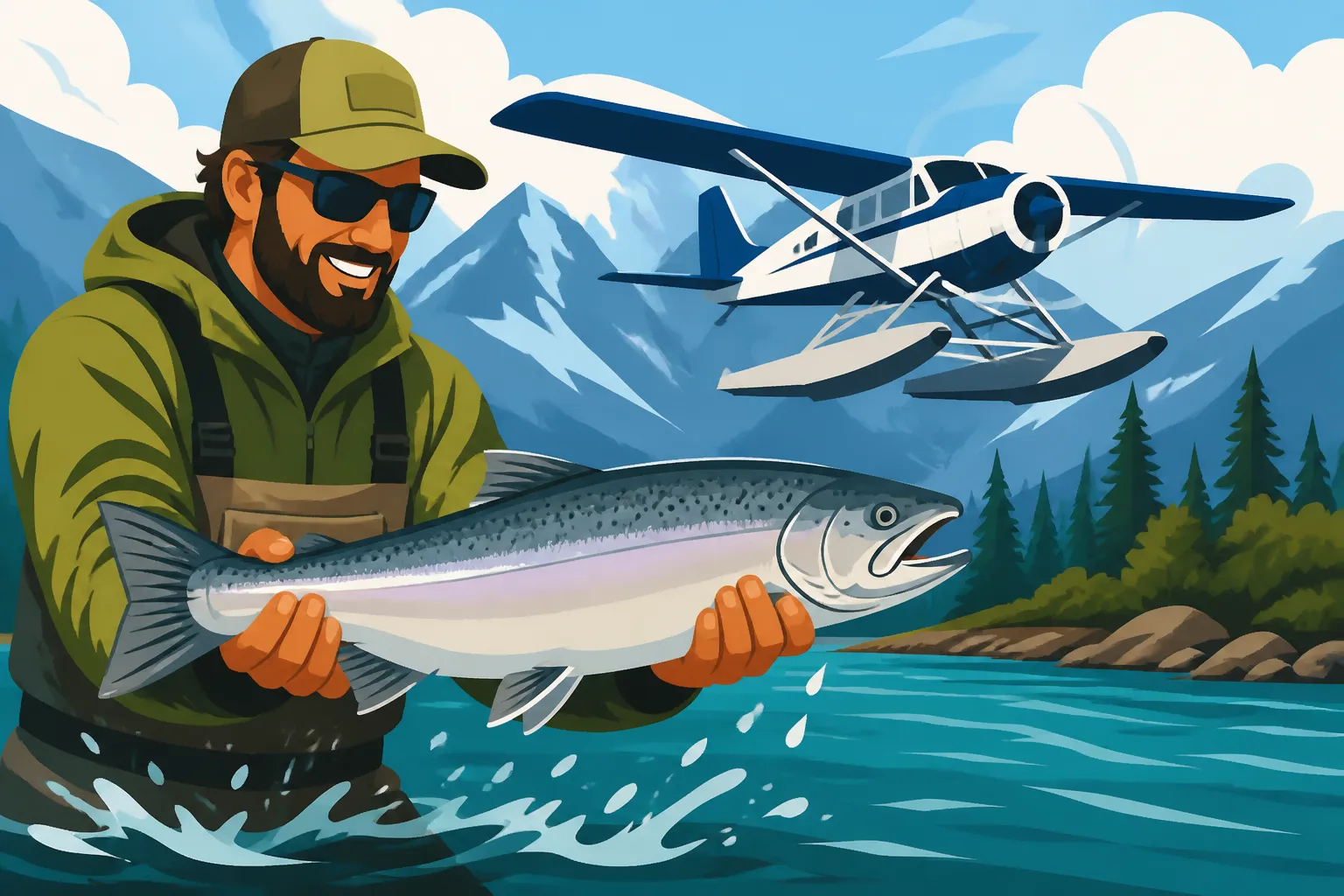
When we talk about an Alaska fly-out fishing trip, we're not just talking about flying into Anchorage and driving to a lodge. We're talking about a true adventure where a small plane — often a bush plane like a De Havilland Beaver or Otter — is your chariot to the wilderness. These trips bypass the road system entirely, taking you to pristine rivers, lakes, and coastal areas that are otherwise inaccessible, where the fish often see more bears than people. It's an immersion into the Alaskan backcountry, where the only sounds are the wind, the river, and perhaps the splash of a leaping salmon.
The Allure of Remote Alaska Waters
Let's be honest, the main draw of a fly-out trip is the unparalleled solitude and the incredible fishing that comes with it. Imagine standing on a gravel bar, surrounded by towering mountains and untouched forests, with no other anglers in sight for miles. This isn't just a fantasy; it's the daily reality on many fly-out excursions. These remote waters often boast healthy, aggressive fish populations that haven't been pressured by constant human presence. You might encounter King Salmon still ocean-bright and full of fight, or Arctic Grayling in crystal-clear streams seemingly eager to strike at any fly. It's a chance to connect with nature on a profound level, far removed from the hustle and bustle of everyday life, offering both phenomenal angling and breathtaking scenery.
Beyond the fishing, the journey itself is a huge part of the allure. Soaring over vast glaciers, braided rivers, and endless tundra provides a perspective of Alaska's grandeur that you simply can't get from the ground. Many outfitters operate out of hubs like Homer, Seward, or even remote airstrips near lodges, serving as the gateway to these wild frontiers. The anticipation builds with every mile flown, culminating in a gentle landing on a secluded lake or riverbank, where your adventure truly begins.
How Fly-Outs Differ from Road System Trips
The fundamental difference between a fly-out trip and a road system trip lies in accessibility and the level of wilderness immersion. On road system trips, you're fishing rivers and lakes that are easily reached by car, often near towns like Soldotna on the Kenai Peninsula. While these can offer fantastic fishing, especially during peak salmon runs, they also come with crowds. You'll likely be sharing the river with many other anglers, and you're never far from civilization. Think of the "combat fishing" on the Russian River for sockeye; it's an experience, but it's not solitude.
Fly-out trips, by contrast, are designed specifically to escape those crowds. They take you to places where roads simply don't exist, where access is limited to air travel. This means fewer people, less fishing pressure, and a much higher chance of experiencing Alaska in its purest form. While a road system trip might involve a drive to a popular boat launch, a fly-out means an exciting flight, often to a designated drop-off point hundreds of miles from the nearest paved road. This enhanced solitude often translates to more consistent fishing and a greater sense of adventure, though it naturally comes with a higher price tag and requires more planning and flexibility.
Types of Fly-Out Experiences and What to Expect
Alaska fly-out fishing trips aren't a one-size-fits-all adventure. They range from intense single-day excursions to multi-day, all-inclusive lodge experiences. Understanding the different options available is key to choosing the right fit for your budget, time constraints, and fishing aspirations. Each type offers a unique blend of adventure, comfort, and angling opportunity, truly allowing you to tailor your wilderness escapade.
Day Trips vs. Multi-Day Lodge Stays
Day Trips: These are perfect for those looking for a taste of the remote wilderness without committing to several nights away from a main base. You'll typically depart from a town like Homer, Anchorage, or King Salmon in the morning, fly to a remote river or lake, fish for 6-8 hours, and then fly back to your starting point in the late afternoon. Day trips are often more affordable than multi-day options and require less specialized gear, as you're not staying overnight. They're a fantastic way to target specific runs of fish, like sockeye salmon in a secluded tributary, or to experience fly fishing for leopard rainbow trout in a remote lake for a single, action-packed day. The outfitter usually provides a packed lunch, drinks, and all necessary fishing equipment, making it a relatively hassle-free way to access untouched waters.
Multi-Day Lodge Stays: This is where the true immersion happens. Multi-day fly-out lodge packages often include flights from a regional hub (like Anchorage to a private lodge airstrip), all meals, guided fishing each day, and comfortable accommodations. These lodges are typically situated in incredibly scenic, fish-rich areas such as those found in the Katmai National Park region or along the rivers flowing into Bristol Bay. You might spend your days flying out to a different river each morning, or exploring a large home river system via jet boat or drift boat. Some lodges even offer combination trips, allowing you to try your hand at saltwater fishing for halibut or salmon in addition to freshwater angling. While significantly more expensive, these trips provide a comprehensive, luxurious wilderness experience, often with gourmet meals, expert guides, and amenities that make roughing it feel surprisingly refined. It's a full-service adventure designed to maximize both your fishing and your comfort in the heart of the Alaskan wild.
Target Species and Destinations
Alaska's diverse ecosystems mean that fly-out trips can target a wide array of fish species, depending on the region and the time of year. Knowing what you want to catch is crucial for planning your trip.
For salmon, fly-outs are prime for accessing rivers choked with returning fish. You might fly to a pristine river in Southwest Alaska for a chance at giant King Salmon (Chinook) in June or early July, or perhaps head further north for strong runs of Sockeye Salmon (Red) in July and August. Silver Salmon (Coho) provide incredible action in August and September. Rivers flowing into Bristol Bay, for example, are legendary for their sockeye runs, and a fly-out is often the only way to experience this phenomenon without intense crowds. Many fly-out lodges specialize in providing access to multiple salmon species throughout the season.
If trout and char are your passion, destinations like the vast wilderness of the Katmai region are iconic. Here, you can fly into clear-water streams and sight-fish for aggressive Rainbow Trout, often "leopard" rainbows known for their spots, that eagerly feed on salmon eggs and smolt. Dolly Varden and Arctic Char are also abundant in these systems. Fly-out trips targeting these species often involve wade fishing in stunningly clear waters, offering a truly visual and engaging fishing experience. Some remote lakes also offer incredible Northern Pike or Arctic Grayling fishing, providing unique light tackle opportunities. You might find guides on platforms like FishingBooker that specialize in these unique freshwater species.
For those eyeing halibut and other saltwater species, fly-out options might involve a short flight to a remote coastal lodge or village with access to sheltered coves and rich fishing grounds. While the term "fly-out" most commonly refers to freshwater excursions, it's not unheard of for a lodge that's fly-in accessible to then offer boat trips for saltwater species. Destinations like Kodiak Island or some of the more remote parts of Southeast Alaska could offer such combined experiences, providing access to Pacific Halibut, various Rockfish, and Lingcod without the heavy boat traffic found closer to major ports. The best time to fish in Alaska for various species will largely dictate your destination and the type of fly-out trip you plan.
The Logistics of Planning Your Fly-Out Adventure
Planning an Alaska fly-out fishing trip can feel like a significant undertaking, but with the right information and a methodical approach, it becomes much more manageable. It involves coordinating flights, understanding inclusions, and ensuring you're prepared for the unique challenges and rewards of wilderness travel.
Choosing Your Air Carrier and Outfitter
This is arguably the most critical decision when planning a fly-out trip. Your air carrier and outfitter are often one and the same, especially for lodge-based operations or dedicated day-trip providers. You want to choose an operator with a strong safety record, experienced pilots, and a deep understanding of the fishing grounds.
When researching, look for companies that have been operating in Alaska for many years and have excellent reviews. Don't be shy about asking direct questions about their safety protocols, emergency communication systems, and pilot experience. Reputable outfitters will be transparent and happy to provide this information. For multi-day lodge stays, the lodge typically handles all the flight logistics from a regional hub to their private airstrip or nearby lake. For day trips, you'll arrange your flight directly with an air charter service that specializes in fishing transport, often working with local fishing guides. Websites like FishingBooker can be a great resource to find reputable guides and charter operators who offer fly-out services. Always confirm their permits and licenses, especially for operating within national parks or wilderness areas. This level of diligence ensures that your adventure is not only exciting but also safe and compliant with regulations.
Essential Gear and Packing Considerations
Packing for an Alaska fly-out trip requires a careful balance: you need to be prepared for all weather conditions and fishing scenarios, but you also have strict weight limitations for bush planes. Every pound counts!
Clothing: Layers are paramount. Even in summer, temperatures can swing dramatically. Start with moisture-wicking base layers, add insulating mid-layers (fleece or down), and top it off with waterproof and windproof outer shell garments. Good quality rain gear is non-negotiable, as you will likely encounter some rain. Don't forget a warm hat, gloves, and plenty of wool or synthetic socks. You'll want durable, waterproof wading boots, even if you don't plan to wade extensively, as riverbanks can be muddy or wet. For a complete overview, check out our guide on Alaska Fishing Gear and Tackle Guide.
Fishing Equipment: While many outfitters provide gear, serious anglers often prefer their own. For salmon, a medium-heavy rod (8-10 wt fly rod or 9-10 ft spinning/casting rod) is versatile. For trout, lighter rods (5-7 wt fly rod or light spinning rod) are ideal. Bring a variety of lures, flies, and terminal tackle appropriate for your target species. Always pack polarized sunglasses for spotting fish and protecting your eyes, a good hat, and plenty of bug spray with DEET, especially during mosquito season. A headlamp or small flashlight is also a good idea, as Alaska's summer days are long but evenings can still get dark in dense forests.
Other Essentials: A small daypack, reusable water bottle, sunscreen, camera (with waterproof protection!), and any personal medications are vital. For multi-day trips, lodges will often provide a detailed packing list, and it's wise to stick to it. Remember that soft-sided luggage is generally preferred for bush planes as it's easier to fit into odd-shaped cargo compartments. Knowing what tackle to bring to Alaska can make a huge difference in your success.
Understanding Costs and Inclusions
The cost of an Alaska fly-out fishing trip varies wildly, primarily depending on whether it's a day trip or a multi-day lodge stay, the level of luxury, and the remoteness of the destination.
Day Trip Costs: Expect to pay anywhere from $500 to $1,200 per person for a full-day fly-out trip. This usually includes the round-trip flight, a guide, fishing gear (if needed), lunch, and often initial fish processing. This is a great way to experience fly-out fishing without the significant investment of a multi-day trip.
Multi-Day Lodge Stay Costs: These are significantly more expensive, ranging from $3,000 to $10,000+ per person for a 3-7 day package. These all-inclusive trips typically cover:
- Flights from a regional hub (e.g., Anchorage) to the lodge
- All meals, often gourmet
- Guided fishing each day, including additional fly-outs from the lodge
- Comfortable lodging
- Fish cleaning, vacuum sealing, and boxing for transport
- Use of fishing gear, waders, and rain gear
What's NOT Always Included: Regardless of the trip type, several key items are almost always extra:
- Your Alaska fishing license and any necessary stamps (like a King Salmon stamp). It's crucial to obtain your Alaska Fishing License: Complete Guide beforehand.
- Gratuities for guides and lodge staff (plan for 15-20% of the trip cost).
- Alcoholic beverages at lodges.
- Personal items and souvenirs.
- Any extra flights or accommodations needed before or after your lodge stay.
When comparing options, always ask for a detailed breakdown of what's included to avoid surprises. A good outfitter will provide clear pricing and inclusion lists, and many will list their packages transparently when you're looking to book an Alaska fishing trip.
Safety and Preparedness in Remote Alaska
Fishing in Alaska's backcountry via fly-out is an incredible experience, but it comes with inherent risks. Being in remote wilderness means you're far from immediate medical help, cell service is non-existent, and conditions can change rapidly. Proper preparation and a realistic understanding of these challenges are crucial for a safe and enjoyable trip.
Weather Contingencies and Flexibility
Alaska's weather is famously unpredictable. A sunny, calm morning can quickly turn into a windy, rainy, or even snowy afternoon, even in summer. For fly-out trips, this means potential delays or cancellations. Bush planes require specific weather conditions for safe flying, particularly visibility and wind.
Expect Delays: It's not uncommon for flights to be delayed by several hours or even a full day due to fog, high winds, or heavy rain. This is especially true when flying into or out of smaller, remote airstrips or landing on lakes. Your pilot and outfitter will always prioritize safety, and patience is a virtue in these situations. Build extra buffer days into your travel schedule on both ends of your trip if possible, especially if you have connecting flights. Missing an international flight because your bush plane was grounded for a day would be a terrible way to end an amazing trip.
Be Prepared for All Conditions: As mentioned in the gear section, layering is key. Don't underestimate the need for good rain gear, even if the forecast looks clear. Water temperatures in Alaska's rivers are cold year-round, so a fall into the river can be a serious hypothermia risk without proper insulation and dry clothes. Always carry extra layers in a dry bag, even for a day trip. Understanding how often Alaska fishing rules change due to environmental conditions can also influence your trip.
Communication is Key: Your outfitter will be monitoring weather closely. Listen to their advice and be prepared to be flexible with your itinerary. Sometimes, a plan to fish a specific river might need to change to a more sheltered location due to wind or rain. Embrace the unexpected; it's part of the Alaskan adventure.
Wildlife Encounters and Protocols
You are entering prime wildlife habitat on a fly-out trip, and encounters with animals like bears, moose, and eagles are not just possible, but highly probable. This is one of the most exciting aspects of fly-out fishing, but it requires respect and preparedness.
Bear Safety: Alaska is bear country, and you're likely to see both brown (grizzly) and black bears. Your guide will be highly experienced in bear safety and will carry bear spray and/or a firearm. Always follow your guide's instructions explicitly. This generally includes:
- Keeping a clean camp (no food left out).
- Storing food securely (bear-resistant containers are common at lodges).
- Making noise while hiking or walking to avoid surprising a bear.
- Being aware of your surroundings, especially near salmon spawning areas where bears congregate.
- Knowing how to use bear spray, should the unlikely need arise.
- If you're fishing unguided (rare on fly-out trips), carry bear spray and know how to use it.
The goal is to avoid surprising a bear and to give them plenty of space. Most bears are more interested in fish than people, but respect their territory. Learning how to fish safely around Alaska bears is crucial.
Other Wildlife: You might also encounter moose, caribou, wolves, and a spectacular array of birdlife, including bald eagles. Always observe wildlife from a respectful distance. Never approach or feed any wild animals. Enjoy the incredible opportunity to witness these creatures in their natural habitat, but always prioritize safety for both yourself and the wildlife. Many of these encounters become some of the most memorable parts of the entire trip, painting a vivid picture of the untamed wilderness.
Maximizing Your Fly-Out Fishing Success
You've invested time and money into this incredible adventure, so naturally, you want to make the most of every cast. Maximizing your success on an Alaska fly-out fishing trip involves understanding the best times to go and employing effective techniques.
Best Seasons and Run Timing
Timing is everything in Alaska fishing, especially for salmon. The best fishing spots in Alaska are often dependent on seasonal migrations.
- King Salmon (Chinook): Generally, late May through mid-July is prime time for Kings. Early season in late May/early June can offer strong, fresh fish. Peak season, usually late June into early July, sees the biggest numbers.
- Sockeye Salmon (Red): The Sockeye run typically peaks in July, especially on rivers flowing into Bristol Bay or the Kenai Peninsula. These fish are known for their strong fights and excellent table fare. Many fly-out operations target rivers specifically chosen for their phenomenal sockeye runs.
- Chum Salmon (Keta): Often running concurrently with sockeye, Chums are a powerful fighting fish, providing excellent action, particularly in mid-July to early August.
- Pink Salmon (Humpy): These smaller, but abundant, salmon run in even-numbered years (e.g., 2024, 2026) throughout July and August. They offer continuous action and are great for kids or novice anglers.
- Silver Salmon (Coho): August and September are prime for Silvers. These acrobatic fighters are a favorite for many anglers and can extend the fishing season well into the fall.
- Rainbow Trout, Dolly Varden, Arctic Char: While available all season, the best trout fishing often coincides with salmon runs (late June through September), as the trout feed heavily on salmon eggs. Post-spawn, in late September and October, large resident trout can be found bulking up on decaying salmon carcasses and smolt.
Consult an Alaska Salmon Run Timing Explained calendar and speak with your outfitter to align your trip with the species you most want to target. Early booking is often required, especially for popular lodge dates during peak runs.
Recommended Fishing Techniques for Fly-Outs
The techniques you'll use on a fly-out trip are largely dependent on the target species and river conditions, but versatility is a valuable asset. Your guide will be an invaluable resource, providing local knowledge and instruction.
Fly Fishing: Many fly-out trips are centered around fly fishing, especially for trout, char, and sockeye. For salmon, techniques like "flossing" (a local method for sockeye where the line snags the fish's mouth as it swims upstream) are common, but traditional nymphing, stripping streamers, and drifting egg patterns are also highly effective, particularly for trout following spawning salmon. For king salmon, swinging large intruders or flesh flies can be productive. If you're passionate about fly fishing, researching how to fly fish in Alaska will serve you well.
Spin Fishing: Spin fishing is incredibly effective for all salmon species and can also be used for trout. Casting spinners (like Pixees, Vibrax, or Mepps) and spoons is popular for coho and pinks. Drifting cured roe or beads under a float is deadly for sockeye and hungry rainbow trout. Back-bouncing or back-trolling with Kwikfish or Wiggle Warts is a classic technique for king salmon in larger rivers. For halibut, bottom fishing with bait (herring, salmon heads) or large jigs is the go-to. Don't be afraid to ask your guide about the best lures and bait for Alaska King Salmon or specific species you are targeting.
Versatility is Key: The beauty of a fly-out trip is that you're often fishing diverse water types. One day you might be wading a clear, shallow stream for trout, and the next you might be drifting a larger river for salmon from a raft or jet boat. Be prepared to adapt your technique as advised by your guide. They know the water and the fish, and their expertise is your greatest asset in ensuring a successful and memorable fishing experience.
Fly-Out Fishing Trip Comparison
To help you visualize the differences between popular fly-out options, here's a brief comparison:
| Feature | Day Trip Fly-Out | Multi-Day Lodge Fly-Out |
|---|---|---|
| Duration | 1 day (6-10 hours fishing) | 3-7+ days (multiple full fishing days) |
| Accommodation | Return to hotel/lodge on road system | Wilderness lodge (private rooms, shared facilities) |
| Cost (per person) | $500 – $1,200 | $3,000 – $10,000+ |
| Inclusions | Flight, guide, lunch, some gear, basic fish processing | Flights (to/from lodge), meals, guide, gear, full fish processing, lodging |
| Flexibility | More flexible for short visits; weather impacts single day | Less flexible for short visits; weather impacts entire stay |
| Wilderness Immersion | High, but limited to daylight hours | Very high, deep immersion into backcountry living |
| Target Species Access | Usually specific species for the day | Opportunity to target multiple species throughout the stay |
| Effort/Packing | Less gear, lighter pack | More gear, heavier packing (lodge may provide much) |
| Solitude | Excellent for the fishing day | Excellent throughout the entire stay, true remoteness |
| Ideal For | Anglers wanting a taste of remote Alaska, limited time | Serious anglers, those seeking deep wilderness experience, comfort |
Booking your perfect Alaska adventure can be streamlined by using resources like FishingBooker to compare different operators and their offerings.
Disclaimer
Please remember that fishing in Alaska involves inherent risks due to wilderness conditions, unpredictable weather, and wildlife. Always prioritize safety, follow the advice of your guides and outfitters, and be prepared for potential changes in plans. Regulations for fishing can change frequently, so it's essential to check the latest Alaska Fishing Regulations Explained and emergency orders from the Alaska Department of Fish and Game before your trip. The information provided here is for general guidance and educational purposes only.