How Long Do Alaska King Salmon Live
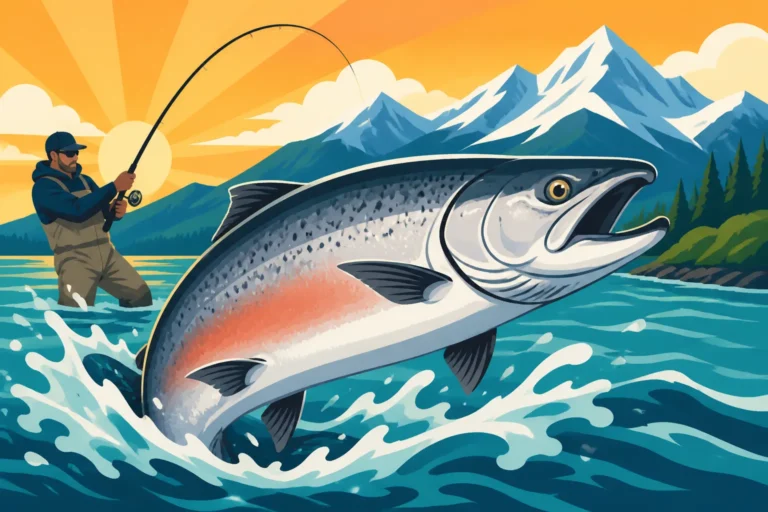
It's a question that echoes in the minds of many anglers heading to Alaska: "How long do these magnificent King Salmon truly live?" There's a deep respect that comes with pursuing these incredible fish, and understanding their life journey, from a tiny egg to a powerful adult, adds so much to the experience. This guide will dive deep into the fascinating, yet often challenging, lifespan of Alaska's King Salmon, exploring the factors that shape their journey and how we, as anglers, play a part in their future.
The Lifecycle of Alaska King Salmon: A Journey of Years
The King Salmon, or Chinook salmon as they're also known, are truly a marvel of nature. Their life cycle is a testament to resilience and an incredible drive to return to their freshwater birthplaces. Most anglers are familiar with seeing them in their adult, spawning phase, but their journey spans several years, much of it spent out in the vast, unforgiving ocean.
Average Lifespan and Age at Maturity
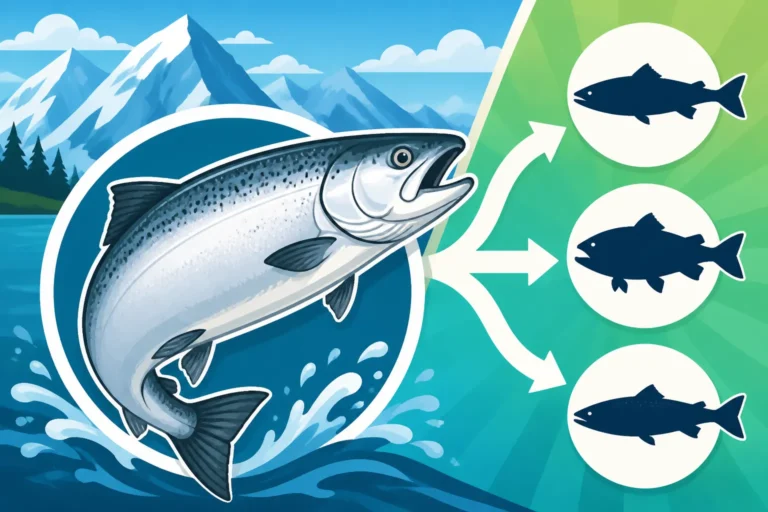
Generally speaking, Alaska King Salmon live anywhere from 3 to 7 years. This range might seem broad, but it’s packed with nuance, mostly dependent on when they decide to return to freshwater to spawn. Some smaller, faster-maturing males, often called "Jacks," might return as early as 2 or 3 years old. These young bucks are typically smaller, maybe 15-20 pounds, and are a common sight in rivers during the early runs.
However, the big, trophy-sized Kings that most people dream of catching, the ones that push 30, 40, or even 50+ pounds, have typically spent a longer time out at sea, often returning at 4, 5, 6, or even 7 years of age. These older fish have endured more challenges and have had more time to bulk up on rich ocean nutrients. It’s this extended ocean residency that contributes to their impressive size and fighting power. Once they enter freshwater, regardless of their age, their biological clock is set. They stop feeding, their bodies begin to change, and their sole focus becomes reproduction.
The Stages of Life for a Chinook
The King Salmon's life is a meticulously orchestrated series of transformations, each stage critical for survival. Understanding these stages really brings home just how incredible their journey is.
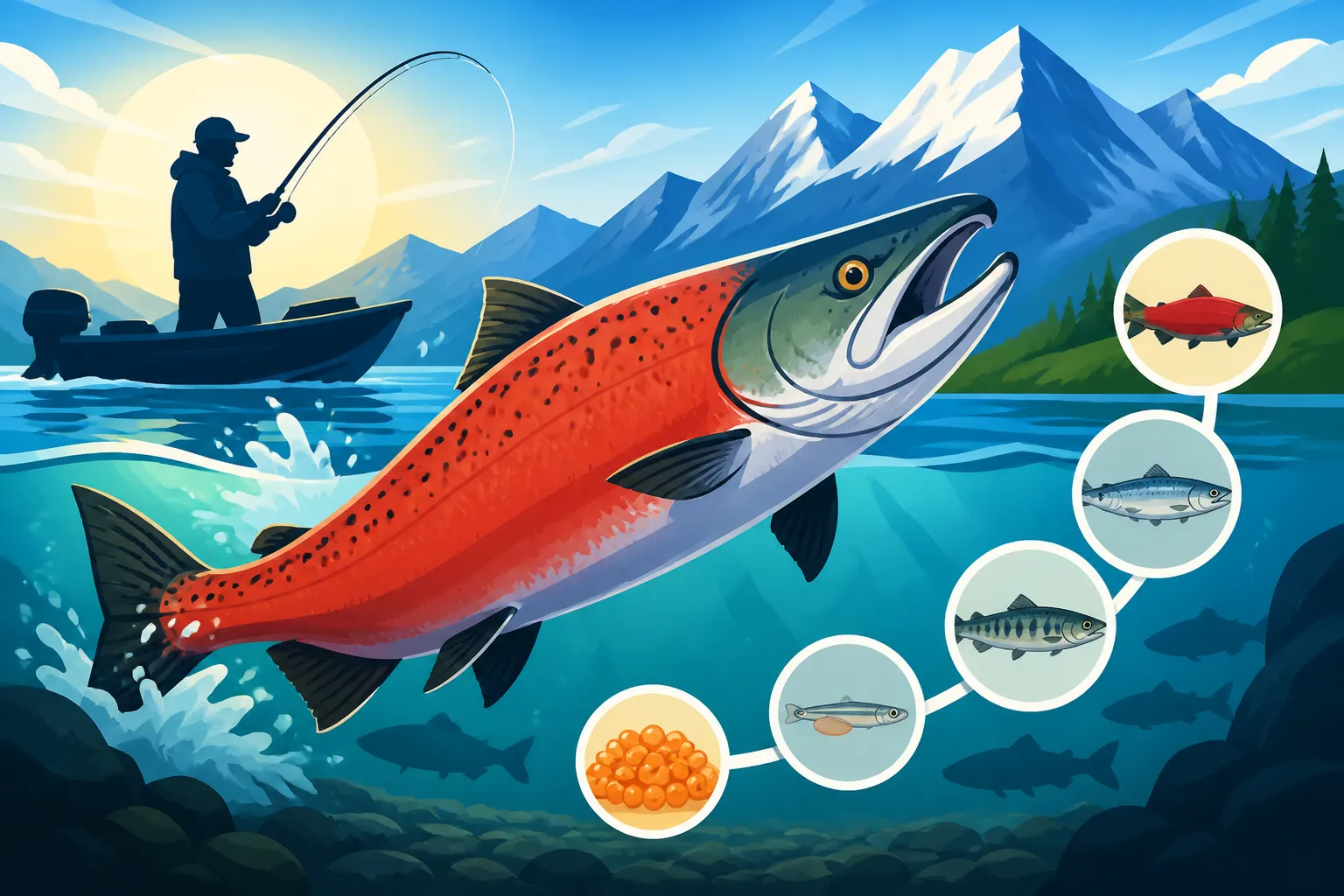
- Egg Stage: It all begins in the gravel beds of freshwater rivers, typically in the late summer or fall. A female King Salmon can lay anywhere from 3,000 to 10,000 eggs, burying them in a "redd" (a nest she digs with her tail). These eggs incubate through the cold winter months, protected in the gravel.
- Alevin Stage: Once the eggs hatch in early spring, the tiny salmon are called alevin. They still have a yolk sac attached to their bellies, which provides crucial nourishment while they remain hidden in the gravel. They don't emerge until the yolk sac is almost completely absorbed.
- Fry Stage: After the yolk sac is gone, the alevin transform into fry. These little fish, often just an inch or two long, emerge from the gravel and begin actively feeding on small aquatic insects. This is a critical period for growth and survival, as they face many predators. Many will spend several months to a year or more in freshwater before migrating.
- Smolt Stage: As the fry grow and prepare for their journey to the ocean, they undergo a physiological transformation called "smoltification." Their bodies adapt to saltwater, changing color and developing a silvery sheen. They migrate downstream, often in large schools, to estuaries and then out into the vast Pacific.
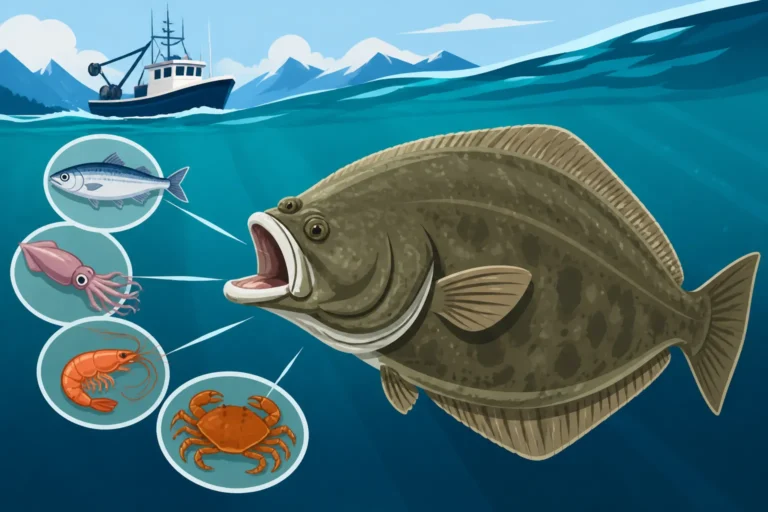
- Ocean Phase: This is where the magic happens for growth. King Salmon spend the bulk of their lives in the rich feeding grounds of the North Pacific. They travel thousands of miles, feasting on smaller fish like herring, squid, and crustaceans. The duration of this phase directly correlates to their eventual size when they return.
- Spawning Phase (Adult): After years at sea, guided by an uncanny sense of smell and the Earth's magnetic field, the sexually mature King Salmon return to their natal rivers. They navigate treacherous currents, bypass predators, and overcome obstacles to reach the very same gravel beds where they were born. Here, they spawn, and shortly after, their life cycle concludes as they die, their bodies providing vital nutrients to the ecosystem.
Factors Influencing a King Salmon's Lifespan
The King Salmon's lifespan isn't a fixed number; it's a dynamic outcome influenced by a complex interplay of genetic predispositions and environmental challenges. Every year presents new hurdles, from the moment they're an egg to their final upstream push to spawn.
Genetic Predisposition and Strain Differences
Just like people, salmon populations have genetic variations that can influence traits like growth rate, age at maturity, and overall longevity. Some stocks of King Salmon are genetically predisposed to return earlier, perhaps at 3 or 4 years of age, while others tend to linger longer in the ocean, maturing at 5, 6, or even 7 years. For example, certain river systems, such as the Kenai River in Southcentral Alaska, have historically been known for producing exceptionally large and old King Salmon, suggesting genetic factors contributing to their extended ocean phase.
It's a delicate balance; early returns ensure some reproduction even if conditions worsen, while later returns allow for larger fish with more eggs. Understanding these genetic differences is crucial for effective fisheries management, helping to protect the diversity within King Salmon populations.
Ocean Environment and Food Availability
The vastness of the Pacific Ocean is both a blessing and a challenge for King Salmon. The duration and success of their ocean phase are heavily influenced by the availability of food and the overall health of the marine ecosystem.
- Forage Fish: Kings are apex predators in the ocean, primarily feasting on abundant forage fish like herring, sandlance, and juvenile pollock. If these populations decline due to environmental shifts or overfishing, it directly impacts the growth rates and survival of King Salmon. A year with abundant feed means faster growth, healthier fish, and potentially a higher survival rate to older ages.
- Ocean Temperatures: Changing ocean temperatures, often linked to broader climate patterns, can shift the distribution of prey species and impact salmon metabolism. Warmer waters can sometimes stress salmon or push their food sources into different areas, forcing the salmon to expend more energy to find sustenance. These subtle shifts can have significant effects on how long King Salmon live.
- Predation: Out in the ocean, Kings face a gauntlet of predators, including marine mammals like seals, sea lions, and even killer whales, as well as larger predatory fish. The longer a salmon stays at sea, the more encounters it might have, increasing the odds of becoming prey.
Freshwater Environment and Spawning Habitat
The freshwater journey and spawning grounds are just as critical as the ocean for King Salmon survival and, by extension, their overall lifespan.
- Habitat Quality: Pristine, cold, and oxygenated water with stable gravel beds is essential for successful egg incubation and alevin development. Pollution, sedimentation from logging or development, and altered water flows can drastically reduce the survival rate of young salmon. The quality of the spawning grounds directly impacts how many young fish successfully hatch and begin their journey.
- Water Levels and Temperatures: Rivers need adequate water flow for salmon to migrate upstream and for redds to remain viable. Too low, and migration can be blocked or eggs exposed. Too high, and redds can be scoured. Temperature is also key; salmon need cool water for survival and spawning. If river temperatures get too high, especially during summer runs, it can stress the fish and lead to higher pre-spawning mortality. You can often check for real-time water levels and temperatures through services that provide fishing reports, which can be found via a quick search on sites like Amazon for river-specific guides.
- Barriers to Migration: Natural obstacles like waterfalls are part of the challenge, but human-made barriers such as poorly designed culverts or dams can completely block migration routes, preventing salmon from reaching critical spawning habitat. This can lead to entire segments of a population being unable to reproduce, effectively cutting short their genetic legacy.
Fishing Pressure and Conservation Efforts
Anglers, both sport and commercial, are part of the King Salmon's environment, and fishing pressure is a significant factor in their effective lifespan within the population.
- Harvest Rates: When fishing pressure is high, particularly on older, larger fish, it can reduce the average age of the spawning population. If too many of the mature, multi-year ocean residents are harvested, it can diminish the genetic potential for longer-lived, larger individuals in future generations. This is why regulations, such as those detailed in the Alaska King Salmon Daily and Annual Limits guide, are so important.
- Catch-and-Release Practices: For anglers who practice catch-and-release, especially during sensitive times or in areas with conservation concerns, proper handling is paramount. Stress, injury, or exhaustion can reduce a fish's chances of successfully spawning, even if it swims away. Best practices for catch-and-release, which can be researched using resources found on platforms like Amazon, emphasize minimizing fight time, keeping the fish in the water, and using appropriate gear like barbless hooks.
- Conservation Initiatives: Various agencies and organizations work tirelessly to protect King Salmon. This includes habitat restoration projects, managing hatchery programs to supplement wild stocks, and implementing fishing regulations that consider the health of the population. Understanding the Alaska Fishing Regulations Explained is a vital part of being a responsible angler and contributes directly to ensuring these fish have a chance to complete their full life cycle.
The Life Cycle Journey: From Egg to Spawner
Imagine a single King Salmon's journey. It's a tale of epic proportions, driven by instinct and incredible fortitude. This entire, multi-year saga culminates in a final, powerful act of reproduction.
The Freshwater Incubation and Rearing
After the female meticulously builds her redd, she deposits her eggs, and the male fertilizes them. These eggs are quite hardy, designed to withstand the cold temperatures of an Alaskan winter. They rely on the consistent flow of oxygenated water through the gravel. If the river freezes solid to the bottom or if excessive silt smothers the redds, the entire generation can be lost.
Once hatched, the alevin remain hidden, drawing sustenance from their yolk sacs. This is a period of immense vulnerability; a sudden flood could wash them away, or predators like sculpins and trout could find them. When they emerge as fry, they begin to fend for themselves, learning to hunt and hide. Some King Salmon fry, particularly in systems with limited rearing habitat or specific genetic traits, may only spend a few months in freshwater before smoltifying and heading to sea. Others, however, can spend a full year or even two in their natal river, growing larger and stronger before they undertake the perilous journey to the ocean. The duration of this freshwater rearing phase directly impacts their initial survival rates in the marine environment.
The Epic Ocean Migration and Growth
This is where King Salmon really grow into their legendary size. Once they hit saltwater, often as small, silvery smolts, they disperse widely throughout the North Pacific. They are opportunistic feeders, growing rapidly on a protein-rich diet. Think about the incredible distances they cover – King Salmon from rivers in Alaska have been caught as far south as Oregon and California, and vice-versa. Their migratory patterns are complex, influenced by ocean currents, food availability, and water temperatures.
During this multi-year ocean phase, their bodies transform from slender smolts into powerful, torpedo-shaped adults. A 5-year-old King Salmon, for example, might be double the size of a 3-year-old, having spent two more years accumulating biomass. This growth is directly linked to the abundance and quality of their food sources. A healthy ocean means healthy, large salmon. Many of the King Salmon we pursue in premier fishing destinations like the Kenai River Fishing: Complete Guide or on the Nushagak have spent several years growing in these bountiful ocean feeding grounds.
The Final Spawning Run and Senescence
The final chapter of a King Salmon's life is arguably its most dramatic. Driven by an insatiable, innate urge, they cease feeding in the ocean and begin their arduous journey back to their exact birth river. They rely on stored fat reserves for energy, making their way upstream, sometimes for hundreds of miles.
Their bodies undergo a remarkable transformation. Their silvery ocean camouflage gives way to darker, often mottled coloration. Males develop a pronounced humped back and a hooked jaw (kype), used for fighting other males for spawning rights. Females become heavy with eggs. Once they reach the spawning grounds, they pair up, dig redds, and complete the act of reproduction. This monumental effort, fueled by instinct, is the culmination of their entire life.
Within days or weeks of spawning, their bodies, starved and exhausted, begin to deteriorate. They do not survive to return to the ocean for another cycle. This natural process, called semelparity, means that each King Salmon dies after spawning, contributing their nutrients back to the river system that nurtured them as juveniles. This full, exhausting cycle is what makes every King Salmon catch so profound and reminds us of the fragility and wonder of their existence.
Conservation and the Future of King Salmon Lifespans
The iconic King Salmon face significant challenges, and their future, including the ability for many to live long, productive lives, depends heavily on ongoing conservation efforts and responsible stewardship.
Understanding Population Trends
For decades, many King Salmon populations across Alaska, particularly in Southcentral Alaska like the Susitna and Kenai River systems, have experienced periods of decline. This isn't just a concern for anglers; it impacts the entire ecosystem and the cultural fabric of Alaska. Scientists and fisheries managers closely monitor these trends, looking at factors like escapement (the number of fish that successfully return to spawn), ocean survival rates, and freshwater habitat conditions.
One noticeable trend in some areas has been a shift towards younger, smaller King Salmon returning to spawn. This phenomenon, often referred to as "age truncation," means fewer older, larger fish are surviving to their full potential and contributing their genes to the next generation. This could be due to a combination of factors, including targeted fishing pressure on larger fish, changes in ocean conditions impacting growth and survival, or even genetic shifts. Understanding these complex population trends is the first step toward effective management and ensuring that future generations of King Salmon have the opportunity to live out their full, multi-year lifespans.
Management Strategies and Regulations
The Alaska Department of Fish and Game (ADF&G) implements a suite of management strategies designed to protect King Salmon and ensure sustainable fisheries. These strategies are often dynamic, changing year-to-year or even in-season based on run forecasts and real-time data.
- Bag and Annual Limits: Strict limits are placed on the number of King Salmon an angler can keep per day and per year, especially for non-residents. For instance, non-residents often have an Alaska Nonresident King Salmon Annual Limit Explained, which is generally lower than resident limits to ensure greater protection for the stocks.
- Size Restrictions: Minimum and sometimes maximum size limits (like a "slot limit") are used to protect juvenile fish or ensure that a certain proportion of large, prime spawners escape to reproduce.
- Gear Restrictions: Regulations on gear, such as mandating single hooks, barbless hooks, or prohibiting bait during certain periods, are often put in place to reduce mortality rates for released fish. Understanding specific rules, such as Alaska Bait Restrictions Explained or Alaska Barbless Hook Requirements, is critical for compliance and conservation.
- Emergency Orders: When runs are particularly weak, ADF&G has the authority to issue Alaska Fishing Emergency Orders Explained, which can close fisheries entirely, reduce limits, or implement additional gear restrictions. These measures, though sometimes disappointing for anglers, are crucial for protecting vulnerable stocks.
How Anglers Can Contribute to Conservation
As anglers, we have a vital role to play in the conservation of King Salmon and the preservation of their incredible lifespans. Our choices and actions can have a real impact.
- Know the Regulations: Before you even cast a line, make sure you thoroughly understand the current regulations for the specific area and species you're targeting. These rules, often found in the annual How to Read the Alaska Sport Fishing Regulations Booklet, are designed to protect the fish.
- Practice Responsible Catch-and-Release: If you're releasing King Salmon, do so with the utmost care. Minimize handling time, keep the fish in the water as much as possible, and use appropriate tools like knotless nets. These best practices increase the fish's chances of survival and successful spawning.
- Support Conservation Organizations: Many organizations are actively involved in King Salmon habitat restoration, research, and advocacy. Supporting these groups through donations or volunteering can contribute directly to healthier populations.
- Report Violations: If you witness illegal fishing activity, report it to the authorities. Poaching and disregard for regulations undermine all conservation efforts.
- Educate Yourself and Others: Learn about the life cycle of King Salmon, the challenges they face, and the importance of healthy ecosystems. Share this knowledge with fellow anglers, friends, and family. By becoming more informed, we become better stewards of these magnificent fish. Many excellent books on salmon biology and ecology are available on Amazon, which can deepen your appreciation and understanding.
Summary of King Salmon Lifespan
To put it all into perspective, here's a quick overview of the typical lifespan stages for King Salmon:
| Life Stage | Typical Duration | Key Characteristics |
|---|---|---|
| Egg | 3-5 months | Hidden in gravel, yolk sac for nourishment, sensitive to conditions. |
| Alevin | 1-2 months | Still in gravel, consuming yolk sac, vulnerable. |
| Fry | Several months to 1-2 years | Emerged from gravel, actively feeding in freshwater, growing. |
| Smolt | Brief transition period | Physiological change for saltwater, migrating to ocean. |
| Ocean Phase | 1-6 years | Rapid growth, extensive migration, feeding on forage fish. |
| Spawning Phase | Weeks | Return to natal river, reproduce, die post-spawning. |
| Total Lifespan | 3-7 years | Entire cycle from egg to post-spawning death. |
This table truly highlights the brevity and intensity of their entire existence, especially that crucial ocean phase where they gain most of their iconic size.
Ultimately, the question of "How long do Alaska King Salmon live?" is more than just a biological fact. It speaks to the incredible journey these fish undertake and the delicate balance of their survival. By understanding their full life cycle and actively participating in conservation, we can help ensure that future generations of anglers continue to marvel at the sheer power and resilience of Alaska's King Salmon.
Disclaimer
The information provided in this guide is for general informational purposes only and does not constitute official legal advice. Alaska fishing regulations are complex and subject to change frequently, sometimes on an emergency basis. Always consult the most current Alaska Department of Fish and Game regulations and emergency orders before engaging in any fishing activity.