What Do Alaska Halibut Eat
Anglers often wonder what makes Alaska's legendary halibut so big and feisty, and it all comes down to their diet. Understanding what these bottom dwellers consume is crucial for anyone hoping to land one, whether you're a seasoned pro planning your annual trip or a first-timer just dreaming of the Last Frontier. This comprehensive guide will dive deep into the diverse menu of the Pacific halibut, exploring how their feeding habits change with age, season, and environment, and giving you the insider knowledge you need to outsmart them.
The Opportunistic Predator: A Broad Look at the Halibut's Diet
Alaska's halibut are truly incredible creatures, perfectly adapted to their cold, deep-water environment. They're not picky eaters; instead, they are highly opportunistic predators, taking advantage of whatever prey is most abundant and accessible. This flexibility in their diet is a huge part of why they can grow to such enormous sizes and thrive in a wide range of marine habitats. If you've ever hooked into a massive "barn door" halibut, you know the power they possess, and that power comes from a rich, varied diet.
Primary Food Sources: Fish, Crustaceans, and Cephalopods
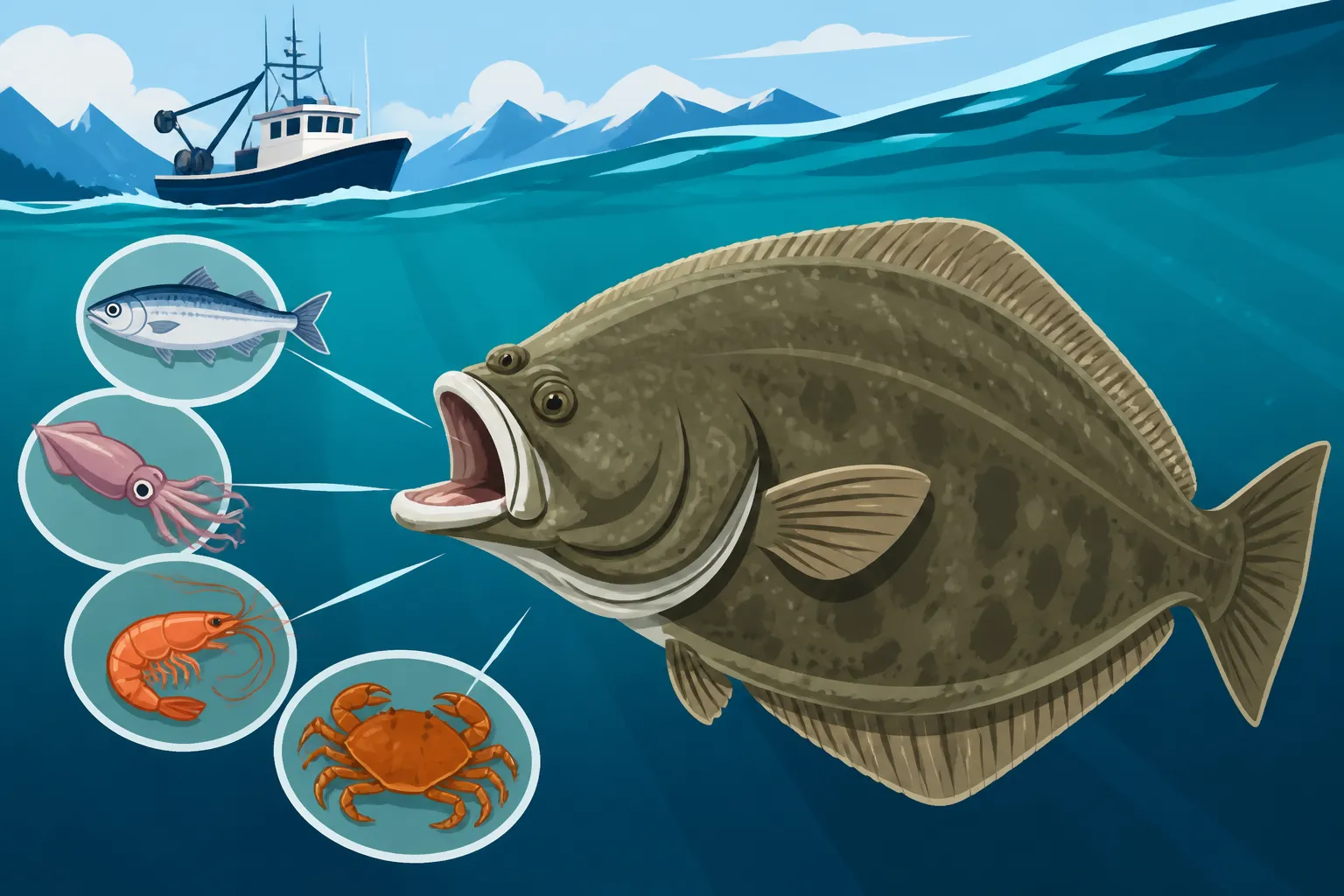
At the heart of the Pacific halibut's diet are other fish, making up a significant portion of their daily meals. Species like Pacific cod, pollock, herring, sand lance, and various rockfish are common targets. Imagine a halibut camouflaged against the seafloor, patiently waiting for a school of herring to swim a little too close – it’s a scene played out daily across Alaska's vast fishing grounds. Their predatory nature means they're constantly on the lookout for a caloric meal.
Beyond finned prey, crustaceans also feature heavily on the menu. Crab, shrimp, and even smaller bottom-dwelling invertebrates provide essential nutrients. These slower-moving meals are easy targets for a halibut lurking on the seabed, using its flat body to blend in. And let's not forget about cephalopods – squid and octopus are highly prized by halibut. A fresh squid is often irresistible to these predators, which is why many savvy anglers will use it as bait. This diverse intake ensures they get a full spectrum of nutrients, fueling their impressive growth. For a general overview of these magnificent creatures, check out our guide on Alaska Halibut: Complete Guide.
The Bottom-Dwelling Advantage: Ambushes and Foraging
The halibut's unique anatomy isn't just for looking quirky; it's a finely tuned hunting machine. Their flattened bodies, with both eyes on one side of their head, allow them to lie almost perfectly flush with the ocean floor. This incredible camouflage makes them nearly invisible to unsuspecting prey swimming above. It's a classic "sit and wait" ambush strategy, where they patiently bide their time, blending in with the gravel, sand, or mud.
Once prey is within striking distance, the halibut explodes upwards with surprising speed and power, engulfing its meal. But they aren't just ambush predators; they're also active foragers. Their mouths are quite large, equipped with strong teeth, and they aren't afraid to root around in the sediment. They'll actively search for burrowing crustaceans or small fish hiding in the substrate. This combination of stealthy ambushing and active foraging ensures they capitalize on every available food source in their diverse underwater world, making them incredibly efficient hunters.
A Changing Palate: Diet Throughout a Halibut's Life
Just like us, a halibut's dietary preferences and needs evolve as it grows from a tiny larva to a monstrous adult. What a young halibut nibbles on is vastly different from the substantial meals a mature "barn door" demands to sustain its massive size and energy levels. Understanding these life-stage specific diets can really give you an edge when targeting different sizes of halibut.
Juvenile Halibut: Starting Small
When Pacific halibut are just starting out, they're relatively small and vulnerable. After hatching, the larval halibut actually swim upright in the water column before gradually flattening out and migrating to the ocean floor. In their early juvenile stages, typically found in shallower, more protected coastal waters, their diet consists of smaller, more manageable morsels.
This often includes tiny crustaceans like copepods, amphipods, and euphausiids. As they grow a bit larger, they transition to small fish larvae and juvenile forms of other species that frequent the same shallow nursery grounds. Think of them as miniature versions of their adult selves, practicing their predatory skills on appropriately sized prey. They’re still building up their strength and honing their hunting instincts, slowly working their way up the food chain.
Adult Halibut: Growing into a Gourmet
As halibut mature and increase in size, their diet shifts dramatically to incorporate larger, more energy-rich prey. They move into deeper waters and expand their hunting grounds, becoming formidable predators. This is when they start targeting a wider variety of fish species, including Pacific pollock, cod, sand lance, and various rockfish. If you're wondering how to catch these larger specimens, understanding their preferred food sources is key; our How to Catch Halibut in Alaska guide offers some great insights.
Squid and octopus become much more significant components of their diet at this stage. These cephalopods are packed with protein and fat, providing the necessary fuel for growth and reproduction. Adult halibut are powerful swimmers capable of chasing down schooling fish, but they still retain their excellent camouflage skills for ambushing. Their mouths grow larger, their jaws stronger, allowing them to engulf surprisingly big meals. This robust diet is what drives their impressive growth rate, transforming them from small juveniles into the powerful, sought-after game fish we know.
The "Barn Door" Diet: Eating Everything in Sight
When we talk about "barn door" halibut, we're referring to the truly massive, often female, specimens that can weigh hundreds of pounds. These giants are at the absolute apex of the marine food chain in their habitat. Their diet becomes incredibly diverse and frankly, a bit astonishing. At this stage, they're not just eating fish; they're eating large fish, including smaller halibut! Yes, cannibalism isn't uncommon among these massive predators.
Their menu also includes larger salmon, lingcod, and even marine mammals like harbor seals, though the latter is less common and usually opportunistic scavenging. These colossal halibut require an immense amount of energy to sustain their bodies, and they will consume almost anything they can overpower. This insatiable appetite and incredible strength are precisely why landing a barn door halibut is such a monumental angling achievement. It’s also interesting to note that these larger fish are often female, a topic explored further in our article Why Are Big Halibut Always Female.
Seasonal Feasts and Regional Variations
Alaska's vast and dynamic marine environment means that the halibut's diet isn't static. It fluctuates throughout the year, driven by seasonal changes in prey availability, water temperature, and the halibut's own biological needs. Where you fish in Alaska also plays a significant role, as prey species vary geographically.
Summer Bounty: The Peak Feeding Frenzy
Summer is prime time for fishing in Alaska, and it's also when halibut are typically at their most active, putting on weight. As water temperatures rise, so does their metabolism, leading to a much higher demand for food. This coincides perfectly with an explosion of prey species. Schools of baitfish like herring and sand lance become incredibly abundant, providing a rich, easily accessible food source.
Crucially, summer also brings the famed salmon runs to Alaska's coasts. While halibut aren't typically found chasing adult salmon upriver, they certainly benefit from the juvenile salmon migrating out to sea and the returning adults and their carcasses in the nearshore waters. This abundance means halibut are in a full-on feeding frenzy, making them more aggressive and generally easier to catch. Knowing the best time to fish aligns directly with these feeding patterns; our Alaska Halibut Season Explained guide provides excellent insights into when to plan your trip.
Winter Slowdown: Conserving Energy
As the long Alaskan summer fades and winter approaches, the marine environment becomes harsher, and food sources become scarcer. Halibut, like many other cold-blooded creatures, undergo a significant slowdown in their metabolism. They migrate to deeper, more stable waters, often congregating in specific areas like submarine canyons or troughs where temperatures are more consistent.
During these colder months, their feeding activity decreases considerably. They still eat, of course, but their diet shifts towards slower-moving, energy-dense prey that requires less exertion to catch. This might include deeper-water fish like Greenland turbot, sablefish, or whatever crustaceans are available on the deeper ocean floor. The goal is conservation of energy, not rapid growth. Anglers typically target halibut during the warmer months when they are actively feeding, as winter fishing for them can be challenging and less productive due to their reduced feeding drive.
Regional Diet Differences: East vs. West
Alaska is enormous, and its marine ecosystems are incredibly diverse. What a halibut eats in the Gulf of Alaska might be quite different from a halibut in the Bering Sea or near the Aleutian Islands. These regional variations are primarily due to the availability of specific prey species. For instance, in some areas of the Bering Sea, pollock is overwhelmingly abundant, making it a staple for halibut. In other areas, capelin or eulachon might be more prevalent baitfish.
Anglers fishing in specific locales like Homer or Seward will often find halibut gorging on localized herring populations, while those further west might find more emphasis on cod or other groundfish. The key takeaway is that halibut adapt to their local environment. They are incredibly successful predators precisely because they are not constrained by a single preferred food item. This adaptability means that when fishing in a new area, observing what local bait shops recommend or what guides are using can offer valuable clues about the current halibut diet in that specific spot.
What Anglers Use: Mimicking Nature's Menu
Given their opportunistic nature and diverse diet, it's no surprise that successful halibut anglers often try to mimic the halibut's natural menu. Understanding what they eat in the wild directly translates into effective bait and lure choices. There's a reason why certain baits are perennial favorites among those who chase these giants.
Popular Baits and Lures
When it comes to natural bait, herring is king. It's a natural food source for halibut, and its oily scent and texture are irresistible. Many anglers will use whole or cut herring, often on large circle hooks, allowing the halibut to take the bait cleanly. Other popular natural baits include salmon heads or strips of salmon belly, which are rich in oils and mimic injured fish. Octopus, another natural prey item, is also incredibly effective and durable, meaning it stays on the hook longer when those "chicken" halibut are nibbling. Even strips of cod or pollock can work wonders, especially in areas where those species are abundant. For a deep dive into what works best, our Best Bait for Alaska Halibut guide is an invaluable resource.
| Halibut Size Category | Primary Diet Components | Preferred Baits/Lures for Anglers |
|---|---|---|
| Juvenile (0-15 lbs) | Small crustaceans, fish larvae, tiny fish | Small jigs, bits of herring, shrimp |
| "Chicken" (15-50 lbs) | Herring, sand lance, pollock, cod, shrimp, crab, small squid | Cut herring, salmon belly, whole squid, jigs |
| "Barn Door" (50+ lbs) | Larger fish (cod, pollock, rockfish, smaller halibut, salmon), large squid, octopus | Whole salmon heads, large octopus, large jigs, swimbaits |
Beyond natural baits, artificial lures can be incredibly effective, especially when jigging. Large metal jigs, often weighing a pound or more, are designed to mimic injured baitfish or squid as they fall through the water column. Many come with glow-in-the-dark paint, which is highly attractive in the deep, dark waters where halibut reside. Soft plastic swimbaits, sometimes up to a foot long, rigged on heavy jig heads, can also be very convincing. Anglers can find a vast array of specialized halibut tackle, from heavy-duty rods to specific jig designs, readily available on platforms like Amazon, ensuring they have the right tools for the job. Our article on How to Jig for Halibut in Alaska provides excellent techniques for using these artificials.
Presentation is Key: Bottom Fishing and Drifting
Knowing what halibut eat is only half the battle; knowing how to present it to them effectively is the other. Since halibut are predominantly bottom dwellers, the most successful fishing techniques involve getting your bait or lure right down to their strike zone. This is where bottom fishing truly shines.
Whether you're anchored or slowly drifting, the goal is to keep your bait tantalizingly close to the seabed where halibut are waiting. Heavy sinkers are essential to combat strong currents and get your offering down quickly. When drifting, the movement of the boat allows your bait to cover more ground, increasing your chances of passing over a hidden halibut. This mimics a wounded baitfish or a foraging crustacean moving naturally along the ocean floor, which can trigger an aggressive strike. Many experienced anglers also use spreader bars or hoochie skirts, available on Amazon, to enhance the presentation of their baits, making them appear even more lifelike. Learning the nuances of these techniques, as detailed in our guide How to Bottom Fish for Alaska Halibut, will significantly boost your success rate in targeting these powerful predators.
Disclaimer
Fishing in Alaska involves inherent risks and is subject to rapidly changing regulations. Always consult the most current Alaska Department of Fish and Game regulations and emergency orders before heading out. Safety should always be your top priority.