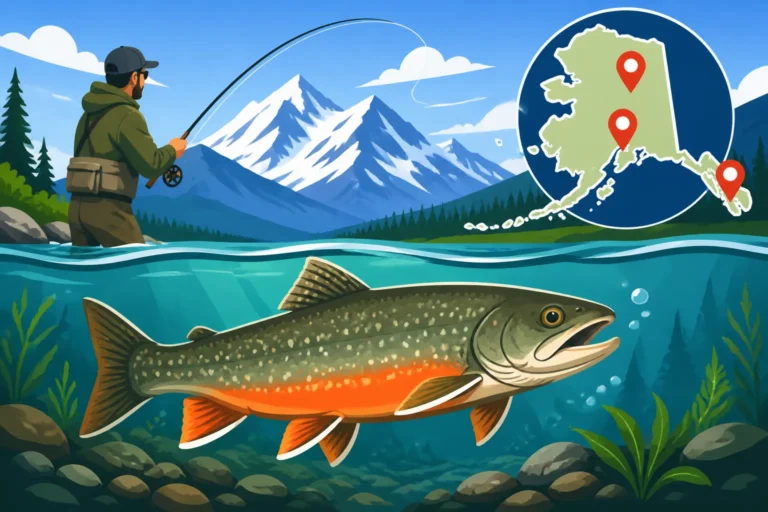
What Is a Silver Salmon Called Elsewhere
It can be incredibly confusing when you're planning an exciting fishing trip to a place like Alaska, only to hear the same fish referred to by a handful of different names depending on who you're talking to or what report you're reading. The majestic Silver Salmon is a prime example of this nomenclature riddle. This guide aims to clear up that confusion, diving deep into the various aliases this beloved fish goes by and why understanding them is key to a successful angling adventure.
The Many Names of the Silver Salmon (Coho)
Ah, the Silver Salmon! It’s a favorite among anglers for its acrobatic fights and delicious flesh. But mention it outside of Alaska, and you might get a blank stare, or someone might correct you, calling it something else entirely. This isn't just a quirky local thing; it reflects a broader linguistic tapestry woven across different regions and even continents where this incredible fish makes its home.
Why So Many Different Names?
The primary reason for the multitude of names attributed to the Silver Salmon boils down to a blend of geographical isolation, local dialect, traditional fishing cultures, and simply different communities establishing their own familiar terms over generations. In Alaska, "Silver Salmon" is the common, widely accepted name, often shortened to just "Silvers" by locals who know and love them. It rolls off the tongue and perfectly describes their shimmering, chrome-bright appearance when fresh out of the ocean. However, step outside the Last Frontier, and you quickly realize that the world has other ideas.
Scientifically, there's no room for debate: the Silver Salmon is known as Oncorhynchus kisutch. This Latin name is the universal identifier, cutting through any regional confusion and ensuring that scientists, fishery managers, and even international anglers are all talking about the exact same species. It's a member of the Pacific salmon family, sharing its genus with other iconic species like King Salmon (Oncorhynchus tshawytscha) and Sockeye Salmon (Oncorhynchus nerka). The scientific name is crucial because it eliminates ambiguity, which is particularly important when discussing conservation efforts, biological research, or even trade.
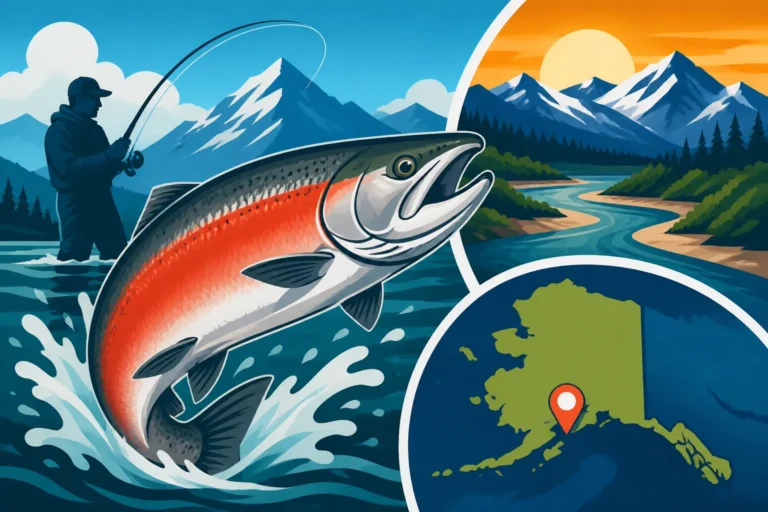
Beyond the scientific, the common names often highlight a particular characteristic or historical context. "Silver Salmon" in Alaska emphasizes their striking color, a hallmark of their oceanic phase. Their life cycle sees them hatch in freshwater, migrate to the ocean to feed and grow, and then return to their natal rivers to spawn. It's during this return journey, especially in the brackish waters of estuaries and the lower reaches of rivers, that they are at their most vibrant, making their "silver" moniker particularly apt.
Regional Nicknames Across North America
When you travel from Alaska down the Pacific Coast, or venture inland to the Great Lakes, you'll hear different names pop up for Oncorhynchus kisutch. The most common alternative name you’ll encounter across much of North America is Coho Salmon. This is arguably the most recognized name for this species outside of Alaska, especially in states like Washington, Oregon, and California, and throughout Canadian provinces like British Columbia. Many anglers who are used to fishing the Lower 48 or Canada will automatically refer to them as "Coho."
In the Pacific Northwest, particularly in regions with a strong commercial fishing history, "Coho" has been the standard for decades. If you're chatting with an old-timer in Astoria, Oregon, or on a charter out of Westport, Washington, they'll almost certainly talk about the "Coho run" rather than the "Silver Salmon run." This regional preference is deeply ingrained, reflecting the long-standing traditions of commercial and recreational fisheries that have targeted these fish for generations.
Further inland, especially in the Great Lakes region where Coho Salmon were introduced decades ago to control alewife populations and create a sport fishery, the name "Coho Salmon" is almost exclusively used. Imagine planning a trip to fish Lake Michigan or Lake Ontario; all the local tackle shops, guides, and fishing reports will be talking about "Coho." It's a fascinating example of how a species can maintain its scientific identity but acquire different common names depending on its adopted home and the culture that surrounds it. If you're researching Alaska Fishing Regulations Explained before your trip, keep in mind that official documents often use "Coho" synonymously with "Silver Salmon" to ensure clarity for all anglers, regardless of their regional background.
Beyond North America: Global Identifiers
While Alaska and the Pacific Northwest are the traditional strongholds of the Silver Salmon, their reach has expanded due to both natural migrations and intentional introductions. This global presence further highlights the diverse naming conventions and the vital role of scientific classification in overcoming language barriers.
The Importance of Scientific Nomenclature
In a world where fish move, and people from different cultures connect through fishing, the scientific name Oncorhynchus kisutch becomes absolutely indispensable. Imagine trying to discuss a fishery management plan with biologists from Japan, Russia, and Canada, all talking about "Silver Salmon," "Coho," "Keta," or local indigenous names. It would be a nightmare of miscommunication! That's where the Latin name provides a common ground, a universal language for the scientific community.
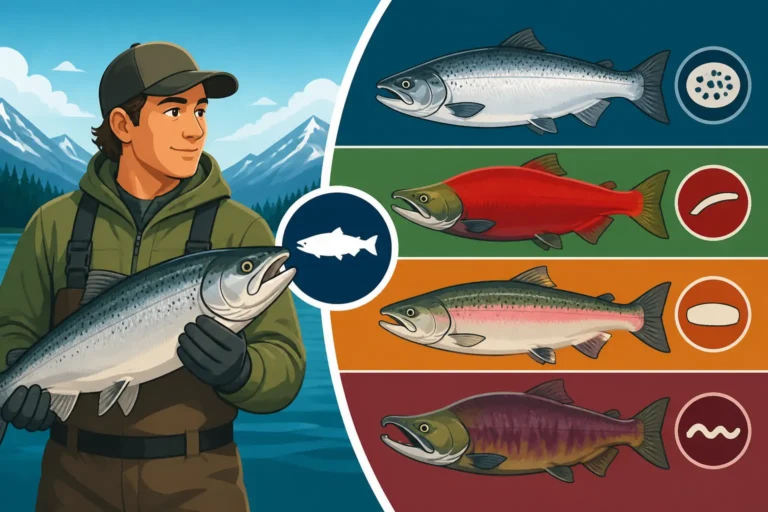
This universal identifier isn't just for scientists. For an angler like you, it offers a fallback when facing confusing local terminology. If you’re ever in doubt about what species is being referred to in a foreign fishing report or a conversation with a local guide, simply asking for the Oncorhynchus kisutch will usually clarify things instantly. This avoids potential misunderstandings about bag limits, seasons, or even bait restrictions, which can vary wildly between species. When planning your trip, consider brushing up on how to identify various Alaska Salmon Species to ensure you're always in the know, no matter the local dialect.
International Presence and Local Monikers
While "Silver Salmon" and "Coho Salmon" dominate in North America, the species does have a presence in other parts of the world, primarily due to past introductions. They are native to the North Pacific Ocean, spanning from Hokkaido, Japan, across the Bering Sea, and down the west coast of North America to California. In Asian countries like Russia and Japan, where they are also native, they might be referred to by names that translate directly to "Silver Salmon" or a specific local term, but "Coho Salmon" is often used in international fisheries discussions.
The interesting cases often arise when Coho Salmon are introduced to non-native waters. As mentioned, the Great Lakes are a prime example in North America, where they've established self-sustaining populations in some areas. Further afield, Coho Salmon have been introduced, sometimes successfully, into parts of South America, such as Chile and Argentina, where aquaculture operations have been established. In these regions, they are typically referred to as "Coho Salmon" or by direct translations. For instance, in Spanish-speaking countries, it might be "Salmón Coho."
It's less common to find entirely new, unique local monikers developing in these introduced areas, partly because the fish haven't been part of the local ecosystem and culture for centuries as they have in their native range. Also, with the advent of global communication and consistent naming in the aquaculture industry, the name "Coho" has largely stuck. So, while you're unlikely to hear them called "Silvers" in a Chilean market, "Coho" would likely be understood.
Why Understanding the Names Matters for Anglers
For the enthusiastic angler, knowing the different names for Silver Salmon isn't just a matter of trivia; it's a practical necessity that impacts everything from abiding by regulations to selecting the right gear. Failing to understand these distinctions can lead to frustration, missed opportunities, or even accidental violations.
Navigating Regulations and Seasons
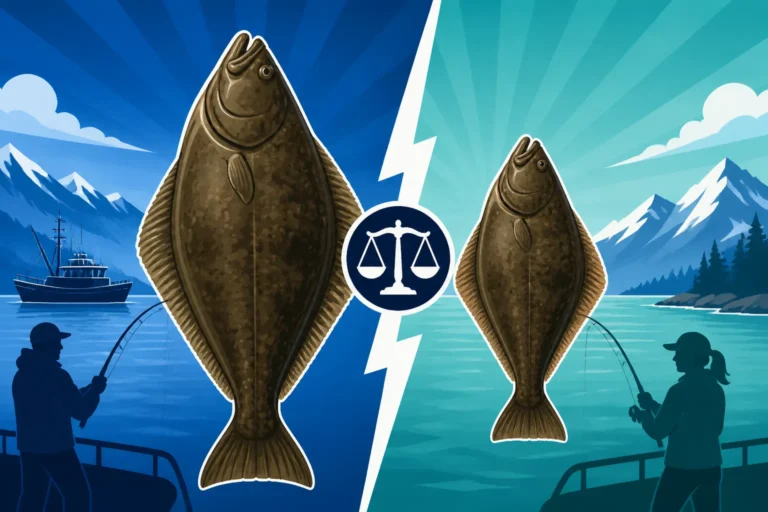
This is perhaps the most critical reason to understand the various names for Silver Salmon. Fishery regulations in Alaska and other states are incredibly specific, and they often refer to fish by their most common local name or their universally accepted "Coho Salmon" moniker. Imagine arriving in Alaska, excited to target "Silvers," but all the local fishing reports and the Alaska Department of Fish and Game (ADF&G) regulations booklet refer to "Coho Salmon" limits. If you're not aware they're the same fish, you might struggle to interpret the rules, leading to confusion about bag limits, size restrictions, or even open seasons.
For example, a specific emergency order might close a river section to "Coho Salmon" retention, and if you're only familiar with "Silver Salmon," you might unknowingly violate the rules. Or, perhaps the annual limit for Alaska King Salmon Fishing Regulations and Limits is different from the limits for Silvers, and mistaking one for the other could land you in trouble. It’s imperative to always cross-reference names with scientific classification if there's any doubt. Knowing that "Silver Salmon" and "Coho Salmon" are interchangeable terms ensures you're always aligned with official guidelines. This is particularly true when dealing with species-specific regulations like Alaska Coho Salmon Regulations and Limits, where precise identification is non-negotiable.
Gear, Techniques, and Targeting Specific Runs
Beyond regulations, your understanding of fish names can directly influence your fishing strategy. When you're searching for advice on what lures work best or how to fish for a particular species, using the correct search terms is crucial. If you're looking for information on "How to Catch Silver Salmon in Alaska," you might find slightly different results than if you search for "Coho Salmon fishing techniques." However, by knowing they are the same, you can broaden your research and gain a more comprehensive understanding.
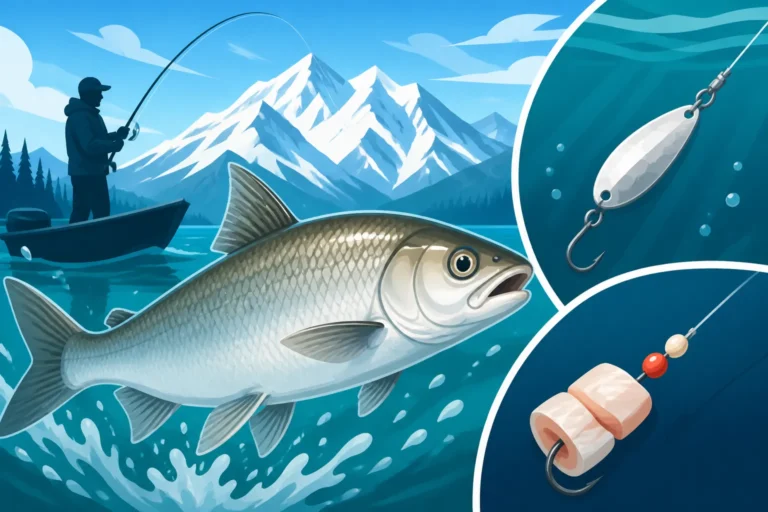
Many tackle manufacturers and fishing content creators use both "Silver Salmon" and "Coho Salmon" in their product descriptions and guides. For instance, when browsing for specific lures, flies, or even Best Lures and Bait for Alaska Coho Salmon on a major retailer like Amazon, you'll find products explicitly marketed for "Coho" or "Silvers." If you're only searching for "Silver Salmon lures," you might miss out on a whole range of effective gear that's simply labeled for "Coho." The key is to think broadly when doing your research.
Furthermore, understanding the names helps you better interpret fishing forecasts and run timing reports. Different regions will report on their salmon runs using their preferred local terminology. If you're planning your trip around the Alaska Silver Salmon Run Timing, knowing the alternative name allows you to tap into a wider array of resources, from online forums in the Pacific Northwest to local guide reports from the Great Lakes, all offering valuable insights into the behavior and habits of this incredible fish. This knowledge enhances your ability to plan and adapt, ultimately increasing your chances of a successful fishing trip.
Here's a quick look at the Silver Salmon's common aliases:
| Common Name (Primary) | Other Common Name | Region of Primary Use | Scientific Name | Key Characteristics |
|---|---|---|---|---|
| Silver Salmon | Silvers | Alaska | Oncorhynchus kisutch | Bright silver, dark spots on back, often aggressive. |
| Coho Salmon | Coho | Pacific Northwest, Great Lakes, International | Oncorhynchus kisutch | Same as Silver Salmon; widely recognized globally. |
Understanding Silver Salmon Characteristics for Better Fishing
Beyond just knowing the names, truly understanding the Silver Salmon's physical traits and behavioral patterns is what will really elevate your angling game. This knowledge helps you identify them quickly on the water, anticipate their movements, and select the most effective techniques to entice a strike.
Distinguishing Features of Silver Salmon
The Silver Salmon, or Coho, is known for its stunning appearance and powerful build. When fresh from the ocean, their sides are a brilliant, almost iridescent silver, giving them their Alaskan moniker. Their back is typically a darker blue-green, sometimes transitioning to a greenish hue. A key identifying feature is the presence of small, irregular black spots predominantly on their back and the upper lobe of their caudal (tail) fin. This spotting pattern is crucial for distinguishing them from other salmon species.
Another reliable identification marker lies in their mouth. Silver Salmon have white gums along the base of their teeth, but their tongue and the roof of their mouth are black or dark gray. This contrasts with King Salmon, which have black gums and a black mouth. Their tail fin is also often less heavily spotted than a King Salmon's, with the spots mostly concentrated on the upper half. These subtle differences become vital when you're trying to quickly identify your catch, especially when fishing in areas where multiple salmon species might be present. Learning How to Identify Alaska Salmon Species is a skill every serious angler should cultivate, and paying attention to these small details can make all the difference. Their average size in Alaska usually ranges from 8 to 12 pounds, though larger specimens, sometimes exceeding 20 pounds, are not uncommon, especially in prime locations like the Kenai Peninsula.
Behavior and Habitat Preferences
Silver Salmon are famous for their aggressive strikes and acrobatic fights, making them a top target for sport fishermen. Once hooked, they often leap clear out of the water, tail-walk, and put up a strong, determined battle, providing an exhilarating experience. This fighting spirit, combined with their strong runs, means you need appropriate gear to handle them effectively.
Their preferred habitat in freshwater generally includes medium to large rivers with good flow and ample cover from submerged logs, cut banks, and overhanging vegetation. They often hold in deeper pools or along current seams, waiting for an opportune moment to strike at passing prey or lures. When they first enter rivers from the ocean, they tend to be aggressive feeders, striking at a variety of baits and lures. As they progress further upstream towards their spawning grounds, their focus shifts, but they can still be enticed with well-presented offerings.
Knowing Best Time to Catch Coho Salmon in Alaska is also tied to their behavior. Coho typically enter Alaska's rivers in force from late July through September, with the peak often occurring in August and early September. This makes them a fantastic late-season target once the Sockeye runs have slowed. Their aggressive nature and the timing of their runs mean that techniques like twitching jigs, casting spinners, or even fly-fishing with streamers can be incredibly effective. Whether you're drift fishing a stream or trolling the saltwater bays, understanding their habits will undoubtedly improve your catch rate.
Disclaimer
Please note that fishing regulations in Alaska are subject to change, often with little notice, via emergency orders issued by the Alaska Department of Fish and Game (ADF&G). Always check the most current regulations and emergency orders for the specific region and time you plan to fish before heading out on the water. This guide is for informational purposes only and should not be considered a substitute for official regulations.