Best Time to Catch Steelhead in Alaska
Oh, the Alaska steelhead! If you've ever dreamt of battling one of these magnificent, chrome-bright beauties, you know the frustration of trying to pinpoint the "perfect" time. Steelhead are famously elusive, a true challenge, and their runs can be notoriously fickle, leaving many anglers wondering if they'll ever actually connect with one. This guide is here to unravel the mystery, providing you with a detailed breakdown of when and where you stand the best chance of encountering these incredible fish in Alaska.
Understanding Alaska's Steelhead Seasons
Steelhead fishing in Alaska isn't like targeting a predictable sockeye salmon run where millions flood a river. These are wild, highly migratory rainbow trout that spend years in the ocean before returning to their natal streams to spawn. Their timing is less about sheer numbers and more about opportunistic windows dictated by specific environmental cues.
The Elusive Nature of Steelhead Runs
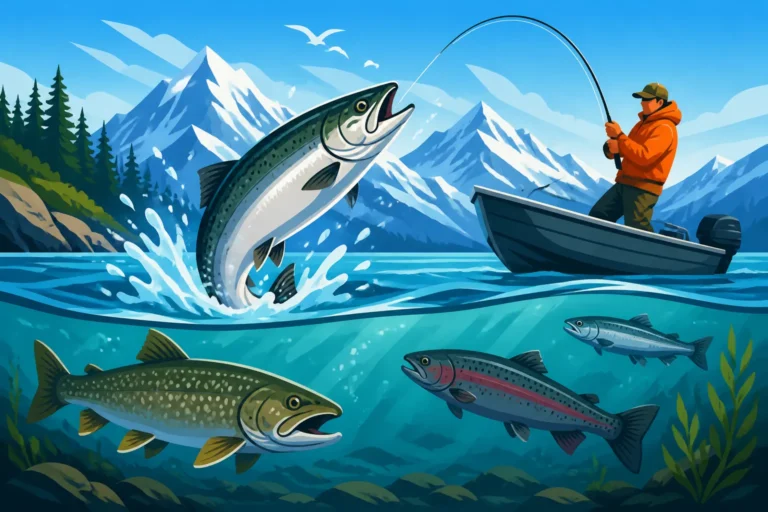
Steelhead, the anadromous form of rainbow trout, are often called "the fish of a thousand casts" for a reason. They don't return in massive schools like salmon; instead, they trickle into rivers, sometimes in small waves, sometimes as individual warriors. This behavior makes them incredibly challenging and rewarding to pursue. Unlike Pacific salmon, which die after spawning, steelhead can, and often do, return to the ocean and spawn multiple times, making them even more revered among anglers. Their lifecycle means they are particularly sensitive to river conditions, water temperatures, and even moon phases. A slight change in weather can either open up a fishing window or shut it down completely, adding to the mystique and the challenge. It's not just about being there when some fish are around; it's about being there when conditions align to make them active and catchable.
Spring vs. Fall Steelhead: What's the Difference?
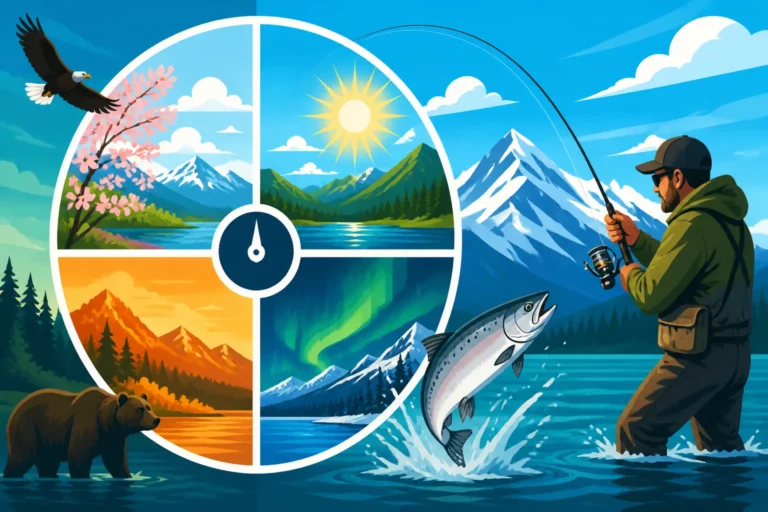
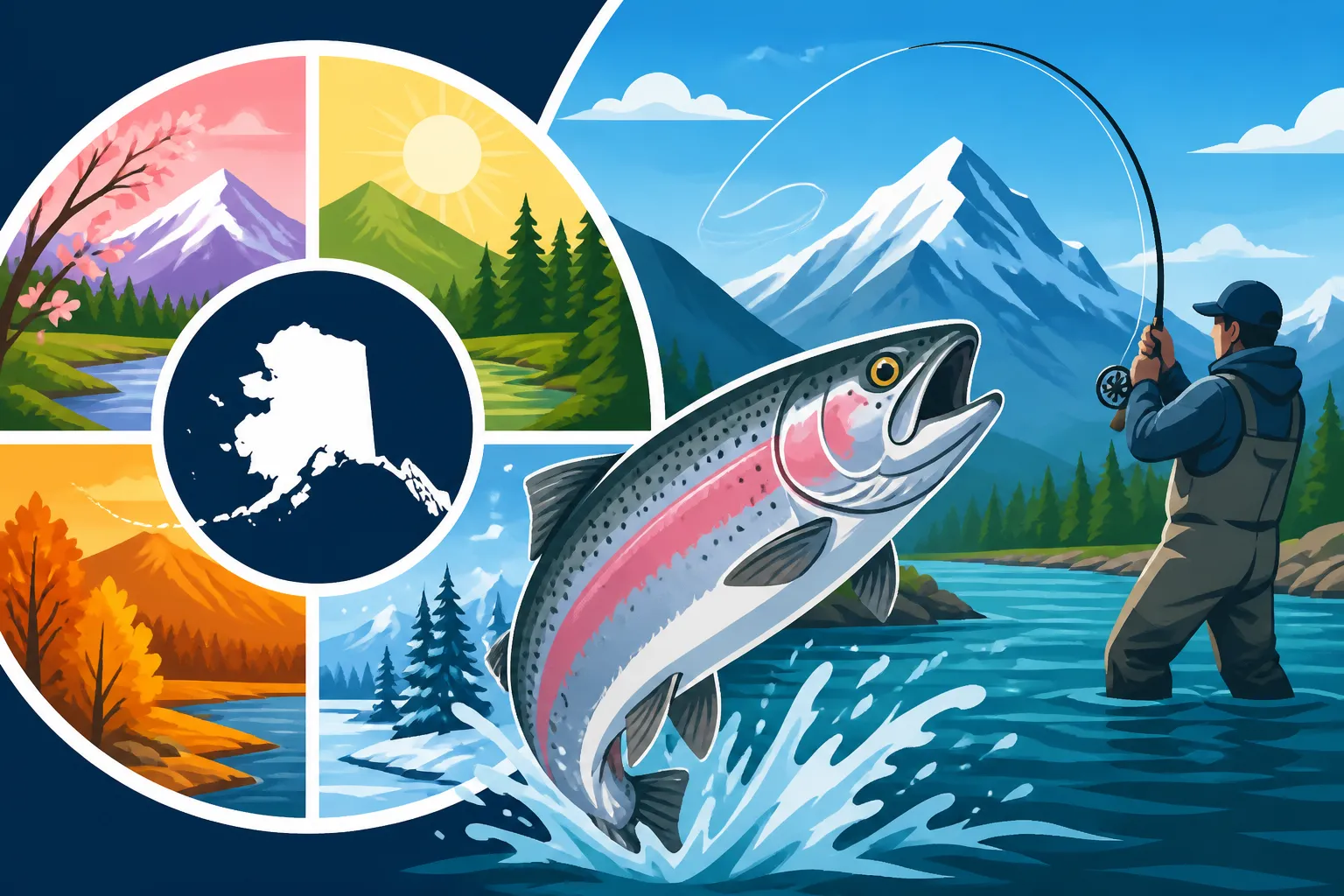
When we talk about Alaska steelhead, we're primarily looking at two distinct periods: spring and fall. Each offers a unique experience and targets different life stages of the fish.
- Fall Steelhead: These are typically fresh-from-the-ocean fish, vibrant and strong, entering rivers in late summer and early fall (August through November). They're often referred to as "fall-run" or "winter-run" steelhead, depending on how long they remain in the river. These fish are generally moving upstream to find overwintering lies, and sometimes to spawn in the following spring. They are incredibly aggressive, often taking swung flies or drifted bait/lures readily. The fall landscape, with changing leaves and crisp air, adds to the appeal of this season. The water levels are typically higher due to fall rains, and temperatures are still manageable, making for comfortable fishing.
- Spring Steelhead: These are often the "winter-overs" – fish that entered the river in the fall and spent the colder months holding in deep pools. They're now actively moving towards spawning grounds as water temperatures rise and snowmelt begins (March through May, sometimes into June). You'll also encounter a fresh wave of "spring-run" steelhead just arriving from the ocean, mingling with the winter-overs. Spring steelhead can be a bit more finicky, especially if they've been in the river for a while and are focused solely on spawning. However, fresh spring runs are incredibly powerful and eager to strike, especially as they get closer to their spawning mission. The spring season can present challenges with snowmelt causing high, turbid water, but finding that perfect window of clearing, rising water can be absolutely epic.
Prime Steelhead Fishing Windows by Region
While steelhead are present in various drainages across Alaska, their populations are not evenly distributed, and the best timing for their runs varies significantly by region. Knowing which region to focus on and when is key to success.
Southeast Alaska: Steelhead Hotspots and Timing
Southeast Alaska, with its temperate rainforest climate and countless short, steep rivers emptying into the Pacific, is hands down the state's steelhead mecca. Regions around Ketchikan, Sitka, and Juneau are particularly renowned for their strong steelhead runs.
- Fall Season in Southeast: The fall run typically begins in late August to early September, peaking in October and often extending into November. During this time, rivers like those on Prince of Wales Island, near Sitka, or throughout the Tongass National Forest see excellent numbers of fresh, aggressive steelhead. Anglers often target these fish with swung flies, jigs, or drifted presentations. The coastal influence means less extreme cold than interior regions, making late fall fishing more comfortable. Expect fluctuating water levels due to frequent rain, which can be both a blessing and a curse. When the rain clears and rivers drop and clear a bit, the fishing can be outstanding.
- Spring Season in Southeast: The spring steelhead season is often even more popular, running from late March through May. These are primarily the "winter-over" fish moving to spawn, along with new arrivals. The early part of the season (March-April) can see cold, low water, but as April progresses into May, snowmelt and rising temperatures invigorate the fish. Popular rivers on Baranof Island, Prince of Wales, and the mainland near Juneau really shine. The season can even stretch into early June in some of the higher elevation systems. Timing a spring trip requires vigilance on weather patterns; a sudden cold snap or heavy melt can blow out rivers. Many guides specializing in these areas, particularly out of Sitka or Juneau, track conditions meticulously.
Southcentral and Kodiak: Later Runs and Unique Opportunities
While not as prolific as Southeast, Southcentral Alaska and Kodiak Island offer unique, albeit often more challenging, steelhead opportunities. These regions typically see later runs due to colder temperatures and different hydrological patterns.
- Kodiak Island: Kodiak is famous for its massive brown bears and, for those in the know, some incredible, wild steelhead. The runs here are primarily spring-focused, typically starting a bit later than in Southeast, around late April and peaking in May. Some systems might see fish well into June. These are often larger, extremely powerful fish that have to contend with larger river systems. Access is often fly-in only, adding to the wilderness appeal. The timing is critical because early season can be very cold, and late season can see rivers blown out by snowmelt or heavy rains. Researching specific rivers and their unique run timings is crucial for a successful trip to Kodiak.
- Kenai Peninsula and Gulf Coast: A few drainages on the outer Kenai Peninsula and along the Gulf Coast (like those flowing into Prince William Sound) also host steelhead. These runs are generally smaller and more localized. Expect spring runs from mid-May into June, with some fall activity in October. Rivers here are often smaller, making them highly susceptible to flow changes. Due to these smaller, more delicate populations, many of these fisheries are strictly catch-and-release, emphasizing conservation. If you're looking for an adventure off the beaten path, researching specific rivers and their regulations, like the Alaska Steelhead Catch-and-Release Rules, will be paramount.
Here's a quick overview of the prime seasons:
| Region | Primary Season | Peak Months | Notes |
|---|---|---|---|
| Southeast Alaska | Fall | Oct – Nov | Fresh, aggressive ocean-run fish. Rain-dependent. |
| Spring | Apr – May | Winter-overs and new ocean arrivals. Snowmelt key. | |
| Kodiak Island | Spring | Late Apr – May (into June) | Larger, powerful fish. Often remote access. |
| Southcentral Coastal | Spring | Mid-May – June | Smaller, more localized runs. Highly weather-dependent. |
Factors Influencing Steelhead Success
Catching steelhead isn't just about showing up during the right month; it's about understanding the nuances of the environment. Steelhead are incredibly sensitive to their surroundings, and being able to "read the water" and adapt to conditions is a hallmark of successful steelhead anglers.
Water Conditions and Weather Patterns
Alaska's weather is famously unpredictable, and water conditions can change on a dime, especially in coastal rivers. Steelhead thrive in specific conditions, and deviations can make them lock-jawed or send them running for deeper cover.
- Water Temperature: Steelhead are cold-water fish, but they prefer a specific temperature range, typically between 40-55°F (4-13°C), for optimal activity and metabolism. If the water is too cold, they become sluggish and less likely to chase flies or lures. If it's too warm, they can become stressed or move rapidly through systems. In spring, warming water from snowmelt can trigger spawning migrations and increased feeding activity. In fall, dropping temperatures can signal them to move into overwintering pools.
- Water Clarity: This is a huge factor. Steelhead rely on their vision to hunt and avoid predators. Overly turbid water (often caused by heavy rain or rapid snowmelt) significantly reduces their ability to see your presentation, making fishing incredibly tough. Conversely, crystal-clear, low water can make them spooky and difficult to approach, especially in smaller streams. The "sweet spot" is usually slightly stained, rising, or falling water with about 1-3 feet of visibility. This gives them cover while allowing them to see your offering.
- Rain and Snowmelt: These are the primary drivers of river levels in Alaska. A good rain can bring fresh fish into a system and make existing fish more active. However, too much rain or rapid, heavy snowmelt can blow out a river, turning it into an unfishable chocolate milk torrent. Anglers often look for the "tailout" of a high-water event – when the river is dropping and clearing after a fresh flush. This is when new fish have moved in, and the water is settling, making them more willing to bite. Always check local forecasts and river gauges before heading out.
Tides and River Levels
For many of Alaska's coastal steelhead rivers, especially those in Southeast, the ocean tides play a significant role in fish movement.
- Tidal Influence: In rivers that are tidally influenced near their mouths, incoming tides can often encourage fresh steelhead to push upstream from saltwater. This is particularly true during larger tides. Fishing the hours around a high tide can be incredibly productive as fish take advantage of the deeper water and increased current to move into the river. Conversely, outgoing tides might see fish holding in deeper pools, waiting for the next push. Understanding the local tide charts is just as important as knowing the weather.
- River Levels: Beyond tidal influence, overall river levels are critical. In low water conditions, steelhead might be concentrated in deeper pools, making them vulnerable but also more easily spooked. High water, while sometimes challenging for visibility, can allow fish to spread out and access areas they normally couldn't, creating new fishing opportunities. Stable river levels, or slowly rising/falling levels, often provide the most consistent fishing. Sudden drops can make fish retreat, and rapid rises can blow out a system.
Best Techniques and Gear for Alaskan Steelhead
Steelhead fishing requires specialized techniques and durable gear to stand up to the elements and the fish.
- Fly Fishing: This is perhaps the most iconic way to pursue steelhead.
- Spey Fishing: Using two-handed rods (Spey or Switch rods) to cast large flies across and down-current is incredibly effective for covering water and presenting flies to holding steelhead. Popular patterns include Intruders, weighted leeches, Skagit-style flies, and various baitfish imitations.
- Single-Hand Fly Fishing: For smaller rivers or specific presentations, single-hand rods (8-10 weight) can be used. Techniques include nymphing with egg patterns, stoneflies, or Caddis imitations, or swinging smaller wet flies. Having a good selection of flies, often carried in a durable fly box, is crucial.
- Spin Fishing: For those who prefer conventional gear, drift fishing with cured roe, small Corkies, or Cheaters is a popular and effective method. Casting and retrieving small spinners (like Blue Fox or Mepps) or spoons (such as Little Cleo or Pixie) can also entice aggressive steelhead. Using a float and jig can also be very productive, especially when targeting holding fish in deeper slots.
- Gear Considerations:
- Rods: For fly fishing, 7-9 weight rods for single-hand, or 6-8 weight for Spey/Switch rods, are typical. For spin fishing, medium-heavy rods (8-10 foot range) are often preferred for casting distance and handling powerful fish.
- Reels: Strong, reliable reels with a good drag system and plenty of backing are essential. Steelhead fight hard and will test your gear.
- Line: Floating lines for dry line presentations, various sink tips for swinging flies, or monofilament/braided line for spin fishing, depending on the technique.
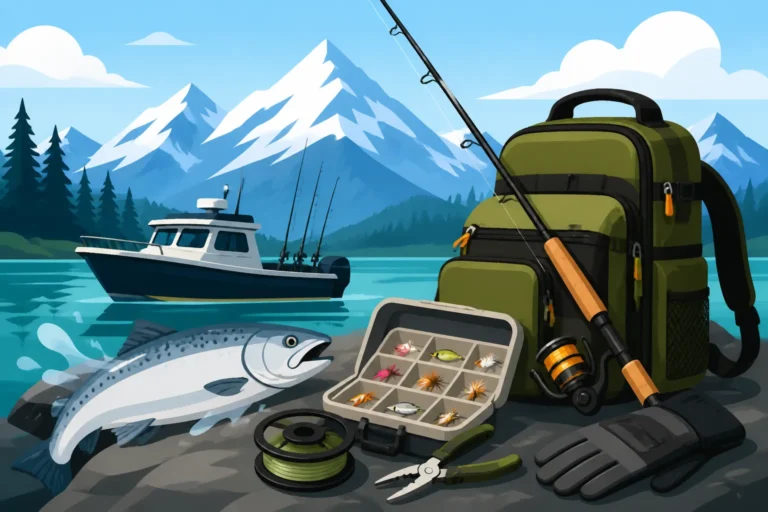
- Waders and Rain Gear: Alaska is wet! High-quality, breathable waders and a bombproof rain jacket are non-negotiable. Brands like Simms, Redington, or Patagonia are popular, and you can often find great options on Amazon. Layering is key to staying comfortable in changing conditions.
- Terminal Tackle: A variety of strong leaders, tippet material (often 10-15lb test), hooks, split shot, and swivels.
- Safety: Bear spray, a first-aid kit, and communication devices are crucial for wilderness fishing.
Planning Your Alaska Steelhead Adventure
A successful steelhead trip to Alaska is rarely spontaneous. It requires careful planning, especially when dealing with the challenges of remote locations and variable conditions.
Booking Guides and Accommodations
Unless you're an experienced Alaskan angler with your own gear and local knowledge, hiring a reputable guide is highly recommended, especially for steelhead. They know the rivers, the specific runs, and the ever-changing conditions.
- Why a Guide is Essential: Steelhead fishing often involves navigating complex river systems, understanding current regulations, and knowing exactly where fish are likely to be holding. A good guide, especially in areas like Sitka, Ketchikan, or on Kodiak, will have this intimate knowledge and can dramatically increase your chances of success. They also provide necessary gear, transportation, and crucial safety expertise. Many guides book out a year or more in advance for prime spring and fall steelhead windows, so plan accordingly.
- Choosing Accommodations: Your choice of lodging will depend on your fishing style. For remote fly-in trips to Kodiak or other wilderness areas, you'll likely be staying at a dedicated fishing lodge that provides an all-inclusive experience. For roadside fishing in Southeast, you might choose hotels or B&Bs in towns like Ketchikan or Juneau. Researching areas like Kodiak Fishing Guide or Sitka Fishing Guide can help you narrow down your options. Always ensure your chosen accommodation is convenient to your fishing locations or guide pickup points.
Essential Packing List for Steelhead Anglers
Beyond the fishing tackle, what you wear and bring can make or break your comfort and safety in Alaska's challenging environment.
- Clothing: Think layers! Start with moisture-wicking base layers (merino wool or synthetics). Add fleece or down mid-layers for warmth. Top it off with a waterproof and windproof outer shell (jacket and pants). You can find reliable waterproof gear from brands like Helly Hansen or Grundéns, many of which are available on Amazon.
- Footwear: Waders are a must. Choose quality breathable waders with sturdy wading boots that provide good ankle support and grip, especially on slippery river rocks. Neoprene socks are also a good idea for added warmth.
- Miscellaneous Gear:
- Rain Gear: Even with waders, a good rain jacket and pants are essential.
- Gloves: Waterproof or quick-drying gloves for warmth and dexterity.
- Hat: A wide-brimmed hat or baseball cap for sun and rain protection.
- Polarized Sunglasses: Crucial for seeing fish in the water and protecting your eyes.
- Sunscreen and Insect Repellent: Don't underestimate the Alaskan sun or the bugs.
- Water Bottle/Hydration Pack: Staying hydrated is important.
- Small Backpack: To carry snacks, water, extra layers, and small gear.
- Camera: To capture those unforgettable moments.
- Fishing License: Make sure you have your Alaska Fishing License: Complete Guide and any necessary stamps, like the Alaska King Salmon Stamp Requirements if you're targeting those too, though steelhead often don't require specific stamps. Remember, even if you’re catch-and-release, you still need a valid license.
- First-Aid Kit: Basic supplies for minor cuts, blisters, and pain relief.
- Bear Spray: Absolutely essential, especially in remote areas. Know how to use it safely and keep it accessible.
- Headlamp/Flashlight: For early morning or late evening fishing.
- Knife/Multi-tool: Always handy to have.
A well-packed bag will ensure you can focus on the fishing, not on being cold, wet, or unprepared. Getting prepared is part of the adventure, and having the right equipment, often sourced through trusted retailers like Amazon, means you're ready for whatever Alaska throws at you.
Disclaimer
Please remember that fishing regulations in Alaska can change frequently due to emergency orders. Always check the latest Alaska Department of Fish and Game regulations and any specific emergency orders for your chosen fishing location before heading out. This guide provides general information and should not be considered a substitute for official regulations.