Kachemak Bay Fishing: What to Know Before You Go
Planning a fishing trip to Alaska can feel like trying to navigate a wild river without a map – exciting, but potentially overwhelming with all the choices and regulations. Kachemak Bay, a jewel on the Kenai Peninsula, offers some of the most spectacular fishing experiences in the state, but knowing where to start can be daunting. This comprehensive guide is here to cut through the confusion, offering you the insider knowledge you need to make your Kachemak Bay fishing adventure unforgettable, covering everything from prime species and seasons to essential planning tips.
Why Kachemak Bay is a Premier Fishing Destination
Kachemak Bay isn't just another fishing spot; it's an entire ecosystem teeming with life, where glacial runoff meets saltwater, creating a vibrant environment for an incredible variety of fish. It's truly a bucket-list destination for anglers worldwide, and for good reason.
Diverse Fishing Opportunities
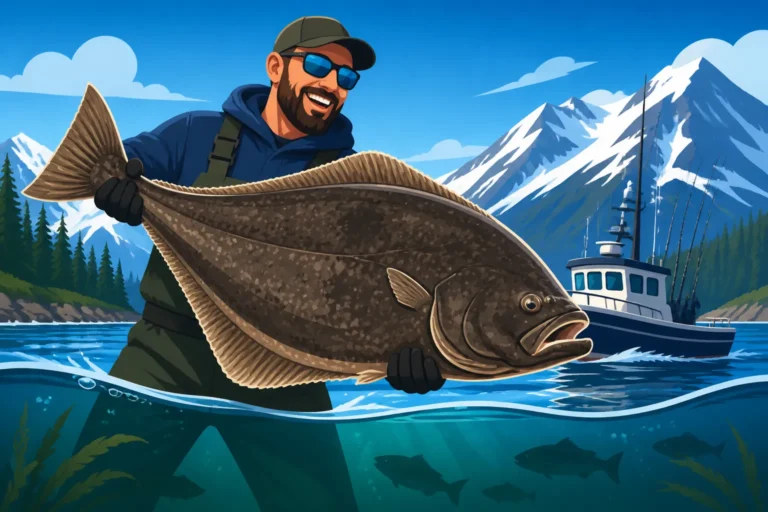
One of the most compelling reasons to set your sights on Kachemak Bay is the sheer diversity of its fishing. You're not just limited to one type of fish or one fishing style here. The bay is world-renowned, especially around Homer, as the "Halibut Fishing Capital of the World," and it absolutely lives up to that reputation. Anglers regularly pull in impressive "barn door" halibut from its depths, making it a prime target for many.
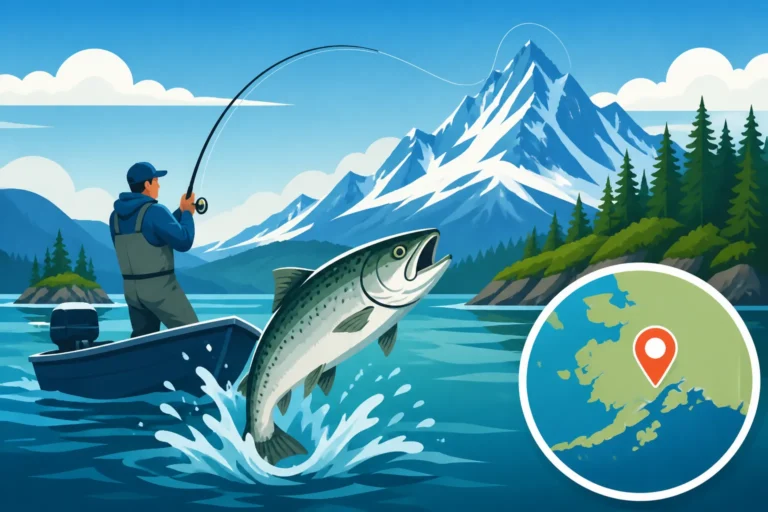
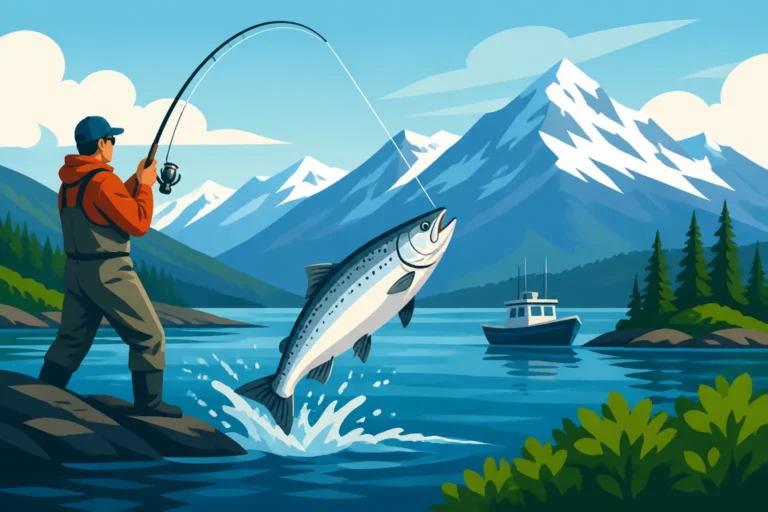
But it's not all about the flatfish! Kachemak Bay and its surrounding waters also host thriving runs of all five species of Pacific salmon – King, Sockeye, Coho, Pink, and Chum. Imagine the thrill of battling a powerful King Salmon in the morning and then switching gears to jig for feisty rockfish in the afternoon. Beyond the big names, you'll also find excellent opportunities for Lingcod, a delicious and aggressive bottom dweller, as well as various species of Rockfish, and even some Dolly Varden closer to shore or in the feeder streams. This incredible variety means that no matter your preference or skill level, there’s always something exciting to target.
Stunning Scenery and Wildlife Encounters
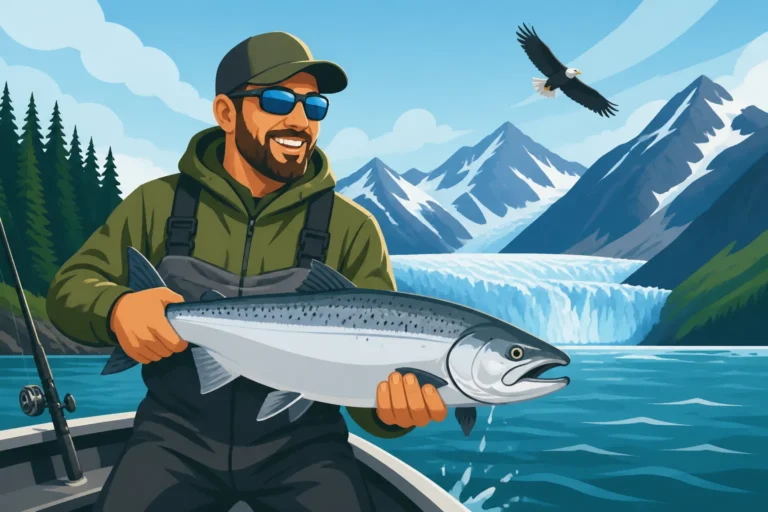
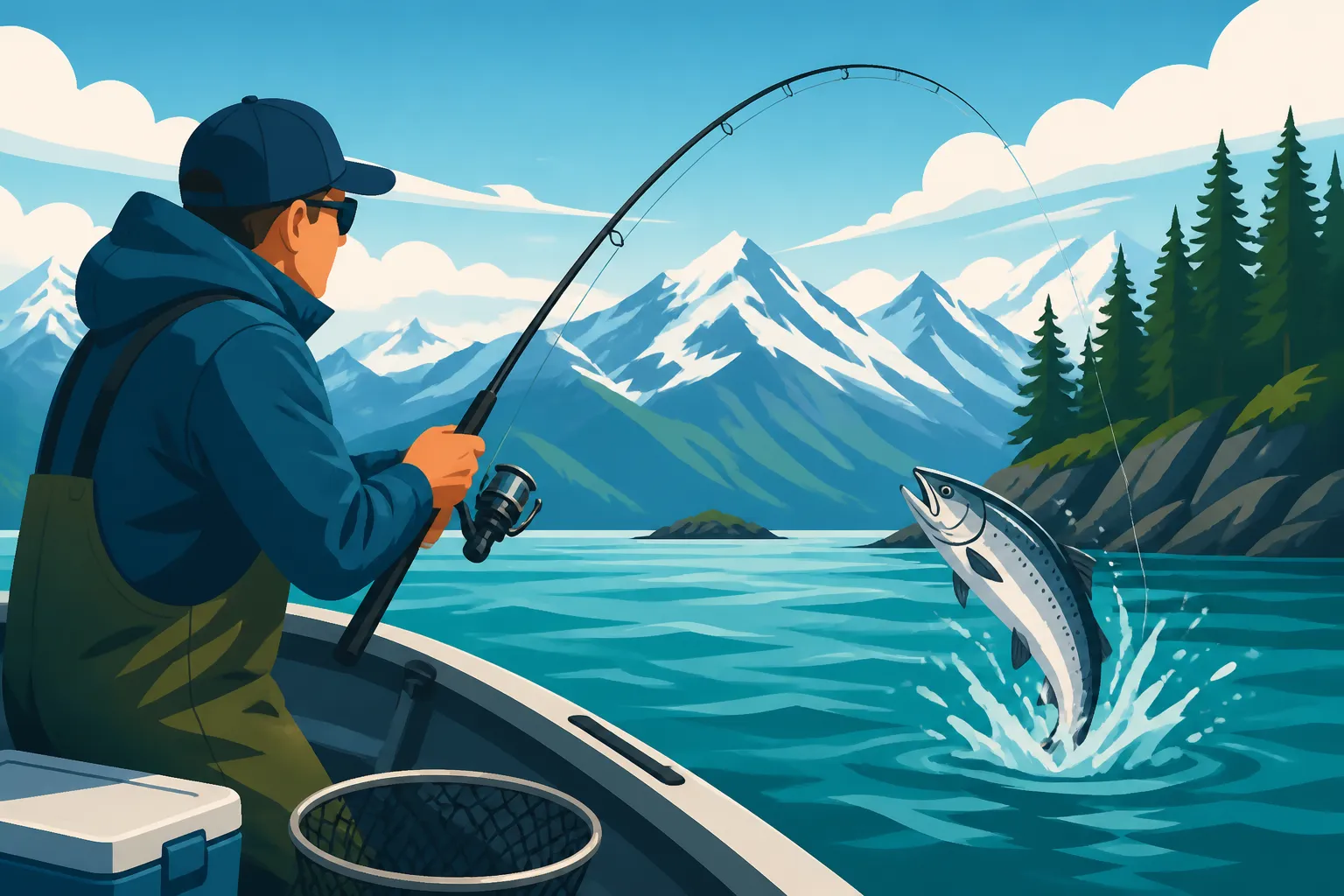
Beyond the fantastic fishing, Kachemak Bay offers an experience that transcends merely catching fish. The scenery alone is enough to take your breath away. Imagine rugged mountains rising dramatically from the turquoise waters, topped with snow and dotted with glaciers that calve into the sea. The air is crisp, and the views are panoramic, stretching across the bay to the majestic peaks of the Kenai Mountains.
And then there's the wildlife. It's not uncommon to spot sea otters playfully floating on their backs, porpoises arcing through the waves, or even a humpback whale breaching in the distance while you're waiting for a bite. Bald eagles frequently soar overhead, and various seabirds patrol the coastline. These encounters add an immeasurable layer of magic to any fishing trip, transforming it into a holistic Alaskan wilderness experience. It's these moments, beyond the fish count, that truly engrain Kachemak Bay in your memory.
Understanding Kachemak Bay's Key Species and Seasons
To truly maximize your fishing success in Kachemak Bay, it's crucial to understand what's biting when. Alaska's seasons can be short and intense, and timing your trip to align with your target species can make all the difference.
Halibut Fishing in Kachemak Bay
When most people think of Kachemak Bay fishing, halibut often comes to mind first. These magnificent flatfish are abundant in these waters, growing to truly impressive sizes. The prime season for halibut fishing generally runs from May through September. Early season (May-June) can be fantastic for quantity, while the later summer months (July-September) often yield the biggest "barn door" halibut, some weighing well over 100 pounds.
The primary techniques for catching halibut involve bottom fishing with bait (like herring, salmon heads, or octopus) or jigging with large metal jigs. Charter captains in Homer are experts at finding the deep-water structures and feeding grounds where these giants lurk. Remember that halibut regulations, including daily and annual limits, can change. Always check the current Alaska Halibut Charter Regulations Explained before heading out. While charter boats often provide all the necessary heavy-duty gear, if you’re planning a DIY adventure, ensure your tackle is robust enough to handle these powerful fish.
Salmon Runs in Kachemak Bay
Kachemak Bay is a salmon stronghold, with various species returning to spawn throughout the summer. Each species has its own peak season and unique fight, offering a diverse salmon fishing experience.
-
King Salmon (Chinook): The biggest and most sought-after salmon, King Salmon typically make their appearance from late May through early July. While Kings can be targeted directly in the bay, many anglers also venture slightly north to the nearby Kasilof River or other feeder streams that empty into Cook Inlet for river-specific opportunities. Trolling with bait or large lures is a common method in saltwater, while back-trolling or back-bouncing can be effective in rivers. Keep in mind that King Salmon numbers have fluctuated in recent years, leading to stricter regulations, so a King Salmon Stamp is required if you're planning to target these magnificent fish. You'll want to review the rules for Do You Need a King Salmon Stamp in Alaska.
-
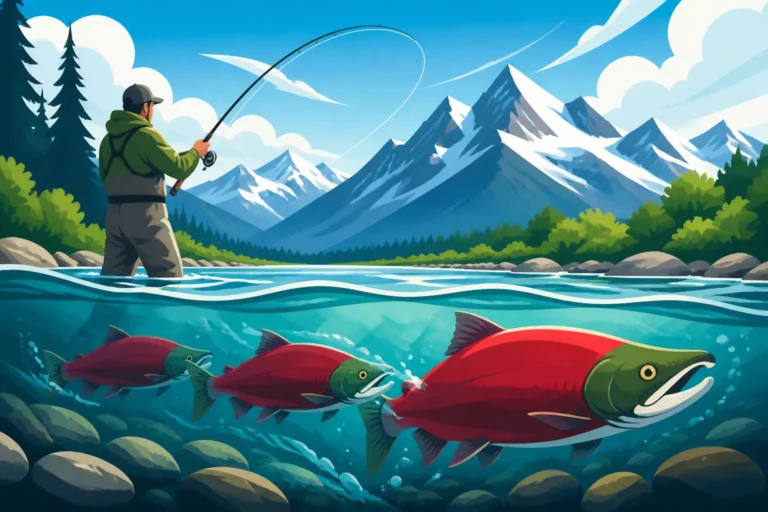
Sockeye Salmon (Red): Known for their vibrant red flesh and incredible fight, Sockeye Salmon flood into the bay and its rivers from mid-June through July. While they are notoriously difficult to catch on conventional lures or bait in freshwater, the "flossing" technique (where the line snags the fish in the mouth) is common and legal in designated areas. For specific rules, refer to Alaska Sockeye Salmon Fishing Regulations and Limits. Many Sockeye runs are found in rivers like the Russian River, which feeds into the Kenai River system accessible from the bay area.
-
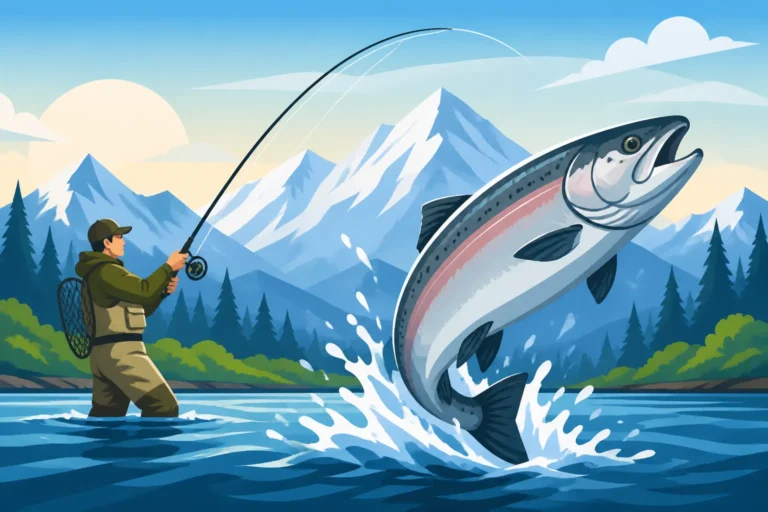
Coho Salmon (Silver): Coho Salmon arrive later in the summer, typically from late July through September. These acrobatic fish are a blast to catch, often leaping and thrashing once hooked. They are aggressive biters and will readily strike spinners, spoons, or herring. Trolling in the bay or casting from shore near river mouths are popular and effective methods for Silvers.
-
Pink Salmon (Humpback): Abundant, especially in even-numbered years, Pink Salmon arrive in huge schools from mid-July through August. While often considered less desirable for eating than other salmon, they offer non-stop action and are excellent for beginners or kids due to their sheer numbers and willingness to bite small spoons or flies.
-
Chum Salmon (Dog): Often overlooked, Chum Salmon run from July through August. They are powerful fighters, though their table quality is generally considered lower than Sockeye or King. They can be a fun target when other salmon species are less available, and they respond well to bright, flashy lures.
Other Popular Catches
While salmon and halibut often steal the spotlight, Kachemak Bay offers excellent fishing for other species that provide great action and delicious fillets.
-
Lingcod: These prehistoric-looking bottom dwellers are prized for their firm, white meat and aggressive strikes. The season for Lingcod typically opens in July and continues into the fall. They prefer rocky, structure-rich environments and are usually caught by jigging large metal jigs or bait presentations. Be prepared for a tough fight – Lingcod have powerful jaws and a lot of muscle.
-
Rockfish: Kachemak Bay is home to several species of Rockfish, including Black Rockfish, Yelloweye, and Quillback. They are found in rocky areas and near reefs, often in deeper water. Rockfish are relatively easy to catch using jigs or bait, and they make for excellent table fare. Given that many rockfish species are long-lived and vulnerable to barotrauma when brought up from deep water, it's increasingly important to use a descending device for released fish to ensure their survival, as outlined in Alaska Rockfish Deepwater Release Device Rules.
-
Dolly Varden and Sea-Run Trout: For anglers looking for a change of pace or a freshwater-like experience, Dolly Varden and other sea-run trout can be found closer to shore, particularly near river mouths and estuaries. These beautiful char are migratory and feed heavily on salmon eggs and smolt. They can be targeted with small spinners, spoons, or fly-fishing gear. Their vibrant colors and strong fights make them a rewarding catch.
| Fish Species | Prime Season | Typical Fishing Methods |
|---|---|---|
| Halibut | May – September | Bottom fishing, Jigging |
| King Salmon | Late May – Early July | Trolling, Back-trolling (rivers) |
| Sockeye Salmon | Mid-June – July | Flossing (rivers) |
| Coho Salmon | Late July – September | Trolling, Spin fishing |
| Pink Salmon | Mid-July – August | Spin fishing, Fly fishing |
| Chum Salmon | July – August | Spin fishing, Bait |
| Lingcod | July – Fall | Jigging, Bottom fishing |
| Rockfish | Year-round (seasonal regulations apply) | Jigging, Bottom fishing |
| Dolly Varden | June – October | Spin fishing, Fly fishing |
Planning Your Kachemak Bay Fishing Trip
A successful fishing trip to Kachemak Bay requires a bit of foresight and preparation. Deciding how you'll fish, what you'll bring, and understanding the local rules are all vital steps.
Choosing Between Guided Charters and DIY
This is often the first big decision for any angler heading to Kachemak Bay, and both options have their distinct advantages.
Guided Charters: For many, especially those new to Alaskan waters or looking to maximize their chances at specific species like halibut or deep-sea rockfish, a guided charter is the way to go. Reputable charter operators based out of Homer, like those you can find on platforms like FishingBooker, provide all the specialized gear, local expertise, and knowledge of current hot spots and regulations. They handle the boat, the navigation, and often even some fish processing at the end of the day. This option offers a high degree of convenience and safety, particularly when venturing into the open waters of the bay. They'll also ensure you're fishing legally and efficiently, which can be a huge relief for first-timers. Before booking, consider checking out guides on How to Choose an Alaska Fishing Charter to ensure you pick the right fit for your group.
DIY Fishing: If you're an experienced angler with your own boat, or if you prefer a more independent, budget-friendly approach, Kachemak Bay also offers some excellent do-it-yourself opportunities. Bank fishing for salmon or Dolly Varden near river mouths can be very productive, especially during peak salmon runs. You can also rent small boats for exploring closer-in waters, though venturing far into the bay without local knowledge or appropriate gear can be risky. Shore-based fishing provides a unique connection to the Alaskan landscape and allows for more flexible schedules. If you're considering this, it's worth reading up on Best Bank Fishing in Alaska to find prime spots. While rewarding, DIY fishing demands a thorough understanding of fishing regulations, safety protocols, and often more specialized gear.
Essential Gear and Preparations
No matter if you're going guided or DIY, Alaska's weather is notoriously unpredictable, so layering is key. Start with moisture-wicking base layers, add insulating fleece or down, and top it off with waterproof and windproof outer shells. Don't skimp on quality rain gear – it's not a matter of if you'll need it, but when. You might find some helpful advice on Best Rain Gear for Alaska Fishing. Waterproof boots are also a must.
Beyond clothing, you absolutely need an Alaska Fishing License. If you're a non-resident, be sure to secure your license well in advance. Our comprehensive guide on the Alaska Fishing License: Complete Guide can walk you through the process. If King Salmon are on your target list, a separate King Salmon Stamp is mandatory for anglers aged 16 and older. Other crucial items include polarized sunglasses (for spotting fish and reducing glare), a wide-brimmed hat, sunscreen, and bug spray (especially if you're venturing inland). For those prone to seasickness, motion sickness medication should be taken before you board the boat. And once you've caught your prize, you'll need a plan for your harvest. Bringing coolers for transport or knowing local fish processors is essential. To understand the specifics of getting your catch home, explore Alaska Fish Processing and Shipping Home Rules.
Understanding Regulations and Emergency Orders
Alaska's fishing regulations are designed to protect its precious fisheries, and they can be complex and change frequently. Before you even cast a line, it is absolutely paramount that you understand the current rules for Kachemak Bay, which falls within the Southcentral region. The Alaska Department of Fish and Game (ADF&G) publishes annual regulation booklets, which are your bible for species-specific limits, seasons, legal gear, and recording requirements.
What makes Alaska particularly dynamic are the "Emergency Orders." These are in-season changes to regulations, often implemented due to fluctuating fish run sizes. An area that was open for retention yesterday might be catch-and-release only today, or even closed. It’s vital to check the ADF&G website or local offices frequently, especially right before and during your trip. Understanding Alaska Fishing Emergency Orders Explained can save you from potential fines or violations. Additionally, certain species, particularly King Salmon and some groundfish, require you to record your catch immediately on an Alaska Harvest Record Card. Our guide on the Alaska Harvest Record Card Explained details which fish need recording and how to do it properly. Ignorance of the law is no excuse, and violating regulations can lead to hefty fines and confiscation of your catch and gear.
Where to Base Your Kachemak Bay Fishing Adventure
While Kachemak Bay is a large area, most anglers find themselves gravitating towards a few key hubs that offer the best access and amenities.
Homer – The Fishing Hub
Homer is, without a doubt, the undisputed fishing capital of Kachemak Bay, and many would argue, the entire world when it comes to halibut. Situated at the very end of the Sterling Highway, Homer is where the road ends and the ocean truly begins. Its iconic Homer Spit, a long, narrow strip of land extending into the bay, is the bustling heart of its fishing industry. Here, you'll find a dizzying array of charter operations, tackle shops, fish processing facilities, restaurants, and accommodation options, all within walking distance of the docks.
The deep-water harbor at the Homer Spit is the launching point for the vast majority of Kachemak Bay's fishing charters. Whether you're targeting giant halibut, chasing chrome-bright silver salmon, or hoping for a mixed bag of rockfish and lingcod, Homer's charter fleet is equipped to take you there. The infrastructure here is built around supporting anglers, making it an incredibly convenient base for your trip. Even if you're not on a charter, the Spit itself offers some excellent opportunities for pier fishing, particularly for salmon during their runs. For a deeper dive into this incredible town, be sure to check out our Homer Alaska Fishing Guide.
Seldovia and Kachemak Bay State Park
If you're seeking a more tranquil, wilderness-immersed fishing experience away from the hustle and bustle of Homer, then Seldovia or the remote areas within Kachemak Bay State Park might be your ideal base. Seldovia is a charming, historic village located across the bay from Homer, accessible only by ferry, water taxi, or float plane. This isolation gives it a distinctly different vibe – slower-paced and more intimate. From Seldovia, you can arrange for local guides or smaller charters that offer a more personalized fishing experience, often targeting salmon in quieter coves or exploring less-pressured halibut grounds.
Kachemak Bay State Park, Alaska's first state park, offers even greater solitude. Scattered throughout the park are remote lodges, public use cabins, and designated camping areas. Access to these spots is typically via water taxi from Homer or Seldovia. Fishing here often involves exploring smaller coves, targeting Dolly Varden in clear streams, or venturing out in small, rented skiffs for a more intimate salmon or halibut experience. While these options require more planning and self-sufficiency, they reward anglers with breathtaking natural beauty, pristine waters, and a sense of true Alaskan adventure that's hard to find elsewhere.
Disclaimer
The information provided in this guide is for general informational purposes only and is subject to change. Alaska fishing regulations, seasons, and emergency orders can vary significantly and without notice. It is the responsibility of every angler to consult the latest Alaska Department of Fish and Game (ADF&G) regulations and local emergency orders before engaging in any fishing activity.