Alaska Resident Fishing License: Cost and How to Buy
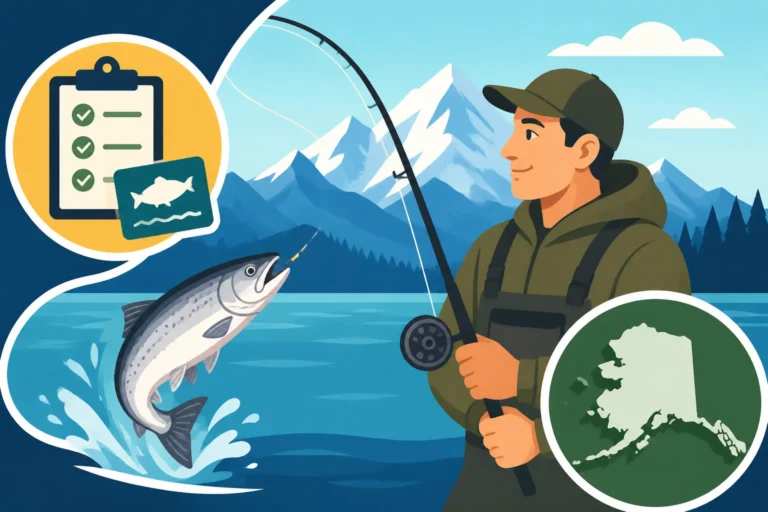
Planning an Alaska fishing trip as a resident can feel a bit daunting, with all the different licenses, stamps, and regulations to navigate. You want to be sure you're all squared away legally so you can focus on the incredible fishing opportunities, not paperwork headaches. This comprehensive guide will demystify the Alaska resident fishing license process, covering everything from eligibility and costs to step-by-step purchase instructions, ensuring you're ready for your next big adventure on Alaska's waters.
Understanding Alaska Resident Eligibility and Core Benefits
It's easy to assume you're a resident if you live in Alaska, but the state has specific criteria for what constitutes a "resident" for fishing and hunting license purposes. Getting this right is crucial, not just for legal compliance, but also to unlock the fantastic benefits that come with being an Alaskan angler.
Who Qualifies as an Alaska Resident for Fishing Licenses?
The Alaska Department of Fish and Game (ADF&G) defines a resident primarily by domicile. This isn't just about showing up; it's about making Alaska your home with the clear intent to remain. Generally, to qualify as an Alaska resident for licensing purposes, you must have maintained your domicile in Alaska for at least the preceding 12 consecutive months immediately preceding the application for a license.
This means that if you just moved to Anchorage last month, you're unfortunately not yet considered a resident for a fishing license, even if you’ve transferred your driver's license and registered to vote. The state wants to see that you've truly established your life here. You also can't claim residency in any other state or country while simultaneously claiming it in Alaska. This includes not accepting any resident hunting, fishing, or trapping privileges in another jurisdiction. For military members stationed in Alaska, the rules can be a little different, often allowing them and their dependents to qualify for resident licenses even if they haven't met the full 12-month period, provided they meet other specific criteria. It's always a good idea to check the latest details with ADF&G, especially if your situation is unique, to avoid any misunderstandings.
Why Resident Licenses are a Game-Changer for Alaskans
Holding an Alaska resident fishing license is more than just a formality; it opens up a world of benefits that significantly enhance your fishing experience and savings. The most immediate and noticeable advantage is the cost. Resident licenses are substantially cheaper than non-resident ones, sometimes by a factor of five or more, especially for annual licenses. This isn't just a minor discount; it represents a significant saving that can be put towards better gear, gas for your boat, or even another fishing trip!
Beyond the financial savings, residents gain access to exclusive fisheries and opportunities. For instance, many of Alaska’s highly prized personal use fisheries, like the famous Kenai River sockeye salmon dipnetting or the Chitina dipnet fishery, are strictly reserved for Alaska residents. These are incredible opportunities to harvest fish for your freezer, an essential part of the Alaskan lifestyle, and they are completely off-limits to non-residents. Having a resident license truly makes you part of the local angling community, granting you privileges that reflect your commitment to living in this amazing state. It’s a validation of your status as an Alaskan, allowing you to participate fully in the rich fishing culture and resource management that define our lifestyle.
Deciphering the Costs: What Resident Licenses Really Cost
When you’re planning your fishing excursions, budgeting for your license and any necessary stamps is an important step. While resident licenses are significantly more affordable than their non-resident counterparts, there are still costs to consider, and these can vary based on the duration of your license and any special species you plan to target.
Standard Annual Fishing License Fees for Residents
For most resident anglers, an annual sport fishing license is the go-to option, offering the best value if you plan to fish more than a few days out of the year. As of my last check, a standard annual Alaska resident sport fishing license typically costs around $20. This is an incredible deal, especially when you compare it to the price a non-resident might pay for even a short-term license, which can easily be $50 or more for just a few days, or well over $100 for an annual license.
However, the base license is often just the beginning. If you're hoping to catch Chinook salmon, also known as King Salmon, you'll need to purchase an additional King Salmon Stamp. This stamp is typically priced at around $10 for residents for an annual stamp, or $15 for a "resident rural" stamp. It's not optional if you're targeting or retaining King Salmon, and forgetting it could lead to an unfortunate violation. It's important to remember that these costs contribute directly to the management and conservation efforts of Alaska's fisheries, ensuring that future generations of Alaskans can enjoy the same incredible opportunities we have today.
Here's a quick look at common resident license costs, but always double-check the ADF&G website for the most current figures:
| License Type | Resident Cost (Approx.) | Non-Resident Cost (Approx.) | Key Benefit |
|---|---|---|---|
| Annual Sport Fishing License | $20 | $145 | Best value for frequent anglers |
| Annual King Salmon Stamp | $10 | $30 | Required for targeting/retaining King Salmon |
| 1-Day Sport Fishing License | N/A (usually annual preferred) | $15 | Short-term trips (non-resident only) |
| 3-Day Sport Fishing License | N/A (usually annual preferred) | $30 | Short-term trips (non-resident only) |
| Annual Combination Hunting/Fishing | $60 | $630 | Convenient for both activities |
Note: Costs are approximate and subject to change by the Alaska Department of Fish and Game. Always verify current prices on the official ADF&G website before purchasing.
Specialized Resident Licenses and Exemptions
Alaska recognizes that not all residents fit into a single category, and offers several specialized licenses and exemptions designed to support different groups within our community. These options make fishing more accessible and affordable for those who qualify.
For our esteemed senior residents, the state offers significant benefits. If you are an Alaska resident age 60 or older and have resided in the state for at least 12 consecutive months, you are typically eligible for a permanent identification card that allows you to sport fish, hunt, and trap without purchasing annual licenses or King Salmon stamps. This is a fantastic perk that acknowledges their lifetime contributions to the state. It's a wonderful way to ensure our elders can continue to enjoy the outdoor pursuits they cherish. You can learn more about this by looking up "Alaska Senior Fishing License: Cost and How to Buy".
When it comes to military personnel, Alaska understands the unique circumstances of service members stationed here. Active duty military members who are permanent change of station (PCS) to Alaska for at least 30 days are generally considered residents for sport fishing licenses, regardless of the 12-month rule. This is a huge benefit for those serving our country. Furthermore, qualified disabled veterans who are Alaska residents may be eligible for a free permanent license. This is a small but meaningful way we can show our gratitude for their service. Detailed information can be found in a guide like "Alaska Military Fishing License: Cost and How to Buy".
And let's not forget the next generation of anglers! When do kids need a fishing license in Alaska? Generally, residents under the age of 16 do not need a sport fishing license. This is a common rule across many states and makes it super easy to get the little ones out on the water without extra hassle. However, even if they don't need a base license, if they plan to target King Salmon, they might still need a King Salmon Stamp if they are within the age range that requires it for retention, so it’s always wise to check the current "Alaska Youth Fishing License Rules" to be absolutely sure. This ensures families can introduce children to the joys of fishing without an immediate financial burden, fostering a love for the outdoors from a young age.
Your Step-by-Step Guide to Buying an Alaska Resident Fishing License
Purchasing your Alaska resident fishing license is a straightforward process, whether you prefer the convenience of online shopping or the personal touch of an in-person transaction. Knowing your options and what to expect will ensure a smooth experience, getting you on the water faster.
Online Purchase: The Easiest Way to Go
For many, the quickest and most convenient way to secure an Alaska resident fishing license is through the Alaska Department of Fish and Game (ADF&G) online licensing system. This digital portal is accessible 24/7, meaning you can purchase your license anytime, anywhere, even late at night before an early morning fishing trip.
Here’s a simple breakdown of the process:
- Head to the ADF&G Website: Start by navigating to the official ADF&G licensing portal. A quick search for "Alaska fish and game license" will usually get you there.
- Create or Log In to Your Account: If you're a first-time user, you'll need to create an account by providing some basic personal information. If you've purchased a license online before, simply log in with your existing credentials.
- Select Your License Type: From the available options, choose the "Resident Annual Sport Fishing License." Remember to also add any necessary stamps, like the "Resident Annual King Salmon Stamp," if you plan to fish for King Salmon.
- Verify Residency: The system will prompt you to confirm your residency status. Be honest and accurate here, as misrepresenting your residency can lead to serious penalties, as highlighted in "Alaska Fishing Violations and Fines".
- Complete Information and Payment: Fill in any remaining personal details, review your order, and proceed to payment. Most major credit cards are accepted.
- Print or Save Your License: Once the transaction is complete, you'll receive a confirmation and a printable version of your license. It's absolutely crucial to print a physical copy to carry with you, as cell service can be spotty or non-existent in many remote fishing locations. Additionally, saving a digital copy to your phone or emailing it to yourself provides a backup. This online method is detailed further in "How to Get an Alaska Fishing License Online". It's such a lifesaver when you realize you need a new license at the eleventh hour!
In-Person Purchase: For Those Who Prefer a Tangible Transaction
While online purchases are incredibly convenient, sometimes you just want to talk to a person or get a physical license right away. Thankfully, Alaska offers plenty of options for purchasing your resident fishing license in person.
You can visit any authorized license vendor across the state. These typically include:
- ADF&G Offices: The official source, usually found in larger cities like Anchorage, Fairbanks, Juneau, or Soldotna.
- Sporting Goods Stores: Larger retailers such as Sportsman's Warehouse or Bass Pro Shops, and local tackle shops, often have dedicated counters for license sales.
- General Stores and Convenience Stores: Many smaller towns and communities will have local stores, even some gas stations or grocery stores like Fred Meyer, that are authorized to sell fishing licenses. Just look for the "Alaska Department of Fish and Game License Vendor" sign.
When purchasing in person, make sure to bring a valid form of identification that proves your Alaska residency, such as an Alaska driver's license or state ID. Payment can typically be made with cash or card. The benefit of buying in person is that you get your license immediately, and sometimes the store clerks are local anglers themselves who can offer valuable, up-to-the-minute fishing advice or point you towards some great lures that you might even find on Amazon if you search for them later!
Adding Stamps and Endorsements
Beyond the basic sport fishing license, you might need additional stamps or endorsements depending on what and where you plan to fish. The most common add-on for resident anglers is the King Salmon Stamp.
If you intend to fish for King Salmon, regardless of whether you plan to keep one or practice catch-and-release, you are legally required to possess a valid King Salmon Stamp in addition to your regular fishing license. This applies to most waters throughout the state. It’s a dedicated revenue stream that supports King Salmon management and conservation. You can add this stamp when you purchase your initial license, or you can buy it separately later if your fishing plans change. More details can be found in "Do You Need a King Salmon Stamp in Alaska".
Another essential item is the Alaska Harvest Record Card. This isn't technically a "stamp" you buy, but a crucial component of your licensing. All resident anglers are issued a harvest record card with their annual license, or you can obtain one separately. This card is vital for recording specific species, most notably King Salmon, that you retain. You must immediately record certain species after catching them, especially King Salmon, which must be documented before you leave the fishing site. Properly filling out and carrying this card is a must. Failure to record your catch accurately is a common violation. Familiarize yourself with "What Is the Alaska Harvest Record Card" and "How to Record a King Salmon in Alaska" to avoid any issues.
Some personal use fisheries, like the Kenai River personal use dipnet fishery, might require a separate permit in addition to your sport fishing license and residency. These permits are typically specific to the fishery and can often be obtained through a lottery or a simple application process online or at ADF&G offices. Always check the regulations for the specific area and species you plan to target, as they can be quite nuanced and change frequently based on fish runs and conservation needs.
Common Pitfalls and Pro Tips for Resident Anglers
Even with the right intentions, it’s easy to stumble into common mistakes or overlook critical details when it comes to Alaska fishing regulations. Being prepared and informed is your best defense against potential issues and ensures a more enjoyable, stress-free fishing experience.
Avoiding Residency Confusion and Violations
The residency requirements, while seemingly straightforward, can sometimes trip up new Alaskans or those with complex living situations. Remember, the key is having maintained your domicile in Alaska for at least 12 consecutive months with the intent to remain. If you've moved around or have ties to another state, make absolutely certain you don't fall into the trap of claiming dual residency. For example, if you maintain a driver's license in another state or claim resident tax benefits there, you're likely not considered an Alaska resident for licensing. The consequences of misrepresenting your residency can be severe, ranging from hefty fines to the forfeiture of your catch and gear, and even criminal charges. This is not a situation you want to find yourself in, so always be truthful and err on the side of caution. For a deeper dive into potential consequences, check out "Alaska Fishing Violations and Fines".
If you're ever unsure about your residency status, especially if you're close to the 12-month mark or have unique circumstances like seasonal work, your best bet is to contact the ADF&G licensing department directly. They are there to help clarify these rules and ensure you comply. It's far better to ask a question beforehand than to face a citation on the riverbank.
Essential Things to Remember After Purchase
Getting your license and stamps is a huge first step, but the responsibility doesn't end there. Alaska's fisheries are dynamic, and regulations can change rapidly. Here are some essential tips for every resident angler:
- Always Carry Your License: This might sound obvious, but it's surprising how many people leave their license in their wallet at home. A physical copy of your license and any required stamps, along with your valid Alaska ID, must be on your person while fishing. A digital copy on your phone is a good backup, but not always sufficient in areas without service or if your phone dies.
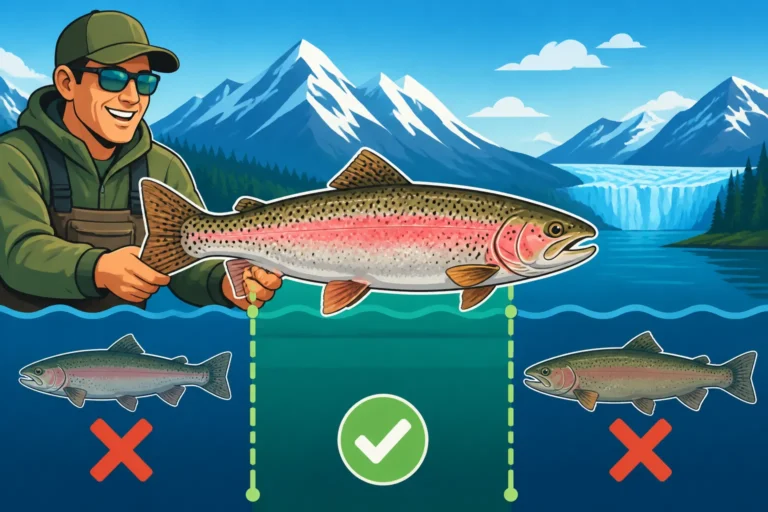
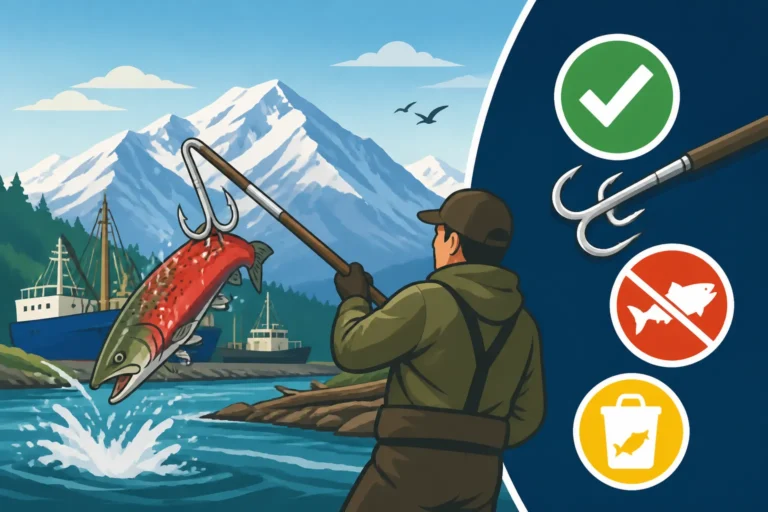
- Know Your Regulations: Alaska's fishing regulations are extensive and vary by region, water body, and even species. What's legal on the Kenai River might be illegal on the Kasilof or a lake near Fairbanks. Before every trip, consult the current Alaska Sport Fishing Regulations booklet. You can find this online, at ADF&G offices, and most license vendors. Pay close attention to bag limits, size limits, gear restrictions (e.g., bait bans, single hook rules), and open seasons for the specific area you're fishing. Reading "Alaska Fishing Regulations Explained" is a fantastic starting point.
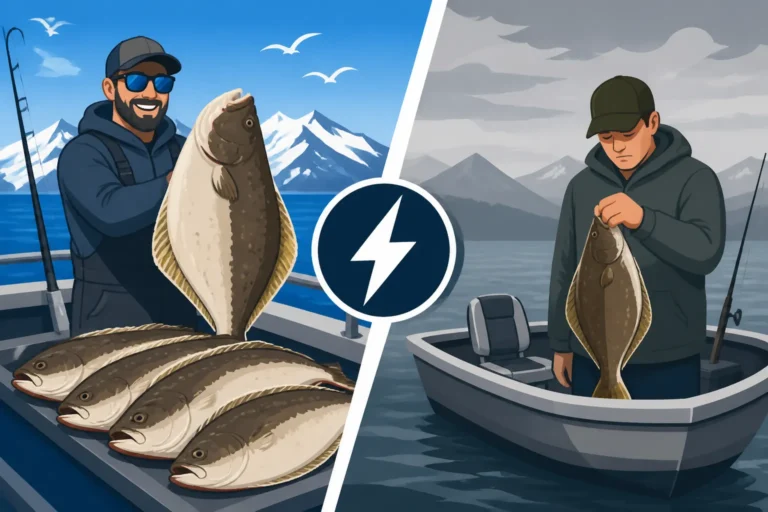
- Check for Emergency Orders (EOs): This is paramount in Alaska. Due to fluctuating fish runs and conservation needs, ADF&G frequently issues Emergency Orders that can change regulations with little notice. These EOs can close fisheries, reduce bag limits, or alter gear restrictions overnight. Always check for EOs immediately before heading out, especially for popular fisheries like those on the Kenai Peninsula. ADF&G posts EOs on their website and often has a hotline you can call. Don't rely on word-of-mouth; verify directly. A resource like "Alaska Fishing Emergency Orders Explained" can help you understand how to stay current.
- Consider a Combination License: If you're a resident who also hunts, consider purchasing the "Alaska Combination Hunting and Fishing License". While a bit more expensive than just a fishing license, it bundles both activities into one convenient license, often simplifying the process and sometimes offering a slight saving compared to buying them separately.
- Gear Up Smartly: Having the right license is one thing, but having the right gear can make or break your trip. For river fishing, good quality waders and appropriate rain gear are almost always essential. For saltwater, sturdy rods and reels capable of handling big halibut or salmon are a must. Many anglers find durable, well-reviewed gear on Amazon, which can be a convenient way to stock up before your adventure. Investing in quality gear pays off in comfort and success.
By understanding your residency, budgeting wisely for your licenses and stamps, and staying informed about regulations and EOs, you’ll be well-prepared to enjoy the world-class fishing that Alaska offers its residents. Tight lines!
Disclaimer
Please note that fishing regulations and license costs in Alaska can change. While every effort has been made to provide accurate and up-to-date information in this guide, it is ultimately the angler's responsibility to consult the most current Alaska Department of Fish and Game (ADF&G) regulations and official sources before heading out to fish. This guide is for informational purposes only and should not be considered legal advice.