Alaska Leopard Rainbow Trout Explained
It’s easy to hear hushed, reverent whispers about "Leopard Rainbow Trout" when you're planning an Alaska fishing adventure, leaving you wondering if it's a completely different species or just a fancy nickname. Many anglers arrive in the Last Frontier, rods in hand, only to realize there's a subtle but significant distinction that seasoned Alaskans cherish. This guide will peel back the layers of mystique surrounding these remarkable fish, helping you understand their unique characteristics, where they thrive, and the secrets to pursuing them ethically and successfully.
What Exactly is an Alaska Leopard Rainbow Trout?
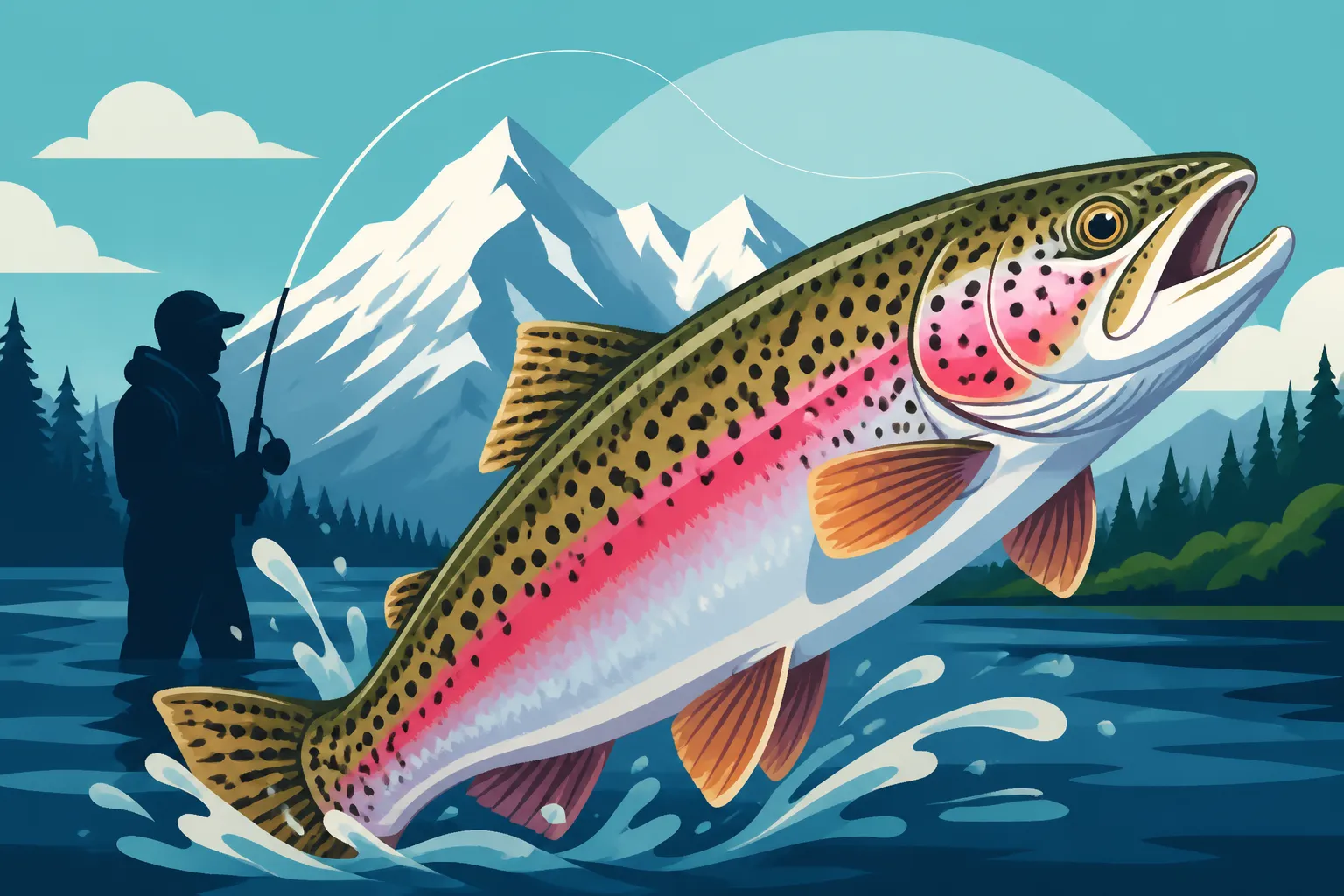
When people talk about "Leopard Rainbow Trout" in Alaska, they aren't referring to a distinct subspecies or a genetically isolated population in the scientific sense. Instead, it's a term coined by anglers and guides to describe a specific visual phenotype of the standard rainbow trout (Oncorhynchus mykiss) found in certain Alaskan river systems, primarily those of the Bristol Bay region and the Alaska Peninsula. These are wild, native rainbow trout, but their environment and genetics have endowed them with an extraordinary aesthetic: a proliferation of dark, distinct, and often irregular spots that cover their entire body, including their belly, pectoral fins, and head, much like the intricate pattern on a leopard's coat.
Defining the "Leopard" Pattern
The defining characteristic of an Alaska Leopard Rainbow Trout is, quite simply, its spots. While all rainbow trout have spots, the "leopard" designation implies an almost exaggerated, dense, and irregular spotting pattern. Imagine a standard rainbow trout, then multiply its spots by two or three, distributing them far more widely across its body. These spots aren't uniform; they vary in size and shape, creating a chaotic yet beautiful mosaic. You'll often see these spots extend past the lateral line, down to the belly, and even onto the lower jaw and operculum (gill plate). This heavy spotting is what makes them so visually striking and earns them their distinctive name. It's a hallmark of the pristine, nutrient-rich environments they inhabit, hinting at their wild, unpressured lineage.
Think of it like this: a regular rainbow trout might have elegant, somewhat spaced-out freckles. A leopard rainbow trout, on the other hand, looks like it's been splashed with an artist's brush, each dot a unique mark in a dense constellation. This unique spotting pattern isn't just a pretty face; it’s a direct result of their native genetics and the cold, clean, salmon-rich waters where they thrive. The intensity and coverage of these spots can sometimes vary even within the same river system, but the general rule is: if it's covered in spots from nose to tail, top to bottom, it's likely a leopard.
Genetic Peculiarities and Regional Differences
While not a separate species, the consistent appearance of the "leopard" pattern in specific regions suggests a strong genetic predisposition. These trout populations have evolved over millennia, adapting to their unique Alaskan ecosystems. Their genetics, combined with environmental factors like water clarity, substrate, and diet, contribute to their vivid coloration and prolific spotting. The waters of Bristol Bay, for instance, are renowned for producing some of the most stunning leopard rainbows. These aren't hatchery-raised fish; they are wild, resilient, and perfectly adapted to their surroundings.
Regional differences can also influence their appearance. For example, a leopard rainbow from the Kvichak River might have slightly different spotting characteristics or a more robust build than one found in a smaller tributary further west. This variation is part of the charm and challenge of pursuing them. Anglers often develop an eye for these subtle differences, almost like connoisseurs appreciating the nuances of a fine wine. The absence of widespread stocking programs in many of these remote areas means that these trout represent some of the purest, wild strains of rainbow trout left in North America. This genetic purity is why the term "Alaska Leopard Rainbow Trout" carries such weight among dedicated fly anglers, signifying not just a beautiful fish, but a truly wild and special one.
Beyond the Spots: Size and Fight Characteristics
Beyond their stunning livery, Alaska Leopard Rainbow Trout are also celebrated for their impressive size and formidable fighting spirit. These aren't your average stocked pond trout. Living in incredibly fertile river systems, often gorging on salmon eggs and smolt for much of the year, they grow exceptionally large. While a 20-inch rainbow is a trophy in many parts of the Lower 48, a leopard rainbow of that size in Alaska might still be considered "average" in prime locations. Fish regularly push into the 25-30 inch range, and true giants exceeding 30 inches and weighing over 10 pounds are not uncommon. Imagine hooking into a fish that size—it’s a battle you won't soon forget!
Their wild nature also contributes to an electrifying fight. Unlike their hatchery-raised cousins, these trout are powerful, aggressive, and incredibly acrobatic. Once hooked, they'll launch into a series of blistering runs, head shakes, and spectacular aerial jumps that test both your tackle and your angling skills. They're often found in strong currents, which further amplifies their fighting prowess. Landing one of these magnificent fish requires patience, a deft touch, and a strong understanding of how to manage a powerful fish on light tackle. It's this combination of unparalleled beauty, impressive size, and a thrilling fight that cements the Alaska Leopard Rainbow Trout as one of the most sought-after freshwater game fish in the world. When you finally hold one of these vibrant, spotted marvels, you'll understand why anglers travel thousands of miles for the experience.
Where to Find These Spotted Beauties: Key Habitats and Regions
The allure of the Alaska Leopard Rainbow Trout isn't just in their appearance; it's deeply tied to the remote, pristine wilderness they inhabit. These aren't fish you'll typically find in roadside creeks or urban ponds. Their preferred habitat is specific: cold, oxygen-rich rivers and lakes with abundant food sources, particularly those influenced by prolific salmon runs. This makes certain regions of Alaska absolute hotspots for pursuing these incredible fish, offering some of the most untouched and breathtaking fishing experiences imaginable.
Bristol Bay Watershed: The Heart of Leopard Country
If there's one region synonymous with world-class Alaska Leopard Rainbow Trout fishing, it's the Bristol Bay watershed. This vast, wild expanse of southwestern Alaska is globally renowned for its immense salmon runs, and where salmon thrive, so do these trout. Rivers like the Kvichak, Naknek, Alagnak, and Nushagak are legendary among anglers. These systems are characterized by crystal-clear waters, gravel bottoms, and an almost unimaginable abundance of sockeye, chum, and silver salmon during their respective runs.
Why is Bristol Bay so special for leopard rainbows? It's largely due to the sheer volume of salmon eggs and decaying salmon carcasses that provide an unparalleled food source for the trout. During the peak salmon spawning season (typically July through September), the riverbeds can be carpeted with millions of salmon eggs, turning the water into an all-you-can-eat buffet for opportunistic rainbows. This protein-rich diet fuels their rapid growth and contributes to their vibrant coloration. Many anglers choose to visit the Bristol Bay Fishing Guide to ensure they have the latest information before planning a trip to these hallowed waters. The remote nature of many of these rivers, often requiring fly-in access, helps preserve their pristine quality and ensures a healthy, wild trout population.
Other Notable Rivers and Lakes
While Bristol Bay reigns supreme, other areas of Alaska also boast impressive populations of wild rainbow trout, many exhibiting the leopard spotting. The rivers and lakes within Katmai National Park and Preserve, adjacent to Bristol Bay, are another prime example. The world-famous Brooks River, while known for its bears, also holds healthy populations of trout. Further out on the Alaska Peninsula, numerous smaller, unnamed drainages flowing into the Bering Sea offer incredible, albeit challenging, opportunities for adventurous anglers. These areas share similar characteristics with Bristol Bay: cold, clean water, and access to abundant salmon runs.
Even some systems in Southcentral Alaska, though more accessible, can produce stunning, heavily spotted rainbows. For instance, some of the wilder, less pressured tributaries feeding into the larger Kenai Peninsula rivers can surprise you with a leopard-patterned beauty. The key is to look for systems that have remained wild, with minimal human impact and strong natural salmon returns. Accessing these spots often means relying on specialized Alaska Fly-In Fishing Lodges Guide services, or bush planes, adding to the adventure and ensuring you reach truly untouched waters. Don't overlook the potential of lesser-known streams; sometimes the best discoveries are made off the beaten path, away from the more publicized Best Rivers for Rainbow Trout in Alaska.
Environmental Factors for Prime Leopard Trout Habitat
Several critical environmental factors contribute to ideal habitat for Alaska Leopard Rainbow Trout:
- Cold, Clean Water: Rainbow trout, especially wild populations, require cold, highly oxygenated water to thrive. Glacial melt and spring-fed streams provide these conditions, maintaining water temperatures within their optimal range, typically below 65°F (18°C). The clarity of the water is also crucial for sight fishing, a popular technique for these often-wary fish.
- Abundant Food Sources: As mentioned, salmon eggs are a primary driver of the leopard rainbow's diet and growth. Rivers with strong, consistent salmon runs create a nutrient-rich environment that supports a robust trout population. Beyond eggs, they also feed on salmon smolt, aquatic insects (caddis, mayflies, stoneflies), sculpins, and even voles or mice that fall into the water.
- Complex River Structure: A diverse river environment with a mix of deep pools, riffles, log jams, undercut banks, and gravel spawning beds provides essential cover, feeding lies, and spawning grounds. This variety allows trout to find optimal locations for ambush feeding, resting, and escaping predators.
- Minimal Human Impact: The most prolific leopard rainbow populations are found in areas with limited development, pollution, and fishing pressure. The sheer remoteness of much of interior Alaska is a natural protector, allowing these wild trout to flourish without the stresses of overfishing or habitat degradation. Conservation efforts and strict regulations, like those detailed in the Alaska Rainbow Trout Regulations, are vital to maintaining these fragile ecosystems and ensuring future generations can experience the thrill of catching these unique fish.
The Life and Times of a Leopard Rainbow: Diet, Behavior, and Spawning
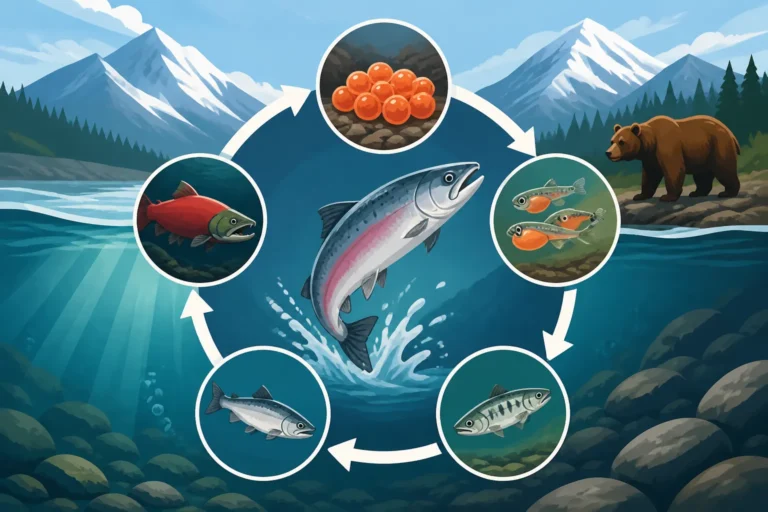
Understanding the biology and behavior of Alaska Leopard Rainbow Trout is paramount to successfully targeting them. These fish are perfectly integrated into their harsh yet incredibly rich environment, and their life cycle is intimately tied to the rhythms of the Alaskan wilderness, particularly the monumental salmon runs that define its aquatic ecosystems.
Seasonal Feeding Patterns and Preferred Forage
The diet of an Alaska Leopard Rainbow Trout dramatically shifts with the seasons, heavily influenced by the availability of salmon.
- Spring (Break-up to Early Summer): As the ice breaks up and waters begin to flow freely, the trout emerge from their winter lethargy. During this time, they're hungry but salmon eggs from the previous year are long gone. They primarily feed on emerging aquatic insects (caddis, stoneflies, mayflies), juvenile salmon smolt migrating to the ocean, and baitfish like sculpins. Streamers and nymph patterns are particularly effective during this period.
- Summer (Late June to September – The Egg Frenzy): This is the prime time, the legendary "egg bite." As the colossal runs of sockeye, chum, and eventually coho salmon flood the rivers to spawn, they deposit millions upon millions of eggs. The leopard rainbows position themselves downstream of spawning salmon, gorging on loose eggs drifting in the current. This incredible bounty provides a massive protein and fat boost, allowing them to grow rapidly and achieve their impressive size. This is when you'll see fish with distended bellies, vibrant colors, and an insatiable appetite. Beads, egg patterns, and flesh flies are the go-to choices, mimicking the abundant food source. The sheer volume of this food source is a major reason why the Best Time for Trout Fishing in Alaska often coincides with the salmon runs.
- Fall (October to Freeze-up): After the salmon have spawned and died, their decaying carcasses continue to provide a critical food source. Flesh flies (patterns that imitate decaying salmon flesh) become incredibly effective. The trout are still actively feeding, trying to pack on as much weight as possible before winter sets in. They’ll also continue to target smolt and larger aquatic insects.
- Winter: During the long, cold Alaskan winter, the trout's metabolism slows significantly. They move into deeper, slower pools or under ice cover, conserving energy. While they'll still feed opportunistically, their activity levels are much lower, and fishing becomes far more challenging, often requiring specialized ice fishing techniques.
Migration Habits and Habitat Use
Leopard rainbows are not static creatures; they exhibit fascinating migratory behaviors, often traveling considerable distances within a river system or between connected lakes and rivers. Their movements are largely dictated by food availability and spawning needs.
- Pre-Salmon Season: In the spring and early summer, before the salmon arrive, many trout will be found in their home rivers, spreading out to feed on insects and smolt. They might hold in slower pools, along cut banks, or near tributary mouths where food is concentrated.
- Salmon Season Aggregation: As salmon begin to stage and then move into their spawning grounds, the leopard rainbows follow. They'll aggregate in large numbers downstream of spawning redds, positioning themselves to intercept drifting eggs. These congregations can be incredible, with dozens or even hundreds of large trout stacked in prime feeding lanes. This is often where "combat fishing" for sockeye occurs, and also where leopard rainbows can be found in abundance near the action.
- Wintering Grounds: As temperatures drop and rivers begin to freeze, the trout seek out deeper, more stable wintering habitats. These can be large lakes, deep river pools, or areas with consistent spring inputs that prevent total freezing. They remain relatively dormant until spring brings warmer temperatures and renewed food sources.
Understanding these migratory patterns is key to finding them. A guide who knows the specific river well can predict where the trout will be at different times of the season, helping you be in the right place at the right time.
Spawning Cycles and Conservation
Like all rainbow trout, leopard rainbows are spring spawners. Typically, from late April through June, depending on water temperatures and ice melt, these magnificent fish will move into smaller tributaries or shallow, gravelly riffles within the main river to deposit their eggs. Females create depressions in the gravel called "redds," where they lay their eggs, which are then fertilized by males.
Conservation of these wild spawning grounds is absolutely critical. Disturbance of redds, whether by wading or boat traffic, can severely impact the reproductive success of the population. This is why many remote areas have strict regulations regarding off-limits areas or specific times of year. Anglers are encouraged to practice extreme caution when wading, shuffling their feet to avoid stepping on unseen redds. The future of these wild trout populations depends entirely on the health of their spawning habitat and the abundance of salmon. Without strong salmon runs providing the essential nutrients, the leopard rainbows simply would not reach their legendary size or proliferate in such numbers. Adhering to Alaska Fishing Regulations Explained and practicing responsible angling is crucial to sustaining these fisheries for generations to come.
Targeting Alaska Leopard Rainbow Trout: Techniques and Gear
Successfully catching an Alaska Leopard Rainbow Trout is an immensely rewarding experience, but it often requires specific techniques and appropriate gear, especially given their wild nature and the challenging Alaskan environment. Whether you're a seasoned fly angler or prefer spin fishing, understanding the nuances will significantly improve your chances.
Fly Fishing Strategies for Leopards
Fly fishing is arguably the most popular and often most effective method for targeting Alaska Leopard Rainbow Trout, particularly during the peak salmon egg and flesh seasons.
- Egging with Bead Patterns: This is the quintessential leopard rainbow technique. When salmon are spawning, trout key in almost exclusively on loose eggs. A single bead, matched in size and color to natural salmon eggs (often orange, peach, or pink), is fished with an indicator and split shot. The bead is usually pegged a couple of inches above the hook, allowing it to drift naturally with the current, mimicking a free-floating egg. The "floss" debate (a technique used for sockeye that some consider controversial) often comes up, but for trout, drifting natural-looking egg patterns is simply imitating their primary food source. For excellent results, check out the Best Flies for Alaska Trout.
- Rigging for success: A typical setup involves a 9-10 foot 6-8 weight fly rod, a floating line, a leader tapered down to 2X or 3X (around 8-10 lb test), and a small, sharp hook (size 4-6 octopus or egg hook). The key is to get the bead down to the fish's level without snagging the bottom, adjusting your split shot as needed. A dead drift is crucial, allowing the current to carry your imitation naturally.
- Flesh Flies and Streamers: After salmon spawn and die, their decaying carcasses become a major food source. Flesh flies, which imitate bits of salmon flesh, can be incredibly effective in late summer and fall. These flies are often tied in white, pink, or chartreuse. Streamers that imitate juvenile salmon smolt or sculpins are also productive, particularly in spring and early summer or whenever the trout aren't actively on eggs.
- Presentation matters: For flesh flies, a dead drift or very slow retrieve can be deadly. For streamers, a strip-and-pause retrieve, mimicking a darting baitfish, is often best. Look for trout holding in deeper pools, behind structure, or along current seams where they can ambush prey.
- Nymphing and Dry Fly Opportunities: While less common than egging or streamer fishing, nymphs imitating large stoneflies or caddis larvae can be effective in areas where insect hatches are prevalent, especially in the spring. During certain hatches, such as salmonflies or large caddis, you might even encounter the rare and thrilling opportunity to catch a leopard rainbow on a dry fly. However, these opportunities are often brief and highly localized.
Spin Fishing Approaches and Lure Choices
For anglers who prefer spin fishing, there are still highly effective ways to entice these spotted beauties, especially when fly fishing might be challenging due to river conditions or personal preference.
- Drifting Egg Imitations: Similar to fly fishing, drifting imitation salmon eggs or small, weighted beads is incredibly effective for spin anglers. Use a light to medium-light action spinning rod (7-8 feet) with sensitive tip, spooled with 10-15 lb braided line and a fluorocarbon leader (8-10 lb). A small sliding bobber or float can help suspend your bead at the right depth, allowing for a natural drift.
- Technique is key: Cast upstream and let your presentation drift naturally downstream, keeping a tight line to detect the often subtle takes. Many companies make realistic soft plastic egg imitations that work wonders. Make sure to adhere to Alaska Bait Restrictions Explained as some areas may have limitations.
- Casting Small Spinners and Spoons: Small, flashy spinners and spoons can be very effective, especially when trout are targeting smolt or other baitfish. Popular choices include Mepps, Blue Fox, and Amazon carries a wide variety of these. Silver, gold, and vibrant colors like chartreuse or fire tiger can trigger aggressive strikes. Look for patterns that mimic local baitfish.
- Retrieve variations: Vary your retrieve speed and depth until you find what the fish are reacting to. Often a slow, steady retrieve with occasional twitches can be deadly. These lures are particularly useful in faster currents or deeper pools.
- Soft Plastics and Jigs: Small, scented soft plastics rigged on jig heads or under a bobber can also tempt leopard rainbows. Colors like white, chartreuse, or natural baitfish patterns often work well. Look for jig heads in the 1/8 to 1/4 oz range, allowing for a good cast and natural presentation in the current.
- Effective for all conditions: These can be versatile, working in a variety of water conditions and often mimicking smaller baitfish or even large insects. A subtle jigging motion or slow retrieve can be very effective.
Essential Gear and Tackle for Success
Regardless of your preferred method, having the right gear is crucial for an Alaska fishing trip. The environment can be demanding, and the fish are powerful.
- Rods and Reels:
- Fly Fishing: A sturdy 6-8 weight rod (9-10 feet) is standard. For larger rivers and bigger fish, an 8-weight offers more backbone. Pair it with a reliable reel that has a smooth, strong drag and enough backing (100-150 yards of 20 lb dacron).
- Spin Fishing: A 7-8 foot medium-light to medium action rod is ideal. Match it with a quality spinning reel (size 2500-4000) spooled with 10-15 lb braided line and a fluorocarbon leader of 8-10 lb test.
- Terminal Tackle:
- Hooks: Sharp, strong hooks are non-negotiable. Size 4-6 octopus or egg hooks for beads/eggs. Size 2-6 for streamers and flesh flies.
- Leaders and Tippet: Quality fluorocarbon leaders and tippet are essential for stealth and abrasion resistance. Keep a range from 2X to 5X for fly fishing, and 6-10 lb test for spin fishing leaders.
- Indicators/Floats: Essential for detecting subtle strikes when nymphing or egging.
- Split Shot/Weights: A variety of sizes to adjust to different water depths and currents.
- Waders and Raingear: Alaska weather is famously unpredictable. High-quality breathable waders are a must, along with sturdy wading boots with good grip. A full set of waterproof and windproof raingear (jacket and pants) will save your trip. Many anglers find reliable options on Amazon for both waders and waterproof outerwear. Do you need Waders for Alaska Fishing? Absolutely!
- Accessories: Pliers, clippers, net (rubber mesh preferred for catch and release), polarized sunglasses (crucial for spotting fish and reading water), bear spray (a non-negotiable in many remote areas), and a good camera to capture the memories. A solid Alaska Fishing Gear and Tackle Guide will give you a comprehensive list of what to pack.
Conservation and Sustainable Angling for Leopard Rainbows
The health and vitality of Alaska's Leopard Rainbow Trout populations are a testament to the wildness of the state and the efforts of countless conservationists and responsible anglers. These are not infinite resources, and their continued existence as a world-class fishery depends entirely on sustainable practices and a deep respect for their environment. Every angler has a role to play in protecting these magnificent fish.
Catch-and-Release Best Practices
For many, catching an Alaska Leopard Rainbow Trout is a once-in-a-lifetime experience, and the vast majority are released to fight another day and contribute to future generations. Implementing proper catch-and-release techniques is not just recommended, it’s often legally mandated and ethically imperative for these wild populations.
- Minimize Fight Time: Use appropriate tackle that can subdue the fish relatively quickly, without over-stressing it. A prolonged fight, especially with large trout, can lead to exhaustion and reduced survival rates after release.
- Keep the Fish Wet: This is the golden rule. Avoid taking the fish out of the water completely if possible. The slimy protective coating on a fish's skin is crucial for disease resistance. Handling a fish with dry hands or exposing it to dry air can remove this protective layer, making it vulnerable to infection. If a photo is desired, be quick and hold the fish gently just above the water's surface, supporting its belly.
- Gentle Handling: Support the fish horizontally with two hands, one near the tail and one under the belly. Avoid squeezing the fish or holding it vertically by the jaw or tail, which can damage its internal organs or spine.
- De-barb Your Hooks: Crushing the barbs on your hooks makes removal much easier and quicker, reducing stress and injury to the fish.
- Use the Right Tools: A pair of long-nosed pliers or hemostats is invaluable for quickly and safely removing hooks. If the fish is deeply hooked (which is rare with single, barbless hooks and proper technique), cut the line as close to the hook as possible.
- Revive, Don't Release Immediately: After unhooking, hold the fish gently in the current, facing upstream, until it regains its strength and can swim away under its own power. It might take a minute or two. Don't simply toss it back; ensure it's ready. These Alaska Catch-and-Release Best Practices are not just suggestions but vital actions for preservation.
Understanding Regulations and Limits
Alaska's fishing regulations are complex and can vary significantly by region, river system, and even specific dates within a season. It's not enough to know the general rules; you must understand the hyper-local specifics for your chosen fishing destination.
- Review the ADF&G Regulations: Before any fishing trip in Alaska, thoroughly review the current Alaska Department of Fish and Game (ADF&G) Sport Fishing Regulations booklet. It’s available online and at most tackle shops. Pay close attention to the specific section for the region and river you plan to fish. You'll find detailed information on Alaska Fishing Regulations Explained in the state's official guide.
- Rainbow Trout Specifics: Regulations for rainbow trout, including leopard rainbows, often include special provisions:
- Catch-and-Release Only: Many premier leopard rainbow waters are strictly catch-and-release for rainbow trout.
- Single Hook, Barbless Hook Rules: These are very common for trout fisheries to minimize harm. Knowing about Alaska Barbless Hook Requirements is essential.
- Size Restrictions: Some areas might have slot limits or minimum/maximum size restrictions if retention is allowed.
- Bait Restrictions: Some streams may be fly-fishing-only or have bait prohibitions, as highlighted in Alaska Bait Restrictions Explained.
- Emergency Orders: The ADF&G frequently issues "Emergency Orders" that can change regulations without much notice, often due to fluctuating fish populations or environmental conditions. Always check for recent emergency orders immediately before and even during your trip. These can include unexpected closures, gear restrictions, or bag limit changes. For up-to-date information, checking the How to Check Alaska Emergency Orders Before Fishing guide is a smart move.
- Harvest Records: If you are in an area where you can retain certain species, understanding how to fill out an Alaska Harvest Record Card Explained is critical. Even for catch and release, knowing what to do for other species on your trip is necessary.
The Importance of Habitat Protection
Beyond direct angling practices, the long-term health of Alaska Leopard Rainbow Trout hinges on the protection of their habitat. These fish are indicator species; their presence and abundance signal a healthy, vibrant ecosystem.
- Clean Water Initiatives: Supporting organizations and policies that protect water quality is vital. Pollution, whether from industrial activity, agricultural runoff, or improper waste disposal, can devastate trout populations and their food sources.
- Maintaining Salmon Runs: The fate of leopard rainbows is inextricably linked to the health of salmon runs. Efforts to protect salmon spawning grounds, ensure adequate water flows, and manage commercial and subsistence fisheries sustainably directly benefit rainbow trout. Without the immense nutrient input from salmon, the trout simply wouldn't exist in their current numbers or size.
- Respecting Wilderness Areas: When visiting remote fishing destinations, practice Leave No Trace principles. Pack out everything you pack in, avoid disturbing vegetation or wildlife, and dispose of human waste properly. These seemingly small actions collectively ensure that the wildness that makes these fisheries so special remains intact for future generations. Protecting the wilderness means protecting the fish.
Comparison of Key Rainbow Trout Characteristics
To help clarify the distinctions, here's a table comparing common characteristics of a "typical" rainbow trout (often found in stock fisheries or less productive waters) with the revered Alaska Leopard Rainbow Trout:
| Characteristic | Typical Rainbow Trout | Alaska Leopard Rainbow Trout |
|---|---|---|
| Spotting Pattern | Moderately spotted, mainly above lateral line, sparse on belly | Dense, irregular spots covering entire body, including belly, fins, head |
| Coloration | Can vary, often silvery with pink stripe, sometimes duller in stocked fish | Vivid, often darker olive or bronze back, vibrant pink/red stripe, very bright |
| Size | Highly variable, 10-20 inches common, depends on habitat | Frequently 20-30+ inches, with true trophy fish over 10 lbs common |
| Habitat | Wide range, including stocked lakes, accessible rivers, varying water quality | Pristine, cold, oxygen-rich rivers & lakes, strong salmon influence, remote |
| Diet (Peak Season) | Insects, small baitfish, crustaceans | Overwhelmingly salmon eggs, flesh, smolt; also insects and baitfish |
| Fight Style | Strong runs and jumps, but can tire quicker in smaller fish | Extremely powerful runs, acrobatic jumps, sustained fight, very wild |
| Wild vs. Hatchery | Can be wild or hatchery-raised | Almost exclusively wild, native populations |
| Primary Region | Widespread globally | Predominantly Bristol Bay, Alaska Peninsula, Katmai regions |
This table highlights why the "Leopard" designation carries such prestige. It speaks to a fish that embodies the wild, untamed spirit of Alaska, a true gem of the Last Frontier's freshwater fisheries.
Disclaimer
The information provided in this guide is for general informational purposes only and is subject to change. Fishing regulations in Alaska are complex and frequently updated. Always consult the most current Alaska Department of Fish and Game (ADF&G) regulations booklet and check for emergency orders before engaging in any fishing activity. Adherence to all local, state, and federal laws is the sole responsibility of the angler.