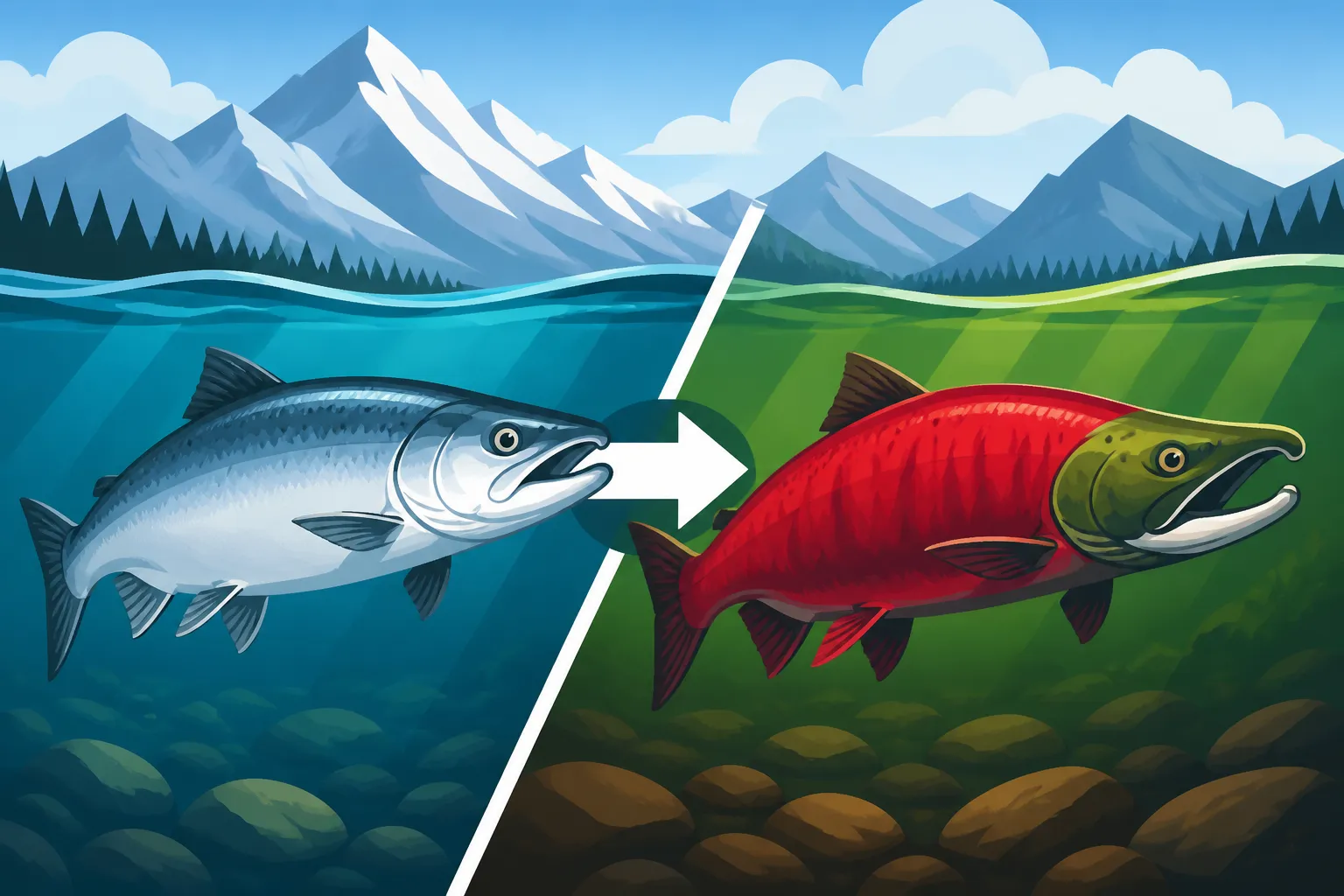
Why Alaska Salmon Change Color
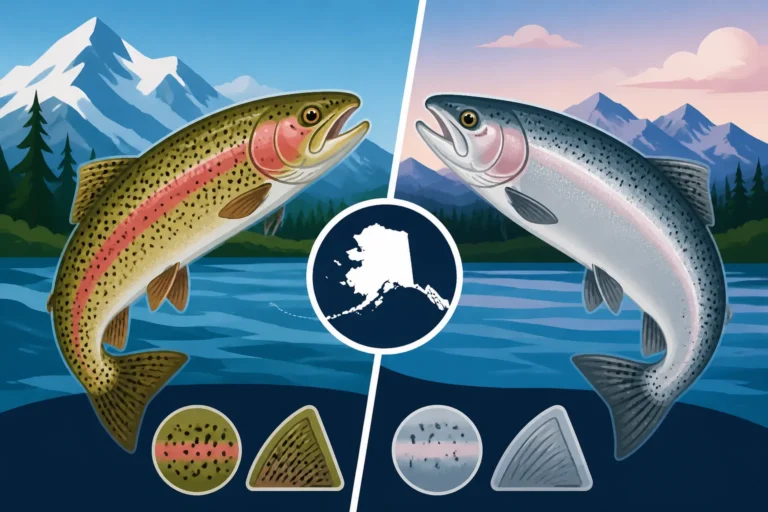
It's a common sight for anyone fishing in Alaska: one day you're seeing sleek, chrome-bright salmon fresh from the ocean, and the next, you're wondering what happened to them as they sport vibrant hues of red, green, and even deep maroon. This dramatic color shift in Alaska salmon isn't just a quirky phenomenon; it's a profound biological transformation, signaling the final, most crucial chapter of their lives. If you've ever been baffled by a "silver" turning into a "red," this guide will shed light on exactly why and how these incredible changes occur.
The Astonishing Transformation: Why Alaska Salmon Change Color
Seeing an Alaska salmon transition from its ocean-going brilliance to its spawning colors can be quite startling if you're not familiar with their life cycle. It's not just a superficial change; it's a full-body commitment to their biological imperative: reproduction. This process is one of nature's most dramatic displays, driven by an incredible sacrifice.
The Ultimate Sacrifice: Spawning and Survival
Alaska's salmon species are what we call anadromous. This means they spend most of their lives growing and maturing in the vast, nutrient-rich saltwater of the Pacific Ocean, only to return to the precise freshwater rivers and streams where they were born to spawn. This journey from the ocean to freshwater is incredibly taxing and marks the beginning of their most visible physical changes.
Once a salmon enters freshwater, its entire physiology begins to shift. It stops feeding, redirecting all its stored energy and nutrients towards the development of its eggs or milt. The vibrant silver coloration that provided camouflage in the open ocean is no longer effective in the shallower, often darker waters of rivers and streams. Instead, their bodies develop striking new colors that help them blend into their new surroundings or, more importantly, signal their readiness to mate. This shift is a massive physiological commitment, as their bodies essentially start to break down to fuel the final act of their lives. It's a race against time, with every ounce of energy conserved for spawning.
Hormonal Triggers and Genetic Programming
The remarkable color change in Alaska salmon is primarily orchestrated by a complex interplay of hormones, triggered by environmental cues and their inherent genetic programming. As salmon transition from the high-salinity environment of the ocean to the low-salinity freshwater, their bodies undergo significant internal adjustments. Hormones like corticosteroids and various sex hormones surge, initiating a cascade of changes that affect everything from their metabolism to their skin pigmentation.
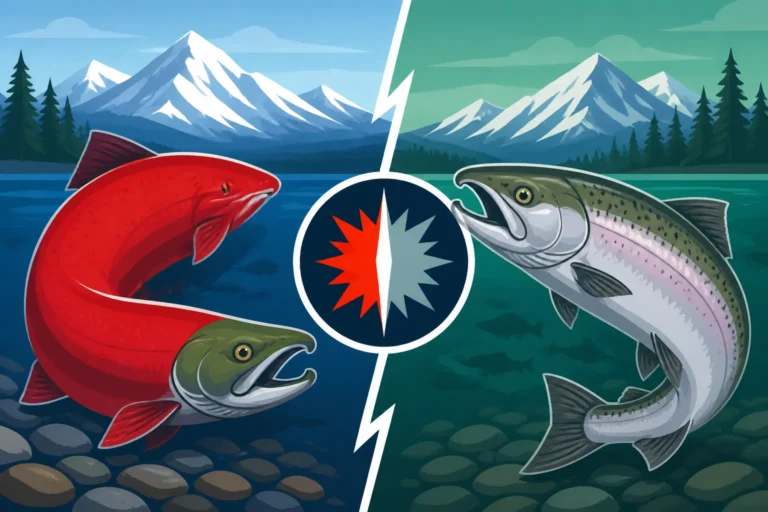
Each salmon species has a genetically predetermined color scheme for spawning. For instance, sockeye salmon are programmed to turn a brilliant red with green heads, while chum salmon develop distinct vertical bars. These genetic blueprints ensure that each species develops its unique "uniform" for the spawning grounds. This serves not only for species recognition among potential mates but also to display vitality and reproductive fitness. It’s an evolutionary advantage, ensuring they attract the right partner and contribute to the next generation. Understanding these changes provides deeper insight into the incredible Alaska Salmon Life Cycle Explained.
A Rainbow of Reds and Greens: Species-Specific Color Changes
While all Alaska salmon undergo a significant transformation, the specific colors and patterns they develop are unique to each species. This makes identifying them on the spawning grounds fascinating, even for seasoned anglers.
King Salmon: From Silver Kings to Dark Warriors
When King Salmon (Chinook) first enter freshwater from the ocean, they are magnificent "silver kings" – large, powerful, and covered in shimmering silver scales with dark spots on their back and tail. However, as they progress upstream towards their spawning grounds, their appearance changes quite dramatically.
Their bodies darken significantly, often turning a dark olive-brown, bronze, or even black. Males, especially, develop reddish or maroon blotches on their flanks. Their once sleek, streamlined bodies become more robust, and the males develop a pronounced hump on their back and a distinct, hooked jaw known as a "kype." This transformation is a clear signal of their transition from ocean feeder to spawning fish. You'll rarely see a chrome-bright King far upriver. For more on these magnificent fish, check out our Alaska King Salmon: Complete Guide.
Sockeye Salmon: The Brilliant Red Transformation
Perhaps the most iconic and visually striking transformation belongs to the Sockeye Salmon (Red Salmon). While they are also brilliant silver in the ocean, once they enter freshwater and begin their upstream migration, their entire body changes to a vivid, fiery red. Their heads, in stark contrast, turn a pale green or olive, sometimes almost white.
This intense coloration makes them easily distinguishable on the spawning grounds, especially against the backdrop of clear Alaskan streams and rivers. The males often develop a noticeable hump, though not as pronounced as a pink salmon's. Their jaws also become slightly hooked. This brilliant red serves as a powerful visual cue for mating and territorial displays in the shallow, clear waters where they prefer to spawn. It's a truly spectacular sight to witness. Learn more about these fascinating fish in Alaska Sockeye Salmon Explained.
Coho, Pink, and Chum: Subtle Yet Distinct Shifts
While the King and Sockeye have very dramatic changes, the other three main Pacific salmon species in Alaska – Coho, Pink, and Chum – also undergo distinct, though sometimes more subtle, transformations.
- Coho Salmon (Silver Salmon): Coho, known for their incredible fight, remain predominantly silver longer than other species after entering freshwater. However, as they near spawning, their backs darken, and their sides can take on a reddish-pink or rosy hue, especially in males. Males also develop a distinct, elongated kype. They aren't as intensely red as sockeye, but their silver sheen gives way to a more muted, darker color with flashes of red.
- Pink Salmon (Humpy Salmon): Pink salmon are the smallest and most abundant of the Pacific salmon. Males are easily identifiable by the massive, exaggerated hump that develops on their back, hence their nickname "humpies." Their bodies turn a grayish-brown or olive color, often with dark blotches, and their bellies can be white or pale yellow. The females also darken but do not develop the prominent hump. They are often found in coastal streams and rivers in immense numbers.
- Chum Salmon (Dog Salmon): Chum salmon, sometimes called "calico salmon," develop one of the most unique and striking spawning colorations. Their bodies become adorned with distinct vertical bars of green, purple, and red, often giving them a mottled, calico-like appearance. The males develop very pronounced, elongated teeth, giving rise to their other nickname, "dog salmon." Their tails often remain lighter, sometimes with a yellowish tint.
These distinct spawning colors are crucial for How to Identify Alaska Salmon Species when you're on the river.
Here's a quick overview of these amazing transformations:
| Salmon Species | Ocean Appearance | Spawning Color | Key Physical Changes (Males) |
|---|---|---|---|
| King (Chinook) | Chrome silver, dark spots on back & tail | Dark olive-brown, bronze, maroon blotches | Large hump, pronounced kype (hooked jaw) |
| Sockeye (Red) | Bright silver, iridescent blue-green back | Vivid red body, green head | Moderate hump, slightly hooked jaw |
| Coho (Silver) | Bright silver, faint spotting on upper lobe of tail | Darker back, reddish-pink flanks, sometimes green | Elongated kype |
| Pink (Humpy) | Silvery sides, large oval spots on back & tail | Grayish-brown, olive, sometimes dark blotches | Very large hump, moderately hooked jaw |
| Chum (Dog) | Silvery with faint vertical bars | Dark with vertical green, purple, red bars | Pronounced canines, slightly hooked jaw |
Beyond Color: Other Physical Changes During Spawning
The color change in Alaska salmon is just one piece of a much larger puzzle of physical transformations. Their bodies undergo a complete metamorphosis, adapting from a life of active feeding and evasion in the ocean to a singular focus on reproduction in freshwater.
Body Shape and Jaw Alterations
One of the most dramatic non-color related changes, particularly noticeable in male salmon, is the alteration of their body shape and jaws. Many male salmon develop a pronounced "kype," which is a distinct, upward-hooked jaw. This is most prominent in King and Coho salmon, and it's used during territorial disputes with other males on the spawning grounds. The kype can become so exaggerated that it makes it difficult for them to close their mouths.
Alongside jaw changes, many species develop a muscular hump on their backs. This is most extreme in Pink salmon, where the hump can become incredibly large and grotesque, giving them their "humpy" nickname. Even Kings and Sockeye develop noticeable humps. These humps, along with the kypes, are secondary sexual characteristics that signal reproductive fitness and are used in displays of dominance. As salmon cease feeding and rely solely on stored energy, their bodies also become noticeably slimmer and more compressed, losing much of the fatty tissue that made them so robust in the ocean.
Skin Thickening and Deterioration
As salmon spend more time in freshwater, their delicate, scale-covered skin undergoes significant changes. It becomes thicker and tougher, often taking on a leathery texture, and the scales may become embedded and less distinct. This toughening provides some protection against the rigors of the spawning journey, including rubbing against rocks, navigating swift currents, and engaging in physical altercations with other salmon.
However, this thickened skin also becomes more susceptible to damage and infection. Without the protective properties of saltwater and constant feeding, their immune systems weaken. It's common to see spawning salmon with white fungal patches, abrasions, or other signs of wear and tear on their bodies. Their fins can become frayed, and their overall appearance deteriorates as their bodies slowly give out. This deterioration is part of the natural, irreversible process that leads to their eventual death after spawning, fulfilling their life's purpose. This incredible journey is why it's so important to be aware of When Do Alaska Salmon Spawn.
The Angler's Perspective: What Color Changes Mean for Fishing and Eating
For anglers, understanding why Alaska salmon change color is more than just a biological curiosity; it has direct implications for how you fish, what you catch, and even what you eat.
Impact on Fight and Behavior
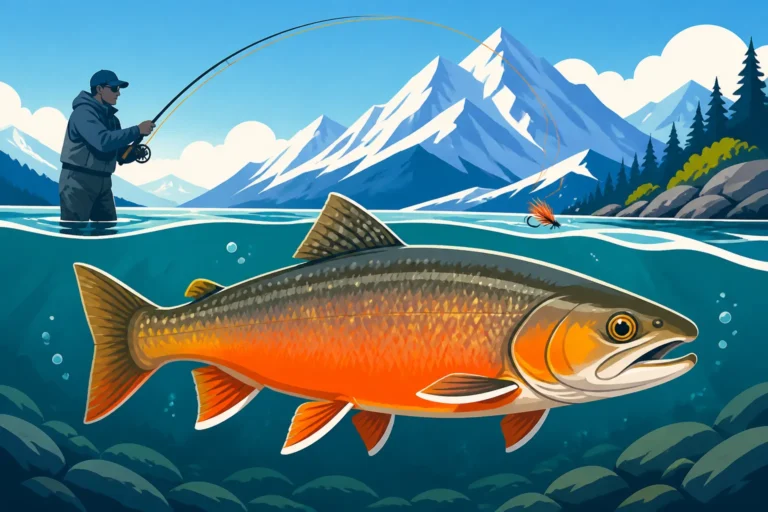
Salmon undergoing their spawning transformation are fundamentally different fish from their ocean-bright counterparts. Their primary focus has shifted entirely from feeding to reproduction. This means their behavior changes dramatically. They are less likely to strike a lure or bait out of hunger and more likely to snap at it out of aggression or territorial instinct.
When a spawning salmon does bite, the fight can feel less powerful. They've been on a long, arduous journey, expending massive amounts of energy. Their muscles are deteriorating, and their fat reserves are depleted. While they might still put up a decent struggle, especially in strong currents, they often lack the explosive, acrobatic runs of a fresh, chrome-bright salmon. This is a critical factor to consider when evaluating Best Fishing Techniques for Alaska for specific species and stages of their run. You might need to adjust your approach, using different lures or presentations that trigger an aggressive response rather than a feeding one.
Culinary Quality: The Sacrifice of Flesh
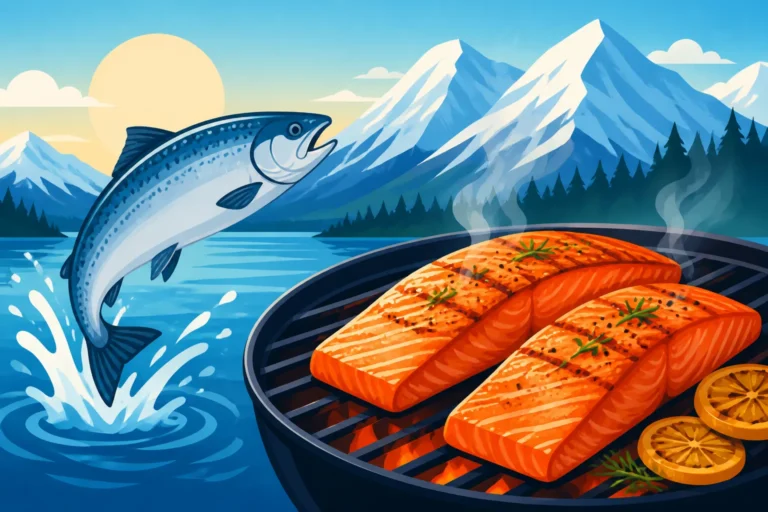
This is where the color change and other physical transformations become most relevant to the dinner table. The vibrant, deep red or orange flesh of a prime, ocean-caught salmon is packed with healthy fats and omega-3s, giving it its rich flavor and firm texture. This is a direct result of their diet in the ocean, primarily krill and other crustaceans that contain carotenoid pigments.
As salmon enter freshwater and cease feeding, their bodies begin to reabsorb these pigments and fats to fuel their reproductive efforts. The flesh gradually loses its color, becoming paler—from vibrant red to pink, and eventually even white or grayish in advanced stages of spawning. Simultaneously, the texture deteriorates, becoming softer, mushier, and sometimes even crumbly. The flavor also changes, often becoming stronger, less desirable, and distinctly "fishy." This is why anglers highly prize "bright" salmon – those caught fresh from the saltwater or very early in their freshwater migration, before significant changes have occurred. Many experienced anglers looking to preserve the best quality fish opt for specialized vacuum sealers, often available on Amazon, to ensure their catch remains fresh on the journey home. When considering Which Alaska Salmon Is Best to Eat, the "bright" factor is almost always the deciding characteristic.
Regulations and Ethical Considerations
Given the profound changes spawning salmon undergo, it's crucial for anglers to be aware of and adhere to specific fishing regulations. Alaska's fishing rules are designed to manage fish populations sustainably, and this often includes provisions for salmon on the spawning grounds. For instance, some rivers may have bait restrictions or specific areas designated for catch-and-release only, particularly during critical spawning periods. It's vital to consult the current Alaska Fishing Regulations Explained booklet for the specific region you plan to fish.
Ethically, many anglers choose to release salmon that are heavily colored and showing advanced signs of spawning. While legal to retain in many areas, the reduced culinary quality and the fish's depleted state often lead to this choice. If you do catch a heavily colored fish that you intend to release, employ proper Alaska Catch-and-Release Best Practices to minimize stress and maximize its chances of successfully spawning. Handle the fish gently, keep it in the water as much as possible, and use barbless hooks to make unhooking easier. Respecting the fish's journey is a hallmark of responsible angling in Alaska.
Planning Your Trip: Timing and Targets
Understanding the salmon's color changes is paramount when planning an Alaska fishing adventure, especially if you're aiming for the freshest, best-eating fish. Timing is truly everything.
When to Seek Bright Fish
To maximize your chances of catching chrome-bright, firm-fleshed salmon, you need to target them early in their freshwater migration. This means fishing closer to the ocean or during the initial weeks of a specific salmon run. For example, in June, you'll find bright King Salmon pushing into rivers like the Kenai and Kasilof. By mid-July, the Sockeye runs are in full swing, offering fantastic opportunities for chrome reds.
As the season progresses, and fish move further upstream or spend more time in freshwater, the likelihood of encountering heavily colored and deteriorating fish increases. It's a trade-off: early in the run, numbers might be lower, but quality is higher. Later in the run, numbers might peak, but many fish will be well into their spawning transformation. Keeping an eye on the Alaska Salmon Run Timing Explained for specific rivers and species, along with understanding the overall Best Time to Fish in Alaska, will be your best strategy for targeting the brightest fish. Don't forget to pack a reliable headlamp, like those widely reviewed on Amazon, for those long Alaskan days and early morning starts, which are crucial for catching salmon fresh from the sea.
Where to Find Specific Species at Their Prime
Different rivers and regions of Alaska host salmon runs at slightly different times, and some areas are renowned for particular species. For instance, the Kenai River in Southcentral Alaska is famous for its King and Sockeye runs, while the Copper River is world-renowned for its early, prized Sockeye and King Salmon. Fishing lower stretches of these rivers, closer to their confluence with saltwater, often yields the brightest fish.
For a classic Alaskan experience targeting prime Sockeye, consider the Kenai and Russian Rivers during July. If you're after large, bright Kings, early to mid-June on the Kenai or Kasilof is prime. For Coho, late July through September sees strong runs across many river systems, including those on the Kenai Peninsula and in Southeast Alaska. Always check the latest run forecasts from the Alaska Department of Fish and Game (ADF&G) for the specific area you plan to visit, as run timing and strength can vary year to year. A comprehensive guide like Kenai River Fishing: Complete Guide can help you pinpoint the best times and locations for targeting specific species in their prime.
Disclaimer
Fishing in Alaska involves inherent risks and is subject to rapidly changing regulations. Always check current emergency orders and regulations from the Alaska Department of Fish and Game (ADF&G) before heading out. The information provided here is for general guidance only and should not replace official sources.