Alaska Fishing in June: What’s Biting
Oh, the anticipation of an Alaska fishing trip in June! It’s a common frustration for folks trying to plan their ultimate adventure, sifting through endless information to figure out exactly what’s biting and where to go during this pivotal month. You're trying to nail down the perfect window for that dream catch, and sometimes it feels like navigating a dense Alaskan fog. This comprehensive guide is here to clear the air, breaking down precisely what you can expect to reel in across Alaska’s diverse fisheries as summer truly begins to unfold.
June's Unique Allure for Anglers in the Last Frontier
June in Alaska is truly magical, a time when the Last Frontier shakes off the last vestiges of winter, and the landscape bursts into vibrant life. For anglers, it’s a sweet spot, offering an incredible blend of burgeoning salmon runs, active bottom fish, and the sheer joy of near-endless daylight. You’ve got that feeling of possibility in the air, a sense that anything could happen out on the water, and often, it does!
The Thaw and the Awakening Fisheries
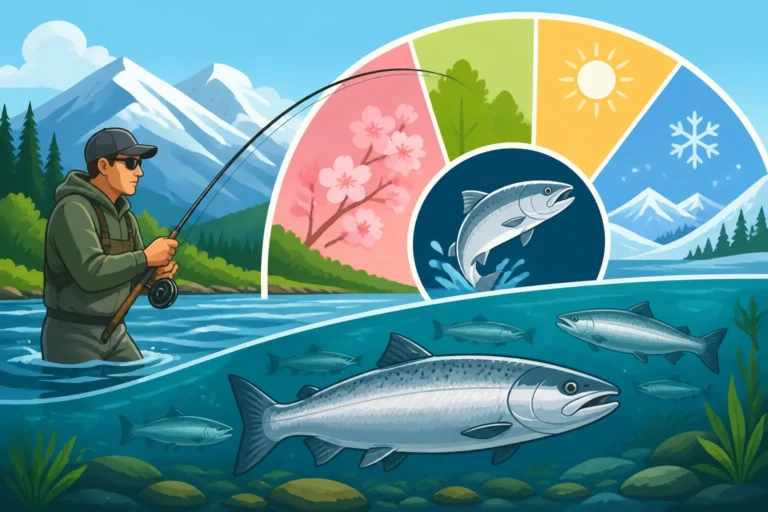
As June rolls around, the ice has long melted from most major rivers and lakes, and the water temperatures are steadily rising. This warming trend is the signal for many fish species to kick into high gear. Rivers like the Kenai and Kasilof, which might have seen some early migratory activity in May, are now truly coming alive. It’s a transition period where you can still find lingering opportunities for resident freshwater species, but the big excitement comes from the anadromous fish making their way from the ocean to spawn. Think of it as the grand opening of Alaska's summer fishing season, where the variety of available species steadily expands, making it a fantastic time to target multiple types of fish. This is when you really start to see the energy shift, moving from just a handful of hearty winter anglers to a buzzing scene of boats and bank fishermen all eager to get in on the action.
Endless Daylight and Mild Weather Perks
One of the most captivating aspects of fishing in Alaska in June is the phenomenal amount of daylight. We’re talking about the land of the midnight sun, where it can be light well past 11 PM or even around the clock in the northern parts of the state. This extended daylight isn't just a novelty; it directly translates to more fishing time. You can literally fish until your arms ache, take a short break, and be back at it with plenty of light. The weather also tends to be milder and more predictable than the often tumultuous spring or the rainy late summer. While Alaska weather is always a mixed bag and you should always be prepared for anything, June often delivers those crisp, clear days with comfortable temperatures, perfect for being out on the water. It makes the entire experience so much more enjoyable, allowing you to truly immerse yourself in the incredible surroundings without battling constant harsh conditions.
The Salmon Runs Kick Off: Kings and Sockeye Take Center Stage
If you're coming to Alaska, chances are salmon are high on your list, and June does not disappoint. This is the month when the first major salmon runs begin to pour into the freshwater systems, offering some of the most exciting and sought-after fishing opportunities of the entire year.
Pursuing Alaska King Salmon in June
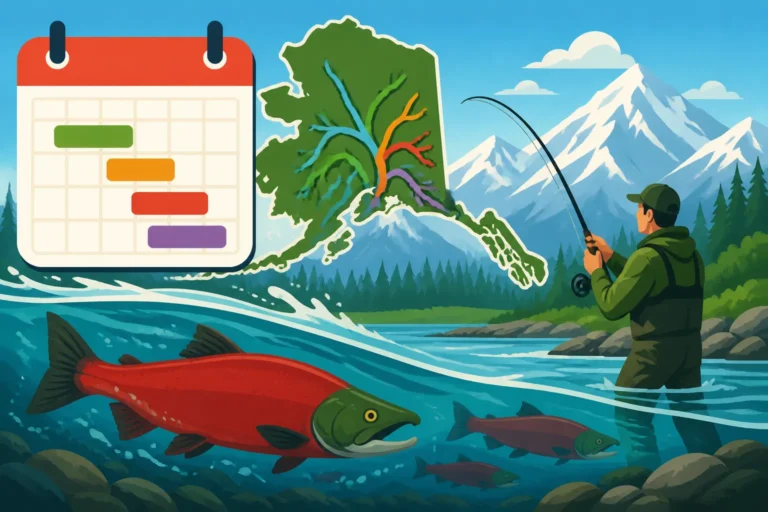
King salmon, also known as Chinook, are the undisputed royalty of Alaska's waters, and June marks the prime time for many of these magnificent fish to begin their arduous journey upstream. The anticipation for the King salmon run is palpable, especially on famous rivers like the Kenai and Kasilof on the Kenai Peninsula, or the more remote Nushagak River in Bristol Bay. Early June might see smaller numbers, often referred to as "early run" Kings, but by mid-June, many rivers are seeing significant pushes of these massive fish.
These powerful chrome beauties are known for their incredible fighting ability, often stripping line off your reel with astonishing speed and putting your gear to the ultimate test. Anglers often employ a variety of techniques to target Kings, including back-trolling with Kwikfish or Brad's Super Baits, back-bouncing cured salmon roe, or even fly fishing with large streamers in appropriate areas. Remember that King salmon regulations can be incredibly dynamic and change quickly based on escapement goals, so always check the latest Alaska Fishing Emergency Orders Explained before you head out. Non-resident anglers, in particular, should be aware of specific limits and the requirement for an Alaska King Salmon Stamp Requirements, which is crucial for legal retention. The thrill of hooking into a 30, 40, or even 50-pound King is an experience that stays with you forever, a testament to the raw power of these incredible fish.
Early Season Sockeye Salmon Opportunities
While the peak Sockeye salmon runs often occur later in July, June does offer fantastic early-season opportunities, particularly on the Copper River and the early run on the Kenai River. The Copper River Sockeye, renowned for their firm, deep-red meat and delicious flavor, start arriving in late May and continue through June. These fish are typically caught in personal use fisheries using dip nets or gillnets, though sport anglers can also target them in specific areas.
On the Kenai Peninsula, the first push of Sockeye usually makes its appearance towards the end of June. These fish are often targeted by "flossing" or "flipping," a unique technique where anglers use a heavy lead weight to get their line to the bottom and then sweep it across the riverbed, hoping to snag the leader in the sockeye's mouth as they swim upstream. It’s a very active and often crowded style of fishing, especially on the banks of the Kenai and Russian Rivers. Successfully landing a bright, chrome Sockeye in June is incredibly rewarding, not just for the fight but for the outstanding table fare they provide. If you're planning on chasing these delicious reds, make sure you understand the nuances of How to Catch Sockeye Salmon in Alaska to maximize your chances.
Beyond Salmon: Halibut, Trout, and More in June Waters
While salmon certainly get a lot of the spotlight, Alaska’s waters in June offer a diverse array of other highly sought-after species, both in saltwater and freshwater, providing fantastic fishing experiences regardless of your preference.
Deep-Sea Thrills: Halibut Fishing in June
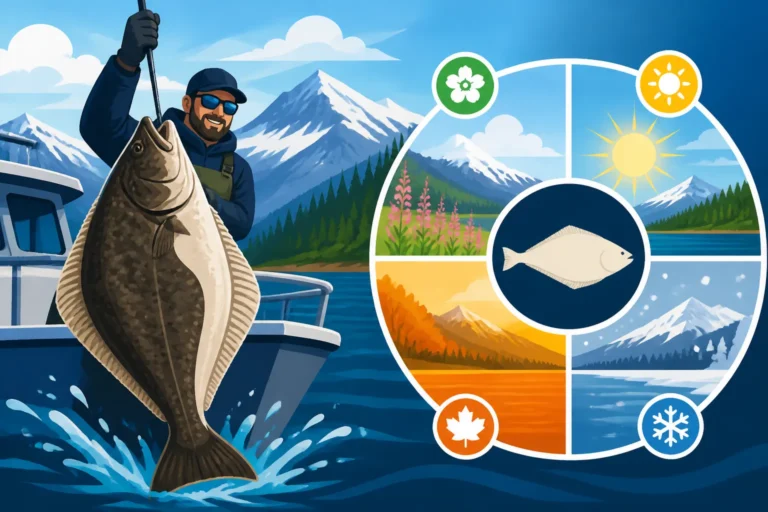
For many anglers visiting Alaska, the iconic barn door halibut is just as much of a draw as salmon. And good news: June is an absolutely fantastic month for halibut fishing! These enormous flatfish are active and feeding in the deep waters of the Gulf of Alaska, Prince William Sound, and especially in productive areas around Homer and Seward. Whether you're dropping bait like herring or octopus to the bottom or jigging with large metal jigs, the fight of a big halibut is an unforgettable experience.
Charter boats out of Homer, Seward, and Valdez run daily trips, taking anglers to offshore fishing grounds where these giant fish congregate. The average size of halibut caught in June can range from the smaller "chicken" halibut (10-30 lbs) to true "barn doors" weighing well over 100 pounds. Halibut fishing regulations, particularly for charter anglers, can be complex, often involving reverse slot limits and specific bag limits. It's always a good idea to research Alaska Halibut Charter Regulations Explained before you book to understand what to expect. Many anglers find the intense tug-of-war with a powerful halibut to be one of the most exhilarating fishing experiences Alaska has to offer. Make sure your tackle is stout; you'll need heavy rods, robust reels, and strong braided line to haul these monsters up from the deep.
Freshwater Gems: Rainbow Trout and Dolly Varden
For those who prefer the tranquility of freshwater, June offers excellent opportunities for resident fish like Rainbow Trout and Dolly Varden. As the rivers and streams clear from spring runoff and insects become more active, trout and Dollies begin to feed voraciously. Rivers and lakes on the Kenai Peninsula, like the Kenai River (especially the upper sections) and its tributaries, are prime locations for targeting these beautiful fish.
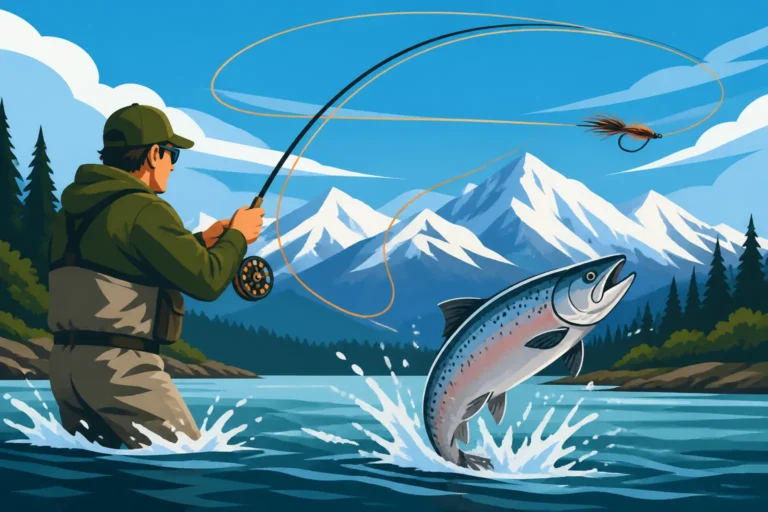
Fly fishing for Rainbow Trout can be exceptional in June, particularly as the first salmon smolt begin to migrate out to sea and the trout key in on these easy meals. Egg patterns and smolt imitations, along with various nymph and streamer patterns, can be highly effective. Dolly Varden, a type of char, are also abundant and can be found in similar habitats, often schooling up to feed on salmon eggs and smolt. They're aggressive fighters and beautiful fish, recognizable by their distinct spots. These species provide a wonderful contrast to the brute force of King salmon and halibut, offering a more delicate yet equally rewarding angling experience. Always be mindful of local regulations, as some areas have specific catch-and-release rules or gear restrictions for trout and char, especially on renowned trout waters like the Middle Kenai River.
Coastal Predators: Lingcod and Rockfish
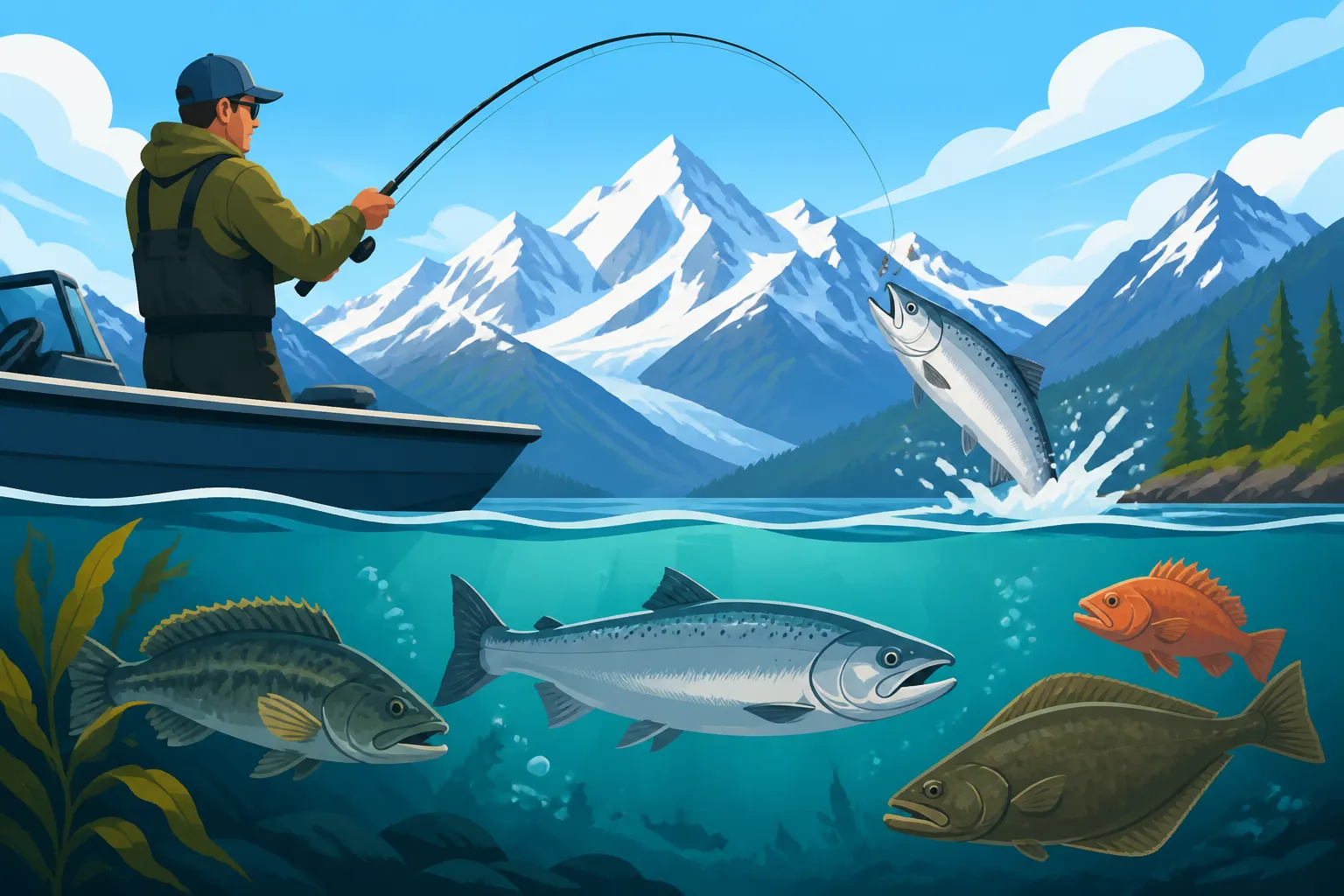
Beyond halibut, the saltwater scene in June also presents opportunities for other delicious and hard-fighting bottom fish. Lingcod and various species of Rockfish are actively feeding in rocky, kelp-filled areas along Alaska's coastline. These fish are often targeted on dedicated bottom fishing charters or as an add-on during halibut trips, particularly in waters around Southeast Alaska, Prince William Sound, and the Kenai Peninsula.
Lingcod are aggressive predators with a mouth full of sharp teeth, known for their powerful strikes and determined fights. They can grow quite large, offering a real challenge on the line. Rockfish, which encompass many species like Black Rockfish, Yelloweye Rockfish, and China Rockfish, are also excellent table fare and provide consistent action. They tend to live in rocky structures and can be caught by jigging with metal jigs or fishing with bait. Many charters will use specialized descending devices to safely return rockfish caught from deeper waters, which is a crucial practice for their survival. If you're looking for variety in your saltwater catch, asking your charter about adding a lingcod or rockfish component to your trip is highly recommended. You can find some of the best fishing for these species around the rugged coastlines near Sitka and Seward.
Essential Planning for Your Alaska June Fishing Trip
Planning a fishing trip to Alaska, especially in a prime month like June, requires a bit of foresight and preparation. Getting the details right ensures your adventure is smooth, safe, and as productive as possible.
Navigating Licenses, Regulations, and Emergency Orders
First and foremost, you absolutely need to secure your Alaska fishing license before you cast a line. For non-residents, you have various options, from a 1-day license to a 14-day or annual pass, depending on the length of your stay. You can easily purchase your Alaska Fishing License online. Many folks find the 7-day or 14-day options to be the most practical for a typical vacation length.
Beyond the license, understanding the regulations is critical. Alaska's fishing rules are highly specific, often varying by region, river system, and even by specific dates. What's legal on one river might be forbidden just a few miles away. The Alaska Department of Fish and Game (ADF&G) publishes comprehensive regulation booklets, and familiarizing yourself with these is a must. Crucially, always check for emergency orders before you fish. These in-season changes can alter bag limits, close fisheries, or impose gear restrictions with very little notice, often due to conservation concerns for specific runs. You don't want to get caught off guard and risk a violation. Knowing How to Read Alaska Fishing Regulations will be a game changer for your trip.
Gear Up for Success: What to Pack and Prepare
Alaska's weather is notoriously unpredictable, even in June. One moment you can have brilliant sunshine, and the next, a chilly rain can roll in. Layering is your best friend! Start with moisture-wicking base layers, add insulating fleece or down, and top it off with waterproof and windproof outerwear. Good quality rain gear is not optional; it’s essential. You can find highly-rated rain suits and waterproof boots on Amazon that will stand up to the Alaskan elements.
For fishing gear, many charters provide all the necessary rods, reels, and tackle, especially for saltwater trips. However, if you're planning any independent bank fishing or specific fly fishing, bringing your own favored gear is a good idea. Think about medium-heavy to heavy spinning or baitcasting setups for salmon, and perhaps a 7-8 weight fly rod for trout and dolly varden. Don't forget essentials like polarized sunglasses, a wide-brimmed hat, insect repellent (mosquitoes can be fierce!), sunscreen, and a good camera to capture those trophy moments. A reliable cooler or fish bag is also invaluable for transporting your catch, and you can pick up durable models on Amazon before you head out. For more detailed advice, check out an Alaska Fishing Gear and Tackle Guide.
Selecting Your Adventure: Guided Charters vs. Independent Exploration
Deciding whether to go guided or try an independent trip often comes down to budget, experience level, and desired species. Guided trips, especially for species like halibut or King salmon, offer a significant advantage. Experienced captains and guides know the best spots, have all the right gear, and understand the ever-changing regulations and emergency orders. They handle the boat, the safety, and often even the initial processing of your fish. For a first-timer or someone looking to maximize their chances at a specific species, a charter is usually the way to go. There are fantastic operations, like those found around the Homer Alaska Fishing Guide or for river trips on the Kenai.
If you're an experienced angler looking for a more DIY adventure, there are plenty of opportunities for bank fishing for Sockeye or trout, particularly along the road system. This option can be more budget-friendly and offers a sense of self-reliance. However, it requires more research into access points, regulations, and self-sufficiency for gear and safety. Many choose a hybrid approach: a guided charter for a big halibut or King salmon day, and then a few days of independent fishing for Sockeye or trout. Whichever path you choose, June offers an incredible array of options to tailor your Alaskan fishing dream.
| Species | June Availability | Key Locations | Common Techniques |
|---|---|---|---|
| King Salmon | Peak season for many rivers, early-mid runs | Kenai River, Kasilof River, Nushagak, Deshka | Back-trolling, back-bouncing, fly fishing |
| Sockeye Salmon | Early runs begin, strong on Copper River, Kenai | Copper River, Kenai River, Russian River | Flossing, dip-netting (personal use) |
| Halibut | Excellent throughout the month, very active | Homer, Seward, Valdez (saltwater) | Bottom fishing with bait, jigging |
| Rainbow Trout | Very good, actively feeding post-thaw | Kenai River (upper), Russian River | Fly fishing (nymphs, streamers, eggs), spin fishing |
| Dolly Varden | Good, actively feeding | Kenai River, Resurrection Bay tributaries | Fly fishing (nymphs, eggs), spin fishing |
| Lingcod | Good, found in rocky saltwater areas | Seward, Homer, Sitka (saltwater) | Jigging, bait fishing |
| Rockfish | Excellent, diverse species in coastal waters | Seward, Homer, Sitka (saltwater) | Jigging, bait fishing, deepwater release crucial |
Disclaimer
Fishing in Alaska involves inherent risks, including wildlife encounters, rapidly changing weather conditions, and remote locations. Always prioritize safety, inform others of your plans, and carry appropriate gear. Regulations are subject to change by emergency order; it is your responsibility to check current Alaska Department of Fish and Game regulations before fishing. This guide is for informational purposes only and does not constitute professional advice.