Alaska Sockeye Salmon: Facts and Fishing Tips
For many anglers, the dream of fishing in Alaska immediately conjures images of powerful, bright red sockeye salmon fighting their way upstream. But let's be honest, navigating the regulations, understanding the fish, and knowing how to actually catch these incredibly feisty fish can feel overwhelming. This comprehensive guide is designed to cut through the confusion, providing you with all the essential facts about Alaska sockeye salmon and proven fishing tips to make your next angling adventure a truly memorable one.
The Iconic Alaska Sockeye Salmon: A Closer Look
Sockeye salmon, often affectionately called "reds" due to their brilliant crimson spawning colors, are truly a marvel of the natural world and a cornerstone of Alaska's fishing culture. They're not just beautiful; they're an incredibly strong fighting fish, known for their acrobatic leaps and relentless runs once hooked. Understanding what makes them unique is the first step toward a successful sockeye fishing experience.
Distinguishing Sockeye: Their Unique Look
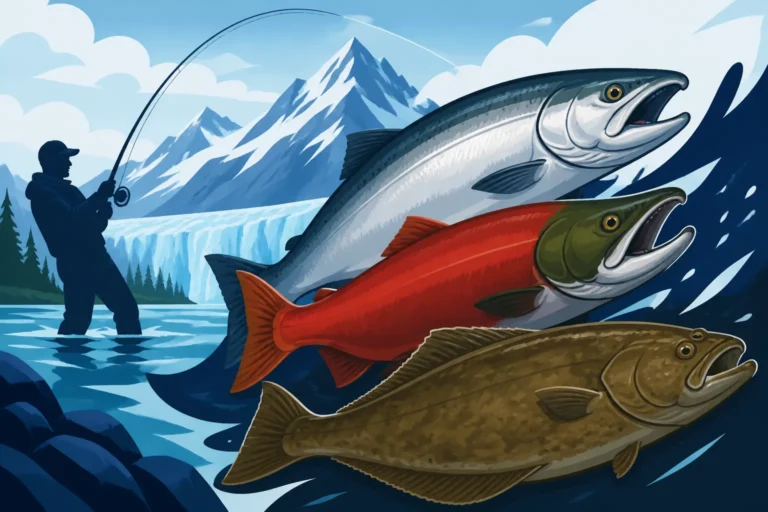
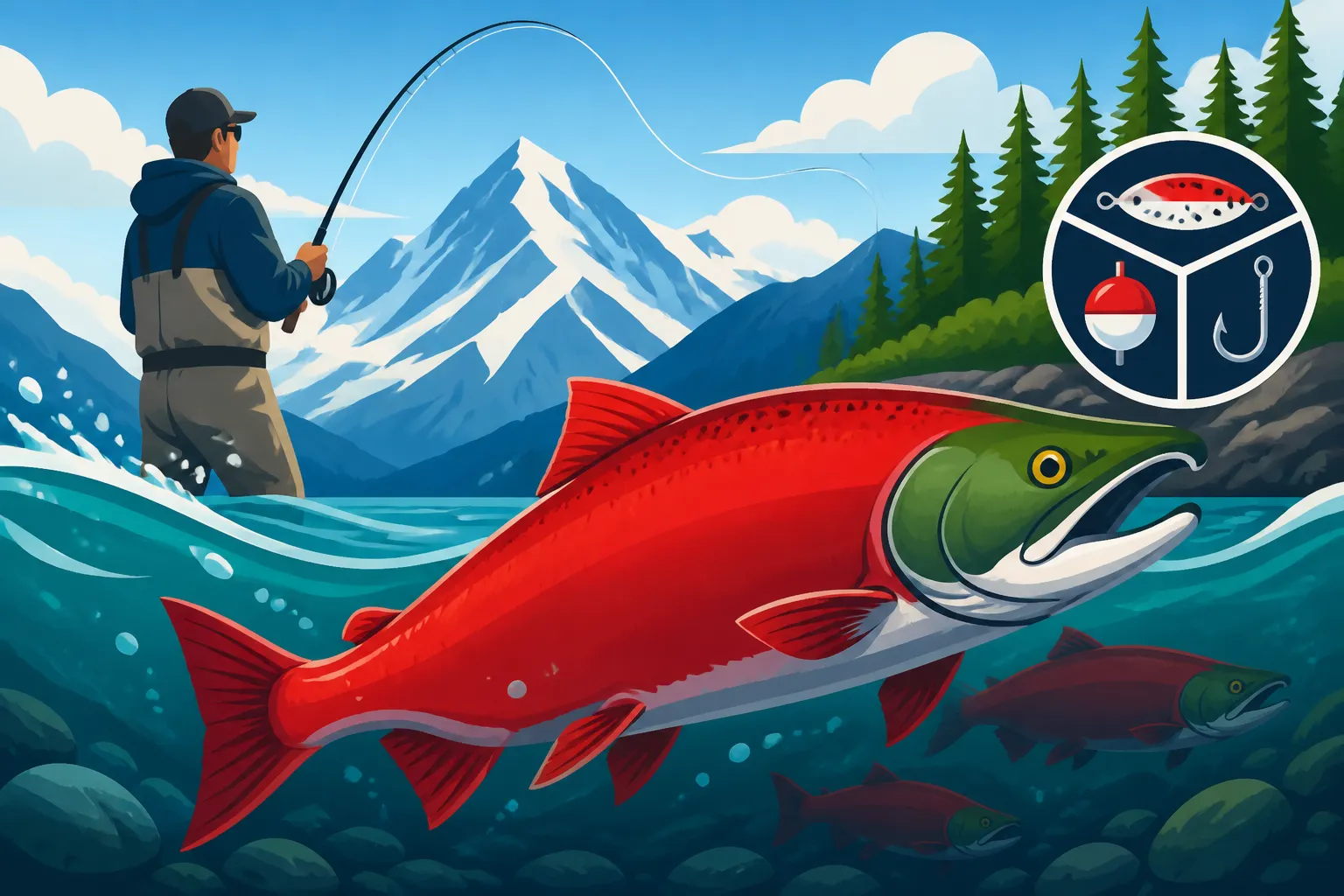
Before they reach their spawning grounds, sockeye salmon in the ocean are typically iridescent blue-green on their backs with silvery sides and a white belly. They have a sleek, torpedo-shaped body. Unlike some other salmon species, sockeye have very fine scales and lack the distinct spots often found on king or silver salmon. This can be a subtle but important difference when you're trying to quickly identify your catch, especially in a fast-paced fishing scenario. As they journey upstream to spawn, their appearance undergoes a dramatic transformation. Their bodies turn a striking, almost unbelievable, deep red, and their heads become an olive green. Males develop a pronounced hump on their backs and a hooked jaw (kype), giving them a truly formidable appearance. These visual cues are essential for any angler to correctly identify their fish, especially given how important it is to adhere to Alaska Fishing Regulations Explained and specific species limits.
When you're out on the water, whether it's the Kenai River or another popular spot, you'll notice the sockeye's streamlined shape. Their average size can vary, but most range from 5 to 8 pounds, though larger individuals pushing 10-12 pounds are not uncommon. It’s their sheer power-to-size ratio that makes them such a prized catch. Imagine battling a chrome-bright sockeye fresh from the ocean, feeling every head shake and tail kick right up your rod!
Flavor Profile and Nutritional Value
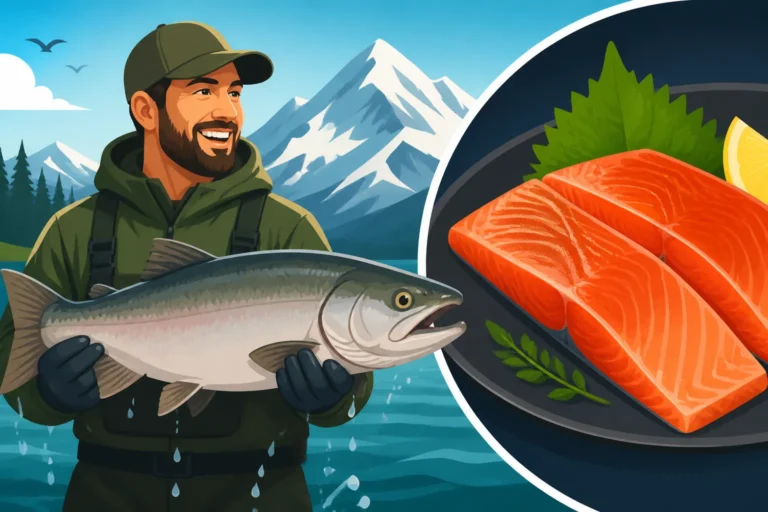
Sockeye salmon are renowned for their rich, distinctive flavor and firm, bright red flesh, which is why they are often considered one of the best-tasting salmon species. Their vibrant color comes from their diet of krill and zooplankton in the ocean, giving them a higher concentration of astaxanthin, a powerful antioxidant. This diet also contributes to their rich omega-3 fatty acid content, making them not only delicious but also incredibly healthy.
The flesh of a sockeye is less oily than that of a king salmon but has a more pronounced flavor than coho or pink salmon. It holds up beautifully to grilling, baking, smoking, or even pan-searing. Many Alaskan residents and visitors consider sockeye the ideal salmon for canning or smoking due to its firm texture and ability to absorb flavors. After a long day of fishing, there’s nothing quite like bringing home a cooler full of fresh sockeye, knowing you’ve secured some of the finest table fare Alaska has to offer. The nutritional benefits, including heart-healthy fats, protein, and vitamins, just add to the appeal of this incredible fish.
The Intricate Life Cycle of an Alaska Sockeye: A Journey of Survival
The life story of an Alaska sockeye salmon is one of incredible resilience, arduous journeys, and a deep connection to both freshwater and saltwater ecosystems. Understanding this cycle isn't just fascinating; it provides critical insights into why sockeye behave the way they do, helping you predict their movements and improve your chances of a successful catch.
From Egg to Ocean Dweller
The life of an Alaska sockeye begins in the gravel beds of freshwater rivers and streams, often those connected to large, clear-water lakes. In late summer and early fall, adult sockeye, having completed their epic spawning migration, will deposit their eggs. A female sockeye can lay anywhere from 2,500 to 4,000 eggs in nests called "redds," which the male fiercely guards. These tiny, pearl-like eggs will spend the winter months incubating in the cold, oxygen-rich gravel.
By spring, the eggs hatch into "alevins," tiny fish with a yolk sac attached, which they absorb for nourishment while remaining hidden in the gravel. Once the yolk sac is fully absorbed, they emerge as "fry" and typically migrate to a freshwater lake, where they will spend one to three years growing. This lake-rearing stage is unique to sockeye among Pacific salmon and is crucial for their survival and development. During this time, they feed primarily on zooplankton, gaining strength and size before embarking on their journey to the ocean. After reaching a critical size, usually in their second or third year, they transform into "smolts" and begin their downstream migration to the vast Pacific, ready for the next chapter of their lives.
The Epic Spawning Run
After two to three years of feasting in the rich, nutrient-dense waters of the North Pacific Ocean, growing strong and fat, the sockeye salmon are compelled by an ancient instinct to return to their natal rivers. This journey, known as the "spawning run," is perhaps the most iconic aspect of their life cycle. It's a true marathon, often covering hundreds, if not thousands, of miles, navigating strong currents, evading predators like bears and eagles, and leaping waterfalls. Their bodies begin to undergo the dramatic transformation mentioned earlier, turning vibrant red, and they stop feeding entirely once they enter freshwater.
Their internal compass, guided by an incredible sense of smell and the Earth's magnetic field, leads them precisely back to the very stream where they were born. This accuracy is astonishing, ensuring genetic continuity. The timing of these runs is critical, influenced by water temperature, river levels, and lunar cycles. Successfully navigating this arduous journey is a testament to the sockeye's raw power and determination. Once they reach their spawning grounds, they pair up, lay their eggs, and fertilize them, completing the cycle. Exhausted and having fulfilled their life's purpose, the adult sockeye will die, their decaying bodies returning vital nutrients to the ecosystem, fueling the next generation of life in the river. It’s a powerful, bittersweet end to an incredible journey.
Prime Time for Sockeye: When and Where to Find Them
Successfully targeting sockeye salmon largely depends on knowing when and where they will be. Alaska's vastness means that sockeye runs occur throughout the state, but certain rivers and specific times of the year are legendary for their productivity. Planning your trip around these windows is absolutely key.
Key Salmon Runs and Peak Seasons
Alaska experiences two main sockeye salmon runs: the "early run" and the "late run." The early run typically begins in late May and peaks in mid-June, though the timing can shift slightly depending on the river and specific year. Rivers like the Copper River are famous for their early sockeye, prized for their exceptional quality and flavor. These fish are often still bright chrome, fresh from the ocean, and incredibly feisty. If you're looking for an adrenaline rush right at the start of summer, this is your window.
The late run, which is often much larger in terms of sheer numbers, typically starts in late June and continues through July, sometimes even into early August in certain areas. This is the run that makes rivers like the Kenai and Kasilof famous for their "combat fishing" – an experience where anglers stand shoulder-to-shoulder, casting for thousands of sockeye moving upstream. Our guide on Alaska Sockeye Salmon Run Timing provides a detailed breakdown of these critical periods. Knowing when the fish are concentrated in the rivers increases your chances exponentially. Keep a close eye on Alaska Department of Fish and Game (ADF&G) run forecasts and emergency orders, as they can change regulations daily based on fish escapement goals.
Top Fishing Spots for Sockeye
When it comes to sockeye fishing in Alaska, a few rivers stand out as absolute legends.
- Kenai River: Without a doubt, the Kenai Peninsula is probably the most famous destination for sockeye. The Kenai River is renowned for its incredible sockeye runs, particularly the late run in July. Anglers line the banks from places like the Russian River confluence down to Soldotna. It's an intense, high-energy experience. If you're planning a trip there, our Kenai River Sockeye Fishing Guide offers invaluable advice for maximizing your success.
- Kasilof River: Just south of the Kenai, the Kasilof River offers another fantastic sockeye opportunity. It's often less crowded than the Kenai but still sees impressive numbers of fish, especially during the late run. Much of the fishing here is done from drift boats or by bank fishing in designated areas.
- Russian River: A tributary of the Kenai, the Russian River is famous for its early-run sockeye. Access is often through the Chugach National Forest and involves a bit of a hike, but the reward of pristine water and strong sockeye is worth it. This area is particularly popular for fly-fishing.
- Copper River: Known for its exceptionally rich and flavorful early-run sockeye, the Copper River fishery is largely commercial, but personal use dipnetting opportunities exist for residents at places like Chitina.
- Bristol Bay Rivers (e.g., Naknek, Nushagak, Alagnak): These rivers in Southwest Alaska boast the largest sockeye runs in the world, measured in the tens of millions. While many are fly-in destinations, they offer unparalleled opportunities for both guided and unguided sockeye fishing in a more remote setting.
Choosing your location often depends on whether you prefer the accessible, high-energy experience of road-system rivers or the remote wilderness adventure of a fly-in lodge. Regardless, knowing the best time to catch sockeye salmon in Alaska is paramount.
| River (Region) | Typical Early Run Peak | Typical Late Run Peak | Primary Fishing Method | Notes |
|---|---|---|---|---|
| Kenai River (Southcentral) | Mid-June | Mid-July | Bank, Boat, Fly | Extremely popular, can be crowded. Requires specific techniques. |
| Kasilof River (Southcentral) | Mid-June | Early-Mid July | Bank, Boat | Less crowded than Kenai, good numbers. |
| Russian River (Southcentral) | Mid-June | Late July | Fly, Bank | Excellent early-run fly-fishing. Requires hiking. |
| Copper River (Southcentral) | Late May – Early June | N/A | Dipnet (residents) | World-renowned for quality. |
| Naknek River (Bristol Bay) | Mid-July | N/A | Fly, Boat | Part of world's largest sockeye run, remote. |
| Nushagak River (Bristol Bay) | Early-Mid July | N/A | Fly, Boat | Premier sockeye destination, especially for fly-out lodges. |
Mastering the Sockeye Catch: Techniques and Gear That Work
Sockeye salmon can be notoriously challenging to catch because, unlike other salmon, they stop feeding once they enter freshwater. This means you’re not necessarily enticing them with a lure because they're hungry. Instead, effective sockeye fishing often involves techniques that provoke a strike or snag them legally.
Essential Gear and Tackle
Getting your gear dialed in for sockeye is crucial. These are strong fish, and you don't want to lose one due to inadequate equipment. Here's what you'll typically need:
- Rod and Reel: A medium-heavy spinning rod (8'6" to 10'6") is ideal, paired with a durable spinning reel capable of holding at least 200 yards of 20-30 lb braided line. A good quality reel with a smooth drag system, like a Shimano or Penn, can be purchased on Amazon. This setup provides the backbone to fight strong fish and the length to manage your line in busy waters.
- Line: Braided line (20-30 lb test) is highly recommended for its strength, sensitivity, and minimal stretch, which is key for feeling subtle takes. You'll want a fluorocarbon or monofilament leader (20-30 lb test) tied to your braid for abrasion resistance and reduced visibility.
- Terminal Tackle:
- Weights: Slinky weights (pencil lead filled with shot) or lead sinkers, ranging from 1/2 oz to 1.5 oz, depending on current speed.
- Hooks: Gamakatsu or Owner brand octopus hooks, typically size 2/0 or 3/0, are popular. Ensure they are sharp!
- Lures/Flies: Specific sockeye flies (often bright red, pink, or chartreuse), usually with a small, unweighted body, are standard. You can find a good selection of these specialized flies on Amazon as well, often in multi-packs. Our guide on Alaska Fishing Gear and Tackle Guide offers more general advice that applies to sockeye too.
- Waders and Rain Gear: This is Alaska, folks! High-quality, breathable chest waders and a good rain jacket are non-negotiable for comfort and safety. You can often find highly-rated options for both waders and rain gear on Amazon. The weather can change in an instant, and being wet and cold will quickly ruin your experience.
- Fishing Vest/Pack: To keep your tackle organized and easily accessible.
- Pliers/Forceps: For hook removal.
- Fish Stringer or Cooler: To keep your catch fresh.
- Polarized Sunglasses: Essential for spotting fish and protecting your eyes.
Effective Fishing Techniques
Since sockeye don't actively feed in freshwater, catching them requires specialized techniques, often centered around "flossing" or "lining."
- Flossing (or Lining): This is the predominant method for sockeye. The idea is to present a small, unweighted fly or bare hook in such a way that the current carries your line and hook through the sockeye's open mouth. When the line tightens, a quick upward sweep of the rod sets the hook, ideally in the corner of the mouth.
- Rigging: You'll typically have your weight (slinky or lead) several feet above your leader and fly. The leader length can vary, but 2-4 feet is common. The weight helps sink your line quickly to the fish's level.
- Casting and Drifting: Cast upstream and slightly across the current. Allow your weight to sink to the bottom. As the current carries your line downstream, keep your rod tip high and maintain a slight bow in your line. You want your weight to bounce along the bottom, and your fly to drift naturally at fish height.
- The Strike: When you feel a subtle tick or hesitation, or see your line twitch, set the hook! It's rarely a violent strike like a king salmon hitting a lure; often, it's just the sensation of the line being briefly obstructed. A swift, firm sweep of the rod is usually all it takes.
- Combat Fishing: This isn't a technique but a reality on popular sockeye rivers like the Kenai. Expect tight quarters with other anglers. Patience, courtesy, and good casting etiquette are vital. Focus on your drift and avoid tangling lines with your neighbors. Our article How to Catch Sockeye Salmon in Alaska provides even more in-depth advice on these methods.
Reading the Water and Fish Behavior
Successful sockeye fishing isn't just about technique; it's about understanding the river. Sockeye are driven by instinct to move upstream efficiently.
- Current Seams and Travel Lanes: Look for areas where the current slows slightly, like behind large rocks, along submerged logs, or on the inside bends of the river. These are often where sockeye will rest momentarily or choose as their primary travel lanes to conserve energy. They will usually hug the banks or structure, avoiding the main, fastest current.
- Depth: Sockeye tend to travel close to the bottom. Adjust your weight so your fly is drifting at or near the riverbed where the fish are concentrated. You'll know you're in the right zone if you're occasionally ticking the bottom with your weight.
- Fish Movement: Observe other anglers. Are they catching fish in a particular spot or depth? Watch for actual fish jumping or rolling, though often, the biggest concentrations are unseen beneath the surface. Knowing Alaska Salmon Run Timing Explained helps you gauge the overall movement of fish, but local observation refines your approach.
- Water Conditions: High, murky water can make sockeye fishing more challenging, as fish may be less visible and harder to detect. Clearer, stable water conditions generally offer better success. Also, water temperature plays a role; sockeye prefer cooler water. Keeping an eye on river levels and clarity reports from local bait shops or the ADF&G website can give you a significant edge.
Beyond the Catch: Caring for Your Sockeye and Culinary Delights
Catching sockeye salmon is only half the battle. Proper handling, preservation, and preparation are essential to ensure your hard-won catch makes it to your dinner plate as delicious as possible. This is where your efforts truly pay off, transforming a great fishing trip into an unforgettable culinary experience.
Proper Handling and Preservation
Once you've landed a sockeye, quick and ethical handling is paramount to preserving its quality.
- Dispatch Immediately: The fastest and most humane way to dispatch a sockeye is with a swift blow to the head, often using a fish club or "priest." This minimizes stress to the fish and prevents the build-up of lactic acid in the flesh, which can negatively impact flavor and texture.
- Bleed Thoroughly: Immediately after dispatching, bleed the fish. You can do this by cutting the gills or severing the artery just under the throat. Bleeding removes blood from the meat, resulting in cleaner, better-tasting fillets. Allow the fish to bleed out in cool water or suspended over the side of the boat for several minutes.
- Keep it Cold: This is arguably the most critical step. Get your sockeye on ice as quickly as possible. A cooler filled with an ice-slurry (ice and a little water) is ideal for rapidly chilling the fish. Do not let your fish sit in the sun or in warm water. Maintaining a cold chain from the moment of catch until freezing or cooking is essential for quality.
- Field Dressing (Optional but Recommended): If you're going to be out for an extended period, field dressing (removing the guts) can further improve preservation. Simply make a cut from the vent to the gills and remove all internal organs. Rinse the cavity with cold water and pack it with ice.
- Recording Your Catch: Don't forget your legal obligations! When you catch a sockeye, especially a king salmon if you're in a mixed species fishery, you must immediately record it on your Alaska Harvest Record Card Explained. This helps ADF&G manage fish populations and ensure sustainable fishing. Knowing Alaska Fishing Regulations Explained regarding recording is vital.
Sockeye in the Kitchen: Recipes and Storage
Sockeye salmon's firm texture and rich flavor make it incredibly versatile in the kitchen. Whether you're planning a shoreside grill session or packing it home, knowing how to prepare and store it correctly will make all the difference.
- Filleting and Portioning: Our guide on How to Fillet a Salmon in Alaska walks you through the steps to efficiently turn your whole fish into beautiful, boneless fillets. Once filleted, portion your salmon into sizes that work for your meals. A good rule of thumb is 6-8 oz portions per person.
- Vacuum Sealing: For long-term storage, vacuum sealing is the gold standard. It removes oxygen, preventing freezer burn and maintaining the quality of the fish for up to a year or even longer in a deep freezer. If you don't have a vacuum sealer, tightly wrap individual portions in plastic wrap, then aluminum foil, and place them in freezer bags, squeezing out as much air as possible.
- Cooking Methods:
- Grilling: Sockeye shines on the grill. A simple marinade of olive oil, lemon, dill, salt, and pepper is often all it needs. Grill skin-side down first until the skin is crispy, then flip.
- Baking: Baked sockeye is another classic. Try a cedar plank salmon for an amazing smoky flavor, or simply bake in foil with herbs and butter.
- Pan-Searing: For a quick meal, pan-sear sockeye fillets until the skin is crispy and the flesh is cooked to a medium-rare or medium.
- Smoking: Many anglers love to smoke sockeye, either hot-smoked for a flakey, ready-to-eat product or cold-smoked for lox-style slices. The firm texture holds up exceptionally well.
- Recipes: Think beyond the basic! Sockeye is fantastic in fish tacos, salmon burgers, or even a fresh poke bowl. The possibilities are endless, and enjoying your catch with family and friends is truly the best part of the Alaska fishing experience. Just remember that the journey from river to plate is a vital part of the adventure!
Disclaimer
Fishing in Alaska involves inherent risks and is subject to rapidly changing regulations. Always consult the most current Alaska Department of Fish and Game (ADF&G) regulations and emergency orders before heading out. This guide is for informational purposes only and should not be considered a substitute for official regulations or professional guidance.