Alaska Rockfish: Facts and Fishing Tips
Fishing in Alaska, while undeniably thrilling, often comes with a steep learning curve, especially when you're targeting species like rockfish that dwell in the deeper, more mysterious parts of our vast waters. Many anglers, both seasoned and new to the Last Frontier, find themselves scratching their heads, wondering about the different types, where to find them, and how to fish responsibly while adhering to regulations that can feel a bit complex. This guide aims to demystify the world of Alaska rockfish, providing you with everything from identification tips to essential gear and crucial conservation practices, so your next deep-sea adventure is both successful and sustainable.
Understanding Alaska's Rockfish Diversity
When you talk about "rockfish" in Alaska, you're not just talking about one single type of fish. It's actually a broad term that encompasses a whole family of species, all with their own unique quirks and characteristics. These fascinating creatures are a cornerstone of our marine ecosystems and a highly sought-after catch for many anglers due to their delicious fillets. Understanding the different species you might encounter is the first step to becoming a more informed and successful rockfish angler.
The Many Faces of Rockfish: Common Species
Alaska is home to an incredible array of rockfish species, with some being far more common in anglers' catches than others. Each species has adapted to specific niches within the diverse Alaskan marine environment, from shallow kelp beds to abyssal depths. Knowing what you're likely to catch helps with identification and regulation compliance.
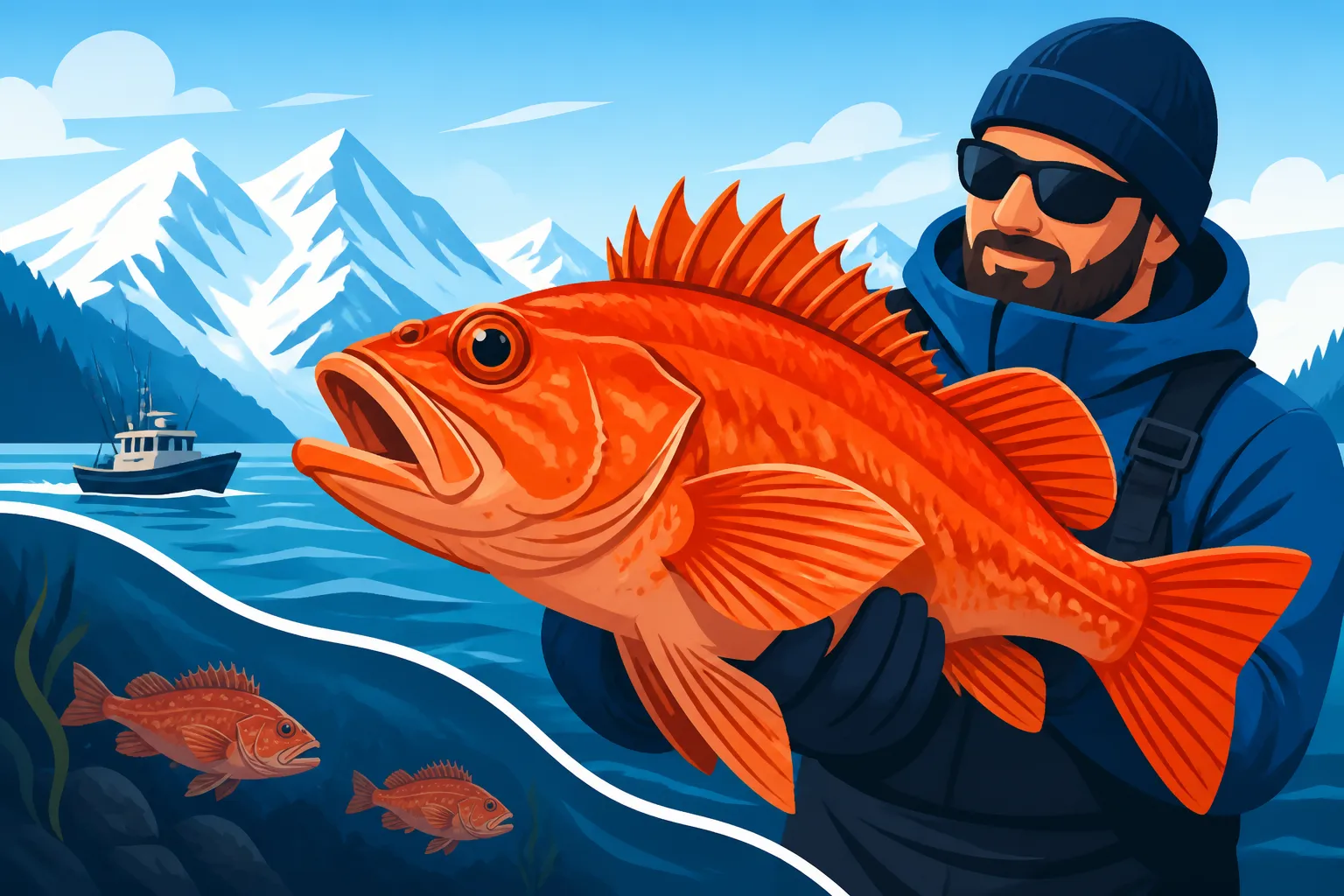
One of the most frequently encountered and highly prized rockfish is the Yelloweye Rockfish, often affectionately called "red snapper" due to its striking reddish-orange color, large eyes, and delectable white meat. These magnificent fish are long-lived and can grow quite large, making them a trophy catch for many. However, their slow growth rate also means they are particularly vulnerable to overfishing, leading to stricter regulations in many areas. Another common catch is the Black Rockfish, a more uniformly dark-bodied fish often found closer to shore and in shallower waters, sometimes even schooling in kelp forests or around rocky reefs. They're known for putting up a good fight and are a fantastic table fare.
Then there are species like the China Rockfish, identifiable by its mottled dark and light coloration and a distinct yellow band running along its lateral line. Copper Rockfish are another beautiful species, typically copper-colored with lighter patches and often found around rocky structures. You might also encounter Quillback Rockfish, recognized by their high dorsal fins with deeply incised membranes, and the more vibrant Tiger Rockfish, with their striking reddish-orange and black stripes. While less common for recreational anglers, deep-water species like the Rougheye and Shortraker Rockfish also contribute to Alaska's incredible rockfish diversity, living in extreme depths and growing to impressive sizes over many decades. Each of these species adds to the rich tapestry of Alaska's saltwater fish species and offers a different challenge and reward for the angler.
Distinguishing Features and Identification
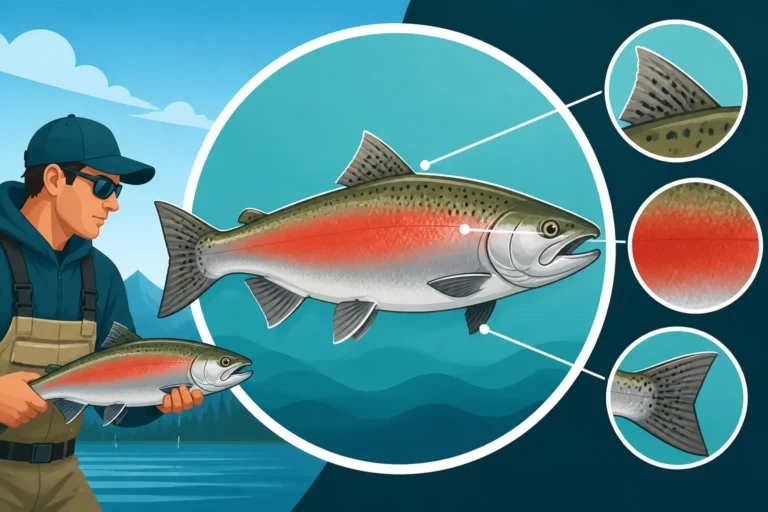
Accurately identifying the rockfish you've caught is crucial, not just for bragging rights, but primarily for adhering to specific regulations, as some species have different bag limits or size restrictions. While many rockfish share a similar torpedo-shaped body and large eyes, there are key visual cues that can help you tell them apart.
Let's take the Yelloweye Rockfish again: its bright orange-red body, rough scales, and distinct yellow eyes are usually unmistakable. Pay attention to the spines on its head—they’re generally pronounced. Black Rockfish, in contrast, typically have a more streamlined body, dark gray to black coloration, and often a mottled pattern on their sides. Their fins are usually dark, and they lack the bright yellow or orange hues of their deeper-dwelling cousins. If you're looking at a China Rockfish, that bright yellow stripe that extends from the dorsal fin to the tail is your best bet for identification. Copper Rockfish, as their name suggests, often have a coppery sheen, but also look for a light patch or two on their sides, often beneath the dorsal fin.
A great way to ensure proper identification, especially if you're new to rockfish, is to carry a fish identification guide or a high-quality fishing app on your phone. Many experienced charter captains will also be able to quickly identify your catch and explain the distinguishing features. Remember that coloration can sometimes vary slightly based on depth and individual fish, but the core anatomical features remain consistent. Paying close attention to fin shape, scale patterns, and the presence or absence of specific markings will turn you into a rockfish ID expert in no time.
Where Rockfish Call Home: Habitat and Behavior
Understanding where rockfish live and how they behave is fundamental to successful angling. These fish are masters of their environment, perfectly adapted to their rocky, often deep-water homes. Knowing their preferences can significantly increase your chances of finding and catching them.
Preferred Depths and Structures
As their name implies, rockfish absolutely love structure. They are demersal fish, meaning they live on or near the bottom, often in close proximity to rocky reefs, submerged pinnacles, kelp forests, and wrecks. These structures provide them with both shelter from predators and ambush points for prey. The depth at which you find them, however, varies significantly by species and location.
For example, Black Rockfish are often found in relatively shallower waters, from nearshore kelp beds down to about 200 feet, making them accessible to a wider range of anglers, including those fishing from smaller boats or even from shore in certain areas. They thrive in rocky outcroppings where they can dart in and out, ambushing baitfish. Yelloweye Rockfish, on the other hand, typically inhabit much deeper waters, usually from 200 to over 600 feet, congregating around prominent underwater pinnacles, ledges, and deep reefs. These deep-water environments present unique challenges for anglers, requiring specialized gear and techniques. Other species like Copper or China rockfish fall somewhere in between, favoring moderate depths around robust rocky formations. The key takeaway is that if you're not fishing near some kind of underwater structure, whether it's a natural reef or a human-made wreck, you're unlikely to find rockfish. They rely on these features for their survival, and finding them on your sonar or depth sounder is usually the first step to locating a productive rockfish spot.
Feeding Habits and Predatory Instincts
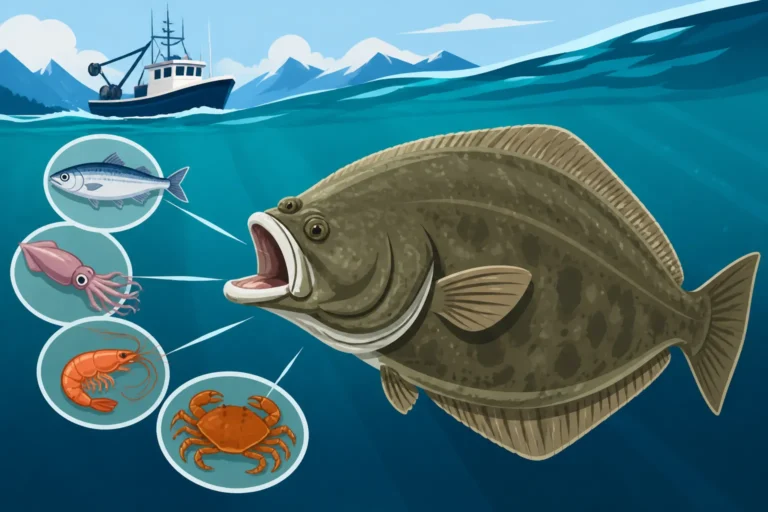
Rockfish are opportunistic predators, meaning they'll eat just about anything that comes within striking distance and fits in their mouth. Their diet primarily consists of smaller fish, crustaceans, and cephalopods, reflecting the abundance of prey items in their diverse habitats. Understanding what they eat helps you choose the most effective baits and lures.
In shallower waters, Black Rockfish are often observed preying on small baitfish like herring, sandlance, and juvenile salmon. They'll also snatch up shrimp and squid if the opportunity arises. This makes them responsive to a variety of artificial lures that mimic these prey items. Deeper-dwelling species like Yelloweye Rockfish have a similar diet, but their menu might lean more towards larger bottom-dwelling fish, deep-water shrimp, and various types of squid, given their environment. They are ambush predators, often lurking motionless within rock crevices or near ledges, waiting for an unsuspecting meal to swim by. When they strike, it's typically quick and powerful. This predatory behavior means that presentations that involve jigging, dropping bait right into their strike zone, or slowly trolling past structure tend to be highly effective. The key is to present your offering in a way that looks like a natural, easy meal, mimicking the local forage they are accustomed to pursuing.
Mastering the Catch: Techniques for Alaska Rockfish
Now that we understand a bit more about what rockfish are and where they live, let's dive into the exciting part: how to catch them! Fishing for rockfish in Alaska requires specific techniques and gear, especially when targeting the deeper species.
Effective Fishing Methods
Successfully catching rockfish often boils down to getting your offering down to their preferred depth and structure and presenting it in an enticing way. There are several tried-and-true methods that anglers employ in Alaska.
Jigging is perhaps one of the most popular and effective techniques, particularly for deeper-dwelling rockfish like yelloweye. This involves using heavy metal jigs, often in the 8-16 ounce range (or even heavier in strong currents), dropped directly to the bottom. Once on the bottom, the angler will sharply lift and drop the rod tip, causing the jig to "dance" or "flutter" through the water column, mimicking a wounded baitfish or squid. The retrieve doesn't have to be fast; often, a slow, methodical jigging motion with pauses is what triggers a strike. Many anglers will tip their jigs with a piece of bait, like a herring fillet or a grub, to add scent and appeal. This method is incredibly versatile and allows you to cover different depths quickly if you're searching for fish.
Bottom Fishing with Bait is another highly effective strategy. This involves using a weighted rig, typically a "slider" or "spreader" rig, with one or more baited hooks presented near the bottom. Fresh bait is key here, with herring, squid, octopus, or even chunks of salmon belly being excellent choices. The idea is to drop your bait directly into a rocky area where rockfish are known to hide. Once on the bottom, letting the bait sit for a few moments, or imparting a slow, gentle lift and drop, can entice a bite. This method is particularly effective when fish are less active or in areas with very strong currents where jigging might be difficult to maintain proper depth. For those new to deep-water fishing, you can find various pre-rigged options on Amazon that simplify setup, like dropper loop rigs with heavy sinkers.
Drift Fishing can also be productive, especially in areas with moderate currents where you can cover more ground. The boat drifts over rocky structures, allowing your jigs or baited rigs to sweep across potential holding areas. This method is great for locating schools of fish, particularly Black Rockfish, which might be more scattered. Regardless of the method, precision is key. You need to know where the structure is, use your electronics to stay on top of it, and adapt your weight and technique to the current and depth.
Essential Gear and Tackle for Success
Having the right gear is paramount when targeting Alaska rockfish, especially the larger, deeper species. You're dealing with heavy weights, strong currents, and fish that live in challenging environments, so your equipment needs to be robust and reliable.
For rods, you'll want something sturdy with a fast to moderate-fast action and a heavy power rating. A 6'6" to 7'6" boat rod designed for jigging or bottom fishing is ideal. Look for rods rated for 50-100 lb test line and capable of handling lure weights up to 16-24 ounces. Brands like Ugly Stik or Penn offer durable, affordable options that can stand up to the rigors of saltwater fishing. For reels, a high-quality conventional reel (often called a "star drag" or "lever drag" reel) is almost always preferred over a spinning reel for deep-water rockfishing. You'll need a reel with a strong drag system and a high line capacity, capable of holding at least 300-400 yards of 50-80 lb braided line. Braided line is highly recommended because it has virtually no stretch, allowing you to feel even the subtlest bites in deep water and making it easier to set the hook. A top-tier option for a conventional reel could be a Penn Squall or a Shimano Tekota.
Terminal tackle is also critical. Heavy-duty swivels, snaps, and appropriate leader material are essential. Fluorocarbon leader in the 60-100 lb range is common, providing abrasion resistance against sharp rocks and fish teeth. Hooks should be strong, sharp, and sized appropriately for the bait and target species, typically 6/0 to 9/0 circle hooks for bait fishing, or sturdy J-hooks if allowed by regulations for certain methods. For jigs, choose reputable brands known for quality and durability, like P-Line, Gibbs, or even some of the more affordable options available on Amazon if you're just starting out, but always check reviews for quality. And don't forget the sinkers! You'll need a variety of lead weights, ranging from 8 ounces for shallower depths to 24 ounces or more for deep water or strong currents, to ensure your presentation reaches the bottom effectively. Investing in quality gear pays off in fewer lost fish and a more enjoyable fishing experience.
Prime Times and Locations to Target
While rockfish can be caught year-round in many Alaskan waters, certain times and locations offer better opportunities. Understanding these prime conditions can help you plan a more successful trip.
The peak season for rockfish fishing in Alaska generally aligns with the warmer months, from late spring through early fall (May through September), when weather conditions are more stable, and the fish are typically more active. During these months, baitfish populations are high, and rockfish are actively feeding. However, some deep-water species, particularly Yelloweye, can be targeted even in the colder months, provided the weather allows for safe boating. For Black Rockfish, which often move into shallower areas, early morning and late evening can be particularly productive as they actively feed on baitfish closer to the surface.
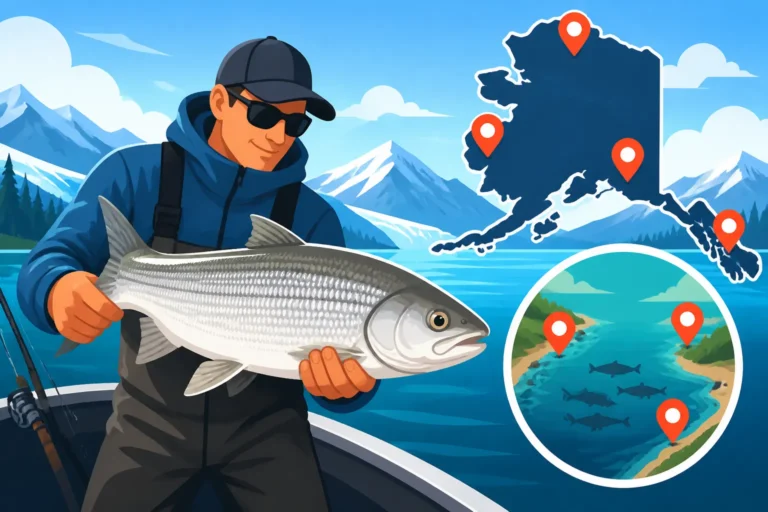
When it comes to locations, anywhere with significant underwater structure along Alaska's extensive coastline is a potential rockfish hotspot. Popular areas include the waters around Seward Alaska Fishing Guide, Homer, and Kodiak in Southcentral Alaska, and the numerous islands and fjords of Southeast Alaska, such as Sitka and Juneau. Specific "hot spots" are often well-known to local charter captains, who spend countless hours scouting new pinnacles, reefs, and ledges. For instance, the waters of Prince William Sound and Resurrection Bay near Seward are famous for their Yelloweye and Lingcod populations, often caught in the same deep, rocky habitats. The islands around Sitka are renowned for their abundant Black Rockfish, often found schooling around the numerous rocky shorelines and kelp forests. Always consult local knowledge, fishing reports, and, if possible, hire an experienced charter captain who knows the specific honey holes for the species you're after. They'll have the specialized electronics to pinpoint these structures and the expertise to get you on the fish.
Navigating the Rules: Rockfish Regulations and Conservation
Fishing for rockfish in Alaska isn't just about catching fish; it's also about doing it responsibly and legally. The Alaska Department of Fish and Game (ADF&G) implements strict regulations to ensure sustainable fisheries, especially for long-lived species like Yelloweye Rockfish. Understanding and adhering to these rules is paramount.
Bag Limits, Size Restrictions, and Seasons
Alaska's rockfish regulations are designed to manage harvest pressure and ensure healthy populations for future generations. These rules can vary significantly by species, region, and even by whether you're fishing on a guided charter or an unguided trip.
For many common species like Black Rockfish, the bag limits are relatively generous, often allowing for several fish per day, and generally no size restrictions apply. However, for species like the Yelloweye Rockfish, regulations are much stricter due to their longevity and vulnerability. In some areas, the daily bag limit for Yelloweye might be as low as one fish per person, or even a zero retention policy if populations are particularly stressed. There might also be annual limits, especially for non-residents. Certain areas or seasons might have complete closures for specific rockfish species to protect spawning aggregations or allow for stock recovery. It's not uncommon for these regulations to be dynamic, changing even mid-season through emergency orders based on biological data and harvest rates. Before heading out, it is absolutely essential to check the current Alaska Fishing Regulations Explained and consult the specific regional regulations for your intended fishing location. Ignorance of the rules is never an excuse, and violations can lead to hefty fines and even loss of fishing privileges. Remember that the goal is not just to catch fish, but to contribute to the long-term health of these incredible fisheries.
The Critical Role of Deepwater Release
One of the most vital conservation tools for rockfish, particularly those caught in deeper waters, is the use of a deepwater release device. This is not just a recommendation; it's often a legal requirement in Alaska for certain species, and it's absolutely critical for the survival of released fish.
When rockfish are brought up from significant depths (generally anything over 60 feet, but especially beyond 100 feet), they suffer from barotrauma. This is a physiological injury caused by the rapid change in pressure, leading to the expansion of gases in their swim bladder and other internal organs. You'll recognize barotrauma by distended stomachs, bulging eyes, and fish that float helplessly on the surface. Releasing a fish with barotrauma without a proper device almost guarantees its death. A deepwater release device, such as a weighted clip or an inverted weighted barbless hook, allows you to re-submerge the fish rapidly back to the depth from which it was caught. The increased pressure at depth helps to recompress its swim bladder, allowing it to swim away and survive. Studies have shown a dramatically higher survival rate for rockfish released using these devices compared to those simply tossed back. Understanding and using these tools is covered in detail in our guide on Alaska Rockfish Deepwater Release Device Rules. Every angler fishing for rockfish in Alaska, especially in deeper waters, should have one readily available and know how to use it. Many charter boats will have them onboard, but it's a good idea to familiarize yourself with them.
Practicing Responsible Rockfish Angling
Beyond adhering to regulations and using release devices, responsible rockfish angling encompasses a broader approach to minimize your impact on the fishery and environment. This means thinking about how you fish, not just what you catch.
One aspect is to practice catch-and-release with care, even for fish you don't have to release with a deepwater device. Minimize handling time, use wet hands, and support the fish horizontally to avoid damaging internal organs. If you're targeting Yelloweye Rockfish, consider limiting your efforts once you've retained your legal limit, rather than continuing to fish and risking further incidental catch and release mortality, even with a release device. These fish are slow-growing, and every survival counts. Another responsible practice is to be mindful of your gear. Avoid losing excessive amounts of tackle on the bottom, as lost lines and weights can become ghost fishing hazards. Using lead-alternative sinkers, where practical, can also help reduce environmental impact. Additionally, being aware of and respecting other anglers, wildlife, and the natural beauty of Alaska's coastlines is part of being a good steward. By following these guidelines, we ensure that Alaska's incredible rockfish populations continue to thrive, providing opportunities for future generations to experience the thrill of fishing.
Bringing Home the Catch: Culinary Delights of Alaska Rockfish
While the fight and the challenge of catching rockfish are undeniably rewarding, let's be honest, a big part of the appeal is often what happens after the catch! Alaska rockfish are renowned for their delicious flavor and versatility in the kitchen.
Flavor Profile and Texture
Alaska rockfish are highly regarded among chefs and home cooks alike for their exquisite taste and texture. They offer a delightful culinary experience that stands out among other saltwater fish.
The flesh of most Alaskan rockfish species, particularly the Yelloweye and Copper Rockfish, is flaky, firm, and white. It has a mild, slightly sweet flavor that is not "fishy" at all, making it a favorite even among those who are sometimes hesitant about eating seafood. Black Rockfish also boast excellent, firm white meat, though sometimes their flesh can be slightly less delicate than a Yelloweye's. This firm texture holds up beautifully to various cooking methods, from grilling to frying, baking, or steaming, without falling apart. The lack of a strong fishy taste makes rockfish incredibly versatile, easily absorbing the flavors of marinades, herbs, and spices without being overpowered. It’s often compared favorably to other premium white fish, and for good reason—it’s simply fantastic.
Best Practices for Care and Preparation
To truly enjoy the culinary potential of your Alaska rockfish, proper care from the moment it's caught is essential. A well-cared-for fish will always taste better.
Immediately after catching your legal limit, the fish should be dispatched humanely and bled quickly. Bleeding involves making a cut to the gills or throat and allowing the fish to bleed out, which removes blood from the flesh, resulting in cleaner-tasting fillets. After bleeding, the fish should be immediately placed on ice or in an ice slurry. The colder you keep the fish, the better its quality will be. Never let your catch sit in the sun or in warm water, as this significantly degrades the flesh. Once back on shore, you'll want to process your fish as soon as possible. Filleting rockfish is similar to filleting other round fish. Start behind the gill plate, cut along the backbone, and then carefully remove the rib cage. You can refer to guides like How to Fillet a Halibut for similar techniques on larger fish. Be mindful of the sharp spines on rockfish, especially on the dorsal fin, when handling. After filleting, rinse the fillets with cold water, pat them dry, and then package them for storage. Vacuum sealing is the absolute best method for freezing fish, as it prevents freezer burn and maintains quality for much longer. If you're on a multi-day trip, many towns like Homer or Seward offer professional fish processing and shipping services, ensuring your prized catch arrives home in perfect condition.
Table of Common Alaska Rockfish Species and Characteristics
To help you keep track of the different rockfish you might encounter, here's a quick overview of some of the most common species found in Alaskan waters.
| Species | Common Depths | Key Identification Features | Average Size | Culinary Quality | Conservation Status |
|---|---|---|---|---|---|
| Yelloweye | 200-600+ feet | Bright orange-red, yellow eyes, rough scales, stout body | 20-36 inches, 10-25 lbs | Excellent | Vulnerable, strict limits, deepwater release mandatory |
| Black | 0-200 feet | Dark gray to black, often mottled, streamlined, dark fins | 15-25 inches, 2-10 lbs | Excellent | Stable, more liberal limits |
| Copper | 50-300 feet | Coppery body, often with light patches, spiny dorsal fin | 15-20 inches, 2-8 lbs | Excellent | Stable |
| China | 0-400 feet | Dark body with distinct yellow stripe along lateral line | 12-18 inches, 1-5 lbs | Excellent | Stable |
| Quillback | 0-600 feet | Mottled brown/orange, high dorsal fin with incised membranes | 10-20 inches, 1-7 lbs | Good | Stable |
| Tiger | 100-600 feet | Orange-red with dark, vertical stripes (tiger-like) | 15-24 inches, 3-10 lbs | Excellent | Stable, less common in angler's catch |
Remember, always consult the most current ADF&G regulations for precise bag limits and size restrictions, as these can change regionally and seasonally.
Disclaimer
The information provided in this guide is for general informational purposes only and is not intended to be a substitute for consulting official Alaska Department of Fish and Game (ADF&G) regulations. Fishing rules and emergency orders can change frequently. Always check the current ADF&G sport fishing regulations for the specific area and species you plan to fish before heading out. Failure to comply with regulations can result in fines and penalties.