Alaska Fishing in August: What’s Biting
Trying to figure out what fish are biting in Alaska during August can feel like a guessing game, especially with so many species and varying run timings. It's a common frustration when you've planned a trip to the Last Frontier, only to wonder if you've hit the sweet spot for your target fish. This comprehensive guide is here to cut through that confusion, revealing the best fish to target and the strategies you'll need for an unforgettable angling adventure in Alaska during one of its most dynamic fishing months.
Why August is a Prime Month for Alaska Fishing Adventures
August in Alaska is a magical time, signaling the late summer transition. The long, glorious daylight hours of June and July begin to gently recede, but the weather often remains mild and predictable, creating ideal conditions for both freshwater and saltwater angling. What makes August particularly special is the incredible diversity of fishing opportunities; it's a month where you can experience the tail end of some incredible runs and the peak of others, making it a fantastic time for anglers seeking variety.
The Dynamic Transition of Salmon Runs
As summer progresses, the salmon runs in Alaska unfold like a carefully choreographed natural phenomenon. August sits right in the middle of this progression, meaning you'll catch the very end of some legendary runs while witnessing the explosive peak of others. Early August might still offer a shot at late-run King (Chinook) Salmon in certain rivers, though their peak generally passes by mid-July. Sockeye (Red) Salmon runs, which are often the most prolific, are typically winding down in major rivers like the Kenai and Kasilof, but smaller, later runs can still provide incredible action.
However, August truly shines as the prime time for Silver (Coho) Salmon, which are renowned for their acrobatic fights and aggressive takes. Pink (Humpy) Salmon also flood the rivers in staggering numbers, especially in even-numbered years, providing constant action for anglers of all skill levels. Chum (Dog) Salmon, often underestimated, are also present in good numbers and put up a formidable fight. This transition means you get to experience different types of salmon fishing within the same month, offering a truly diverse experience.
Favorable Weather and Water Conditions
One of the often-overlooked benefits of August fishing in Alaska is the generally more stable weather patterns. While no one can guarantee sunshine in Alaska, August often brings fewer torrential downpours compared to June, and the intense heat waves sometimes seen in July begin to mellow. Water levels in rivers tend to stabilize after glacial melt peaks earlier in the summer, leading to clearer, more fishable conditions. The ocean, too, can be calmer, making for more comfortable halibut and rockfish charters.
These stable conditions mean less time battling the elements and more time focused on fishing. It also means you can often explore a wider range of locations and techniques without being hampered by rapidly changing river flows or rough seas. This balance of plentiful fish and agreeable conditions makes August a top choice for many veteran Alaska anglers.
Salmon Species Thriving in August's Waters
When August rolls around, the focus for many salmon anglers in Alaska shifts dramatically. While the massive King and Sockeye runs of early summer might be fading, a new cast of characters takes center stage, offering some of the most exciting and consistent salmon fishing of the entire season.
Silver Salmon Coho Frenzy
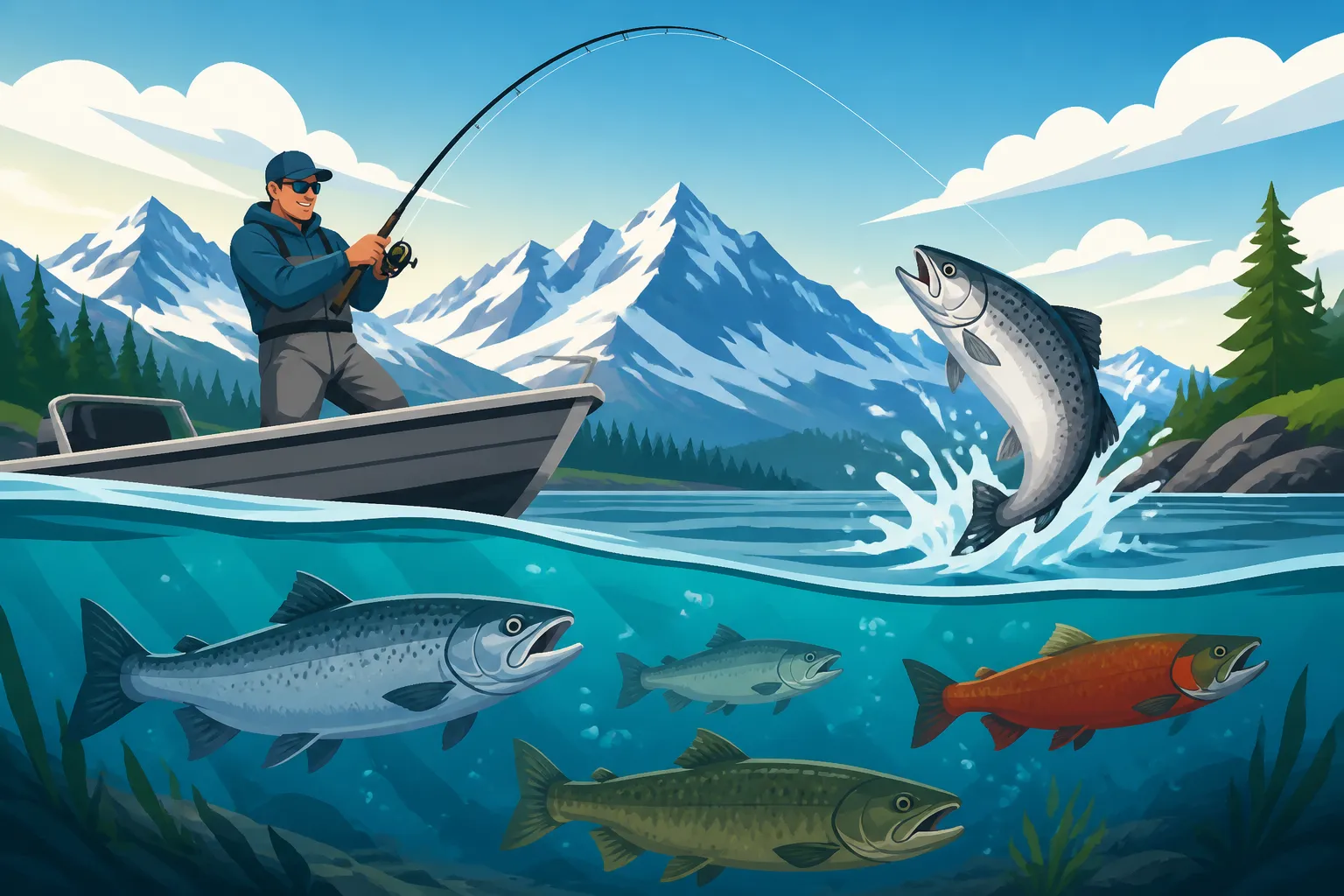
If there's one salmon species that defines August in Alaska, it's the Silver Salmon, also known as Coho. These fish are absolute powerhouses, famous for their incredible aerial acrobatics and relentless runs once hooked. They're typically smaller than King Salmon but make up for it with sheer fighting spirit, often leaping clear out of the water multiple times during a retrieve. Coho begin to arrive in earnest in mid-July in many areas and really hit their stride throughout August and into September.
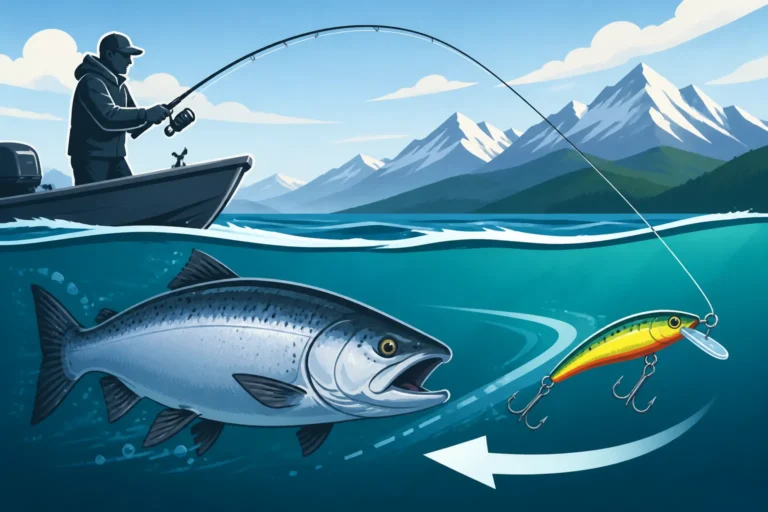
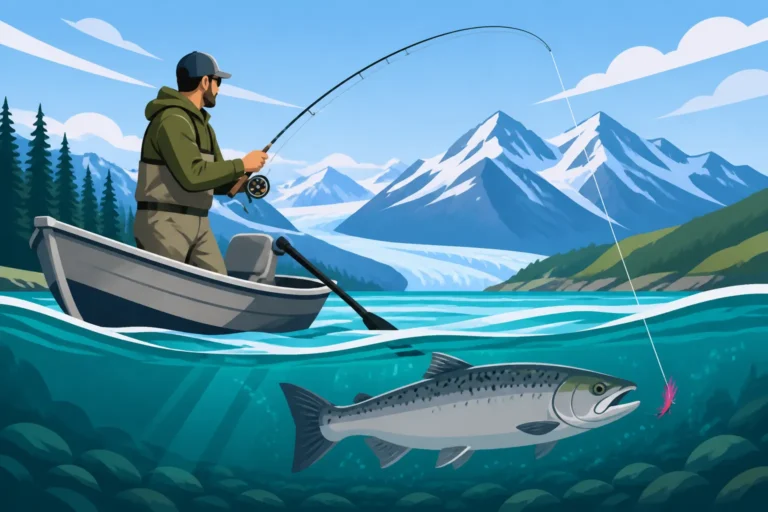
You'll find fantastic Coho fishing in rivers all across Southcentral and Southeast Alaska. The lower Kenai River and Kasilof River are prime spots, as are the Mat-Su Valley rivers like the Little Susitna, Deshka, and Susitna itself. Further south, the streams around Sitka, Ketchikan, and Juneau absolutely swarm with Silvers. Anglers targeting Coho often use brightly colored spinners like Pixee Spoons or Vibrax spinners, or flesh flies and egg patterns for fly fishing. For those using bait, cured salmon roe is incredibly effective. Because of their aggressive nature, learning How to Catch Silver Salmon in Alaska is a highly rewarding pursuit, providing constant, thrilling action whether you're fishing from a boat or the bank.
Pink Salmon Humpies Abundance
In even-numbered years (like 2024, 2026, etc.), Pink Salmon, affectionately known as "humpies" due to the pronounced dorsal hump males develop during spawning, invade Alaskan waters in unbelievable numbers during August. While they don't grow as large as Kings or Silvers, their sheer abundance makes them an incredible target for constant action, especially for families and beginner anglers. You can often literally see schools of them moving upriver, creating a palpable excitement.
Pink Salmon are found in nearly every coastal river and stream in Alaska during their run. They are not picky eaters and will strike at small, bright spinners, spoons, or flies. Chartreuse and pink are often killer colors. They offer a steady pull and are a great way to introduce kids to the thrill of fishing. While some anglers overlook them, a fresh-caught Pink Salmon can be delicious, especially when smoked or grilled, and the sheer volume of fish makes for an unforgettable experience.
Chum Salmon Dog Salmon Opportunities
Chum Salmon, often called "dog salmon" due to their canine-like teeth, also make strong runs throughout August. While not as prized for their table fare as Kings or Sockeye, Chums are powerful, hard-fighting fish that will test your gear and your muscles. They put up a dogged fight (pun intended) and can be incredibly rewarding to catch. They are generally larger than Pinks and often overlap in their run timing and locations, so you might find yourself catching both while targeting other species.
Chums will often hit the same gear as Pink and Silver Salmon – bright spinners, spoons, and flies. Chartreuse, purple, and black are popular colors. Many rivers that see Coho runs will also have strong Chum runs, including rivers in the Mat-Su Valley and throughout Southeast Alaska. Don't underestimate the fight a good-sized Chum can put up; they are often stronger than you'd expect, making for a truly memorable battle on the line.
Late Season Sockeye and King Salmon
While the peak of the Alaska King Salmon Fishing Regulations and Limits and Sockeye Salmon runs is generally earlier in the summer, August can still offer limited opportunities, particularly for late-run Sockeye in certain systems. Some rivers might have a late push of Sockeye, and if you're lucky, you might even encounter a "feeder King" or a late-returning Chinook, though these are typically not the primary targets.
Always, always check the current Alaska Fishing Regulations Explained and How to Check Alaska Emergency Orders Before Fishing. Alaska's fisheries are dynamically managed, and regulations can change quickly based on run strength. For example, specific sections of the Kenai River might have different Sockeye limits in August, or certain King Salmon fisheries might open or close. Knowing the local rules, including the Alaska Sockeye Daily Limit by River, is paramount to a successful and legal trip.
Beyond Salmon: Other Amazing Catches in August
While salmon often steal the spotlight in Alaska, August offers a fantastic array of other fish species that are prime for targeting. From the deep-sea monsters to the wily freshwater residents, there's something for every angler looking for a different kind of fight.
Giant Halibut Action in Saltwater
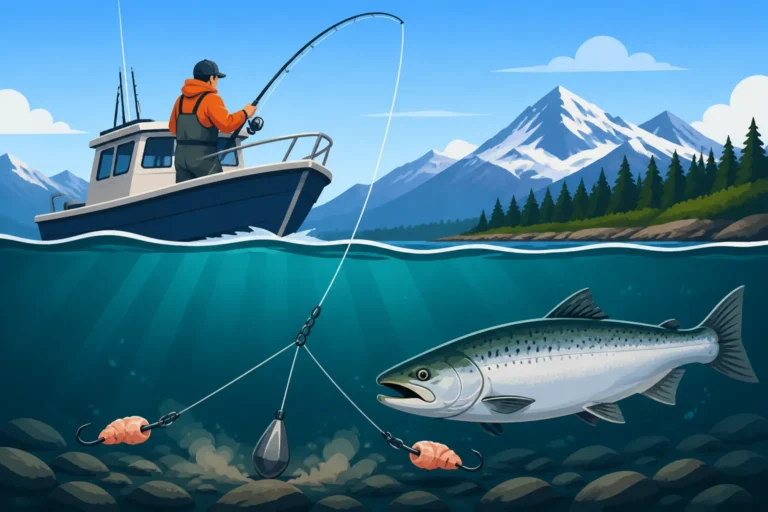
August is prime time for Pacific Halibut, often called "barn doors" when they get truly massive. These flatfish are legendary for their size and delicious white meat. Fishing for halibut means heading out into the saltwater, often on a charter boat from coastal towns like Homer, Seward, or Valdez. Charters typically depart early in the morning, heading to deep, productive fishing grounds. The method usually involves dropping heavy lead jigs or bait (like herring, salmon heads, or octopus) down to the seafloor, sometimes hundreds of feet deep.
The fight of a large halibut is less about acrobatics and more about brute strength, often described as "pulling up a wet piece of plywood." It's a true test of endurance! Many charters will provide all the necessary heavy-duty gear, but it's always good to check. Be sure to understand the Alaska Halibut Charter Regulations Explained, as rules for guided anglers can differ from unguided trips, especially concerning size and bag limits. When you're dreaming of reeling in a monster, August is an excellent time to make that dream a reality.
Freshwater Trout and Char Feeding Frenzy
As salmon finish spawning and begin to die off in the rivers, a fantastic opportunity arises for freshwater anglers targeting Rainbow Trout and Dolly Varden. These fish, especially the larger "leopard rainbows," will gorge themselves on salmon eggs and flesh, putting on weight for the winter. This post-spawn feeding frenzy makes August and September some of the best months for targeting these aggressive, beautiful fish.
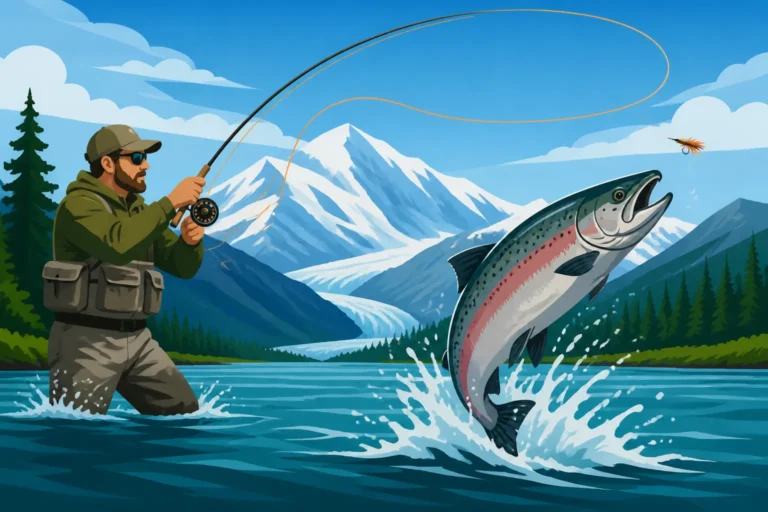
Rivers like the Kenai and Russian River, famous for their Sockeye runs, become prime trout territory once the salmon have moved through. You'll find superb fishing in the Upper Kenai River and its tributaries, often with catch-and-release rules in specific areas to protect these valuable fish. Fly anglers will have a field day drifting bead patterns that imitate salmon eggs or flesh flies. Spin anglers can also find success with small spinners or soft plastics that mimic eggs. Checking the Alaska Rainbow Trout Regulations for specific river sections is crucial, as some areas have special gear or catch-and-release requirements. Dolly Varden, a type of char, are also abundant and will hit similar presentations, offering beautiful colors and spirited fights.
Lingcod and Rockfish Opportunities
For saltwater anglers looking for more variety beyond halibut, August is also excellent for Lingcod and various species of Rockfish. Lingcod are ferocious predators with sharp teeth and an aggressive strike, often found around rocky pinnacles and reefs in deeper saltwater. They provide a powerful, bulldog-like fight and are superb eating.
Rockfish, which come in a wide array of colors and sizes (like Yelloweye, Black Rockfish, and China Rockfish), are also plentiful. They are often caught while jigging for halibut or specifically targeted in rocky areas. It's incredibly important to use a descending device when releasing rockfish caught from deep water, as they often suffer from barotrauma. Many charters provide these devices, or you can pick one up from an outdoor retailer like those available on Amazon. Catching these diverse bottom dwellers adds another layer of excitement to your August saltwater adventure.
Essential Tips for August Fishing Success
Making the most of your Alaska fishing trip in August involves more than just knowing what's biting; it's about being prepared, understanding the local nuances, and having the right gear. Alaska's wilderness demands respect and readiness.
Essential Gear for August Conditions
Alaska's weather is famously unpredictable, even in August. You might start your day in sunshine and end it in a downpour. Layering is key! Pack waterproof and windproof outerwear – a good rain jacket and pants are non-negotiable. Many anglers find durable, breathable options online. For instance, you can find excellent Frogg Toggs rain gear or Redington waders on Amazon, which are highly recommended for staying dry and comfortable. A warm hat, gloves, and insulating layers like fleece are also vital, especially for early morning starts or boat trips. Don't forget polarized sunglasses to reduce glare and help spot fish, a good pair of waterproof boots, and perhaps even chest waders if you plan on significant bank or wade fishing. Investing in quality gear, like a reliable headlamp, can make all the difference. For a more comprehensive overview, consult an Alaska Fishing Gear and Tackle Guide.
| Species | Primary August Timing | Preferred Techniques | Key Lures/Bait | General Location Focus |
|---|---|---|---|---|
| Silver (Coho) | Mid-Aug to Sept | Spin Fishing, Fly Fishing, Trolling | Spinners, Spoons, Flies, Roe | Kenai, Kasilof, Mat-Su, SE AK |
| Pink (Humpy) | Mid-July to Mid-Sept (Even Years) | Spin Fishing, Fly Fishing | Small Spinners, Spoons, Flies | Most Coastal Rivers |
| Chum (Dog) | Mid-July to Mid-Aug | Spin Fishing, Fly Fishing | Spinners, Spoons, Flies, Roe | Mat-Su, Kasilof, SE AK |
| Halibut | May to Mid-Sept | Bottom Fishing, Jigging | Herring, Cod, Jigs | Homer, Seward, Valdez, Sitka |
| Rainbow Trout | Aug to Sept | Fly Fishing, Spin Fishing | Beads, Egg Patterns, Small Spinners | Kenai, Russian, Bristol Bay Rivers |
| Dolly Varden | Aug to Sept | Fly Fishing, Spin Fishing | Beads, Egg Patterns, Small Spinners | Kenai, Russian, Bristol Bay Rivers |
| Lingcod | July to Sept | Jigging, Bottom Fishing | Large Jigs, Live Bait | Offshore, Rocky Reefs (SE AK, Cook Inlet) |
| Rockfish | May to Sept | Jigging, Bottom Fishing | Small Jigs, Bait | Offshore, Rocky Reefs (SE AK, Cook Inlet) |
Key Fishing Techniques for August
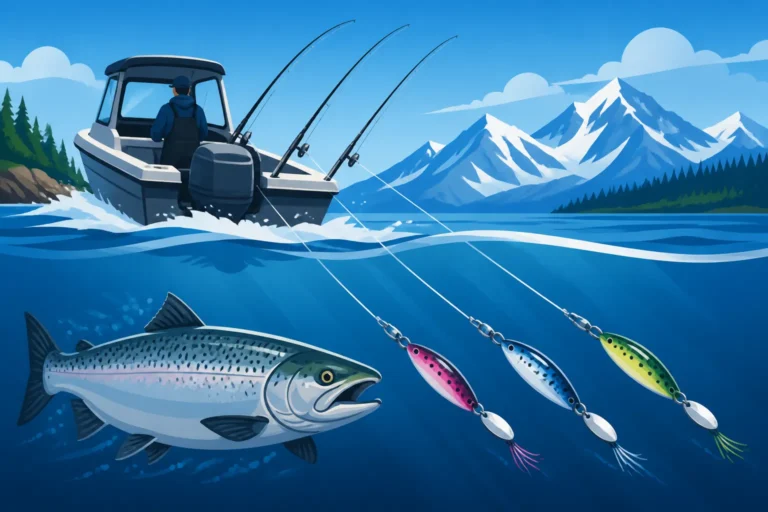
The techniques you'll employ in August will vary significantly depending on your target species and location. For river salmon like Coho, drift fishing with bait (cured roe is a favorite), lures (spinners, spoons), or flies is incredibly effective. Drift Fishing in Alaska: How-To Guide can provide more in-depth information. Back-trolling with Kwikfish or similar plugs can also entice aggressive Silvers.
For Halibut, Bottom Fishing in Alaska: How-To Guide is the name of the game. This typically involves using heavy gear to drop bait or large jigs to the ocean floor. Jigging with large metal jigs is also very productive. For trout and char in freshwater, especially when they're feeding on salmon eggs, fly fishing with bead patterns or small nymph imitations can be deadly. Spin anglers can use small spinners or soft plastic egg imitations. Flexibility in your technique, or being prepared to switch tactics, will greatly increase your success.
Navigating Regulations and Emergency Orders
This cannot be stressed enough: Alaska's fishing regulations are complex and can change frequently, especially during peak season. Before you even cast a line, you absolutely must check the current regulations for the specific area and species you plan to target. The Alaska Department of Fish and Game (ADF&G) publishes annual regulation booklets, but Alaska Fishing Emergency Orders Explained can supersede these rules on a moment's notice.
Always check the ADF&G website or call their local offices for the latest information. Many experienced anglers use the ADF&G website or dedicated apps to check How to Check Alaska Emergency Orders Before Fishing before heading out each day. Pay close attention to bag limits, annual limits (especially for non-residents targeting King Salmon), size restrictions (like the "reverse slot limit" for halibut in some areas), gear restrictions (e.g., bait bans, single-hook rules), and special recording requirements. For example, knowing what the Alaska Harvest Record Card Explained is and how to properly fill it out is crucial for reporting your catches of certain species like King Salmon. Being knowledgeable and compliant with regulations not only avoids hefty fines but also helps conserve Alaska's precious fisheries for future generations.
Disclaimer
The information provided in this guide is for general informational purposes only and is subject to change. Fishing regulations in Alaska are dynamic and can be updated at any time by the Alaska Department of Fish and Game (ADF&G). It is the angler's sole responsibility to consult the most current ADF&G regulations and emergency orders for their specific fishing location and target species before engaging in any fishing activities. We are not responsible for any violations or misinterpretations of current regulations.