Best Time to Catch Halibut in Alaska
If you're dreaming of battling a massive "barn door" halibut in the pristine waters of Alaska, you've likely spent countless hours wondering not just where to go, but perhaps even more importantly, when. Trying to pinpoint the absolute best time can feel like a guessing game, especially with Alaska's famously unpredictable weather and varying fish runs. This guide is here to cut through the confusion and give you a comprehensive understanding of exactly when to plan your Alaska halibut fishing adventure to maximize your chances of a truly epic catch.
Understanding Alaska's Halibut Fishing Seasons
Deciphering the optimal time to target halibut in Alaska isn't as simple as picking a random month. There's a dynamic interplay of biological cycles, weather patterns, and even regulatory nuances that influence when these bottom-dwelling giants are most accessible and active. Knowing these underlying factors will not only help you plan but also manage your expectations for your Alaskan fishing journey.
General Season Overview
The sport fishing season for Pacific Halibut in Alaska typically kicks off in May and can extend well into September, sometimes even into early October in certain areas. This roughly five-month window is when charter operations are in full swing and most recreational anglers are out on the water. Early in the season, particularly May, the halibut are often hungry and aggressive after the long winter, though they might be found in slightly shallower waters before dispersing. As the season progresses into summer, the fish move to their deeper feeding grounds, becoming more spread out but often larger.
It's crucial to understand that while the general season is long, specific charters or regions might have slightly different operational dates. Many charter boats begin running scheduled trips by mid-May, ramping up significantly by June. The season then gradually winds down as fall approaches and weather conditions become less predictable. Don't forget that if you're planning a trip, you'll need an Alaska Fishing License: Complete Guide to legally cast a line.
Peak Season Explained
For many seasoned anglers and charter captains, the sweet spot for halibut fishing in Alaska truly falls between mid-June and mid-August. This three-month period is often referred to as the "peak season" for several compelling reasons. Firstly, the weather tends to be more stable, offering calmer seas and more comfortable fishing days, although "calm" in Alaska is always a relative term! Secondly, the halibut are typically in their prime feeding patterns, having migrated to abundant feeding grounds to gorge on baitfish, octopus, and other delectable treats. This means they are more likely to strike a well-presented bait or jig.
During these peak months, you're not just looking at quantity, but often quality. This is when the really big "barn doors" – halibut weighing well over 100 pounds – are frequently landed. The longer daylight hours also mean more fishing time, which can be a huge advantage when you're targeting fish that require some patience. However, this peak also means peak popularity, so booking your Alaska Fishing Charters: Complete Guide well in advance is absolutely essential.
Regional Differences in Halibut Activity
Alaska is a vast state, and what holds true for one fishing destination might not be entirely accurate for another. Halibut fishing activity and timing can vary significantly by region.
- Southcentral Alaska (Homer, Seward, Valdez): Areas like Kachemak Bay out of Homer, often called the "Halibut Fishing Capital of the World," tend to have consistent fishing throughout the peak season. Homer is renowned for its reliable halibut grounds and numerous charters. Seward, on Resurrection Bay, also offers excellent deep-sea opportunities, often with opportunities for combo trips targeting salmon and rockfish alongside halibut. Valdez, nestled in Prince William Sound, also offers superb halibut fishing, often slightly later into the season due to its northern latitude. You can learn more about fishing specific locations like the Homer Alaska Fishing Guide and Seward Alaska Fishing Guide for more localized insights.
- Southeast Alaska (Sitka, Juneau, Ketchikan): This region, with its protected waterways and proximity to the open ocean, can offer great halibut fishing earlier and later in the season compared to Southcentral. The deep, nutrient-rich waters here provide a year-round home for halibut, though sport fishing peaks in the summer. Sitka, for instance, is famous for both its salmon and halibut, often seeing strong runs starting in late May. The logistics of fishing Southeast are often different, with many opting for lodge-based or multi-day charter experiences due to the more remote access.
- Western Alaska (Bristol Bay, Kodiak): While more known for its incredible salmon runs, areas around Kodiak Island also offer fantastic halibut fishing. The season here also aligns with the general May-September window, with peak activity mirroring other regions in the mid-summer. These areas can be more rugged and require more specialized planning, but the rewards can be immense.
Understanding these regional nuances is key to planning a successful trip. Your chosen destination might dictate the precise week you should aim for.
Month-by-Month Breakdown for Prime Halibut Fishing
Let's dive deeper into what you can generally expect from halibut fishing each month during Alaska's prime season. Keep in mind that year-to-year variations in weather, bait availability, and fish migrations can always shift things slightly, but these are solid guidelines.
Early Season Prospects: May and Early June
May often marks the start of the halibut season for many operations, and it can be a fantastic time to hit the water if you prefer fewer crowds and eager fish.
- May: Anglers in May often find halibut in shallower waters, sometimes as shallow as 80-150 feet, as they move in from deeper wintering grounds to feed more actively. The fish are usually hungry and aggressive, striking baits with enthusiasm. While the average size might be slightly smaller than the mid-summer giants, trophy fish are still certainly caught. The downside? Alaskan spring weather can be notoriously fickle, meaning more potential for choppy seas or even trip cancellations. Packing appropriate rain gear and layers is crucial if you're venturing out this early. You'll definitely want to ensure you have sturdy, waterproof outer layers, which you can often find a good selection of on Amazon.
- Early June: As June rolls in, the weather usually stabilizes a bit, and the halibut fishing picks up considerably. The fish are becoming more consistent in their feeding patterns and are starting to spread out across their summer feeding grounds. This is a transition period where you might still find fish relatively shallow, but captains will also start targeting deeper banks. Early June offers a great balance of decent weather, active fish, and still somewhat lighter crowds compared to July and August.
Many charters are just getting into their rhythm during this time, and booking a Alaska Halibut Charter Guide early can get you a prime spot.
Mid-Season Bonanza: Mid-June, July, and August
This is the quintessential time for Alaska halibut fishing – the period when most anglers flock to the state hoping for that once-in-a-lifetime catch.
- Mid-June through July: These months are often considered the prime time for halibut fishing across most of Alaska. The weather is generally at its best (though still unpredictable, this is Alaska after all!), and the halibut are abundant and actively feeding. Fish sizes tend to increase, and the chances of hooking into those "barn door" halibut are at their highest. Charters are running daily, and the atmosphere on the docks is electric. Expect more competition for spots and highly sought-after fishing locations. During this period, understanding the Alaska Halibut Charter Reverse Slot Limit and other regulations becomes even more important, especially on guided trips.
- August: August continues the strong fishing trend of July, often still providing excellent opportunities for large halibut. Towards the end of the month, as water temperatures slowly begin to drop and daylight hours shorten, halibut might start their subtle migration towards deeper waters or preparing for wintering. However, early to mid-August remains a fantastic time to fish, often with slightly fewer crowds than the absolute peak of July. The overall size and quantity remain high. This is also when many salmon runs are in full swing, so combination trips are a popular option.
If you're aiming for the biggest fish and the most comfortable weather, mid-June to August is likely your best bet.
Late Season Opportunities: September
While many anglers consider the season winding down by September, this month can still offer some incredible, often overlooked, halibut fishing.
- September: The first half of September can be surprisingly productive, especially for those willing to brave potentially cooler and wetter weather. The crowds thin out considerably, and the halibut that are still around are often large and incredibly hungry as they prepare for the lean winter months. You might find some of the biggest fish of the season in September, although you might have to work a bit harder for them, and they might be in deeper water. The main challenge in September is the weather; rough seas and strong winds become more common, leading to a higher chance of trip cancellations. However, for the hardy angler, September can offer a rewarding experience with less competition and truly magnificent catches. This is also when you'll be putting all your knowledge of How to Catch Halibut in Alaska to the test!
Here's a quick comparison of what you might expect each month:
| Month | Typical Conditions | Halibut Size/Quantity Expectation | Key Considerations |
|---|---|---|---|
| May | Cooler, more unpredictable weather, calmer early | Good quantity, aggressive, average size might be smaller initially | Lighter crowds, potential for weather delays, fish often in shallower water. |
| Early June | Improving weather, increasing daylight | Consistent quantity, increasing average size, aggressive feeders | Good balance of weather, fish activity, and manageable crowds. |
| Mid-June | Stable weather, long daylight hours, warming water | Excellent quantity, high chance of trophy fish, very active | Start of peak season, busy, book charters well in advance. |
| July | Warmest weather, longest daylight, peak tourist season | Peak quantity and size, highest chance for "barn door" halibut | Busiest month, highest demand for charters and accommodations. |
| August | Stable weather, slight cooling towards end | Excellent quantity and size, still high chance for trophy fish | Good alternative to July, slightly fewer crowds, often combined with salmon trips. |
| September | Cooler, wetter, more wind and swell towards end | Fewer but often larger fish, very aggressive feeders | Thinner crowds, higher risk of weather cancellations, requires more patience and resilience. |
Factors Influencing Halibut Fishing Success
Beyond just the calendar month, several other critical factors play a huge role in whether your halibut trip is a success. Ignoring these can lead to a frustrating day on the water, even during the prime season.
The Power of Tides and Currents
Halibut are bottom-dwellers, and their feeding behavior is heavily influenced by the movement of water. Strong tidal currents can create turbulent feeding grounds that disorient baitfish, making them easier targets for halibut. Conversely, currents that are too strong can make it impossible for your bait or jig to reach the bottom and stay there, rendering fishing ineffective.
- Slack Tide: Many experienced anglers swear by fishing around the slack tide (the period of minimal water movement between incoming and outgoing tides). During this time, the current is less intense, allowing your bait to sit perfectly on the bottom without being swept away. Halibut often become more active as they don't have to fight a strong current, making them more likely to investigate your offering.
- Moving Tide: While slack tide is often preferred, a gently moving tide can also be excellent. It disperses scent from your bait, attracting halibut from a wider area. The key is gentle movement – too strong, and you're just drifting your bait across the surface or struggling to reach the bottom.
- Planning Around Tides: Your charter captain will meticulously plan the day around the tide tables. If you're planning a do-it-yourself trip, studying the local tide charts for your chosen Best Halibut Fishing in Alaska location is non-negotiable. Knowing when the tides will slack or move gently can make the difference between a few nibbles and a limit catch.
Weather Conditions and Safety
Alaska's weather is famously unpredictable and can change on a dime, especially out on the open ocean.
- Wind and Swell: High winds can generate significant ocean swell, making for a bumpy, uncomfortable ride, and often making fishing impossible. Most charter captains have strict safety protocols and will cancel or reschedule trips if conditions are deemed unsafe or too rough to fish effectively. It's not just about comfort; it's about being able to maintain proper depth, detect bites, and safely fight a large fish.
- Rain and Cold: While rain doesn't directly deter halibut, it can certainly dampen the spirits of anglers. Be prepared for cold, wet weather, even in summer. Dressing in layers, with a high-quality waterproof outer shell, is essential. You'll find many excellent options for robust rain gear on Amazon that will keep you dry through any Alaskan downpour.
- Visibility: Fog can also be a factor, particularly in coastal areas. While it doesn't stop fishing, it can impact travel to and from fishing grounds and overall navigation. Always trust your captain's judgment regarding weather and safety. They are experts in these waters.
Gear and Technique Considerations
The right gear and technique are paramount for success when targeting halibut.
- Rod and Reel: Halibut fishing demands heavy-duty gear. You'll need stout rods with plenty of backbone and reels with strong drags capable of handling powerful, deep-diving fish. Most charters provide this specialized gear, but if you're bringing your own, ensure it's up to the task.
- Bait and Lures: Herring is a classic and highly effective bait for halibut, often fished on a circle hook near the bottom. Octopus, salmon heads, or even large chunks of cod are also popular. When it comes to artificial lures, heavy jigs (often 12-32 oz or more, depending on depth and current) in bright colors like glow-in-the-dark, chartreuse, or blue-and-white are incredibly effective. Some anglers swear by combining bait with jigs for added attraction. Learning about Best Lures and Bait for Alaska Halibut can significantly boost your success.
- Depth and Structure: Halibut often congregate around underwater structures like pinnacles, ledges, and drop-offs where baitfish are abundant. Knowing how to read a fish finder and understanding bottom topography is crucial. Experienced captains will have their favorite "honey holes" where they know big halibut tend to hang out. Fishing at the correct depth, ensuring your offering is truly on or very near the bottom, is arguably the most critical technique for halibut.
Planning Your Ultimate Alaska Halibut Trip
A successful Alaska halibut fishing trip requires more than just showing up. Thoughtful planning, especially regarding logistics and what to expect, will make all the difference in turning your dream into a reality.
Booking Your Charter
Given the popularity of Alaska halibut fishing, booking your charter well in advance is non-negotiable, especially if you're aiming for the peak season (June-August).
- When to Book: For prime dates in July, many top charters are booked a year or more out. As a general rule, try to book at least 6-12 months in advance. If you're looking at shoulder seasons (May, early June, September), you might find more availability 3-6 months out, but don't gamble too much.
- What to Ask: When choosing a charter, don't be shy about asking questions. Inquire about boat size and amenities, the captain's experience, their typical fishing grounds, what gear is provided, and what is included in the price (e.g., snacks, drinks, fish processing). It's also important to understand Alaska Fishing Charter Cost Explained and what a reputable operator will charge. Confirm their cancellation policy in case of bad weather, and ensure they adhere to all Alaska Halibut Charter Regulations Explained. Many excellent charters can be found by researching online and reading reviews.
Essential Packing for Halibut Fishing
Being prepared for Alaska's conditions is key to comfort and enjoyment.
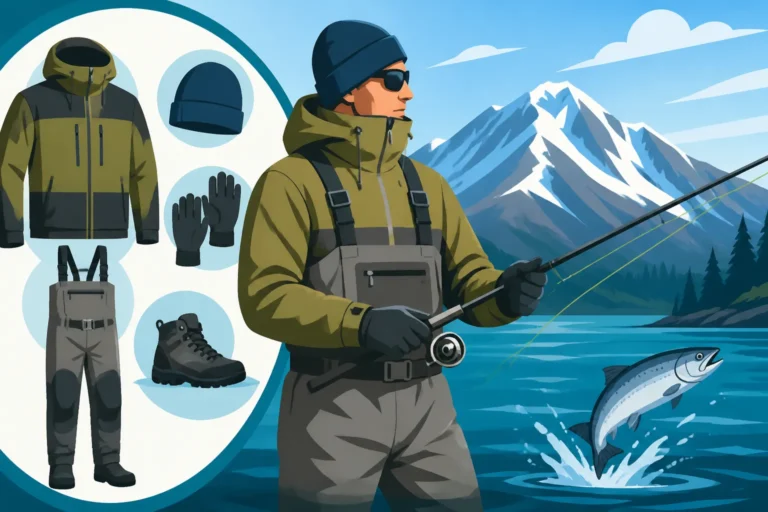
- Layering System: Always dress in layers. Start with a moisture-wicking base layer, add insulating middle layers (fleece or wool), and finish with a completely waterproof and windproof outer shell (jacket and pants). Even on a sunny day, temperatures can drop, and ocean spray is a given.
- Footwear: Waterproof boots with good grip are essential. Deck boots are popular on charter boats.
- Headwear and Handwear: A warm hat (beanie) and waterproof gloves will save you from chilly winds and wet conditions.
- Personal Items: Sunglasses (polarized are great for reducing glare), sunscreen (even on cloudy days, UV is strong), any personal medications, a small waterproof bag for electronics, and a camera to capture your trophy catch.
- Snacks and Drinks: While some charters provide these, it's always wise to bring your own favorites.
- Motion Sickness Medication: If you're prone to seasickness, take preventative medication before you get on the boat. It's far more effective than trying to treat it once symptoms start. You can easily stock up on these essentials on Amazon before your trip.
For a more in-depth guide, check out What to Expect on an Alaska Fishing Charter.
Managing Your Catch
Catching a giant halibut is exhilarating, but then you've got to deal with it! Knowing the process beforehand ensures your hard-earned fish makes it home in prime condition.
- Bag Limits: Be acutely aware of the Alaska Halibut Bag Limits Explained for your specific area and whether you're on a charter. Regulations can change, sometimes in-season via emergency orders, so confirm with your captain. The Alaska Department of Fish and Game (ADF&G) is the authority on this.
- Filleting and Processing: Most reputable charters and fishing lodges offer fish processing services. This typically includes filleting, vacuum sealing, and flash freezing your catch. They are experts at handling large fish efficiently, ensuring your fillets are clean and ready for transport. Learning How to Fillet a Halibut yourself can be a valuable skill, but on a charter, it's usually best left to the pros.
- Shipping Your Catch Home: Once processed, your fish will need to be transported. Many processors offer shipping services, packing your frozen fillets into airline-approved insulated boxes. This can be costly but is often the most convenient way to get your fish home. Alternatively, you can bring your own cooler (often collapsible for convenience) and transport it as checked baggage on your flight. Be sure to check with your airline about their specific policies and weight limits. Understanding How to Vacuum Seal and Ship Alaska Fish is essential for preserving your bounty.
Knowing these steps in advance means you can enjoy the fishing without worrying about the logistics of your delicious reward.
Disclaimer
Please note that fishing regulations in Alaska, including bag limits, seasons, and licensing requirements, are subject to change by the Alaska Department of Fish and Game (ADF&G) at any time, often via emergency orders. It is always the angler's responsibility to check the most current regulations for their specific fishing location and species before heading out. This guide provides general information and should not be considered a substitute for official regulatory documents.