Best Time to Catch Sockeye Salmon in Alaska
It's a common frustration for anglers dreaming of an Alaskan adventure: you want to experience the legendary Sockeye salmon run, but how do you know exactly when to go? Pinpointing the "best time" can feel like a guessing game with so many variables at play. This comprehensive guide will peel back the layers, helping you understand the intricacies of Sockeye salmon migration patterns, regional timing differences, and the crucial factors that influence these highly anticipated runs, so you can plan your trip for maximum success.
Understanding the Alaska Sockeye Salmon Run Calendar
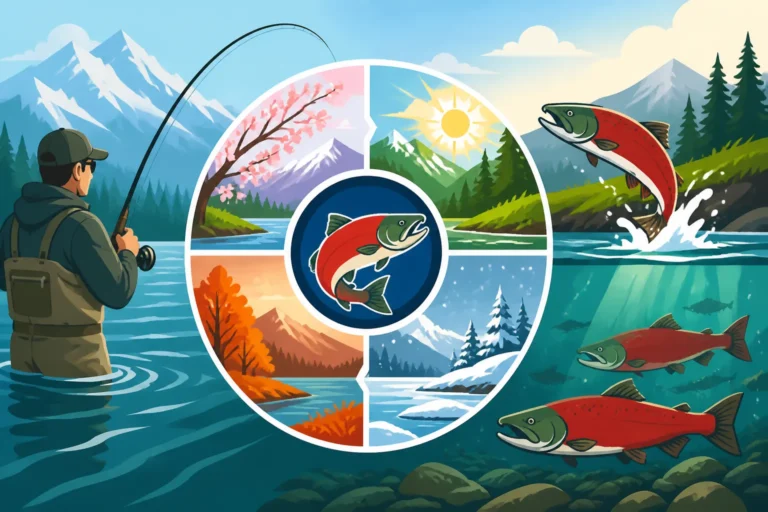
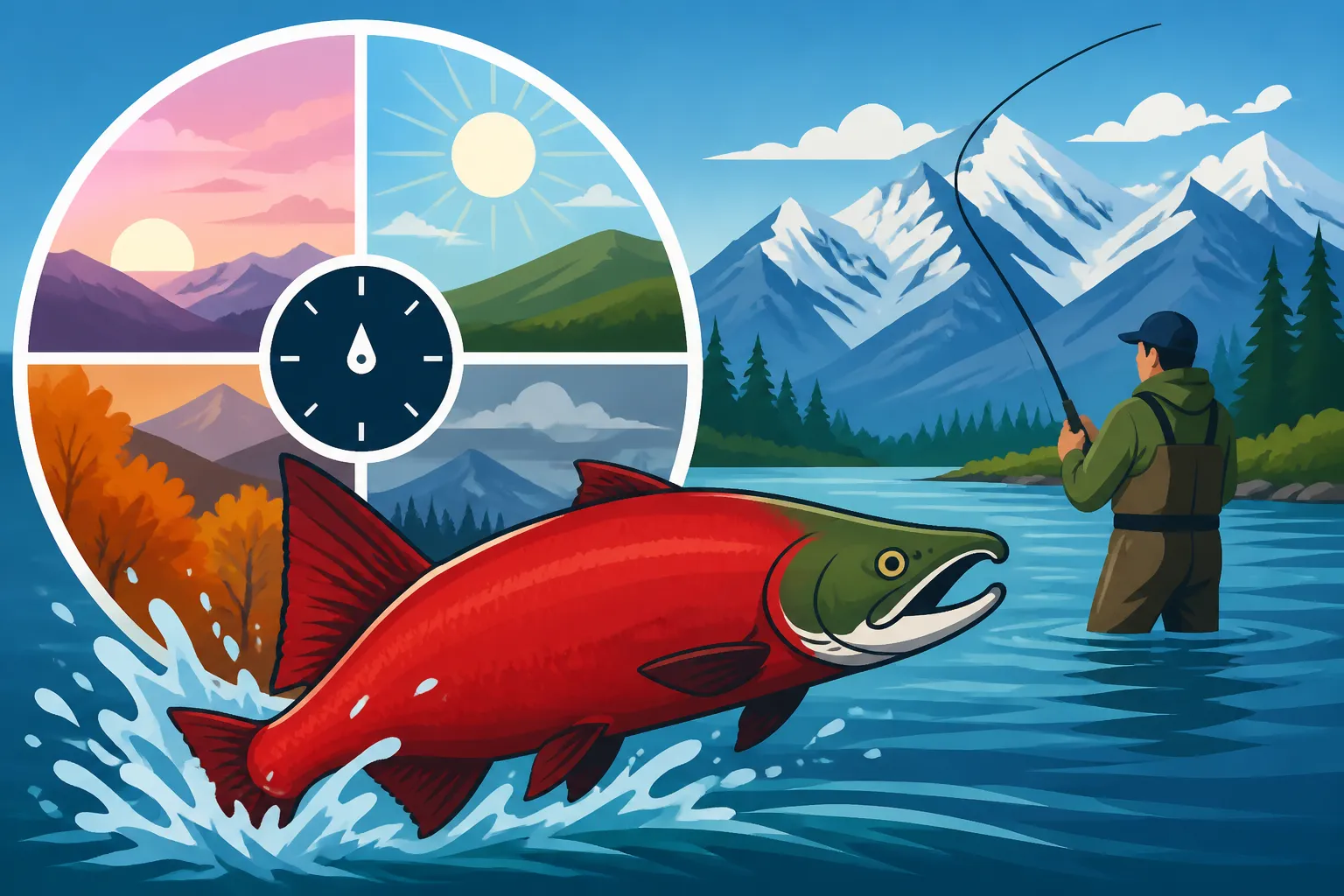
Alaska's Sockeye salmon runs are truly a natural wonder, drawing anglers from around the globe. But unlike a predictable clockwork mechanism, these runs are influenced by a complex dance of environmental factors, meaning the "best time" isn't a single date on a calendar. Instead, it's a window that requires a bit of understanding and flexibility to hit just right.
General Sockeye Season Overview
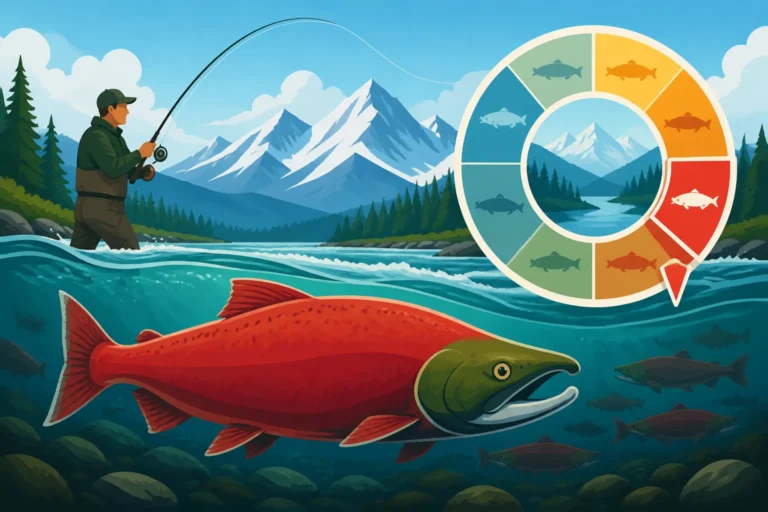
Broadly speaking, you can expect Sockeye salmon to be running in various parts of Alaska from late June through late August. This two-month window encompasses the vast majority of their return to freshwater spawning grounds. The very first Sockeye often start trickling in during the early to mid-June, particularly in rivers with longer migratory paths or warmer water conditions, but these are generally the scouts. The real push, the main body of the run, typically kicks off in late June or early July and can continue with waves of fish well into August.
It's important to remember that Alaska is a massive state, and a Sockeye run in Southeast Alaska's Sitka area might be winding down while the run in Interior Alaska's Copper River system is just getting into full swing, or while Bristol Bay's millions upon millions of fish are hitting their stride. These regional variations are significant, often by weeks, and sometimes even by a full month or more. What you really want to do is target a specific region and then narrow down your timing from there.
Peak Run Timing by Major River Systems
Different river systems across Alaska have distinct Sockeye run timings, influenced by their geographic location, the distance fish need to travel upstream, and specific water conditions. Knowing these general peak windows for popular Sockeye destinations is your first big step in planning.
For instance, the Copper River, famous for its early and highly prized Sockeye, typically sees its main push from mid-May through mid-June. These fish are known for their incredibly rich, red meat due to the long, arduous journey they undertake to reach their spawning grounds. If you're looking to catch these early birds, you'd be looking at a completely different schedule than someone targeting the behemoth runs further north or west.
Moving into Southcentral Alaska, the Kenai River and its tributary, the Russian River, are legendary for their Sockeye fishing. On the Kenai, the first major pulse of Sockeye usually begins in late June and runs strong through mid-July, often referred to as the "first run." After a brief lull, the much larger "second run" typically starts in late July and can continue robustly through mid-August, sometimes even into late August depending on the year. The Russian River, being a tributary, usually sees its fish slightly later than the mainstem Kenai, with the peak often in July. Understanding How to Time the Kenai Sockeye Run specifically can make or break a trip to this iconic river.
Then there’s Bristol Bay, home to the largest Sockeye salmon runs on Earth. Rivers like the Kvichak, Naknek, Alagnak, and Nushagak see astronomical numbers of Sockeye, with runs often numbering in the tens of millions of fish. The sheer volume here is mind-boggling. The peak for many of these Bristol Bay systems is generally from late June through mid-July. This is a time when the rivers literally turn red with fish, offering an unparalleled experience. It's a logistical challenge to fish these remote areas, but the reward is immense.
Let's put some of these variations into a table for easier comparison:
| River System | Primary Fishing Region | General Peak Sockeye Run Timing | Notable Characteristics |
|---|---|---|---|
| Copper River | Southcentral (East) | Mid-May to Mid-June | Very early, rich-fleshed Sockeye |
| Kenai River (1st run) | Southcentral (West) | Late June to Mid-July | Strong, popular run, good for early summer |
| Russian River | Southcentral (West) | Early to Mid-July | Kenai tributary, excellent fly-fishing |
| Bristol Bay Rivers | Southwest Alaska | Late June to Mid-July | World's largest Sockeye runs, millions of fish |
| Kenai River (2nd run) | Southcentral (West) | Late July to Mid-August | Massive run, extremely popular, often very crowded |
| Susitna River Tribs | Southcentral (Interior) | Mid-July to Mid-August | Good for combining with King or Silver salmon |
Each of these systems has its own unique nuances, and local conditions can shift the peak by several days or even a week in any given year. This is why staying informed right up until your trip is absolutely vital. You can dive deeper into specific timings with resources like Alaska Salmon Run Calendar by River.
Factors Influencing Sockeye Run Timing and Strength
Mother Nature is the ultimate boss when it comes to Sockeye salmon runs. While we have general historical patterns, year-to-year variations are the norm, not the exception. Understanding these influencing factors can help you make more informed decisions when planning your trip.
Water Temperature and Snowmelt
One of the most critical environmental factors influencing when Sockeye salmon migrate upstream is water temperature. Salmon are cold-blooded creatures, and their metabolic rates, energy expenditure, and even their drive to migrate are all tied to the water they swim in.
An early, warm spring with rapid snowmelt can lead to rivers swelling quickly and warming up sooner. This often encourages Sockeye to begin their upstream journey earlier in the season. Conversely, a prolonged, cold spring with heavy snowpack can delay the warming of rivers and keep water levels high and cold for longer, pushing the run timing back. These fish are driven by instinct to reach their spawning grounds within a certain window, but they also conserve energy and avoid overly strenuous conditions. Too cold, and they might delay; too warm, and they might rush through certain sections or even "hold" in cooler pockets, making them harder to target.
Heavy snowmelt can also dramatically increase river flow and turbidity (muddiness). While Sockeye are remarkably resilient, exceptionally high and silty water can sometimes slow their migration or make them harder to spot and catch as visibility decreases. A moderate flow with clear, cool water is often ideal for both fish and anglers.
Conservation and Emergency Orders
Alaska takes its salmon conservation seriously, and for good reason—these runs are the lifeblood of the ecosystem and the state's economy. The Alaska Department of Fish and Game (ADF&G) continuously monitors salmon escapement (the number of fish making it to the spawning grounds) throughout the season. They have specific escapement goals for each river system to ensure sustainable populations for future generations.
If run projections or real-time counts indicate that a specific river or even a particular run of Sockeye is not meeting its escapement goals, ADF&G can and will implement emergency orders. These orders can range from reduced bag limits, restricting certain gear types (like requiring single-hook or barbless hooks), to outright closures of certain areas or even entire rivers to sport fishing.
For example, a low King salmon run might lead to a full river closure that coincidentally affects Sockeye anglers due to overlapping fishing areas, even if the Sockeye run itself is strong. Or, if Sockeye escapement is lagging, daily limits might be cut, or fishing hours might be restricted. It's crucial for any angler to check for these emergency orders regularly, especially in the days and weeks leading up to and during their trip. Failing to do so can result in fines and a ruined fishing experience. The official ADF&G website is the authoritative source for these updates, and knowing How to Check Alaska Emergency Orders Before Fishing is non-negotiable for a responsible angler.
Strategies for Timing Your Sockeye Fishing Trip
Given the dynamic nature of Sockeye runs, simply picking a date months in advance and sticking to it rigidly might lead to disappointment. A more strategic approach involves research, flexibility, and tapping into local knowledge.
Researching Run Forecasts and Historical Data
One of the most valuable tools at your disposal is the annual Sockeye run forecast issued by the ADF&G. These forecasts, typically released in late winter or early spring, provide estimates of the number of fish expected to return to major river systems. While these are forecasts and not guarantees, they are based on extensive scientific data, including previous year's escapements, ocean survival rates, and smolt out-migration numbers. They give you a strong indication of whether a particular year is expected to be strong, average, or weak for Sockeye.
Beyond forecasts, looking at historical run timing data can also be incredibly informative. Many river systems have consistent patterns over decades. If a river's Sockeye run historically peaks in the second week of July, it's a good bet that even with annual variations, that general timeframe will be your best shot. Websites dedicated to Alaska fishing, local news outlets, and even social media groups often compile and share this kind of historical data. Remember to consult How to Read Alaska Salmon Run Forecasts to properly interpret the data you find.
Flexibility and Local Knowledge
Even with the best forecasts and historical data, the true secret to timing a Sockeye run often comes down to flexibility. If your travel schedule allows, aiming for a window rather than a single fixed week can dramatically increase your chances of hitting the peak. For instance, instead of booking for July 10-17, consider booking for July 5-20 if possible. This gives you a buffer against early or late runs.
If you're flying in from out of state and have a fixed travel window, then leaning heavily on current, local information is paramount. This is where guides, local tackle shops, and fishing forums become your best friends. They are on the ground, witnessing the runs unfold in real-time. A quick call to a reputable charter operator in Soldotna or Cooper Landing, for example, can provide invaluable insight into how the Kenai River Sockeye are currently performing. These folks live and breathe Alaska fishing, and their daily observations often trump even the most sophisticated long-range forecasts as the season progresses. If you're considering a guided trip, knowing How to Choose an Alaska Fishing Guide wisely means finding someone who is deeply connected to these real-time conditions.
Best Gear and Techniques for Peak Sockeye Runs
Once you've nailed down the best time to go, having the right gear and knowing the most effective techniques will seal the deal for a successful Sockeye fishing trip. Sockeye are unique among salmon in their feeding habits and how they are typically caught by sport anglers in freshwater.
Essential Gear for Sockeye Success
Sockeye salmon, especially when they are fresh from the ocean and charging upstream, are powerful fish. They don't typically strike a lure or fly out of hunger once they enter freshwater; rather, they are provoked into a bite or, more commonly, "flossed" or "flipped" as they migrate in dense schools. This means your gear needs to be robust enough to handle strong current, powerful fish, and the specific techniques required.
You'll want a medium-heavy to heavy-action spinning or casting rod, typically 8.5 to 10.5 feet long. The longer length helps with casting distance and mending line in swift currents. Pair this with a durable spinning reel in the 3000-5000 size range, or a comparable baitcasting reel, spooled with 20-30 pound braided line. Braided line offers superior sensitivity and strength, which is crucial for feeling subtle takes in current and for setting the hook effectively. Many anglers also carry a spool of 20-25 pound fluorocarbon leader material, which is less visible to fish in clear water conditions. You can find excellent options for all of this gear, from brands like Ugly Stik for rods to Penn for reels, readily available on platforms like Amazon.
Waders are practically non-negotiable for most Sockeye fishing in Alaska, particularly on rivers like the Kenai and Russian where you'll be wading to get close to the fish. Neoprene waders are popular for their warmth and durability, especially in the often chilly Alaskan rivers. Don't forget wading boots with good ankle support and felt or rubber soles for traction on slippery river bottoms. A sturdy wading belt is also essential for safety. Check out our Alaska Fishing Gear and Tackle Guide for a more exhaustive list.
Effective Sockeye Fishing Techniques
The primary method for catching Sockeye salmon in most Alaskan rivers is often referred to as "flossing" or "flipping." As Sockeye swim shoulder-to-shoulder upstream, they typically ignore traditional lures or baits. Instead, this technique involves drifting a lead-weighted setup with a short leader and a bare hook (or a small, unbaited fly/bead) through dense schools of fish. The goal isn't necessarily for the fish to "bite" the hook in the traditional sense, but rather for the leader or main line to drift into the fish's mouth, at which point a quick, firm set of the hook embeds it in the corner of the jaw.
Here’s a simplified breakdown:
- Rigging: Attach a 1/2 to 1-ounce lead weight (often a slinky weight or pencil lead) to your main line. Below the weight, tie on a swivel. To the swivel, attach a 12-24 inch leader of 20-25 pound fluorocarbon. Finally, tie a single, barbless octopus hook (size 2/0 or 3/0) to the end of the leader. Sometimes a small, brightly colored bead (like a 6mm or 8mm red or orange bead) is threaded just above the hook, simulating a salmon egg, though many purists prefer a bare hook.
- Casting: Cast your rig slightly upstream and across the current, aiming to land it just beyond where you expect the Sockeye schools to be.
- Drifting: Allow your rig to sink and drift naturally with the current. The goal is to keep your line taut enough to feel the weight bouncing along the bottom, but not so taut that you're dragging it unnaturally.
- Hook Set: As the rig drifts, if you feel a subtle tick, a sudden stop, or a heavy weight that isn't the bottom, set the hook immediately with a sharp, upward sweep of the rod. Many times, you won't feel a distinct "strike" like with other fish; it's more like encountering resistance.
This technique is highly effective when fish are concentrated. It requires a lot of repetition and attention to detail. Regulations often dictate what's allowed, so always check the local Alaska Fishing Regulations Explained and specific emergency orders. While controversial to some, flossing is widely accepted and legal in many parts of Alaska for Sockeye and is often the only truly effective way to catch them during peak runs. You can learn more details about this method in our guide on How to Catch Sockeye Salmon in Alaska and explore the nuances of the debate in Best Technique for Kenai Sockeye: The Flossing Debate. Finding pre-rigged Sockeye leaders and weights is also easy on Amazon if you prefer a ready-to-go setup.
Always remember that Sockeye are tenacious fighters. Once hooked, they will make strong runs and often jump, so a good drag system and patience are key. Keep your rod tip high to maintain tension and tire the fish out. Landing a fresh Sockeye on the bank is a thrill like no other!
Disclaimer
Please be aware that fishing regulations in Alaska, including bag limits, open seasons, and permitted gear, can change frequently due to emergency orders from the Alaska Department of Fish and Game (ADF&G). While this guide provides general information, it is your responsibility to check the most current regulations and emergency orders for your specific fishing location and dates before heading out. Always consult the official ADF&G website or a local licensed vendor for the latest information. Fishing is an outdoor activity with inherent risks; participate safely and responsibly.