Best Time for Salmon Fishing in Alaska
One of the biggest head-scratchers for anyone planning a fishing trip to the Last Frontier is figuring out "when to go." Alaska's salmon runs are legendary, but they don't all happen at once, and missing the peak by even a week can make a huge difference in your success. This guide will meticulously break down the best times for salmon fishing in Alaska, helping you align your visit with the specific species you're dreaming of reeling in.
Decoding Alaska's Salmon Calendar: Understanding the Species and Their Runs
Before we dive into dates, it's crucial to understand that "salmon fishing" in Alaska isn't a monolithic activity. We have five distinct species of Pacific salmon, and each one has its own preferred timing for returning from the ocean to spawn in freshwater rivers and streams. Their migratory patterns dictate when and where you'll find them in fishable numbers. Knowing these individual windows is the key to planning an unforgettable trip.
The Elusive King Salmon (Chinook)
Ah, the King Salmon! Known as Chinook salmon elsewhere, these magnificent fish are often the biggest and most powerful of the Pacific salmon species, earning them the moniker "King." Anglers dream of battling a chrome-bright King in an Alaskan river. Their runs typically kick off the salmon season, making them an early-summer target.
King salmon generally begin their migration into Alaska's major river systems in May, with the runs intensifying through June. Different river systems have slightly staggered peaks; for instance, the Copper River often sees an earlier surge, while the Kenai River's famous late-run Kings can extend into July. They are formidable fighters, often requiring heavy tackle and a good deal of patience and skill to land. The allure of a trophy King, often weighing 30-50 pounds or more, draws anglers from all over the world, but their numbers have seen challenges in recent years, leading to strict regulations and, at times, closures. Always check the latest Alaska Fishing Regulations Explained before you go.
Catching a King requires understanding their habits. They tend to hug the bottom of rivers, preferring deeper pools and current breaks. Techniques like back-trolling with Kwikfish, drifting with cured salmon roe, or even heavy fly fishing can be effective. While you might encounter some Kings in August, these are usually stragglers or fish from smaller, later-running systems, and the prime window is definitely earlier in the season. For more detailed information on their timing, check out our guide on Alaska King Salmon Run Timing.
The Iconic Sockeye Salmon (Red)
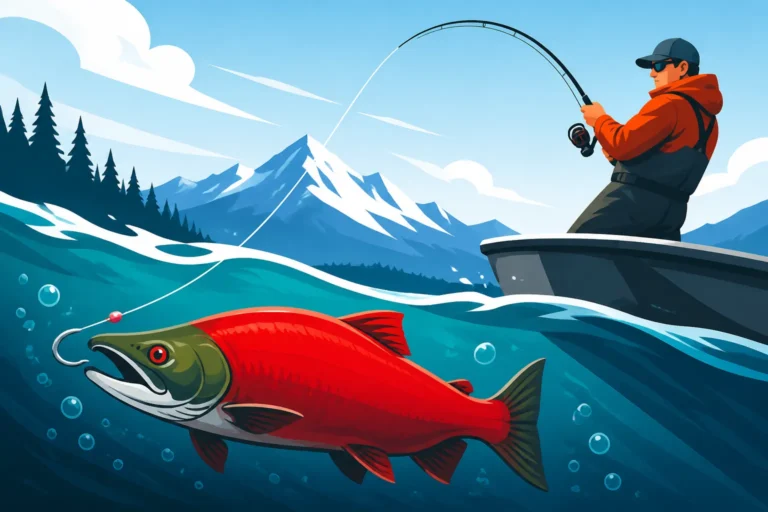
If there's one salmon species that defines the quintessential Alaskan summer fishing experience for many, it's the Sockeye, or Red salmon. Famous for their vibrant red flesh and strong, sustained runs, Sockeye are the backbone of many Alaskan fisheries, especially personal use and subsistence fisheries. They are incredible fighting fish, known for their aerial acrobatics and powerful runs once hooked.
Sockeye salmon runs typically begin in earnest in mid-June, peaking throughout July, and tapering off into early August. The Kenai River and Russian River are legendary for their Sockeye runs, where thousands upon thousands of fish push upstream, creating an incredible spectacle and a thrilling fishing opportunity. While not as large as Kings, Sockeye are incredibly strong for their size, typically ranging from 6-12 pounds. Their runs are often very concentrated, meaning when they're "in," they're really in! It's not uncommon for anglers to catch their limit in a matter of hours during a strong Sockeye push.
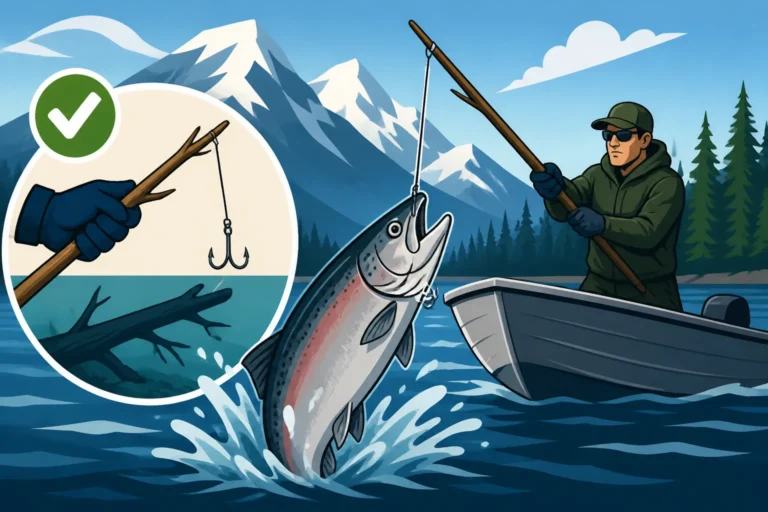
Fishing for Sockeye is a unique experience, often involving a technique called "flossing" or "flipping," where a weighted leader and bare hook (or small fly) is used to snag the fish in the mouth as they migrate upstream. Due to their strict plankton diet in the ocean, they rarely bite traditional lures once they enter freshwater. Proper technique is crucial to avoid illegally snagging them, which is why understanding the specific regulations, particularly in high-traffic areas like the Russian River, is paramount. Our article on Alaska Sockeye Salmon Run Timing offers more insights into planning for these incredible runs.
The Acrobatic Silver Salmon (Coho)
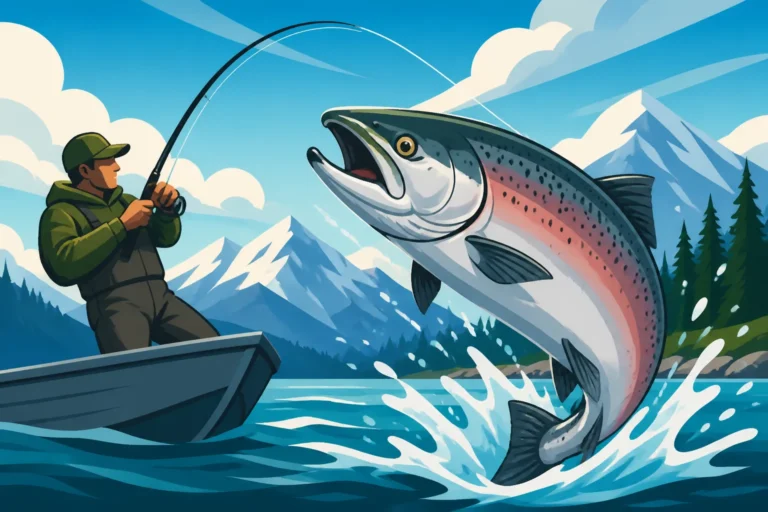
As summer begins its slow transition into fall, the Silver Salmon, also known as Coho salmon, make their grand entrance. These fish are renowned for their aggressive takes, hard fights, and spectacular aerial displays once hooked. Many anglers consider Silver salmon to be the most fun salmon species to catch on lighter tackle due to their spirited nature.
Coho salmon runs typically begin in late July and intensify throughout August and September, sometimes even extending into early October in some systems. They are widely distributed across Alaska, from the saltwaters of Southeast to the rivers of Southcentral and even some interior tributaries. Silvers are often found in both freshwater and saltwater, making them a versatile target for various fishing methods. They typically weigh between 8-15 pounds, offering a fantastic challenge without requiring excessively heavy gear.
Unlike Sockeye, Coho readily strike a variety of lures and flies in freshwater. Spinners, spoons, plugs, and drifted cured eggs are all effective. Fly anglers will find success with gaudy streamers and even topwater patterns for aggressive fish. In saltwater, trolling with flashers and spoons or mooching with cut herring can be incredibly productive. Their abundance and willingness to bite make them a favorite target for families and experienced anglers alike, providing a thrilling close to the main salmon season. To learn more about when and where to find these jumpers, take a look at our guide to Alaska Silver Salmon Run Timing.
The Abundant Pink Salmon (Humpy)
Pink salmon, affectionately known as "humpies" due to the pronounced dorsal hump that develops on males during spawning, are Alaska's most numerous salmon species. While often overlooked by anglers focused on Kings or Sockeye, Pinks offer incredible action and are a great option for beginners or those looking for consistent bites.
Their runs are famously biennial, meaning they have stronger runs in even-numbered years (e.g., 2024, 2026) in Southcentral Alaska, while Southeast Alaska tends to have strong runs in both odd and even years. Pink salmon typically start showing up in late July, with runs peaking throughout August. They are smaller than other salmon, usually weighing 3-5 pounds, but they make up for size in sheer numbers and aggressive strikes. During peak runs, it's not uncommon to catch dozens of Pinks in a single outing.
Fishing for Pinks is straightforward and exciting. They are aggressive biters and will strike small spinners, spoons, jigs, and flies. Fly anglers can have a blast with pink or chartreuse patterns. They are found in both freshwater and saltwater, often in shallower areas and estuaries. While some consider their eating quality lower than other salmon, fresh-caught Pinks are excellent grilled, smoked, or canned, especially when caught early in their run before they undergo extensive spawning changes.
The Robust Chum Salmon (Dog)
Chum salmon, sometimes called "Dog salmon" due to their impressive canine-like teeth developed during spawning, are another incredibly abundant species in Alaska. Though less famous than Kings or Sockeye, Chums are incredibly strong fighters, known for their bulldog tenacity. Their meat, while not as highly prized as King or Sockeye, is excellent for smoking and canning.
Chum runs typically occur from mid-July through August, often overlapping with Pink and early Coho runs. They are widely distributed throughout Alaska's coastal waters and river systems, especially in Western and Interior Alaska. Chums are typically larger than Pinks, averaging 8-15 pounds, and their powerful broad tails make them formidable opponents on the end of a line.
Fishing for Chum salmon usually involves bright, flashy lures like large spinners and spoons, or brightly colored flies (chartreuse, pink, and purple are popular). They are aggressive biters and put up a fantastic fight. Many remote fly-in lodges in Western Alaska specifically target Chum salmon for their incredible fighting ability and abundance. Don't underestimate the power of a fresh Chum; they'll certainly give your arms a workout!
Seasonal Breakdown: When to Expect Each Salmon Species
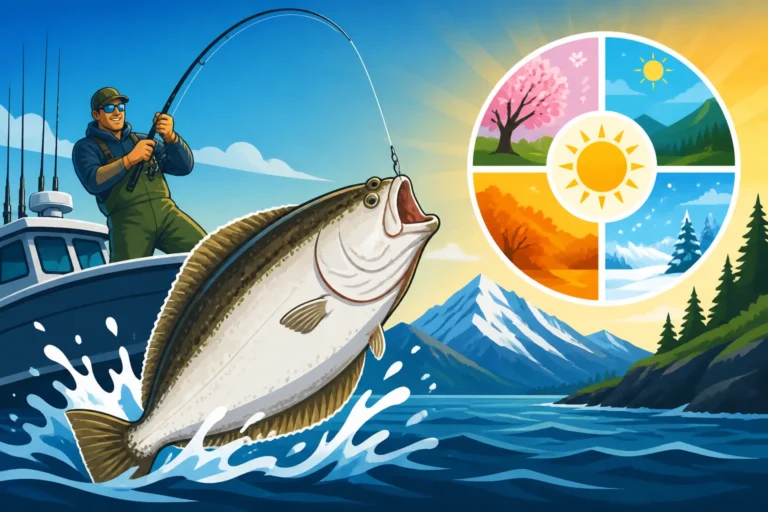
Now that you know the individual species, let's put it all together into a general seasonal guide. Keep in mind that "peak" times can vary by a week or two depending on the specific river system, water conditions, and the strength of the annual run. Flexibility is always a good idea when planning an Alaskan fishing trip.
Spring into Action: Early Season Opportunities (May – Early June)
The Alaska salmon season officially kicks off in May with the first runs of King Salmon. This early window is prime for those chasing the biggest salmon of them all. While many rivers are still cold and sometimes high with snowmelt, the anticipation is palpable, and the rewards can be huge.
May sees the very first push of Kings into rivers like the Copper River and certain systems on the Kenai Peninsula. The fishing can be hit or miss, but when it's on, it's truly epic. Anglers are often bundled up, battling chilly spring temperatures, but the chance of landing a massive Chinook is enough to brave the cold. Early June continues this trend, with King runs strengthening across Southcentral and Southeast Alaska. This is also a quieter time in terms of tourist crowds, which can be a bonus for those who prefer a more serene experience. However, be prepared for unpredictable weather and often fluctuating river conditions due to spring runoff. Early season also means longer daylight hours as the famous "midnight sun" starts to take hold, giving you more fishing time if you can stay awake! You'll often need a proper Alaska Fishing License: Complete Guide to participate.
Mid-Summer Mayhem: Peak Season Excitement (Mid-June – July)
This is it, the heart of the Alaska salmon season! Mid-June through July is often considered the absolute "best time to fish in Alaska" for sheer volume and variety of salmon. This period sees overlapping runs of multiple species, offering incredible opportunities.
From mid-June through early July, King salmon runs typically reach their peak in many rivers, including the renowned Kenai River (for its early run) and the Nushagak River. Hot on their heels, the Sockeye salmon runs explode, particularly in legendary rivers like the Kenai and Russian. By late July, Sockeye fishing is in full swing, and you'll also start to see the first pushes of Pink and Chum salmon, especially in odd-numbered years for Pinks in Southcentral. This is the busiest time of year in Alaska's fishing towns, like Soldotna, Cooper Landing, and Homer, so booking accommodations and charters well in advance is absolutely essential. The weather is generally warmer and more stable, though rain is always a possibility. The sheer energy of thousands of salmon pushing upstream is an experience in itself, even if you're not fishing!
Fall Finish: Late Season Rewards (August – September)
As August rolls around, the focus shifts from Kings and Sockeye to the acrobatic Silver Salmon. The late season offers fantastic fishing, often with fewer crowds and stunning fall colors beginning to emerge, particularly in September.
August is prime time for Silver salmon. These aggressive biters provide thrilling action in both freshwater rivers and saltwater near shore. Along with Silvers, Pink and Chum salmon runs continue strong, particularly in even-numbered years for Pinks. This means that August can offer a "mixed bag" opportunity, where you might catch multiple species in a single day. Many anglers find the late season particularly enjoyable due to the cooler temperatures, reduced boat traffic on the rivers, and the vibrant reds and golds of the tundra and forest. By September, the Silver salmon runs are still robust in many areas, and the chance of hooking into a large, chrome Coho is excellent. While the daylight hours are shortening, the fishing can be spectacular, providing a beautiful end to the salmon season. If you're looking for a comprehensive overview, our Alaska Salmon Run Timing Explained article covers all species and their general timings.
Geographical Hotspots: Timing Your Trip to Specific Regions
Alaska is vast, and salmon run timings can differ significantly from one region to another. What's peaking in Southcentral might not even have started in Western Alaska. Understanding these regional variations is key to precise trip planning.
Southcentral Alaska: Kenai Peninsula and Cook Inlet
Southcentral Alaska, particularly the Kenai Peninsula, is arguably the most famous and accessible salmon fishing destination in the state. Rivers like the Kenai, Kasilof, and Russian are household names among anglers.
- King Salmon: Early run Kings in the Kenai and Kasilof typically start in mid-May and peak in early June. The legendary late run on the Kenai River can provide big fish action from late June through July, although it has faced significant closures in recent years. The Deshka River, accessible from the road system north of Anchorage, also sees an early King run in May and early June.
- Sockeye Salmon: The Kenai and Russian Rivers are the places for Sockeye. Their runs usually surge from mid-June through July. The second run on the Kenai, in particular, can be mind-bogglingly large, peaking around the second or third week of July. Anglers line the banks of the Russian River, sometimes referred to as "combat fishing," which offers a unique experience. You can delve deeper into this region with our Kenai River Fishing: Complete Guide.
- Silver Salmon: Coho start showing up in late July in the Kenai and Kasilof rivers, with prime fishing throughout August and September. These rivers offer fantastic opportunities for both boat and bank anglers.
- Pink Salmon: Strongest in even-numbered years (e.g., 2024, 2026) in Southcentral, Pinks typically arrive in late July and peak in August.
Southeast Alaska: Panhandle Riches
Southeast Alaska, with its intricate network of islands, fjords, and temperate rainforest, offers incredible salmon fishing, primarily in saltwater, but with excellent freshwater opportunities as well. Towns like Ketchikan, Sitka, and Juneau are prime hubs.
- King Salmon: Southeast Alaska has strong King Salmon fishing from May through July, with different areas peaking at various times. Unlike Southcentral's river-focused fisheries, many Kings are caught by trolling in saltwater, making it a different kind of experience. Winter King salmon fishing, though less common for visitors, also occurs.
- Sockeye Salmon: While not as prolific in the rivers as Southcentral, Sockeye can be found in some Southeast river systems in July. Many are also caught incidentally by saltwater trollers.
- Silver Salmon: Southeast is renowned for its fantastic Silver salmon fishing. Coho arrive in force from late July, peaking in August and September. Trolling in the protected waters of the Inside Passage is a popular and highly effective method for these aggressive fish.
- Pink & Chum Salmon: These species are abundant in Southeast, with runs typically occurring from late July through August. They provide fast action, especially in saltwater near stream mouths, and offer great sport on light tackle.
Western and Interior Alaska: Remote Wonders
These vast, often remote regions offer true wilderness fishing experiences, frequently accessed via fly-out lodges or remote air charters. The run timings here can be slightly later due to geography.
- King Salmon: Major King salmon runs in Western Alaska, particularly in the Bristol Bay region's Nushagak River, are legendary for their size and abundance, peaking from mid-June through early July. The Yukon River also sees a significant King run.
- Sockeye Salmon: Bristol Bay is home to the largest Sockeye salmon fishery in the world. Millions of Sockeye return to rivers like the Naknek, Kvichak, and Alagnak from late June through July, creating an unparalleled spectacle and fishing opportunity.
- Chum Salmon: Western and Interior Alaska rivers, such as the Aniak, are known for their massive Chum salmon runs, often peaking in July and August. These strong fighters are a prime target for fly-out trips.
- Silver Salmon: Coho arrive in these more northern and western rivers later than in Southcentral, typically from mid-August into September.
Here's a handy table summarizing the general salmon run timings:
| Salmon Species | Primary Run Timing (Peak) | Key Regions | Notes |
|---|---|---|---|
| King (Chinook) | May – Mid-July | Kenai Peninsula, Nushagak, Southeast Alaska | Early season, largest salmon, highly regulated. |
| Sockeye (Red) | Mid-June – Early August | Kenai Peninsula, Bristol Bay | Famous for volume, great eating, unique "flossing" technique. |
| Silver (Coho) | Late July – September | Southcentral, Southeast, Western Alaska | Aggressive fighters, acrobatic, excellent for lighter tackle. |
| Pink (Humpy) | Late July – August | Southcentral (even years), Southeast | Most numerous, fast action, great for beginners. |
| Chum (Dog) | Mid-July – August | Western Alaska, Interior Alaska, Southeast | Extremely strong fighters, abundant, good for smoking. |
For a more comprehensive look at all the different fish species and their seasons, our Alaska Fishing Seasons: Month-by-Month Guide is an excellent resource.
Environmental Variables and Regulations: What Influences Salmon Runs
It's one thing to know the general calendar, but Mother Nature and state management agencies often have their own plans. Various factors can shift run timings and accessibility, sometimes even mid-season. Being aware of these influences is crucial for a successful trip.
Water Conditions: Temperature, Flow, and Clarity
Salmon are incredibly sensitive to their environment, especially water conditions. When they enter freshwater, changes in temperature, flow, and clarity can significantly affect their migration speed, holding patterns, and willingness to bite.
- Water Temperature: Salmon prefer specific temperature ranges. If river temperatures are too warm, salmon may delay their entry into freshwater or push through quickly, making them harder to target. Conversely, unusually cold water can also slow down migration. A sudden cold snap can sometimes trigger fish to hold in deeper pools, while warming trends can encourage them to move faster.
- Water Flow: High water from heavy rains or rapid snowmelt can make rivers challenging to fish. Fast currents can spread fish out, make drift fishing difficult, and reduce visibility. Low water, on the other hand, can concentrate fish but might also make them skittish or inaccessible in certain areas. It can also create difficult boating conditions in shallow sections.
- Clarity: Clear water often means fish are more wary, requiring lighter lines and more subtle presentations. Murky water, common after heavy rains, can make fishing tough as salmon might struggle to see lures or flies, and anglers struggle to spot fish. However, sometimes a little turbidity can make fish less spooky. Understanding how these factors change daily is part of the challenge and reward of fishing in Alaska.
Tides, Moon Phases, and Weather Patterns
Beyond river conditions, broader environmental patterns also play a significant role, particularly for saltwater-influenced fisheries or rivers with tidal zones like those feeding Cook Inlet.
- Tides: For salmon entering tidal rivers or those migrating through saltwater bays and estuaries, tides are hugely influential. Incoming tides can bring fresh fish into river mouths, and the slack tide might be a prime time for them to rest before pushing further upstream. Experienced guides will often time their trips around the tide tables to maximize opportunities. For example, some fishing spots on the Kenai River are heavily influenced by the tide, and knowing when to fish can make all the difference.
- Moon Phases: While not as direct as tides, some anglers believe moon phases can subtly affect fish behavior, though scientific evidence varies. A full moon, for instance, is sometimes associated with stronger tides, which in turn could influence salmon movement.
- Weather Patterns: A prolonged period of warm, sunny weather can lead to lower, warmer rivers, potentially impacting run timing. Conversely, a stretch of cool, rainy weather can raise river levels and cool water temperatures, encouraging salmon to move upstream. Strong winds can make boat fishing unsafe or uncomfortable, and heavy rain can swell rivers quickly. Always pack appropriate gear; having good Best Rain Gear for Alaska Fishing on hand is non-negotiable, no matter the forecast.
The Impact of Emergency Orders and Management
Perhaps the most critical variable to monitor when planning an Alaska salmon fishing trip is the potential for emergency orders (EOs) issued by the Alaska Department of Fish and Game (ADF&G). These regulations can change quickly and significantly impact your fishing plans.
Emergency orders are implemented to protect salmon stocks when escapement goals (the number of fish needed to reach spawning grounds) are not being met. These orders can range from bag limit reductions, gear restrictions (e.g., single-hook, barbless hooks), bait restrictions, or even full fishery closures. They are especially common for King Salmon, which have faced conservation concerns in recent years. For instance, the Kenai River King Salmon fishery has seen several restrictions and closures in past seasons to protect the declining Chinook population.
It's not enough to just check the regulations before your trip; you need to monitor them during your trip, as EOs can be issued with very short notice. Many guides and lodges stay abreast of these changes, but it's ultimately the angler's responsibility to know the rules. You can find detailed information on how to keep up-to-date in our guide to Alaska Fishing Emergency Orders Explained and also how to navigate the complex rulebooks with How to Read Alaska Fishing Regulations. These EOs are a testament to Alaska's commitment to sustainable fishery management, ensuring future generations can also enjoy the incredible salmon resources.
Planning Your Perfect Salmon Fishing Adventure
With all this information, you might feel a bit overwhelmed! But don't worry, planning your trip can be part of the fun. By taking a strategic approach, you can maximize your chances of hitting those peak salmon runs.
Researching Run Forecasts and Daily Reports
One of the best ways to pinpoint the optimal time and location for salmon fishing is to diligently research run forecasts and daily fishing reports. This information is readily available and invaluable.
- Annual Forecasts: Each spring, the Alaska Department of Fish and Game (ADF&G) releases forecasts for the upcoming salmon runs. These forecasts provide predictions for the number of fish expected to return to major river systems. While not always 100% accurate (Mother Nature has her own mind!), they offer a solid baseline for planning. Look for these reports in late winter or early spring to help guide your booking decisions for the general timeframe.
- Daily/Weekly Reports: Once the season is underway, ADF&G, local tackle shops, guides, and online forums provide daily or weekly fishing reports. These reports are goldmines of real-time information: what species are showing up, what techniques are working, water conditions, and any new emergency orders. For instance, if you're targeting Sockeye on the Kenai, checking the latest reports from Soldotna or Cooper Landing can tell you if the fish are "in" and where the action is hottest. Websites like The Alaska Outdoor Journal or local government pages often compile these updates.
- Webcams and Fish Counters: Some rivers, like the Kenai, have live webcams or fish counters that provide visual or numerical data on salmon escapement. These can be fascinating to watch and provide direct evidence of how many fish are actually in the river, helping you gauge the run's strength.
Booking Charters and Accommodations Strategically
Alaska's prime fishing season is relatively short, and the demand for quality guides, charters, and lodging is extremely high. Procrastination can lead to disappointment.
- Book Early: For peak season dates (mid-June through August), especially for popular destinations like the Kenai River or Homer, you'll want to book your fishing charters and accommodations 6-12 months in advance. Reputable guides and lodges fill up quickly. If you're planning a trip for July Sockeye, for example, waiting until spring of the same year will likely leave you with limited, or less desirable, options. This is especially true if you're looking to book a multi-day package at one of the Best Fishing Spots in Alaska or a sought-after charter for Best Halibut Fishing in Alaska (which often coincide with salmon runs).
- Consider Mid-Week or Shoulder Season: If your dates are flexible, consider fishing mid-week instead of weekends, or targeting the shoulder seasons (late May/early June or late August/September). You might encounter fewer crowds and sometimes better pricing, even though the fishing can still be excellent. For instance, late August Silver Salmon fishing is incredible, and many of the summer crowds have dispersed.
- Flexibility with Dates: While booking early is essential, try to build a little flexibility into your travel dates if possible. If a specific run is predicted to be strong a week earlier or later than planned, having a few extra days could allow you to adjust and hit the peak.
Essential Gear and Preparedness for Alaskan Weather
Being properly equipped for Alaska's unpredictable weather and varied fishing conditions is paramount for enjoyment and success. You can find many of these essentials easily on Amazon.
- Layered Clothing: Alaska weather can change on a dime, from sunny and warm to rainy and chilly in a matter of hours. The key is layering. Start with a moisture-wicking base layer, add insulating fleece or down, and top it off with waterproof and windproof outerwear. Even in July, you might experience temperatures ranging from 40°F to 70°F.
- Rain Gear: This is non-negotiable. Invest in high-quality, fully waterproof rain jackets and pants. Look for breathable options, as you'll be active. Many experienced anglers swear by brands like Grundens or Simms, but there are good budget-friendly options on Amazon as well.
- Waders and Boots: If you plan on doing any bank fishing in rivers, chest waders and wading boots are essential. Neoprene waders offer warmth in colder water, while breathable waders are more comfortable in warmer temperatures. Make sure your boots have good traction for slippery riverbanks.
- Fishing Tackle: While many charters provide gear, having your own trusted rod and reel setups can be beneficial, especially if you plan on doing any unguided fishing. For King Salmon, a heavy-action rod with a stout reel spooled with 30-50 lb braid is common. For Sockeye, a medium-heavy rod with 20-30 lb mono or braid. For Silvers, a medium-action setup. Consider purchasing some of your favorite lures and flies on Amazon before your trip, though local tackle shops are excellent resources once you arrive. Don't forget a landing net, pliers, and a sharp knife.
- Alaska Fishing License: Remember, you'll need an Alaska Fishing License Cost and Types before you cast a line. For non-residents, these can be purchased online through the ADF&G website. Our guide on How Much Is an Alaska Fishing License for Non-Residents provides more details on this.
By understanding the salmon species, their timings, regional variations, environmental factors, and by planning meticulously, you'll be well on your way to experiencing the magic of salmon fishing in Alaska. It's an adventure unlike any other, and with a bit of preparation, you can make sure you're there at the very best time to cast your line into the wild waters of the Last Frontier.
Disclaimer
The information provided in this guide is for general informational purposes only and is subject to change. Fishing regulations, run timings, and emergency orders are dynamic and can be altered by the Alaska Department of Fish and Game (ADF&G) at any time. Always consult the most current ADF&G regulations, emergency orders, and local conditions before planning or engaging in any fishing activity. It is the angler's responsibility to know and follow all applicable laws and regulations.