Best Month to Fish in Alaska
Planning an Alaska fishing trip can feel like trying to solve a puzzle, especially when you're dreaming of that perfect catch but aren't quite sure when to go. It's a common frustration, with so many fish species and diverse regions, knowing the absolute "best" month is a challenge. This comprehensive guide is here to untangle that mystery, breaking down the prime fishing windows across the Last Frontier so you can pinpoint the ideal time for your epic Alaskan adventure.
Understanding Alaska's Fishing Seasons: A General Overview
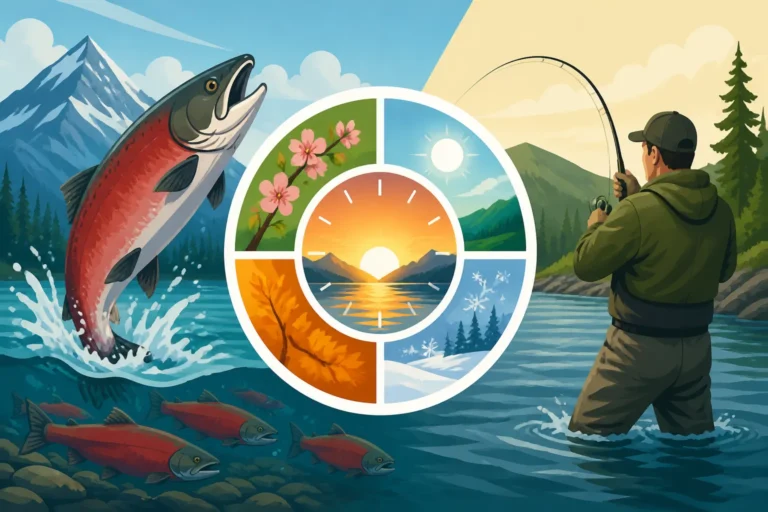
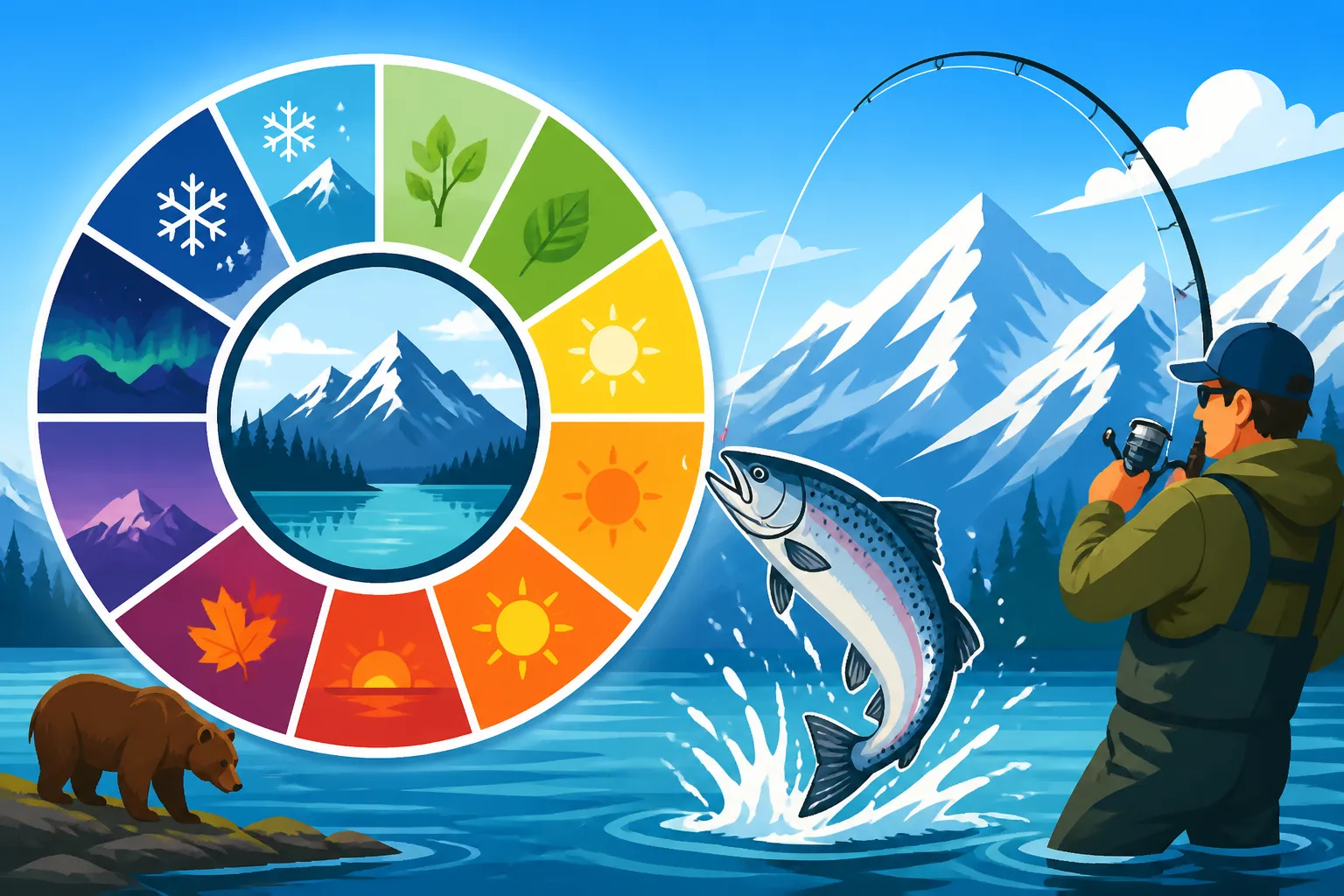
Alaska's fishing calendar isn't a one-size-fits-all affair; it's a dynamic tapestry woven by the intricate life cycles of various fish species and the ever-changing Alaskan weather. Many anglers mistakenly believe that peak season means one month, but the truth is, Alaska offers fantastic opportunities from late spring through early fall, with each month presenting its own unique charm and target species. What you want to catch and where you want to go will heavily dictate your ideal timing.
The Rhythms of the Last Frontier
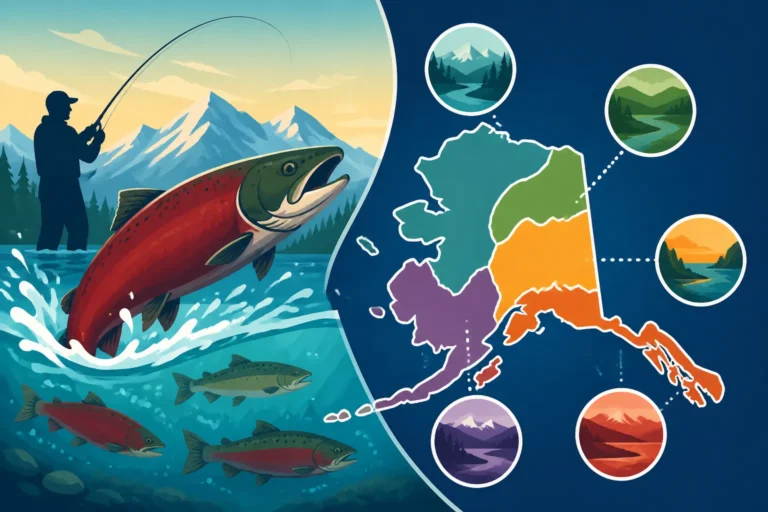
The vastness of Alaska means that "fishing season" isn't a singular event. From the sheltered waters of Southeast Alaska near Ketchikan and Sitka to the wild rivers of Bristol Bay or the accessible road system fisheries of the Kenai Peninsula, different regions experience their prime fishing windows at slightly different times. For instance, early King salmon might be running strong in some Southcentral rivers in May, while prime Sockeye runs in Western Alaska might not peak until July. Understanding these regional rhythms is key to timing your trip perfectly. It's not just about the month, but the specific location within that month. The state's fisheries are carefully managed by the Alaska Department of Fish and Game (ADF&G), which sets seasons, bag limits, and often issues emergency orders that can change things on the fly. Staying informed about current conditions and regulations is always paramount.
Key Factors Influencing Peak Season
Several factors play a crucial role in determining when a particular fish species is "in season" and at its peak abundance. The most significant is the salmon run timing. Each of the five Pacific salmon species—King (Chinook), Sockeye (Red), Coho (Silver), Pink (Humpy), and Chum (Dog)—has its own distinct migratory pattern, typically returning to freshwater rivers to spawn during specific windows. These runs are influenced by water temperature, snowmelt, rainfall, and even oceanic conditions. For instance, a warm spring might see earlier salmon returns, while a cold, wet one could delay them. Beyond salmon, species like Halibut, Lingcod, and various trout also have optimal feeding and availability periods that dictate the best times to target them. Weather, including daylight hours and temperature, also impacts angler comfort and accessibility to certain areas. A clear, sunny July day might offer perfect conditions for fly fishing, while a stormy September could mean rough seas for halibut charters.
Spring Fishing: May and Early June – The Awakening
As the long Alaskan winter loosens its icy grip, May and early June usher in the fishing season with a promise of burgeoning life. While not as crowded as the mid-summer rush, this period offers unique opportunities for anglers seeking an authentic Alaskan experience, often with a more peaceful atmosphere. It's a time of transition, where winter-hardy species are still abundant and the first of the mighty salmon begin their arduous journeys upstream.
Early Kings and Resident Freshwater Gems
For many, May signals the arrival of the first King salmon, particularly in rivers on the road system like the Deshka River or the Kenai River. These early-run Kings are often powerful, aggressive fish, fresh from the ocean, and while numbers might not be at their absolute peak, the chance to battle one of these chrome beauties is exhilarating. Anglers will often be found drift fishing or back-trolling with Kwikfish plugs. Check out our detailed guide on How to Catch King Salmon in Alaska for more specialized tactics.
Beyond salmon, spring is an excellent time for resident freshwater species. Rainbow Trout and Dolly Varden, hungry after the lean winter months, become increasingly active in rivers and lakes. In clear water streams, they can be targeted with small spinners, spoons, or fly patterns mimicking emerging insects or salmon fry. These feisty fish offer a fantastic alternative or addition to early salmon pursuits, especially in areas like the Kenai Peninsula. The weather can be a mixed bag – think crisp mornings and mild afternoons, but always be prepared for rain or a sudden chill. Packing proper Alaska Fishing Gear and Tackle Guide for varying conditions, including good quality rain gear, is essential, and you can find excellent options on Amazon.
Lingering Winter Species and Emerging Opportunities
While the focus shifts to salmon and trout, some regions still offer chances to pursue species typically associated with colder months. Burbot, often targeted through the ice in winter, can still be found in deeper lakes during the early spring. In certain areas, particularly in remote interior lakes, Northern Pike become active as the ice breaks up, offering explosive topwater action for those willing to venture further afield.
The coastal waters also begin to awaken. Bottom fish like Pacific Cod are still quite active in May, providing consistent action for those chartering out of towns like Homer or Seward. Halibut fishing officially opens in May, though the numbers and sizes tend to improve as the water warms into June. Early season halibut trips often mean fewer boats on the water, offering a more serene experience, even if the "barn doors" aren't as prevalent as they will be later in the summer. It's a time of anticipation, where every cast holds the promise of a new season's first big catch.
Summer Fishing: Mid-June to August – The Salmon Rush and Halibut Bonanza
This is it. The Alaskan summer is what most people picture when they dream of fishing in the Last Frontier. From mid-June through August, the state absolutely explodes with fish, drawing anglers from around the globe. This period is defined by massive salmon runs, world-class halibut opportunities, and generally milder weather, making it the most popular time to visit.
King Salmon Dominance and Sockeye Madness
Mid-June is often the peak for King salmon fishing in many Southcentral and Southeast rivers. The sheer size and power of these fish are legendary. Rivers like the Kenai and Kasilof come alive with anglers, all hoping to hook into a trophy Chinook. These runs are intensely monitored by ADF&G, and regulations can change quickly based on escapement numbers, so always check the latest Alaska Fishing Regulations Explained before you go.
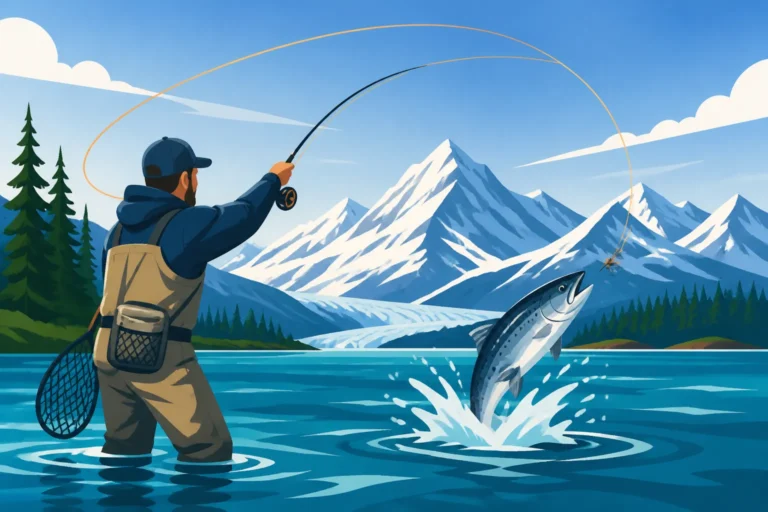
Then comes the Sockeye salmon, typically starting in late June and hitting a fever pitch throughout July. The Sockeye runs are truly a spectacle, often numbering in the millions, transforming rivers like the Kenai and Russian into vibrant highways of red-bodied fish. Known for their delicious, firm red meat, Sockeye are targeted with specialized techniques like "flossing" or "flipping." Our guide on How to Catch Sockeye Salmon in Alaska dives deep into these methods. This is often when you see the famous "combat fishing" scenes, particularly on the Russian River, where anglers stand shoulder-to-shoulder, reeling in fish. While exhilarating, it's also intense, so be prepared for crowds and camaraderie.
Silver Salmon Surges and Prime Halibut Times
As July progresses into August, the focus shifts. While Sockeye numbers might begin to wane, the first waves of Coho (Silver) salmon start to appear. Silvers are renowned for their aggressive strikes and acrobatic fights, making them a favorite among many sport anglers. They readily hit a variety of lures, flies, and bait, and can be found in both saltwater and freshwater. Check out our specific insights on When to Fish for Each Salmon Species in Alaska to plan around these varied runs.
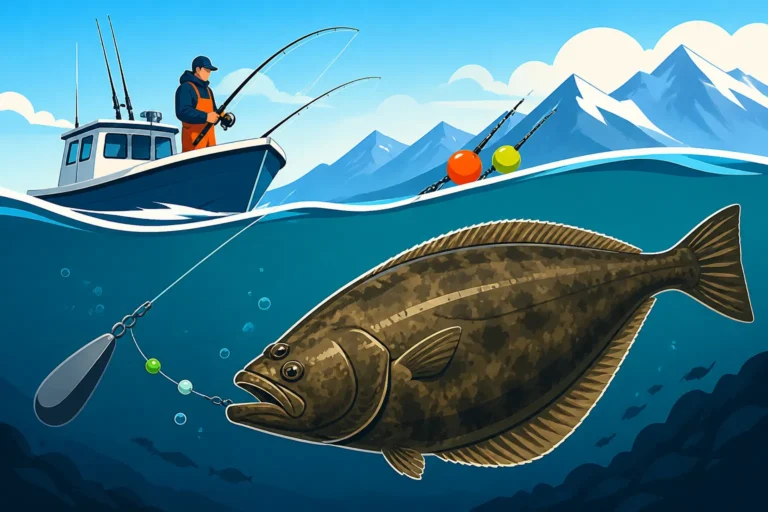
Concurrent with the salmon runs, the summer months, particularly July and August, represent the absolute prime time for Halibut fishing. These monstrous flatfish are found throughout Alaska's coastal waters, with hotspots like Homer, Seward, and Sitka becoming epicenters for charter operations. Boats head out to deeper waters, dropping baits and jigs to the bottom. Hooking into a "barn door" halibut—a fish weighing over 100 pounds—is a bucket-list experience for many. The sheer pulling power and size of these fish are incredible. You can learn more about techniques in our guide, How to Catch Halibut in Alaska. Most charters provide all the necessary gear, but a comfortable pair of waterproof boots is a wise investment, easily found on Amazon.
Diverse Opportunities in July and August
July and August are arguably the most versatile months for an Alaska fishing trip. Beyond the major salmon and halibut fisheries, you'll also find:
- Pink Salmon: These smaller, prolific salmon typically show up in staggering numbers in even-numbered years (e.g., 2024, 2026), offering fast-paced action and great fun, especially for families and beginners. They can be found in both fresh and saltwater.
- Chum Salmon: Often overlooked, Chums are powerful fighters and can be found in many of the same rivers as other salmon species, particularly in July.
- Rainbow Trout and Dolly Varden: These resident fish continue to thrive in rivers and lakes, often growing larger as they feast on salmon eggs and fry after the salmon have spawned. Fly anglers, in particular, will find excellent opportunities to target trophy trout.
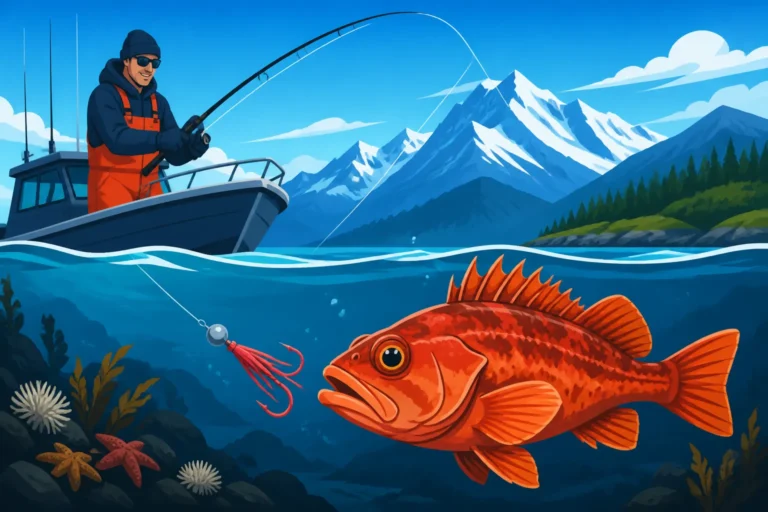
- Rockfish and Lingcod: Offshore charters will also target these delicious bottom-dwelling species, adding variety to the catch.
This period is bustling, with charter boats, fishing lodges, and riverside camps operating at full capacity. While the crowds can be denser, the sheer abundance of fish makes it worth it.
Fall Fishing: September – The Silver and Steelhead Spectacle
As the summer sun begins to dip lower and the leaves turn to brilliant hues of gold and crimson, September brings a different kind of magic to Alaska's fishing scene. The intense summer crowds start to thin, the air becomes crisp, and the fishing can remain incredibly strong, particularly for certain species. It's a favorite month for many seasoned Alaskans who prefer a more tranquil experience.
Coho Grand Finale and Trophy Trout Chasing
September is, without a doubt, the prime month for Coho (Silver) salmon. These acrobatic fighters are often at their peak numbers and size, having spent the summer gorging themselves in the ocean. Rivers that were packed with Sockeye in July might now be teeming with aggressive Silvers, offering exhilarating action. They hit spinners, spoons, flies, and bait with gusto, providing fantastic opportunities for both boat and bank anglers. You'll find great Coho fishing in many rivers across Southcentral and Southeast Alaska, including the Kenai River and its tributaries.
Beyond the Silvers, the resident trout fisheries truly shine in September. Rainbow Trout and Dolly Varden are at their fattest and most aggressive, actively feeding on the abundance of salmon eggs that are drifting downstream from spawning salmon. This is a dream scenario for fly anglers, who can often find trophy-sized trout eager to take egg patterns or flesh flies. Locations like the middle and upper Kenai River become world-renowned for their trout fishing during this time. The cooler temperatures also mean that these fish are exceptionally lively and hard-fighting.
Steelhead Runs and Fewer Crowds
For the dedicated angler seeking a truly special challenge, September often marks the beginning of the Steelhead runs in many Southeast Alaska rivers. Steelhead, migratory rainbow trout, are incredibly powerful and notoriously difficult to catch, making them a highly coveted prize. These fish offer a unique opportunity for spey casting and advanced fly-fishing techniques, providing an unforgettable experience amidst stunning autumn scenery. Rivers on Prince of Wales Island and other parts of Southeast Alaska are particularly known for their Steelhead populations.
One of the biggest advantages of fishing in September is the significant reduction in crowds compared to July and August. While popular spots will still see anglers, the intense shoulder-to-shoulder combat fishing often subsides, replaced by a more relaxed and spacious atmosphere. This makes it easier to book guides or charters, find lodging, and generally enjoy the serene beauty of Alaska without the peak season hustle. The trade-off is often cooler, wetter weather, so layering and high-quality waterproof outerwear are absolutely essential. It's a time for solitude, big fish, and the breathtaking beauty of the Alaskan fall.
Species-Specific Peaks by Month
To truly nail down the best month for your Alaska fishing trip, it's helpful to look at it from a species-specific perspective. While there's always overlap and regional variation, certain months consistently offer the best chances for targeting your preferred fish. Understanding these peaks will help you make an informed decision, whether you're dreaming of a massive King salmon or a freezer full of Sockeye.
Targeting Your Dream Catch
Different fish species become available and reach their peak abundance at various points throughout Alaska's fishing season. Here's a general breakdown to help you decide:
| Species | Primary Peak Month(s) | Secondary Opportunities | Key Characteristics |
|---|---|---|---|
| King Salmon | June (mid to late), Early July | May (early runs) | Largest salmon, powerful fighters, often targeted by back-trolling and drift fishing. |
| Sockeye Salmon | July (mid to late) | Late June, Early August | Abundant, excellent eating, targeted by "flossing" in rivers, strong fighting. |
| Coho Salmon | August (mid to late), September | Late July | Acrobatic fighters, aggressive strikes, good for lures, flies, and bait. |
| Pink Salmon | July (late), August (early) | Early July, Late August | Prolific in even years, smaller size, fast action, great for kids and beginners. |
| Chum Salmon | July (mid to late), Early August | Late June | Powerful fighters, good for roe, often caught alongside Sockeye and Pinks. |
| Halibut | July, August | May, June, September | Giant flatfish, bottom dwellers, targeted by bait and jigging in saltwater. |
| Rainbow Trout | June, July, August, September | May | Resident freshwater fish, voracious feeders, especially on salmon eggs in fall. |
| Steelhead | September, October | April, May (spring runs) | Migratory rainbows, challenging, strong fighters, typically targeted by fly fishing. |
| Lingcod | May, June, July, August, September | Aggressive bottom fish, delicious, often found on rocky structures. | |
| Rockfish | May, June, July, August, September | Diverse species, good eating, found on rocky reefs, need descending devices for release. |
This table provides a snapshot, but remember, timing can shift by a week or two depending on the year's specific conditions. For instance, the Alaska Salmon Run Timing Explained dives deeper into the nuances of these migrations.
Regional Nuances and Timing Variations
Alaska is enormous, and fishing conditions can vary wildly from one region to another. What's "best" in Southeast Alaska might be totally different from what's happening on the Kenai Peninsula or in the Interior.
-
Southeast Alaska (e.g., Ketchikan, Sitka, Juneau): This region, characterized by its labyrinthine archipelagos and temperate rainforests, often sees earlier and later salmon runs than the road system. King salmon fishing can be strong in May and early June, and again in mid-summer. Coho salmon runs often extend well into September and even October. Halibut fishing is consistently excellent through the summer. The protected waters mean less weather disruption for saltwater charters. Many of the Best Fishing Spots in Alaska in this region offer incredible diversity.
-
Southcentral Alaska (e.g., Kenai Peninsula, Anchorage area, Prince William Sound): This is arguably the most popular and accessible fishing region. The Kenai River is world-famous for its King and Sockeye salmon runs, with Sockeye peaking intensely in July. Coho fishing is superb in August and September. Halibut and rockfish charters operate out of Homer, Seward, and Valdez throughout the summer. Freshwater fishing for rainbow trout and Dolly Varden is exceptional, particularly in the fall after salmon spawn.
-
Western Alaska (e.g., Bristol Bay, Nushagak River): This remote region is legendary for its truly massive Sockeye salmon runs, often peaking in late June and early July. It's a fly-in destination, known for its pristine wilderness and incredible numbers of fish. While less diverse in species compared to coastal areas, the sheer volume of Sockeye and the opportunity for large Rainbow Trout makes it a premier destination for many anglers.
-
Interior Alaska (e.g., Fairbanks area, Denali region): Focused more on freshwater species, the Interior offers excellent fishing for Arctic Grayling, Northern Pike, and various trout species throughout the summer. Salmon runs in these northern rivers are typically later and less prolific than in coastal areas but can still offer good opportunities for King and Chum salmon in July and August. Ice fishing becomes popular here in winter.
When planning, always consider your specific destination. What's biting in Valdez might not be what's biting in Talkeetna, even if it's the same month.
Beyond the Fish: Other Considerations for Your Trip
While catching fish is undoubtedly the primary goal for most anglers visiting Alaska, a successful and enjoyable trip involves more than just knowing when the fish are running. Several other practical considerations can significantly impact your experience, from the weather you'll encounter to the cost of your adventure.
Weather, Crowds, and Cost Factors
-
Weather: Alaska's weather is famously unpredictable. Even in the middle of summer, you can experience all four seasons in a single day.
- May/Early June: Can be cooler, with a mix of sun, rain, and occasional snow in higher elevations. Fewer bugs.
- July/August: Generally the warmest and driest months, but rain is still common. Peak mosquito season in many areas. Long daylight hours (midnight sun).
- September: Cooler temperatures, often crisp and sunny, but rain and wind are frequent. Snow can begin in mountainous regions. Fewer bugs.
It's crucial to pack layers, including waterproof and windproof outer shells. You'll find a wide array of reliable rain gear and appropriate clothing on Amazon that's perfect for Alaskan conditions.
-
Crowds:
- May/Early June: Generally lighter crowds, especially outside of specific early King salmon fisheries. More tranquil experience.
- July/August: Peak tourist season. Expect higher concentrations of anglers on popular rivers (e.g., Kenai, Russian River), busier towns, and fully booked charters and accommodations. If you prefer solitude, this might not be your ideal time.
- September: Crowds significantly thin out, offering a more relaxed atmosphere. Many lodges and guides still operate, but the intense pressure eases.
-
Cost:
- Peak Season (July/August): Highest prices for flights, lodging, and fishing charters. Booking well in advance (6-12 months) is essential to secure your preferred dates and avoid price surges.
- Shoulder Seasons (May, June, September): Often slightly lower prices for accommodations and potentially flights. Some charters might offer reduced rates, especially in late September. This can be a smart way to experience Alaska without breaking the bank.
Remember to factor in the cost of an Alaska Fishing License: Complete Guide and any necessary stamps, like the King Salmon Stamp, which vary for residents and non-residents.
Planning and Booking Your Alaskan Adventure
No matter which month you choose, proper planning is paramount for an Alaskan fishing trip. This isn't a last-minute destination.
- Book Early: For peak summer months (July and August), it's highly recommended to book your flights, lodging, and especially fishing charters or lodges at least 6-12 months in advance. Reputable guides and popular accommodations fill up incredibly fast. Our guide on How to Choose an Alaska Fishing Charter can help you navigate this process.
- Flexibility: While you'll target a specific month for your ideal species, having some flexibility in your dates, if possible, can be beneficial, especially if dealing with emergency closures or weather delays.
- Research Regulations: Alaska's fishing regulations are complex and can change rapidly due to emergency orders, especially for salmon. Always check the current ADF&G regulations for your specific region and target species right before and during your trip.
- Gear Preparation: Beyond basic fishing tackle, consider what kind of clothing, footwear, and personal items you'll need. Waders, waterproof boots, a good rain jacket, and mosquito repellent are often indispensable. A quality cooler for transporting your catch home is also a wise investment. You can often find great deals on these essentials by browsing outdoors sections on Amazon.
- Fish Processing: Think about how you'll process and transport your catch. Many charters and lodges offer fish processing services, including filleting, vacuum sealing, and freezing. If you're going DIY, understand the rules for shipping fish home from Alaska.
Ultimately, the "best" month to fish in Alaska is subjective and depends on what you hope to experience. Whether it's the raw power of a June King, the relentless action of a July Sockeye run, the trophy-sized trout of September, or the peaceful solitude of an early spring or late fall trip, Alaska offers a fishing adventure for every angler, every single month the waters are open.
Disclaimer
Please note that fishing conditions, regulations, and salmon run timings in Alaska are subject to change without notice due to biological and environmental factors. Always consult the official Alaska Department of Fish and Game (ADF&G) regulations and emergency orders for the most current and accurate information before planning and during your fishing trip. This guide provides general information and recommendations.