Best Time to Fish the Kenai River
Oh, the Kenai River! It’s legendary for a reason, but let's be honest, trying to figure out the best time to fish its waters can feel like deciphering an ancient Alaskan prophecy. With so many different salmon runs, trout opportunities, and ever-changing regulations, it's easy to get overwhelmed and worry about missing that perfect window. Don't sweat it, friend. This guide is designed to cut through the confusion and give you a crystal-clear understanding of when to hit the Kenai for the experience you’re truly dreaming of.
Understanding the Kenai River's Allure
The Kenai River is more than just a waterway; it's an institution, a bucket-list destination for anglers worldwide. But its fame comes with complexities that can trip up even seasoned fishermen if they aren't prepared.
Why the Kenai River is World-Famous
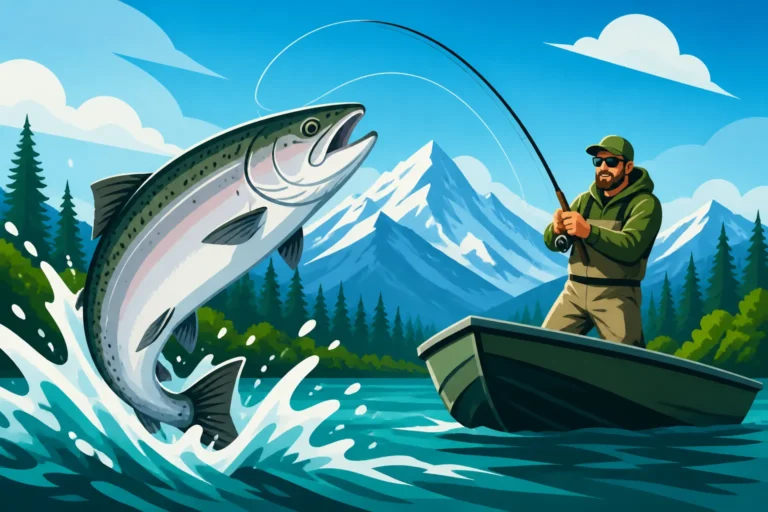
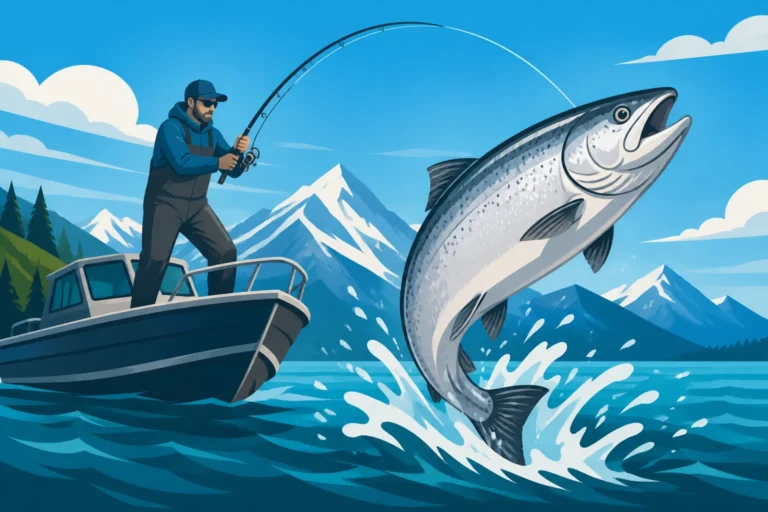
When you talk about Alaska fishing, the Kenai River almost always comes up. It's renowned for its unbelievably robust salmon runs, particularly the sheer numbers of sockeye and the colossal King Salmon that call its glacial-fed waters home. Picture this: standing on the bank, the crisp Alaskan air in your lungs, the stunning Chugach Mountains as a backdrop, and the line on your reel suddenly screaming as a powerful King Salmon takes off. That's the dream the Kenai sells, and often, it delivers.
Beyond the salmon, the Kenai is also home to some truly magnificent Rainbow Trout and Dolly Varden, which thrive on the bounty left behind by spawning salmon. The unique turquoise hue of the water, fed by the Harding Icefield, adds to its mystique. It's not just about catching fish; it's about the entire wilderness experience, the anticipation, and the potential for a truly unforgettable encounter with some of the strongest freshwater fish on the planet. For many, a trip here is a pilgrimage, a chance to connect with nature in its grandest form.
Navigating Kenai's Regulations and Crowds
Now, for the realistic side. Because the Kenai is so famous, it also draws a crowd, especially during peak salmon runs. This means you might find yourself shoulder-to-shoulder with other anglers, a phenomenon affectionately (or sometimes not-so-affectionately) known as "combat fishing." It's an experience, for sure, but it's not for everyone. If you're looking for solitude, you'll need to time your trip carefully or explore less accessible areas.
Another significant challenge is the labyrinthine nature of Alaska fishing regulations. The Alaska Department of Fish and Game (ADF&G) diligently manages these fisheries, and rules can change on a dime through emergency orders based on real-time fish counts. What was legal yesterday might be closed today, especially concerning the highly regulated King Salmon fisheries. This dynamic environment requires constant vigilance and flexibility from anglers. For a comprehensive overview, you might want to read our full guide on Alaska Fishing Regulations Explained. Being prepared means understanding the rules before you go and staying updated throughout your trip.
Kenai River Salmon Runs: A Month-by-Month Breakdown
The heart of Kenai River fishing lies in its salmon runs. Each species arrives at a different time, offering unique challenges and rewards. Knowing when each run peaks is key to planning your adventure.
King Salmon Fishing: The Early and Late Runs
King Salmon, also known as Chinook, are the crown jewel of Alaskan fishing, and the Kenai is legendary for producing some of the largest Kings in the world. However, their numbers have been a concern in recent years, leading to strict regulations.
- First Run (Late May – Early July): The first pulse of King Salmon typically enters the Kenai in late May, peaking in mid-June. These fish are strong, fresh from the ocean, and offer an incredible fight. However, this run is usually smaller in number, and regulatory closures are common. Anglers often target these fish using back-trolling techniques with Kwikfish or wobbling plugs, sometimes enhanced with bait if regulations permit. The challenge here is less about the sheer volume of fish and more about the opportunity to hook into a true giant when the season is open. It’s a game of patience and persistence.
- Second Run (Mid-July – Late July): Historically, this was the big King Salmon run, bringing in an abundance of huge fish. However, due to conservation concerns, this run has seen significant restrictions, including closures and catch-and-release only periods in recent years. When open, it's an intense fishery, often involving back-bouncing or drift fishing with cured eggs. The adrenaline of hooking into a 50-pound King is unparalleled. Keep a very close eye on the ADF&G emergency orders if you plan to target Kings, as their seasons are highly volatile. You can learn more about specific rules in our guide to Alaska King Salmon Fishing Regulations and Limits. For tips on how to catch these magnificent fish, check out How to Catch King Salmon in Alaska.
Sockeye Salmon Fishing: The Silver Hordes
Sockeye Salmon, or Reds, are the most numerous salmon in the Kenai River and provide a wildly popular and often chaotic fishery. They are incredibly strong fighters and superb table fare.
- First Run (Late May – Late June): A smaller initial run of sockeye often coincides with the first King Salmon run. While fewer in number, these fish are pristine and eager to move upriver. Anglers typically target them using a specialized technique called "flossing," which involves drifting a weighted leader with a short fly or yarn fly above it, allowing the line to pass through the fish's mouth as it swims upstream, then setting the hook.
- Second Run (Mid-July – Early August): This is the legendary Kenai Sockeye run, often referred to as "the combat fishery." Millions of sockeye flood the river, turning sections of the Kenai red with their presence. From roughly July 10th to July 31st, the river can be wall-to-wall with fish and anglers. This is the prime time for catching your limit of these delicious salmon. Techniques almost exclusively involve flossing with weighted leaders and brightly colored yarn flies. While it can be crowded, the sheer volume of fish means incredible action. If you're curious about the specifics, our article on Alaska Sockeye Salmon Fishing Regulations and Limits provides more detail. For practical tips, see How to Catch Sockeye Salmon in Alaska.
Silver Salmon Fishing: The Fall Fighters
Coho Salmon, or Silvers, offer a fantastic late-season opportunity, providing an energetic fishery with acrobatic fights.
- First Run (Early August – Mid-August): The first push of Silver Salmon usually arrives in early August. These are often large, bright fish, offering excellent sport. They readily strike spinners, spoons, and bait (where legal).
- Second Run (Late August – September): The second and larger run of Silvers hits its stride in late August and continues strong through September. This is a favorite for many anglers who prefer less crowded conditions than the peak sockeye run, but still want plenty of action. The fish are aggressive and can be caught using a variety of methods, including casting spinners (like the popular Luhr Jensen Kwikfish or Blue Fox Vibrax), drift fishing with cured eggs, or even fly fishing with large streamers. The fall colors along the Kenai in September add another layer of beauty to the experience.
Pink and Chum Salmon: Opportunistic Catches
While not the primary targets for most Kenai anglers, Pink and Chum salmon do enter the river, especially during even-numbered years for Pinks.
- Pink Salmon (Late July – August, even years): Pink Salmon, or "Humpies," are the smallest Pacific salmon but arrive in enormous numbers during even-numbered years (e.g., 2024, 2026). They are very aggressive and provide constant action, making them a fantastic choice for families or beginners. They readily strike small spinners, spoons, and flies.
- Chum Salmon (Late June – August): Chum Salmon, also known as "Dog Salmon," are powerful fighters but often overlooked for their culinary qualities compared to other salmon species. They can be found throughout the sockeye and silver runs and will hit large, brightly colored spinners, jigs, and flies. They are an opportunistic catch for many.
Here's a quick summary of the prime Kenai River salmon seasons:
| Species | Prime Fishing Window | Key Characteristics |
|---|---|---|
| King Salmon | Late May – Early July (1st run) Mid-July – Late July (2nd run) |
Trophy-sized fish, strict regulations, highly sought-after. |
| Sockeye Salmon | Late May – Late June (1st run) Mid-July – Early August (2nd run) |
Extremely abundant (especially 2nd run), excellent fighters and table fare, popular "combat fishing" for the second run. |
| Silver Salmon | Early August – September (1st & 2nd runs) | Aggressive, acrobatic, great sport, less crowded than Sockeye peaks, beautiful fall scenery. |
| Pink Salmon | Late July – August (Even years only) | Abundant, easy to catch, great for beginners/families, constant action. |
| Chum Salmon | Late June – August | Strong fighters, opportunistic catch, good for sport. |
Beyond Salmon: Trout and Dolly Varden Opportunities
While salmon steal the spotlight, the Kenai River also boasts a world-class trout fishery, particularly for its resident Rainbow Trout.
Rainbow Trout Fishing: Post-Spawn Feasts
The Kenai River is home to some truly massive Rainbow Trout, many of which are wild, native fish that can reach impressive sizes.
- Late Spring (May – Early June): As the ice recedes and the river wakes up, the trout become active, feeding on emerging insects and smolt. This can be a great time for fly fishing with streamers and nymphs before the main salmon runs begin.
- Late Summer/Fall (August – October): This is arguably the best time for trophy Rainbow Trout on the Kenai. After the salmon have spawned, their decaying carcasses and millions of loose eggs provide an incredible feast for the resident trout. The trout gorge themselves, growing fat and strong. Anglers often "drift" or "chuck and duck" beads that imitate salmon eggs, or use flesh flies that mimic decaying salmon flesh. The middle and upper sections of the Kenai, particularly around Cooper Landing, are prime trout waters. Just be aware of Alaska Rainbow Trout Fishing Regulations and Limits, which often include bait restrictions and catch-and-release rules to protect these valuable fish. This post-salmon season is less about quantity and more about the quality of the fish and the beauty of the fall landscape.
Dolly Varden: Year-Round Action
Dolly Varden, a char species, are also abundant in the Kenai River and provide consistent action throughout the open water season.
- Spring through Fall (May – October): Dolly Varden are opportunistic feeders and can be caught almost anytime the river is ice-free. Like rainbow trout, they follow the salmon runs, keying in on salmon eggs and smolt. They'll readily strike small spinners, spoons, beads, and flies. While not reaching the same trophy sizes as the rainbows, they are aggressive, feisty fighters and can be a lot of fun, especially for younger anglers or those looking for consistent bites between salmon runs. You'll find them in both the main stem and many of the Kenai's tributaries.
Factors Influencing Kenai River Fishing Success
Timing your trip perfectly is just one piece of the puzzle. Several other dynamic factors can significantly impact your success on the Kenai.
Water Levels, Weather, and Emergency Orders
The Kenai is a living, breathing river, and its conditions are constantly changing.
- Water Levels and Clarity: The Kenai River is glacial-fed, meaning its water levels and clarity are heavily influenced by temperature (which impacts glacial melt) and rainfall. High, turbid water can make fishing challenging, dispersing fish and making it harder for them to see lures or flies. Low water can concentrate fish but also make them spooky and highlight pressure points. Online resources from the USGS provide real-time water level data, which experienced anglers check religiously.
- Weather: Alaskan weather is notoriously unpredictable. A beautiful sunny day can quickly turn into a cold, rainy, and windy ordeal. Always pack layers and high-quality rain gear, even in summer. Fish behavior can be affected by weather too; some species might be more active on overcast days, while others prefer brighter conditions.
- Emergency Orders: As mentioned before, the ADF&G issues emergency orders to manage the fisheries, especially for King Salmon. These orders can close sections of the river, restrict gear types (e.g., no bait, single hook only), or change bag limits with very short notice. Failing to check for these updates can lead to violations and fines. Knowing How to Read Alaska Fishing Regulations and checking the ADF&G website or local tackle shops daily is crucial. You can also refer to our guide on How to Check Alaska Emergency Orders Before Fishing.
Guided vs. Unguided: Making the Right Choice
Deciding whether to hire a guide can be one of the most important decisions for a Kenai River fishing trip, especially for first-timers.
- Guided Trips: For many, a guided trip is the best way to experience the Kenai, particularly if you're targeting specific species like King Salmon or want to navigate the sockeye combat zone successfully. Local guides possess invaluable knowledge about fish movements, current regulations, and effective techniques. They often have specialized boats and gear, and they know where to go to maximize your chances, even when conditions are tough. Reputable guide services can be found through platforms like FishingBooker, which lists a variety of experienced charters and guides on the Kenai. They handle the licensing specifics for their boat and often provide all necessary gear. A guide can significantly reduce the learning curve and increase your enjoyment, allowing you to focus on the fishing rather than the logistics. Consider reading What to Expect on a Kenai Salmon Trip if you're considering a guided experience. If you are specifically looking for a guided trip, consider a reputable outfitter you can often find listed on FishingBooker, who can also advise you on How Much Is a Fishing Charter in Soldotna, Alaska.
- Unguided (DIY) Trips: For experienced anglers familiar with river fishing or those on a tighter budget, a do-it-yourself (DIY) trip is certainly possible. Bank fishing opportunities exist, particularly for sockeye during their peak runs, but can be extremely crowded. If you bring your own boat, you'll need to be proficient in navigating a swift, powerful river and understand all local access points and regulations. Remember, even if you're fishing unguided, you'll still need to secure your Alaska Fishing License: Complete Guide and any necessary stamps, like the Alaska King Salmon Stamp Requirements. While it offers more freedom and potentially lower costs, the learning curve is steeper, and success often hinges on prior research and adaptability.
Ultimately, the "best time" to fish the Kenai River really depends on what you want to catch and what kind of experience you're after. Whether it's the thrill of a giant King, the non-stop action of sockeye, or the peaceful pursuit of a trophy rainbow, the Kenai offers it all – you just need to know when and how to approach it. Utilizing resources like FishingBooker for booking a guide can take a lot of the guesswork out of planning, ensuring you spend less time worrying and more time fishing.
Disclaimer
Please remember that fishing regulations in Alaska, especially on the Kenai River, are subject to change rapidly due to emergency orders issued by the Alaska Department of Fish and Game (ADF&G). It is the angler's responsibility to check current regulations before fishing and to stay informed of any changes during their trip. This guide provides general information and should not be considered a substitute for official ADF&G regulations.