Best Fishing Spots Near Juneau, Alaska
Trying to figure out where to cast your line when you're visiting or living near Juneau, Alaska, can feel a bit overwhelming. With so much water and so many possibilities, it's easy to get lost in the endless options, wondering if you're truly hitting the prime spots or just wasting precious fishing time. This guide is here to cut through the confusion, offering a detailed breakdown of the absolute best fishing locations around Juneau, ensuring you make the most of your Alaskan angling adventure for various species and experiences.
Saltwater Fishing Havens Near Juneau
Juneau is surrounded by incredible saltwater opportunities, offering everything from trophy halibut to eager salmon. The sheer abundance of fish in these waters is a major draw, but knowing where to go and when can make all the difference between a good day and an unforgettable one.
Auke Bay and Lena Cove: Accessible Angling for Everyone
Auke Bay and Lena Cove are probably two of the most popular and easily accessible saltwater fishing spots right outside of Juneau. Their close proximity to town, coupled with good boat launch facilities and even some excellent shore fishing opportunities, makes them a favorite for locals and visitors alike. You don't need to embark on a multi-day expedition to find success here, which is a huge relief for many anglers.
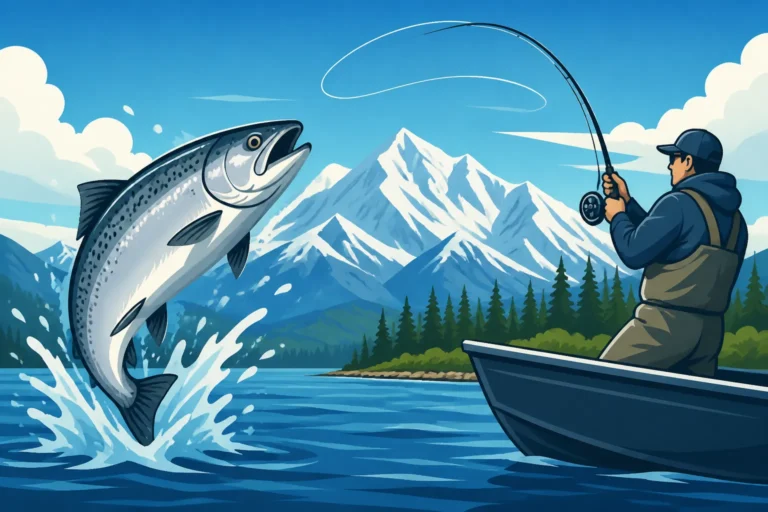
The beauty of Auke Bay is its versatility. In the spring and early summer, you can often find good numbers of feeder King Salmon cruising these waters. These kings are actively feeding, so they tend to be aggressive and put up a fantastic fight. Trolling with cut-plug herring or spoons is a common and effective technique for these chrome beauties. As summer progresses into August and September, the bay becomes a hotspot for Coho (silver) Salmon. These fish are known for their acrobatic jumps and spirited runs, making for an exciting fishing experience. Many local anglers will spend their evenings after work chasing these silvers, often with great success. For those without a boat, Lena Cove offers excellent bank fishing, especially for Dolly Varden and sometimes even salmon, particularly during high tides or periods of strong salmon migration. The key is often to use light tackle and observe what the locals are doing, as their insights are invaluable.
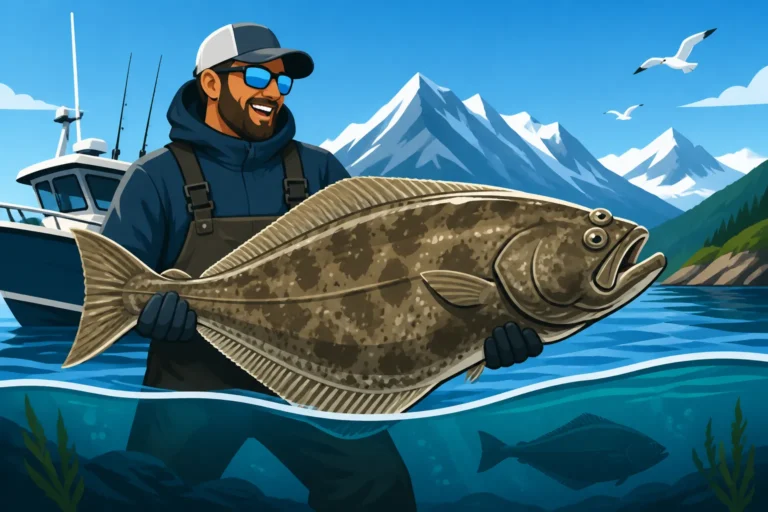
Beyond salmon, the deeper waters around Auke Bay can also yield good halibut, though you'll generally need a boat to access the prime halibut grounds. Bottom fishing with heavy gear and large chunks of bait, like herring or salmon heads, is the name of the game. It’s not uncommon to pull up a "chicken" halibut (smaller, highly desirable eating size) or even something much larger if you venture out towards the deeper drop-offs. Always be mindful of the currents in these areas, as they can be quite strong, necessitating heavier weights to keep your bait on the bottom. Remember to check the Alaska Halibut Fishing Regulations and Limits before you head out, as these rules can change and are specific to guided versus unguided trips.
Fritz Cove and Favorite Channel: Prime Salmon Territory
Just a short boat ride from Auke Bay, you'll find Fritz Cove and Favorite Channel, two areas that are absolute magnets for salmon throughout the summer. These locations are particularly productive due to their tidal currents and underwater structures that create ideal holding patterns for migrating salmon. They act as natural highways and feeding stations for fish moving towards Juneau's freshwater systems.
During the peak summer months, typically from July into September, Fritz Cove can be teeming with Pink, Chum, and Coho salmon. Pink salmon, often called "humpies" due to the distinctive hump males develop, arrive in huge numbers every even-numbered year, offering fast and furious action for anglers of all skill levels. They are often caught close to shore, making them accessible to smaller boats or even kayaks. Chum salmon also pass through here in good numbers, providing another strong fight, though they are often underrated as table fare. For Coho salmon, trolling with flashers and hoochies or small spoons in the upper water column is highly effective. The key to success in Fritz Cove is often observing where the birds are diving or where other boats are concentrated, as these are usually signs of actively feeding fish or fish congregating.
Favorite Channel, on the other hand, is a deeper and more dynamic waterway. It's an important migratory route for all five species of Pacific salmon. Trolling with downriggers set to different depths is the go-to method here, especially for King and Coho salmon. Early morning and late evening often provide the best bites as the fish are more active in lower light conditions. Anglers frequently use a variety of lures, from traditional spoons like the "Silver Horde" or "Kingfisher" to plug-cut herring or even artificial scents applied to baits to entice a strike. Navigating the channel requires attention to detail regarding tides and other boat traffic, but the rewards can be significant. Many guides, including those found through services like FishingBooker, often frequent these areas due to their consistent productivity. You might also encounter some feisty Dolly Varden here, which are always a fun bonus catch on lighter tackle.
Stephens Passage and Lynn Canal: Deep Water Giants
For those seeking truly expansive saltwater experiences and the chance at larger, ocean-dwelling species, Stephens Passage and the southern reaches of Lynn Canal are your destinations. These are vast, deep bodies of water, offering incredible opportunities but also demanding more robust boats and a keen understanding of Alaskan marine conditions. This is where you really start thinking about a dedicated Alaska Halibut Charter Guide to ensure a safe and productive trip.
Stephens Passage, a broad strait separating Juneau from Admiralty Island, is renowned for its trophy halibut fishing. The depths here can exceed several hundred feet, and the strong currents create ideal feeding grounds for these colossal flatfish. Anglers target halibut by bottom fishing with heavy-duty conventional gear, often using large jigs tipped with bait, or spreading large cut baits like salmon heads, octopus, or even entire herring on specialized halibut rigs. Landing a "barn door" halibut (those weighing over 100 pounds) is a true test of strength and endurance, often taking considerable time and effort. Beyond halibut, Stephens Passage is also prime territory for Lingcod and various species of rockfish, including the vibrant Yelloweye Rockfish, which are also fantastic eating. These fish typically inhabit rocky reefs and pinnacles, requiring precise boat positioning and stout tackle to pull them from their snags.
Further north, Lynn Canal extends over 60 miles from Juneau, offering a dramatic fjord-like environment. While also productive for halibut and rockfish, Lynn Canal is particularly noted for its winter King Salmon fishery. Known as "winter kings" or "feeder kings," these salmon are in prime condition, actively feeding and often sporting thick, rich fillets. Trolling deep with large spoons or plugs is the preferred method for these cold-water giants. The sheer scale of these waterways means that having good marine electronics (fish finders, GPS) and reliable communication equipment is paramount for safety. Weather can change rapidly in these open waters, so always check the marine forecast before heading out, and consider a guided trip with experienced captains who know these waters intimately. Many of the charters you find on platforms like FishingBooker specialize in these deep-water adventures, providing not just the gear but invaluable local expertise.
Freshwater Gems: Rivers and Lakes for Juneau Anglers
While Juneau's saltwater fishing is legendary, don't overlook the incredible freshwater opportunities available. The rivers and lakes surrounding the city provide fantastic fishing for salmon, trout, and Dolly Varden, often with easier access and a different kind of serene wilderness experience.
Mendenhall River: The Urban Angler's Paradise
The Mendenhall River, flowing from the iconic Mendenhall Glacier, is Juneau's most accessible and popular freshwater fishery. It's practically in the city's backyard, making it an ideal spot for a quick fishing trip without extensive travel. The accessibility comes with a trade-off, however: it can get crowded, especially during peak salmon runs.
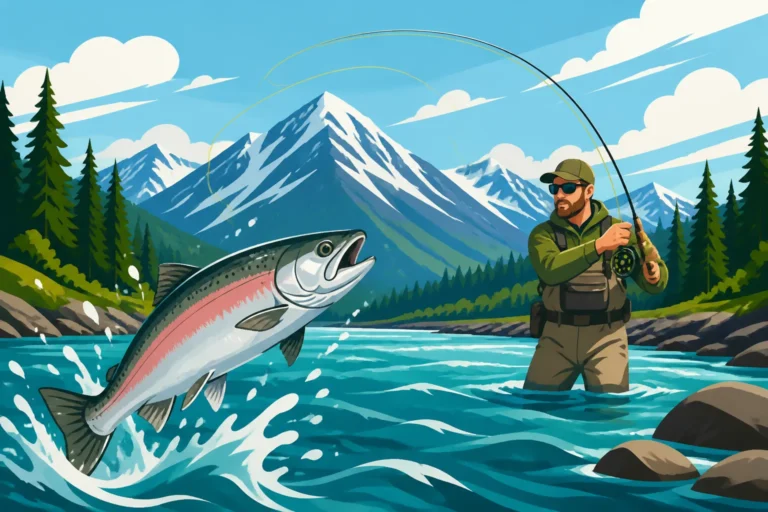
Despite the crowds, the Mendenhall River offers consistent action throughout the summer and fall. The river sees strong runs of Coho (silver) Salmon from late August through September, making it a favorite for fly anglers and spin casters alike. These silvers are notoriously aggressive and will readily strike a well-presented fly or spinner. Popular flies include chartreuse or pink Coho patterns, while spin fishers often use Mepps spinners or small Pixee spoons. Early in the summer, there can be brief opportunities for Sockeye Salmon, though they are often more challenging to catch in the Mendenhall and typically targeted by "flossing" or drift fishing with unweighted flies or beads. Beyond salmon, the river holds a healthy population of resident Dolly Varden and some Rainbow Trout. These char and trout are present year-round, feeding on salmon eggs and juvenile fish. Fly fishing with egg patterns or small streamers is incredibly effective for them, particularly after the salmon have started to spawn.
One of the unique aspects of fishing the Mendenhall River is its varied character. From the slower, wider sections near the mouth (where it meets Gastineau Channel) to the faster, braided channels upstream near the glacier visitor center, there are different types of water to fish. Each section offers unique challenges and rewards. The areas around Dredge Lakes, accessible via several trails, also provide more secluded spots for trout and Dolly Varden. However, due to its popularity, regulations on the Mendenhall River can be quite specific and are subject to frequent changes, often through Alaska Fishing Emergency Orders Explained. It's absolutely crucial to check the Alaska Department of Fish and Game (ADF&G) website or local tackle shops for the latest regulations, including potential gear restrictions or closures, before you wet a line.
Fish Creek and Peterson Creek: Serene Salmon and Trout Streams
For those willing to venture a little further from the beaten path, Fish Creek and Peterson Creek offer a more tranquil, intimate freshwater fishing experience near Juneau. These smaller, more secluded streams are often less pressured than the Mendenhall River and provide beautiful natural settings for a day of angling.
Fish Creek, located off the Glacier Highway, is a lovely stream that experiences good runs of Pink and Chum salmon, especially in even-numbered years (for Pinks). While the runs might not be as massive as some larger rivers in Alaska, the opportunity to target these fish in a smaller, wadeable stream is a joy. It's a fantastic spot for light spin tackle or fly fishing, where precise casting and presentation can yield great results. Beyond salmon, Fish Creek is also home to eager Dolly Varden and resident Cutthroat Trout. These fish thrive in the clear, cold waters, readily hitting small spinners, flies like Woolly Buggers, or even small pieces of cured salmon roe (where bait is permitted). Access to Fish Creek involves some walking along trails, adding to the feeling of escaping into the wilderness. Always be bear aware in these more remote locations, carrying bear spray and making noise as you hike and fish.
Peterson Creek, located further out Glacier Highway towards the ferry terminal, is another hidden gem. This creek, known for its picturesque waterfalls and lush forest surroundings, offers excellent opportunities for Pink and Chum salmon during their respective runs. It's a popular spot for fly fishing due to its clear water and open casting lanes in certain sections. Similar to Fish Creek, Peterson Creek also holds resident Dolly Varden and Cutthroat Trout, which can provide action outside of the main salmon runs. The creek has several access points, including a picnic area and trails, making it relatively easy to explore. What makes these smaller creeks special is the chance to really slow down, observe the natural environment, and enjoy the process of fishing in a peaceful setting. It's a stark contrast to the potential "combat fishing" you might encounter on busier rivers elsewhere in Alaska. Just remember, these fish are often sensitive to pressure, so practicing Alaska Catch-and-Release Best Practices is essential to preserve these delicate fisheries.
Inland Lakes: Hidden Rainbows and Arctic Char
While river fishing often takes center stage, Juneau also boasts a network of beautiful inland lakes, many of which are stocked with Rainbow Trout or hold native populations of Arctic Char and Dolly Varden. Access to these lakes can range from roadside convenience to requiring a floatplane or a substantial hike, offering options for various levels of adventure.
Many of the smaller, road-accessible lakes around Juneau are regularly stocked by ADF&G, ensuring good catch rates for anglers, especially families or beginners. These lakes are perfect for a relaxing day of fishing from shore, a small boat, or a float tube. Common techniques include casting small spinners, still fishing with worms or powerbait, or fly fishing with simple nymph or dry fly patterns. These stocked fish are often eager to bite, providing consistent action and a great way to introduce newcomers to the sport. The serene environment of these lakes, surrounded by dense Alaskan forests, offers a peaceful escape from the hustle and bustle. Be sure to check the ADF&G stocking reports to find out which lakes have recently been replenished.
For the more adventurous angler, Juneau is also a gateway to numerous remote alpine lakes, particularly those accessible by floatplane in the surrounding Tongass National Forest. These fly-out trips can be a truly bucket-list experience, taking you deep into untouched wilderness. Such lakes often hold larger, wild Rainbow Trout, beautiful Arctic Char, and Dolly Varden that rarely see human presence. The fishing can be phenomenal, with aggressive fish that are less wary than those in more accessible waters. Fly fishing is particularly rewarding in these pristine environments, allowing you to cast to rising fish or strip streamers through crystal-clear waters. While a fly-out trip is an investment, the solitude, breathtaking scenery, and incredible fishing often make it an unforgettable part of an Alaska trip. For any fishing in Alaska, whether freshwater or saltwater, a valid Alaska Fishing License: Complete Guide is a must.
Essential Considerations for Fishing Near Juneau
Fishing in Alaska isn't just about finding the fish; it's about respecting the environment and understanding the rules. Juneau's unique location means a mix of saltwater and freshwater regulations, and being prepared is key to a successful and legal trip.
Navigating Regulations and Seasons
Alaska's fishing regulations are notoriously complex, and they can change frequently, sometimes even mid-season due to Alaska Emergency Orders Explained. This isn't just about reading a booklet once; it's about staying vigilant. For anyone planning to fish near Juneau, your first stop, even before packing your tackle box, should be the Alaska Department of Fish and Game (ADF&G) website. They publish comprehensive regulation booklets annually, but equally important are the emergency orders. These orders can close fisheries, change bag limits, or impose gear restrictions on very short notice, especially for sensitive species like King Salmon. Imagine showing up ready to fish only to find the river closed – it's a real frustration many anglers face!
Beyond checking the general regulations like those detailed in the Alaska Fishing Regulations Explained resource, you need to understand species-specific rules. For instance, Alaska King Salmon Fishing Regulations and Limits are often very strict, especially for non-residents, and can involve specific stamps or recording requirements. For any King Salmon caught, you'll need an Alaska Harvest Record Card Explained and must immediately record your catch. This system helps state biologists manage the fishery responsibly. Similarly, Alaska Sockeye Salmon Fishing Regulations and Limits or Alaska Coho Salmon Fishing Regulations and Limits will dictate daily and annual bag limits, size restrictions, and permissible gear for these species. Knowing the specific salmon run timing for Juneau's rivers, as outlined in guides like Alaska Salmon Run Timing Explained, will also help you target the right species at the right time while adhering to regulations. Don't rely on hearsay; always consult official sources.
Gear, Tackle, and Safety Preparations
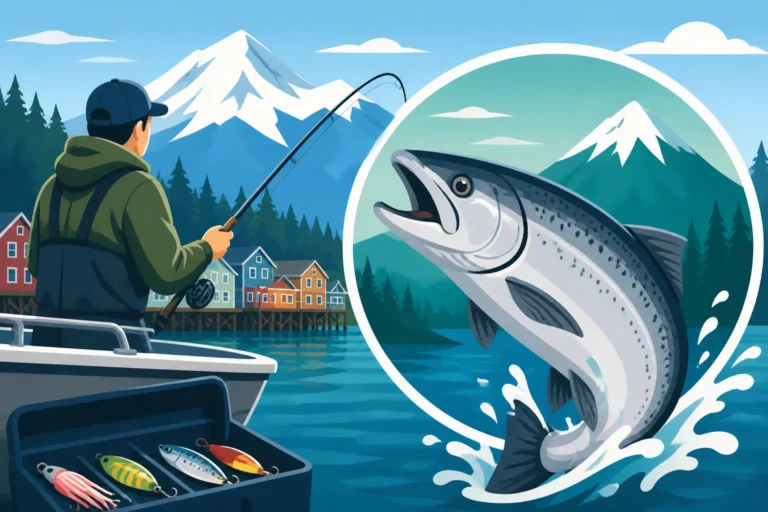
Being adequately prepared with the right gear and safety knowledge is non-negotiable when fishing in Alaska. The weather can be unpredictable, and the wilderness is wild. For saltwater fishing around Juneau, you'll want sturdy rods and reels capable of handling powerful fish like King Salmon and Halibut. A medium-heavy to heavy conventional setup with braided line in the 50-80 lb test range is typical for halibut, while a good quality salmon spinning or baitcasting setup will suffice for kings and silvers. Don't forget a variety of lures and baits: cut-plug herring, large jigs, and spoons are staples. For freshwater, a lighter spinning rod or a 6-8 weight fly rod is generally appropriate for salmon, trout, and Dolly Varden. Waders are almost essential for comfortable and effective river fishing, especially on the Mendenhall or smaller creeks. Our Alaska Fishing Gear and Tackle Guide offers a more detailed breakdown.
Table: Recommended Gear for Juneau Fishing
| Fishing Type | Target Species | Recommended Rod/Reel Type | Key Lures/Bait | Essential Accessories |
|---|---|---|---|---|
| Saltwater (Deep) | Halibut, Lingcod, Rockfish | Heavy Conventional (6-8 ft) | Large Jigs (12-24oz), Herring, Salmon Heads | Heavy weights, Pliers, Gaff, Net |
| Saltwater (Troll) | King Salmon, Coho Salmon | Medium-Heavy Baitcasting/Spin | Cut-plug Herring, Spoons, Plugs, Hoochies | Downriggers, Flashers, Fish Finder |
| Freshwater (River) | Salmon (Sockeye, Coho), Trout, Dolly Varden | Medium Spinning / 6-8wt Fly | Spinners, Spoons, Flies (eggs, streamers) | Waders, Bear Spray, Polarized Glasses |
| Freshwater (Lake) | Rainbow Trout, Dolly Varden | Light Spinning / 4-6wt Fly | Worms, Powerbait, Small Spinners, Nymphs | Small boat/float tube, Bug spray |
Safety in the Alaskan wilderness is paramount. This includes dressing in layers, as Juneau's weather can shift from sunny to rainy in minutes. Quality rain gear is non-negotiable. If you're venturing into freshwater areas, particularly away from well-used trails, always be prepared for wildlife encounters. Carrying bear spray and knowing how to use it, making noise while hiking, and properly storing food are vital for bear safety. For saltwater trips, a Coast Guard-approved vessel, life jackets for everyone on board, and reliable communication devices (VHF radio, satellite messenger) are absolute musts. It's always a good idea to let someone know your float plan, even for a short trip, especially if you're exploring less-trafficked areas.
Hiring a Local Guide or Charter
For many visitors and even some locals, hiring a professional fishing guide or charter service is the best way to experience fishing near Juneau, especially if you're short on time or unfamiliar with the waters. Guides offer invaluable local knowledge, expertise, and often access to prime fishing spots that would be difficult to find on your own. They also provide all the necessary, often expensive, gear and tackle.
When should you consider a guide? For targeting large halibut and deepwater rockfish in Stephens Passage or Lynn Canal, a charter is highly recommended due to the specialized boat, heavy gear, and navigation skills required. Similarly, if your primary goal is to maximize your chances of catching a trophy King Salmon or you want to learn specific techniques for a particular river, a guided trip can elevate your experience significantly. Guides often know the precise timing of runs, the best tides, and the subtle nuances of where fish are holding. This insider knowledge can transform a frustrating day into a memorable one. If you're planning a trip, checking out options for Best Fishing Charters in Juneau, Alaska is a great starting point.
Choosing the right guide or charter is crucial. Look for operators with good reputations, valid licenses, and a strong safety record. Online platforms like FishingBooker can be a great resource for comparing options, reading reviews from other anglers, and seeing what types of trips and species each guide specializes in. Don't hesitate to ask prospective guides questions about their experience, what's included in the trip (gear, bait, fish processing, snacks), and their contingency plans for bad weather. A good guide will prioritize your safety and enjoyment, and their expertise can be the difference between a good trip and a truly spectacular one. Many guides also offer insights into the broader Juneau Fishing Guide for Visitors, helping you plan your entire angling adventure.
Disclaimer
The information provided in this guide is for general informational purposes only and is subject to change. Fishing regulations in Alaska are complex and frequently updated by the Alaska Department of Fish and Game (ADF&G). It is the angler's responsibility to consult the most current ADF&G regulations, emergency orders, and licensing requirements before engaging in any fishing activities. Always prioritize safety and practice responsible angling to preserve Alaska's fisheries for future generations.