Kenai River Fishing: Complete Guide
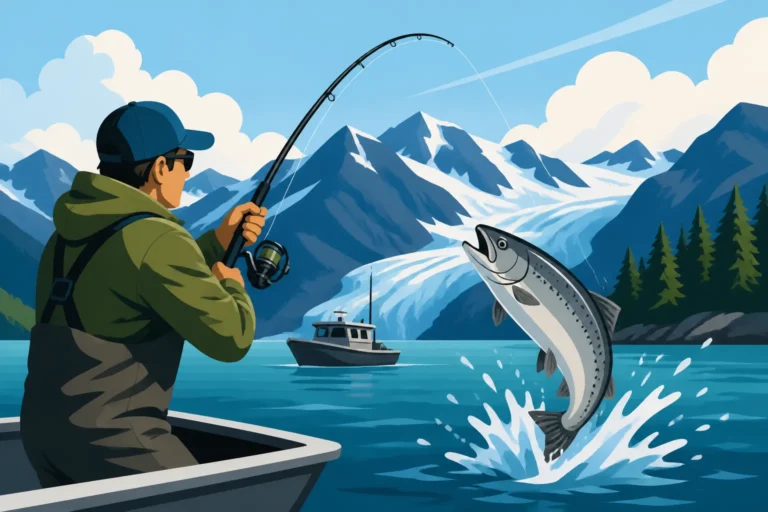
For many anglers, the Kenai River isn't just another fishing spot; it's the stuff of legends, a place that whispers promises of colossal King Salmon and teeming Sockeye runs. But let's be real: the sheer volume of information, the often-confusing regulations, and the intimidating reputation of "combat fishing" can leave even seasoned anglers feeling overwhelmed. This comprehensive guide is here to cut through the noise, offering you an honest, in-depth look at what it truly takes to successfully and enjoyably fish the mighty Kenai River.
Understanding the Kenai River Fishery
The Kenai River, flowing through Alaska's Kenai Peninsula, is arguably one of the most famous sportfishing destinations in the world, and for good reason. Its pristine, glacier-fed waters are home to incredibly robust salmon runs, world-class rainbow trout, and a variety of other sought-after species. But to truly appreciate and tackle this river, you need to understand its unique characteristics and how they shape the fishing experience.
Why the Kenai is Legendary
The Kenai's fame isn't accidental; it's built on a legacy of colossal fish and unparalleled natural beauty. When people talk about "trophy King Salmon," often they're thinking of the Kenai. This river holds the world record for the largest King Salmon ever caught by sport fishing, a monstrous 97-pound specimen pulled from its waters in 1985. While those giants are rarer now, the potential for a personal best remains a powerful draw. But it's not just Kings; the river experiences some of the most prolific Sockeye Salmon runs on the planet, drawing hundreds of thousands, sometimes millions, of fish annually, creating a vibrant, almost electric atmosphere on its banks. Beyond salmon, the Kenai's rainbow trout grow to astonishing sizes, feeding on the bounty of salmon eggs and flesh, making it a prime destination for dedicated trout anglers as well.
This reputation, however, comes with its own set of challenges. The legendary status means crowds, especially during peak salmon runs. Many anglers dream of a pristine, solitary Alaskan fishing experience, and while parts of the Kenai can offer that, during the height of the Sockeye run, you're more likely to be shoulder-to-shoulder with fellow enthusiasts. This isn't necessarily a bad thing – there's a camaraderie to it, a shared excitement – but it's crucial to set realistic expectations and prepare for a different kind of fishing adventure than you might find in more remote Alaskan locales. The sheer abundance of fish, however, often makes the trade-off worthwhile.
Different Sections of the River
The Kenai River stretches about 82 miles from Kenai Lake to Cook Inlet, and its character changes dramatically along its course. Understanding these distinct sections is key to planning your fishing strategy, as different species and techniques are more prevalent in certain areas.
The Upper Kenai River, generally from Kenai Lake downstream to Skilak Lake, is a pristine, drift-only section (no motors allowed) renowned for its spectacular rainbow trout and Dolly Varden fishing. This section, often accessed from Cooper Landing, is a haven for fly anglers and those seeking a more tranquil, wilderness experience. The water here is crystal clear, flowing over gravel beds and through deep pools, offering incredible sight fishing opportunities. During salmon runs, trout congregate behind spawning salmon, feasting on loose eggs. It’s a truly special place where you can feel fully immersed in the Alaskan wilderness, even if it’s just a short drive from the main road system.
Below Skilak Lake, the Middle Kenai River begins, running downstream to the Sterling Highway Bridge in Soldotna. This section is wider, deeper, and allows for both drift boats and power boats, though there are specific restrictions on motor usage during certain times. It’s a popular area for King Salmon fishing, especially the early run, and hosts significant Sockeye and Coho (Silver) Salmon runs later in the season. Access points are more numerous here, and you'll find a mix of guided and unguided anglers. The river here flows through more developed areas but still retains much of its wild feel, with stunning views and abundant wildlife.
Finally, the Lower Kenai River stretches from the Sterling Highway Bridge to Cook Inlet. This tidal section is the widest and deepest, heavily used by powerboats and charters targeting King, Sockeye, and Coho Salmon. Many of the famous Soldotna and Kenai fishing holes are located here. This section is where the massive pulses of returning salmon first enter the river, making it incredibly productive, though often very busy. The lower river is also the section where you're most likely to encounter charters, often offering a full-service experience that includes all the necessary gear and expert guidance. For those looking for a truly "Alaskan" charter experience, consider looking through options on services like FishingBooker to find a reputable guide operating in this area.
Key Species and Their Seasons
Knowing when to target specific species on the Kenai is paramount to a successful trip, as runs are highly seasonal. Alaska's fishing seasons are dictated by the lifecycle of its migratory fish, particularly salmon.
King Salmon (Chinook): The Kenai is home to two distinct King Salmon runs. The first run typically arrives in late May and peaks in mid-June, while the second, larger run usually starts around the last week of June and peaks in mid-July. These are the giants, the prize catches for many anglers. When planning your trip, you'll definitely want to check the Alaska King Salmon: Complete Guide for detailed information on their habits and prime fishing windows.
Sockeye Salmon (Red): Sockeye salmon are the most abundant species in the Kenai. The first run generally enters the river in mid-June, peaking around the end of June. The second, much larger run typically begins mid-July and peaks in late July or early August, creating the famous "combat fishing" scenes. These fish are powerful fighters and incredibly delicious, making them a favorite for many. If you're heading out for Sockeye, our Alaska Sockeye Salmon Explained guide can provide even more insights.
Coho Salmon (Silver): Silver Salmon offer fantastic action in late summer and early fall. The first run usually starts in mid-August and peaks by the end of the month, while a second, stronger run follows in September, often extending into early October. Cohos are acrobatic fighters and excellent table fare, providing a thrilling experience as the summer crowds begin to thin. For specific tips on landing these beauties, check out our guide on How to Catch Silver Salmon in Alaska.
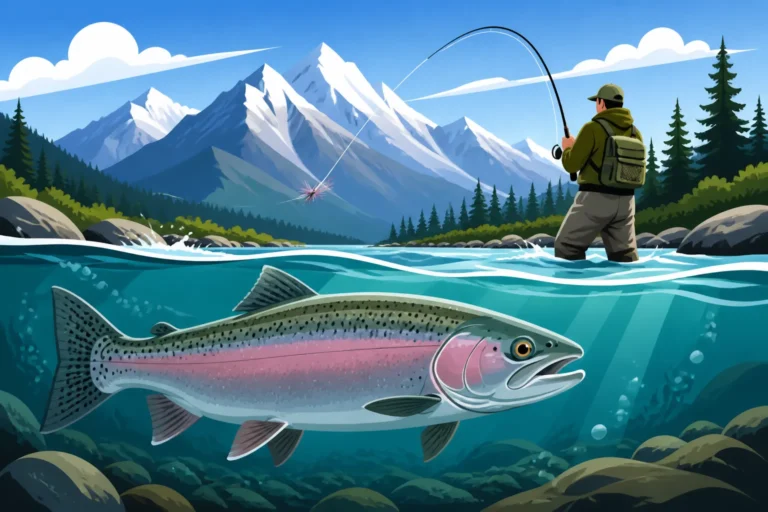
Rainbow Trout & Dolly Varden: These resident fish are available year-round, but the best fishing for large, actively feeding trout typically occurs in late summer and fall, after the salmon have spawned. During this time, they gorge themselves on salmon eggs and flesh, putting on significant weight. The Upper Kenai is particularly famous for its trophy rainbows. Our Alaska Rainbow Trout Guide has plenty of advice for targeting these beautiful fish.
Understanding these seasonal patterns, which are also covered in our comprehensive Alaska Salmon Run Timing Explained and Best Time to Fish in Alaska guides, will help you decide when to visit and what gear to bring.
| Species | Peak Season (General) | Preferred Method (General) | Notes |
|---|---|---|---|
| King Salmon | Mid-June, Mid-July | Back-Trolling, Drifting | World-record potential, highly regulated, often requires a stamp |
| Sockeye Salmon | Late July | Flossing (Kenai Flip) | Most abundant, incredible fight, often very crowded |
| Coho Salmon | August, September | Spin Fishing, Fly Fishing | Aggressive biters, acrobatic, excellent eating |
| Rainbow Trout | Late Summer, Fall | Fly Fishing (Egg patterns) | Trophy sizes, feasting on salmon eggs, primarily catch-and-release |
| Dolly Varden | Late Summer, Fall | Fly Fishing (Egg patterns) | Smaller char, good fighters, often found with Rainbow Trout |
Navigating Kenai River Regulations
Fishing on the Kenai River comes with a comprehensive set of regulations designed to protect its precious fisheries. Failing to understand and follow these rules can lead to significant fines, confiscation of gear, or even loss of fishing privileges. It's not just about obeying the law; it's about being a responsible steward of this incredible natural resource.
Essential Licenses and Stamps
Before you even cast a line in the Kenai, you absolutely need to make sure your paperwork is in order. Every angler, resident or non-resident, aged 16 or older, must possess a valid Alaska sport fishing license. The type of license you need depends on your residency status and the duration of your trip. Non-residents, for example, can choose from 1-day, 3-day, 7-day, 14-day, or annual licenses. You can purchase these online through the Alaska Department of Fish and Game (ADF&G) website, or from licensed vendors throughout the state, including many tackle shops and general stores on the Kenai Peninsula. If you're looking for more general information on how to get started, our Alaska Fishing License: Complete Guide can walk you through the entire process.
Beyond the basic license, if you plan to target King Salmon, you'll need an additional King Salmon Stamp. This stamp is mandatory for all anglers, regardless of age or residency, who wish to fish for or retain King Salmon. The revenue from these stamps directly supports King Salmon enhancement and research programs, which are vital for maintaining healthy populations. Even if you're only doing catch-and-release for Kings, you still need the stamp in your possession. It’s an easy add-on to your license purchase, but it's one of those details that's easy to overlook until it's too late.
Bag Limits and Size Restrictions
Bag limits and size restrictions on the Kenai River are notoriously dynamic, often changing rapidly via emergency orders to protect fish stocks, especially King Salmon. What was legal last week might not be today, and ignorance is rarely an excuse. It's critical to check the current ADF&G regulations and emergency orders daily before you head out. These changes can dictate not only how many fish you can keep but sometimes even whether you can target a species at all, or if it must be strictly catch-and-release.
For King Salmon, non-resident annual limits are typically very restrictive, often just one fish per year in the Kenai River, with daily and seasonal limits that can fluctuate wildly. Residents usually have slightly more generous limits but still face strict controls. Halibut, if you venture into nearby saltwater, also have specific limits and even "reverse slot limits" on charter boats. Sockeye and Coho Salmon usually have more generous daily bag limits, often 3 or 6 fish per day, but again, these can change. Rainbow trout and Dolly Varden often have specific size windows for retention or are designated as catch-and-release areas, particularly in the Upper Kenai River. To avoid any issues, always consult the Alaska Fishing Regulations Explained for the most current specifics. You also need to properly record any retained King Salmon on your harvest record card, which comes with your license.
Gear Restrictions and Methods
The Kenai River has specific gear and tackle restrictions, especially during certain times or for particular species. These are implemented to ensure fair chase, reduce snagging, and protect fragile spawning fish. For instance, during the primary Sockeye runs, specific sections of the river, particularly those known for "combat fishing" like the Russian River confluence, often implement "single hook, unbaited" regulations. This means no treble hooks, no bait, and often specific hook gap limitations. The goal is to encourage legal "flossing" or "flipping" techniques, where the line catches in the fish's mouth, rather than snagging them elsewhere on the body.
For King Salmon, bait is often permitted, but usually with a single, unbarbed hook. Barbless hooks are a common requirement across many Alaskan fisheries, making it easier to release fish unharmed. Using two poles is generally allowed if you have a "Two-Pole Endorsement" on your license, but even then, specific areas or emergency orders might restrict it. It's also important to understand the definition of "legal snagging" versus "illegal snagging." While some personal use fisheries, like those on the Kenai during a specific time, permit a form of "snagging" by residents with a dip net, standard sport fishing generally prohibits intentionally hooking a fish anywhere other than in the mouth. Always clarify these rules beforehand, especially if fishing on your own. A local tackle shop can be an invaluable resource for up-to-date information on current gear restrictions.
Best Times to Fish the Kenai River
Timing is everything when it comes to fishing the Kenai River. With distinct runs of multiple salmon species and thriving resident trout populations, knowing when to go for what you want to catch is the secret to a successful and satisfying trip. Alaska's fishing calendar isn't static, and slight variations occur year to year based on environmental factors, but there are reliable windows to consider.
Spring: Early Kings and Hungry Trout
As the ice breaks and the Kenai River awakens in May, the fishing season begins to stir. Late May marks the eagerly anticipated arrival of the first King Salmon run. These early Kings are known for their fresh, feisty nature, having just entered freshwater from the ocean. They might not be as numerous as the second run, but the opportunity to target these magnificent fish before the peak summer crowds arrive holds immense appeal for many anglers. This is a time for patience and persistence, often involving back-trolling large plugs or bait rigs from a boat in the middle and lower river sections.
Simultaneously, as the river sheds its winter sluggishness, the resident rainbow trout and Dolly Varden become more active. While not yet gorging on salmon eggs, they are hungry after the lean winter months and will readily strike at nymphs, streamers, or small lures. The upper Kenai River, with its clear waters, offers excellent opportunities for early-season fly fishing for trout. The landscape is often still quite green and lush, with fewer people on the water compared to the bustling summer months, providing a more serene angling experience.
Summer: The Salmon Frenzy
Summer is undoubtedly the prime time on the Kenai, dominated by the epic salmon runs. This is when the river truly comes alive with fish and anglers alike.
June: The first half of June sees the continuation of the first King Salmon run, often offering excellent action for these prized fish. As June progresses, usually by the middle of the month, the first wave of Sockeye Salmon starts pushing into the river. This initial Sockeye run is smaller but provides a taste of what's to come. This period can be fantastic for those who want to experience both Kings and the start of Sockeye without the intense crowds of late July.
July: July is the absolute peak of the Kenai salmon season. The second, much larger King Salmon run begins around the last week of June and typically peaks in mid-July. This is when the biggest Kings are caught, and the river sees its highest concentration of these legendary fish. This period is also when the main event for Sockeye Salmon kicks off with the second, massive run entering the river, usually starting around the 10th-15th of July and peaking towards the end of the month. The sheer volume of Sockeye can be astounding, sometimes hundreds of thousands of fish moving upstream daily. This is when the famous "combat fishing" scenes unfold, particularly in popular bank fishing areas. For many, landing Sockeye after Sockeye is the quintessential Kenai experience. It's exhilarating, demanding, and incredibly rewarding.
August: As the King and Sockeye runs begin to wane in early August, the river transitions to another exciting species: Coho Salmon. The first run of Silver Salmon typically arrives mid-August, offering aggressive strikes and acrobatic fights. This is a fantastic time for both spin and fly anglers, with less competition than the earlier salmon runs. The weather is often still beautiful, and the fishing can be incredibly productive for Silvers.
Fall: Trophy Rainbows and Late Silvers
As summer gives way to fall, the Kenai River offers a more relaxed yet incredibly rewarding fishing experience, particularly for trophy rainbow trout.
September: September is arguably the best month for truly huge rainbow trout on the Kenai. With millions of salmon eggs deposited during the summer spawn, the trout and Dolly Varden go into a feeding frenzy. Fly anglers using egg patterns or flesh flies can have incredible days, targeting fish that have grown massive on this protein-rich diet. The colors of the surrounding landscape begin to change, painting a stunning backdrop for your fishing adventure. While the first Coho run is still strong, a second, often larger, run of Silver Salmon also enters the river in September, providing excellent opportunities for both bank and boat anglers. The crowds are significantly thinner than in July, making for a more peaceful experience.
October: Fishing in October is largely focused on the tail end of the Coho Salmon run and continued phenomenal rainbow trout action. The weather can be crisp, and snow might even start to fall, but the dedicated angler can still find incredible fishing. This is a time for solitude, appreciating the raw beauty of Alaska, and the chance to land a truly memorable trout or a late-season Silver. It's often too cold for most tourist anglers, leaving the river to those who truly appreciate the late season's magic.
Effective Fishing Techniques for Kenai Salmon
The Kenai River demands specific techniques to successfully target its salmon. Each species, and often each section of the river, has a preferred method that maximizes your chances of hooking up. Learning these techniques is part of the fun and challenge of fishing this iconic Alaskan waterway.
Sockeye Salmon Flossing (The "Kenai Flip")
Sockeye Salmon are unique among Pacific salmon because they typically don't feed once they enter freshwater on their spawning migration. This means you can't entice them with traditional bait or lures that mimic their food sources. Instead, the most effective and widely used technique on the Kenai is often referred to as "flossing" or the "Kenai Flip." This method involves using a heavy leader, a small lead weight (often a slinky weight or pencil lead), and a bare, unbaited, single barbless hook. The idea is to cast upstream and slightly across the current, letting your gear drift downriver. The weight sinks the line, allowing it to drift near the river bottom. As the line drifts, it "flosses" through the mouths of the upstream-migrating Sockeye. When the line catches in a fish's mouth, you set the hook.
Mastering the "Kenai Flip" requires practice and a feel for the current. You're looking for a subtle pause or tap on your line, indicating that a fish has intersected it. It's not about visually seeing the fish bite; it's about feeling the connection. This technique is particularly effective in crowded areas where fish are stacked, like the famous sections of the Russian River or the lower Kenai. It’s physically demanding, with constant casting and retrieving, but the reward of a fresh Sockeye on the line is absolutely worth the effort. For an even more detailed breakdown, our guide on How to Catch Sockeye Salmon in Alaska offers in-depth advice.
King Salmon Back-Trolling and Drifting
King Salmon, unlike Sockeye, will sometimes strike at lures and bait in freshwater, making their pursuit a bit more conventional, but no less challenging. On the Kenai, especially in the middle and lower river, back-trolling is a highly effective technique. This involves using a powerboat to slowly motor upstream against the current, allowing your lines with heavy-diving plugs (like Kwikfish or FlatFish) or baited divers (often with cured salmon roe) to drift backward with the current, just above the river bottom. The plugs' aggressive action or the scent of the bait attracts the Kings.
Another popular and productive method is drift fishing from a boat. This involves using a drift boat or a powerboat with its motor off, allowing the boat to float downstream with the current while anglers cast and retrieve or let their bait rigs drift along the bottom. Often, anglers use heavy lead weights to keep their bait (like a large cured roe cluster) or a combination of bait and a diver moving naturally along the King Salmon's travel lanes. This method is particularly effective in areas with distinct holding water or travel lanes. When a King takes the bait, it's usually an unmistakable, powerful strike that will test your tackle and your resolve. For more tips on targeting these behemoths, check out How to Catch King Salmon in Alaska.
Silver Salmon Spin Fishing and Fly Fishing
Coho Salmon, or Silvers, are incredibly aggressive and responsive to a wider array of techniques than Kings or Sockeye. This makes them a fantastic target for both spin fishermen and fly anglers, particularly in the middle and lower Kenai River during their runs in August and September.
For spin fishing, casting spinners (such as a Pixee or Blue Fox Vibrax), spoons (like a Silver Horde or Dick Nite), or even small plugs can be incredibly effective. Silvers are often found in seams, eddies, and behind gravel bars, waiting to ambush baitfish or anything that looks edible. Casting and retrieving with varying speeds and depths is key to provoking a strike. They hit hard and put on an impressive aerial show, making for thrilling action. Using cured salmon roe under a bobber or drifting it through likely holding water can also be very productive.
Fly anglers targeting Coho will find them highly receptive to flashy streamers. Large, colorful patterns that imitate baitfish, like Clouser Minnows, articulated leeches, or gaudy intruder-style flies, often produce savage strikes. Swinging flies across currents or stripping them aggressively through seams are common and effective approaches. The Kenai's coho fishing provides a dynamic and exciting challenge, especially as the river begins to calm down after the earlier King and Sockeye madness.
Targeting Kenai River Trout and Other Species
While salmon often steal the spotlight, the Kenai River's robust population of resident fish, particularly its trophy rainbow trout, offers an equally compelling angling experience. These fish thrive in the nutrient-rich waters, growing to impressive sizes. Beyond trout, species like Dolly Varden and Arctic Grayling provide additional diversity for the discerning angler.
Giant Rainbow Trout Strategies
The Kenai River is world-renowned for its trophy rainbow trout, with many fish exceeding 20 inches and some pushing 30 inches or more. The Upper Kenai River, from Kenai Lake to Skilak Lake, is particularly famous for these giants, primarily due to its nutrient-rich environment and stringent catch-and-release regulations. The best time to target these fish is typically from late summer through fall, specifically from late August through October. During this period, the trout gorge themselves on the millions of salmon eggs and decaying salmon carcasses left over from the salmon spawning runs.
Fly fishing is the predominant and most effective method for these trout. Anglers typically drift egg patterns (like an "Egg Sucking Leech" or a simple bead representing a salmon egg) under an indicator, mimicking the natural food source. Often, a small split shot is added to get the fly down to the fish’s feeding lane. In addition to egg patterns, flesh flies (patterns designed to imitate decaying salmon flesh) can be incredibly effective, especially later in the fall. These opportunistic feeders key in on anything that offers a high-protein meal. For those not into fly fishing, spin anglers can also find success with small, brightly colored lures or scented baits designed to imitate salmon eggs, but fly fishing generally offers the most consistent results for the true giants. Fishing with a guide, many of whom specialize in these "post-spawn" trout, can significantly increase your chances of success.
Dolly Varden and Arctic Char Tactics
Dolly Varden are another prevalent anadromous char species in the Kenai River, often found in the same waters as rainbow trout. While generally smaller than the trophy rainbows, they are aggressive fighters and a blast to catch. They share a similar diet, actively feeding on salmon eggs and flesh during the late summer and fall. Their striking coloration, often with bright orange spots, makes them a beautiful catch.
Like rainbow trout, Dolly Varden respond very well to fly fishing techniques. Small egg patterns, sculpin imitations, and flesh flies drifted through the current or swung through pools will often entice a strike. Spin fishermen can also catch Dolly Varden using small spinners (like Mepps or Rooster Tail) or spoons. They tend to congregate in slower water, behind structure, and in deeper pools, always on the lookout for an easy meal. During salmon spawning, you’ll find them right alongside the rainbows, cleaning up the loose bounty. They’re a welcome addition to any angler’s catch list, adding diversity to the day.
Grayling Opportunities
While not as abundant in the mainstem Kenai River as in some other Alaskan drainages, Arctic Grayling can be found in the Kenai's tributaries and smaller, cooler headwater streams, particularly in the Upper Kenai watershed. These beautiful fish are instantly recognizable by their strikingly large, sail-like dorsal fin and iridescent coloring. They are primarily insectivores, making them a superb target for dry fly enthusiasts.
If you’re looking for Grayling, you’ll typically need to venture away from the main river channels, often into smaller, clearer streams. Light tackle and small, delicate flies are key. Terrestrials (grasshoppers, ants, beetles), caddis, and mayfly patterns often work well, especially during summer months. They are eager biters and fantastic fighters on light gear, providing a delightful change of pace from the heavier tackle needed for salmon. Catching a Grayling in the pristine surroundings of the Kenai's upper reaches or its feeder streams is a truly classic Alaskan freshwater experience.
Planning Your Kenai River Fishing Trip
A successful Kenai River fishing trip involves more than just showing up with a rod. It requires careful planning, especially when it comes to deciding how you'll fish, what you'll bring, and where you'll lay your head at night. The decisions you make upfront can significantly impact your overall experience, from comfort to cost.
Guided vs. Unguided Experiences
One of the first big decisions you'll face is whether to hire a guide or venture out on your own. Both options offer distinct advantages and disadvantages, and the best choice often depends on your budget, experience level, and desired fishing style.
Guided Fishing: Hiring a professional fishing guide or charter is often the best option for first-timers or those looking for a stress-free experience. A good Kenai guide knows the river intimately – where the fish are, what they’re biting on, and how to navigate the ever-changing regulations and emergency orders. They provide all the necessary gear, expertise, and often even lunch, leaving you to focus solely on fishing. Guides are particularly valuable for King Salmon and halibut (if you opt for a combo trip), as these fisheries often require specialized boats and techniques. Many guides operate out of Soldotna, Cooper Landing, or Kenai, and a quick search on platforms like FishingBooker can connect you with experienced local captains. While more expensive, the success rate and peace of mind can be well worth the investment, especially if you’re traveling a long distance to fish Alaska. Our guide on How to Choose an Alaska Fishing Charter offers more insights into this decision.
Unguided Fishing: For experienced anglers who prefer autonomy and are comfortable with a bit more self-reliance, an unguided trip can be incredibly rewarding and more cost-effective. This often involves renting a drift boat or bringing your own, studying maps, and diligently keeping up with regulations yourself. Bank fishing opportunities exist, particularly for Sockeye Salmon during peak runs, but finding less crowded spots can be a challenge. Unguided trips require a significant amount of homework: understanding river access points, private property boundaries, and navigating the often-complex gear restrictions. However, the satisfaction of scouting your own spots and landing fish on your own terms is unparalleled. Just be prepared for the learning curve and the possibility of fewer fish caught compared to a guided trip, at least initially.
Essential Gear and Packing List
Alaska's weather is famously unpredictable, and the Kenai River is no exception. A sunny, warm morning can quickly turn into a chilly, rainy afternoon. Therefore, packing correctly is crucial for comfort and enjoyment.
Clothing: Layers are your best friend. Start with a moisture-wicking base layer, add an insulating fleece or down jacket, and top it with high-quality waterproof and windproof outerwear (jacket and pants). You'll thank yourself when a squall rolls in. Waterproof boots are essential, and waders (chest waders are best) are highly recommended if you plan on doing any bank fishing or wading in the shallows. Don't forget a warm hat, gloves, and polarized sunglasses to cut glare on the water.
Fishing Gear:
- Rods & Reels: For King Salmon, heavy-action baitcasting or spinning rods (8-10 feet) paired with stout reels spooled with 30-50 lb test monofilament or braid are standard. For Sockeye, a medium-heavy spinning rod (9-10 feet) with 20-30 lb line is common. Coho can be targeted with medium-heavy spinning or fly rods. For trout, a 7-8 wt fly rod or a light-medium spinning rod is ideal.
- Tackle: A selection of weights (slinky weights, pencil lead), various single barbless hooks, swivels, and leader material (20-40 lb fluorocarbon or monofilament) are essential. For lures, pack a variety of spinners, spoons, and plugs for salmon, and egg patterns, flesh flies, and nymphs for trout.
- Accessories: A good fillet knife, small tackle box, pliers, line clippers, a measuring tape (to check legal sizes), a small first-aid kit, bear spray (and knowledge of how to use it), and a personal flotation device (PFD) if you're on a boat.
- Miscellaneous: Bug spray, sunscreen, camera, a waterproof bag for personal items, and plenty of snacks and water.
For a comprehensive checklist, our Alaska Fishing Gear and Tackle Guide can help you finalize your packing.
Logistics and Accommodation
The Kenai Peninsula offers a range of accommodation options and logistical hubs to support your fishing adventure.
Main Hubs: The towns of Soldotna and Kenai are the primary centers for fishing on the lower and middle Kenai River. Here you'll find numerous lodges, hotels, RV parks, tackle shops, restaurants, and fish processing services. Cooper Landing, located further upstream near Kenai Lake, is the gateway to the Upper Kenai River and is popular for its quieter atmosphere, excellent trout fishing, and proximity to wilderness activities.
Getting There: Most anglers fly into Ted Stevens Anchorage International Airport (ANC), then either rent a car for the scenic 2-3 hour drive south to the Kenai Peninsula or take a smaller commuter flight to Kenai (ENA) or Homer (HOM) airports. Renting a car provides the most flexibility for exploring different fishing spots and accessing amenities.
Accommodation: Options range from rustic cabins and campsites to comfortable hotels and all-inclusive fishing lodges. Booking well in advance, especially for peak July dates, is absolutely essential. Many lodges offer packages that include guided fishing, meals, and accommodations, simplifying your planning process. If you plan to self-guide, consider Airbnb or VRBO for private rentals, which can offer more space and amenities like kitchens for preparing your catch.
Remember, getting your fish home is part of the logistics! Many fish processors in Kenai and Soldotna offer services to fillet, vacuum seal, freeze, and ship your catch. Factor this into your budget and plan accordingly.
Dealing with Crowds and "Combat Fishing"
The Kenai River's legendary status, especially during the Sockeye runs, often leads to an experience known affectionately (or sometimes exasperatedly) as "combat fishing." While it can seem intimidating, with the right mindset and strategies, it can be an incredibly fun and productive part of your Alaskan adventure.
Understanding the Dynamics
"Combat fishing" isn't just a catchy phrase; it's a real phenomenon, particularly prevalent during the peak Sockeye Salmon runs in July, especially in popular bank access areas like the confluence of the Russian River with the Kenai, or sections near Soldotna. Imagine hundreds, sometimes thousands, of anglers lined up shoulder-to-shoulder along the riverbank, all casting their lines into the same prime fishing lanes where Sockeye are migrating upstream. It’s loud, it’s bustling, and it requires a unique blend of patience, skill, and spatial awareness.
The dynamics are driven by the sheer volume of fish. Sockeye typically hug the banks as they push upstream, making them accessible to bank anglers. When millions of fish are moving, even with dense crowds, there are usually enough fish for everyone. However, this density of anglers often leads to tangled lines, accidental snagging, and sometimes, frayed nerves. It's an environment where quick casting, efficient retrieval, and being respectful of your neighbors' space are paramount. Understanding that this is part of the Kenai experience, rather than an aberration, is key to managing expectations.
Strategies for a More Enjoyable Experience
While "combat fishing" can be intense, there are definitely ways to make it more enjoyable and productive:
- Go Early or Late: The crowds tend to be thickest mid-day. Getting to your spot before sunrise or staying until dusk can offer a few precious hours with fewer people and often more active fish. The Alaskan midnight sun means plenty of daylight, even in the "off-hours."
- Fish During the Week: Weekends, especially during peak runs, are generally more crowded than weekdays. If your schedule allows, plan your fishing days for Monday through Friday.
- Choose Your Spots Wisely: While popular spots like the Russian River Ferry area are famous, they are also the most crowded. Consider exploring other, slightly less accessible bank fishing areas or even chartering a boat to fish less crowded water (though boat traffic can still be substantial). Guides are excellent at finding these quieter spots.
- Master Your Technique: Being efficient with your casting and retrieving, especially with the Sockeye "flossing" technique, will minimize tangles and maximize your fishing time. A clean, quick cast is appreciated by your neighbors.
- Embrace the Camaraderie: Believe it or not, there's a strong sense of community on the Kenai. Strike up conversations, share tips, and celebrate successes. A positive attitude can transform the experience from "combat" to a shared adventure. Many experienced anglers are happy to offer advice if approached respectfully.
- Patience is a Virtue: You will get tangled. Your line will get snagged. People will cast over you. Don't let it ruin your day. Take a deep breath, untangle, re-rig, and get back to fishing.
- Know the Rules: Understanding exactly what gear is allowed (e.g., single barbless hooks, no bait during Sockeye runs) will prevent issues with Fish and Game enforcement and your fellow anglers.
Safety and Etiquette on the River
Beyond fishing techniques and crowd management, personal safety and good river etiquette are crucial for a positive experience on the Kenai.
Bear Safety: The Kenai Peninsula is prime bear country. Both black and brown (grizzly) bears frequent the riverbanks, attracted by the abundance of salmon. Always carry bear spray (and know how to use it), make noise while walking, and store food securely. If you catch fish, clean it away from your primary fishing spot and dispose of carcasses properly according to local guidelines, which usually means throwing them into the main current to prevent accumulation on the banks. Never approach or feed bears. Many guides will also carry firearms for additional protection, but proper bear awareness and prevention are your best defense.
River Etiquette:
- Respect Space: When bank fishing, try to maintain a reasonable distance from other anglers. Don't cast directly over someone else's line.
- Right of Way: In a boat, upstream traffic generally has the right of way in narrow channels, but courtesy and common sense should always prevail. Avoid anchoring in active drift or trolling lanes.
- Noise Levels: Keep noise down, especially when approaching other anglers or wildlife.
- Leave No Trace: Pack out everything you pack in. Dispose of all trash, including broken fishing line and bait containers, properly. This isn't just etiquette; it's a legal requirement and vital for protecting the pristine environment that makes the Kenai so special.
- Snagging: Intentionally snagging fish is illegal in most sport fisheries on the Kenai. If you accidentally snag a fish (hooked anywhere other than the mouth), you must immediately release it. Attempting to "land" a snagged fish is a violation.
By adhering to these principles, you not only ensure your own safety and enjoyment but also contribute to a positive experience for everyone on the Kenai River.
Conservation and Responsible Angling on the Kenai
The Kenai River is a precious, finite resource that faces immense pressure from its popularity. As anglers, we have a profound responsibility to protect it for future generations. Responsible angling practices and a commitment to conservation are not just suggestions; they are essential to preserving the Kenai's legendary fisheries.
Catch and Release Best Practices
While many anglers come to the Kenai to fill their freezers with delicious salmon, catch-and-release fishing is a vital component of sustainable management, especially for species like rainbow trout and, at times, King Salmon when limits are reduced. If you plan to release fish, proper techniques are crucial to ensure their survival.
Firstly, use appropriate tackle. Overly light gear can prolong the fight, exhausting the fish to the point where it cannot recover. Barbless hooks are highly recommended, if not required by regulation, as they minimize tissue damage and allow for quick, clean releases. When a fish is hooked, try to land it as quickly as possible without "playing" it to exhaustion. Keep the fish in the water as much as possible; removing it from the water, especially for photos, deprives it of oxygen and significantly increases stress.
If you must handle the fish, use wet hands or gloves to protect its slime coat, which is vital for disease prevention. Avoid squeezing the fish, particularly around its gills or internal organs. Use pliers or a dehooking tool to remove the hook gently. If the hook is deeply embedded, it's often better to cut the line as close to the hook as possible rather than risk further injury trying to remove it. Watch the fish as it swims away, ensuring it regains its equilibrium. By following these simple practices, you give released fish the best possible chance of survival, allowing them to spawn and contribute to future generations.
Bear Safety and Awareness
The presence of bears along the Kenai River is a constant and undeniable reality. Both black and brown (grizzly) bears are common throughout the Kenai Peninsula, drawn to the river by the immense salmon runs. Encounters are not uncommon, and being prepared and practicing proper bear safety is non-negotiable for anyone fishing the river.
Always carry bear spray (and know how to quickly access and deploy it) when on the riverbanks or hiking to fishing spots. Make noise while walking to avoid surprising a bear, especially in dense brush. Look for signs of bear activity, such as scat, tracks, or overturned rocks. Store all food and scented items in bear-resistant containers or hung from a tree, away from your tent or primary fishing area. Never leave fish or fish waste unattended on the bank; if you clean a fish, immediately dispose of the carcass in the fast-moving current, allowing it to be washed away from the immediate area.
If you encounter a bear, remain calm. Do not run, as this can trigger a chase instinct. Identify the type of bear if possible, as responses can differ. Black bears can often be scared off by making yourself look big and loud. Brown bears require a more cautious approach; slowly back away, avoid direct eye contact, and talk to the bear in a calm, firm voice. If a bear charges, deploy your bear spray. Ultimately, prevention through awareness and proper food/waste management is your best defense against negative bear encounters. Most bears are simply interested in the fish, not you, but it’s crucial to give them space and respect their territory.
Protecting the Resource
The Kenai River's abundant fish populations are not limitless, and careful management and angler responsibility are critical for their long-term health. Beyond individual catch-and-release practices, broader conservation efforts are essential. This includes adhering strictly to all fishing regulations, especially emergency orders that might reduce bag limits or close fisheries to protect dwindling runs. These rules are put in place by biologists and managers to ensure sustainable populations, and ignoring them undermines the entire conservation effort.
Participate in programs that support fisheries research or habitat restoration if given the opportunity. Support responsible guiding operations and lodges that prioritize conservation and adhere to ethical practices. Educate fellow anglers, especially newer ones, on the importance of these practices. By minimizing your impact, properly disposing of all waste, and reporting any illegal activity, you help ensure that the Kenai River remains the incredible fishery it is today for generations to come. The future of Alaska Fishing truly depends on all of us.
Disclaimer
The information provided in this guide is for general informational purposes only and is subject to change. Fishing regulations in Alaska, particularly on the Kenai River, can change frequently and sometimes without much advance notice due to emergency orders from the Alaska Department of Fish and Game (ADF&G). It is the angler's sole responsibility to consult the most current ADF&G regulations and emergency orders before engaging in any fishing activity. Failure to do so can result in fines and penalties. Always prioritize your safety and follow all local guidelines regarding bear encounters and wilderness travel.