How Often Do Alaska Fishing Rules Change
One of the biggest frustrations and challenges for anyone planning an Alaska fishing trip, whether you're a seasoned local or a wide-eyed visitor, is the constantly shifting landscape of fishing regulations. It's not just a yearly update; rules can, and often do, change in the blink of an eye, sometimes even mid-season. This guide will walk you through just how often Alaska fishing rules change, why they do, and most importantly, how you can stay on top of the latest information to ensure a legal and successful fishing adventure.
The Dynamic Nature of Alaska's Fishing Regulations
Unlike many other places where fishing rules might stay static for years, Alaska's fisheries are incredibly dynamic. The sheer volume and diversity of fish, coupled with environmental variables and complex management goals, mean that regulations are in a constant state of flux. This isn't out of bureaucratic whim, but a necessary response to protect these precious resources.
Biological Factors and Fish Stocks
The primary driver behind most regulation changes in Alaska is the health and abundance of fish stocks. Salmon runs, for instance, are notoriously unpredictable. One year, the Kenai River might see an exceptionally strong sockeye run, leading to more liberal bag limits or even expanded fishing hours. The very next year, the same river could experience a much weaker return of king salmon, prompting immediate closures or severe restrictions to ensure enough fish make it to the spawning grounds. This direct link to biology means that as fish move, spawn, and fluctuate in numbers, so too must the rules designed to manage them sustainably. The Alaska Department of Fish and Game (ADF&G) is constantly monitoring these populations through sonar counts, test fisheries, and escapement goals, making real-time decisions based on hard data. You can dive deeper into the complexities of specific species by checking out our guide on Alaska King Salmon Fishing Regulations and Limits.
Imagine you've planned your dream trip to the Nushagak River for king salmon, only to arrive and find that an unexpected downturn in the run has led to an emergency order restricting retention. While disappointing, this swift action is vital. Without it, overfishing a vulnerable stock could have devastating, long-term consequences for future generations of fish and anglers alike. Similarly, halibut biomass estimates, determined by scientists and reviewed by management bodies, directly influence the annual guidelines for charter operators and unguided anglers in areas like Homer and Seward.
Environmental Conditions
Beyond the fish themselves, environmental factors play a massive role in shaping regulations. Alaska's weather and water conditions can be extreme and change rapidly, directly impacting fish behavior and angler access. Heavy rainfall can blow out a river, making it unfishable and sometimes leading to temporary closures to protect fish from stress or to aid escapement when visibility is low. Conversely, periods of drought can lead to low, warm water conditions, which are highly stressful for cold-water species like salmon and trout.
For example, prolonged hot, dry spells on the Anchor River or Deep Creek might trigger a closure of king salmon fishing to minimize angler-induced mortality in warm water. Ice conditions during the winter fishing season also dictate safety and accessibility, sometimes leading to emergency orders regarding ice fishing locations or specific techniques if conditions become hazardous. These environmental shifts require agile management, often resulting in sudden, unavoidable regulation adjustments that directly impact where and how you can fish. This is particularly true for regions like Southcentral Alaska, where many popular fishing spots are easily accessible by road.
Management Goals and Stakeholder Input
Alaska's fishing regulations aren't just about conservation; they also balance diverse management goals and the needs of various user groups. Sport fishing, personal use fishing, subsistence fishing, and commercial fishing all compete for the same resource, and regulations must try to accommodate these different interests while prioritizing sustainability. The Alaska Board of Fisheries, a seven-member body appointed by the Governor, is responsible for establishing the overarching framework for these regulations. They hold regular meetings, often spanning weeks, where they hear proposals from the public, ADF&G, and various interest groups.
This public input is crucial. Anglers, guides, community leaders, and scientists all contribute to a robust discussion about how best to manage the state's fisheries. For instance, proposals might come forward to alter bag limits for sockeye salmon in specific rivers, change gear restrictions for coho salmon in a certain bay, or modify the duration of a king salmon season. These processes are lengthy and transparent, ensuring that a wide range of perspectives are considered before long-term regulations are implemented. While annual regulations cover the basics, the Board of Fisheries meetings are where significant, foundational changes often originate, sometimes taking years from initial proposal to final adoption.
How and When Regulations Are Modified
Understanding the mechanisms of how regulations change is just as important as knowing why they change. There are several distinct ways fishing rules are modified in Alaska, each with its own timeline and level of immediacy.
Emergency Orders: The Most Common and Immediate Changes
Emergency Orders (EOs) are the lifeblood of Alaska's dynamic fisheries management. These are immediate, in-season changes to regulations issued by the ADF&G Commissioner or their authorized staff. They are by far the most frequent way rules change and can happen at any time, often with very little notice. EOs are typically enacted to address unforeseen biological or environmental circumstances, such as:
- Declining Fish Escapement: If a salmon run isn't meeting its escapement goal (the number of fish needed to successfully spawn), an EO might close a fishery, reduce bag limits, or impose gear restrictions (e.g., single-hook, unbaited lures) to help more fish reach the spawning grounds. This is why you often hear about Why Alaska Closes King Salmon Fisheries.
- Stronger-Than-Expected Runs: Conversely, if a run is exceptionally strong, an EO might relax restrictions, allowing for higher bag limits or extended fishing hours to allow anglers to utilize the abundant resource.
- Water Conditions: As mentioned, dangerously low water, high water temperatures, or other environmental stresses can lead to EOs closing sections of rivers or entire fisheries to protect fish.
- Harvest Quotas: For species like halibut, if the allowable harvest limit for a specific area is met early, an EO will close the fishery.
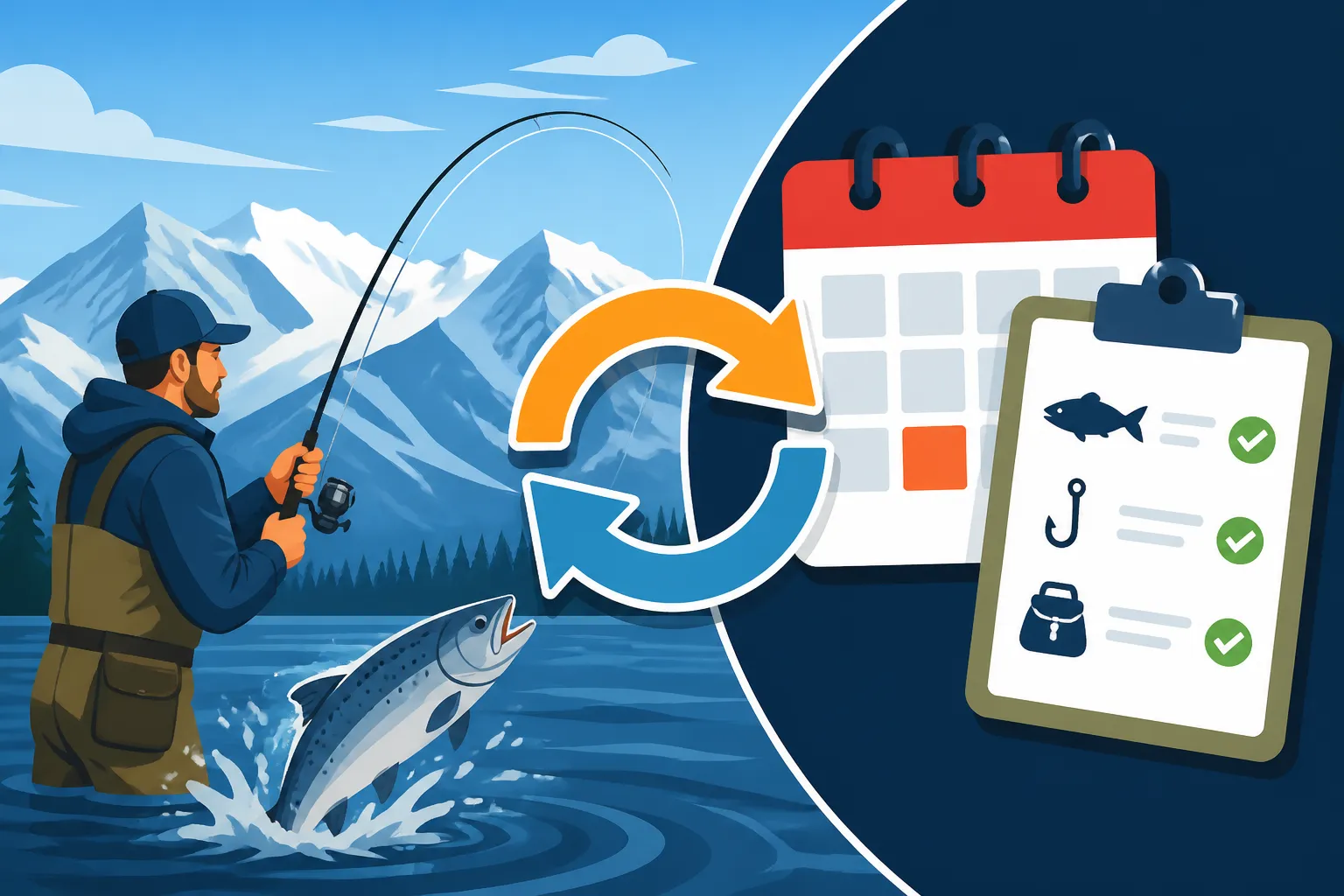
Emergency orders are critical because they allow managers to be flexible and responsive. They are usually announced via press releases, updated on the ADF&G website, and often disseminated through local media, tackle shops, and fishing guides. It's not uncommon for an EO to be issued just hours before it takes effect, so constant vigilance is required, especially if you're targeting a sensitive species or fishing in a popular, heavily managed area like the Kenai River. Learning How to Check Alaska Emergency Orders Before Fishing is absolutely essential.
Annual Regulation Booklets: The Baseline Rules
Every year, the ADF&G publishes comprehensive sport fishing regulation booklets for each of the state's major regions (Southcentral, Southeast, Interior, Arctic-Yukon-Kuskokwim, Southwest). These booklets, available online and at most license vendors and tackle shops, lay out the baseline regulations for the upcoming season. These are the rules established by the Board of Fisheries and any changes from the previous year's Board meetings are incorporated here.
These annual booklets cover:
- Season Dates: When specific species can be targeted.
- Bag Limits: How many fish of each species you can keep per day and in possession.
- Size Limits: Minimum or maximum sizes for retained fish.
- Gear Restrictions: What types of tackle, bait, or hooks are allowed (e.g., Alaska Barbless Hook Requirements).
- Area-Specific Rules: Detailed regulations for particular rivers, lakes, or marine waters.
While these booklets provide a stable foundation, it's vital to remember that they represent the starting point for the season. They do not include in-season Emergency Orders. Think of them as the rulebook that gets handed out before the game starts, but the referee (ADF&G) can still make calls and change rules during the game if conditions warrant. Always pick up the latest copy or download the most recent PDF to ensure you're working with the correct baseline. Our overarching guide to Alaska Fishing Regulations Explained can offer a broader view of these baseline rules.
Board of Fisheries Process: Longer-Term Changes
The Alaska Board of Fisheries is where the most significant, long-term changes to fishing regulations originate. This process is much slower and more deliberate than issuing an Emergency Order. The Board typically meets several times a year, focusing on different regions or species. During these multi-day public meetings, proposals for regulatory changes are considered. These proposals can come from ADF&G staff, fishing organizations, local communities, or individual anglers.
The process usually involves:
- Proposal Submission: Anglers or groups submit detailed proposals for changes.
- Public Hearings: The Board holds extensive public hearings where anyone can testify in person or submit written comments. This is where passionate debates about everything from Alaska Halibut Charter Regulations Explained to specific salmon management plans play out.
- Deliberation and Vote: The Board members discuss the proposals, consider biological and economic impacts, and then vote on whether to adopt, modify, or reject them.
- Implementation: Approved changes are then incorporated into the following year's annual regulation booklets.
Because of this rigorous public process, changes decided by the Board of Fisheries usually take effect with the next fishing season's official regulations, rather than immediately. This gives everyone time to understand and adapt to the new rules. While less frequent than EOs, these Board actions represent foundational shifts in how Alaska's fisheries are managed, often impacting multiple species or entire regions for years to come. For instance, a major discussion about Alaska Fishing Limits and Bag Limits Explained for certain species might happen during a Board of Fisheries meeting, leading to a rule change that remains in effect for multiple seasons until revisited.
Summarizing Regulation Change Frequencies
To give you a clearer picture, here's a table outlining the typical frequency and source of Alaska fishing regulation changes:
| Type of Regulation Change | Source/Authority | Frequency | How it's Communicated | Impact |
|---|---|---|---|---|
| Emergency Orders (EOs) | ADF&G Commissioner | Daily/Weekly (in-season) | ADF&G Website, News Releases, Hotlines, Local Media, Fishing Guides | Immediate, critical, short-term changes to active fisheries |
| Annual Regulation Booklets | Alaska Board of Fisheries, ADF&G | Annually (before season starts) | Printed Booklets, ADF&G Website, License Vendors | Baseline rules for the season, incorporates Board decisions |
| Board of Fisheries Actions | Alaska Board of Fisheries | Bi-annually/Tri-annually (per region/species cycle) | Public Meetings, ADF&G Website, Regulatory Updates | Long-term, foundational changes to fishery management plans |
Staying Up-to-Date with Alaska Fishing Rules
Given the dynamic nature, staying informed isn't just a good idea; it's absolutely crucial for a successful and legal fishing trip. Ignorance of the law is no excuse, and Alaska fishing violations can lead to hefty fines, confiscation of gear, or even loss of fishing privileges.
Essential Resources for Anglers
Luckily, ADF&G provides several excellent resources to help you keep track of current regulations:
- ADF&G Website: This is your absolute first stop. The Alaska Department of Fish and Game website (www.adfg.alaska.gov) has a dedicated section for sport fishing. Here you'll find the digital versions of the annual regulation booklets, press releases for all Emergency Orders, and specific information organized by region. Bookmark the "Emergency Orders" page for the region you plan to fish! This is hands down the most reliable source for the very latest changes.
- Emergency Order Hotlines: Many popular fishing regions have dedicated phone hotlines that provide recorded updates on Emergency Orders. Before you head out, especially if you're hitting a busy river like the Kenai or Russian, dial in. These are updated frequently and can provide crucial last-minute information.
- Local Tackle Shops and Guides: These folks are often the first to know about new EOs and can provide invaluable local insight. When you arrive in a town like Soldotna, Cooper Landing, or Homer, stop by a reputable tackle shop. They live and breathe these regulations every day and often have printouts of the latest EOs. Similarly, a good fishing guide is constantly updated and will ensure you're fishing legally. Many Alaska Fishing Charters: Complete Guide will keep their clients fully informed.
- ADF&G Mobile App: The ADF&G has developed mobile apps (available on both iOS and Android) that provide direct access to regulation booklets, Emergency Orders, and sometimes even interactive maps. This is an excellent tool for on-the-go access, especially if you're out of cell service range and have downloaded the relevant sections beforehand. Search "ADF&G" in your app store to find the official app.
Remember, reading the annual booklet is only half the battle. You absolutely must check for Emergency Orders right before and even during your trip, especially if you're staying for several days.
The Importance of Local Knowledge
While the official channels are paramount, don't underestimate the power of local knowledge. Fishermen in Alaska are often a tight-knit community, and information (and sometimes rumors) travels fast.
- Talk to locals: Strike up conversations at the boat launch, the gas station, or the local diner. Many long-time residents have a deep understanding of historical fish behavior and current trends. Just be sure to cross-reference any "heard it through the grapevine" information with official ADF&G sources.
- Engage with fishing forums and social media groups: There are many active online communities dedicated to Alaska fishing. While these can be great for tips and camaraderie, always verify regulatory information with the official ADF&G sources.
- Hire a reputable guide: If you're visiting Alaska and want to maximize your chances of success while staying compliant, hiring a knowledgeable local guide is perhaps the best investment you can make. They are literally paid to know the rules, the fish, and the latest emergency orders. They handle the minutiae of Alaska Fishing Regulations by Region so you can focus on fishing.
Preparing for In-Season Changes
The reality is that fishing regulations will change during your time in Alaska. It's not a matter of if, but when. Being prepared for these changes can save your trip from disappointment.
- Be Flexible: If your primary target fishery closes due to an EO, have a backup plan. Can you switch to a different species? Move to a different river? Head out on a saltwater charter for halibut instead? Flexibility is key to enjoying your time, even when conditions shift. For example, if the Kenai River King Salmon run is struggling and fishing is restricted, you might consider targeting Alaska Sockeye Salmon Fishing Regulations and Limits on the Russian River or trying your luck for silver salmon later in the season.
- Pack Versatile Gear: If gear restrictions are imposed (e.g., "no bait allowed" or "single barbless hooks only"), having a variety of tackle on hand will allow you to adapt. Don't put all your eggs in one basket with highly specialized gear for a single technique.
- Understand Why Changes Happen: Instead of viewing changes as an inconvenience, understand that they are a testament to Alaska's commitment to sustainable fisheries. These actions are taken to protect the very resource you came to enjoy, ensuring there will be fish for generations to come. This perspective can help mitigate frustration when your plans inevitably change. This holistic approach applies to various fisheries, including Alaska Sport Fishing vs Personal Use allocations.
- Plan Ahead with License Purchases: Ensure you have the correct Alaska Fishing License: Complete Guide for your duration and any necessary stamps, like the Alaska King Salmon Stamp Requirements, well in advance. While licenses don't change daily, having the right one is your first step to legal fishing.
By staying informed through official channels, leveraging local expertise, and maintaining a flexible mindset, you'll be well-equipped to navigate the ever-changing landscape of Alaska fishing regulations and still have an incredible, memorable adventure.
Disclaimer
The information provided in this guide is for general informational purposes only and is not legal advice. Alaska fishing regulations are complex and subject to frequent change. Always consult the most current official Alaska Department of Fish and Game (ADF&G) regulations, including annual regulation booklets and in-season Emergency Orders, before engaging in any fishing activity. It is the angler's sole responsibility to know and follow all applicable rules and laws.