Why Alaska Closes King Salmon Fisheries
There’s almost nothing more deflating for an angler than planning that dream King Salmon trip to Alaska, only to hear whispers – or worse, a firm announcement – that the fishery you were targeting is closed or severely restricted. It’s a gut punch, right? You’ve invested time, money, and emotional energy into this adventure, and suddenly, the goalposts have moved. It leaves you wondering: Why exactly does Alaska close King Salmon fisheries, and what’s really going on behind these often frustrating decisions? This guide is here to shed light on the complex reasons behind these closures, offering a clear, empathetic look at the science, the challenges, and what it all means for you, the angler.
The Core Problem: Declining King Salmon Stocks
Let's not beat around the bush: the primary reason for King Salmon fishery closures in Alaska is conservation. Our majestic King Salmon, also known as Chinook, are facing significant challenges across many parts of their range, and their populations simply aren't as robust as they once were. When the numbers indicate that not enough fish are returning to spawn, managers are forced to take drastic action to ensure the survival of future generations. It’s a tough call, but it’s rooted in a deep commitment to maintaining this incredible resource for years to come.
This isn't a new issue, but it has become increasingly pronounced in recent decades. Rivers that once saw booming King Salmon returns now struggle to meet minimum escapement goals. The scientific data, collected meticulously year after year, paints a concerning picture in many regions, signaling that the stocks are under stress. These closures aren't about punishing anglers; they're about giving these powerful fish a fighting chance to recover.
Understanding Escapement Goals and Stock Status
At the heart of salmon management in Alaska are "escapement goals." These aren't just arbitrary numbers; they are scientifically derived targets representing the optimal number of salmon needed to safely reach their spawning grounds upstream. When enough fish successfully "escape" the various fisheries (sport, commercial, subsistence) and reproduce, it helps ensure a healthy population for the future. The Alaska Department of Fish and Game (ADF&G) sets these goals for individual river systems based on decades of data, genetics, and habitat capacity.
Consider a river like the Kenai or Deshka River on the road system, famous for its King Salmon. ADF&G scientists will monitor the returning fish through various methods, like sonar counts at specific points in the river. If these counts fall below the lower end of the established escapement goal range, it triggers conservation measures. For instance, if the target is 15,000-30,000 Kings and only 10,000 are projected to make it, immediate action is taken. This proactive management, while sometimes inconvenient, is crucial for preventing a complete collapse of the stock. Understanding these dynamics is key to grasping the necessity of restrictions, as detailed in our guide on Alaska King Salmon Fishing Regulations and Limits.
The Weight of Scientific Data and Forecasts
Fishery management in Alaska is an incredibly complex undertaking, and decisions about closures aren't made lightly or based on gut feelings. The ADF&G relies on a robust foundation of scientific research and real-time monitoring. Before a fishing season even begins, biologists analyze past year's returns, ocean conditions, and other factors to develop run forecasts for each salmon species and river system. These forecasts, while never 100% accurate, provide a crucial baseline.
As the season progresses, they use a suite of tools to monitor the actual run strength. This includes aerial surveys for visual counts, sonar arrays that count fish passing upstream (like those on the Kenai or Susitna rivers), weir projects that funnel fish through counting stations, and test fisheries that provide samples of age, size, and genetic stock composition. All this data is constantly reviewed and updated. If the actual returns are tracking significantly below the forecast or below escapement minimums, then the difficult decision to implement closures or restrictions via emergency orders becomes unavoidable. It's a dynamic, data-driven process aimed at adapting to the ever-changing realities of wild fish populations.
A Complex Web of Contributing Factors
It would be too simplistic to say King Salmon declines are due to just one thing. The reality is far more intricate, involving a delicate balance of environmental shifts, human impacts, and natural cycles. When one or more of these factors tilt unfavorably, it can put immense pressure on King Salmon populations, leading to the need for closures. It’s a reminder that Alaska’s wild fisheries are incredibly interconnected and vulnerable.
This multifaceted problem requires a holistic understanding, looking beyond just what happens in the rivers where we cast our lines. The life cycle of a King Salmon spans vast distances, from tiny streams to the open ocean, and challenges at any stage can have cascading effects that ultimately lead to fewer fish returning to spawn.
Environmental Challenges and Ocean Conditions
One of the most significant, and often least controllable, factors influencing King Salmon runs is the ocean environment. Alaska's salmon spend the majority of their lives in the vast Pacific Ocean, and conditions there dictate their survival, growth, and ultimately, their return rates. Factors like ocean temperature, the availability of prey species, and the presence of predators play a massive role. For instance, marine heatwaves, often dubbed "the blob," have been linked to significant changes in the Pacific ecosystem, impacting the food web that King Salmon rely on.
When the ocean is less productive, or when warm waters push preferred prey like herring and capelin into different areas, young King Salmon simply don't have enough to eat to grow strong and survive their years at sea. Additionally, changes in ocean conditions can also lead to an increase in natural predators, such as marine mammals or other fish species, further depleting the numbers. These large-scale environmental shifts are incredibly difficult to predict or manage, making them a constant variable in the health of King Salmon stocks. You can often find scientific reports and studies discussing these trends, sometimes even available on platforms like Amazon for those interested in deeper reads on salmon biology.
Habitat Loss and Freshwater Issues
While the ocean plays a huge role, what happens in Alaska's freshwater systems is equally critical. King Salmon begin and end their lives in rivers and streams, and the quality of these freshwater habitats is paramount for successful spawning and juvenile rearing. Unfortunately, human activities and environmental changes can degrade these vital areas. Development, whether it's for housing, roads, or industrial projects, can lead to habitat fragmentation, increased sedimentation, and altered water flows.
Pollution from various sources can also harm salmon eggs and fry, reducing survival rates. Furthermore, climate change is bringing warmer, drier summers to some regions of Alaska, which can lead to lower water levels and higher water temperatures in critical spawning streams. These conditions stress juvenile fish and can even be lethal, making them more susceptible to disease and predation. Protecting these pristine freshwater habitats is a key component of long-term salmon conservation, and organizations work tirelessly to preserve these delicate ecosystems.
Bycatch and Interception Fisheries
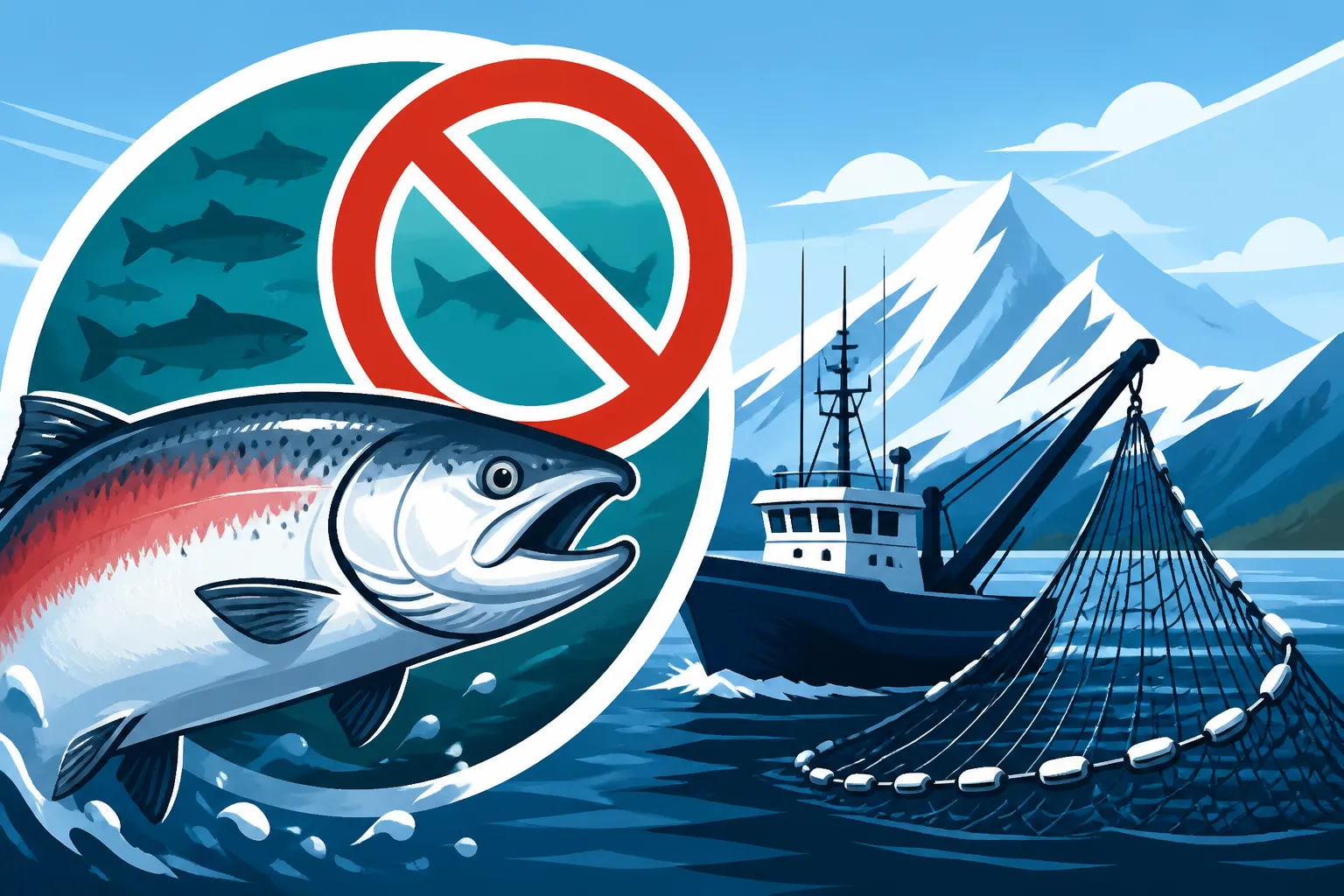
Another contentious factor in King Salmon declines is bycatch, particularly in large commercial trawling operations targeting other species like Pollock in the Bering Sea. While these fisheries are managed to minimize incidental catch, significant numbers of King Salmon can still be caught and discarded. These are often non-local fish, but they contribute to the overall mortality of the species. Similarly, some commercial fisheries are considered "interception fisheries," meaning they catch salmon that are migrating to various rivers, not just local stocks. While perfectly legal and managed, these can sometimes impact specific river systems disproportionately, especially if those systems are experiencing particularly weak runs.
The debate around bycatch is ongoing and passionate. Anglers often feel that if sport fisheries are closed, then commercial bycatch should also face stricter limits. It's a complex management challenge to balance the needs of different fisheries and conservation goals across such a vast and productive region. These regulations are often subject to the Alaska Fishing Regulations Explained booklet, which provides a comprehensive overview of rules for all user groups.
ADF&G's Response: Emergency Orders and Adaptive Management
When King Salmon stocks are in peril, the Alaska Department of Fish and Game (ADF&G) is the state agency tasked with making the tough decisions to protect them. Their approach is one of adaptive management, meaning they respond to real-time data and adjust regulations throughout the season. This often comes in the form of emergency orders, which can feel sudden and disruptive but are a necessary tool for immediate conservation.
It's a delicate balancing act, trying to provide fishing opportunities while ensuring the long-term health of the resource. The job of a fishery manager is often thankless, as decisions that please one group invariably upset another. However, their ultimate mandate is conservation and sustained yield, aiming for healthy fish populations that can be enjoyed for generations.
The Power of Emergency Orders
An emergency order (EO) is a regulatory tool that allows ADF&G to quickly change fishing regulations in response to unforeseen or rapidly developing circumstances. When King Salmon returns are unexpectedly weak, or escapement goals are not being met, an EO can be issued with little notice to implement immediate restrictions. These might include:
- Full Closures: Completely closing a river or section of a river to King Salmon fishing.
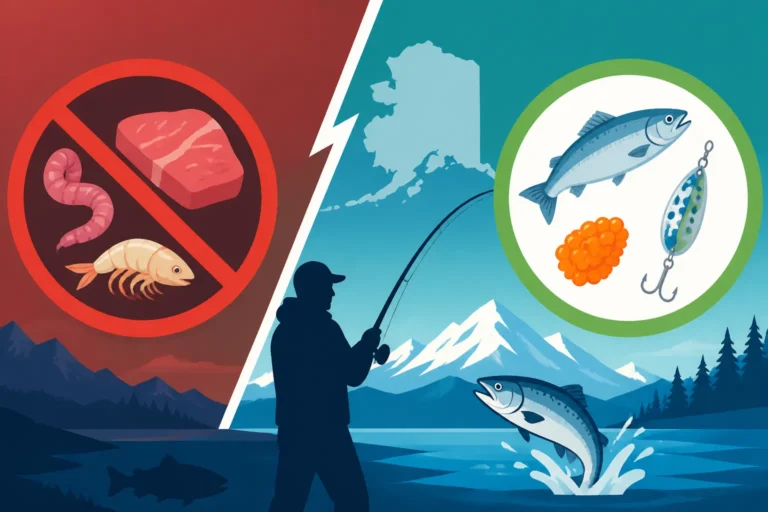
- Gear Restrictions: Requiring single hooks, barbless hooks, or prohibiting the use of bait.
- Time Restrictions: Limiting fishing to certain days of the week or specific hours.
- Size Limits or Bag Limits Changes: Reducing the daily or annual bag limit, or implementing specific size restrictions (e.g., "no retention of Kings 28 inches or over").
- Sport Fishery closures while allowing other fisheries to continue in specific circumstances based on stock composition or historical harvest patterns.
These orders are critical because they provide an immediate lever to reduce fishing pressure and allow more fish to reach the spawning grounds. While they can derail fishing plans, they are a vital mechanism to prevent further decline. To stay ahead of these changes, it’s imperative to know How to Check Alaska Emergency Orders Before Fishing before you head out.
Balancing Act: Sport, Personal Use, and Commercial Fisheries
One of the greatest challenges for ADF&G is balancing the desires and needs of various user groups: sport anglers, subsistence users, personal use dipnetters, and commercial fishermen. Each group has a legitimate claim to the resource, and each contributes significantly to Alaska's economy and culture. When King Salmon runs are weak, managers face intense pressure from all sides.
Often, sport fisheries are among the first to see significant restrictions, primarily because they are generally considered a recreational activity, whereas subsistence and personal use are critical for food security for many Alaskans, and commercial fisheries represent livelihoods. This doesn't mean sport anglers are targeted unfairly; rather, it reflects a hierarchy of priorities established through state regulations and public policy. Sometimes, if a specific King Salmon stock is mixed with healthy stocks of other salmon species in a commercial fishery, it can be difficult to implement selective closures without impacting the healthy species as well. This complex interplay is why understanding Alaska Fishing Limits and Bag Limits Explained is so crucial.
Navigating Closures as an Angler
The reality of King Salmon fishery closures can be incredibly frustrating, especially for visitors who have planned long and hard for their Alaska fishing adventure. However, knowing why these closures happen and how to respond can make a huge difference in your experience. Instead of letting a closure ruin your trip, you can adapt, learn, and still have an unforgettable time on Alaska's waters. Being prepared and flexible is truly the name of the game when fishing in the Last Frontier.
Remember, the vastness of Alaska means that even if one area is restricted, there are often abundant opportunities elsewhere or for different species. It’s about shifting your focus and embracing the diversity that Alaska’s fisheries offer.
Staying Informed and Prepared
The best defense against disappointment is a strong offense of information. Before and during your trip, make it a daily habit to check the ADF&G website for the latest emergency orders and news releases. Many local tackle shops, guides, and lodges are also excellent sources of up-to-the-minute information. You can even find waterproof cases for your phone on Amazon to keep it safe while you check updates on the water. Some rivers, like the Kenai, have dedicated call-in hotlines for current conditions and regulations.
It's a good idea to download or pick up a physical copy of the How to Read Alaska Fishing Regulations booklet, as it contains all the base rules that EOs modify. By being proactive, you can adjust your plans before you even arrive at the river, saving yourself time and potential heartache. Don't rely solely on what someone told you a month ago; regulations in Alaska can, and do, change on a dime.
Adapting Your Fishing Plans
If your targeted King Salmon fishery is closed or heavily restricted, don't despair! Alaska offers a wealth of other incredible fishing opportunities. This is where flexibility really pays off.
- Target Other Salmon Species: Often, when Kings are struggling, other salmon species like Sockeye (Red Salmon), Coho (Silver Salmon), Pink (Humpies), or Chum (Dog Salmon) might be running strong. Sockeye, in particular, offer a phenomenal fighting experience and are excellent table fare. Many fly-fishing patterns for Sockeye are readily available, including on Amazon. Consult the Alaska Fishing Seasons: Month-by-Month Guide to see what else might be biting.
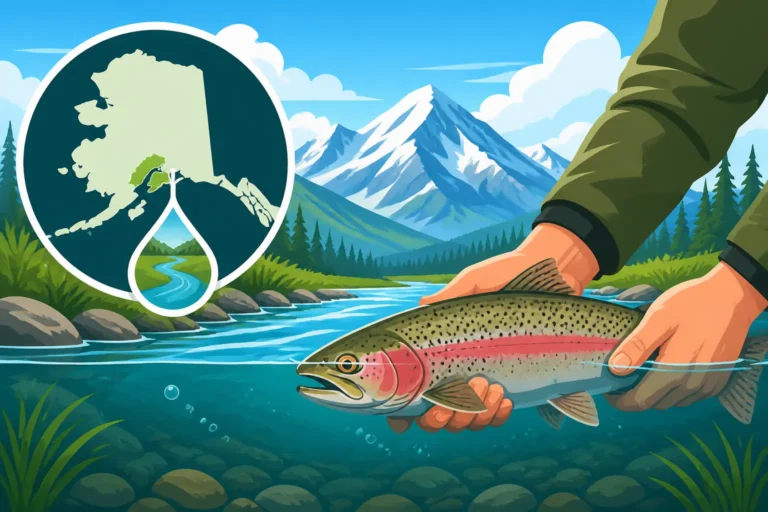
- Focus on Freshwater Trout or Char: Many rivers that host salmon runs also have fantastic populations of Rainbow Trout, Dolly Varden, or Arctic Grayling. These fish often feed on salmon eggs and fry, thriving in the same ecosystems.
- Head to the Saltwater: If you were targeting river Kings, consider shifting to a saltwater charter for Halibut, Lingcod, or Rockfish. These fisheries often operate under different regulations and can provide an exciting alternative. How to Catch Halibut in Alaska is a fantastic resource if you choose to pivot to saltwater.
- Explore Different Locations: Alaska is huge! While one river system might be closed, another a few hours away or a short flight might have open fisheries. Always check the regulations for specific regions.
Being able to pivot your plans ensures that you still get to experience the thrill of Alaska fishing, even if your initial target isn't available.
Your Role in Conservation
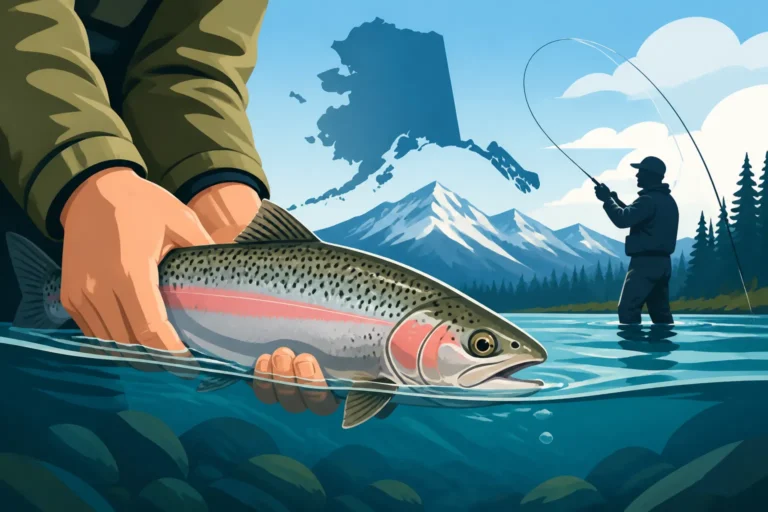
Even if King Salmon fishing is open, but under restrictions (like catch-and-release only, or bait bans), remember that every angler plays a crucial role in conservation. Practice good catch-and-release techniques to maximize the survival of fish you don't retain. Use barbless hooks, handle fish minimally, keep them in the water as much as possible, and revive them gently. This contributes directly to the escapement goals and the health of the stock.
Additionally, consider learning How to Catch King Salmon in Alaska with techniques that minimize stress on the fish. By adhering strictly to all regulations and even going above and beyond in ethical angling, you become a part of the solution rather than inadvertently contributing to the problem. Supporting local conservation groups and advocating for healthy fisheries is another powerful way to make a difference. After all, we all want to ensure that future generations can experience the awe-inspiring fight of an Alaska King Salmon.
Summary of King Salmon Fishery Closures
| Reason for Closure | Explanation | Angler Impact | Management Response |
|---|---|---|---|
| Low Escapement | Insufficient numbers of King Salmon are returning to spawning grounds to meet conservation goals. This is the primary driver for most closures. | Most direct impact: full closures, catch-and-release mandates, bait bans, or gear restrictions. Leads to canceled plans and frustration. | Immediate emergency orders, intensive in-season monitoring (sonar, weirs), reduced bag limits, harvest card requirements. |
| Environmental Factors | Adverse ocean conditions (e.g., marine heatwaves, low prey availability) impacting survival. Freshwater habitat degradation (e.g., pollution, low water levels) affecting spawning success. | Indirect impact: leads to consistently weak runs over time, resulting in more frequent closures. | Long-term habitat protection efforts, scientific research into ocean cycles, adaptive management strategies based on run forecasts. |
| Bycatch & Interception | King Salmon being unintentionally caught in commercial fisheries targeting other species (bycatch) or harvested in mixed-stock interception fisheries. | Contributes to overall decline, potentially leading to more widespread sport fishery closures to compensate. Creates public outcry and demand for stricter commercial limits. | Regulatory measures for commercial fisheries (e.e., time/area closures, gear modifications), ongoing debate and policy adjustments. |
| Forecasting Errors | Initial season forecasts, while scientific, can sometimes overestimate actual returns, leading to in-season adjustments and emergency closures as real-time data emerges. | Sudden, unexpected closures can occur mid-season, causing frustration for those already on a trip. | Continuous in-season monitoring, quick issuance of emergency orders, refinement of forecasting models based on past data. |
Disclaimer
The information provided in this guide is for general informational purposes only and is subject to change. Alaska fishing regulations, including emergency orders, can change rapidly. Always consult the official Alaska Department of Fish and Game (ADF&G) website or contact local ADF&G offices for the most current and accurate regulations before engaging in any fishing activities. Compliance with all state and federal regulations is the sole responsibility of the angler.