Alaska Chum Salmon Regulations and Limits
Trying to make sense of Alaska's fishing regulations can feel like navigating a maze blindfolded, especially when you're targeting a specific species like chum salmon. It's easy to get frustrated with rules that seem to change overnight or vary wildly from one river to the next. This comprehensive guide is here to clear up the confusion, walking you through everything you need to know about Alaska chum salmon regulations and limits so you can fish with confidence and stay on the right side of the law.
Understanding Alaska's Approach to Chum Salmon Management
Alaska's fisheries management, overseen by the Alaska Department of Fish and Game (ADF&G), operates with a fundamental principle: sustainable yield. This means they aim to ensure that fish populations remain healthy for future generations of anglers, commercial fishermen, and the ecosystem itself. For chum salmon, often less glamorous than their King or Sockeye cousins but no less vital, this means a careful balance of allowing harvest while protecting spawning stocks. It's a tough job, and it often leads to regulations that feel complex and, let's be honest, sometimes a bit overwhelming for the average angler. You're not alone in feeling that way!
Why Chum Salmon Regulations Matter (Even if They Seem Less Glamorous)
Chum salmon, also known as Dog Salmon because of their prominent teeth during spawning, play an incredibly important role in Alaska's natural environment and economy. While they might not be the top target for sport anglers looking for a trophy wall-hanger, their sheer numbers contribute significantly to the nutrient cycle of rivers and provide crucial food for bears, eagles, and other wildlife. Commercially, their roe (ikura) is highly prized, and their flesh, while sometimes considered less desirable for grilling fresh than King or Sockeye, is excellent when smoked or canned.
Because of this broad importance, maintaining healthy chum runs is paramount. Regulations are put in place to manage both sport and commercial harvests, ensuring enough fish make it upstream to spawn successfully. Without these rules, even a plentiful species like chum could face localized declines, impacting not only future fishing opportunities but also the delicate balance of Alaska's ecosystems. So, even if you’re just hoping to catch a few for the smoker, understanding why these rules exist helps you appreciate their necessity.
The Dynamic Nature of Alaska Fishing Regulations
One of the biggest frustrations for any angler in Alaska is the ever-changing nature of the regulations. What was legal last week might not be today, thanks to emergency orders. These orders are a critical tool for ADF&G to respond quickly to real-time information about fish runs. If a run is weaker than expected, limits might be reduced or a fishery might close. Conversely, if a run is exceptionally strong, limits might be liberalized. This dynamic approach is designed to protect the resource, but it puts the onus on you, the angler, to stay constantly informed.
It's not enough to just read the regulation booklet once at the beginning of the season. You need to be checking ADF&G's website or calling their emergency order hotlines regularly, especially if you're traveling to a new area or fishing during a particularly active part of the season. Trust me, I've seen plenty of disappointed anglers (and even received a few fines myself in my younger, less diligent days) who thought they knew the rules, only to find out they'd missed an update. For those who want to dive deeper into how these rules evolve, check out our guide on How Often Do Alaska Fishing Rules Change. It's a testament to the complexities of managing such a vast and productive fishery.
Statewide and Regional Chum Salmon Regulations
When it comes to Alaska fishing, there's no single set of rules that applies everywhere. This is especially true for chum salmon, which have vast distribution across the state. Regulations for chum salmon are highly localized, varying significantly by region (like Southcentral, Southeast, or Interior Alaska), specific river systems, and even particular sections of a river. This regional variation is driven by differing run strengths, conservation concerns for local stocks, and pressure from various user groups.
Daily Bag and Possession Limits for Chum Salmon
The core of any regulation framework revolves around bag and possession limits.
- Bag Limit (Daily Limit): This is the maximum number of fish of a particular species you can keep in a single day, from 12:01 AM to 11:59 PM. Once you've reached your daily bag limit, you must stop fishing for that species for the rest of the day.
- Possession Limit: This refers to the maximum number of fish of a particular species you can have in your possession at any given time, regardless of when they were caught. This includes fish at your camp, in your cooler, or at a processor. Typically, the possession limit is two or three times the daily bag limit, but it can vary. For a broader understanding of how these limits work across different species, take a look at our comprehensive article on Alaska Fishing Limits and Bag Limits Explained.
For chum salmon, daily bag and possession limits can range widely. In some areas, particularly during strong runs or in specific terminal fisheries, you might see generous limits like 3 to 6 per day, with possession limits double that. In other areas, perhaps those with lower run sizes or more conservation concerns, the limits could be much lower, sometimes just 1 or 2 per day. It’s not uncommon to find areas where chum salmon are managed as part of a general "other salmon" category, particularly in areas where they aren't the primary target.
Example Scenarios for Chum Salmon Limits:
- Southcentral Alaska (e.g., Valdez area, parts of Cook Inlet drainages): You might find a daily bag limit of 3-5 chum salmon, with a possession limit of 6-10. These higher limits are often seen during peak runs in July and August.
- Southeast Alaska (e.g., Juneau, Ketchikan): Depending on the specific stream or marine area, limits could be similar, or sometimes slightly more conservative in certain freshwater sections to protect local stocks.
- Interior Alaska (e.g., Yukon River tributaries): Here, regulations might focus more on subsistence and personal use, but sportfishing limits could be quite low or specific to certain periods, reflecting the more remote nature and different run dynamics.
It's crucial to consult the current ADF&G regulations booklet for the specific region you plan to fish, as well as checking for any recent emergency orders.
Gear Restrictions and Methods for Chum Salmon
Beyond just how many fish you can keep, regulations also dictate how you can catch them. This includes specifics on gear, bait, and methods. These restrictions are in place to ensure fair chase, minimize harm to released fish, and prevent overharvest, especially for less durable species or those in sensitive spawning areas.
Common Gear Restrictions:
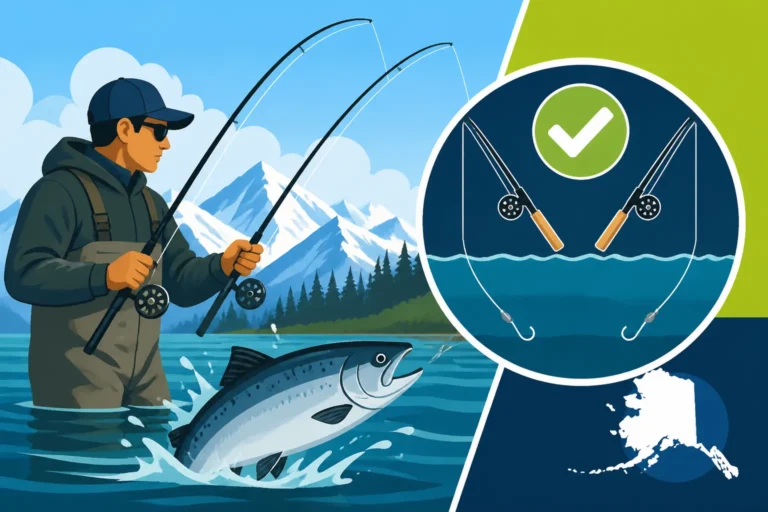
- Single Hook Rules: Many areas in Alaska, especially rivers, require the use of a single hook. This rule often becomes mandatory during periods when King salmon are present or when their runs are weak, even if you are targeting other species like chum. The idea is to reduce incidental mortality on Kings. Our guide on Alaska Single-Hook Rules During King Closures provides more context on this.
- Barbless Hooks: Increasingly common, barbless hooks are mandated in many fisheries to facilitate easier and less harmful release of fish, particularly for catch-and-release fisheries or when specific species must be released. Even if not mandated, using barbless hooks is a good practice for any angler.
- No Bait Zones: Certain rivers or sections of rivers prohibit the use of bait, relying instead on artificial lures or flies. This is often to protect spawning fish or prevent attraction of bears. Before heading out, always check if the area you're fishing for chum has Alaska Bait Restrictions Explained.
- Closed Waters/Seasons: Certain streams or sections may be entirely closed to fishing for specific periods, usually to protect spawning fish or juvenile rearing habitats. Always check the dates and boundaries carefully.
Legal Methods for Chum Salmon:
Chum salmon are aggressive biters, especially in saltwater or the lower reaches of rivers, and can be caught using a variety of legal methods:
- Spin Fishing: This is a popular method using spinning rods and reels with spoons, spinners, or plugs. Lures like the Pixee Spoon, Vibrax spinner, or a Kwikfish are often effective.
- Fly Fishing: When chum are in freshwater, they will readily strike brightly colored flies, particularly chartreuse or pink patterns, often swung or stripped through the current.
- Back-Bouncing/Drift Fishing: In rivers, chum can be caught by drifting cured eggs or artificial presentations (where legal) along the bottom.
- Trolling: In marine waters, trolling with various lures, particularly flashers and spoons, can be very effective for chrome-bright chum salmon.
- Dip Netting: In specific personal use fisheries, primarily for Alaska residents, dip netting is a legal and highly effective method for harvesting chum salmon, especially in crowded fisheries like the Chitina or Kenai River. For those interested in this unique fishery, we have a detailed guide on Alaska Dip Netting Regulations.
Always ensure your chosen method and gear comply with the specific regulations for your fishing location.
Essential Tools and Resources for Staying Compliant
Navigating Alaska's fishing regulations requires more than just a passing glance at a brochure. It demands proactive engagement with official resources. It’s your responsibility to know and abide by the rules, and ignorance is never an excuse in the eyes of a Fish and Wildlife Trooper.
Your Fishing License and Harvest Record Card
First and foremost, you absolutely need a valid Alaska fishing license. This is a non-negotiable requirement for nearly all anglers, resident or non-resident, above a certain age. Whether you're planning a quick day trip or a multi-week adventure, securing your license is step one. For a complete overview of what you need, check out our Alaska Fishing License: Complete Guide.
While chum salmon don't typically require a specific stamp like King Salmon often do (you'll want to read up on Alaska King Salmon Stamp Requirements if you plan to target Kings), you must always carry your license and be prepared to show it to authorities.
Additionally, most annual sport fishing licenses come with a Harvest Record Card. This card is where you record specific species and numbers of certain fish you keep, primarily King salmon and Halibut. While chum salmon generally do not need to be recorded on the standard harvest card for sport fisheries, it's critical to understand the rules. If you're participating in a Personal Use fishery, where chum are a primary target, then specific permits and recording rules will apply. Always keep your card with you and know how to accurately record your catch. If you’re unsure, our guide on How to Fill Out an Alaska Harvest Record Card can walk you through the process. Seriously, take five minutes to understand your Alaska Harvest Record Card Explained because it can save you a headache later.
Leveraging Technology and Local Knowledge
Staying updated with the latest regulations can feel like a full-time job, but there are excellent resources available to make it easier.
- ADF&G Website: The official Alaska Department of Fish and Game website is your ultimate source. You can download the latest regulation booklets, read emergency orders, and find contact information for local offices.
- Emergency Order Hotlines: Many regions have dedicated phone lines that provide recorded messages with the latest emergency order updates. These are invaluable, especially if you're out of cell service range or just want a quick auditory update.
- Local Tackle Shops and Guides: The folks working at your local Alaskan tackle shop are often incredibly knowledgeable about current conditions and regulations. They're on the front lines and hear the latest news. Similarly, if you hire a local guide, they are legally obligated to know and follow the rules, and they can be a fantastic source of real-time information.
- Social Media/Forums: While not official sources, many local fishing groups on social media platforms or online forums can provide alerts and discussions about recent changes. Always cross-reference with official ADF&G channels, but they can be a good heads-up.
When you get your physical regulation booklet, consider getting a waterproof case for it (you can find plenty of options on Amazon) to keep it safe and readable in the often-wet Alaskan environment. Knowing How to Read the Alaska Sport Fishing Regulations Booklet effectively is a skill in itself, as these documents are dense. And for those critical real-time updates, bookmark our article on Where to Find Alaska Emergency Order Announcements.
Common Scenarios and Avoiding Violations
Even with all the information at hand, real-world fishing scenarios can throw curveballs. It’s not just about knowing the rules; it's about anticipating situations and reacting correctly to avoid inadvertently breaking the law. Violations can range from warnings to hefty fines and even confiscation of gear or your catch.
The Unexpected King Salmon Encounter
Imagine this: You're happily spin fishing for chum salmon in a river like the Kenai or the Deshka, where coho and pinks might also be running. The regulations for chum are clear, but suddenly, you hook into something much bigger, and with that tell-tale grey mouth lining and massive shoulders, you realize it's a King salmon. But wait – you don't have a King Salmon Stamp, or maybe Kings are closed to retention in that particular river. What do you do?
This is a common scenario. If you accidentally hook a King salmon (or any other species that is closed or for which you lack the proper stamp/license endorsement) while targeting legal species like chum, you are legally required to release it immediately, while it is still in the water. Do not bring it into your boat or onto the bank for a picture. Handle it as gently as possible to minimize stress and injury. Barbless hooks become your best friend in these situations, making quick release much easier. Familiarize yourself with Alaska Catch-and-Release Best Practices to ensure you're doing everything possible to help the fish survive. Getting caught with a King salmon out of the water when it's closed or without the proper stamp can lead to significant fines and penalties.
Personal Use and Subsistence Fishing for Chum
It's worth noting that a substantial portion of the chum salmon harvest in Alaska happens outside of the standard sport fishery through Personal Use and Subsistence fisheries. These are specific types of fisheries, often regulated by permit, where Alaskan residents can harvest larger quantities of salmon, including chum, for personal consumption.
- Personal Use Fisheries: Often involve methods like dip netting (as mentioned earlier, Alaska Dip Netting Regulations are very specific) or gillnetting in designated areas. These fisheries typically have specific dates, locations, and often very generous bag and possession limits compared to sport fishing, but they require a separate permit, specific gear, and strict reporting. Many Alaskans participate in personal use fisheries on rivers like the Chitina or the Kenai to fill their freezers with salmon. For those interested, our article on Alaska Personal Use Fishing Explained provides a comprehensive overview.
- Subsistence Fisheries: These are even more culturally and historically significant, primarily for rural residents who rely on fish for their way of life. They have distinct regulations and are generally not accessible to the average sport angler.
While these fisheries don't directly apply to most sport anglers, understanding they exist highlights the multifaceted management of Alaska's salmon resources, and why sportfishing regulations might seem relatively restrictive in comparison.
Here's a simplified overview of how chum salmon regulations might look in different parts of Alaska. Remember, this is for illustrative purposes only and you must check current ADF&G regulations for your specific area before fishing.
| Region | Typical Daily Bag Limit (Chum Salmon) | Typical Possession Limit (Chum Salmon) | Common Gear Restrictions | Common Fishing Methods |
|---|---|---|---|---|
| Southcentral | 3-6 (can vary by river) | 6-12 | Single hook (often barbless), no bait in some areas | Spin, Fly, Back-bouncing, Trolling (marine) |
| Southeast | 3-5 (can vary by stream/marine area) | 6-10 | Single hook (often barbless), bait restrictions sometimes | Spin, Fly, Trolling (marine) |
| Interior | 1-3 (can be very restrictive or tied to general salmon limits) | 2-6 | Single hook, no bait common | Spin, Fly |
| Personal Use | Varies greatly by fishery & permit | Varies greatly by fishery & permit | Specific gear (e.g., dip net, gillnet) | Dip netting, Gillnetting |
This table underscores the importance of precision when researching your fishing spot. Always assume regulations are highly localized and subject to rapid change via emergency orders.
Disclaimer
The information provided in this guide is for general informational purposes only and is not a substitute for the official Alaska Department of Fish and Game (ADF&G) regulations. Fishing rules and limits in Alaska are highly dynamic and subject to frequent change through emergency orders. Always consult the current ADF&G Sport Fishing Regulations booklet for the specific region you intend to fish, and check for the latest emergency orders before heading out. Failure to comply with all regulations can result in fines, penalties, and forfeiture of your catch and gear.