What to Expect on a Kenai Salmon Trip
Embarking on a salmon fishing trip to Alaska, especially to a legendary river like the Kenai, is a dream for many, but the reality of planning and executing such an adventure can feel incredibly daunting. From navigating complex regulations and fluctuating fish runs to simply knowing what to pack and who to trust, the sheer volume of unknowns can turn excitement into apprehension. This comprehensive guide is here to demystify the Kenai salmon fishing experience, helping you set realistic expectations and prepare for an unforgettable Alaskan journey.
Planning Your Kenai Salmon Adventure
Before you even think about casting a line into the turquoise waters of the Kenai, there's a good deal of homework to do. Alaska fishing isn't just a casual affair; it requires thoughtful preparation, especially when targeting specific salmon species on a world-renowned river like the Kenai. Understanding the nuances of timing, regulations, and booking logistics will lay the groundwork for a successful and stress-free trip.
Choosing the Right Time and Species
The Kenai River is famous for its salmon runs, but not all salmon arrive at the same time, nor do they offer the same fishing experience. Your primary decision will revolve around which species you want to target, as this dictates the best time to visit and the techniques you'll employ. While many dream of a trophy King Salmon, the experience of a Sockeye run is wildly different.
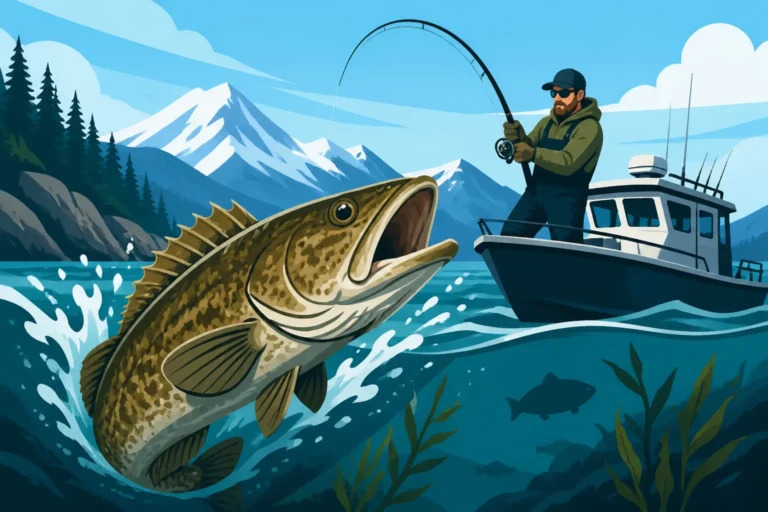
King Salmon (Chinook) season generally kicks off in late May and runs through June and into early July. These are the giants of the Pacific salmon species, renowned for their incredible fighting power and impressive size. Fishing for Kings on the Kenai is often done from a boat, back-trolling or back-bouncing with large plugs or cured eggs. It’s a game of patience and skill, with fewer fish caught per angler compared to other species, but the reward of landing a Kenai King is unparalleled. Be aware that the Alaska King Salmon Fishing Regulations and Limits can change frequently due to conservation efforts, sometimes even closing entirely on short notice.
Sockeye Salmon (Red Salmon) arrive in two distinct runs. The first, smaller run usually starts in late May and continues through June, primarily targeting the tributaries of the Kenai River. The second, much larger run typically begins mid-July and peaks in late July or early August, bringing millions of fish into the mainstem of the Kenai. This is often what people imagine when they think of "combat fishing" – anglers standing shoulder-to-shoulder, casting for bright red sockeye. Techniques for sockeye on the Kenai often involve "flossing" or "lining" the fish, a specific method of drift fishing that allows a leader to pass through the fish's mouth, hooking it cleanly on the outside. While less about the "take" of the bite, the sheer volume of fish and the relentless action can be incredibly exciting. Knowing When Do Sockeye Salmon Run in Alaska is key to planning a successful trip focused on these abundant fish.
Silver Salmon (Coho) are another popular target, typically arriving from mid-August through September. These acrobatic fighters are known for their aggressive strikes and spectacular jumps. Coho fishing often involves casting spinners, spoons, or flies, making for a very active and visually engaging experience. They are also excellent table fare, and their runs provide a fantastic late-season opportunity.
Understanding Licenses and Regulations
Let's be honest, fishing regulations can be a headache no matter where you go, but in Alaska, they can feel like a labyrinth. Ignoring them, however, is not an option. A day on the Kenai can easily be ruined by a run-in with an Alaska Wildlife Trooper if you're not in compliance. The good news is, with a little preparation, you can navigate these rules successfully.
First and foremost, everyone 16 years of age or older needs an Alaska Fishing License: Complete Guide. For non-residents, you'll need to decide between a 1-day, 3-day, 7-day, 14-day, or annual license, depending on the length of your stay. If you're targeting King Salmon, you'll also need a King Salmon stamp, which is an additional purchase. These licenses and stamps can be purchased online through the Alaska Department of Fish and Game website or at many local sporting goods stores and vendors throughout Alaska. Make sure you have a physical copy or an easily accessible digital copy on your phone.
Beyond the license, it’s absolutely critical to understand the daily and annual bag limits for each species, as well as any specific gear restrictions or open/closed waters. The Kenai River, in particular, is highly regulated due to its popularity and the sensitivity of its fish stocks. Alaska Fishing Regulations Explained provides an excellent overview, but it’s vital to check the current year’s regulation booklet and any emergency orders just before and even during your trip. Emergency orders can change regulations on the fly – closing fisheries, altering bag limits, or mandating specific gear changes (like single-hook, artificial lure only) due to low fish escapement numbers. This happens often on the Kenai, especially for King Salmon, so knowing How to Read Alaska Fishing Regulations and where to check for updates is paramount. You don't want to travel all that way only to find out the fishery for your target species is closed!
Finally, the Alaska Harvest Record Card Explained is a mandatory component for certain species, especially King Salmon and sometimes Steelhead. You must record your catch immediately after retention, including the date, species, and location. Failure to do so can result in significant fines and penalties. Keeping a pen handy and understanding the recording rules is part of responsible angling in Alaska.
Booking Your Trip: Guided vs. DIY
Deciding whether to hire a guide or go it alone is one of the biggest choices you’ll make for your Kenai salmon trip. Both options have their merits and drawbacks, but for a first-timer, a guided trip often offers a significant advantage.
A guided trip on the Kenai usually means a half-day or full-day excursion with a professional, licensed fishing guide who provides the boat, all necessary gear (rods, reels, tackle), and their expertise. For species like King Salmon or even Silver Salmon, fishing from a drift boat or powerboat with a seasoned guide dramatically increases your chances of success. They know the river, where the fish are holding, what baits or lures are working, and how to navigate the ever-changing regulations. Many guides also offer basic fish cleaning and bagging at the end of the trip, which is a huge convenience. You can find reputable guides through online platforms like FishingBooker, which allows you to compare different charters, read reviews, and book directly. When booking, always ask what's included in the price – some guides even include a packed lunch or drinks.
Going the DIY route offers more flexibility and can be more budget-friendly, but it comes with a steep learning curve and significant logistical challenges. If you plan to bank fish for Sockeye during the second run, you might rent waders, a rod, and tackle locally and simply head to popular spots like the Russian River confluence or certain stretches of the Kenai. However, fishing from a boat without a guide requires owning or renting a suitable boat, knowing the river's treacherous currents and shallow spots, and having all your own gear. For non-residents, shipping or bringing all that gear can be a hassle, and local rentals can add up. It's truly only recommended for experienced anglers who are familiar with the area or have a local contact. For those looking to compare options, FishingBooker also lists many options for various types of trips, which can help you gauge costs and services even if you ultimately decide on a more independent approach.
| Salmon Species | Primary Season | Typical Size (lbs) | Primary Technique | Difficulty for DIY |
|---|---|---|---|---|
| King (Chinook) | Late May – Mid July | 20-50 (up to 90+) | Back-trolling, Back-bouncing | High |
| Sockeye (Red) | Late May – Early Aug | 6-12 | Flossing, Drifting | Moderate |
| Silver (Coho) | Mid Aug – Late Sept | 8-15 | Casting spinners/spoons, Flies | Moderate |
On the Kenai River: The Fishing Experience
Once the planning is done and you've arrived, the real adventure begins. The Kenai River is a force of nature, and fishing it is an experience that engages all your senses. From the crisp morning air to the powerful pull of a salmon on your line, it’s unlike fishing anywhere else. However, it’s crucial to have realistic expectations about what a typical day entails and what you’ll be up against.
Typical Day on the Water
Your Kenai salmon fishing day, especially with a guide, will often start early. We're talking pre-dawn early, sometimes even before the sun peeks over the mountains. This isn't just for dramatic effect; it's because the early hours often offer the best bite, and it’s also when guides vie for prime fishing spots. Expect to meet your guide at a designated boat launch near towns like Soldotna or Cooper Landing, often before 6:00 AM. Even if you're not a morning person, the anticipation of the day ahead quickly shakes off any lingering sleepiness.
Once on the boat, you'll be briefed on safety and the day's plan. Your guide will explain the specific techniques you'll be using, how to hold the rod, how to set the hook, and what to do once you've got a fish on. They might emphasize "no bananas on the boat" or "don't touch the net until told to," all part of the local fishing superstitions and practical safety rules. For King Salmon, you'll likely spend the day drifting downriver, often covering many miles, with your guide constantly adjusting the boat and bait to put you in the best position. For Sockeye, if you're bank fishing, you'll find yourself amongst a bustling crowd, all employing similar techniques, casting and retrieving in rhythmic unison. The river is busy, and you'll share it with numerous other boats and anglers, especially during peak season.
The Alaskan weather can be unpredictable, so be prepared for anything from glorious sunshine to driving rain and biting wind, sometimes all in the same hour. Layers are your best friend here, as are good quality raingear and waterproof boots. Many guides provide some rain gear, but it's always best to bring your own reliable set. A typical trip lasts anywhere from 4 to 8 hours, and throughout that time, your guide will be working tirelessly to put you on fish, offering advice, and ensuring your safety. Even on slower days, the stunning scenery and the camaraderie make for a memorable experience.
Common Fishing Techniques
Fishing the Kenai, especially for salmon, often involves specific techniques that are highly effective but might be new to anglers from other regions. Your guide will walk you through these, but having a basic understanding helps.
For King Salmon, two primary boat-based techniques dominate: back-trolling and back-bouncing. Back-trolling involves using the boat's motor to slowly move upstream against the current, allowing weighted lures (like Kwikfish or FlatFish) or baited divers to wobble enticingly near the bottom where Kings often hold. You'll be holding a heavy rod, feeling for the subtle take of a powerful fish. Back-bouncing is another popular method, particularly in deeper holes or faster currents. Here, a heavy lead weight (often a "slinky" or cylindrical lead) is attached to the main line, and a bait (like cured salmon roe) or lure is presented on a short leader. The weight is "bounced" along the river bottom, allowing the bait to drift naturally. Both techniques require a keen feel for the bottom and a strong hook set. To truly master these, exploring resources like How to Catch King Salmon in Alaska can offer deeper insights.
Sockeye Salmon fishing on the Kenai is almost synonymous with "flossing" or "lining." Unlike predatory Kings that actively strike bait, Sockeye in freshwater are primarily focused on spawning and generally don't feed. Flossing involves using a long leader and a heavy weight to sink a small, often unbaited fly or bare hook setup to the bottom. The idea is to allow the current to "floss" the leader through the fish's open mouth as they face upstream. When you feel a slight hesitation or "tick," you set the hook, ideally snagging the fish cleanly in the mouth or jaw. This technique can be frustrating at first, as it requires a specific feel and rhythm, but once you get it down, it can be incredibly effective when millions of Sockeye are in the river. Learning How to Catch Sockeye Salmon in Alaska delves into this technique in much greater detail.
For Coho Salmon, techniques are more varied and often more akin to traditional lure fishing. Casting spinners (like a Pixee Spoon or Mepps Comet) or spoons (such as a Dardevle) into seams, eddies, and shallower runs is highly effective. Fly fishing with flashy streamers can also be incredibly productive for Silvers. The key is often to retrieve with an erratic motion to trigger an aggressive strike. Your guide will provide all the necessary tackle, ensuring you have the right colors and sizes for the current conditions.
Gear and What to Bring
While your guide will supply the heavy-duty fishing gear, there are essential personal items you need to bring to ensure your comfort and safety on the Kenai River. Alaska's weather is notoriously fickle, and being unprepared can quickly diminish your enjoyment.
Layering is paramount. Start with a moisture-wicking base layer (like merino wool or synthetic materials), add a warm fleece or down mid-layer, and top it off with a waterproof and windproof outer shell. Even on a sunny day, the air over the river can be chilly, and if it rains, you'll be glad for quality rain gear. Your guide may have some loaner gear, but your own well-fitting Best Rain Gear for Alaska Fishing is always preferable. Waterproof boots are also critical; chest waders might be necessary for bank fishing sockeye, but for boat fishing, knee-high waterproof boots are usually sufficient.
Don't forget essentials like a hat (for sun protection or warmth), sunglasses (polarized lenses are a game-changer for spotting fish and reducing glare), and sunscreen. Even on cloudy days, the Alaskan sun can be surprisingly strong. Insect repellent, especially during early and mid-summer, is also a must for combating mosquitoes and no-see-ums, particularly if you're spending time on shore or near brushy areas.
Other useful items include a small backpack to carry your personal effects, a camera to capture the memories (make sure it's waterproof or in a dry bag!), and any personal medications. Snacks and drinks are often a good idea, though some guided trips might include them. A small dry bag for your phone, wallet, and keys is also highly recommended, as splashes and rain are almost inevitable. When you think about How to Dress for Alaska Fishing, remember that staying dry and warm is the key to enjoying your time on the water, regardless of what the fish are doing.
After the Catch: Processing and Preservation
Congratulations, you've landed your Kenai salmon! But the journey doesn't end there. One of the most critical, yet often overlooked, aspects of an Alaska fishing trip is what happens after the catch. Proper handling, processing, and preservation are essential to ensure your hard-earned fish makes it home in prime condition, ready to be enjoyed.
Handling Your Salmon
From the moment a salmon is landed, its quality as table fare begins to degrade. Prompt and proper handling is crucial. Most guides will quickly dispatch the fish, often by bleeding it immediately. This involves making a cut to the gills or artery to allow the blood to drain, which significantly improves the flavor and texture of the meat by removing impurities. The fish is then often placed in a kill bag or cooler filled with ice slurry (ice and water) to rapidly bring down its core temperature. This slows bacterial growth and preserves the flesh.
On a guided trip, your guide will typically take care of this initial processing. For King Salmon and larger Silver Salmon, they might fillet the fish right on the boat or at the dock. Sockeye, being smaller, are often kept whole and gilled-and-gutted before being transferred to a processing facility. Always defer to your guide's expertise here, as they are professionals dedicated to ensuring your catch is handled correctly. If you're fishing DIY, you'll need to be prepared to bleed and ice your fish immediately, bringing a large cooler packed with ice for this purpose. The goal is to keep the fish as cold as possible until it reaches a processor or your freezer.
Local Processing Options
Unless you plan to consume all your fish during your trip or are set up for extensive processing at your lodge, you'll likely use one of the many excellent commercial fish processors in the Kenai Peninsula area. Towns like Soldotna, Kenai, and Sterling have reputable facilities that specialize in handling sport-caught fish.
These processors offer a range of services, including custom filleting (steaks, portions, skin-on/off), vacuum sealing, and flash-freezing. Many also offer smoking or canning services if you want a specialty product. Expect to drop off your fish, discuss your preferences (e.g., "I want half my sockeye filleted for grilling and the other half smoked"), and then pick it up a few days later, or have it prepared for shipping. Companies like 10th & M Seafoods or Kenai River Custom Seafoods are well-known in the area and handle thousands of pounds of fish annually. They are experts in ensuring your fish is perfectly preserved. The cost varies based on the services chosen and the total weight of your fish, but it’s a worthwhile investment to protect your valuable catch.
It's wise to coordinate with your processor in advance, especially during peak season, to understand their hours, typical turnaround times, and any specific drop-off procedures. Some lodges or charters have direct relationships with processors and can facilitate the drop-off for you. Make sure you clearly label your fish with your name and contact information.
Transporting Your Catch Home
Getting your processed salmon home is the final logistical hurdle, but local processors have this down to a science. Most processing facilities offer sturdy, airline-approved insulated fish boxes designed to keep your frozen catch solid for the journey. These boxes are typically made of waxed cardboard with a thick styrofoam liner.
You have a few options for transport. The most common is to check your fish box as luggage on your flight home. Airlines have specific rules regarding frozen fish, so check with your carrier in advance for weight limits, dimensions, and any specific packaging requirements. Generally, your fish needs to be fully frozen, and dry ice is sometimes used for longer travel, though regulations on dry ice vary by airline. Ensure your box is clearly labeled with your name and destination. For a good overview of options, check out Alaska Fish Transport and Shipping Home Rules.
Another option is to ship your fish via FedEx or UPS. Processors can often arrange this directly for you. This is a convenient choice if you have a lot of fish or if you're flying with a carrier that has stricter luggage policies. The downside is that shipping can be expensive, especially for heavier boxes. However, it ensures your fish arrives directly at your doorstep, often within a day or two of processing. Regardless of how you choose to transport your fish, make sure to plan for it well in advance and factor in the additional costs. There’s nothing worse than catching a freezer full of fish and then realizing you have no way to get it home.
Navigating Challenges and Making the Most of It
Fishing in Alaska is an incredible privilege, but it's not always a postcard-perfect experience. The Kenai River, especially, can present its own set of challenges that can test an angler's patience and adaptability. Understanding these potential hurdles and embracing the bigger picture will help you make the most of your Kenai salmon trip.
Dealing with Crowds and Emergency Orders
Let's address the elephant in the room: the Kenai River can get crowded, particularly during the peak Sockeye run in July. Imagine dozens, sometimes hundreds, of boats on the water, all vying for the best drifts. If you’re bank fishing, expect to be shoulder-to-shoulder with other anglers, a phenomenon affectionately (or not so affectionately) known as "combat fishing." While this intensity can be part of the Kenai experience, it's important to set realistic expectations. This isn't a serene, solitary fishing trip for most. Patience, courtesy, and a good sense of humor are essential. Your guide will do their best to find less crowded spots, but on a river this popular, complete solitude is rare.
Beyond the crowds, Alaska’s fisheries are actively managed, and regulations can change rapidly through "Emergency Orders." These orders are issued by the Alaska Department of Fish and Game (ADF&G) to respond to real-time fluctuations in fish runs, aiming to conserve stocks and ensure sustainable fishing for the future. For instance, a King Salmon fishery might be closed to retention or restricted to catch-and-release only if escapement numbers are low. Similarly, Sockeye limits can be reduced or increased based on the strength of the run. Knowing Where to Find Alaska Emergency Order Announcements is crucial, as checking the ADF&G website or hotline regularly can prevent disappointment or accidental violations. A good guide will always be up-to-date on the latest orders, but it’s still wise for you to be aware. Embrace the fact that these changes are for the long-term health of the fishery.
Respecting Wildlife and the Environment
When you fish in Alaska, you are entering a wild domain, and respecting its inhabitants and pristine environment is non-negotiable. The Kenai Peninsula is prime bear country, particularly brown bears (grizzlies) that are drawn to the abundant salmon. If you're bank fishing or camping, practice proper bear safety: carry bear spray, make noise, store food in bear-resistant containers, and never approach bears or their cubs. Your guide will provide safety briefings and advice, especially if fishing near known bear habitats. Bear encounters are rare on guided boat trips, but awareness is always key.
Beyond bears, the Kenai River ecosystem is delicate. Practice "Leave No Trace" principles: pack out everything you pack in, including any fishing line, bait containers, or trash. Avoid wading unnecessarily through redds (salmon spawning beds), which appear as clean, gravelly depressions in the riverbed. If you're catch-and-release fishing, use proper techniques to minimize harm to the fish, such as barbless hooks and quick releases, especially important for wild steelhead or rainbow trout. Be mindful of prop wash and boat wakes around other anglers and wildlife. By actively being good stewards of the environment, we help ensure these incredible fishing opportunities remain for generations to come.
Maximizing Your Overall Experience
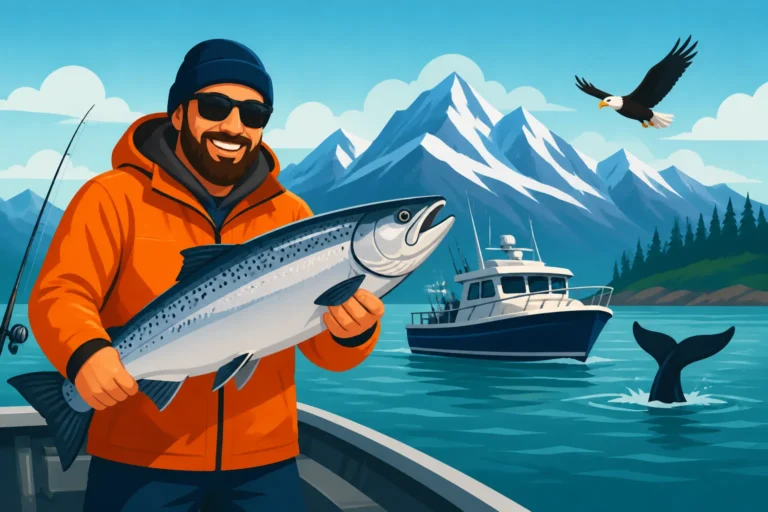
Ultimately, a Kenai salmon trip is about more than just catching fish – though that’s certainly a huge part of the fun! To truly maximize your experience, shift your focus from solely counting fish to embracing the entire adventure. Appreciate the breathtaking Alaskan scenery: the towering mountains, pristine forests, and the vibrant wildlife, from bald eagles soaring overhead to moose grazing on the riverbanks.
Engage with your guide. These individuals are a wealth of knowledge, not just about fishing, but about local history, ecology, and Alaskan life. Ask questions, listen to their stories, and learn from their years of experience on the river. They are often incredibly passionate about what they do, and sharing that passion can enrich your trip immensely. If you used FishingBooker to find your guide, remember to leave a thoughtful review afterwards to help other anglers.
Be prepared for the unexpected and maintain a flexible attitude. Alaska is wild, and things don't always go according to plan – weather can change instantly, fish runs can be early or late, and emergency orders can alter your fishing strategy. A positive, adaptable mindset will serve you far better than rigid expectations. Bring a camera, take pictures, and soak in every moment. Whether you land a trophy King, fill your cooler with bright Sockeye, or simply enjoy a day on the water surrounded by unparalleled beauty, a Kenai salmon trip is an adventure that will create lasting memories for years to come.
Disclaimer
Please note that fishing regulations in Alaska can change frequently due to emergency orders from the Alaska Department of Fish and Game. Always consult the most current Alaska Sport Fishing Regulations booklet and check for emergency orders before heading out on your fishing trip. The information provided in this guide is for general informational purposes only and should not be considered legal advice or a substitute for official regulations.